What Most People Get Wrong
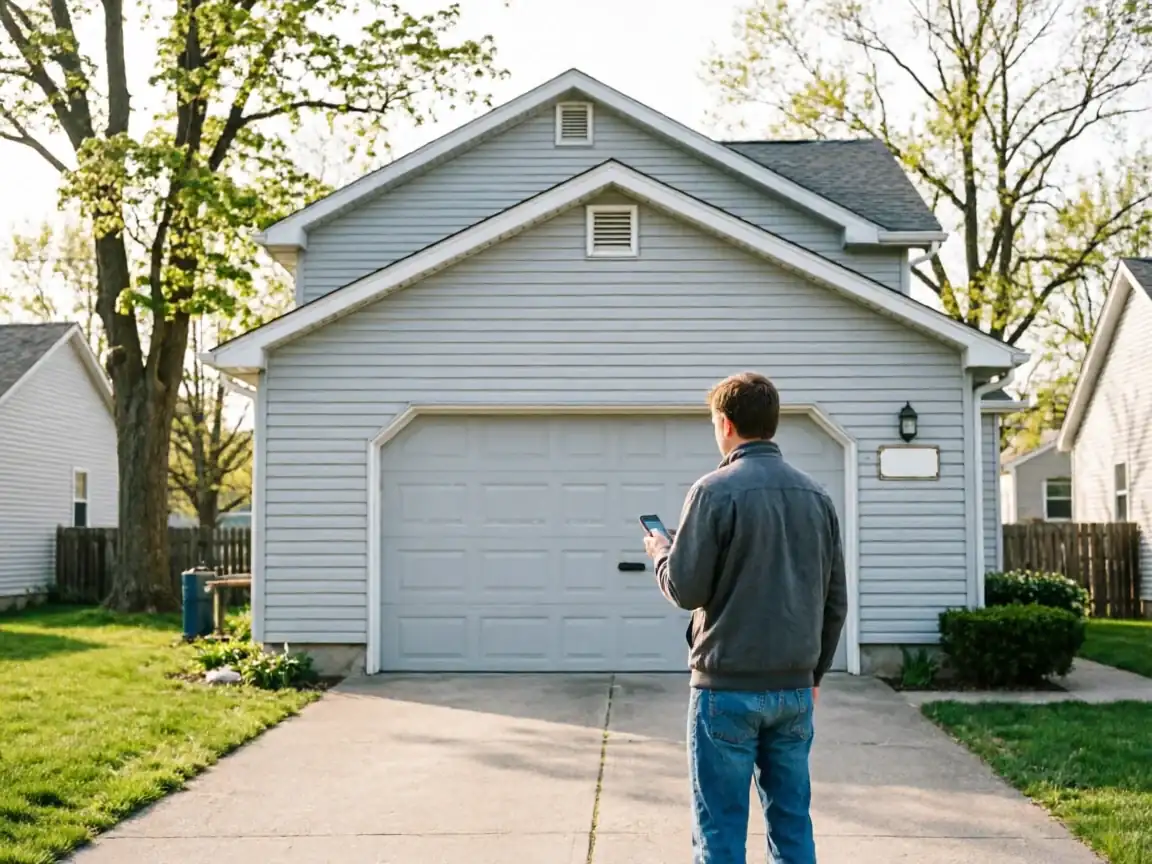
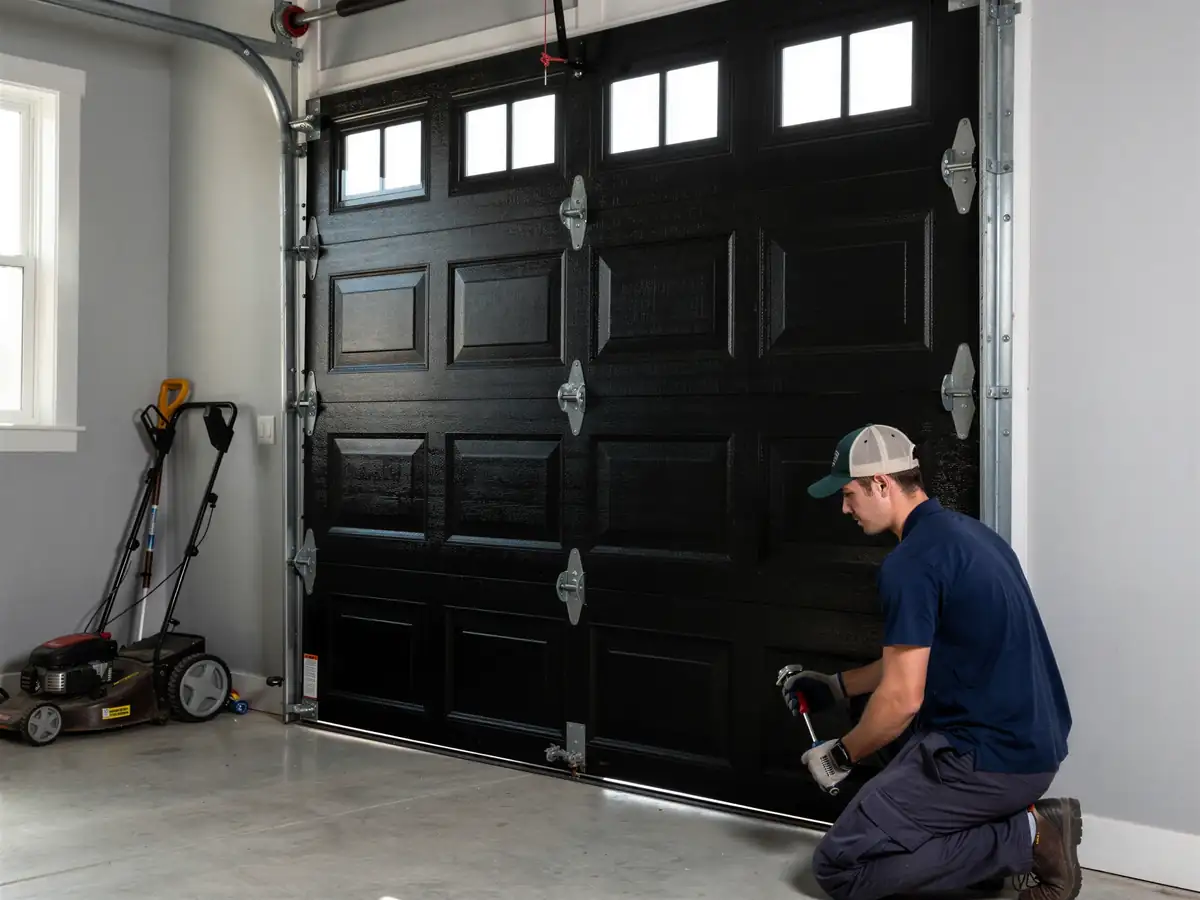
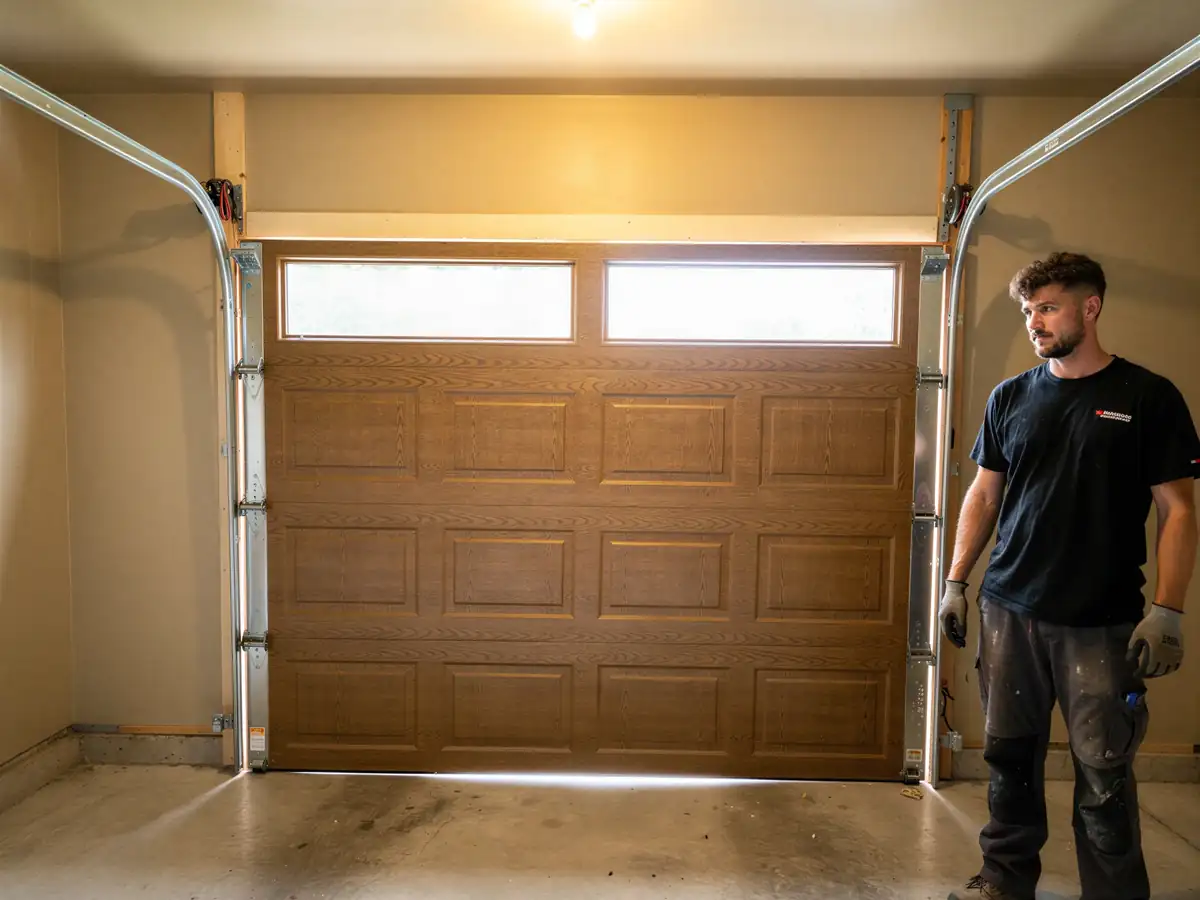
Most people assume swapping a garage door is like swapping an appliance: measure the opening, order the size, done. That's not how it works in a city where the housing stock runs from 1957 up through 2007, with the median build year sitting around 1980. A door bought off the shelf today is sized and engineered for current code and track geometry. A house from the 1960s or 1970s often has a different jamb depth, a different headroom allowance for the spring system, and sometimes a framed opening that's an inch or two off from what a modern pre-hung door expects.
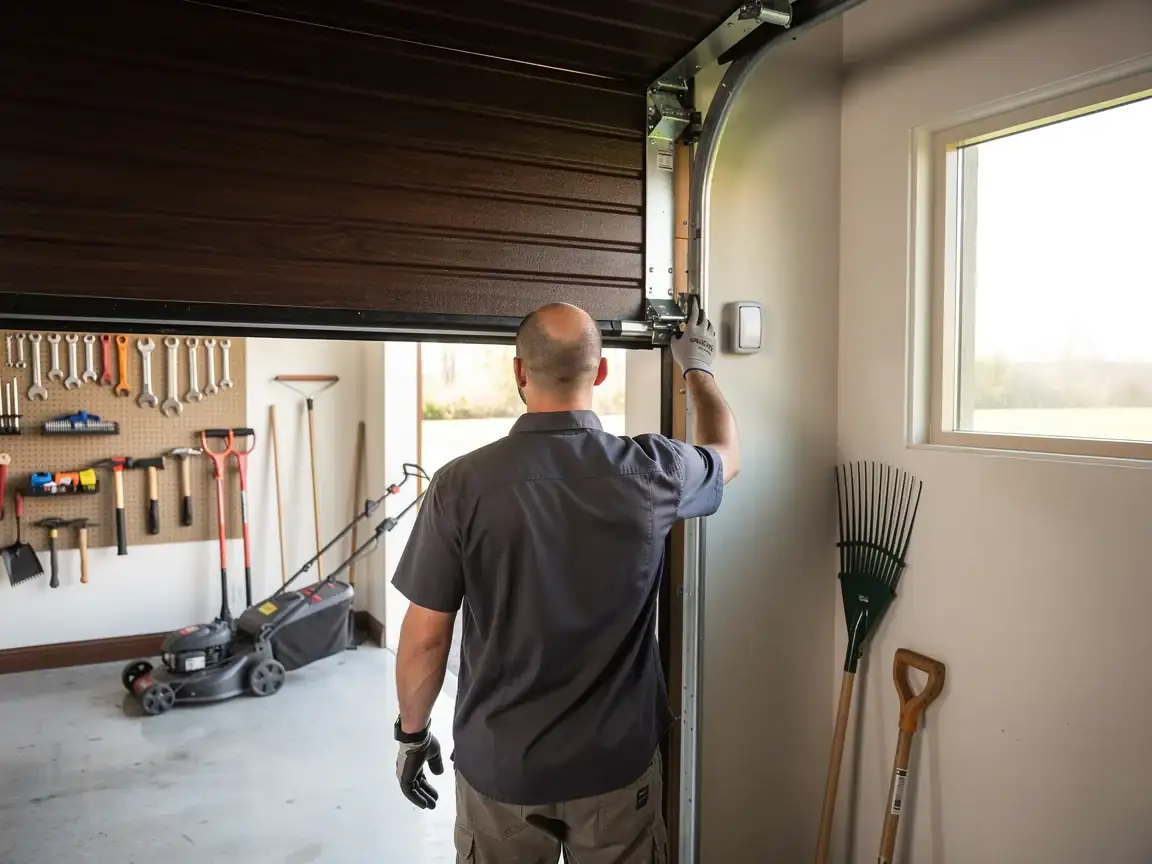
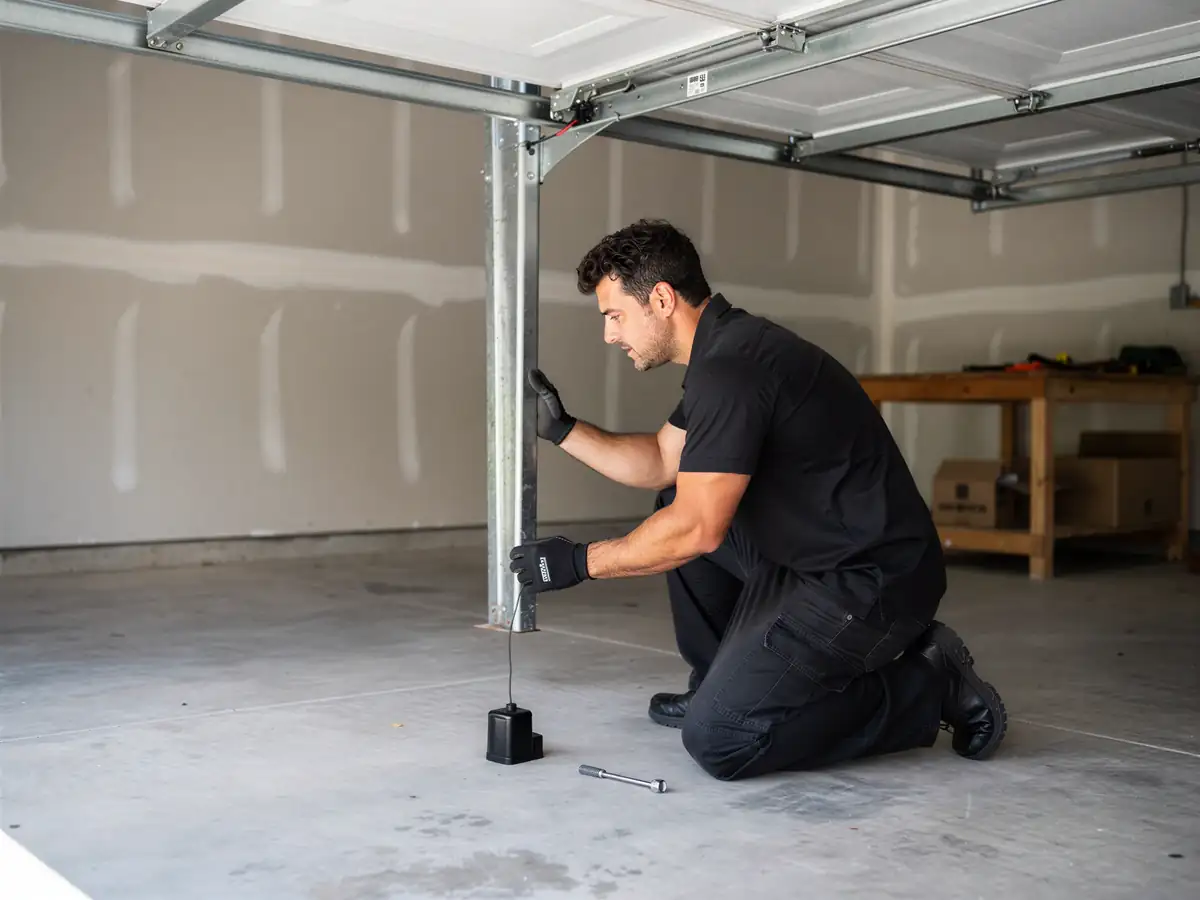
Across the 58 named areas that make up this city's housing map, the dominant build era is the 1980s and 1990s, which brings its own quirk: that generation of homes frequently paired doors with early chain-drive openers that were never upgraded, so when the door gets replaced the opener's mounting bracket, rail length, or safety sensor placement doesn't line up with the new door's track. Buying the door is the easy part. Matching it to what's actually bolted into a thirty-to-sixty-year-old frame is where the job either goes smoothly or turns into a second trip.
Leaving It Alone
This region sits in a cold, severe climate band, and that changes the math on waiting
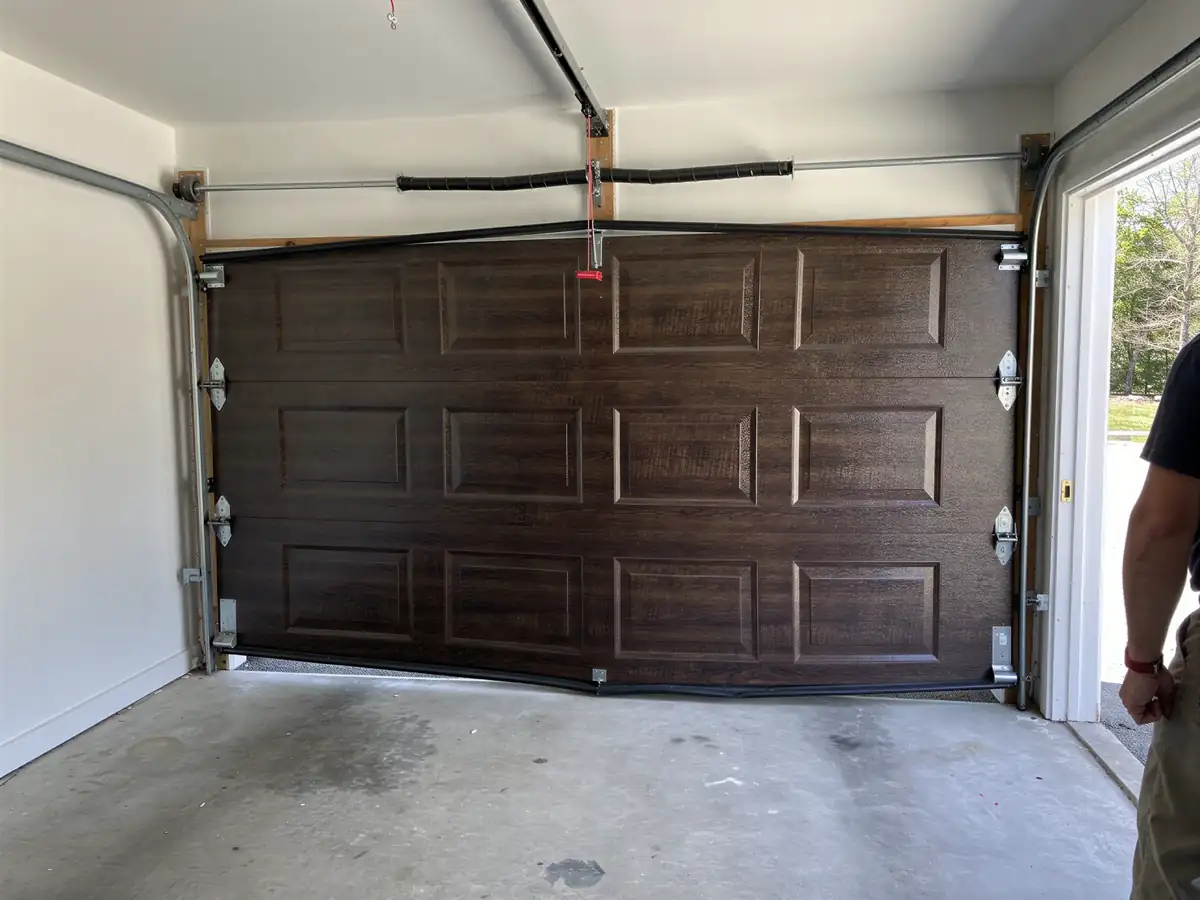
A door that's binding, dragging, or sealing poorly in October is a door that will seize up, crack a panel, or snap a cable the first hard freeze hits. Steel contracts in the cold, old weatherstripping stops flexing and starts cracking, and a track that was already slightly out of alignment gets worse once ice forms on the bottom rail.
We'll say plainly: not every delay is a disaster
A door that's cosmetically rough but still opens, seals, and holds tension can usually wait until spring without real risk. The problem is waiting on a door that's already showing mechanical symptoms - a hard start, a shudder, a panel that's bowing - through a winter in this climate band. Severe cold doesn't cause new damage so much as it finishes off damage that was already starting. If a door is making noise now, now is the time to deal with it, not after the first deep freeze locks everything in place.
The Problem
Across the service area there are roughly 296,766 households, and about 150,847 of those are owner-occupied houses - meaning a large share of the people reading this own the garage they're deciding whether to fix or replace. Median household income here runs $110,833, which puts a full door replacement within reach for most homeowners, but it's still a real expense people put off, often past the point where a repair would have been cheaper.
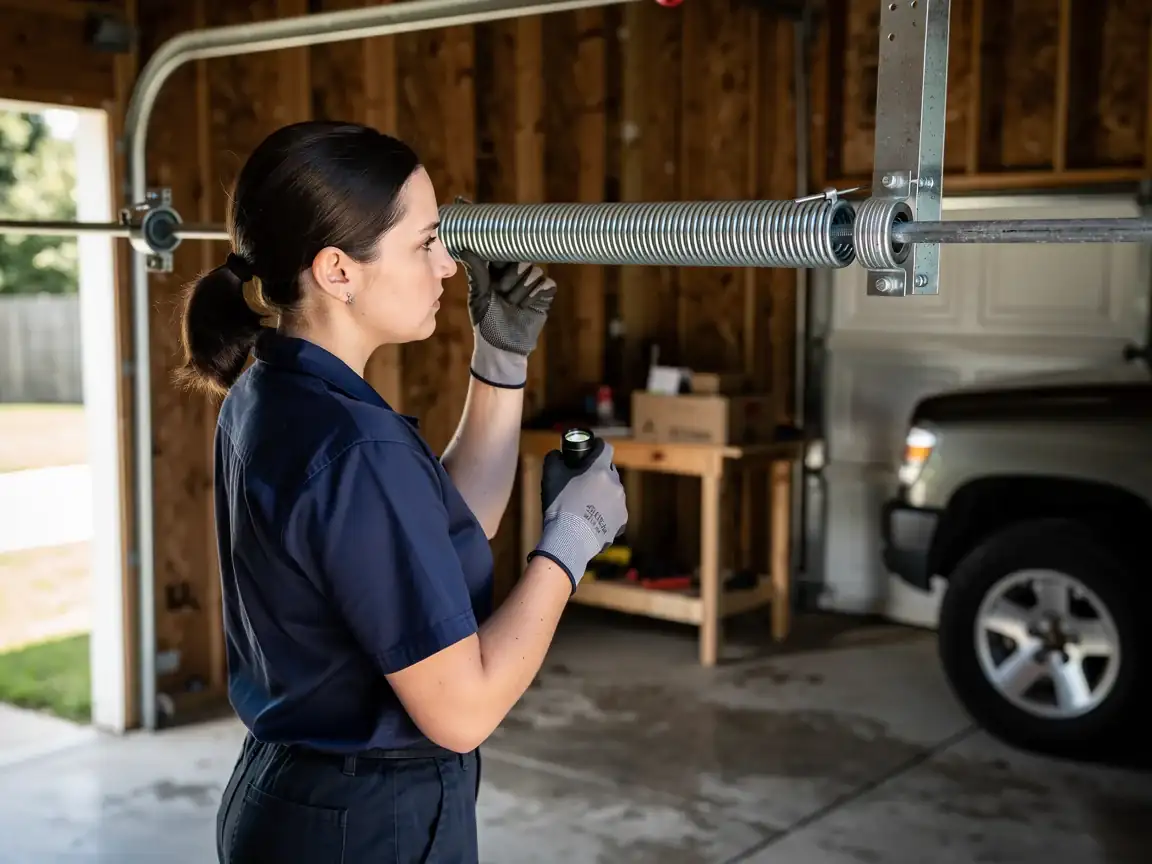
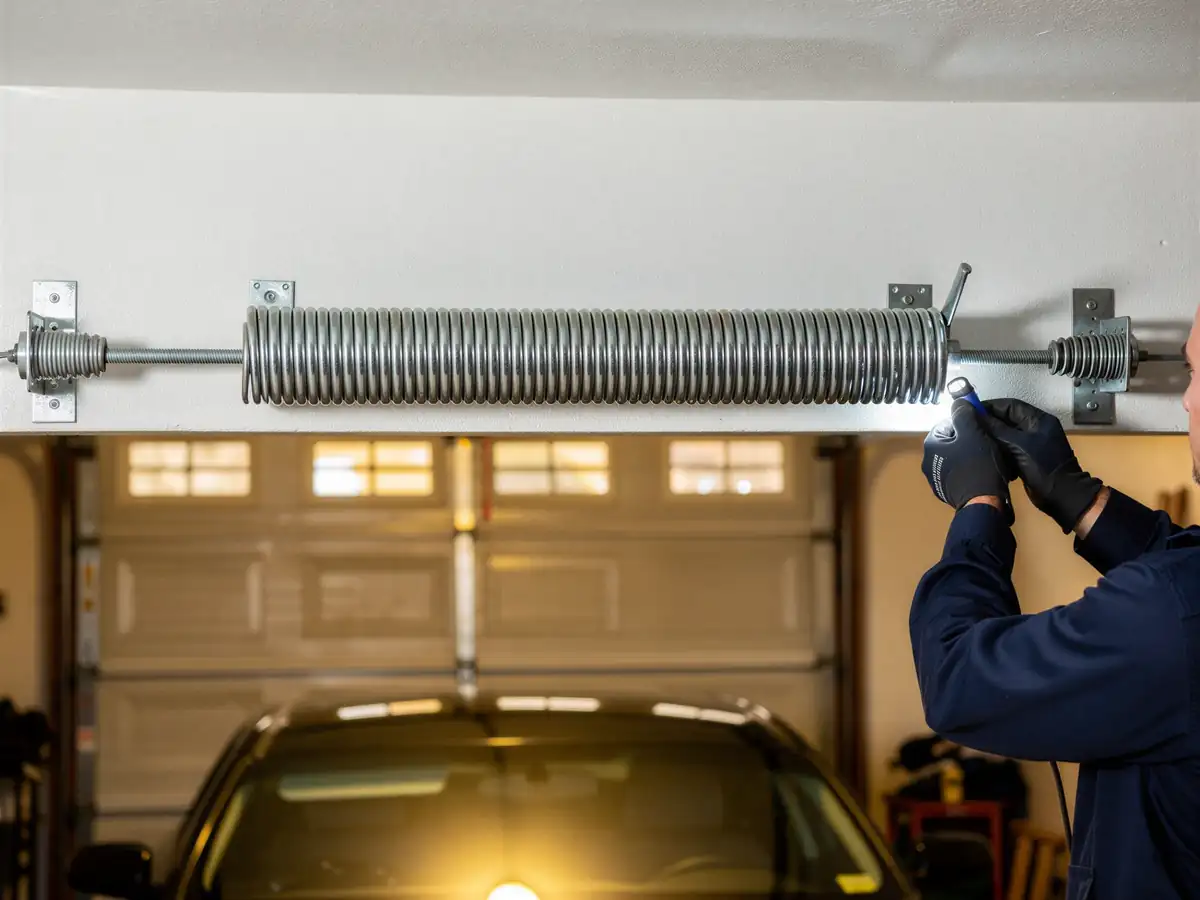
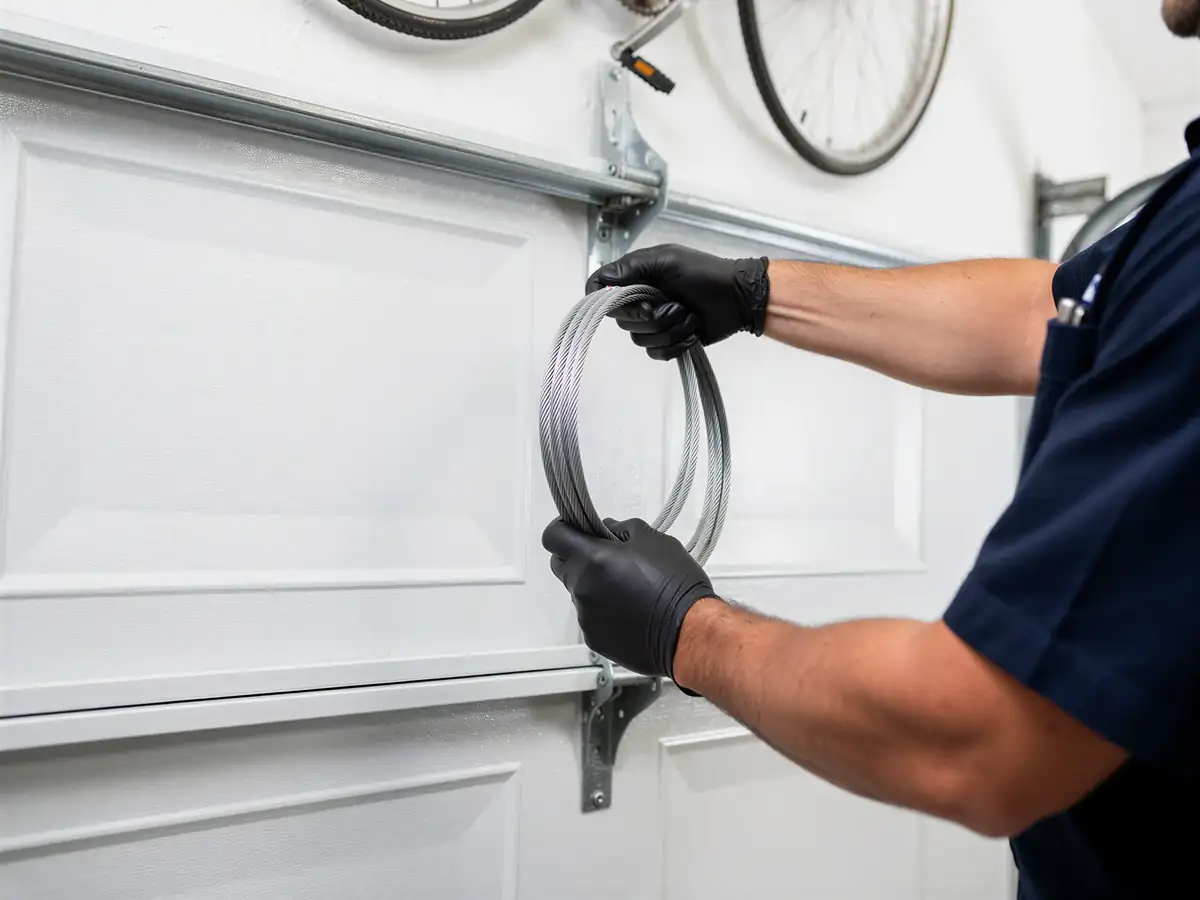
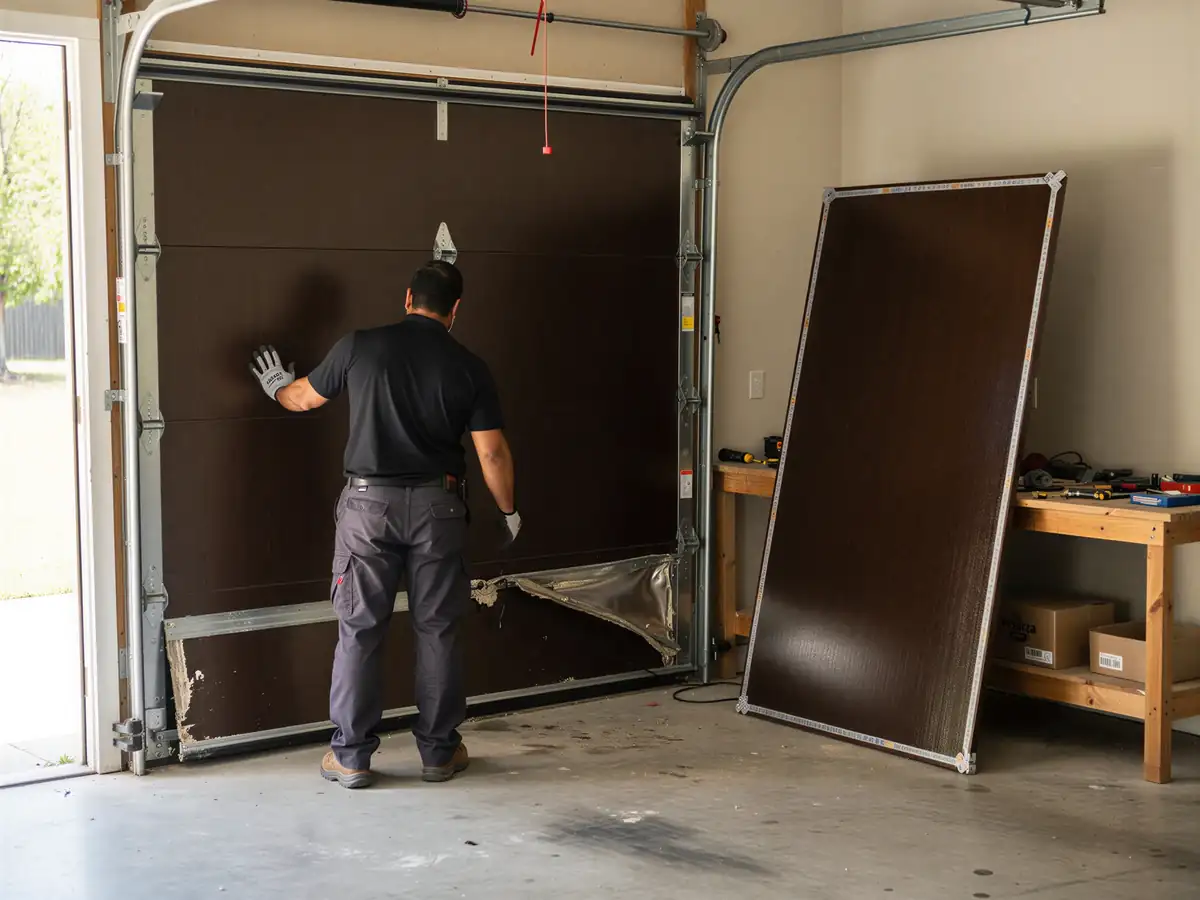
The pattern we see is predictable: a spring breaks, a cable frays, or a panel cracks, and the owner patches it rather than replacing the full door, because the sticker price of a new door feels bigger than the problem in front of them. That's sometimes the right call. A single broken spring on an otherwise sound door built to current sizing is a repair, not a replacement. But once the door itself is the wrong decade, the wrong insulation, or structurally tired, patching it becomes a cycle of small repairs that never actually solves the underlying issue - and that's the point where replacement, done once, costs less over time than repair after repair.
How Local Conditions Play In
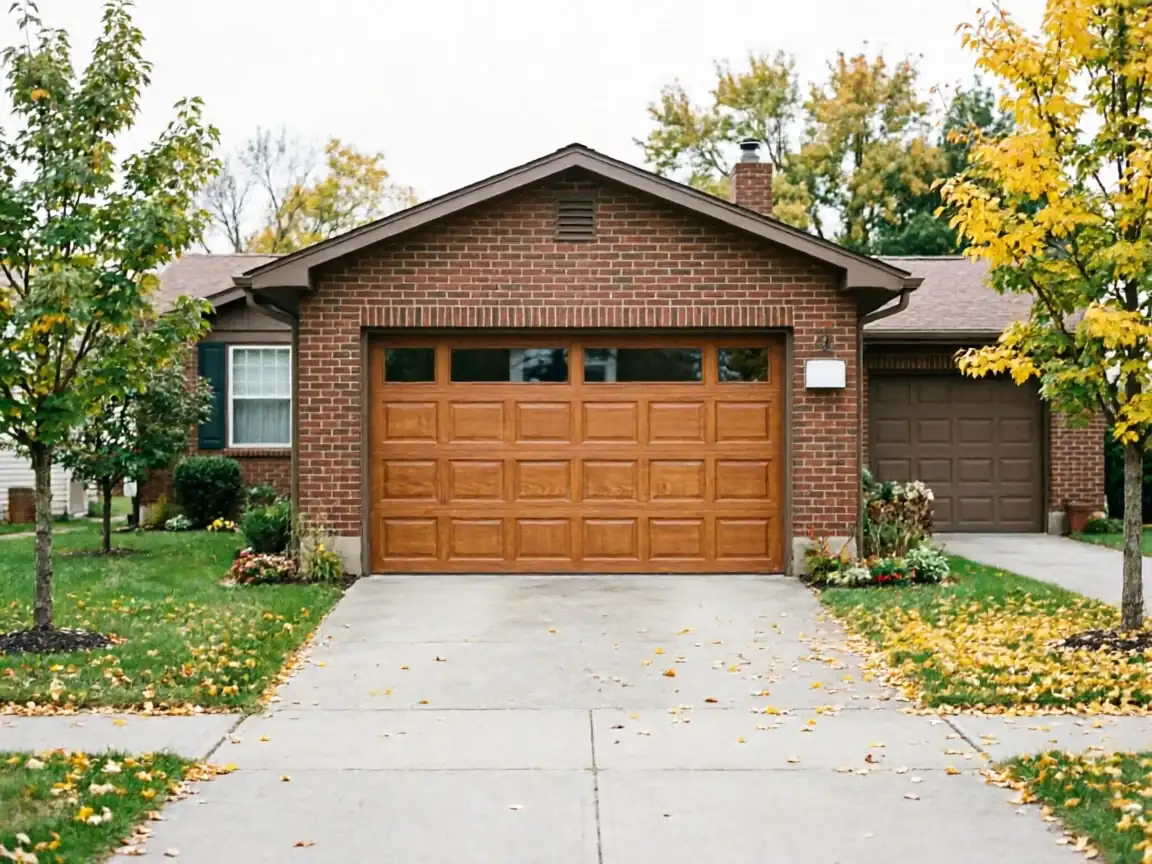
The combination here is specific: a cold, severe climate band layered on top of a housing stock that spans fifty years of different construction standards, from 1957-era framing up through doors installed as late as 2007. That means two houses on the same block can need completely different replacement doors - one still running original hardware from a build year in the 1960s, the next already on its second or third door because it was built closer to the 1990s median.
It also means we're working across a tight cluster of neighboring cities with similar housing ages - Osseo two miles out, Brooklyn Center at three, Champlin and Fridley and Spring Lake Park all within five - and the same cold-climate pressure applies to all of them. A door spec'd for a milder region, or sized for a newer subdivision, isn't the right call for a house built when insulation standards and opening heights were different than they are now. Getting the door right here means accounting for both the age of the opening and the winters it has to survive, not just picking a size off a chart.