What Most People Get Wrong
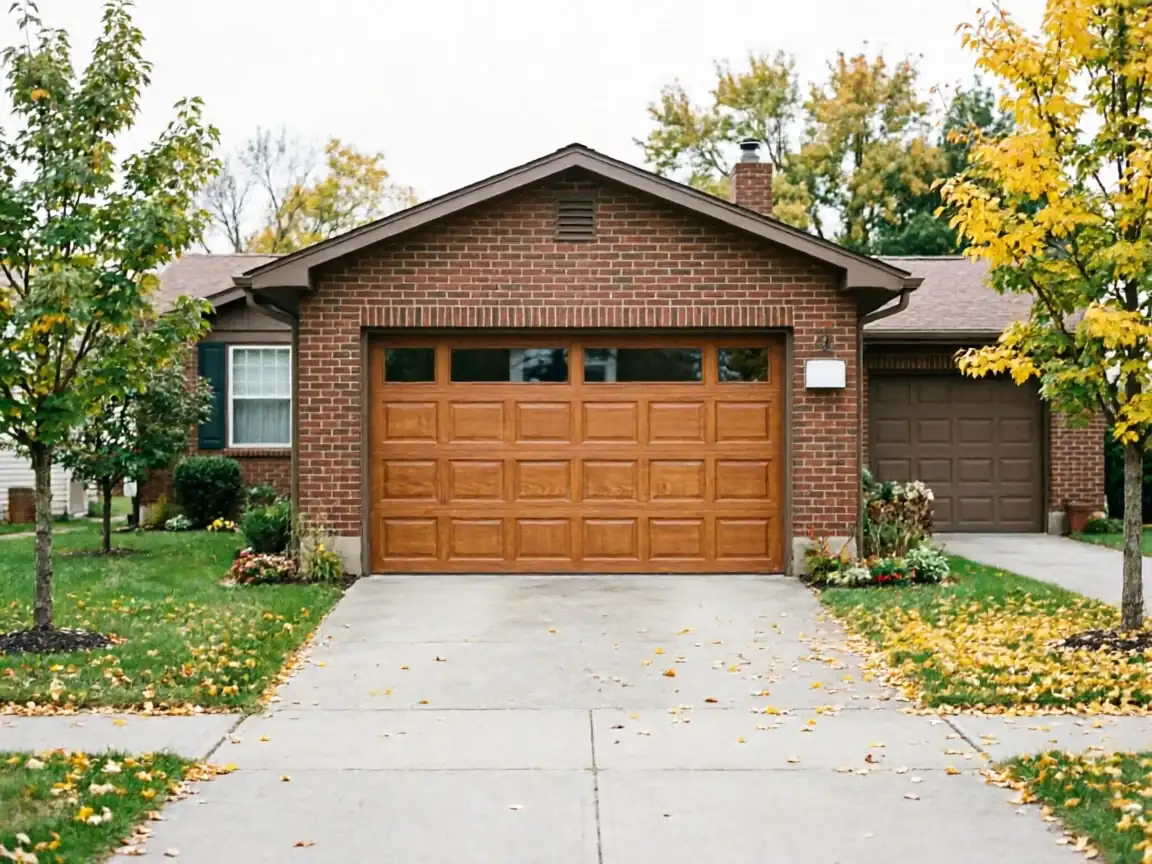
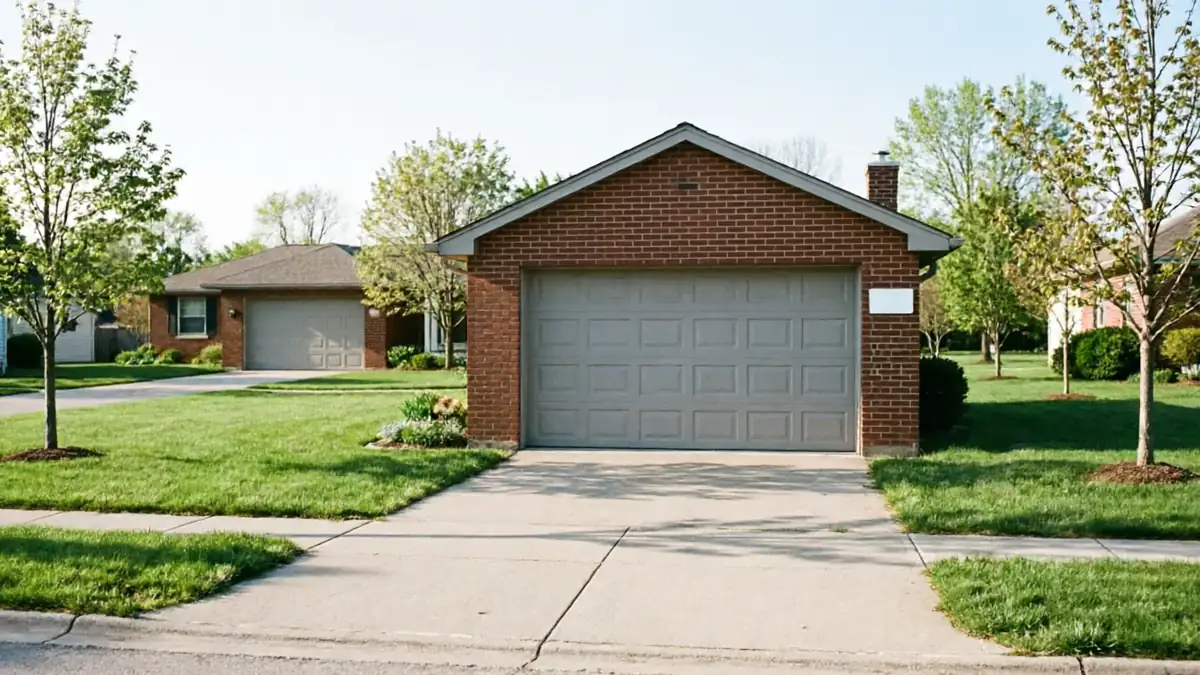
Homeowners here treat a detached garage door like a smaller version of the attached one, and that's where the trouble starts. Brooklyn Park's housing stock runs 1957 to 2007, with most of it landing in that 1980s-90s band across the 58 named areas that make up the city. That range covers two very different garage philosophies. Older sections built closer to 1957-1970 often have a detached garage set back from the house, sometimes with its own slab and no shared wall. Newer construction from the 80s and 90s onward almost always attaches the garage directly to the house, sharing at least one insulated wall and often ductwork or a furnace room behind it.
That shared wall changes the math on insulation and sealing. An attached garage door is holding back cold air from a space that sits right next to living space - a bedroom, a mudroom, sometimes a finished room above it. A detached door just has to keep the garage itself usable. People buy the same door for both and wonder why the attached garage still feels like an icebox, or why the detached one is overbuilt for what it does.
Leaving It Alone
If you've got a detached garage from the older end of Brooklyn Park's build range
Say a place put up in the 60s or early 70s before most of the city filled in - and the door still opens and closes clean, you don't need to swap it out just because it's old. A single steel panel door without foam core is fine on a detached structure where the only thing on the other side of it is more cold air, a lawnmower, and maybe a workbench. Spending money on a high-R-value insulated door for a stand-alone garage with no heat source is money that doesn't do much.
Where I won't tell you to leave it alone is an attached garage built against that shared wall
If that door is original to a house from the 1980s-90s stock that makes up most of this city, it was likely spec'd to the building code of its decade, not to how people actually use garages now - finished bonus rooms above, home gyms, the works. That's a different conversation, covered elsewhere, but it starts with knowing which kind of garage you've got before you decide anything.
The Problem
Brooklyn Park sits in a cold-severe climate band, and that hits detached and attached doors differently. A detached garage door takes the full brunt of wind-driven snow and temperature swings with nothing behind it to buffer the load - the door itself is the only thing between outside and inside. Over the decades of housing built here, 1957 through 2007, those detached units on the older end are mostly non-insulated steel or even older wood-panel construction, and the hardware - springs, rollers, tracks - sees more thermal stress because there's no adjacent heated space tempering the air around the opening.
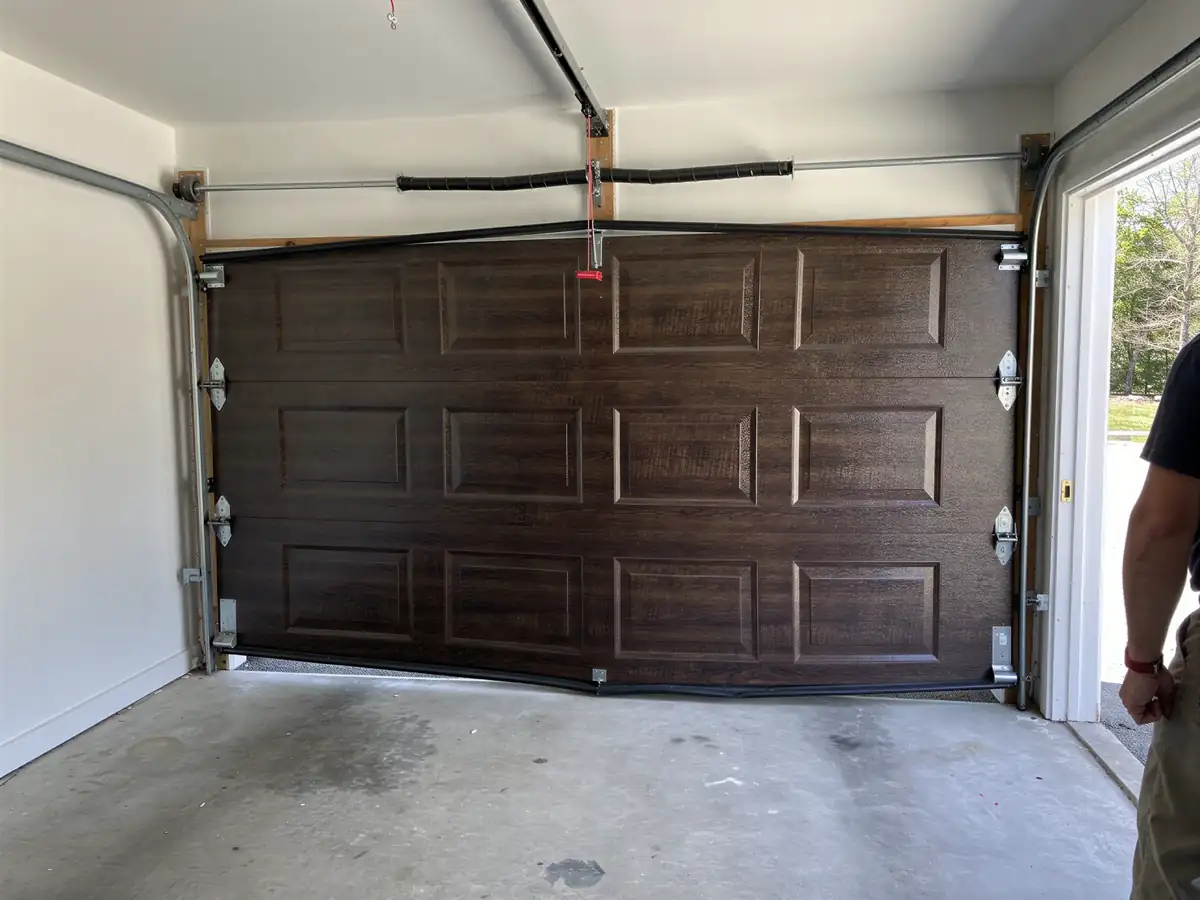
An attached garage door, by contrast, is fighting a two-front battle: cold air outside, and the push to keep that cold from migrating through to the house. In the median-1980 housing stock that dominates this city, attached garages were built to codes that didn't always require the same air-sealing rigor we'd spec today. The result on both types is the same failure mode - stiff springs, frozen rollers, tracks that bind in deep cold - but the cause and the fix aren't identical, which is why a one-size door recommendation doesn't hold up here.
How Local Conditions Play In
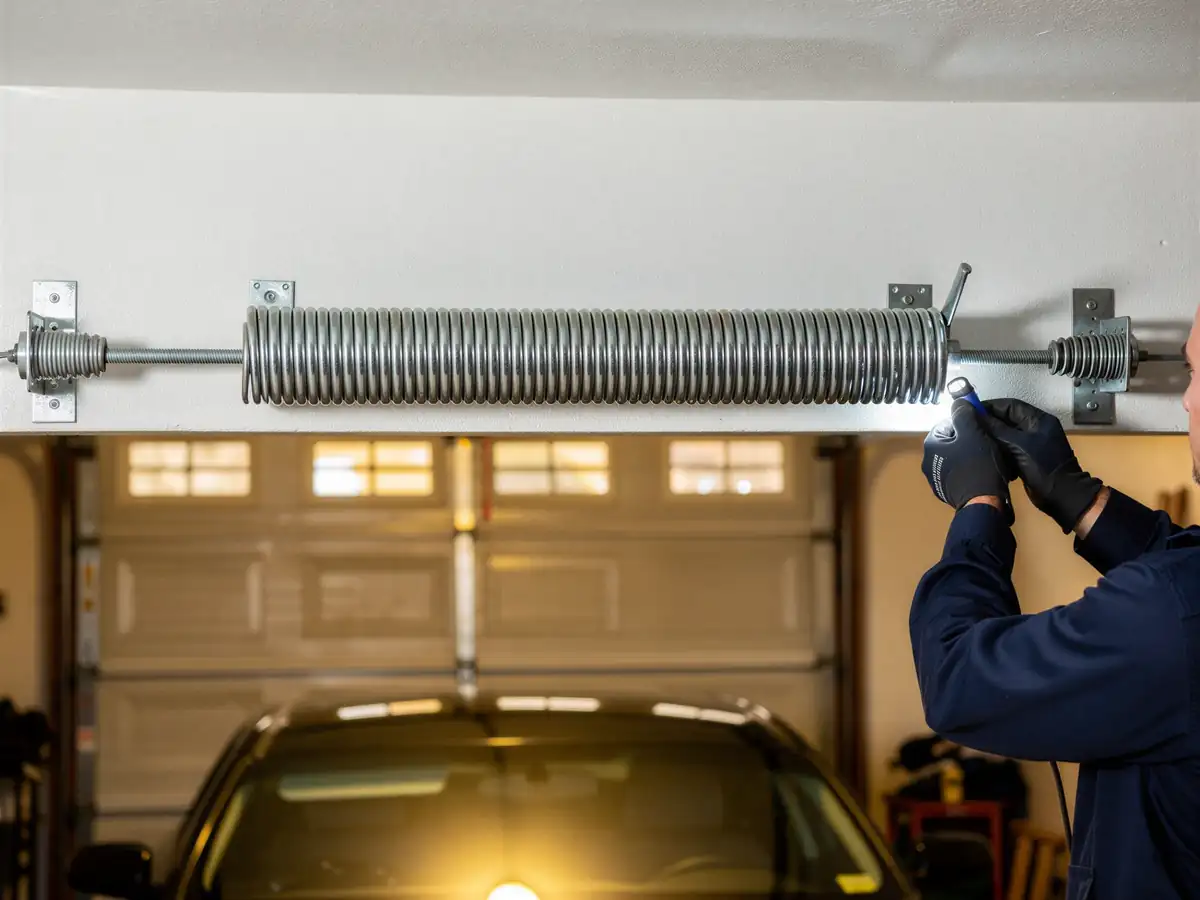
The cold-severe climate band Brooklyn Park sits in means steel contracts, grease stiffens, and torsion springs lose a measurable amount of lifting force on the coldest mornings - true for any door in this city, attached or detached. But the housing era matters just as much. A detached garage dating to the earlier end of the 1957-2007 build range usually has a short, basic track run and a lighter door, which actually helps it shrug off cold-season binding better than you'd expect. An attached garage from the heavier 1980s-90s construction wave, especially one with a room built above it, tends to carry a wider, heavier door on longer track - more surface area for cold to work against, and more hardware to seize up.
If you're deciding which door to prioritize for cold-weather service, attached garages tied to living space get more urgency. A failure there can let serious cold into the house. A detached unit failing just means you're shoveling a path to a stuck door, not sharing your furnace bill with the outdoors.