Doing It Yourself
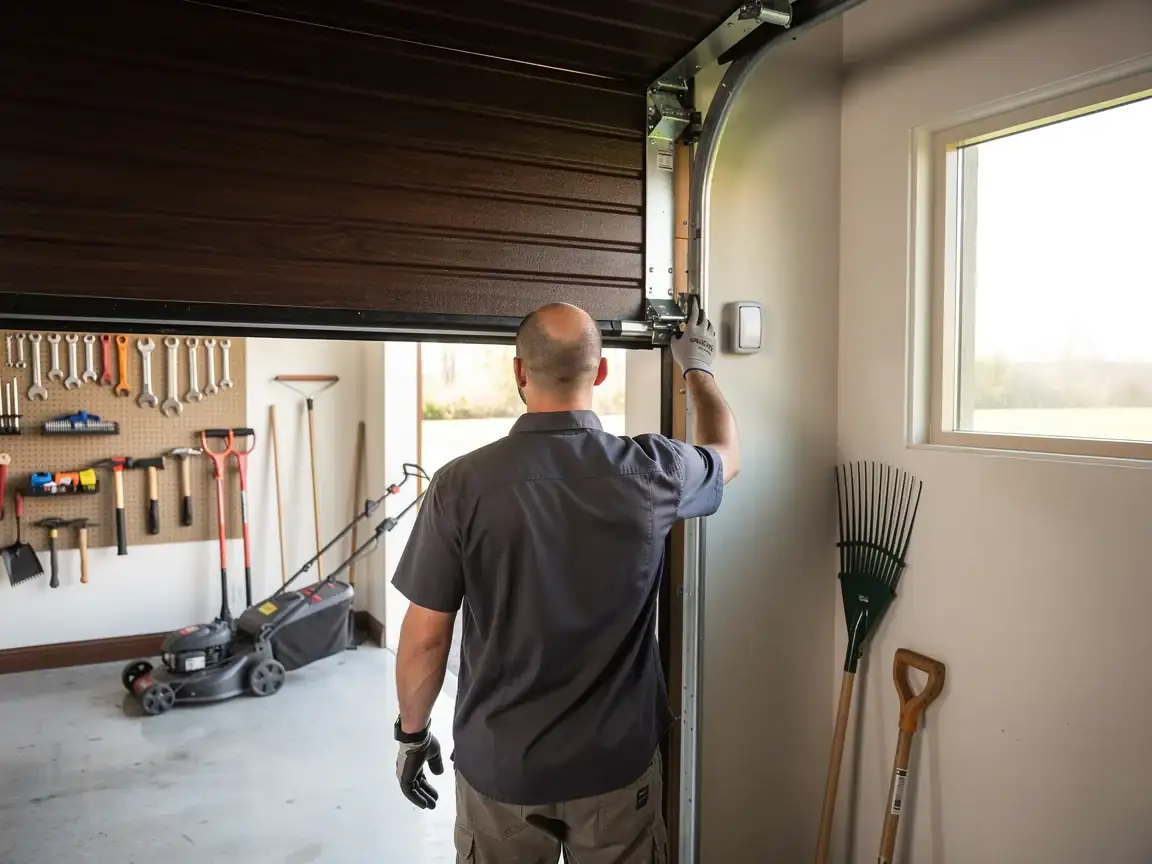
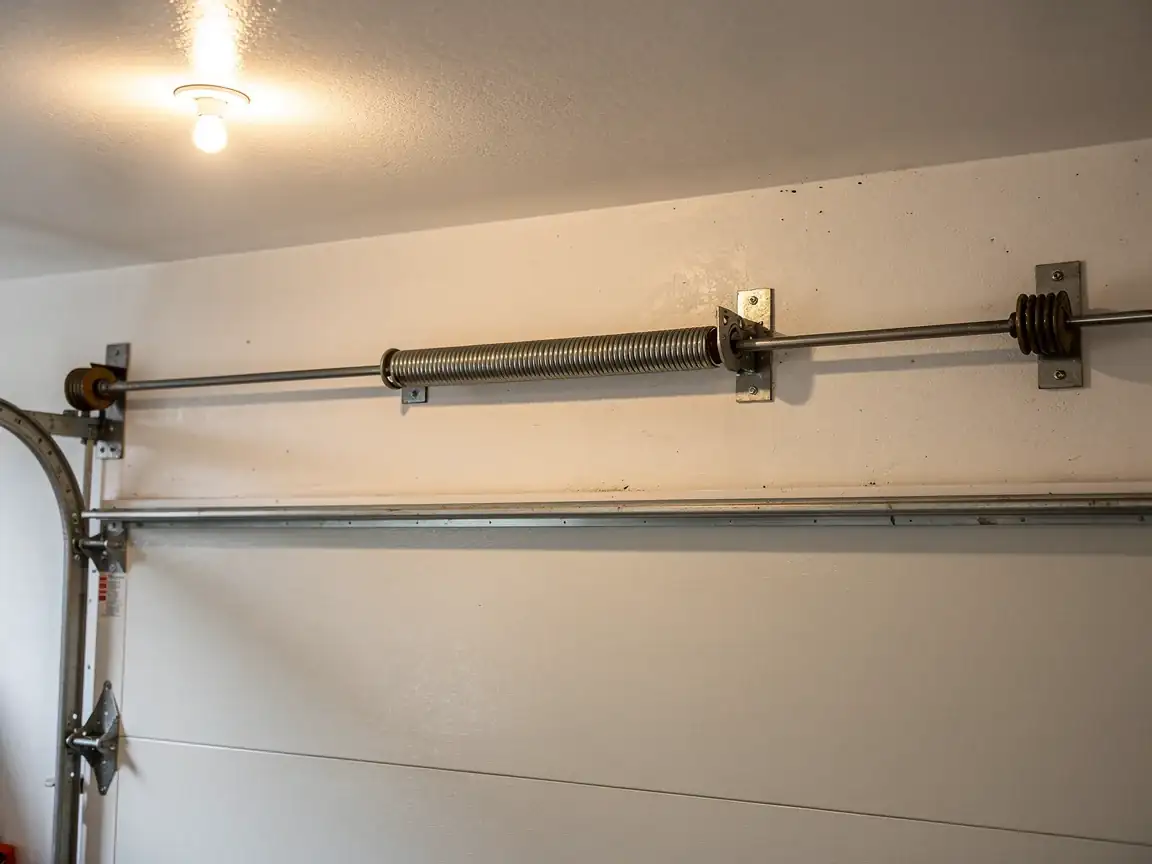
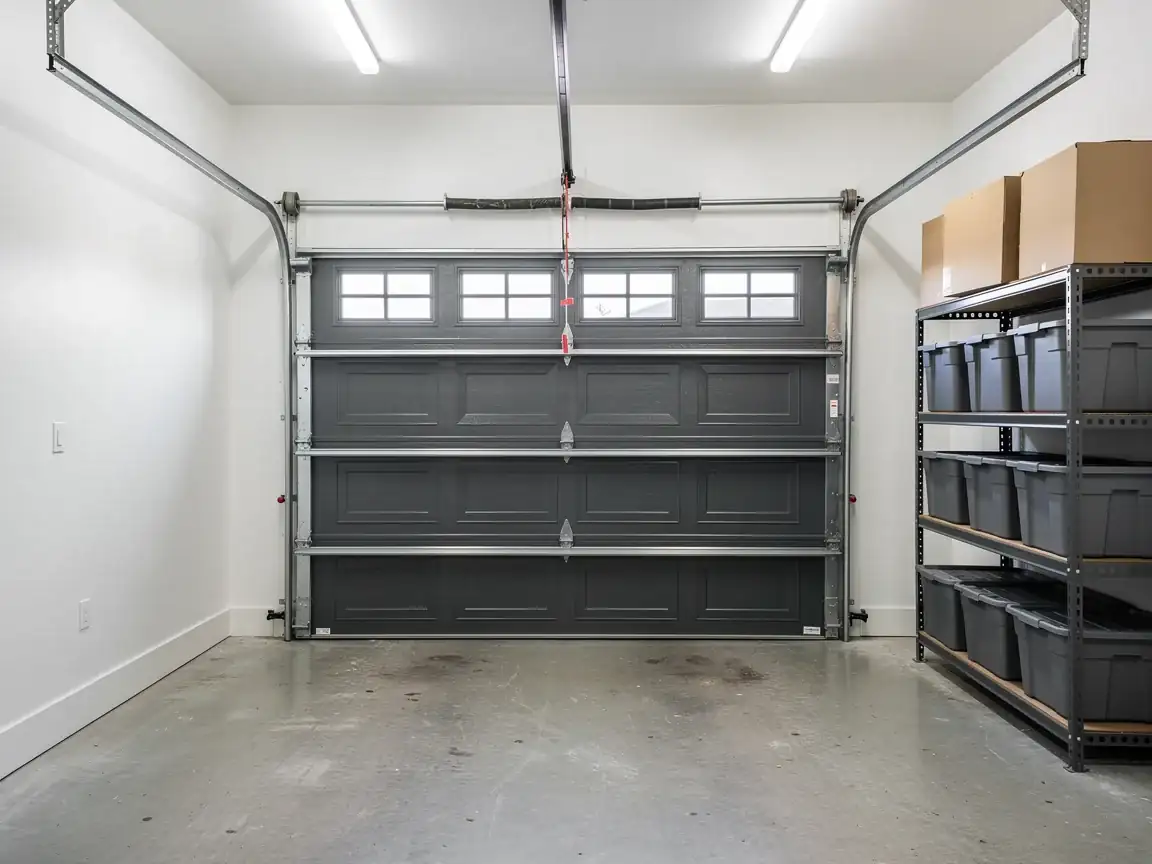
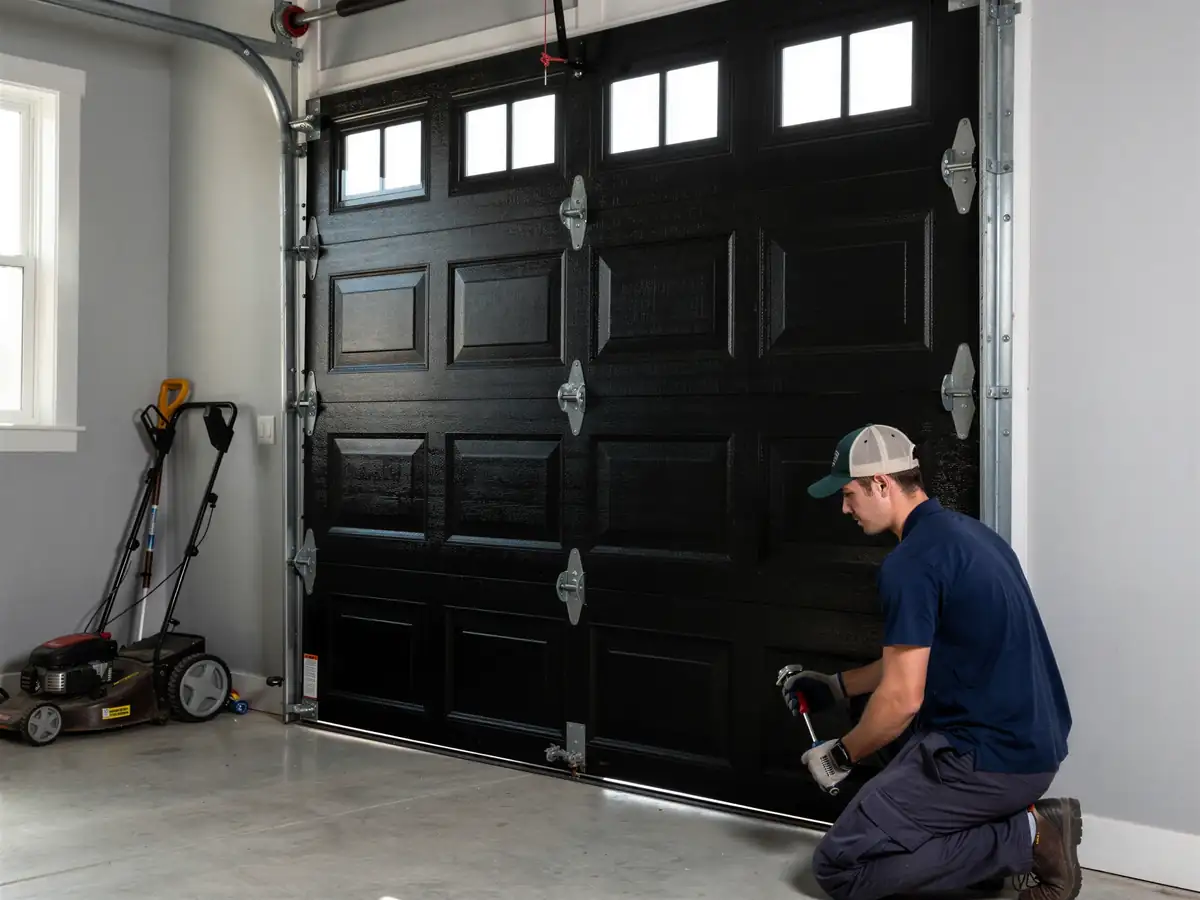
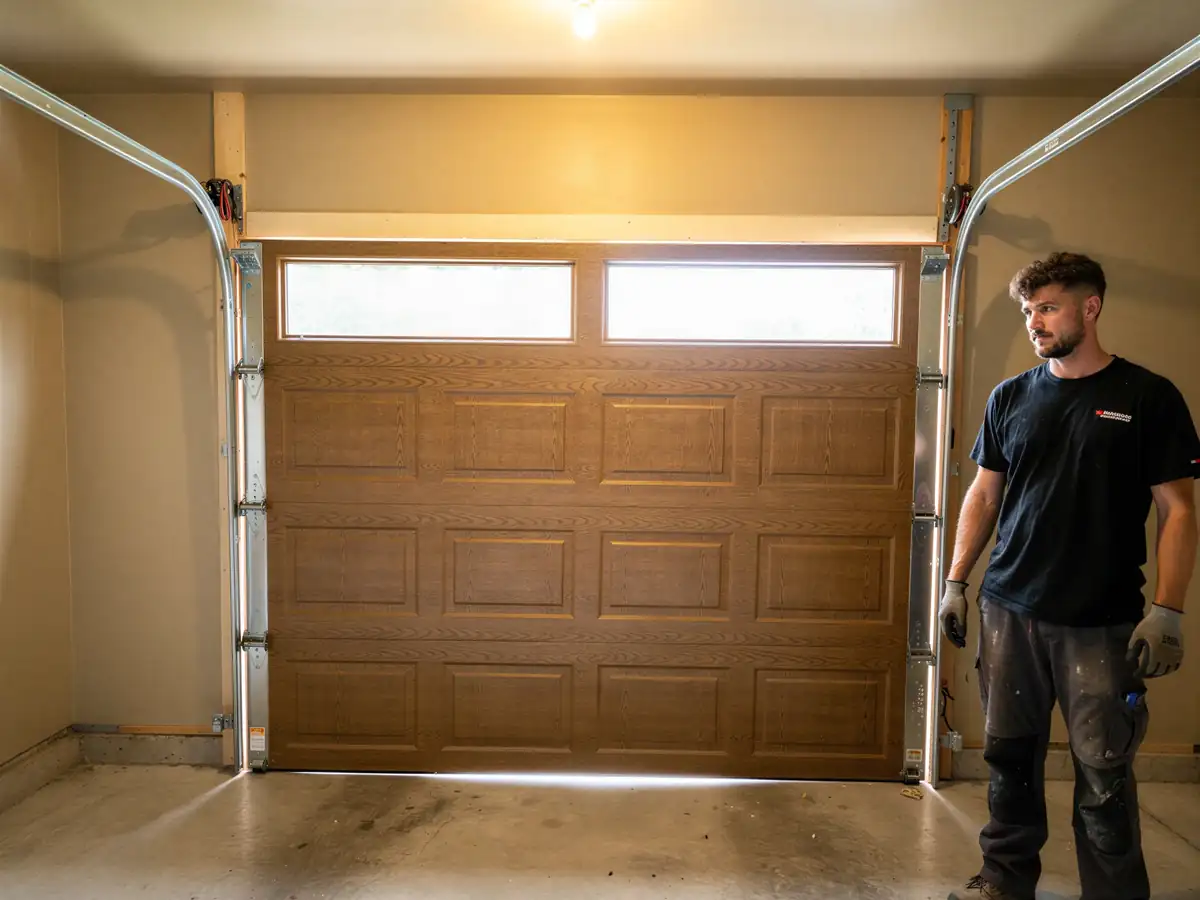
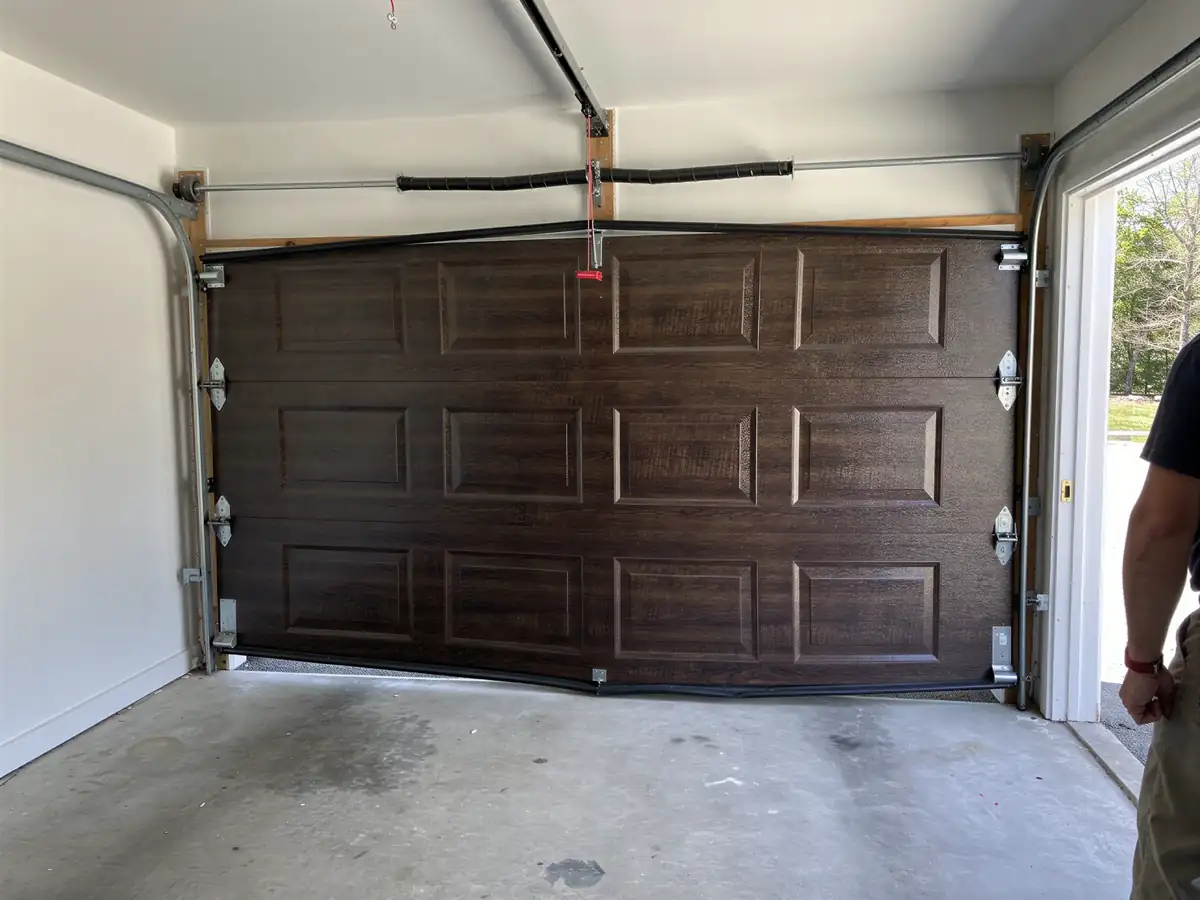
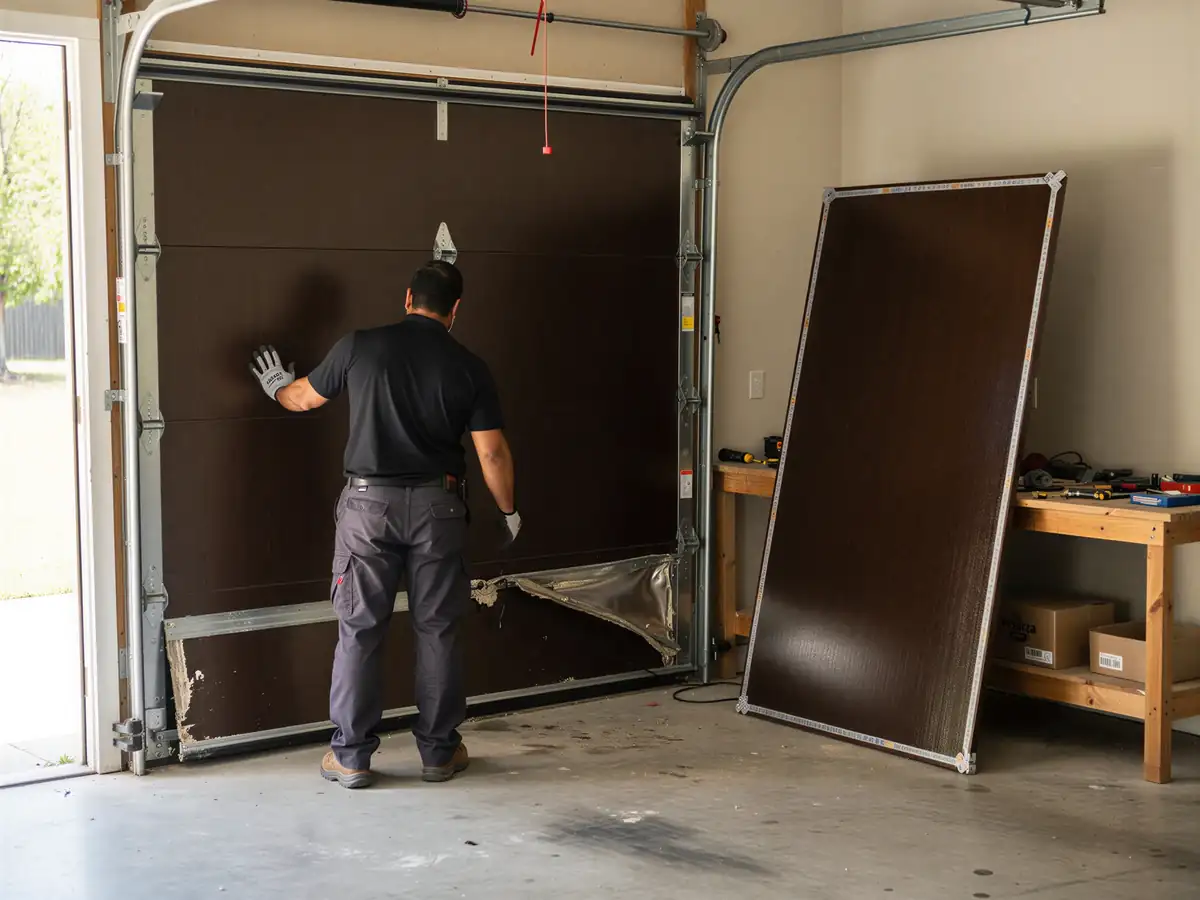
A cracked or dented panel looks like a weekend fix, and sometimes it is. If the damage is cosmetic - a scrape from a trailer hitch, a dent that didn't bend the track side of the section - you can order a matching panel from the door's manufacturer and bolt it in with a helper, a clamp, and an afternoon. Where it stops being a DIY job is alignment. A torsion door only closes square if every section sits flush, and on doors built between 1957 and 2007 (the range we see across this whole service area) the manufacturer may not even make that panel profile anymore, which means hunting a used door for parts instead of a catalog order. We'll also say this plainly: if more than one panel on a double door is damaged, or the track is bent along with the panel, buying a single replacement panel usually costs more in labor and mismatch risk than it saves. At that point a full door section swap, or a new door, is the honest answer - and we'll tell you that before you order the wrong part.
Why It Happens Here
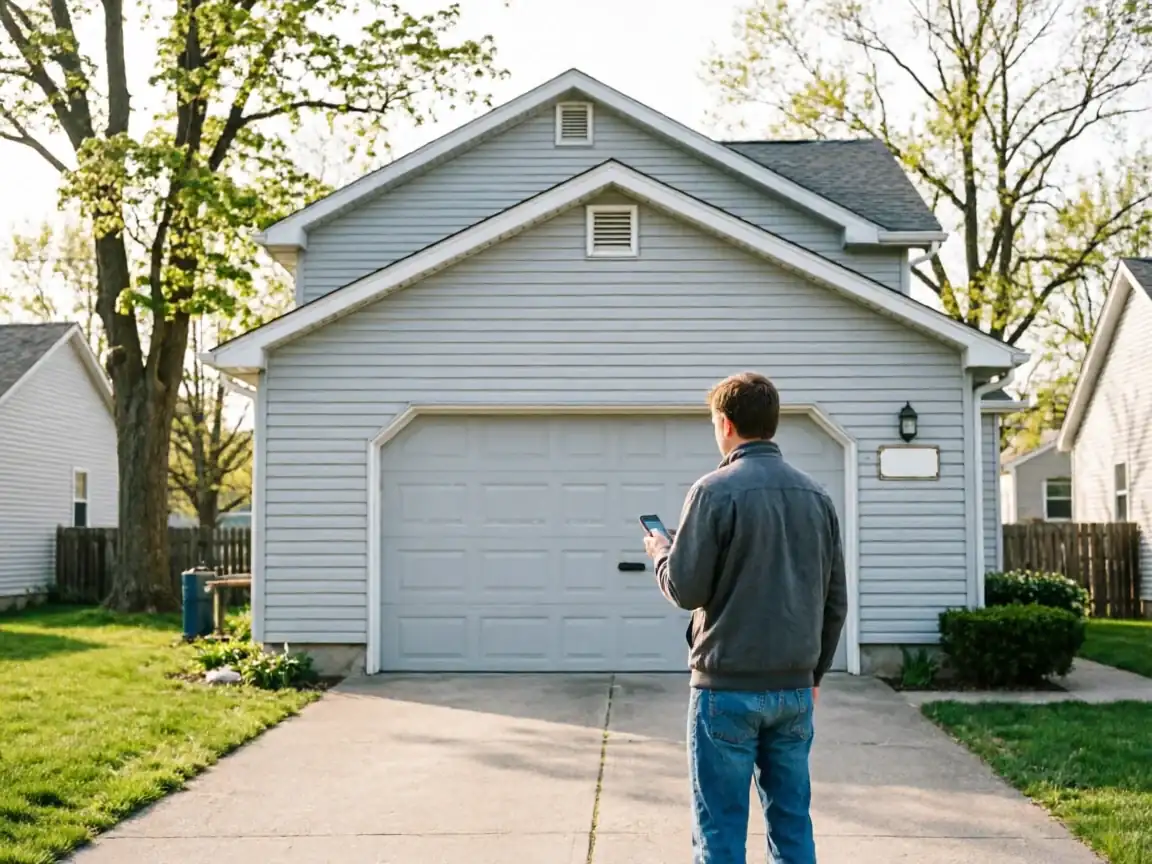
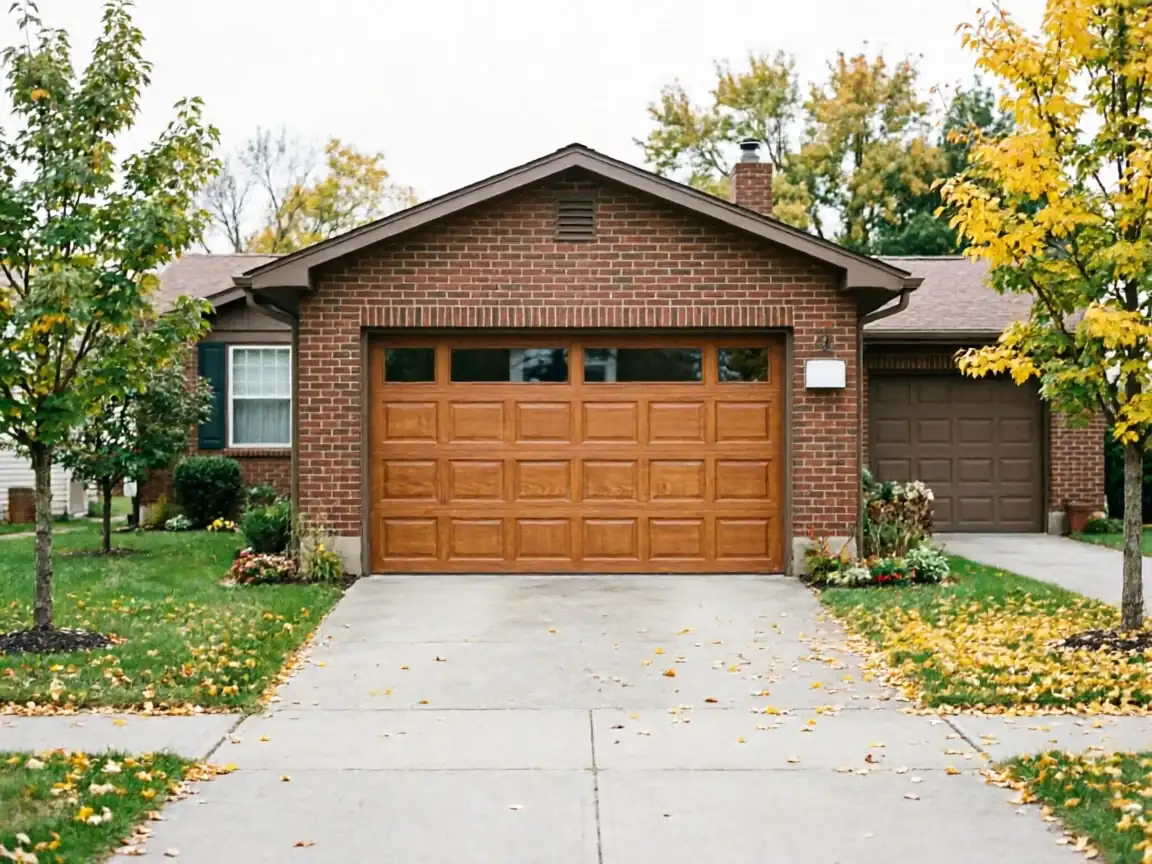
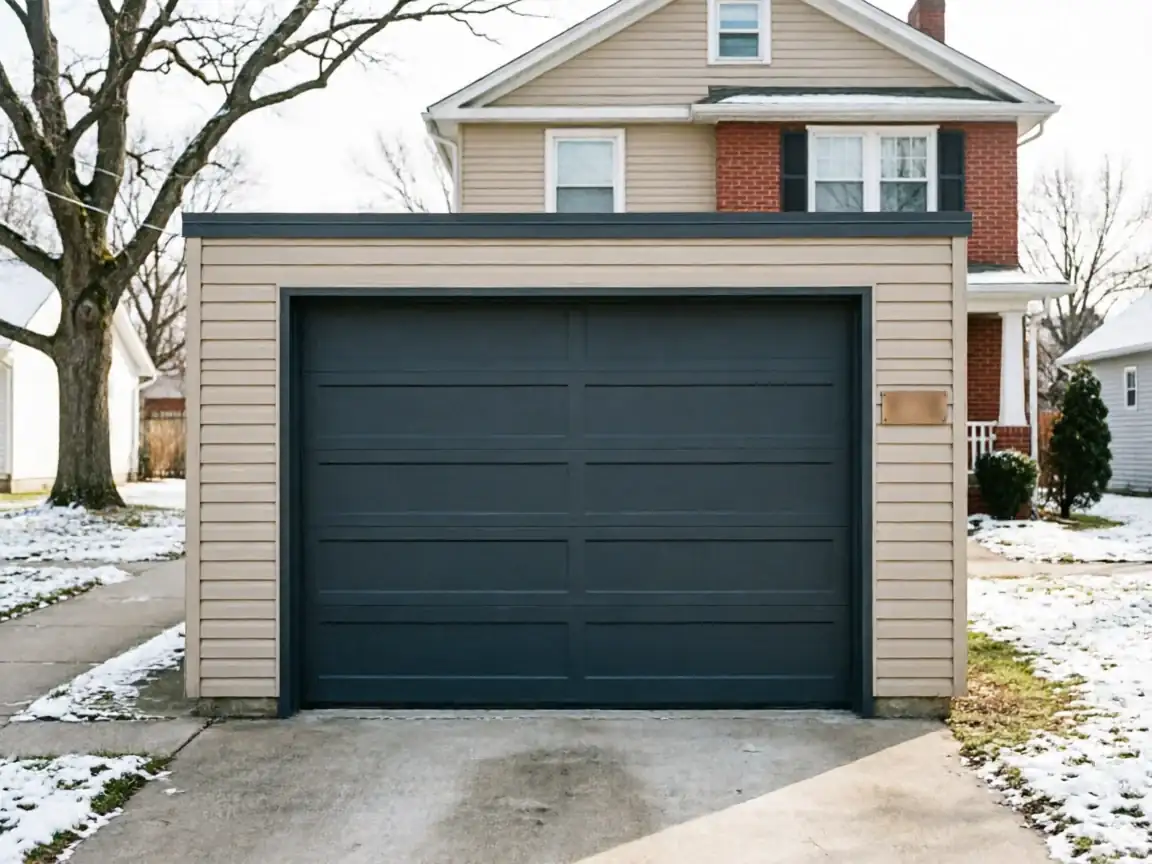
This area's housing stock mostly dates from 1957 through 2007, with the bulk of it built in the 1980s and 90s - a run of construction that used thinner-gauge steel panels than what ships today, and finished them with a paint process that doesn't hold up as well against 30+ years of freeze-thaw cycling. Under this region's severe cold climate band, steel panels contract hard in deep cold, which turns a small existing dent or a hairline seam crack into a panel that buckles further every winter instead of holding steady. Garages here also take direct impact from plow-thrown ice chunks and road grit kicked up in winter driving, and on a panel that's already 20-plus years into its service life, that's often the hit that finally splits the seam rather than just scuffing the paint. None of this is specific to one house - it's the pattern across the 1980s-vintage stock that makes up most of the neighborhoods in this service area, which is why panel failure shows up so consistently on doors of that era.
How It Shows Up
The first sign is usually cosmetic - a dent at bumper height from a backed-in car, or a horizontal crease across one section after something heavy leaned on it. Left alone through a winter, that crease often turns into a split seam, because the bent steel flexes at a different rate than the sound panel next to it every time the temperature swings. On older doors from the earlier end of the 1957-2007 range, rust along the bottom panel is the more common complaint - moisture from melting snow and ice sits at the base of the door and works through the paint from the inside of the panel out, so the rust is often worse than it looks from the driveway. You'll also hear it before you see it: a damaged panel changes how the door tracks, so a grinding or scraping noise at one specific point in the door's travel usually means the bent section is catching the track, not that the opener or springs are failing.