This Area's Housing
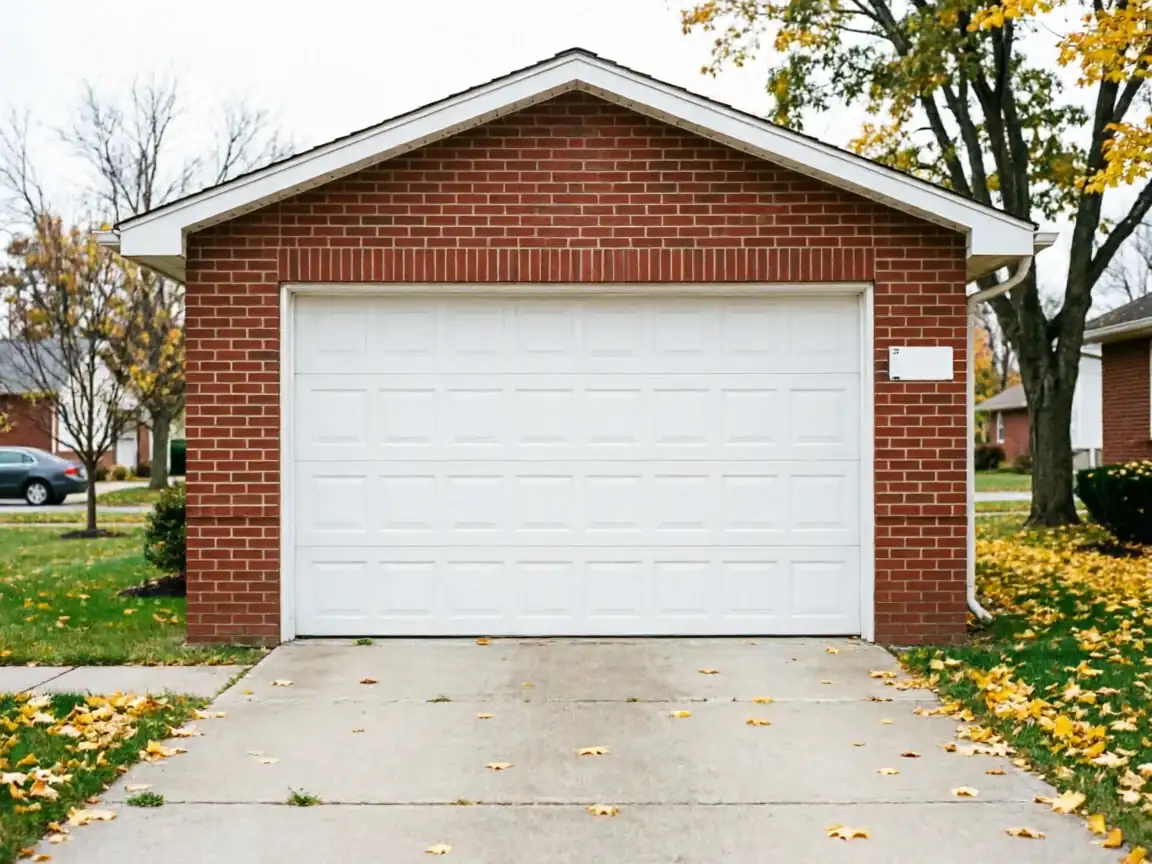
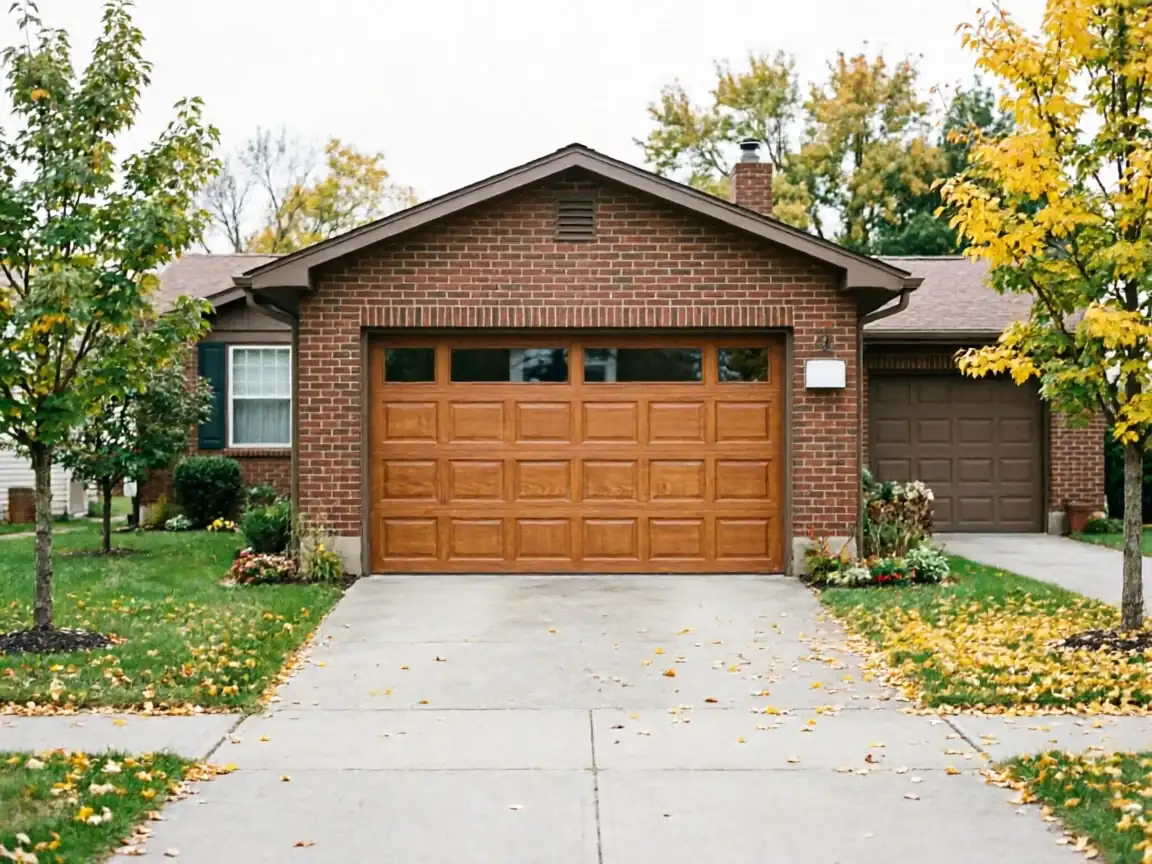
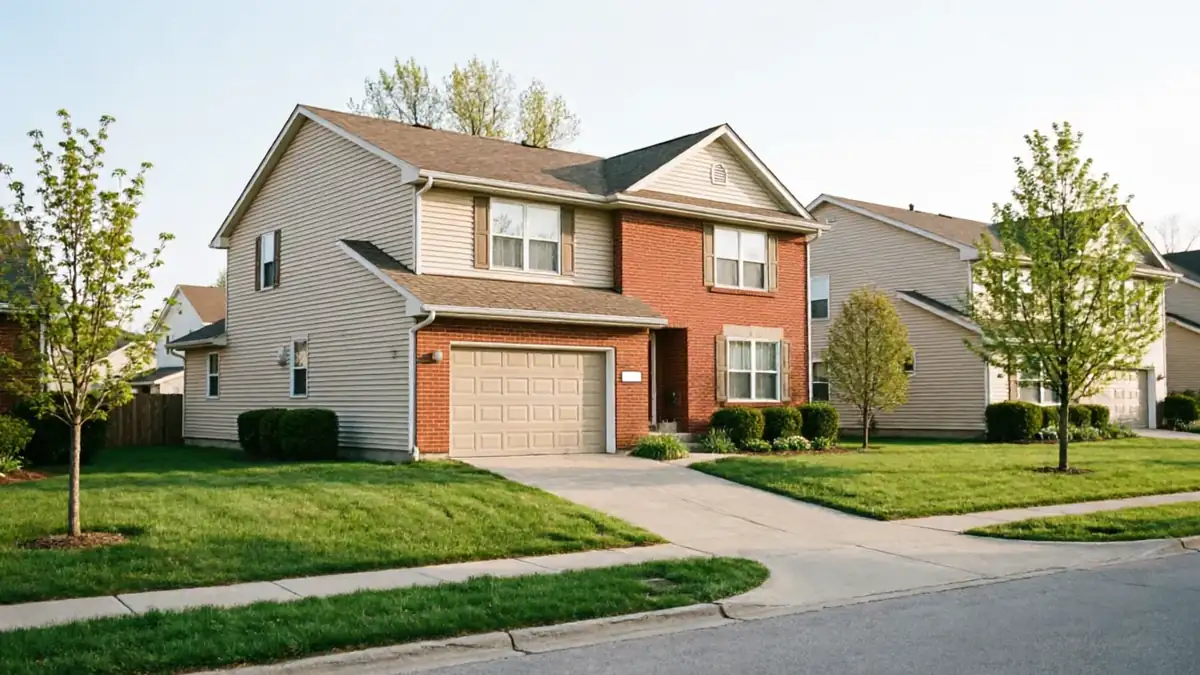
Brooklyn Center sits about 3 miles from our Brooklyn Park base, and its housing stock tells a different story than most of the towns we cover. The median home here was built around 1962, a good 18 years earlier than the 1980 median across the broader service area we work in. That's not a small gap. A house built in 1962 has had decades longer for its garage door hardware to wear, get painted over, or get "fixed" with a part that doesn't quite match the original.
With 11,306 households in the area and a median household income of $72,009, this is a community of established, mid-century homes rather than the 1980s-90s tract construction that makes up most of the 58 named areas we serve. That income figure matters too - it's well under the $110,833 median across our full service area, which tends to mean homeowners here are more likely to want a door repaired properly than replaced outright, and we respect that.
The Split Between Old and New
Across the territory we cover, houses mostly went up between 1957 and 2007
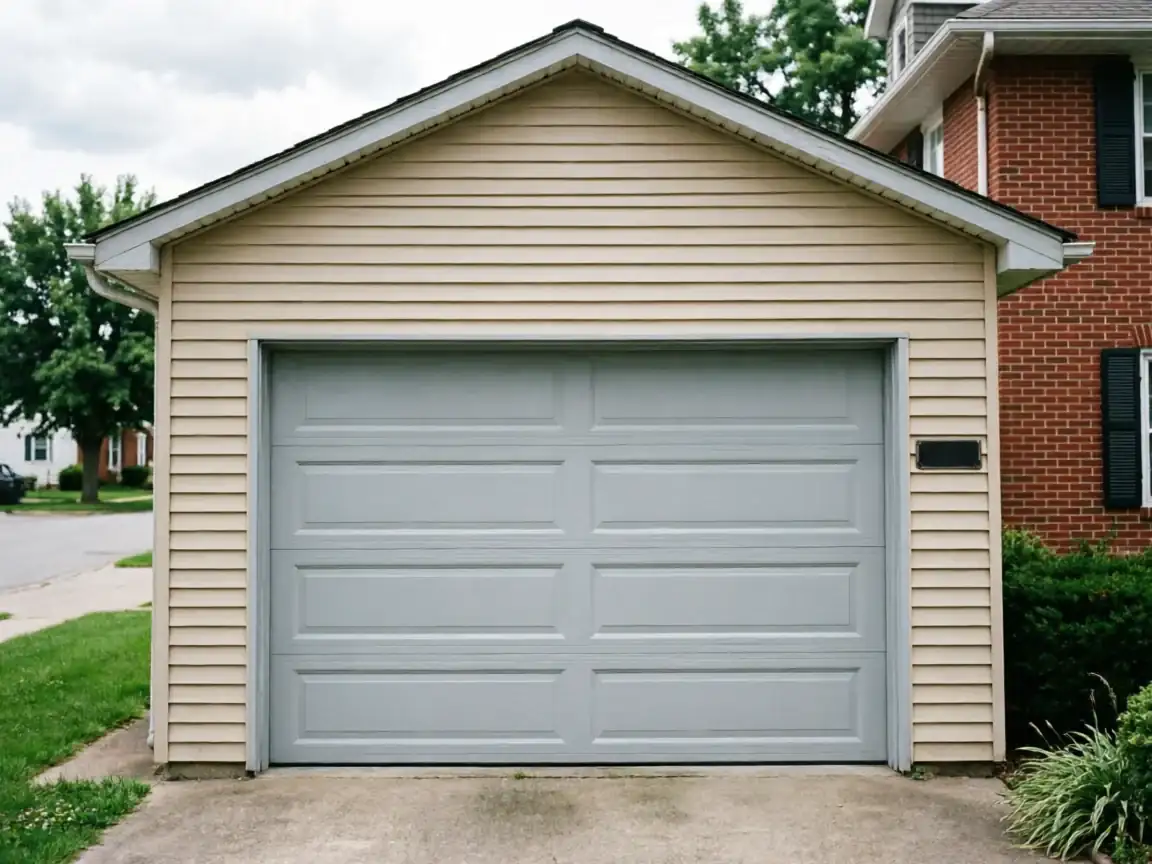
With the bulk of that stock dating to the 1980s and 90s. Brooklyn Center sits on the older end of that range, not the middle of it. That means fewer of the wide, builder-grade double doors that came standard in later decades, and more original single-car or narrow double openings sized for cars that don't exist anymore.
It also means more doors that have already been replaced once
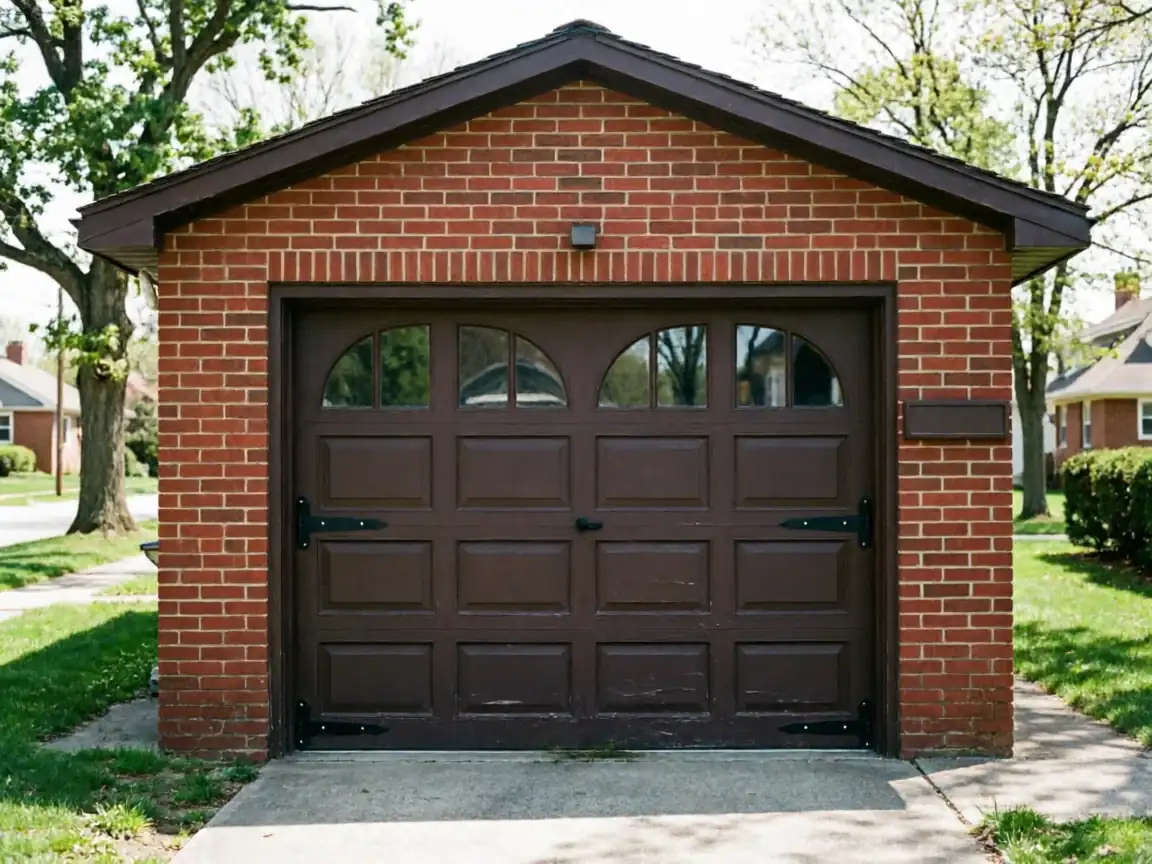
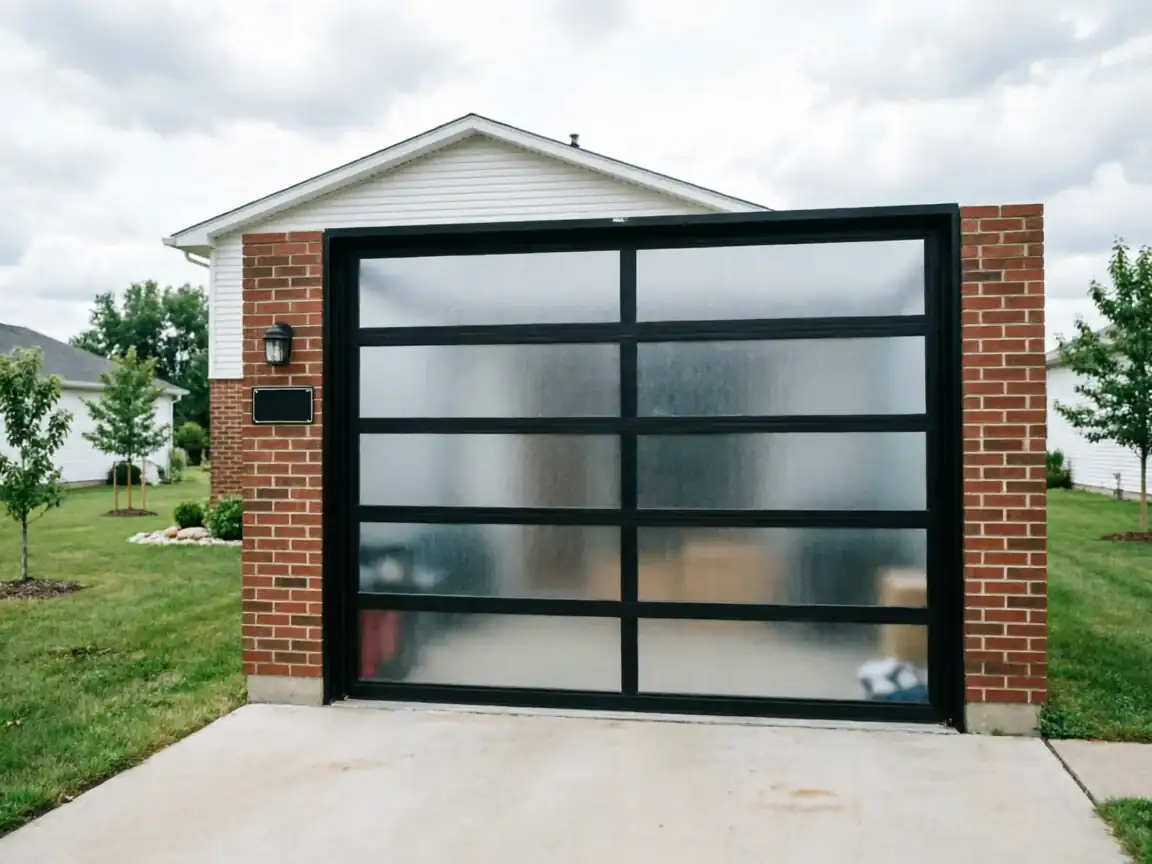
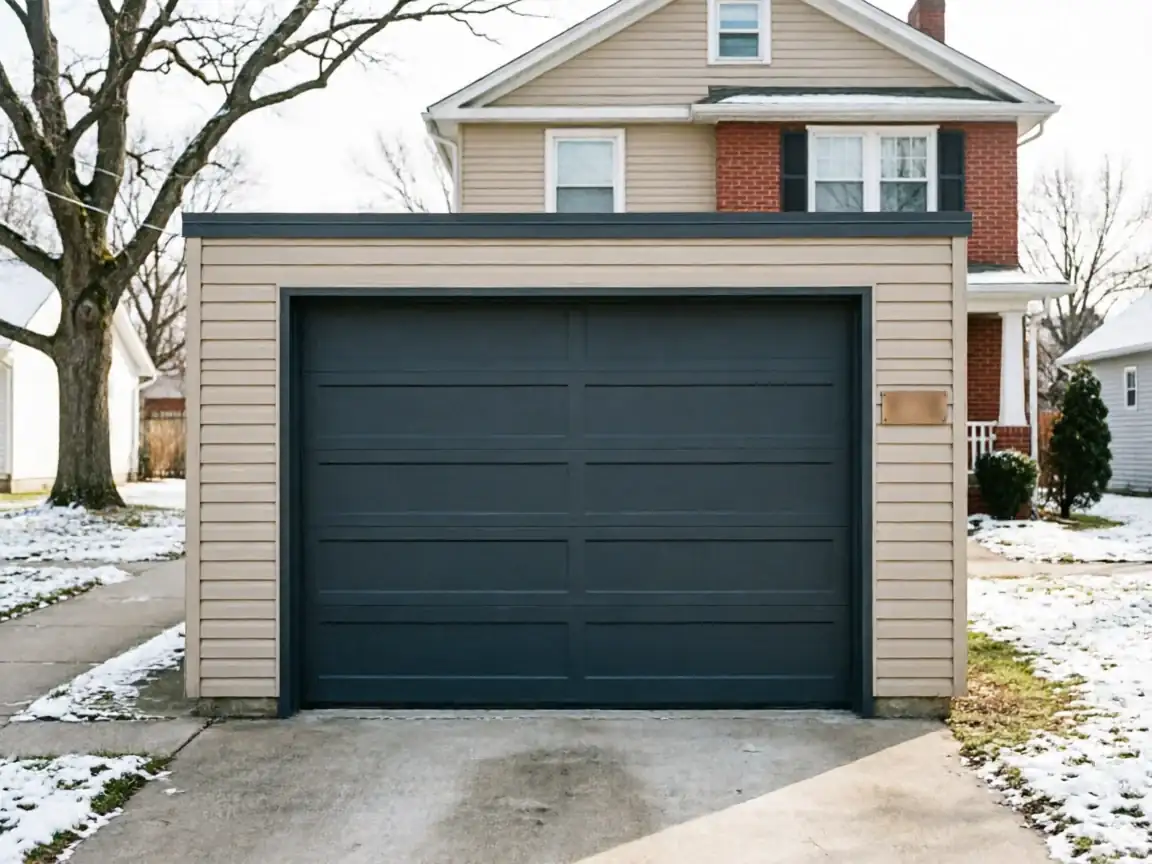
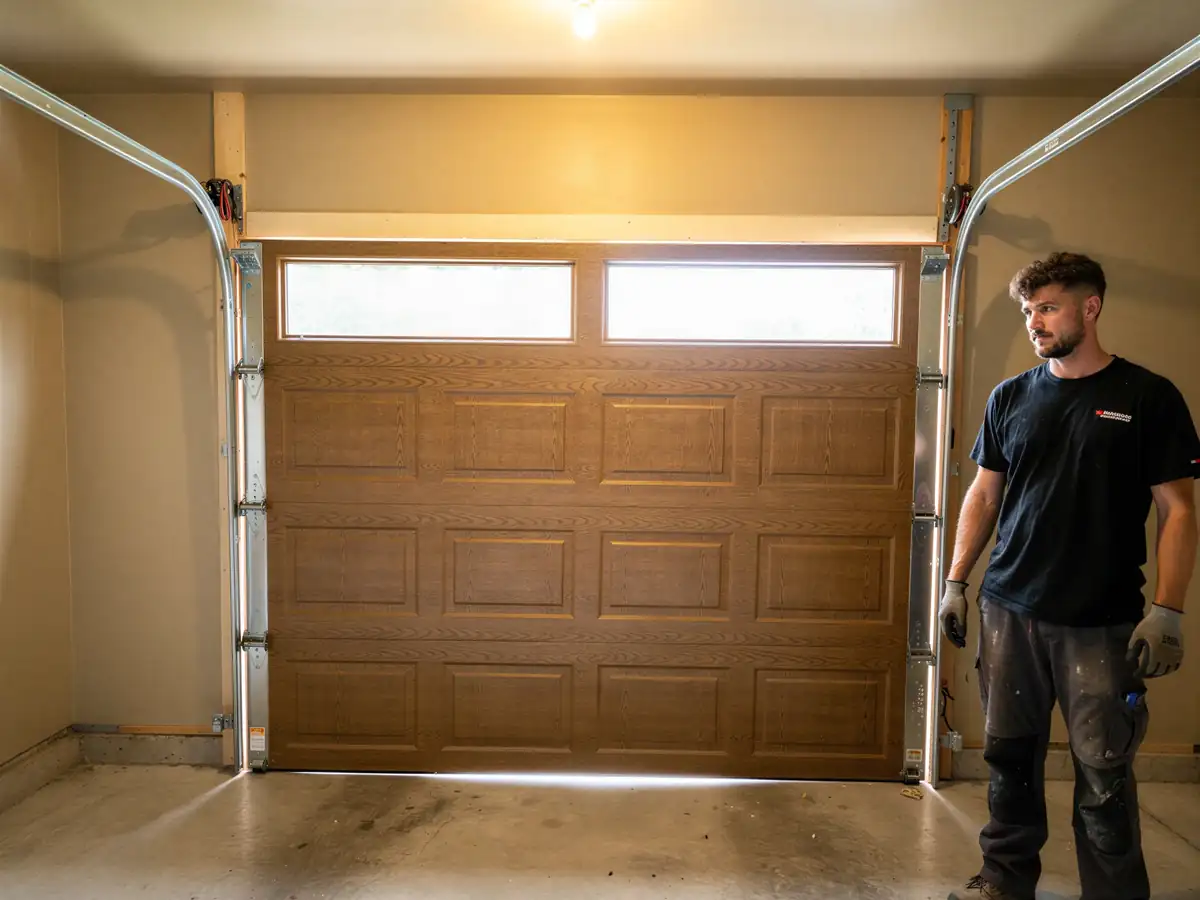
Sometimes twice - since the house was built, often by whoever happened to be available at the time rather than someone who matched the opening correctly. We see a mix here: a handful of untouched original doors on their third or fourth spring, and a lot of newer doors bolted onto openings and track systems that are sixty years old. Neither is wrong, but each needs a different kind of attention, and guessing which one you have before a truck shows up usually goes badly.
What That Means for Doors
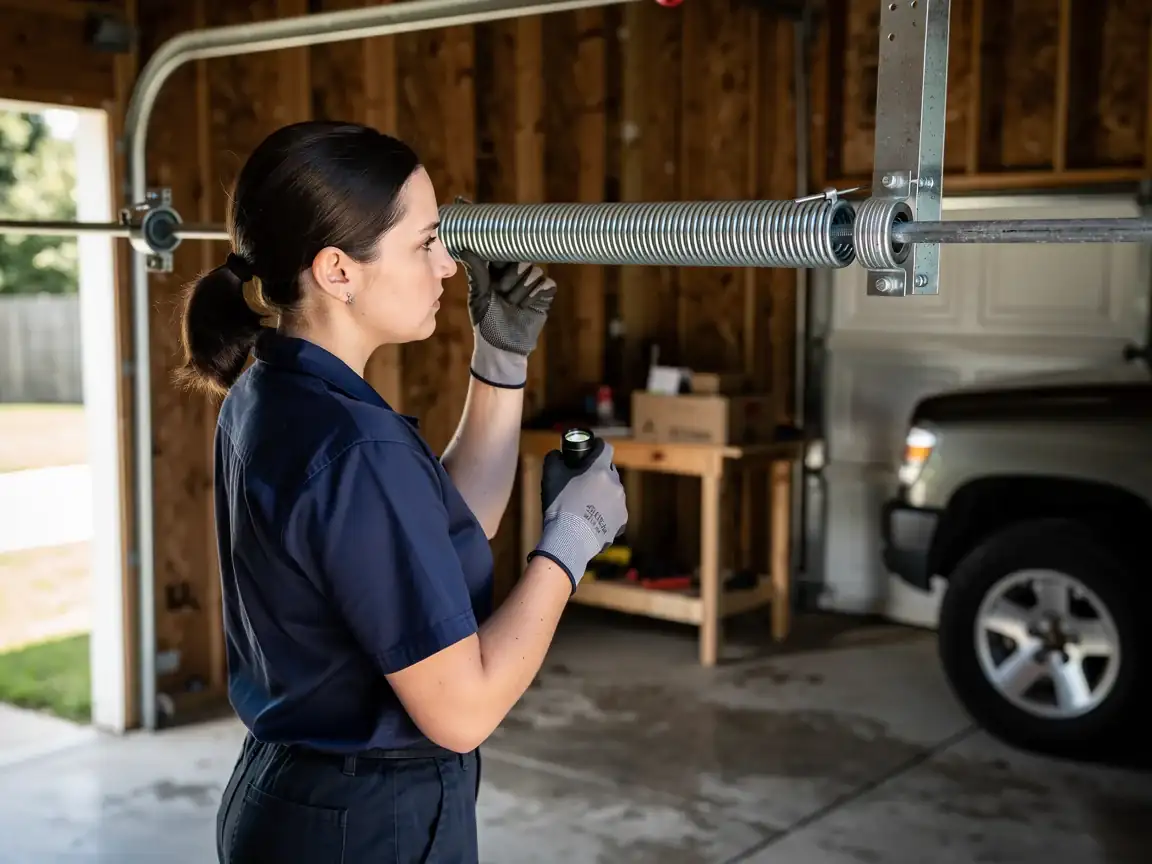
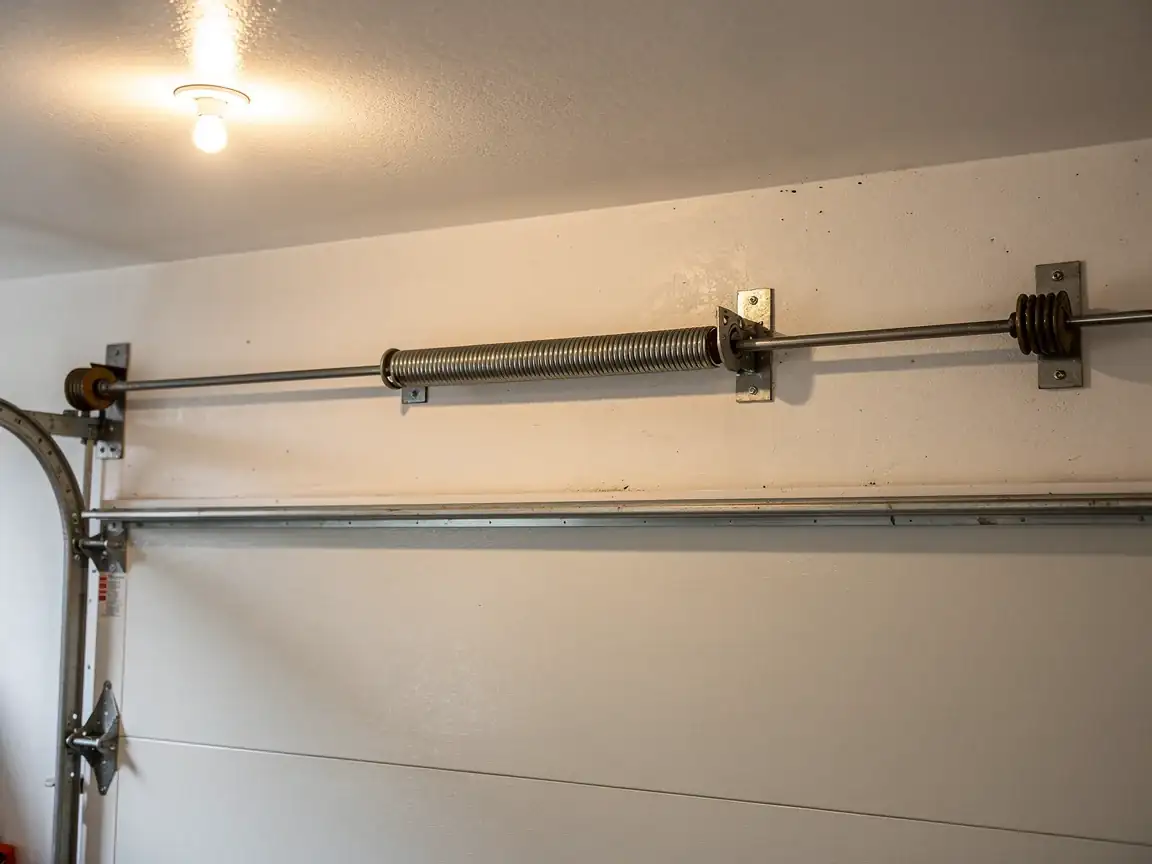
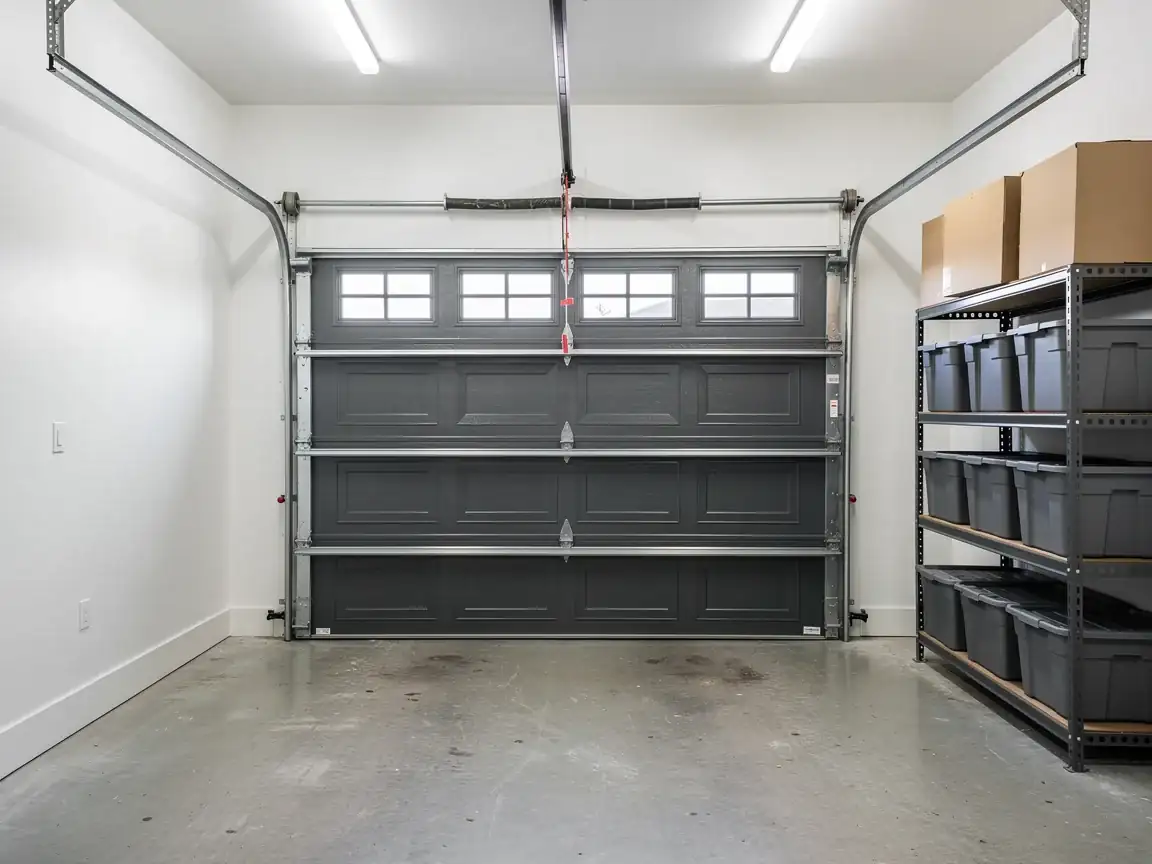
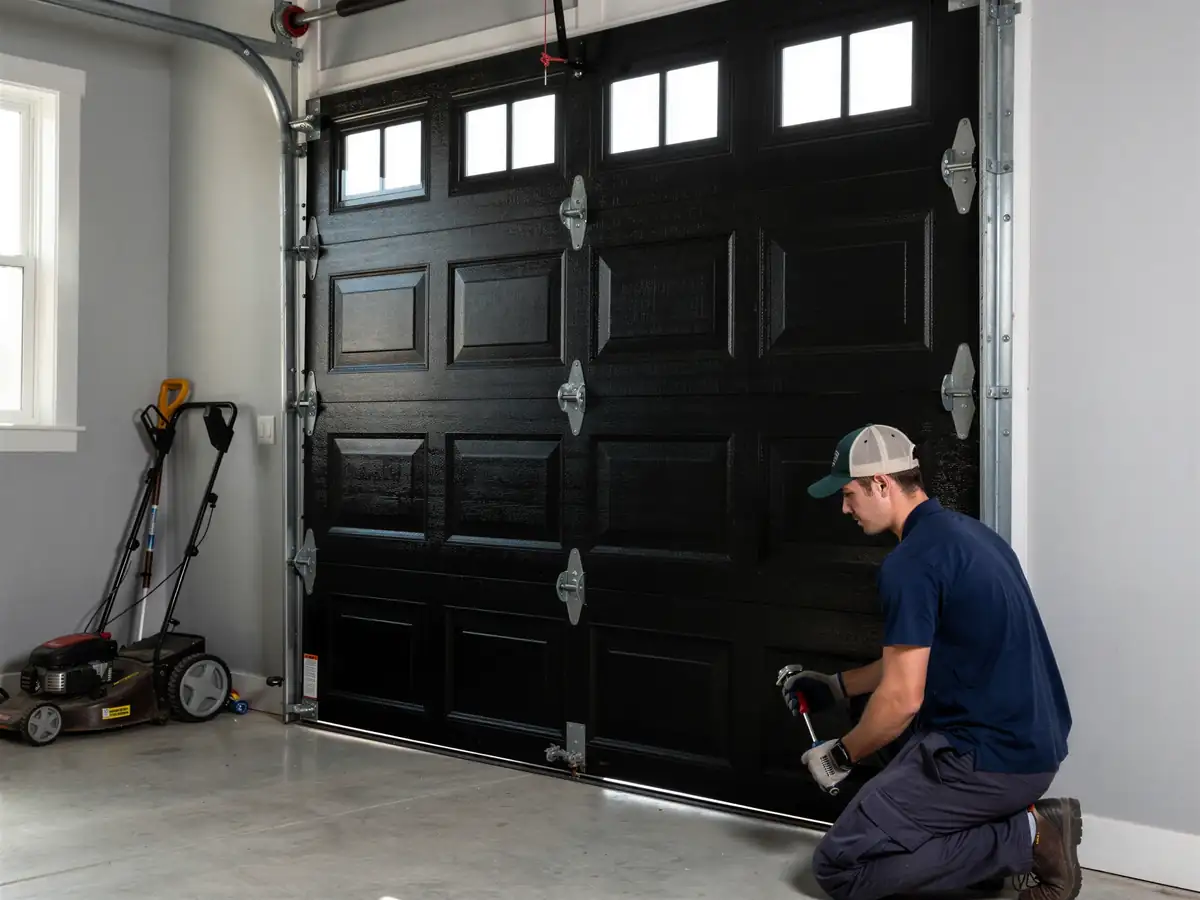
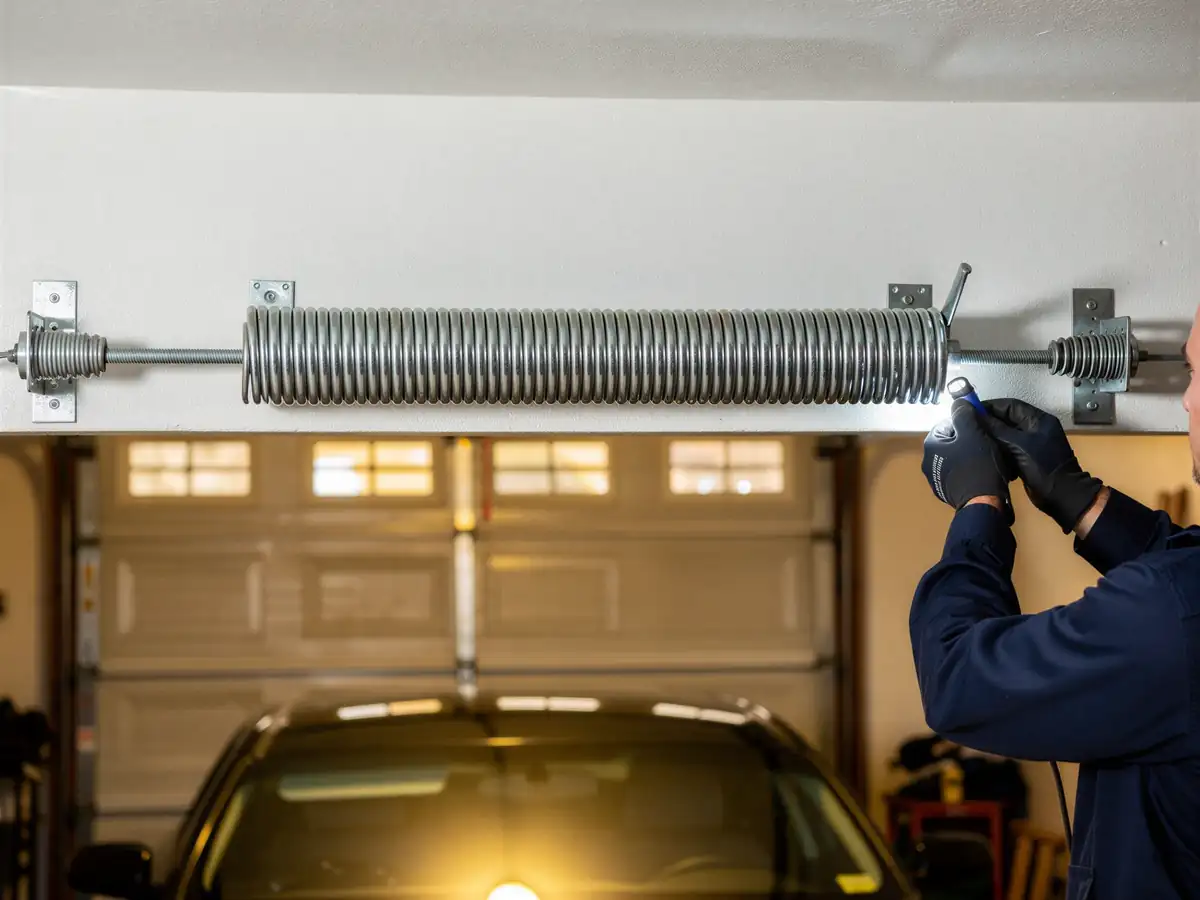
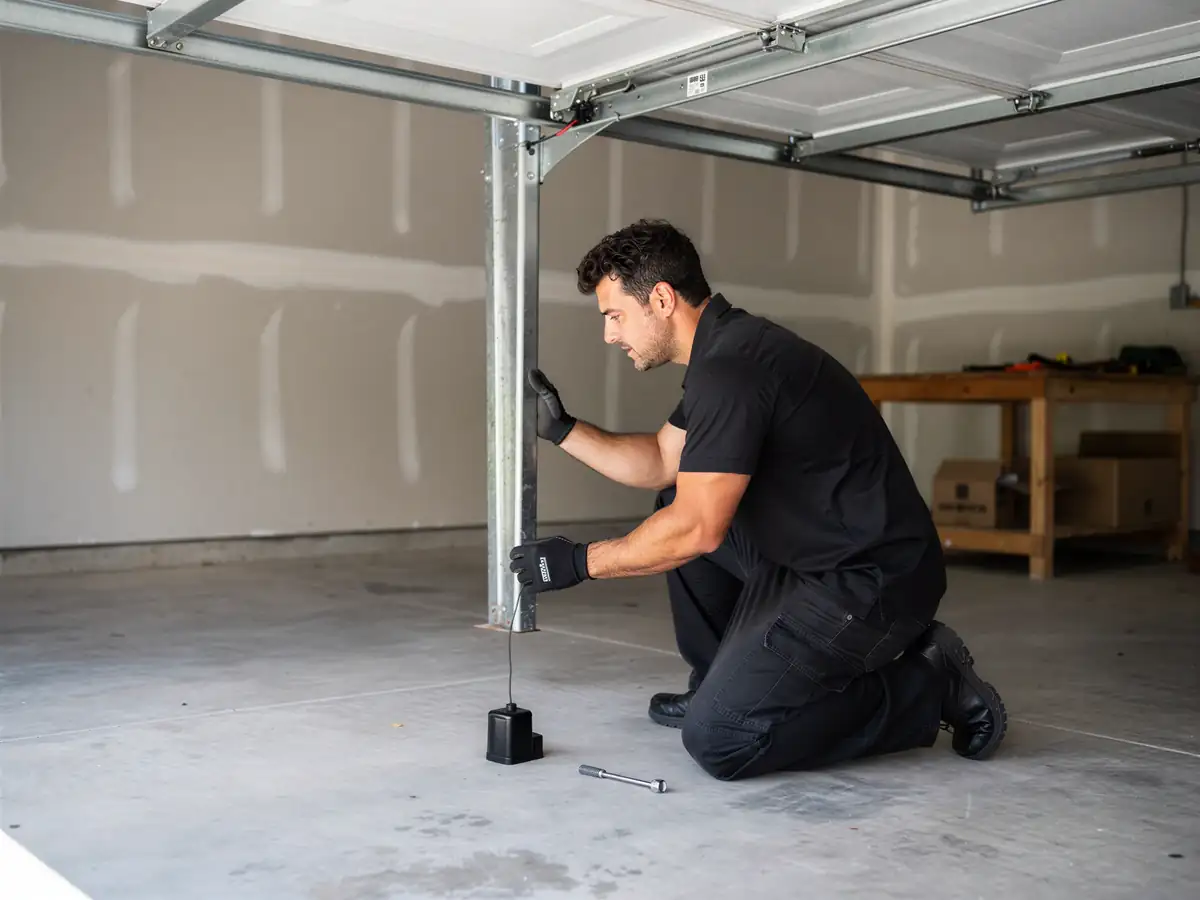
A 1962-era opening often runs torsion hardware that predates a lot of the standardized parts on the shelf today, or it's been retrofitted with extension springs that were never quite right for the door weight. Combine that with our climate band - cold and severe - and you get steel tracks and rollers that have gone through sixty winters of expansion and contraction. Cold snaps don't create these problems, they just finish them off: a worn roller that's been squeaking all fall will seize or shatter the first hard freeze of the season.
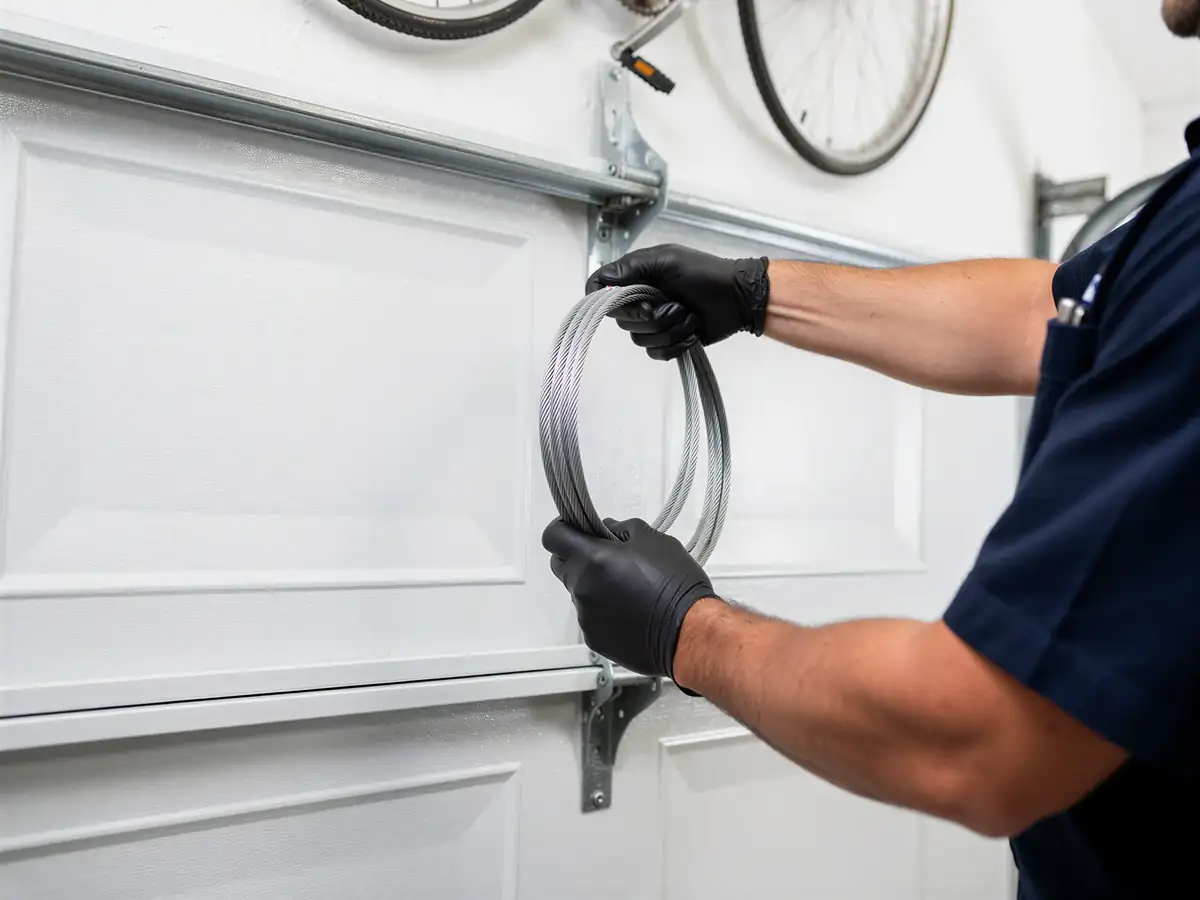
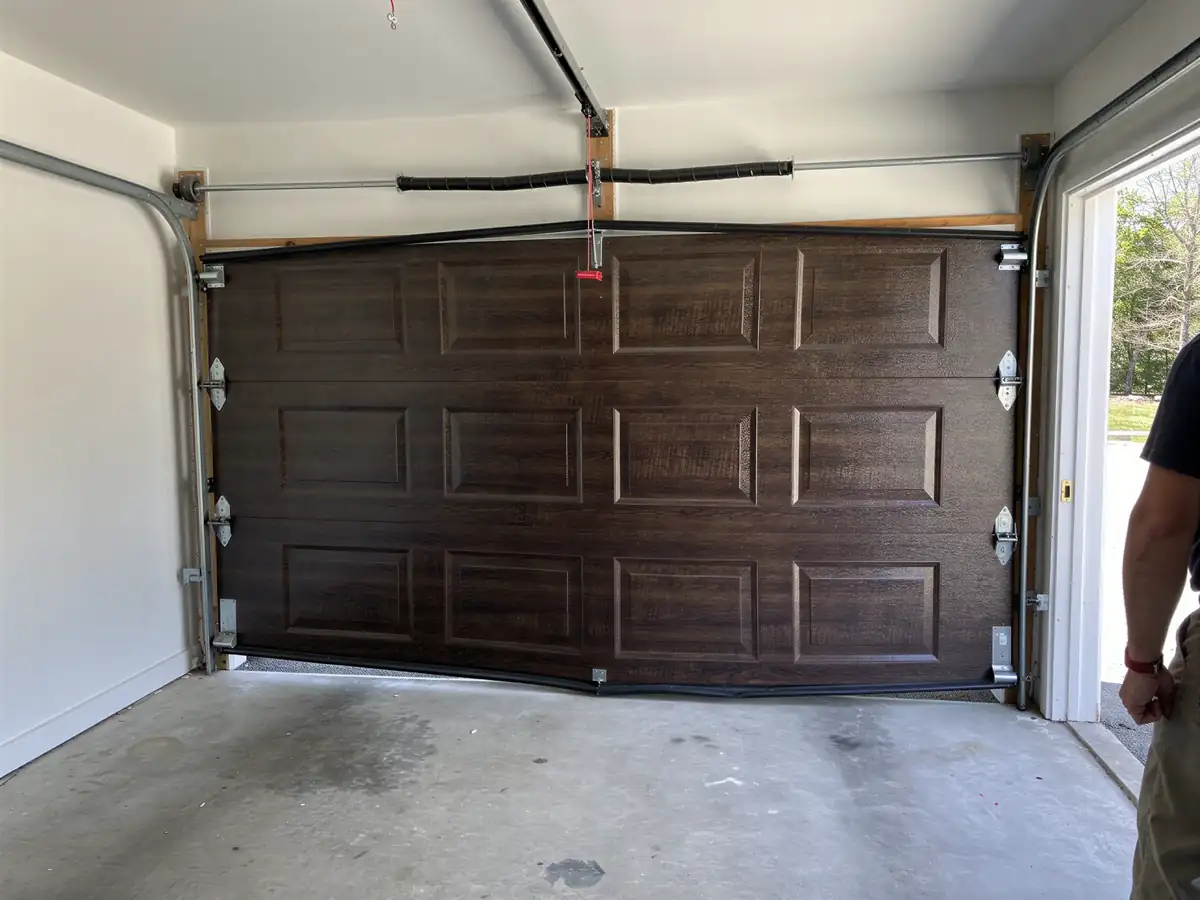
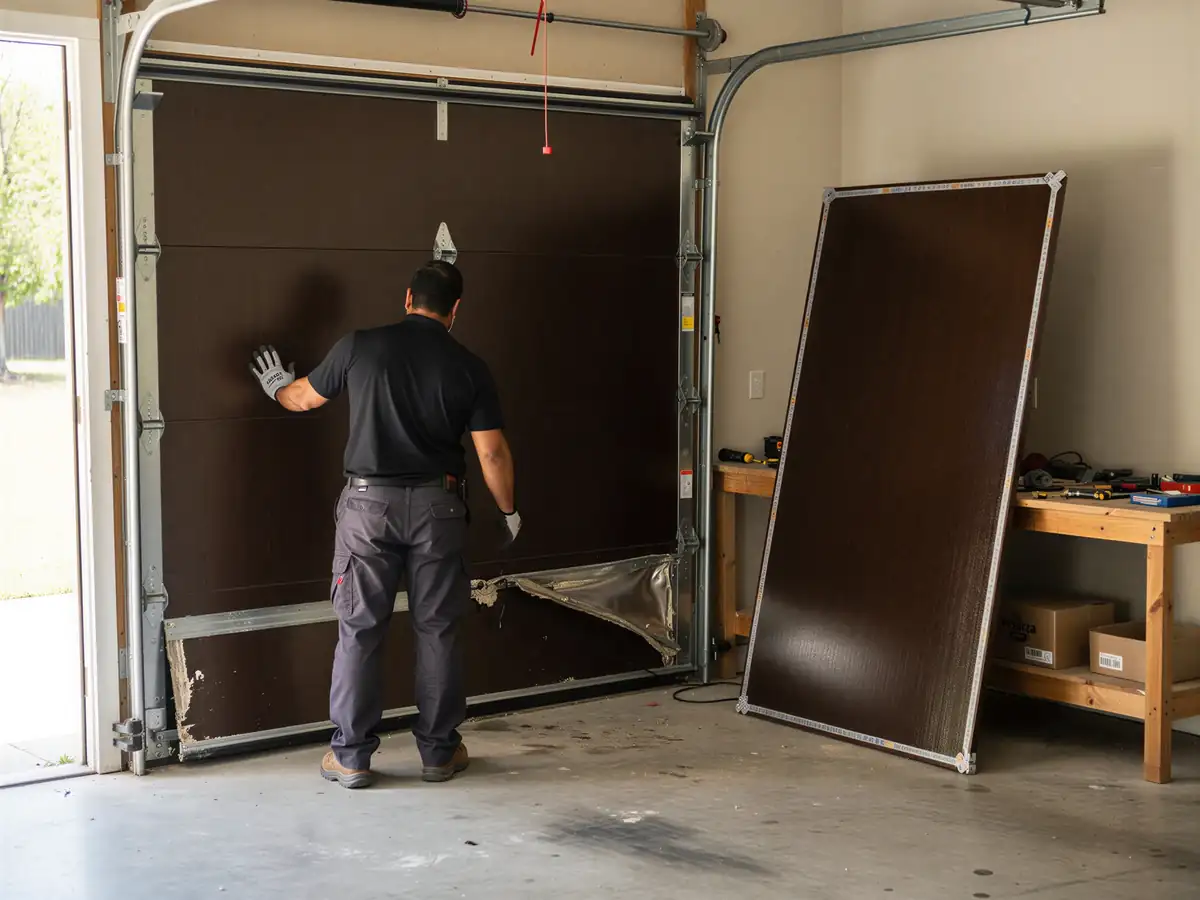
We're not going to tell you every door here needs replacing - plenty of these old frames are solid and just need a spring, cable, or roller swap done right. But if the track itself is bent or the opening was never squared to begin with, patching the symptom won't fix the cause. One honest limit: if your door was custom-built for an opening this old and nobody carries the matching panel anymore, we'll tell you that up front rather than order something that won't fit.
How Soon We Can Come Out
We run out of Brooklyn Park, about 3 miles from Brooklyn Center, so getting a truck to you isn't a long haul. We don't want to promise a specific window we can't back up citywide, but the short distance means Brooklyn Center calls aren't an afterthought tacked onto a route - they're close enough to fit in without much juggling.
If your spring goes on a cold morning and the door won't budge, call before you try to force it open by hand. On older torsion systems especially, a seized or broken spring under tension is not something to wrestle with.