Doing It Yourself
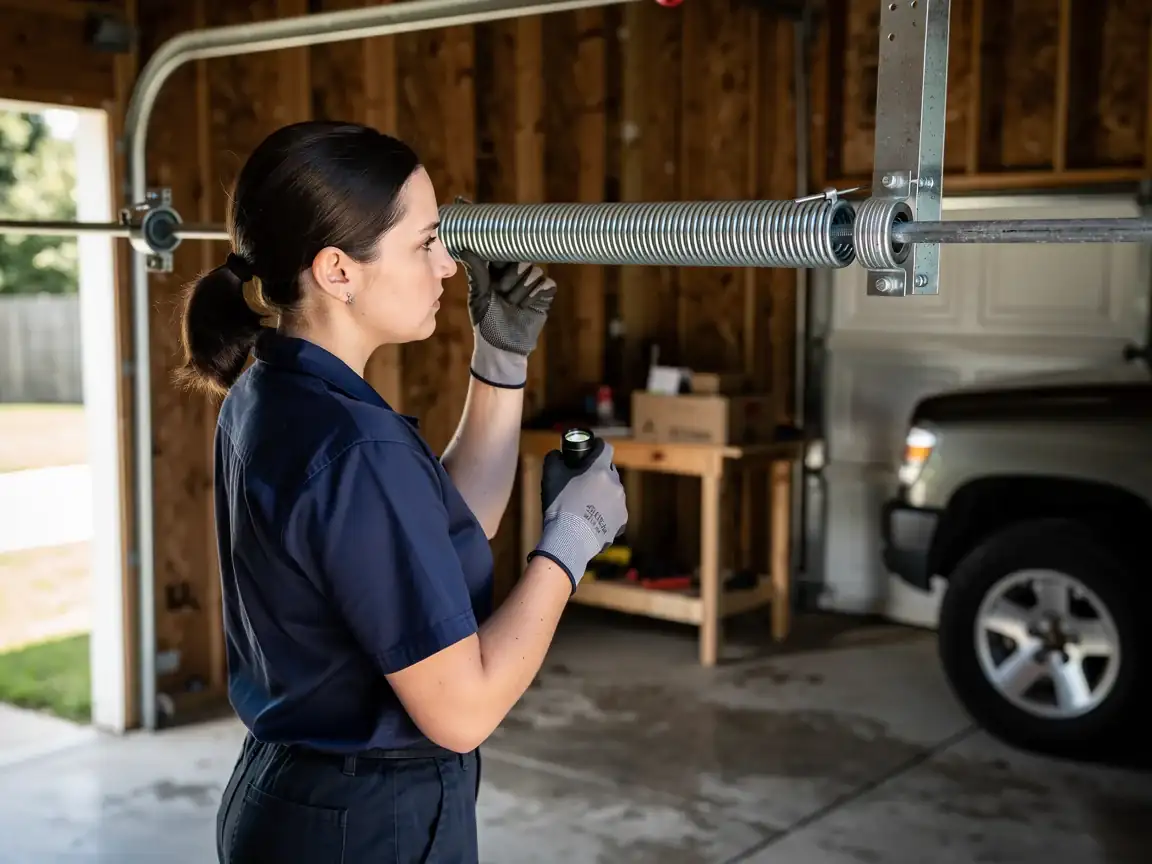
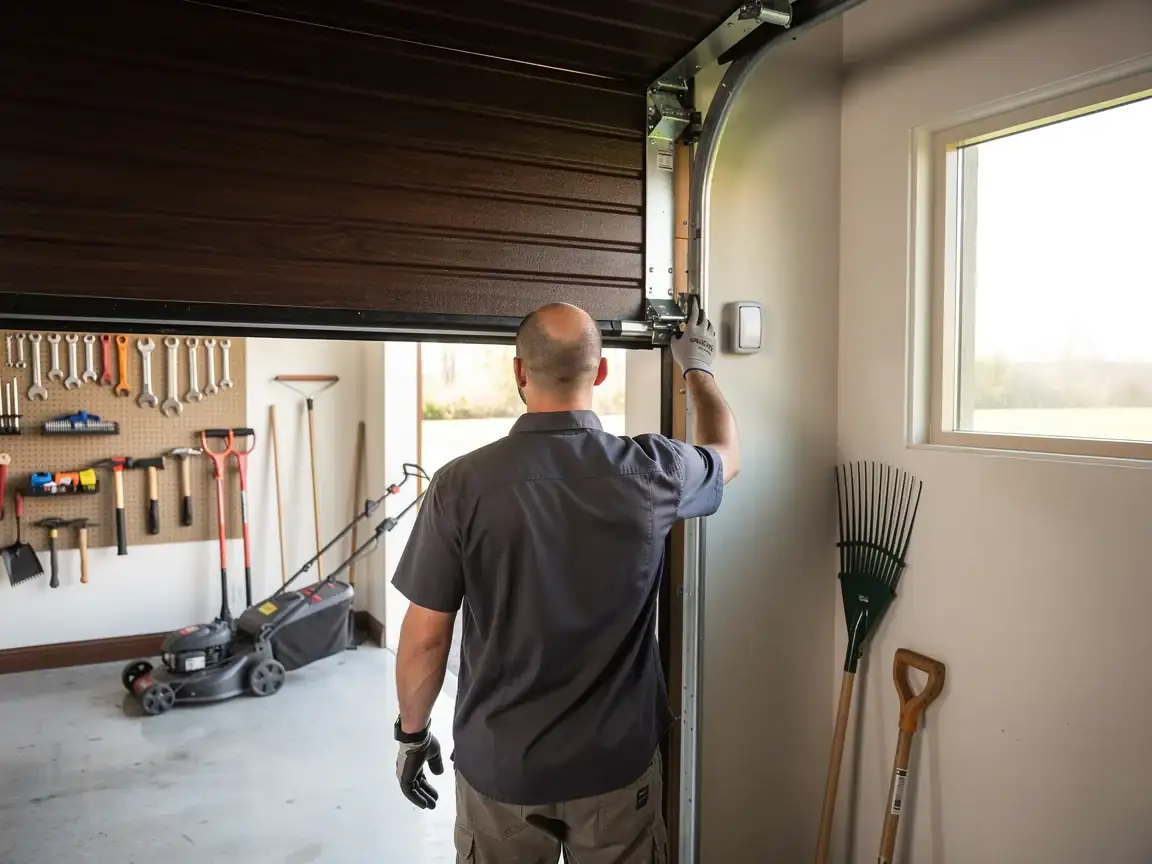
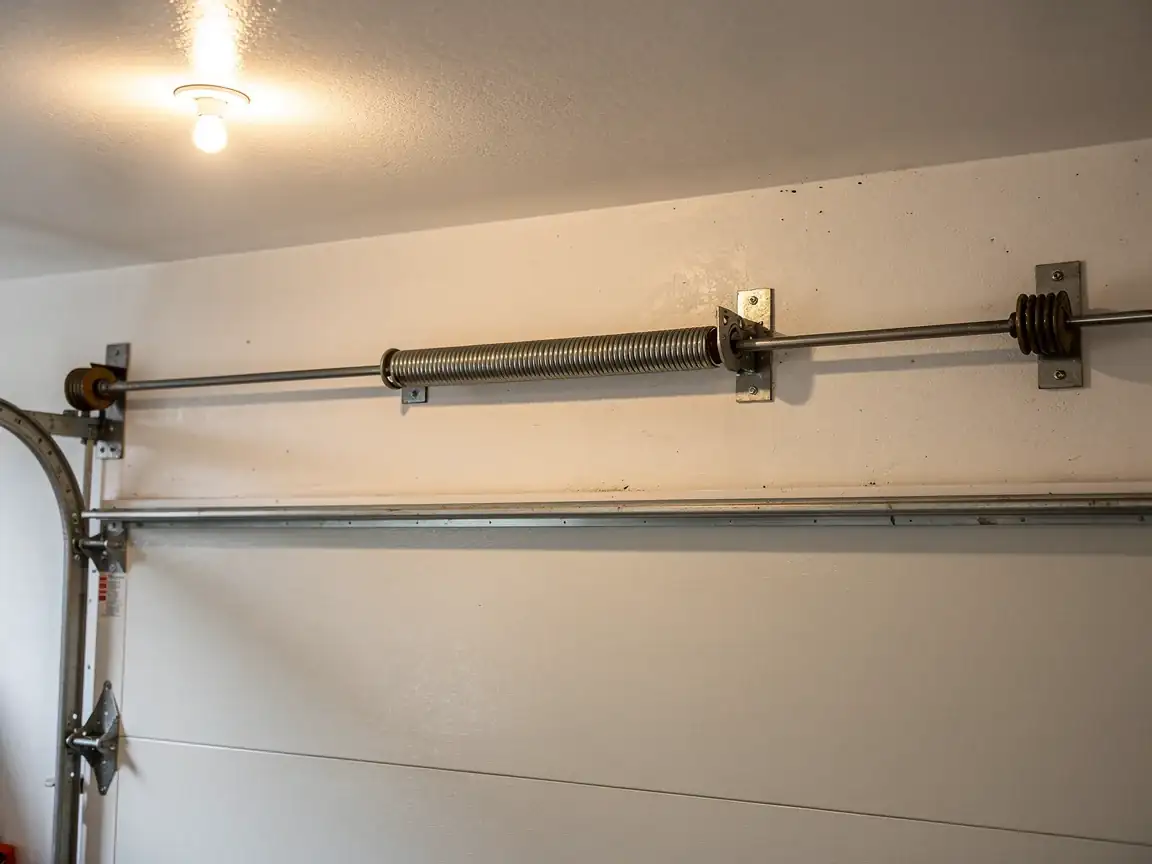
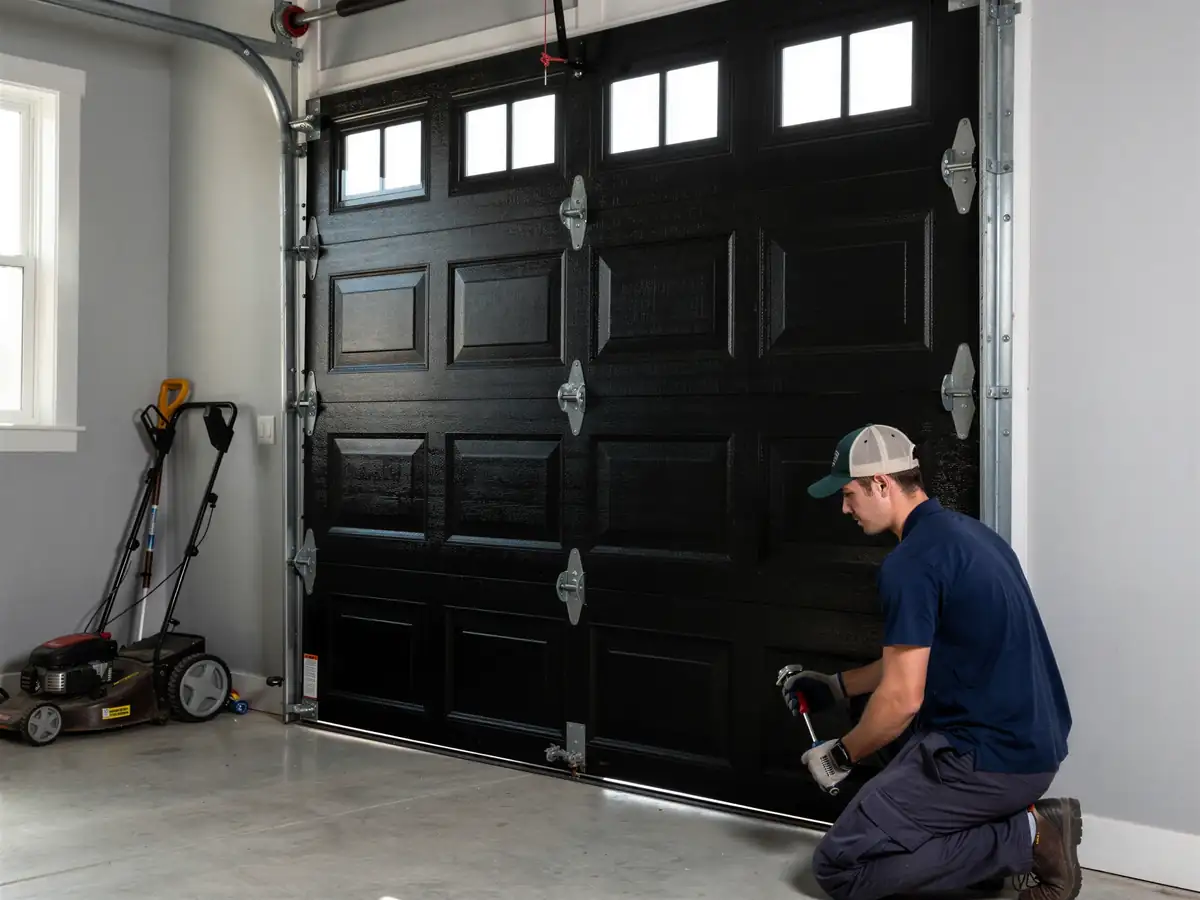
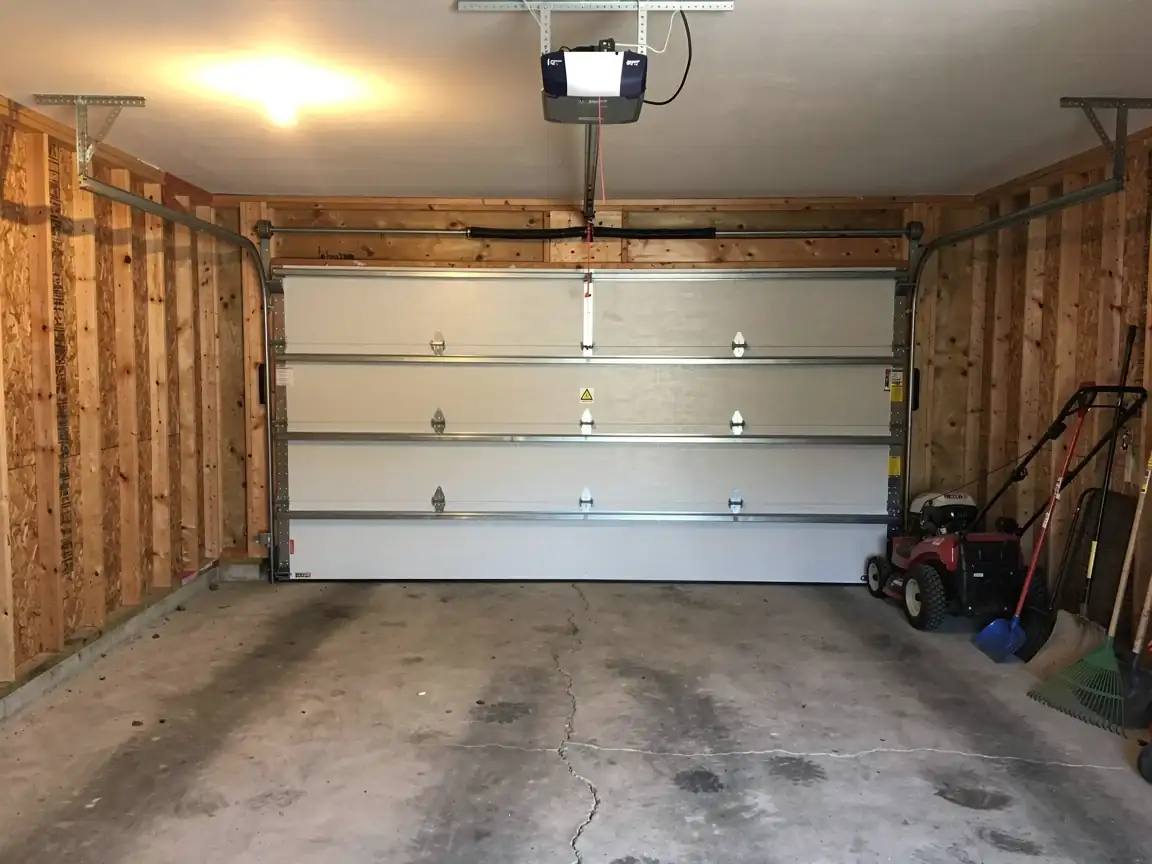
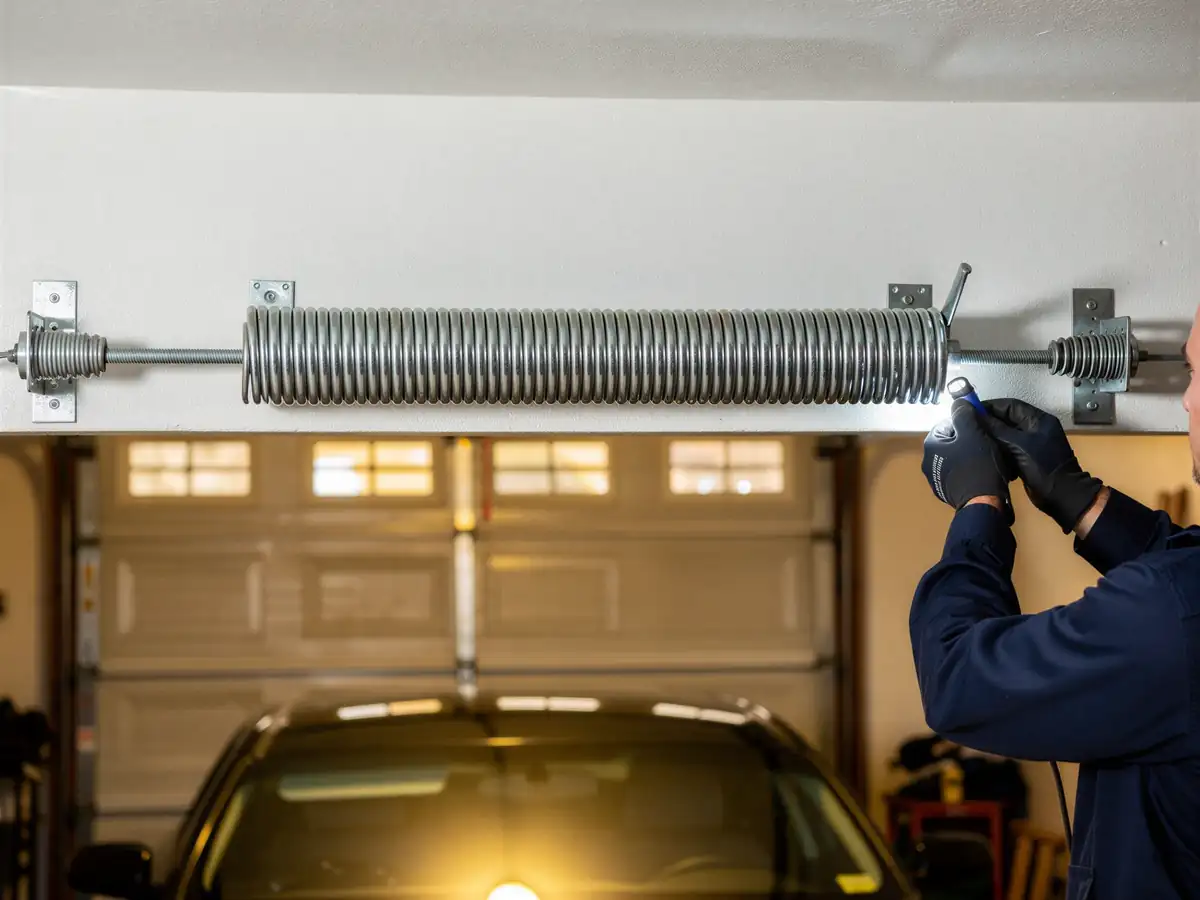
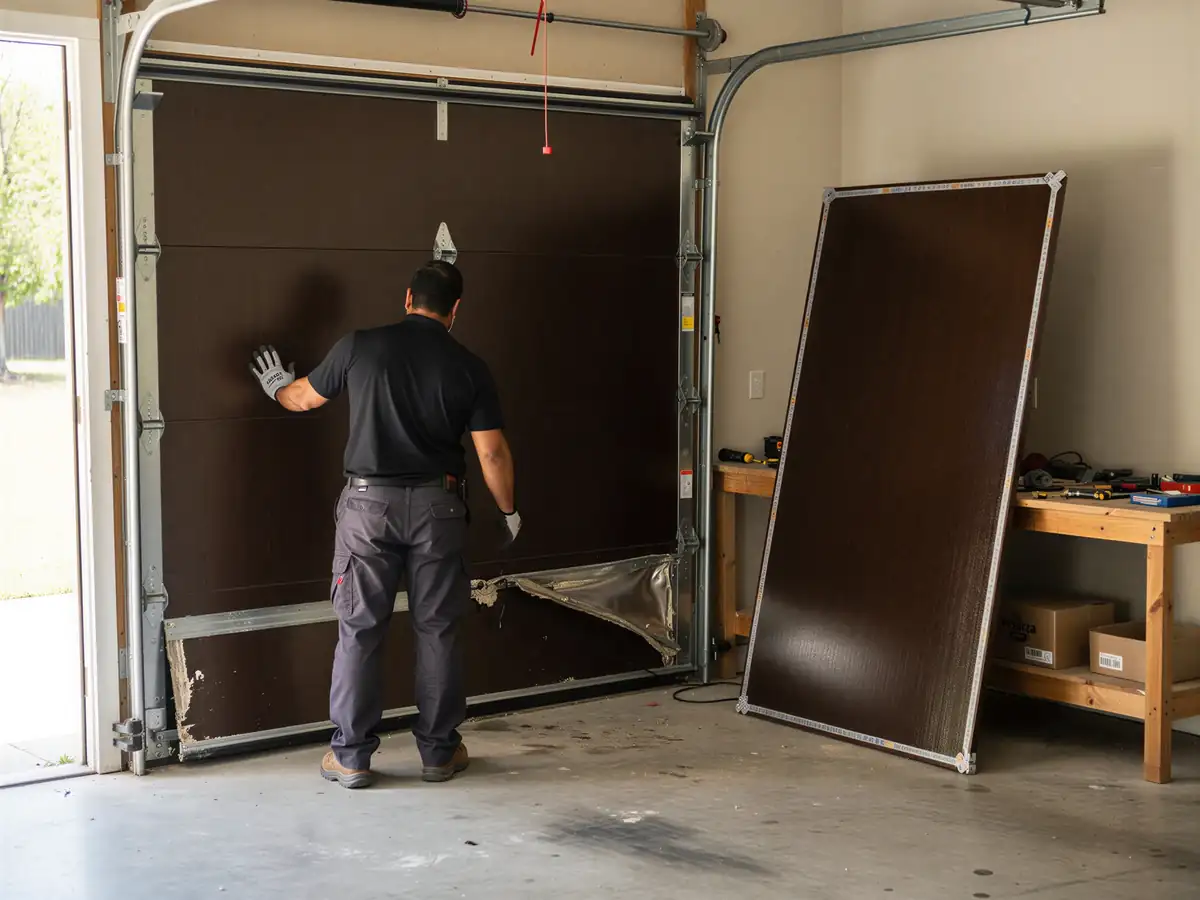
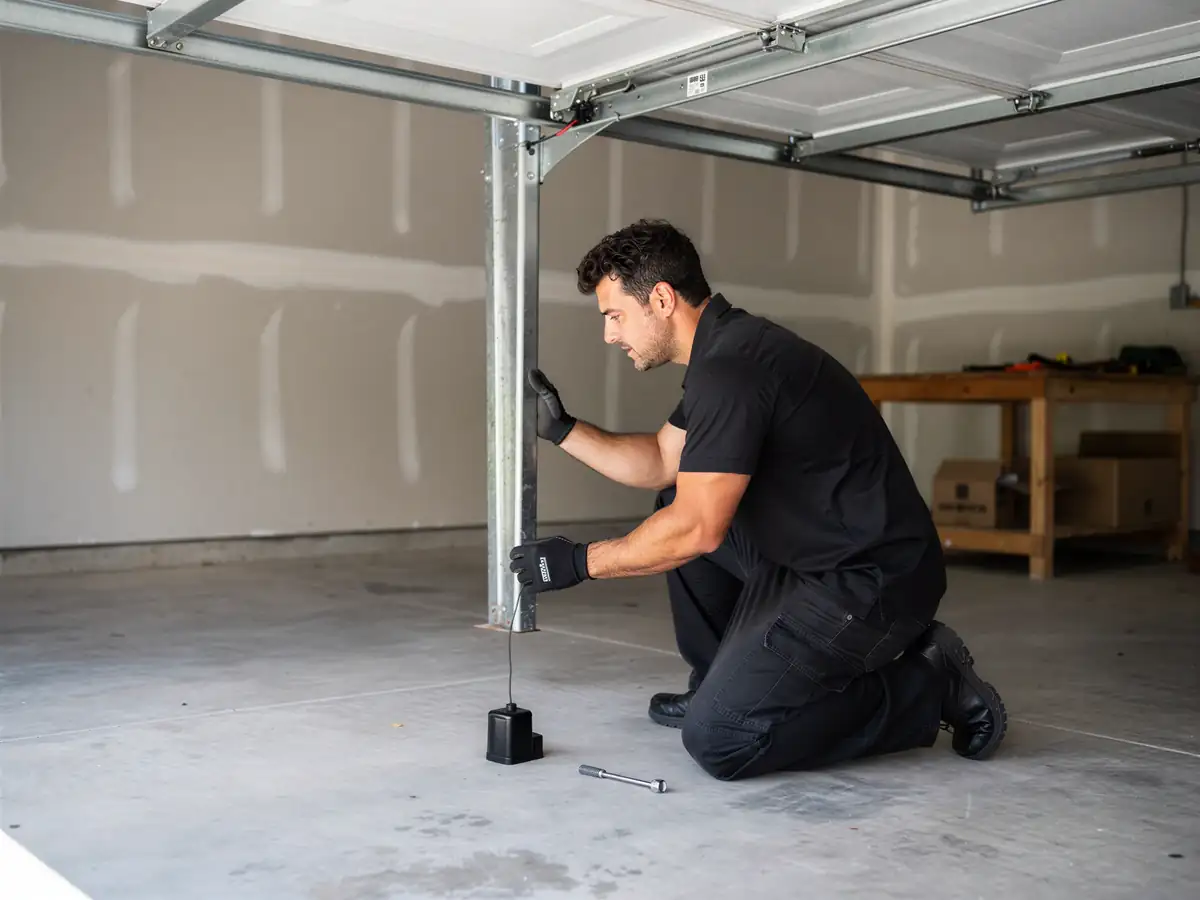
If one roller popped out of the track and the door still sits square, you can sometimes walk it back in with a rubber mallet and a pry bar, door unplugged from the opener first. That's about where DIY should stop. A door that's leaning in the opening, a track bent away from the wall, or cables hanging loose means the door is under spring tension and can come down fast. We won't talk you through that part over the phone, and we won't post a video telling you to try it either - that's the one honest limit here. Pulling the release cord and trying to force a heavy steel or wood door back onto bent track with a torsion spring still loaded is how people lose fingers, not just paint off the drywall. If the door moves on its own, drags, or binds at one spot every time, stop opening it and call. We'd rather talk you out of a service call than talk you into an ER visit. The good news: a door that's merely off track, with the hardware otherwise sound, is usually a same-visit fix, not a parts-order job.
Why It Happens Here
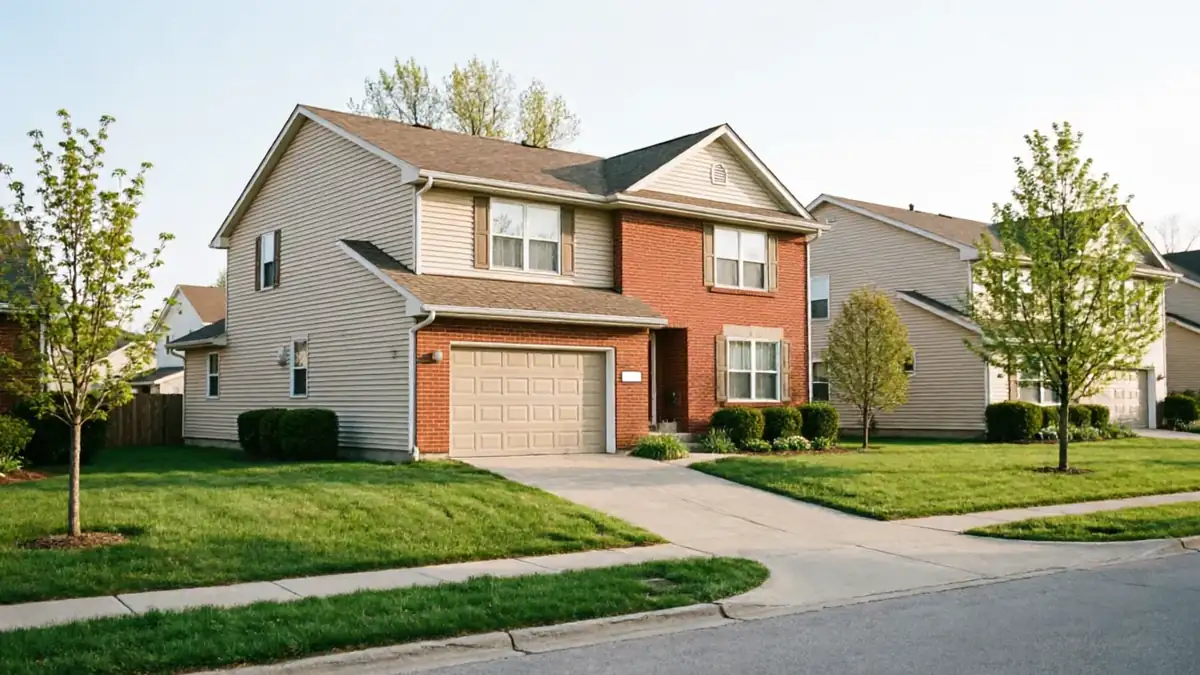
Most of the housing across this service area went up between 1957 and 2007, with a lot of it dating to the 1980s and 90s build wave that put up tract housing fast and with the hardware that was standard at the time. That means a large share of doors in the area are running on original or first-replacement track that's now 20 to 40 years old, with brackets fastened into jamb framing that's seen four decades of seasonal movement. Add a cold-severe climate and you get a track that's slightly out of square every winter when the wood framing contracts, then slightly different again in July when it swells back. A door that's marginal in October can pop a roller the first hard-freeze week of the year, when the track metal itself contracts and tightens its tolerances. We see this pattern across the 58 named areas we cover, not as a one-house problem but as a housing-stock-and-climate problem.
How It Shows Up
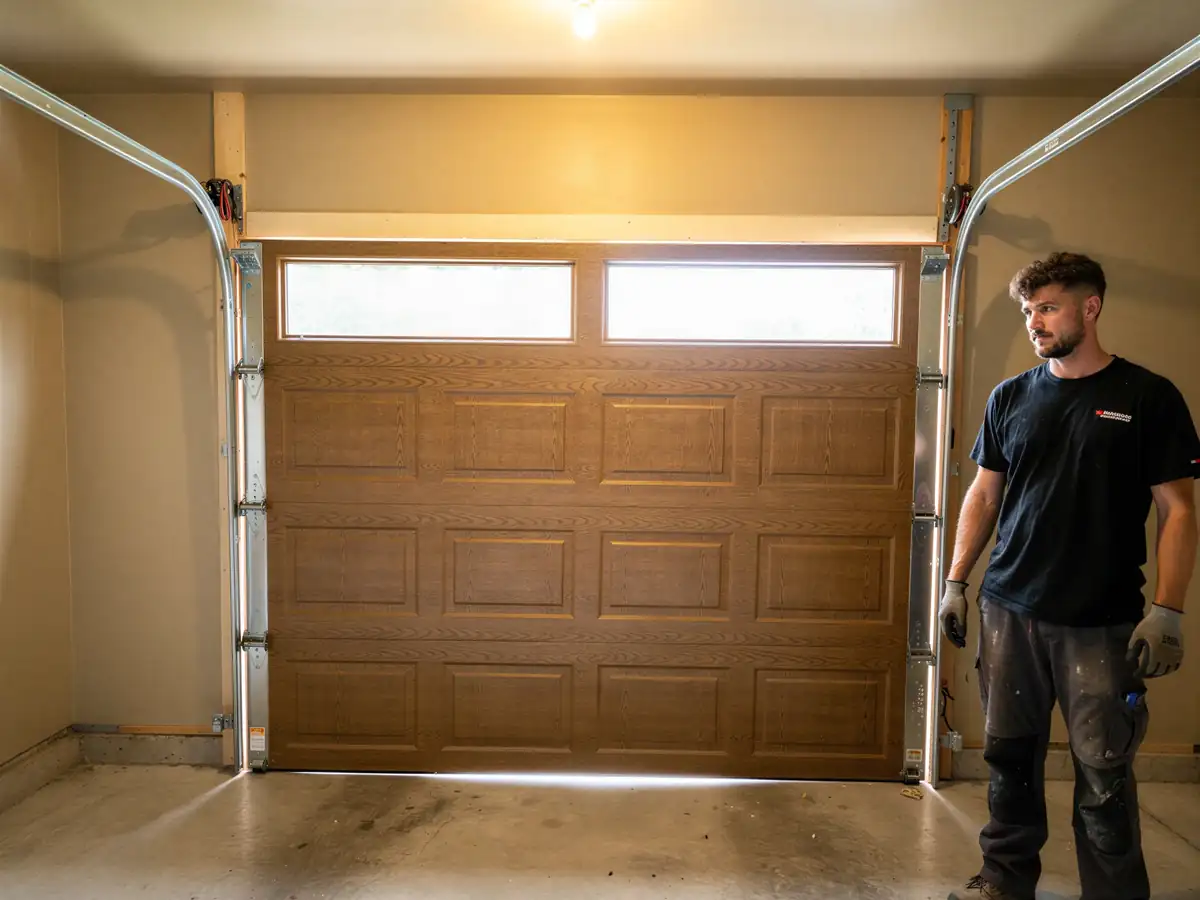
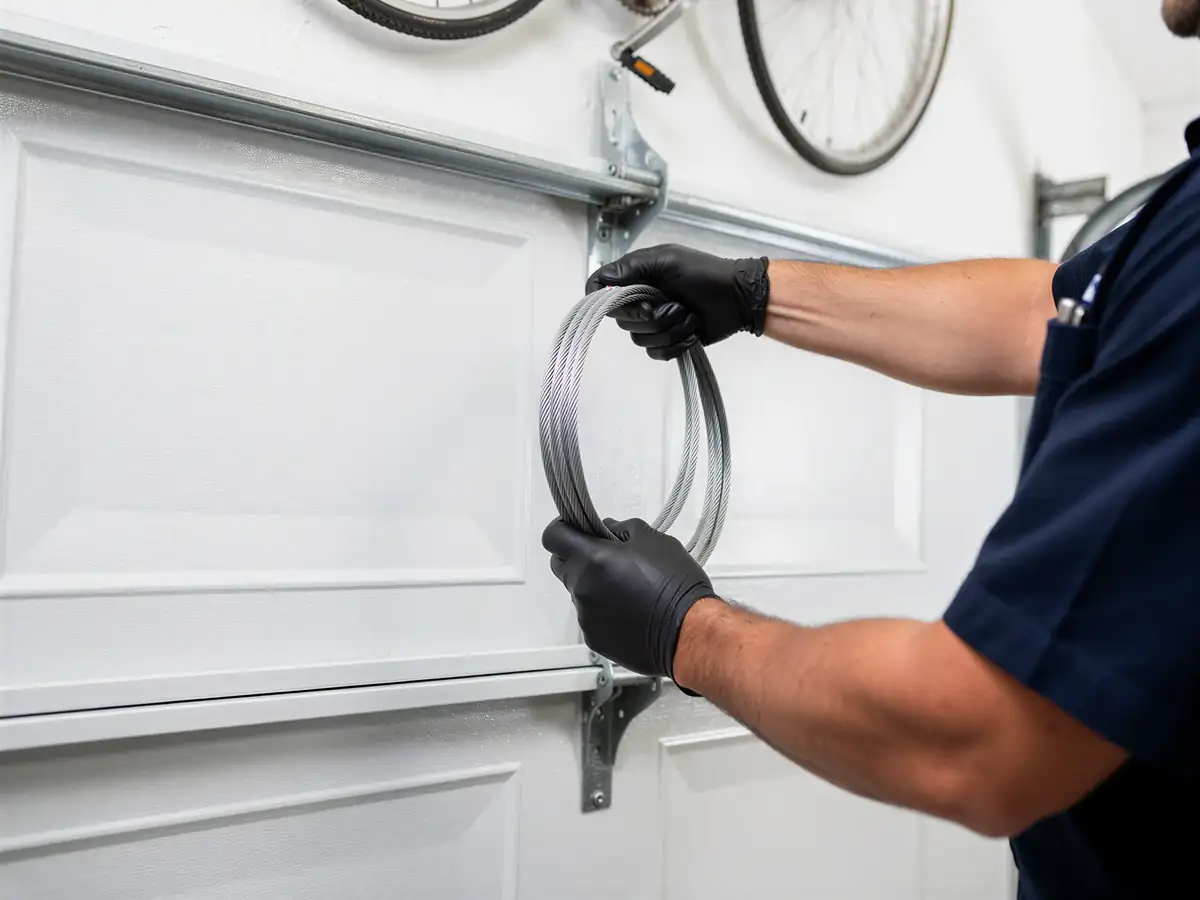
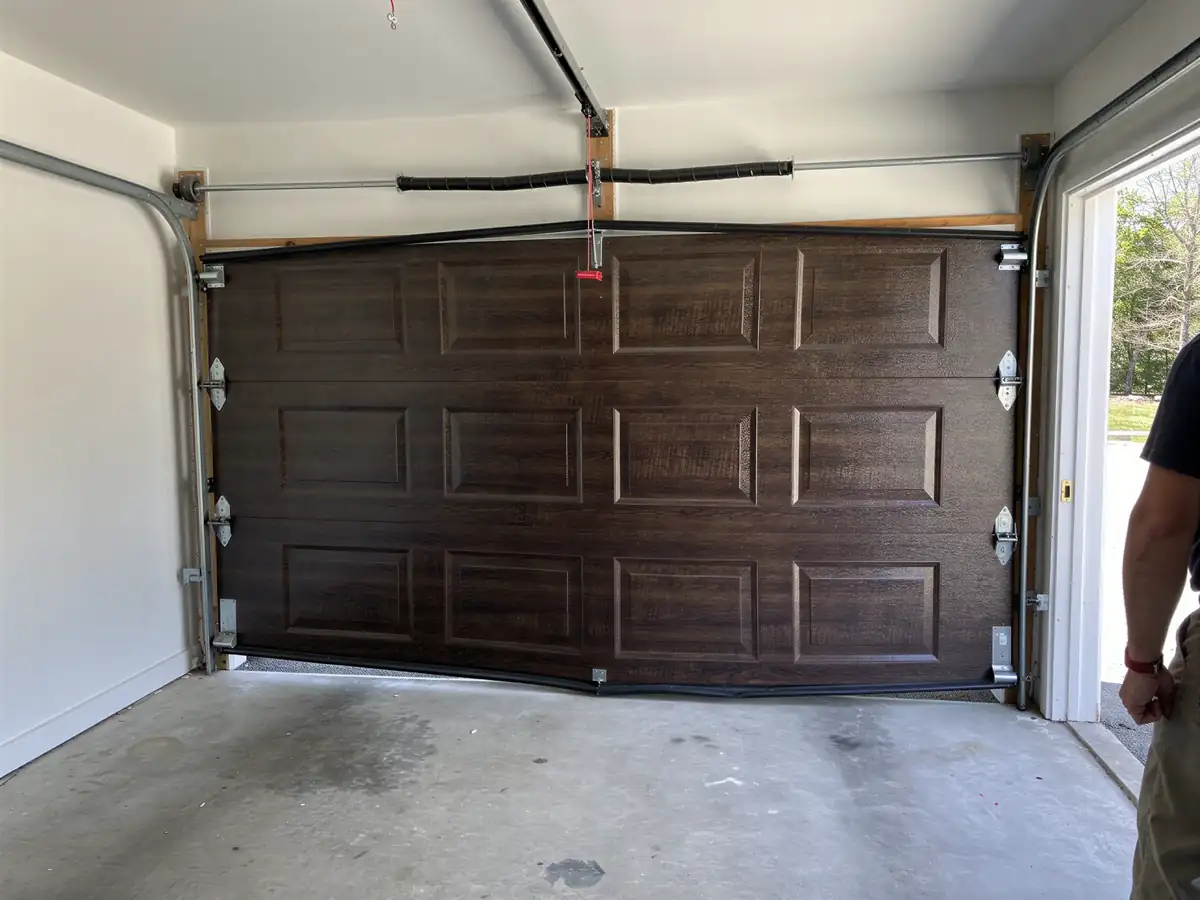
The most common sign is a door that runs fine for most of its travel, then catches or grinds at the same spot every time - that's usually where a track bracket has loosened. A door that looks tilted in the opening, with a visible gap on one side and none on the other, has already come off true on at least one roller. Sometimes it's quieter: a cable that's gone slack and is hanging loose along the track, or a roller sitting outside the channel instead of inside it. If the opener strains, reverses partway up, or makes a grinding noise it didn't make last week, don't keep running it - that's the opener working against a door that isn't tracking straight anymore, and continued use tends to turn a track repair into a track-and-panel repair.