Doing It Yourself
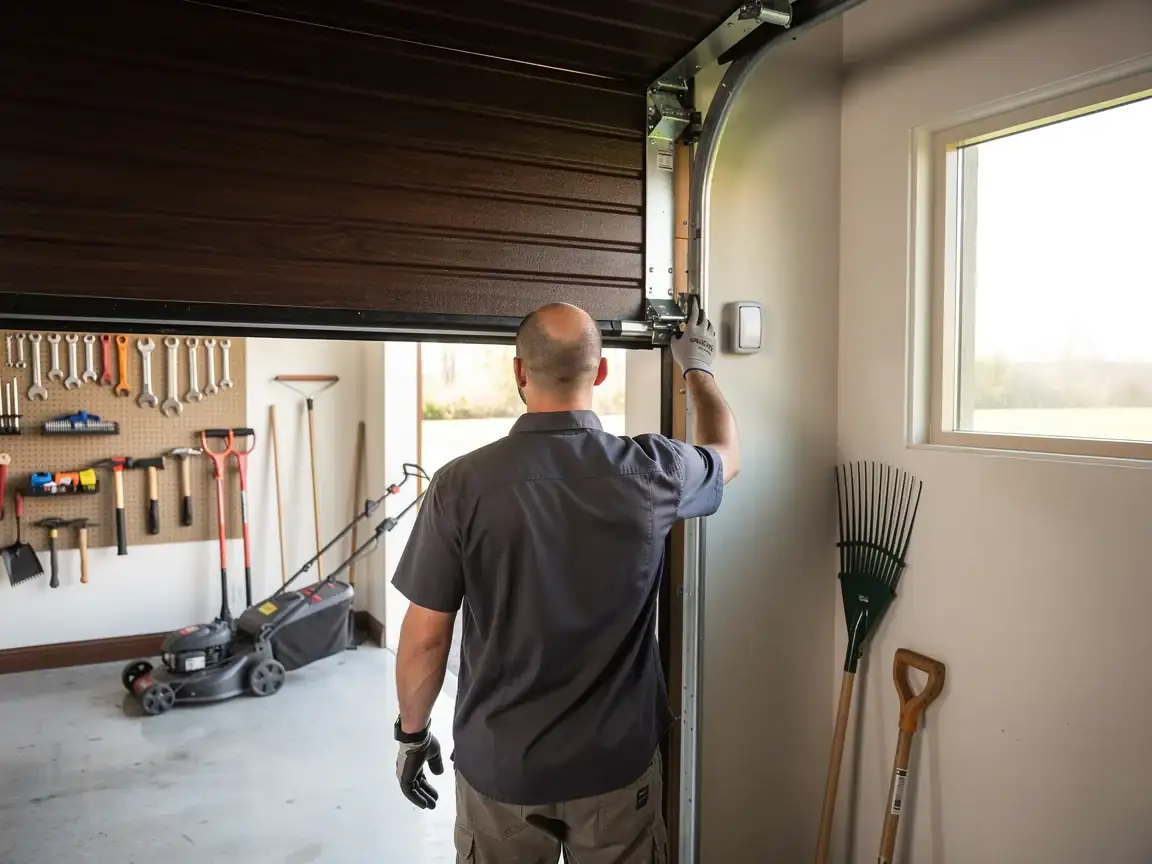
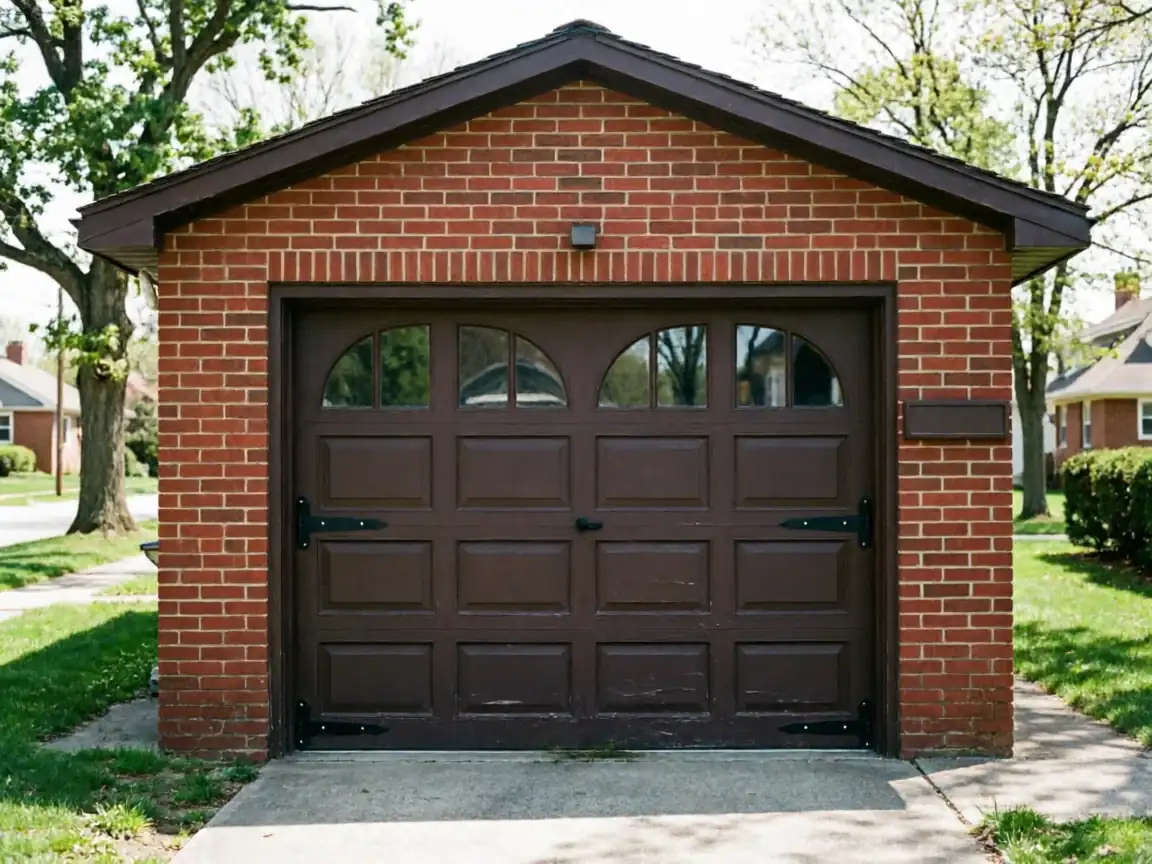
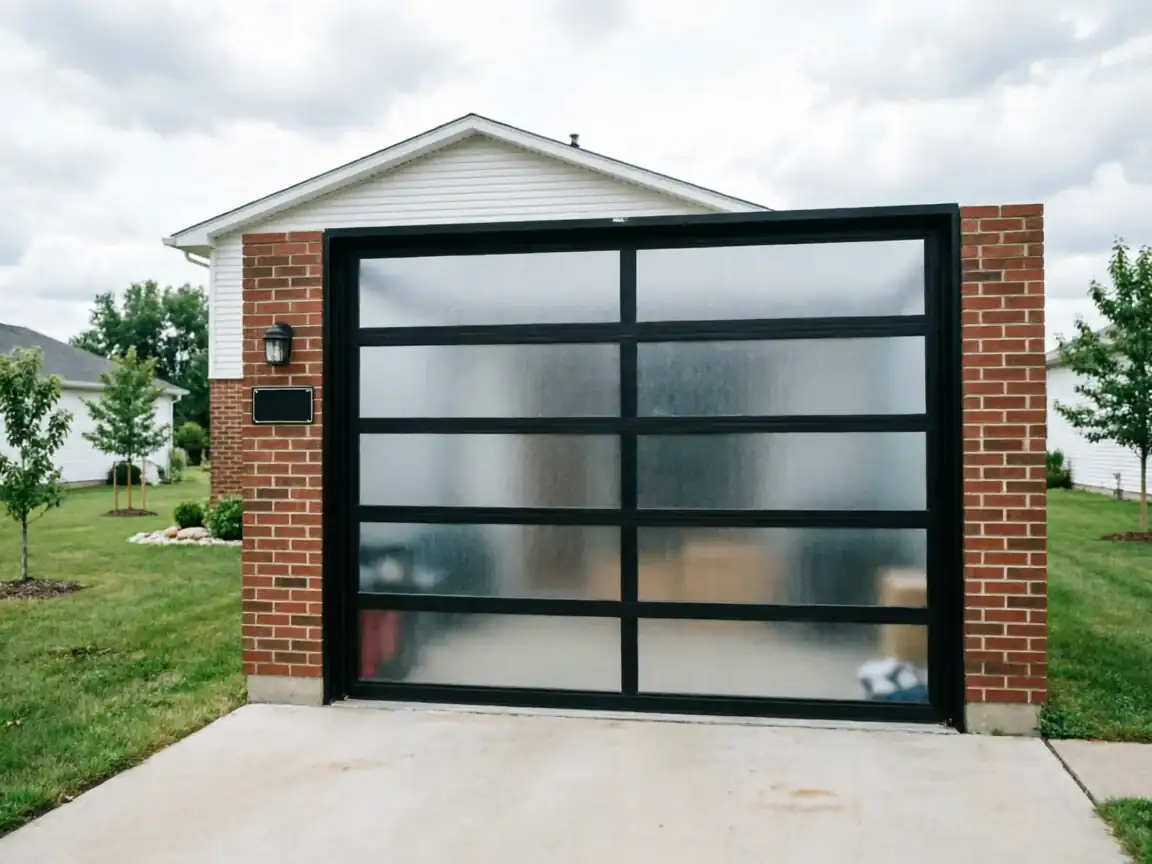
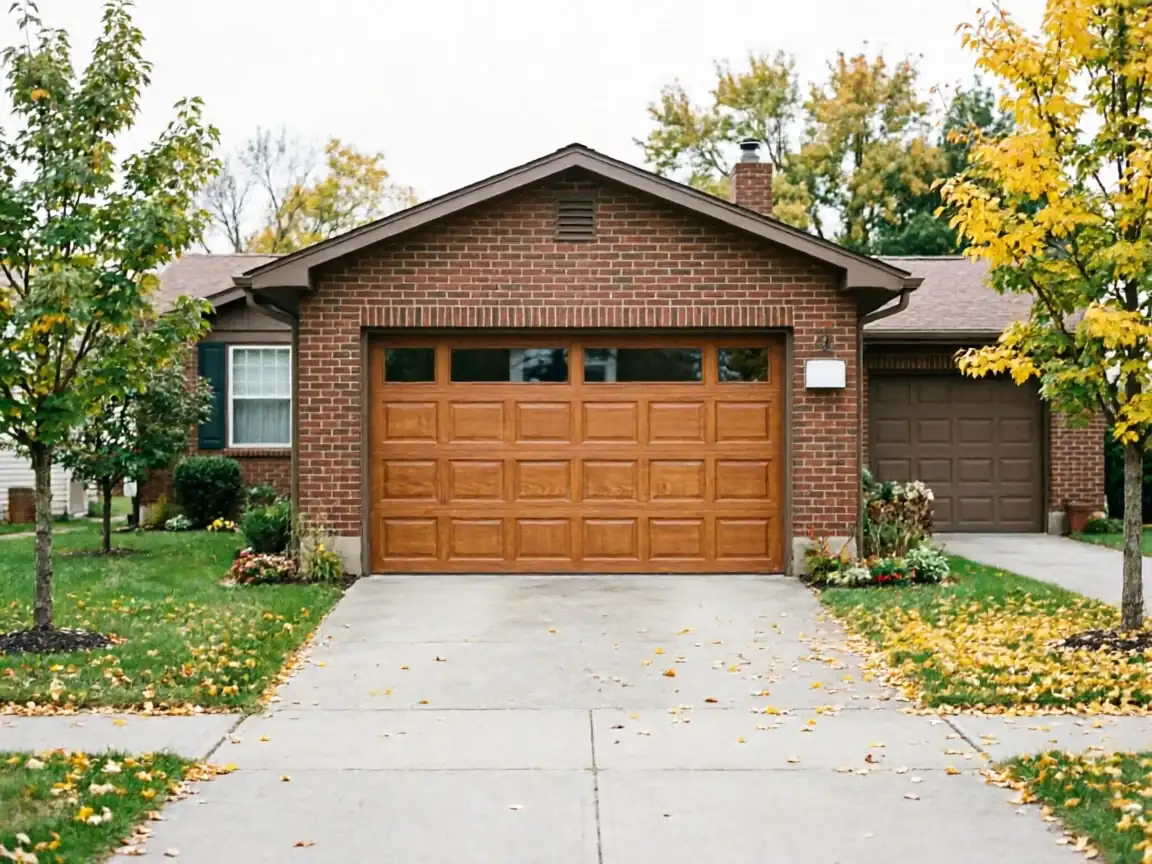
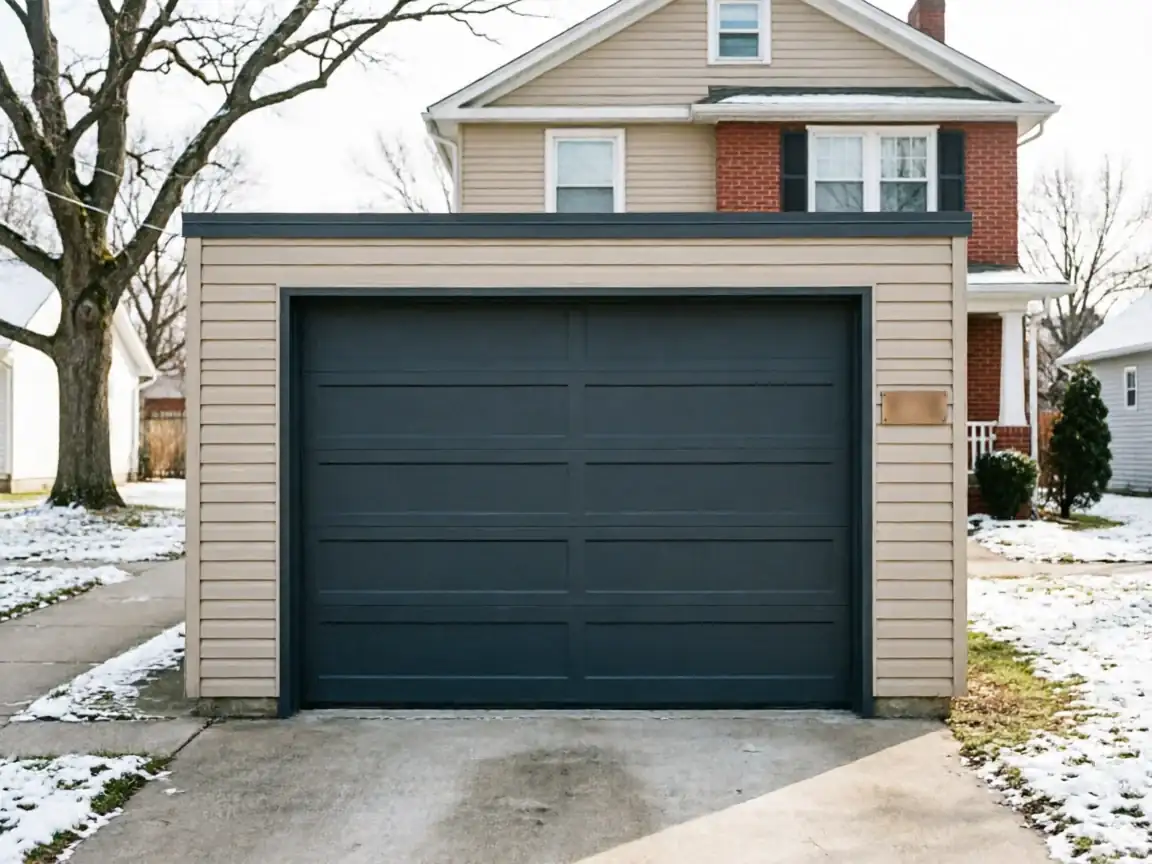
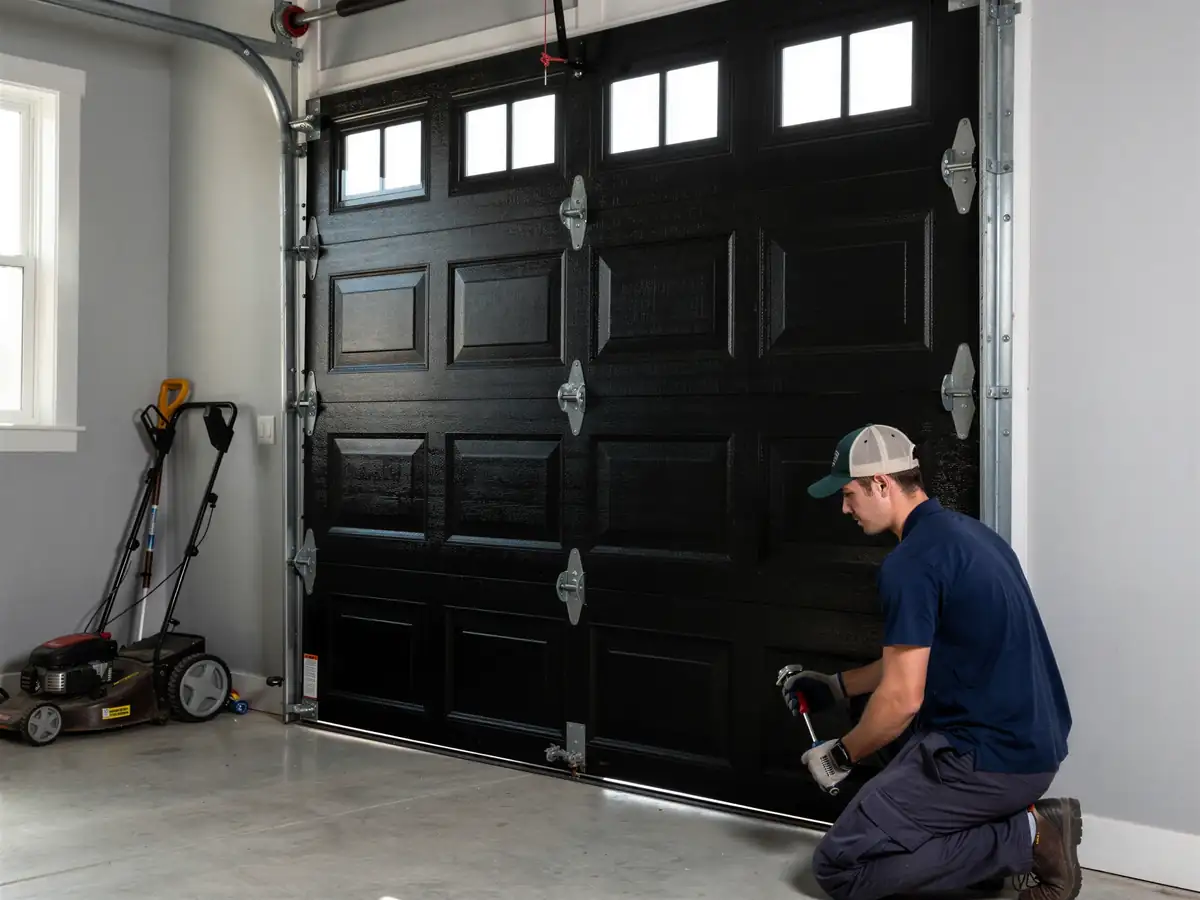
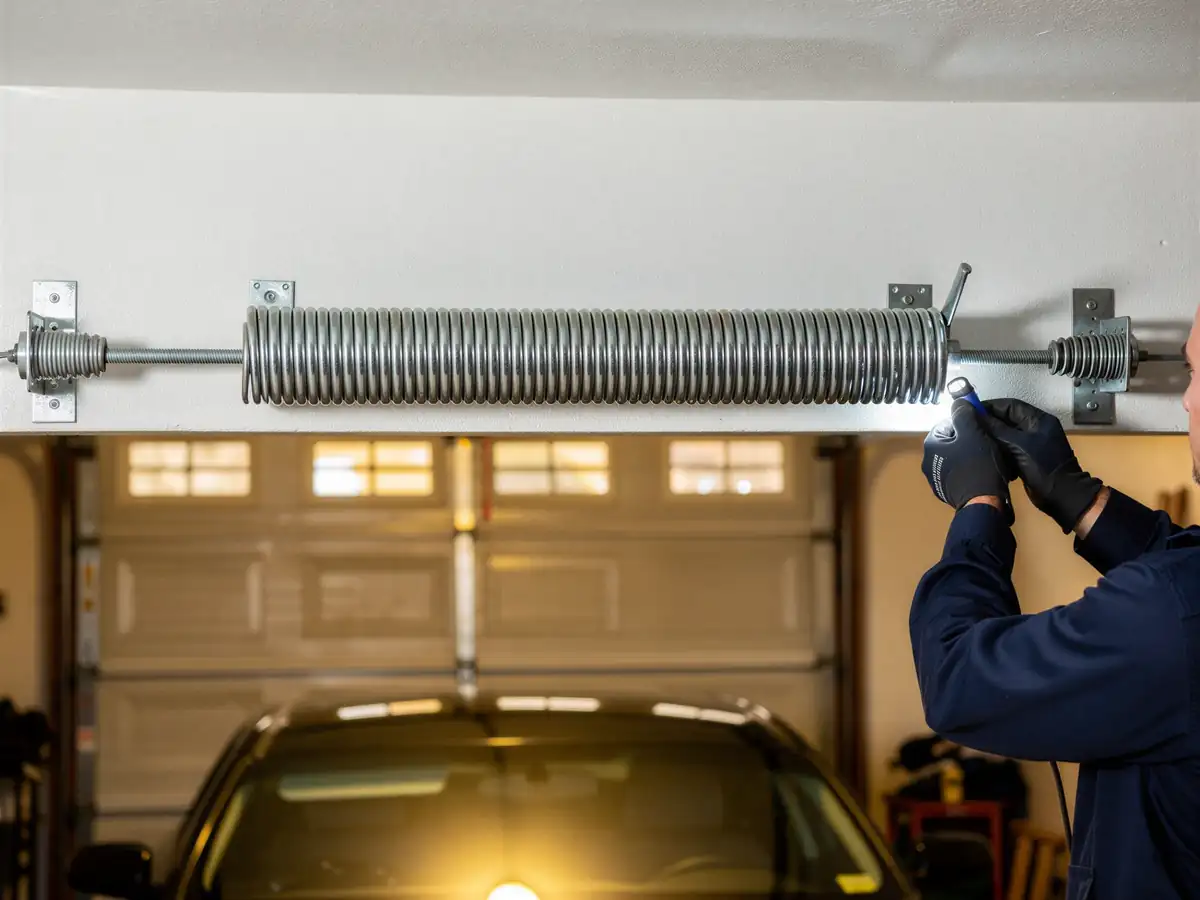
A lot of homeowners look at a new garage door and figure it's a weekend project - pull the old one down, bolt up the new one, done. On paper that's true. In practice, most of Brooklyn Park's housing went up between 1957 and 2007, with the bulk of it dating to the 1980s and 90s, and that means openings, headroom, and jamb framing that don't match what comes in a big-box door kit. You can hang a door yourself. What trips people up is the track geometry and spring sizing underneath it, especially on older framing where the header isn't square anymore. If you're set on doing it yourself, at minimum get the opening measured by someone who installs for a living before you order the door - a quarter-inch off on width or height turns into a door that binds in January when the wood has contracted from the cold. We're honest that this isn't a job we talk anyone out of trying. We just want the measurements right before metal gets ordered, because a door cut wrong doesn't get a refund from the manufacturer.
Why It Happens Here
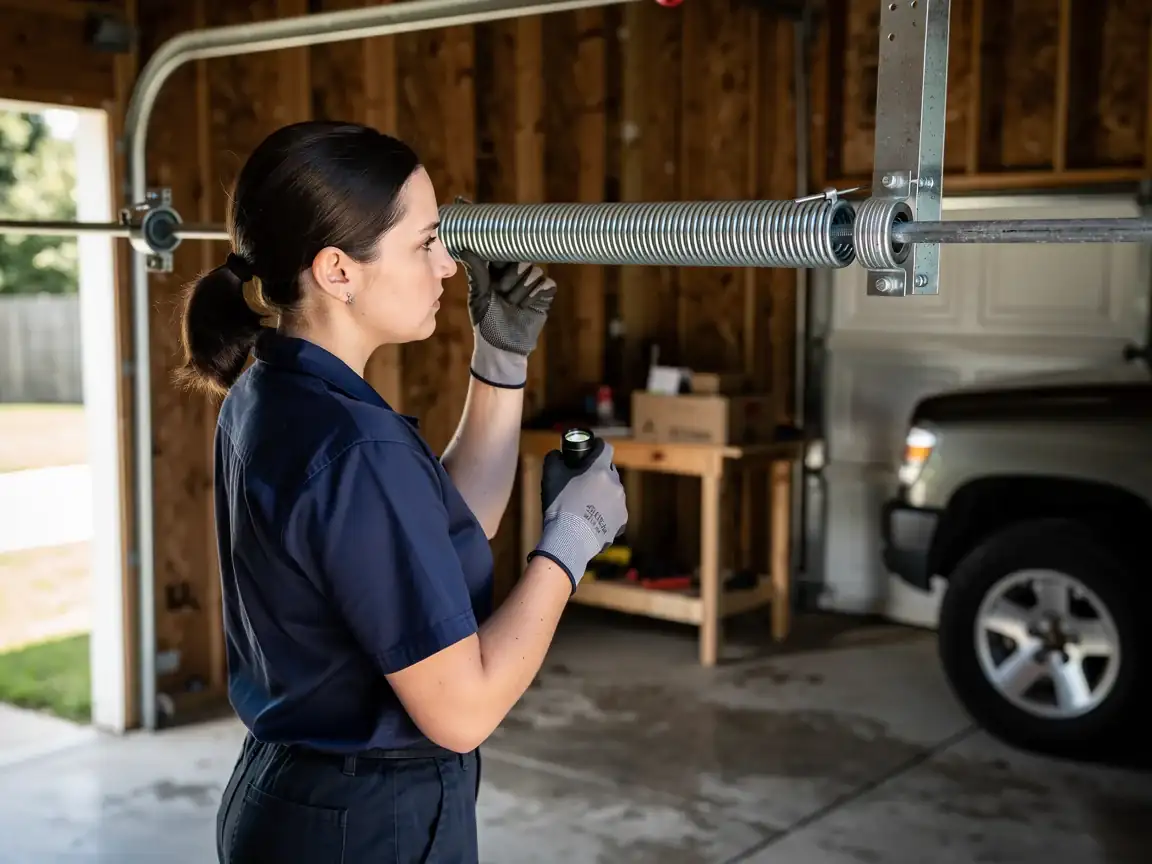
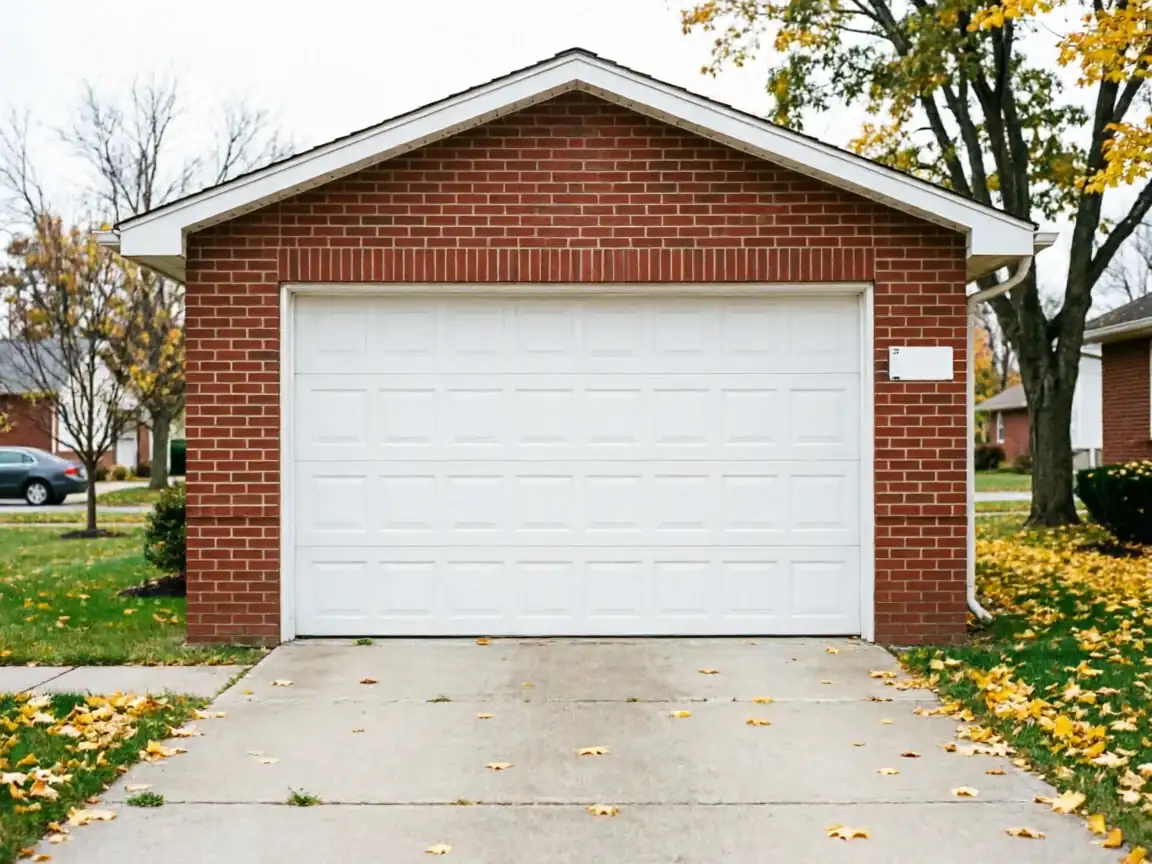
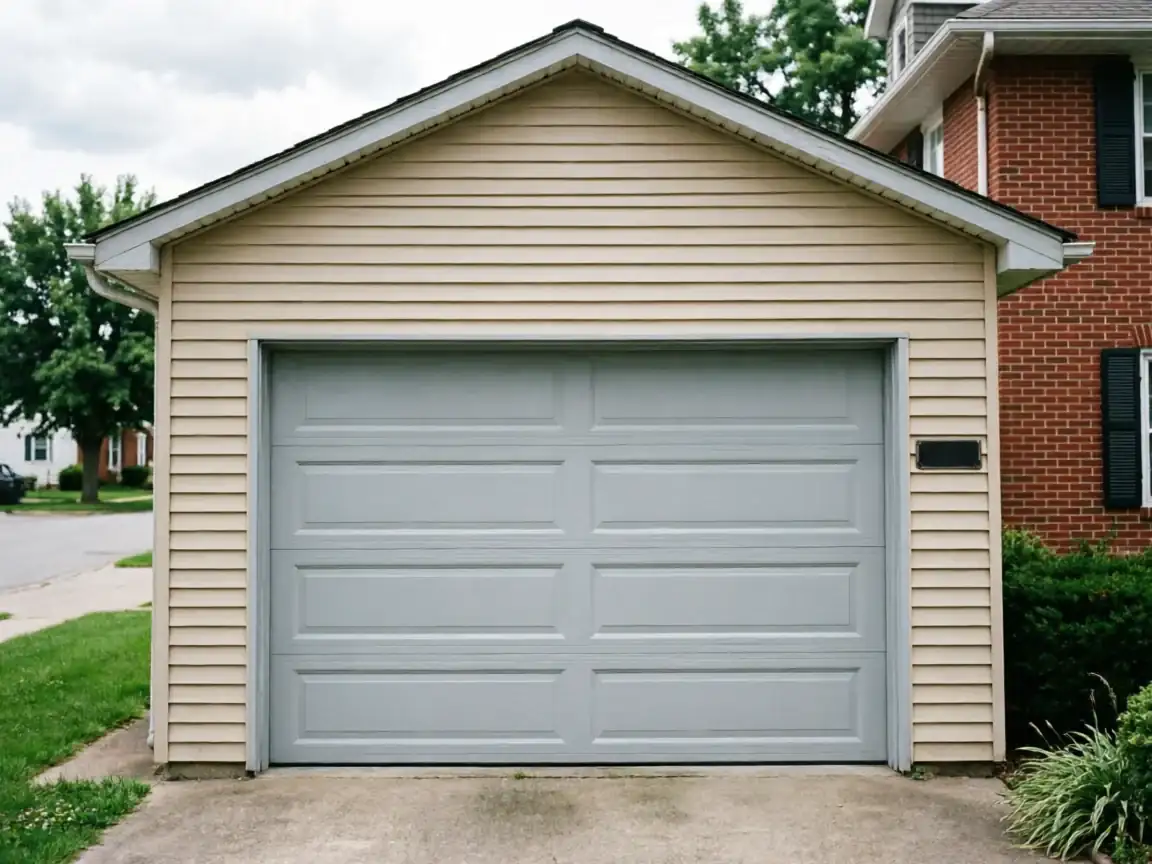
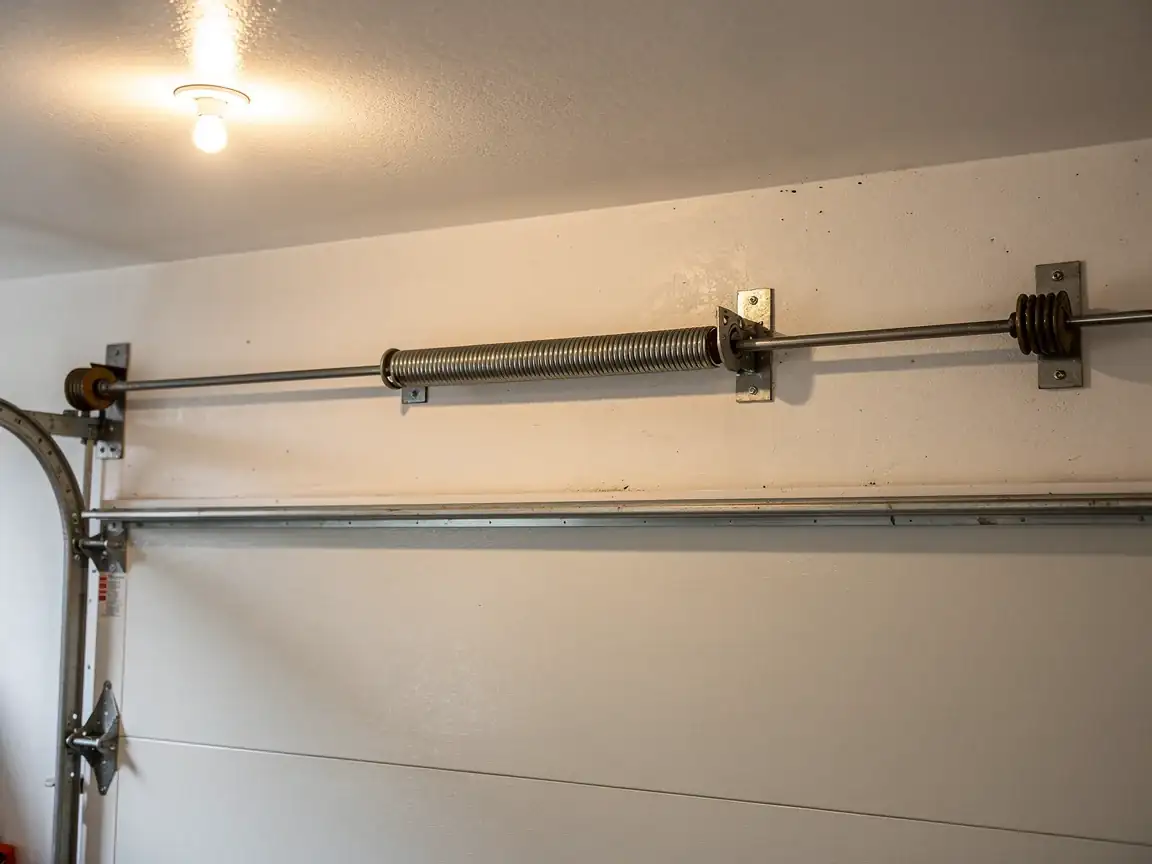
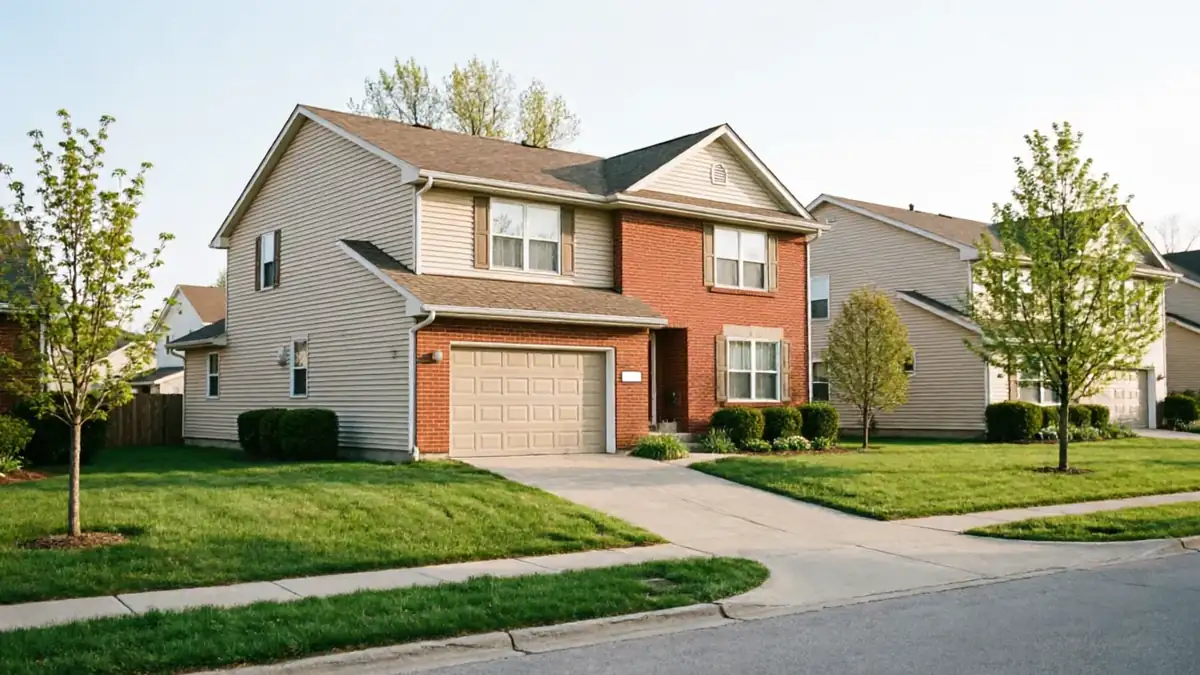
The reason installation gets requested so often in this area traces straight back to the age of the housing stock. Homes built from 1957 through the mid-2000s, with most dating to the 1980s and 90s, are now old enough that original doors and openers are past any reasonable service life - springs fatigue around 10,000 cycles regardless of brand, and a door installed when a house was built in 1985 has had close to forty winters to work through that count. Add the severe cold climate band this service area sits in, and you get accelerated wear on anything with moving steel: cables stretch, rollers flatten, and galvanized track pits faster with repeated freeze-thaw than it would in a milder zone. For a lot of owners, a failed spring or a door that won't seal against a cold floor is the trigger to replace rather than repair, especially once the door itself predates modern insulation standards. That's a different call than a repair call, and it's why installation requests cluster heavier here than you'd expect for the service area's size.
How It Shows Up
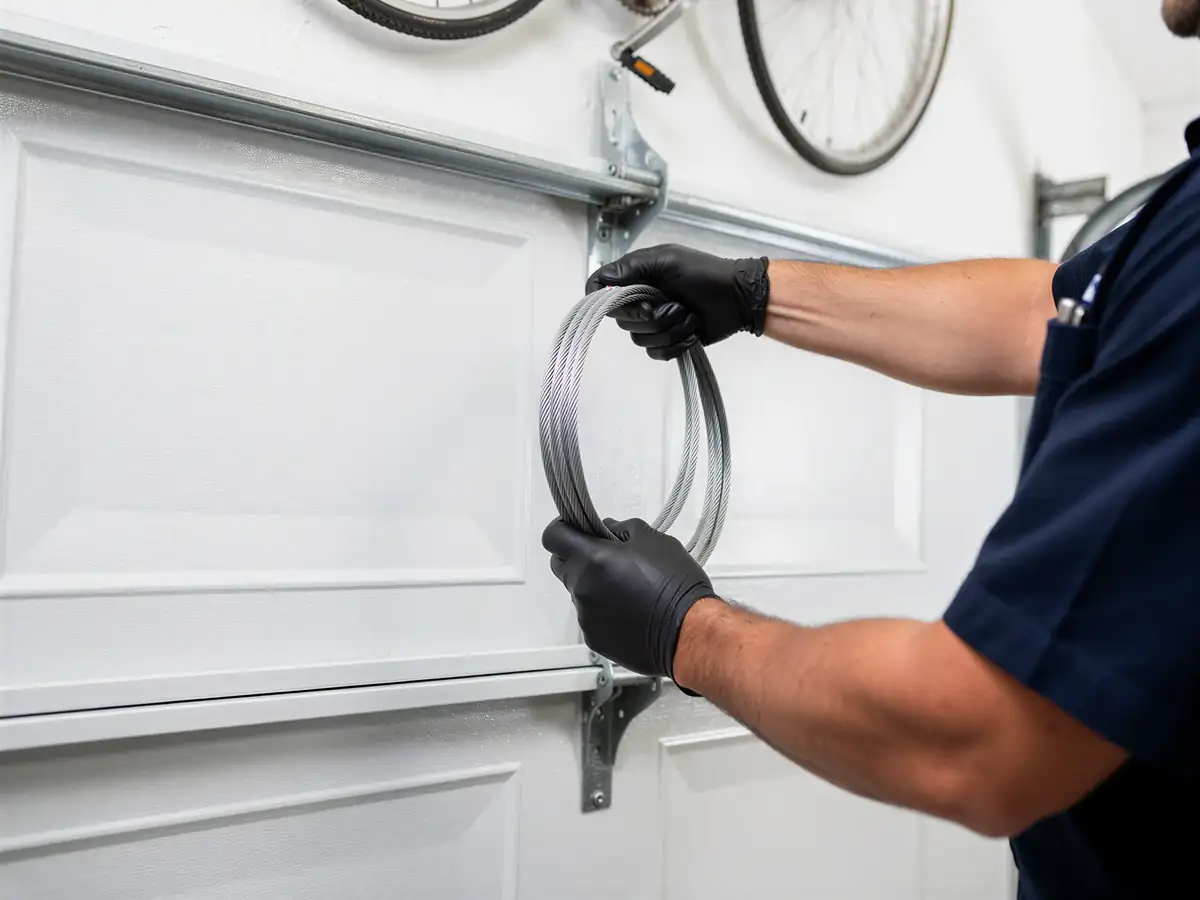
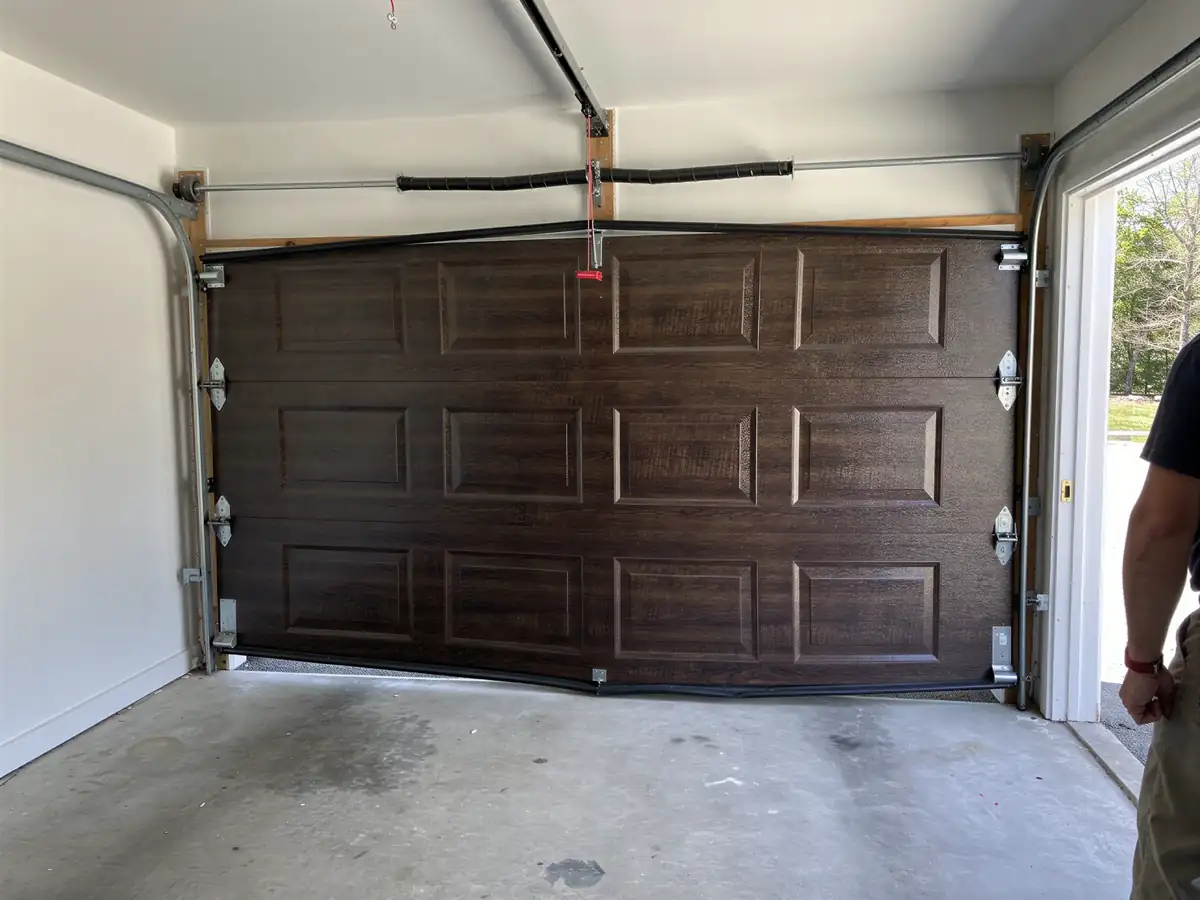
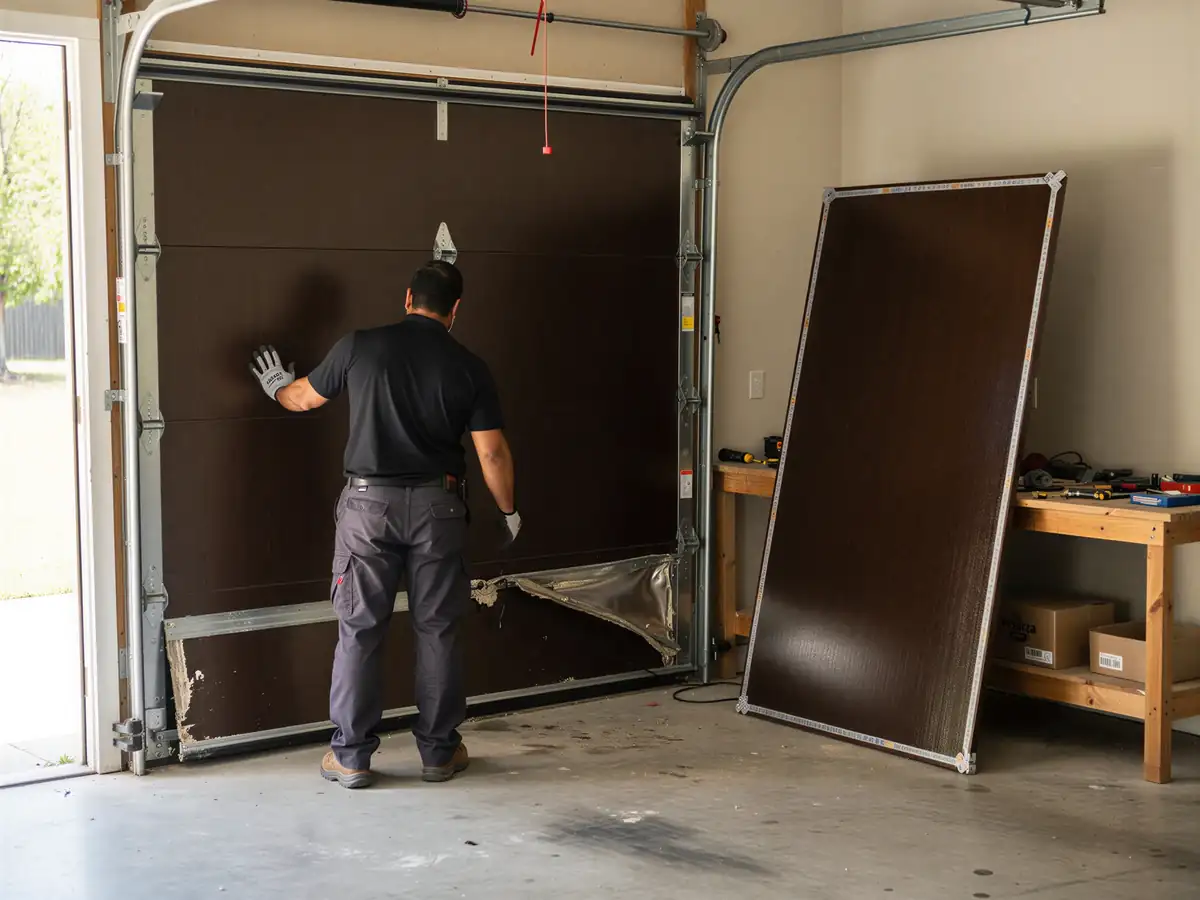
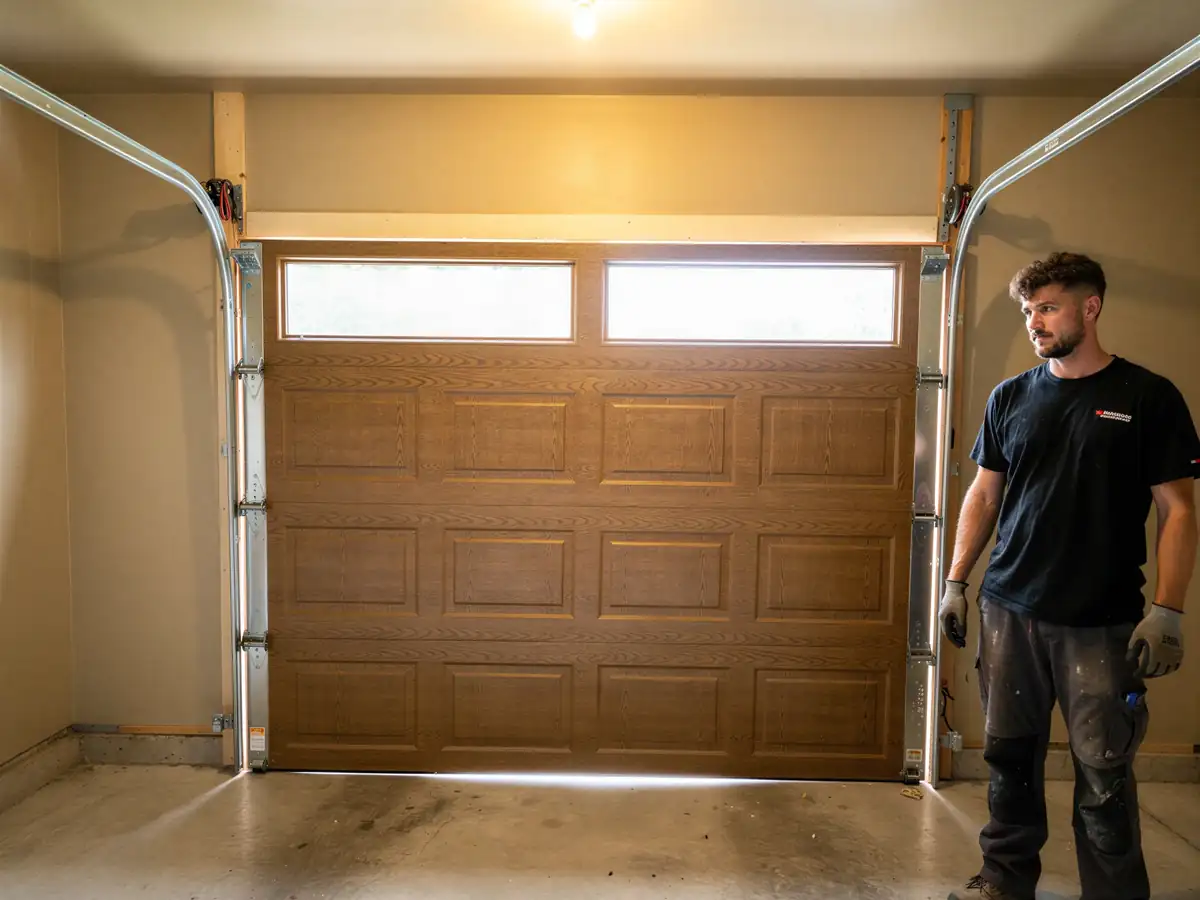
The signs that it's time for installation rather than another repair tend to be the same handful of things. A door that's noticeably heavier to lift by hand in winter than in summer - that's the cold affecting both the steel and the lift balance, and it usually means the spring or the door itself is at the end of its life. A bottom panel that's buckled or rusted through at the seal line, common on doors that have sat through enough Minnesota winters for road salt spray and snowmelt to sit against the bottom edge. Gaps at the jamb that let visible daylight through, which on a 1980s or 90s frame usually means the jamb has moved enough that no amount of weatherstripping fixes it. And openers that strain audibly on cold mornings, working harder than they should to lift a door whose spring tension was set for a lighter, newer panel years ago. If you're seeing two or more of these at once, it's worth getting a look before the one you're relying on fails outright.