Doing It Yourself
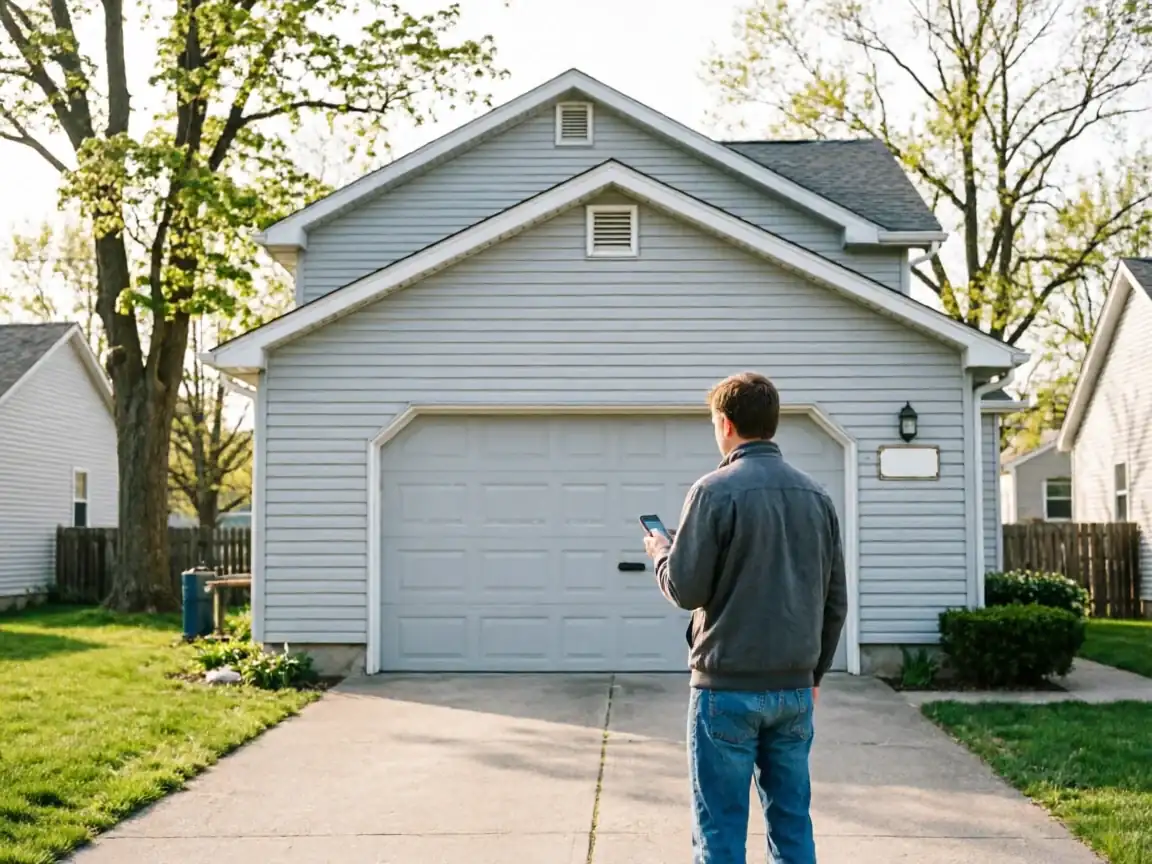
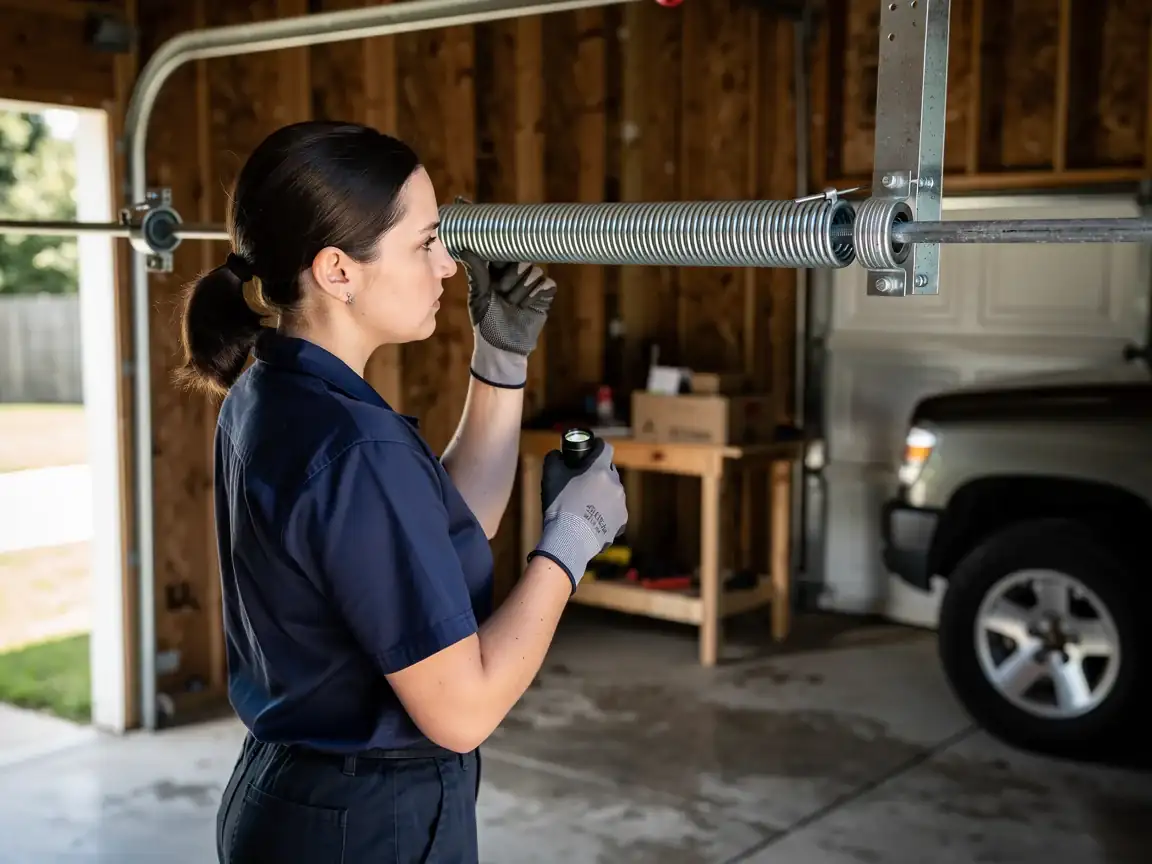
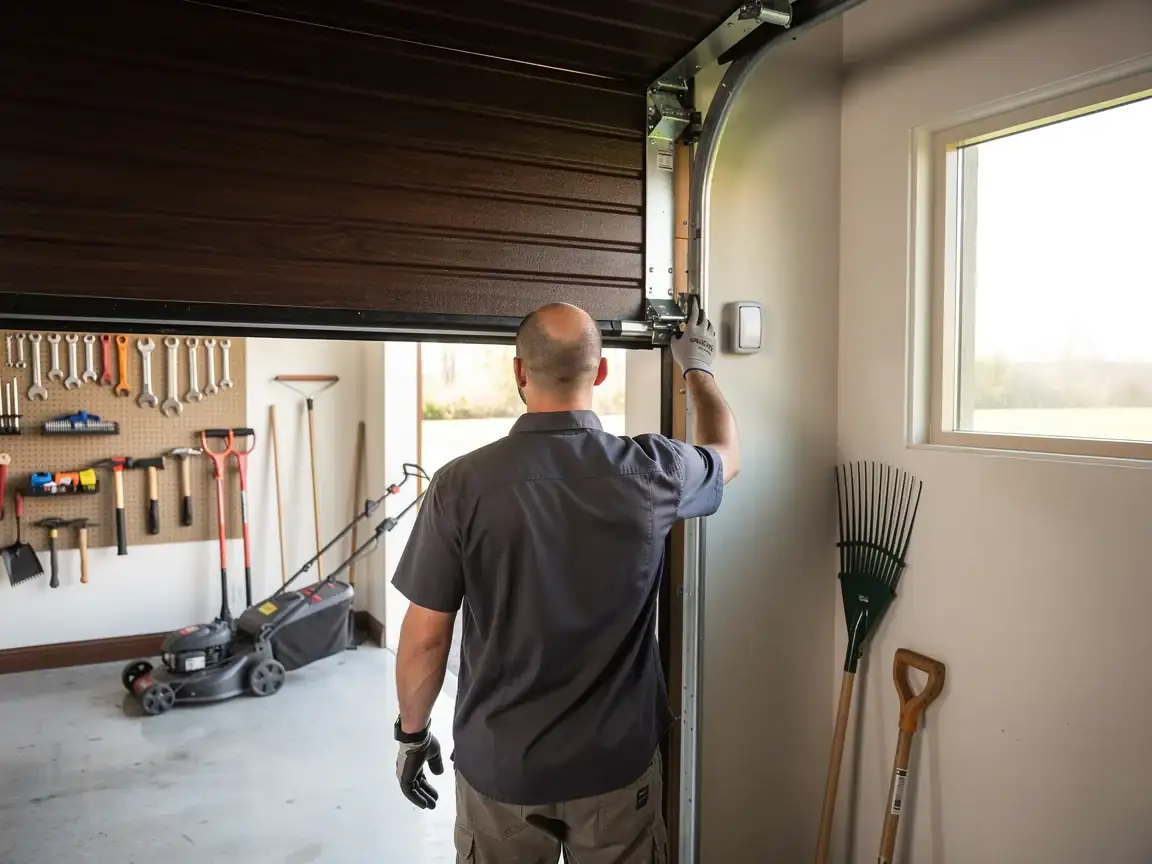
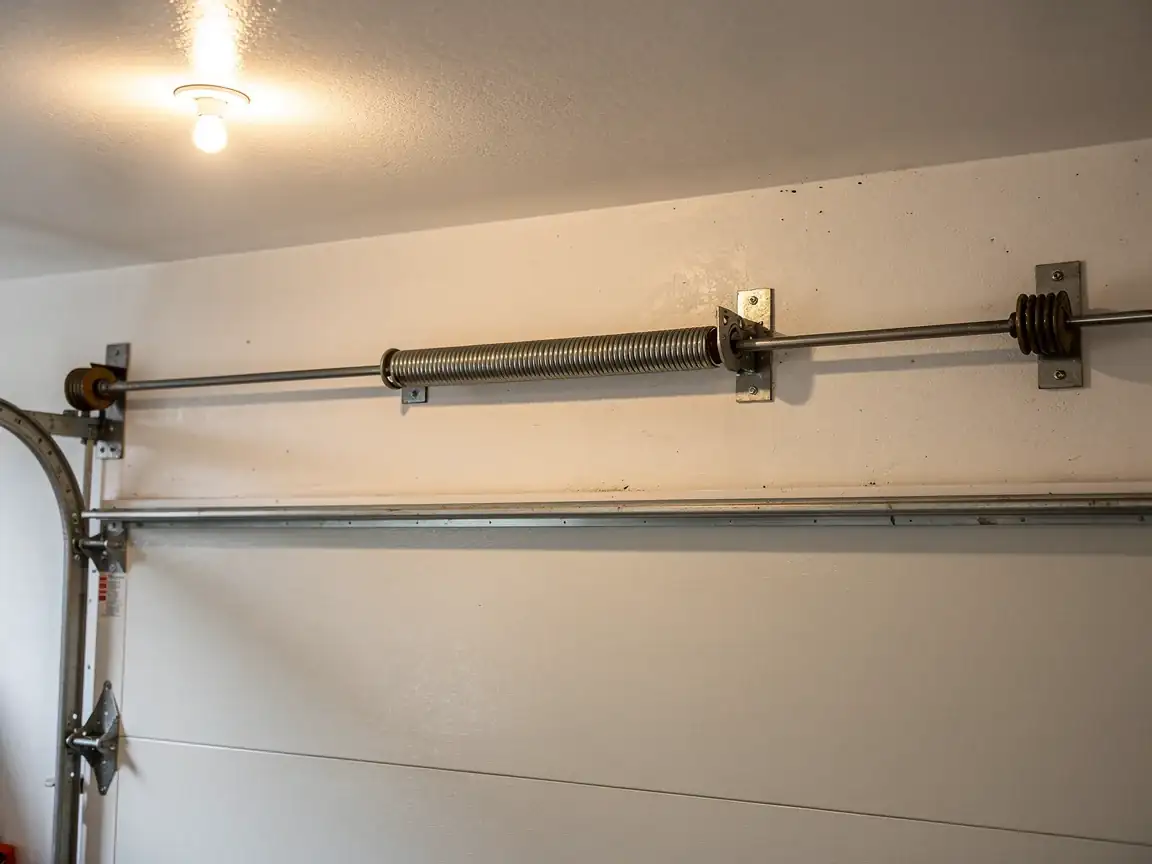
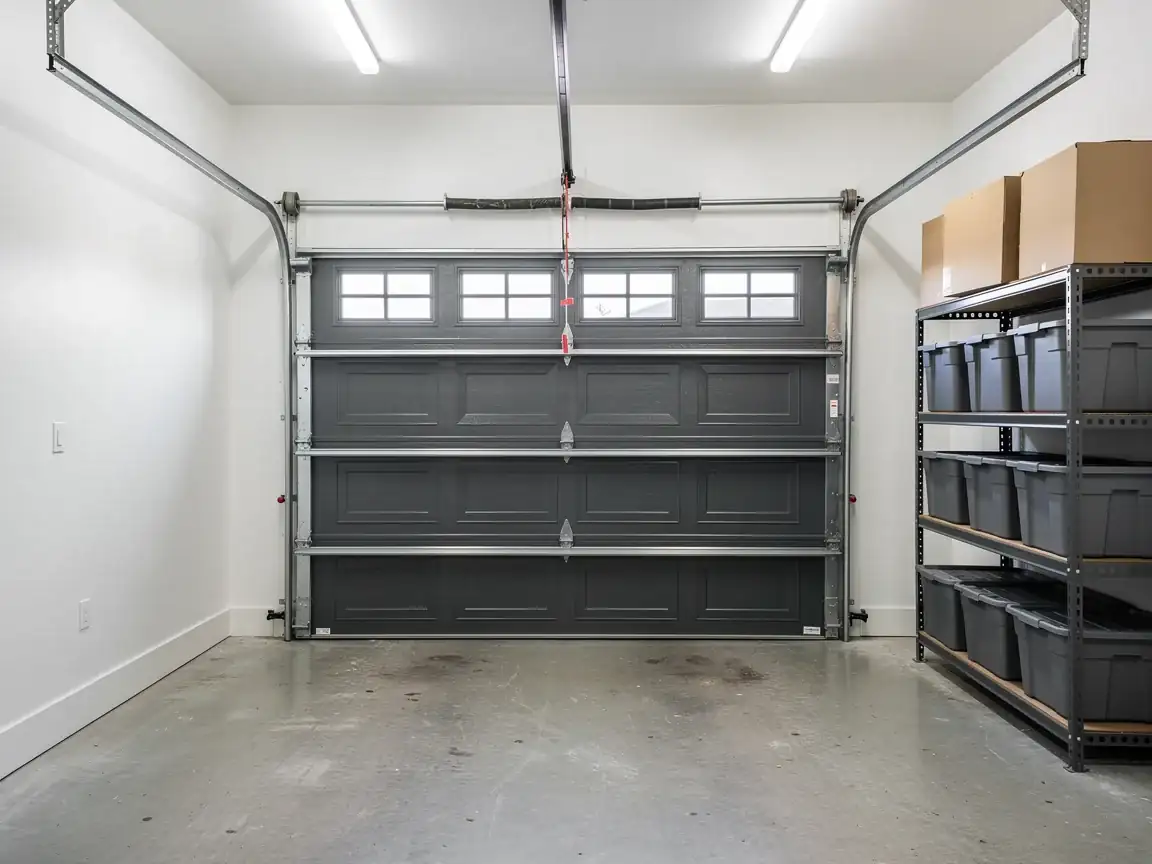
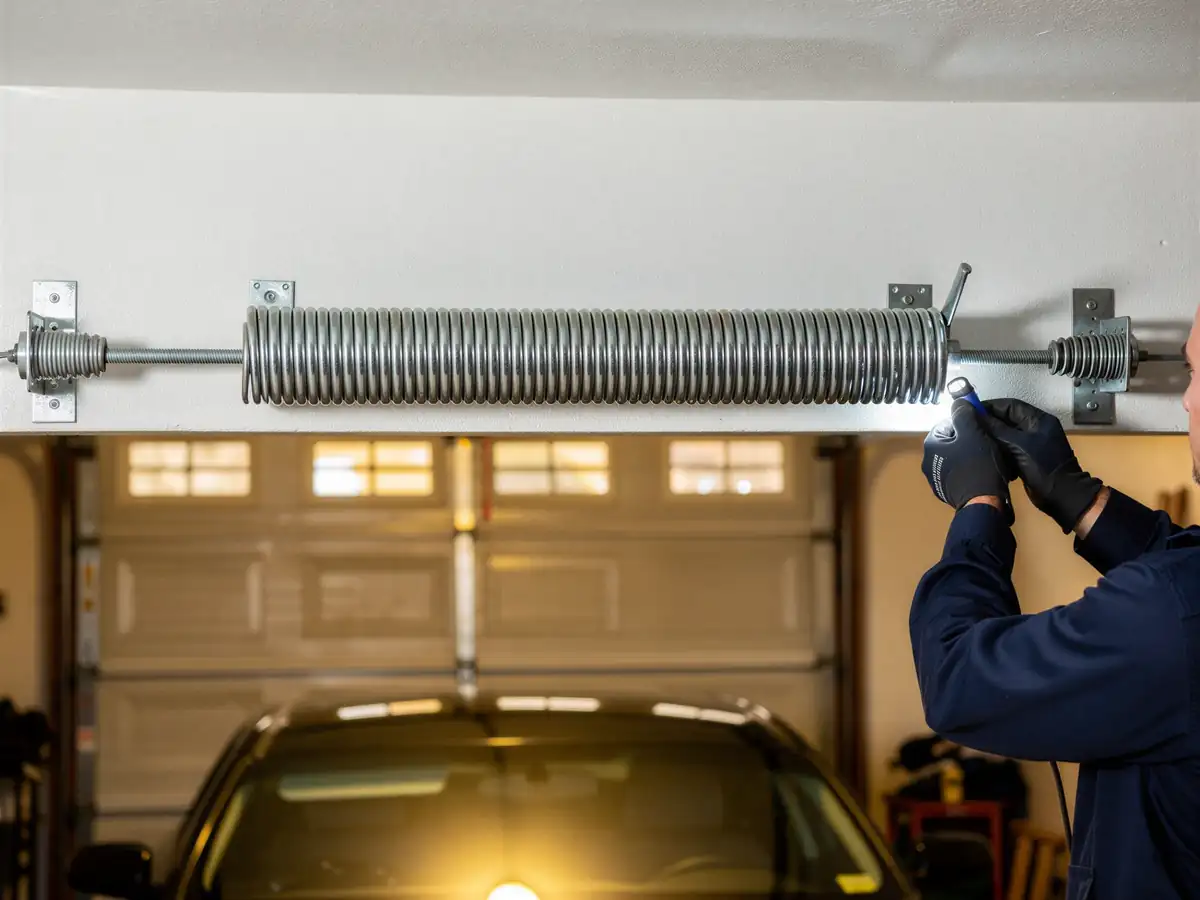
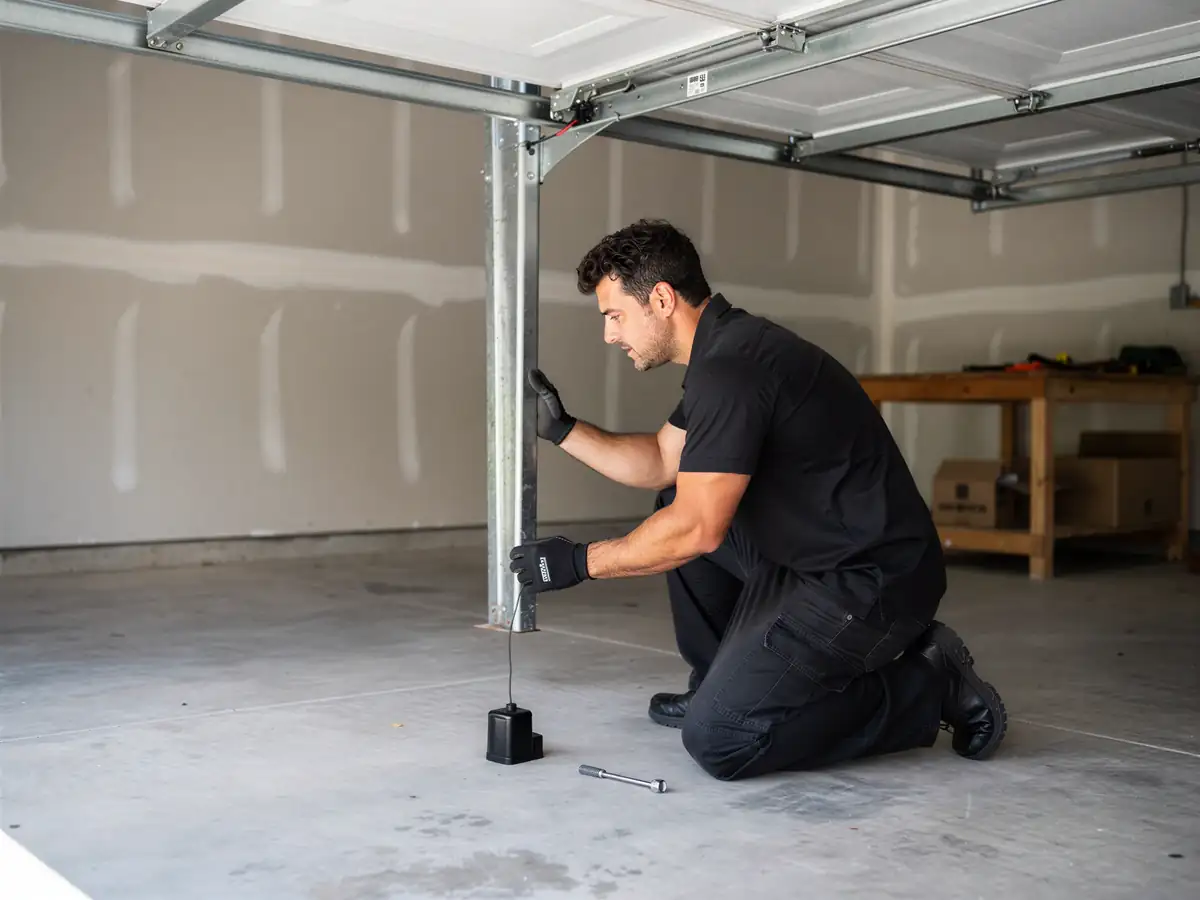
There's a short list of things worth doing before you call anyone. Pull the release cord and check that the door moves freely by hand - if it's heavy or crooked, the spring is doing less than it should, and that's not a DIY fix. Wipe down the tracks and look for rust flaking or bent spots where the rail meets the bracket; a shop-vac and a rag handle that. Lubricate rollers and hinges with a garage-door-specific lube, not WD-40, which washes out grease rather than replacing it. Check that the photo-eye sensors near the floor are aligned and clean - a knocked sensor is the single most common reason an opener refuses to close and it costs nothing to fix. What you should not touch is the torsion spring above the door. It's wound under several hundred pounds of tension, and in a Brooklyn Park winter that steel is cold and brittle, which means it can let go fast and hard. If the door won't budge, or it slams down instead of lowering evenly, stop and call. A fifteen-minute inspection beats an ER visit, and it's the honest trade-off here: most of what looks like an opener problem is actually a five-dollar sensor or a ten-dollar bolt, but the spring jobs are not something to learn on your own door.
Why It Happens Here
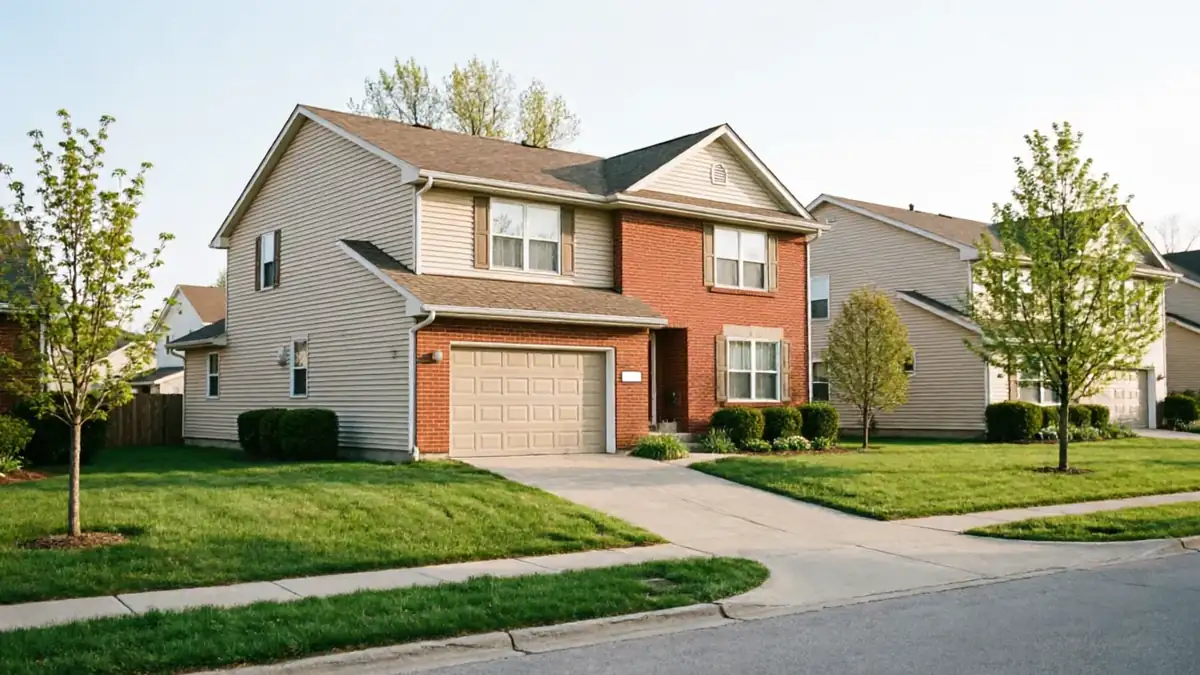
Housing in this part of the metro went up mostly between 1957 and 2007, with the bulk of it dating to the 1980s and 90s - builder-grade doors, torsion springs sized for that era's lighter steel sections, and track hardware that wasn't built with a forty-year service life in mind. That alone would wear springs out eventually. What speeds it up is the climate band this area sits in, which runs on the severe end of cold. Carbon steel springs lose elasticity with repeated deep-cold cycles, and the metal fatigues faster than it would somewhere milder - a spring rated for a certain number of cycles gets there sooner when it's winding and unwinding at sub-zero temperatures for months at a stretch. Lubricant thickens in the cold too, which adds drag on rollers and track, and that drag puts extra load back on the spring and the opener's gearing. None of this is unique to one house - it's the whole stretch of homes built in that window, from here out toward Champlin and Fridley, carrying the same age of hardware into the same winters.
How It Shows Up
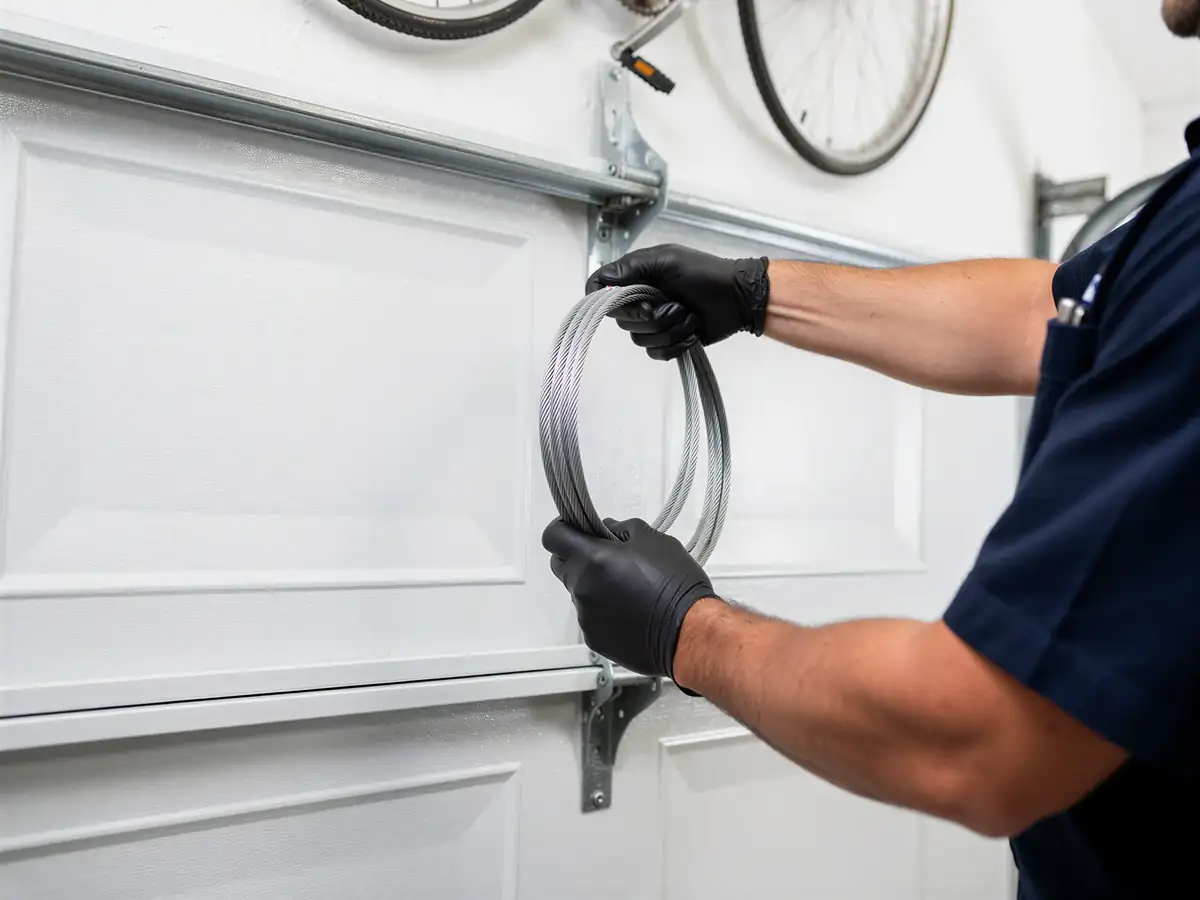
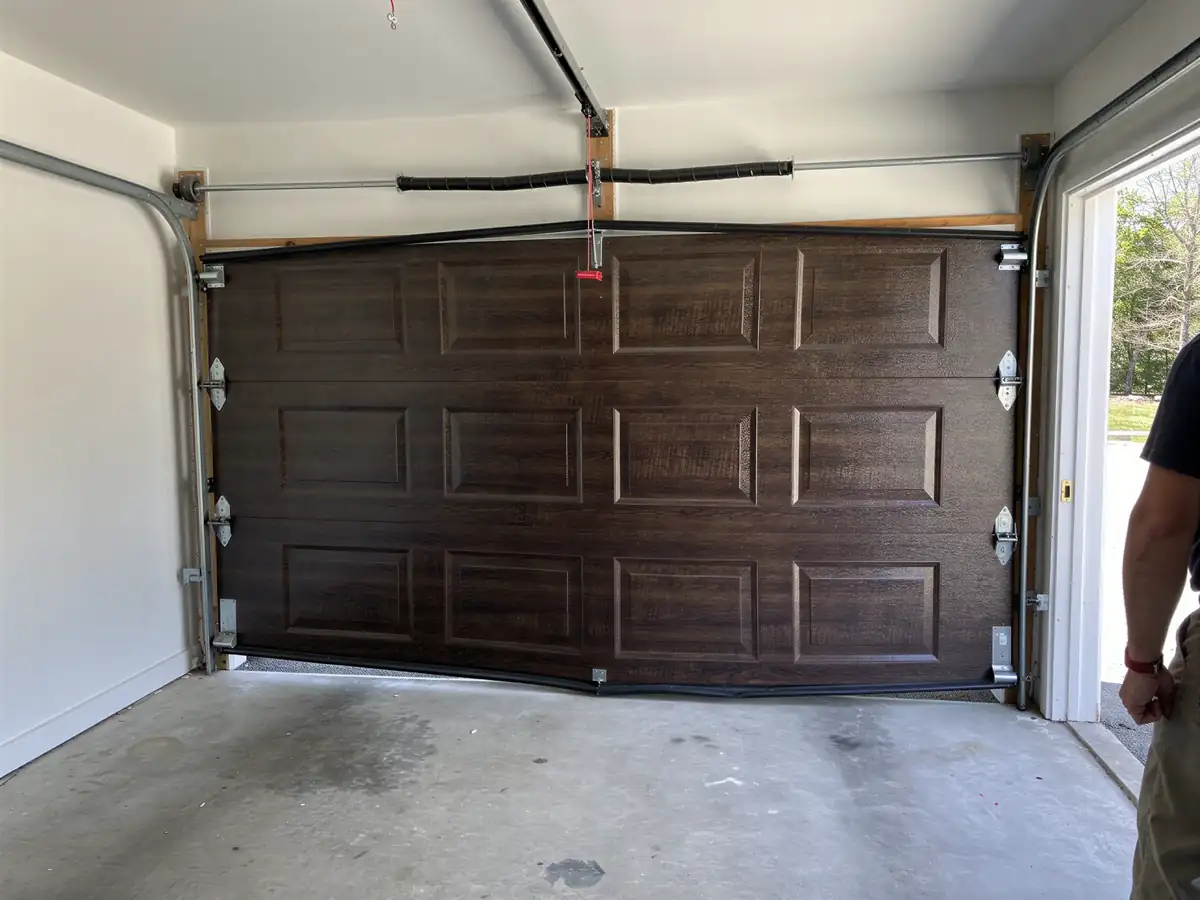
Most calls start with one of a few patterns. The door sounds like a gunshot in the garage and then won't move at all - that's a torsion spring snapping, usually on a cold morning when the steel is tightest. The door opens partway and stalls, with the opener motor humming or straining - that's often a spring that's weakened rather than broken, with the opener trying to lift weight it was never supposed to carry alone. A door that drifts down crooked, dragging on one side, points to a cable that's stretched or frayed on one drum while the other is fine. Grinding or popping from the rollers as the door travels is wear, not an emergency, but it tells you the bearings are going and a spring failure may not be far behind. And a door that reverses right after the floor without any visible obstruction is almost always a photo-eye out of alignment - cheap to fix, often mistaken for something worse. If you're hearing any of these from a garage built in the 80s or 90s, the age of the hardware is doing exactly what age does in a cold climate.