What Most People Get Wrong
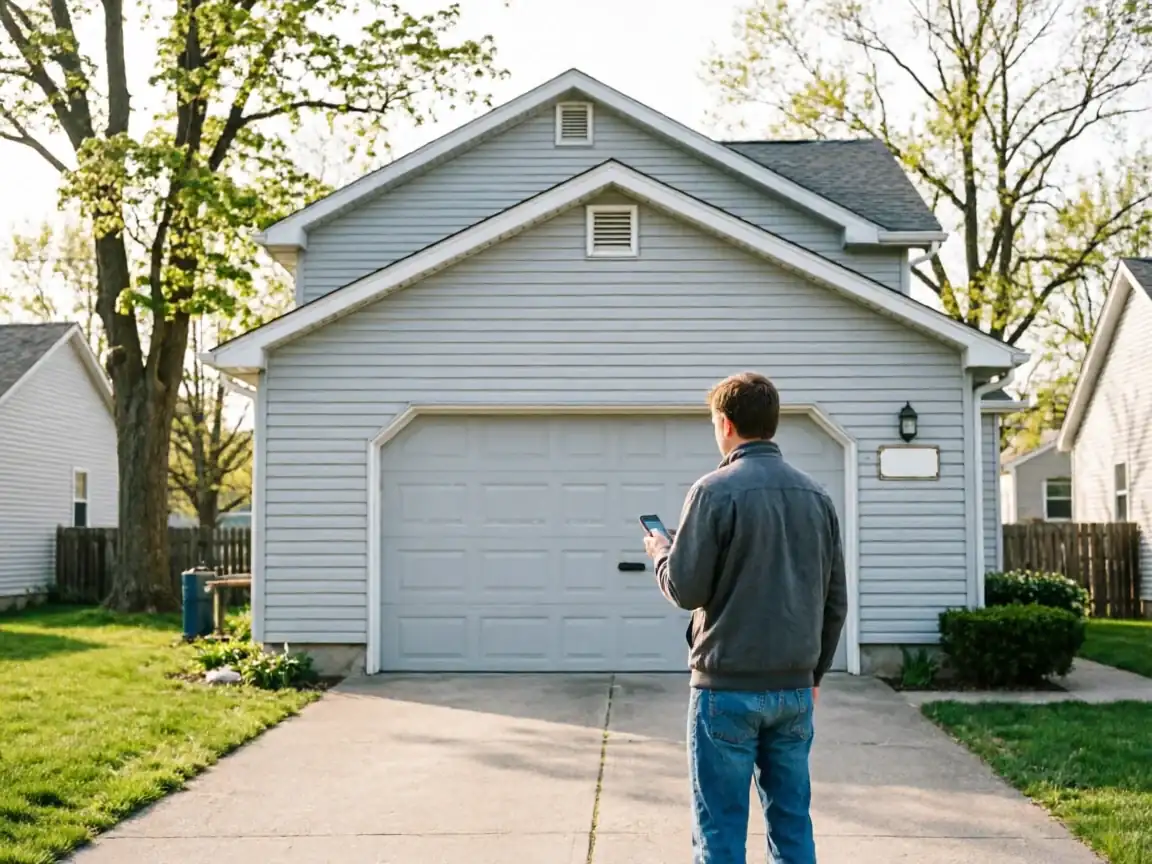
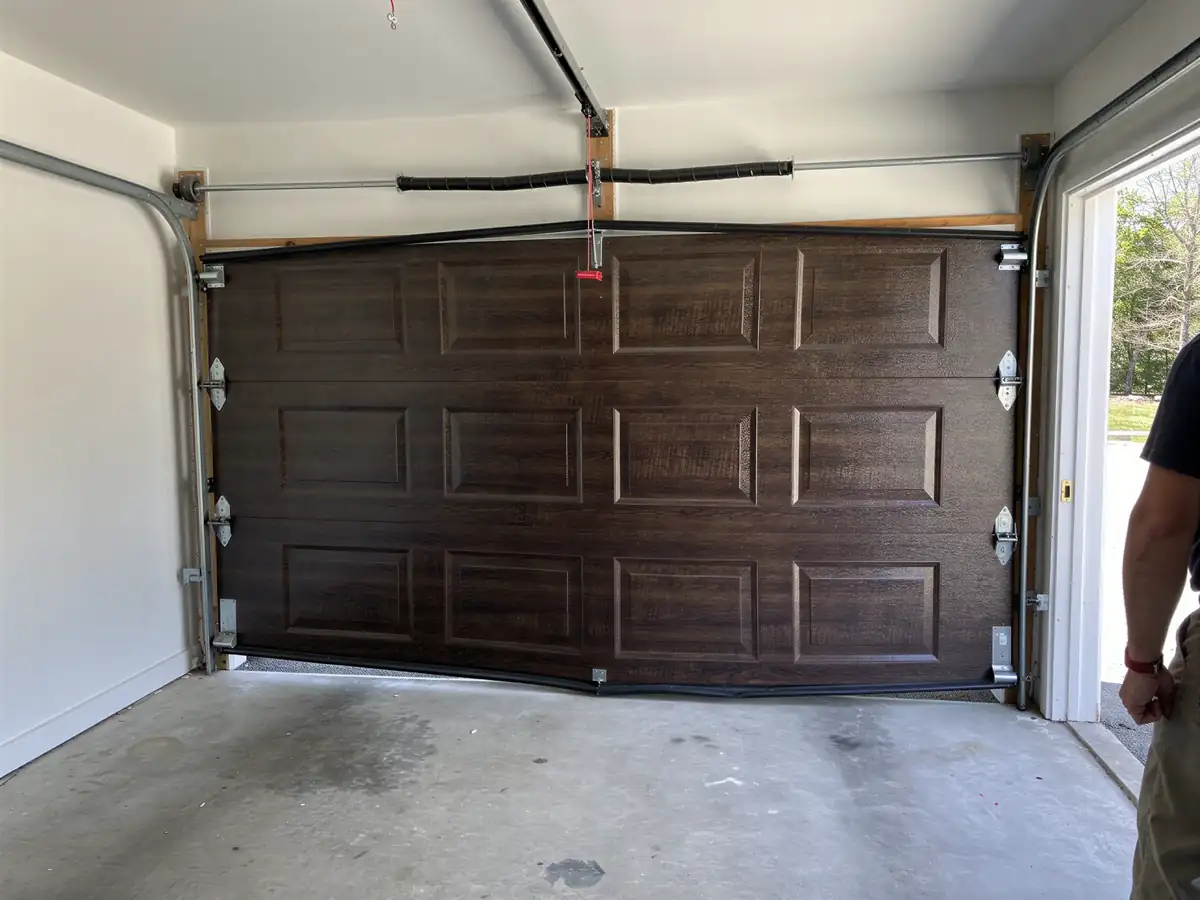
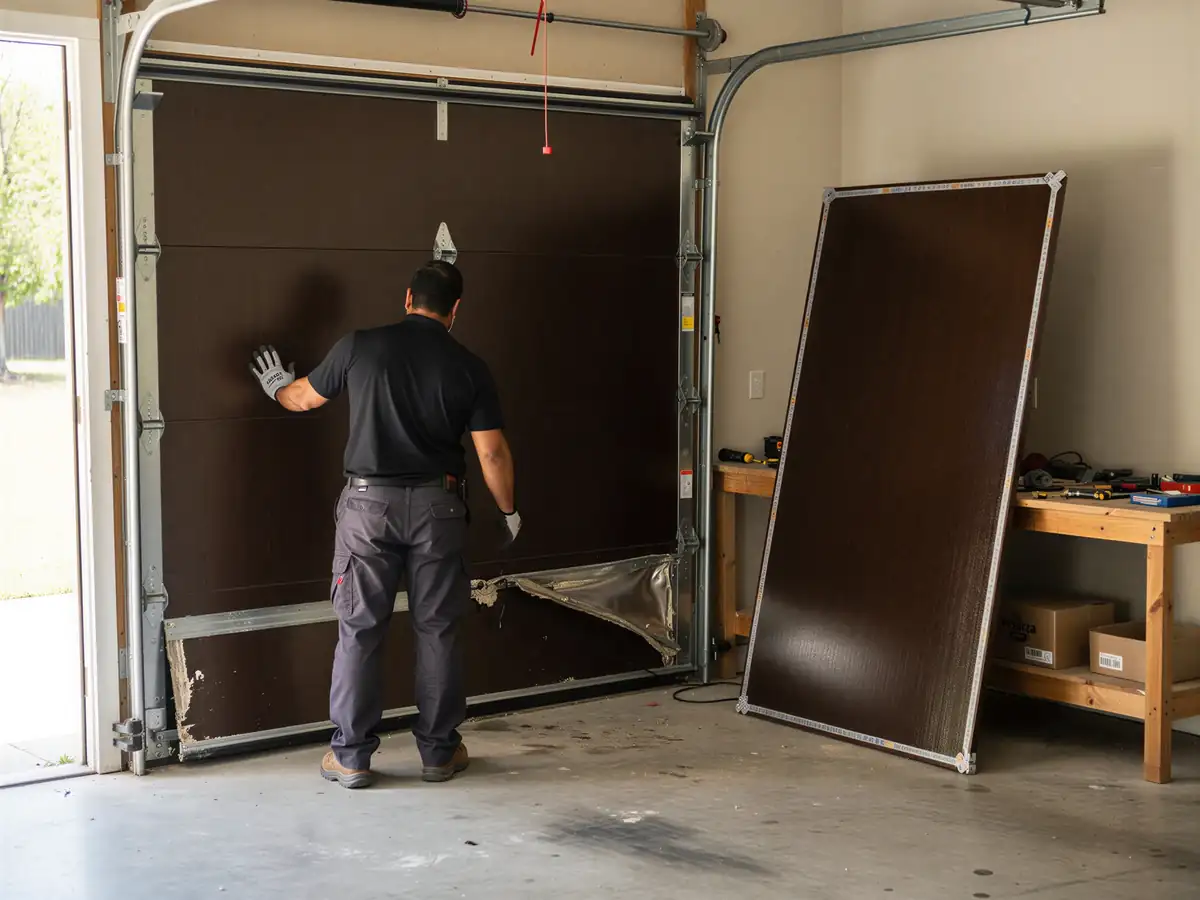
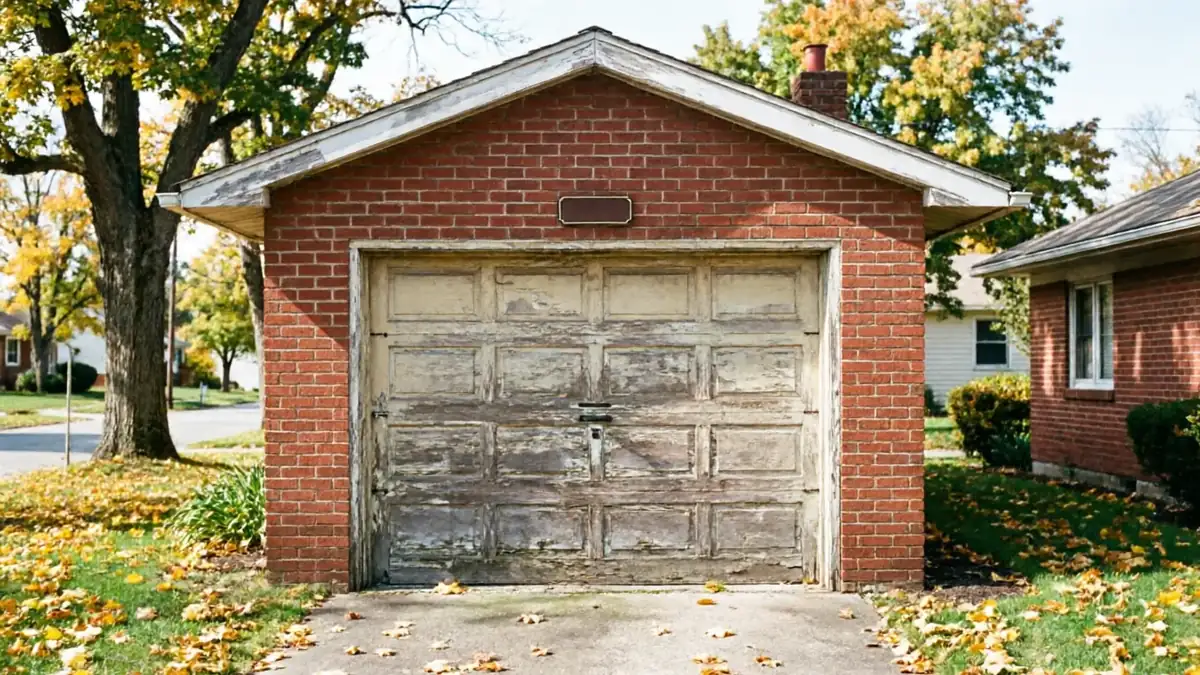
Most homeowners here assume a noisy or stuck door means the whole unit is shot. It usually doesn't. Brooklyn Park's housing stock runs mostly 1957 to 2007, with the median build year around 1980, and a door that age almost always has an extruded aluminum or steel frame with standard torsion hardware behind it - parts we can still get. The mistake is calling a repair "not worth it" based on the door's age alone instead of what's actually broken. A cracked bottom panel on a 1985 door is a cheap fix. A seized torsion spring that's been frozen stiff through a few Minnesota winters and finally snapped is also a cheap fix, just a different one. What's actually expensive is ignoring either one until the opener motor burns out trying to lift a door that's fighting itself, or until a cable jumps the drum and bends the track. Age tells you what kind of hardware you're dealing with. It doesn't tell you whether today's problem is a $150 call or a $1,500 one.
The Problem
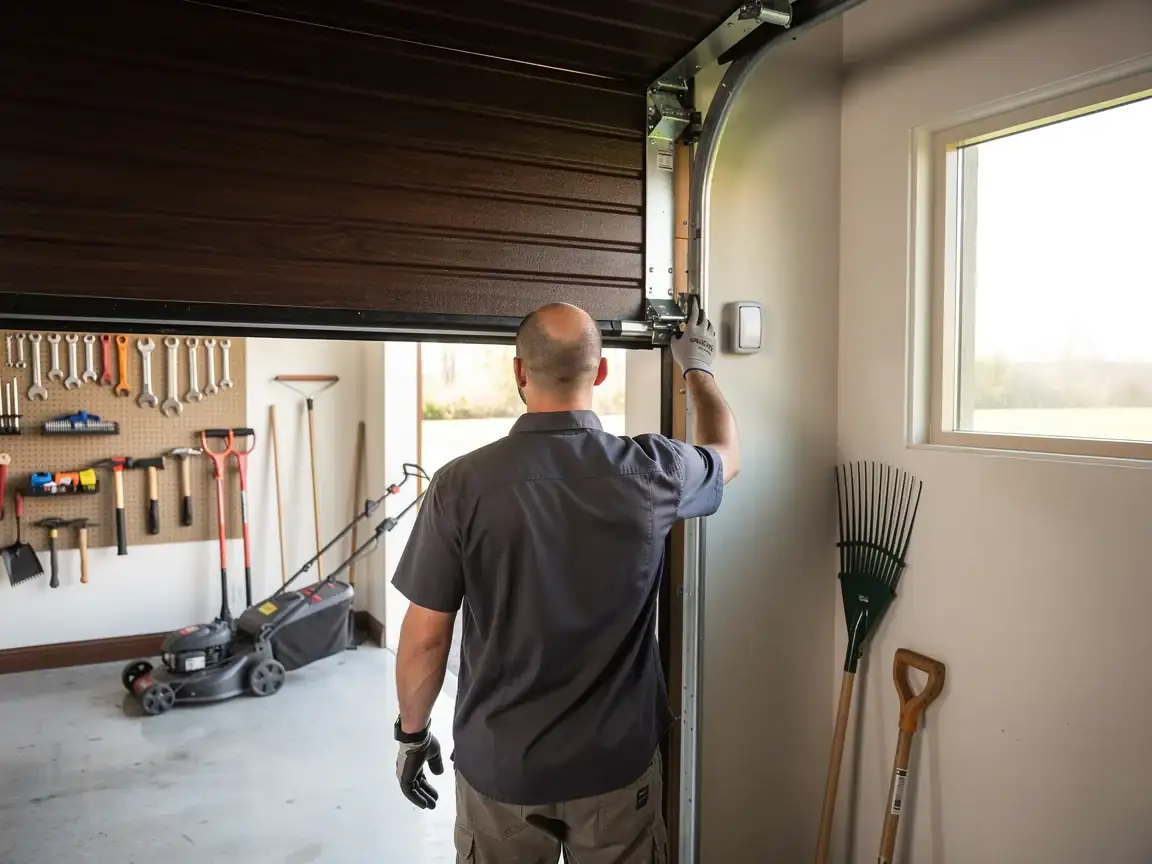
Here's the real question for a door built sometime in that 1957-2007 window: is the failure in a part that wears out on a schedule - springs, cables, rollers, hinges - or is it in the door panel or frame itself, which usually only fails from impact, rust-through, or decades of settling. Worn hardware on an otherwise sound panel is almost always worth fixing, regardless of the door's age, because the panel and frame are the expensive part and they're still good. A rusted-through bottom section or a frame that's racked out of square from years of an unbalanced door is a different story - at that point you're often paying repair money toward a door that'll need replacing in a year or two anyway. The honest answer requires actually looking at the door, not guessing from its decade.
How Local Conditions Play In
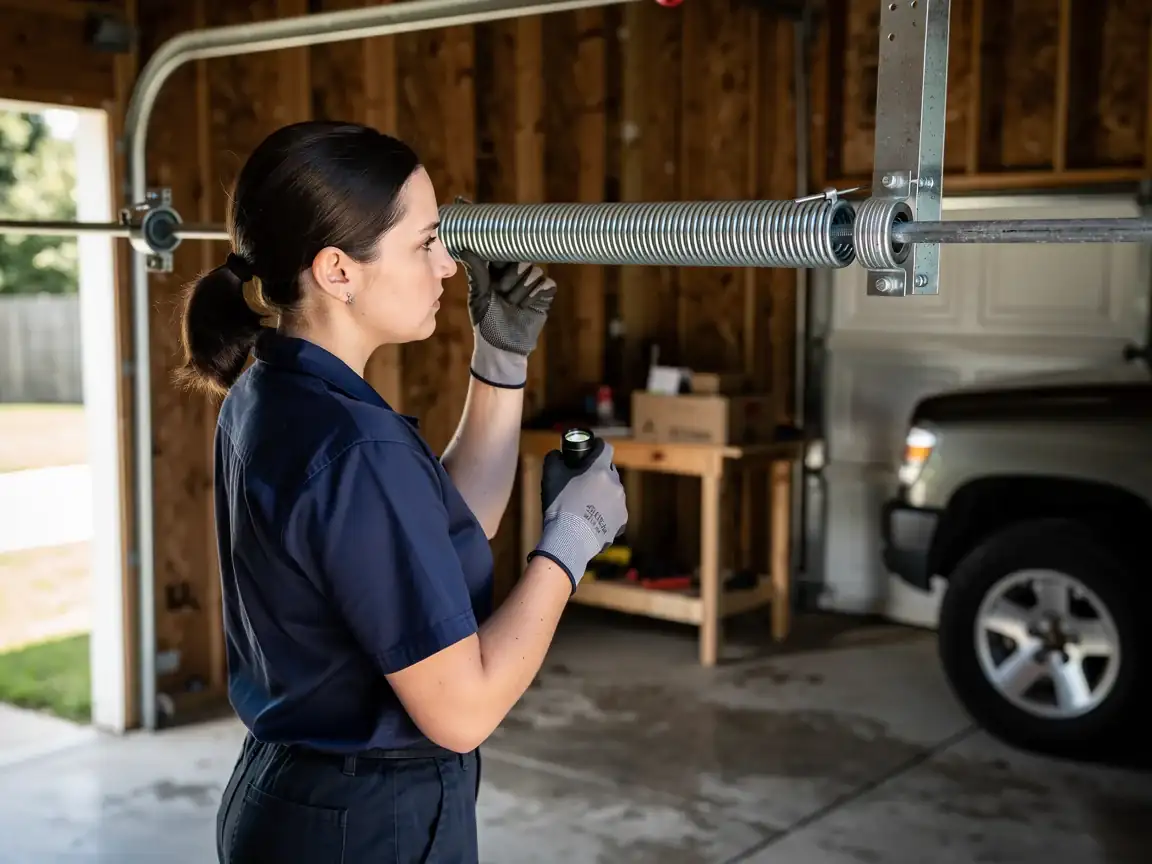
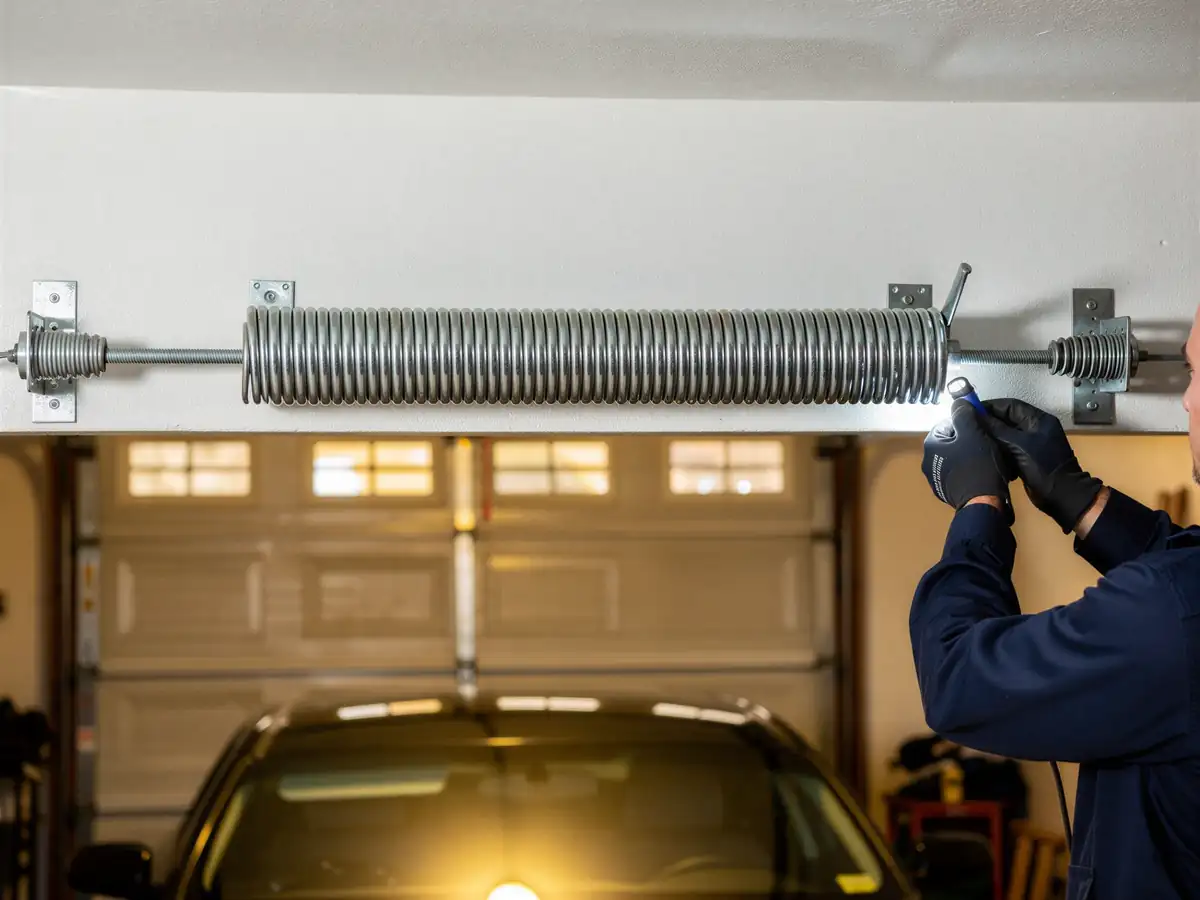
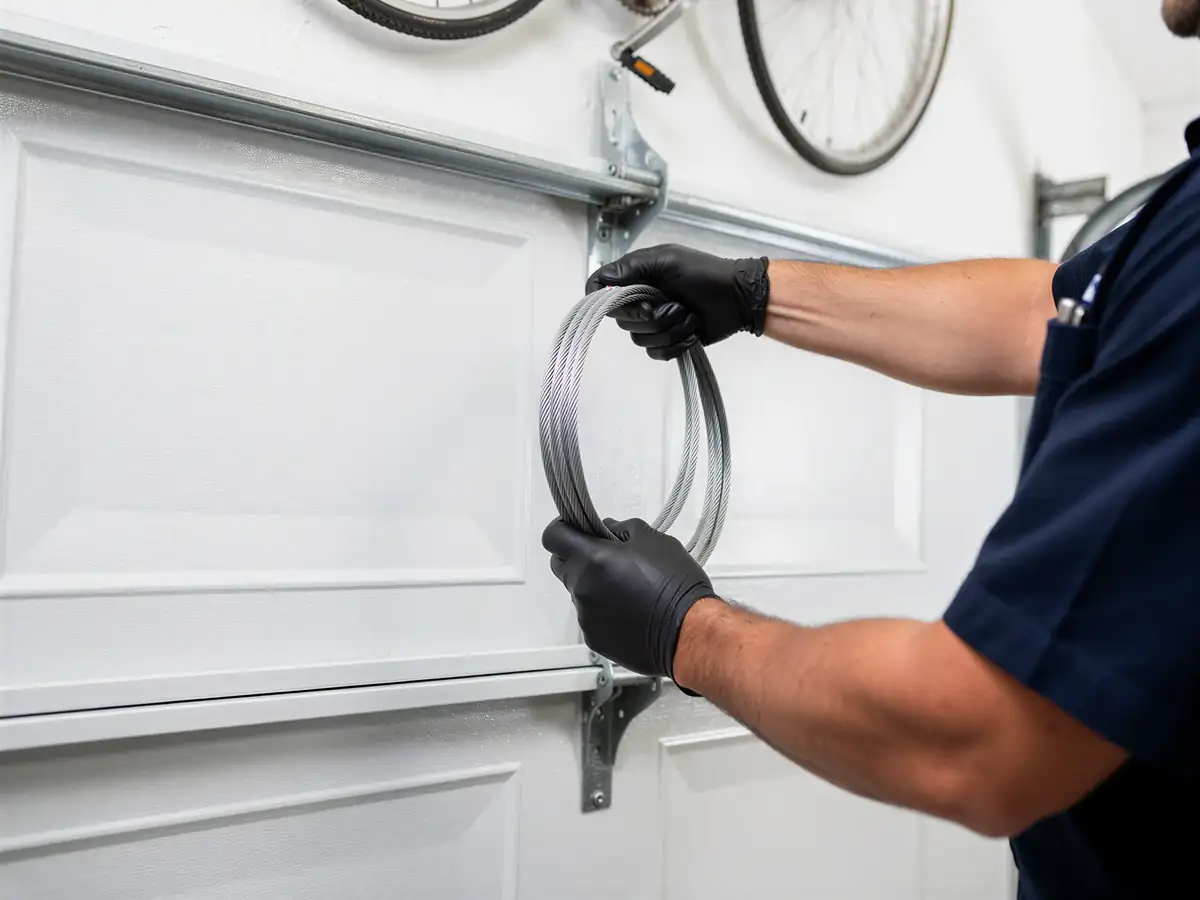
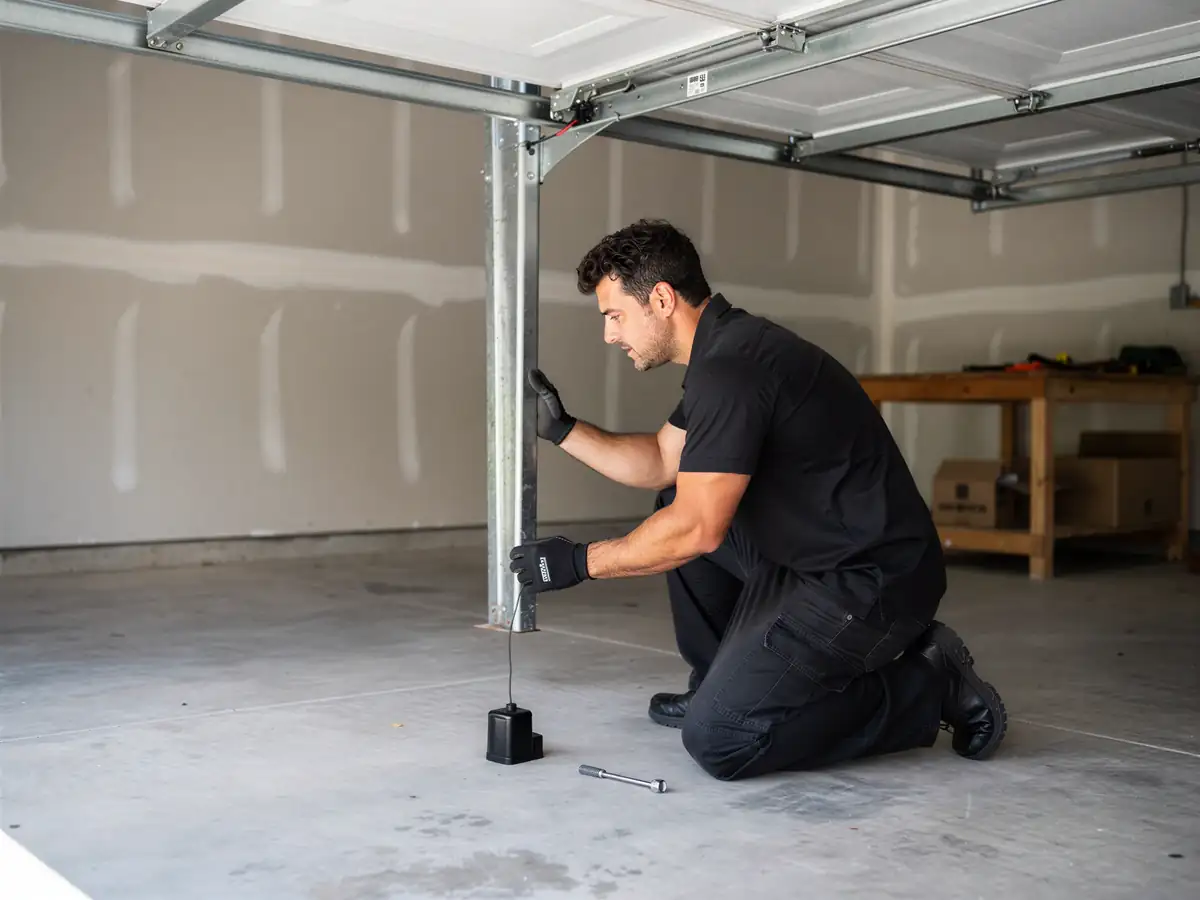
Cold severe winters are hard on torsion springs specifically - the metal fatigues faster with repeated cold-to-warm cycling than it would in a milder climate, and a spring rated for a certain number of cycles in a lab doesn't always hit that number here. That's part of why spring failure is the single most common call on doors from this area's 1980s-90s building boom: the springs are original or close to it, and they've done a lot of cycling through a lot of winters. None of that means the door is done. A spring replacement on sound hardware is routine work. Where it gets more serious is a door that's been run on a failing spring for a while, because the opener and cables take the extra load and can go next. If you're within the areas we reach - out toward Osseo, Brooklyn Center, Champlin, or the rest of the service area - the same housing-era pattern holds, so the same logic applies no matter which side of Brooklyn Park the call comes from.