What Most People Get Wrong
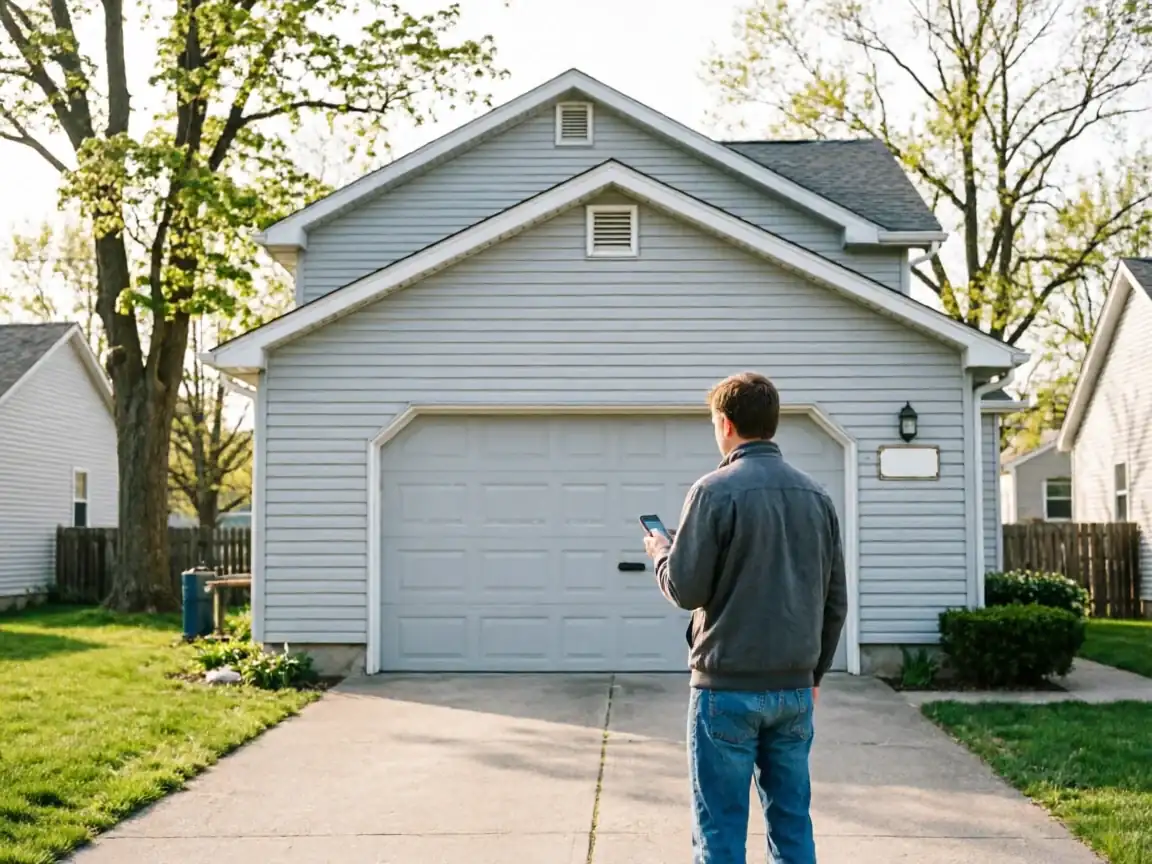
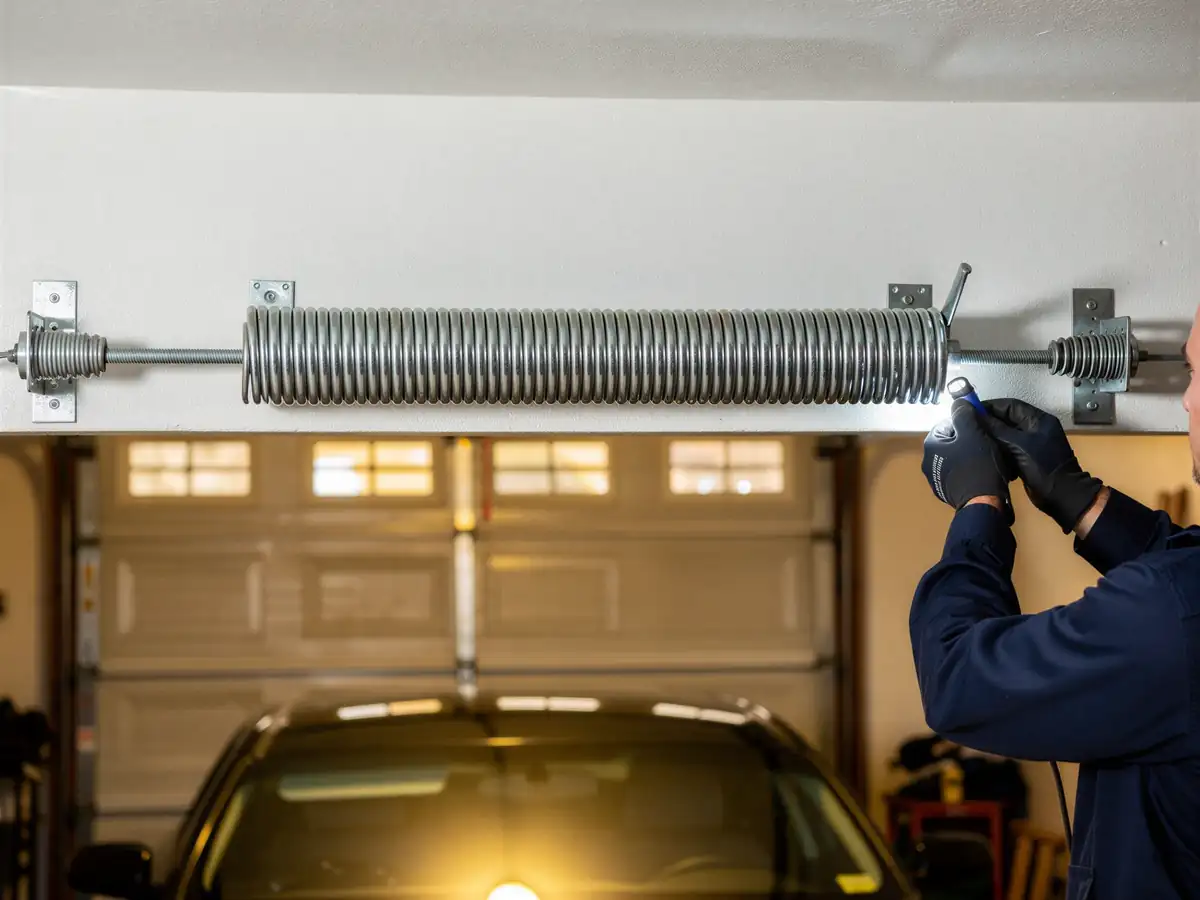
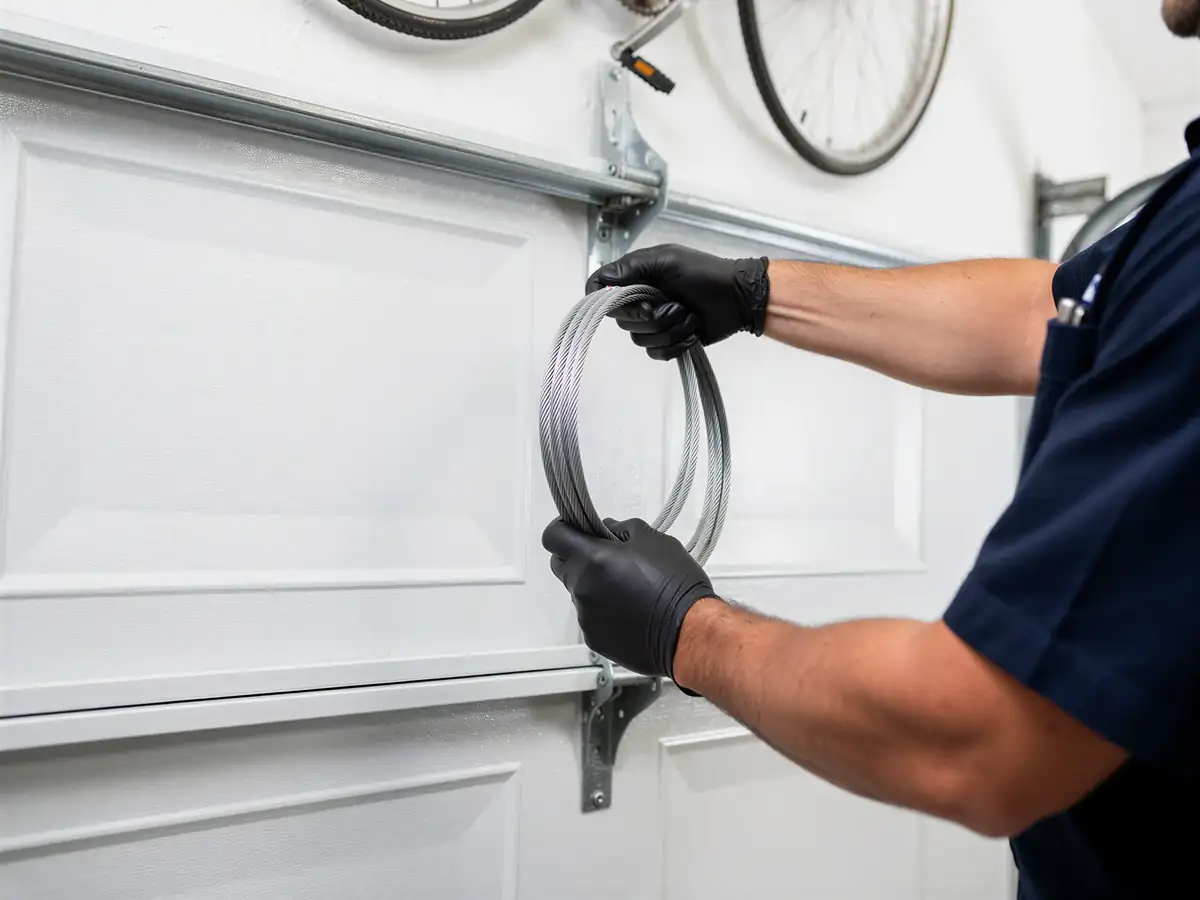
Most calls start the same way: "the door just got loud" or "it's slower than it used to be." In Brooklyn Park, where most houses were built between 1957 and 2007 and the bulk of that stock dates to the 1980s and 90s, that's rarely a lubrication problem. It's a torsion spring at the end of its rated cycle life, or rollers that have outlasted the steel they ride on. A spring sized for a door hung in 1982 has had roughly four decades of temperature swings working against it, and in this part of Minnesota that swing is not gentle. Owners also assume a door that still opens is a door that's fine. It isn't. A spring that's lost tension makes the opener do work it was never built for, which is how a small part turns into a burned-out opener motor. The first thing a technician checks isn't the noise - it's the spring's wind count and the cable condition, because on a house from this era those two things wear out together, not separately.
The Problem
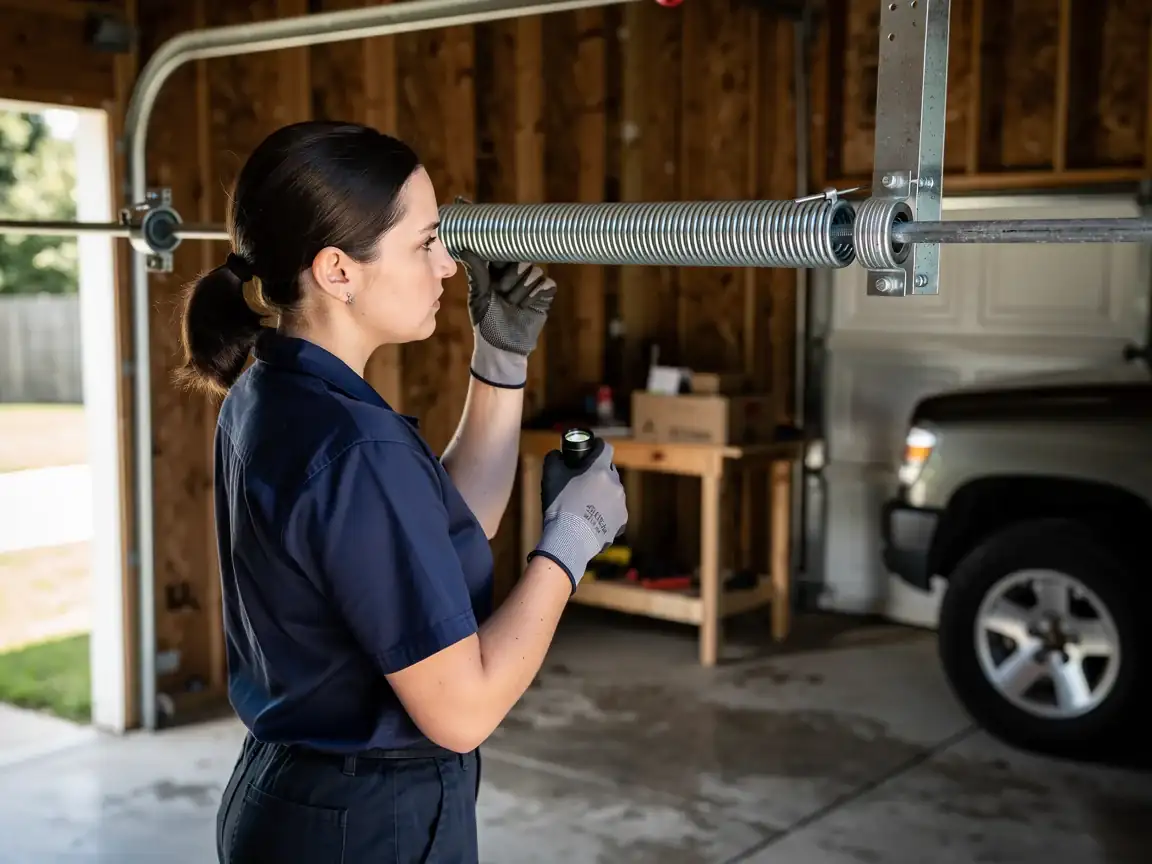
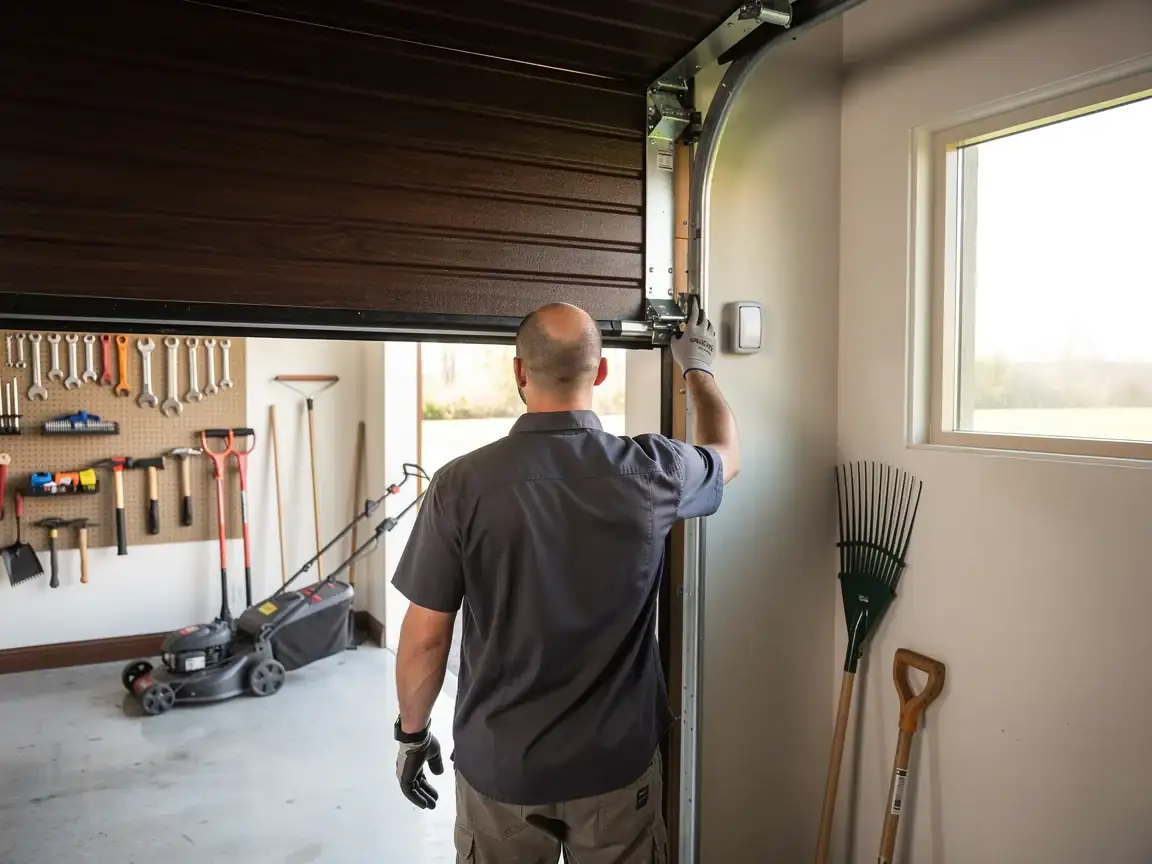
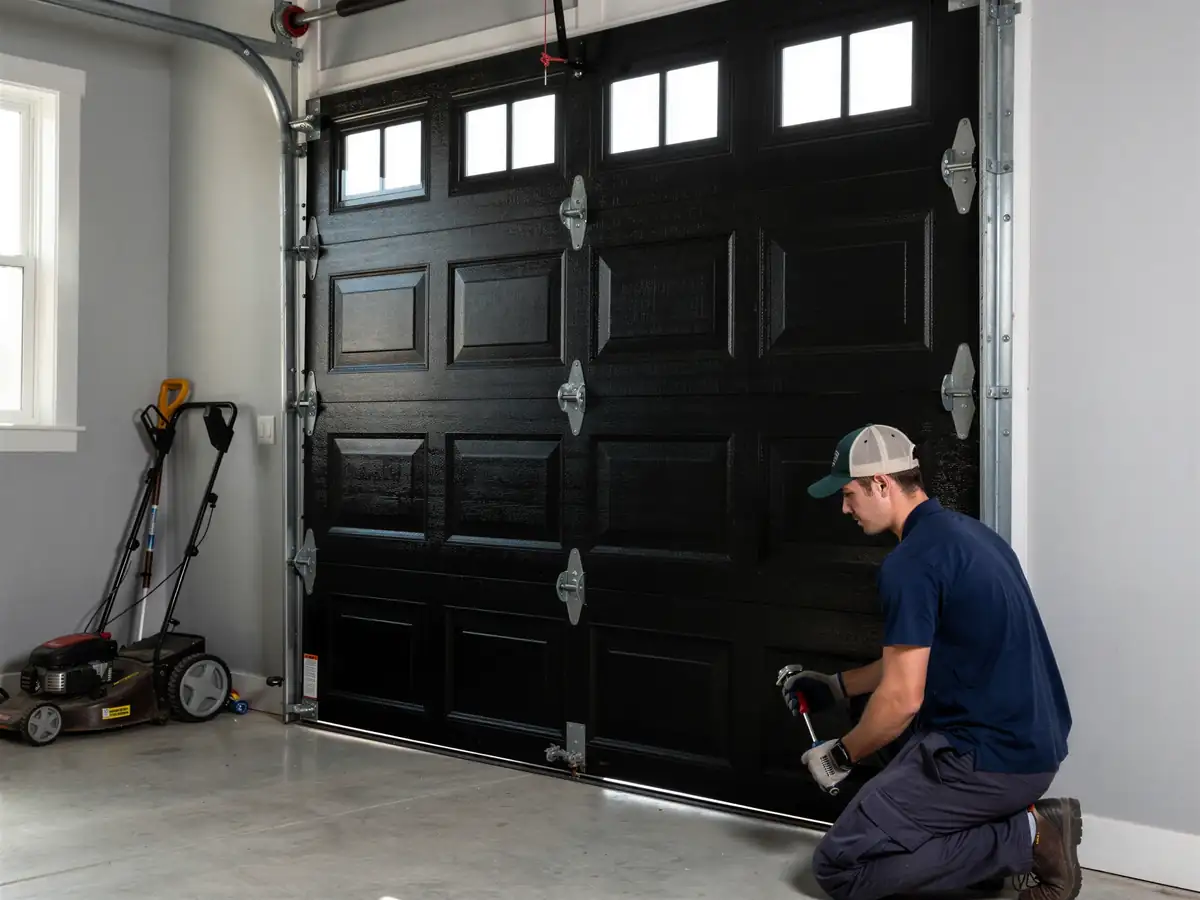
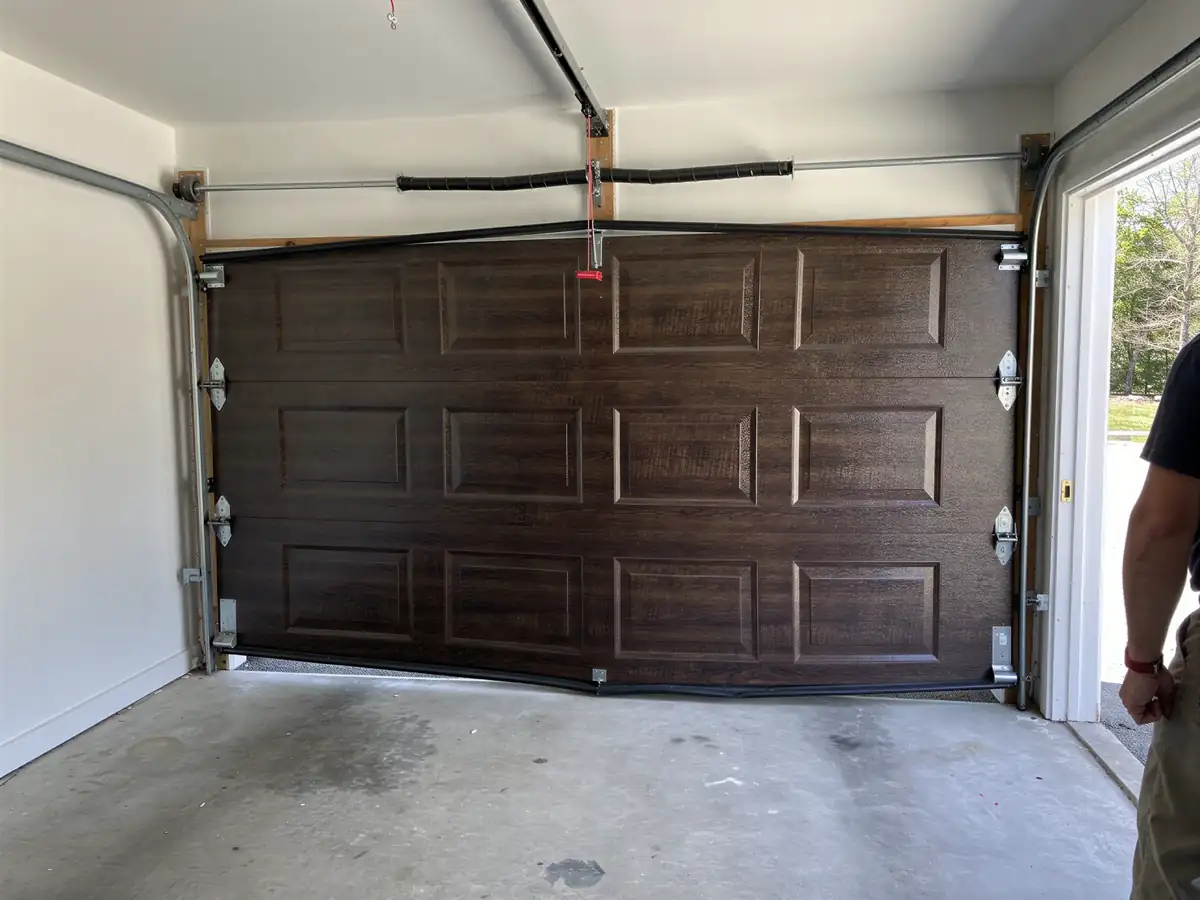
On a lot of Brooklyn Park homes, especially ones from the 1980s and 90s push of construction, the original door hardware is still in the opening - same track, same spring size, sometimes the same rollers. None of that was built to last past its rated cycles, and nobody tells homeowners there's a shelf life on the stuff behind the door. What a technician actually checks first is age-appropriate: spring wind and gap, track alignment at the vertical-to-curve transition, cable fray at the bottom bracket, and whether the opener's force settings have been cranked up over the years to compensate for a dying spring. That last one is common and it's dangerous - a door that stops on a hand or a pet because the force was turned up to mask a mechanical problem. We don't start with the opener logic board or the remote. Electronics fail far less often here than springs and rollers do, because the mechanical parts are the ones absorbing decades of cold-to-warm cycling every single year.
How Local Conditions Play In
Across the service area there are roughly 150,847 owner-occupied houses among 296,766 households, and a lot of them share this same build era and the same cold exposure. That matters for how a technician prioritizes a check: steel contracts in cold, which changes spring tension and can tighten tolerances on a track that was already slightly out of square. A median household income of $110,833 in this area also means most owners can choose replacement over patchwork repair when a door's hardware is this old, and a technician should say so rather than selling another band-aid fix. We see the same pattern just a couple miles over in Osseo and Brooklyn Center, where the housing stock runs the same age - it's a shared-era problem, not a one-house problem. The check order stays consistent: spring first, track and cable second, opener force settings third, and only then the electronics, because in a severe cold climate the mechanical parts take the abuse first and show it first.