Doing It Yourself
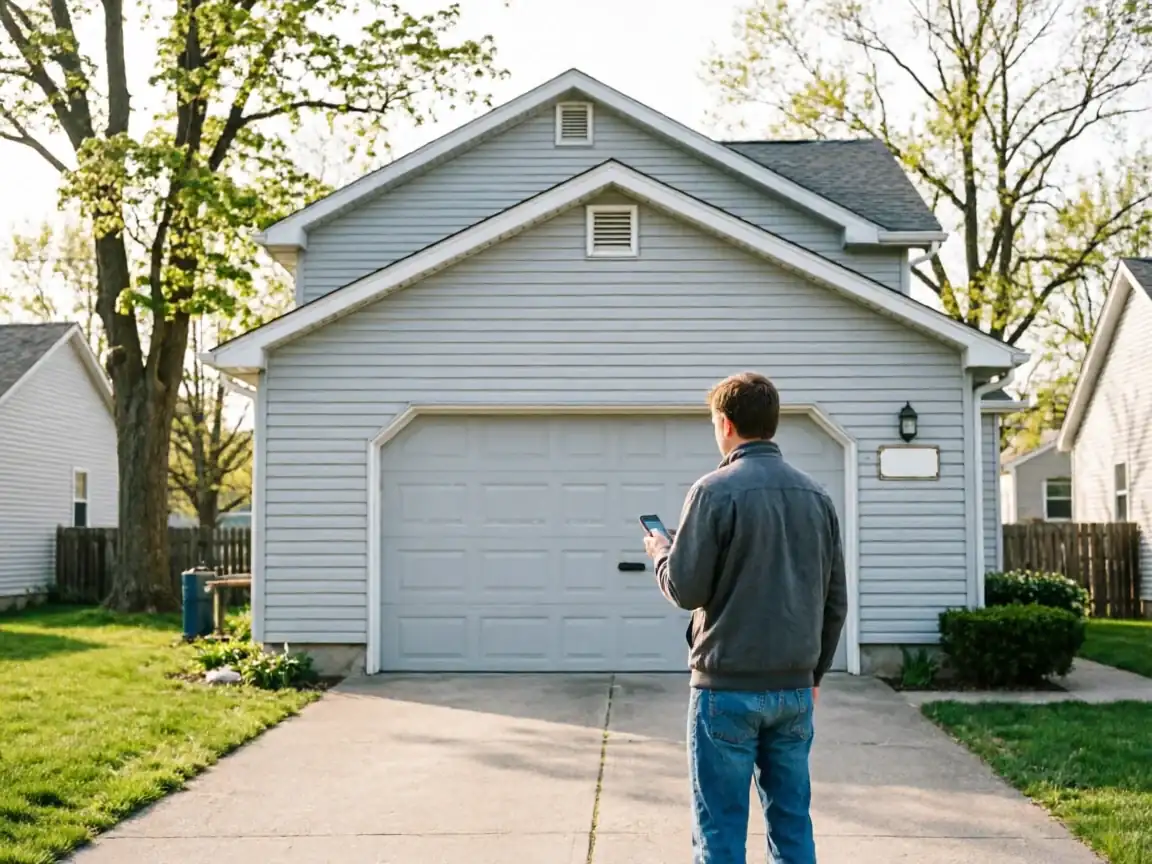
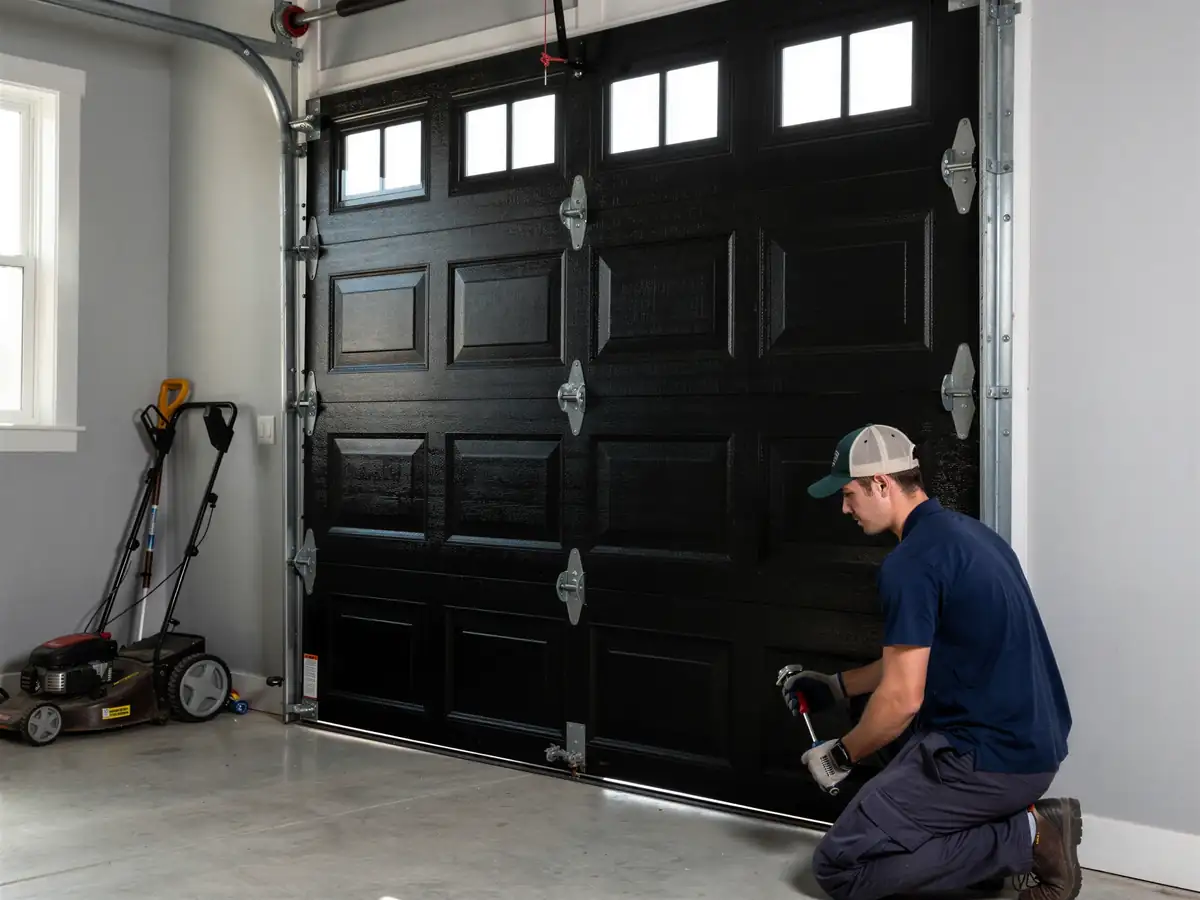
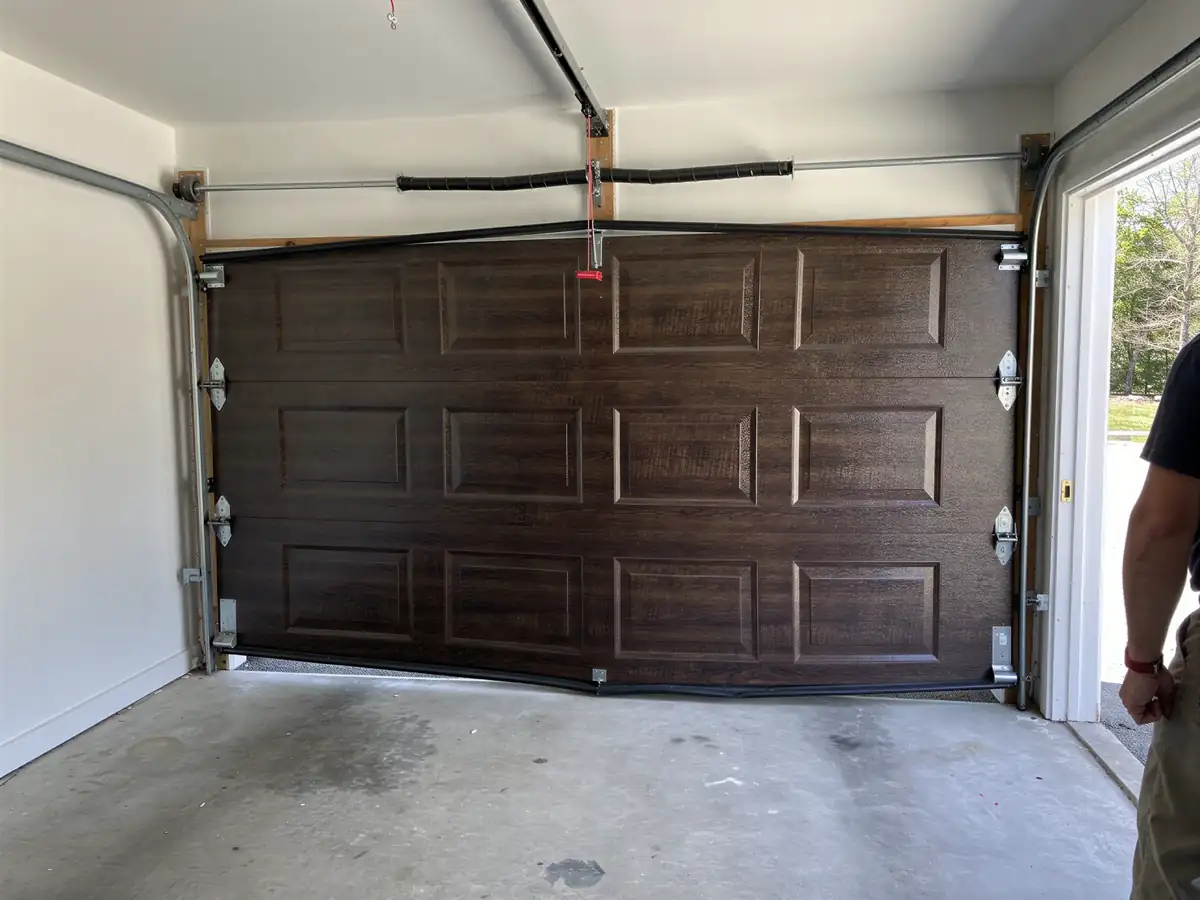
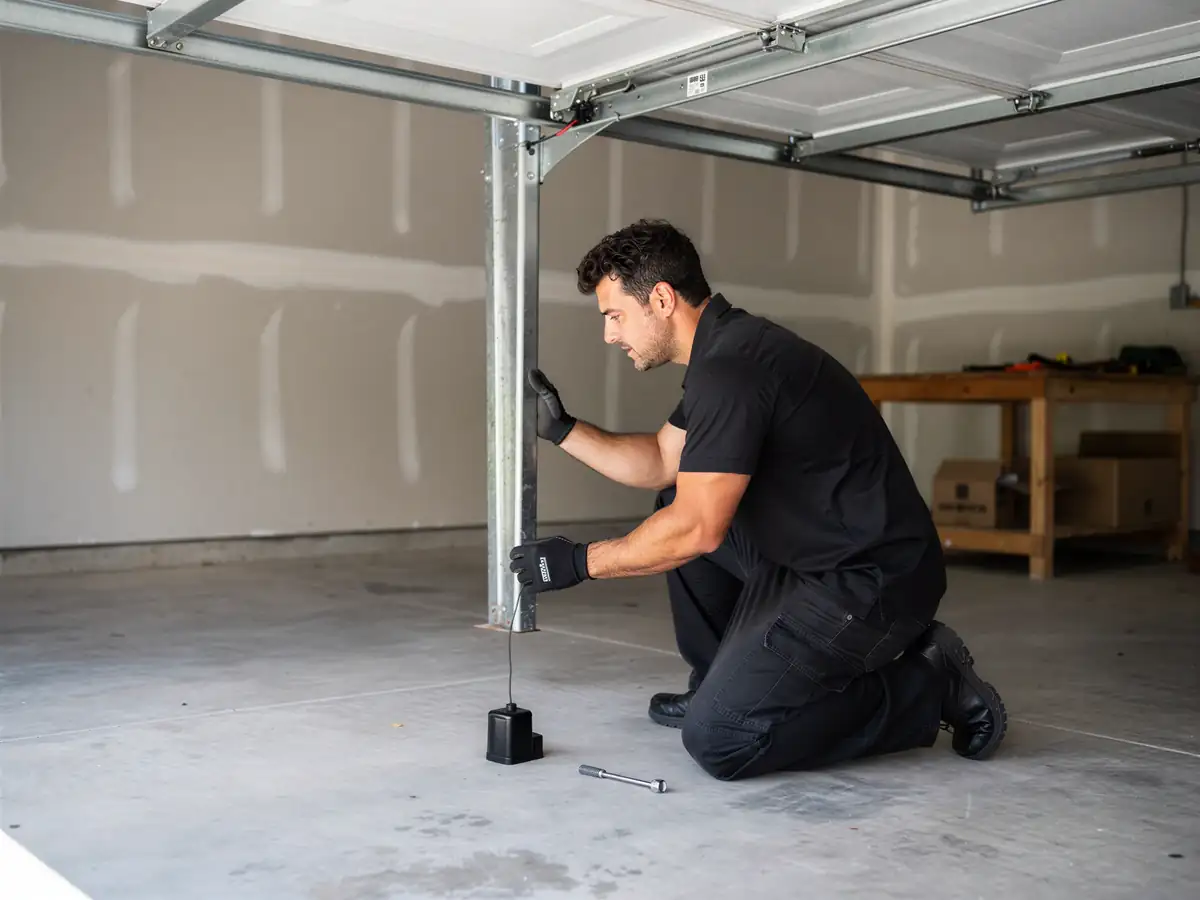
There's a short list of things you can and should do between visits from anyone. Wipe the tracks down and check for dents or bowing. Spray a light lithium grease on the rollers and hinges twice a year, not WD-40, which washes grit into the bearing instead of lubricating it. Look at the bottom seal for cracking and the weatherstrip around the frame for gaps where cold air is getting in. Test the auto-reverse by setting a 2x4 flat under the door and closing it. If the door doesn't bounce back, stop using it until someone looks at the sensors.
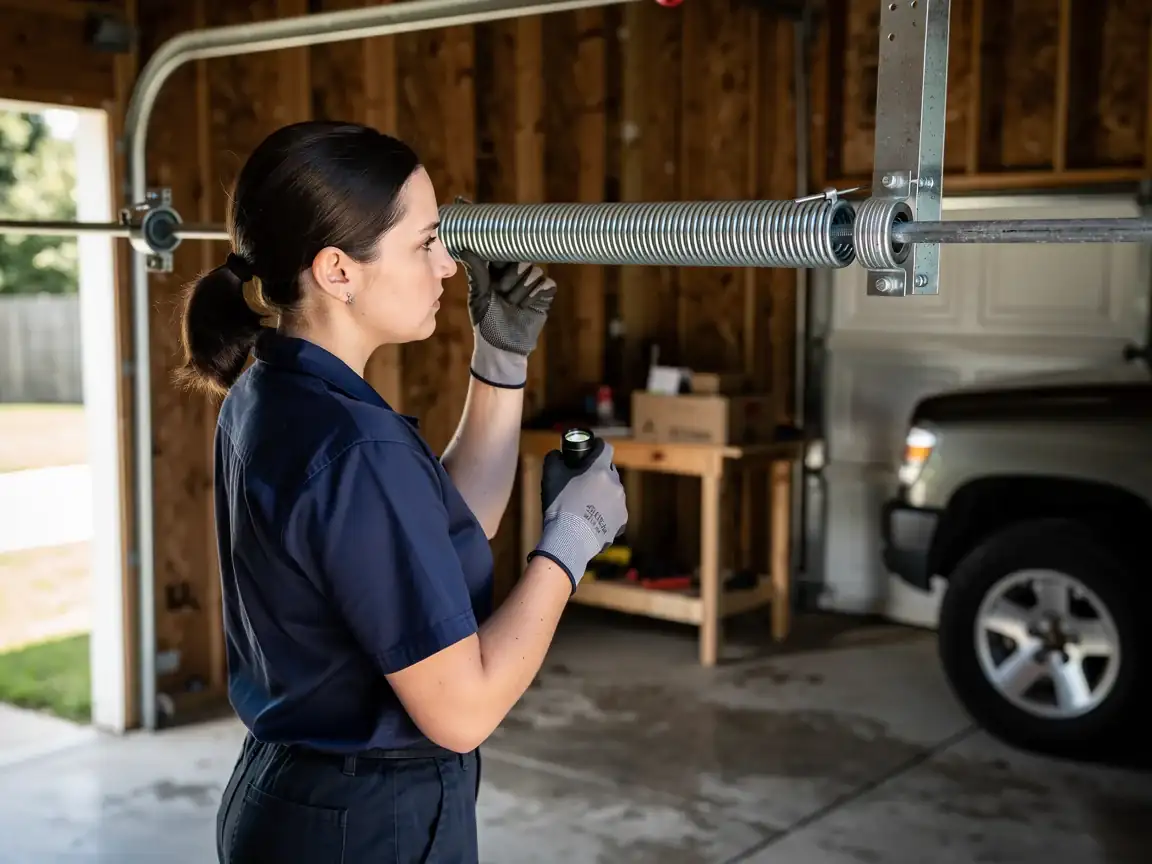
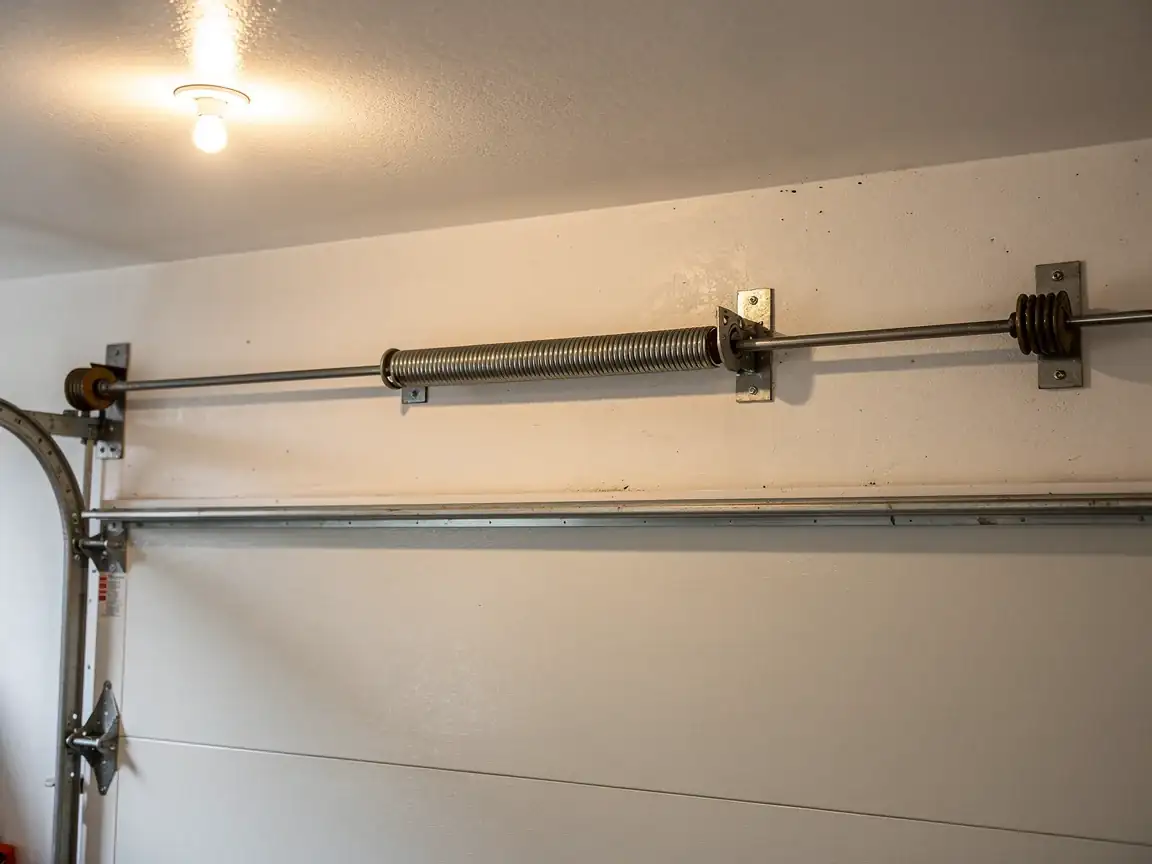
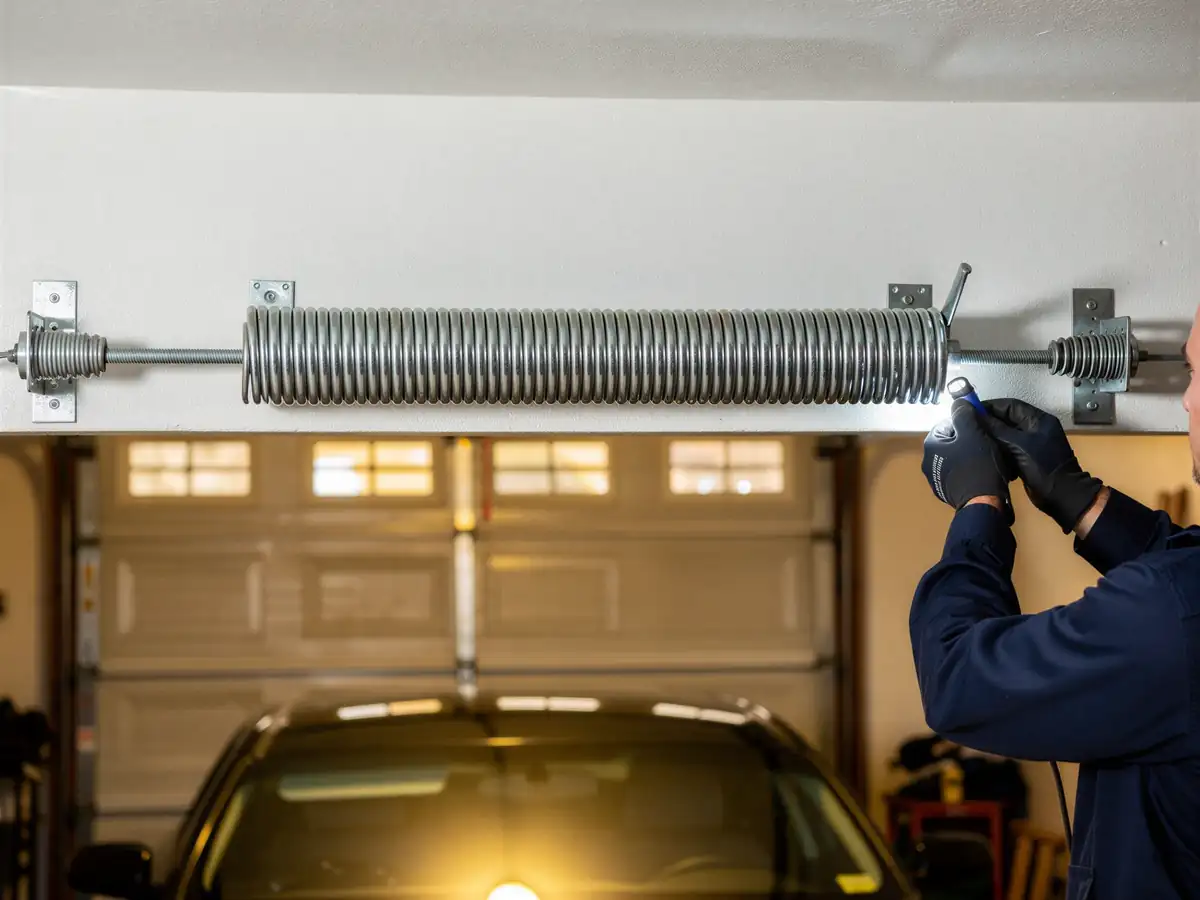
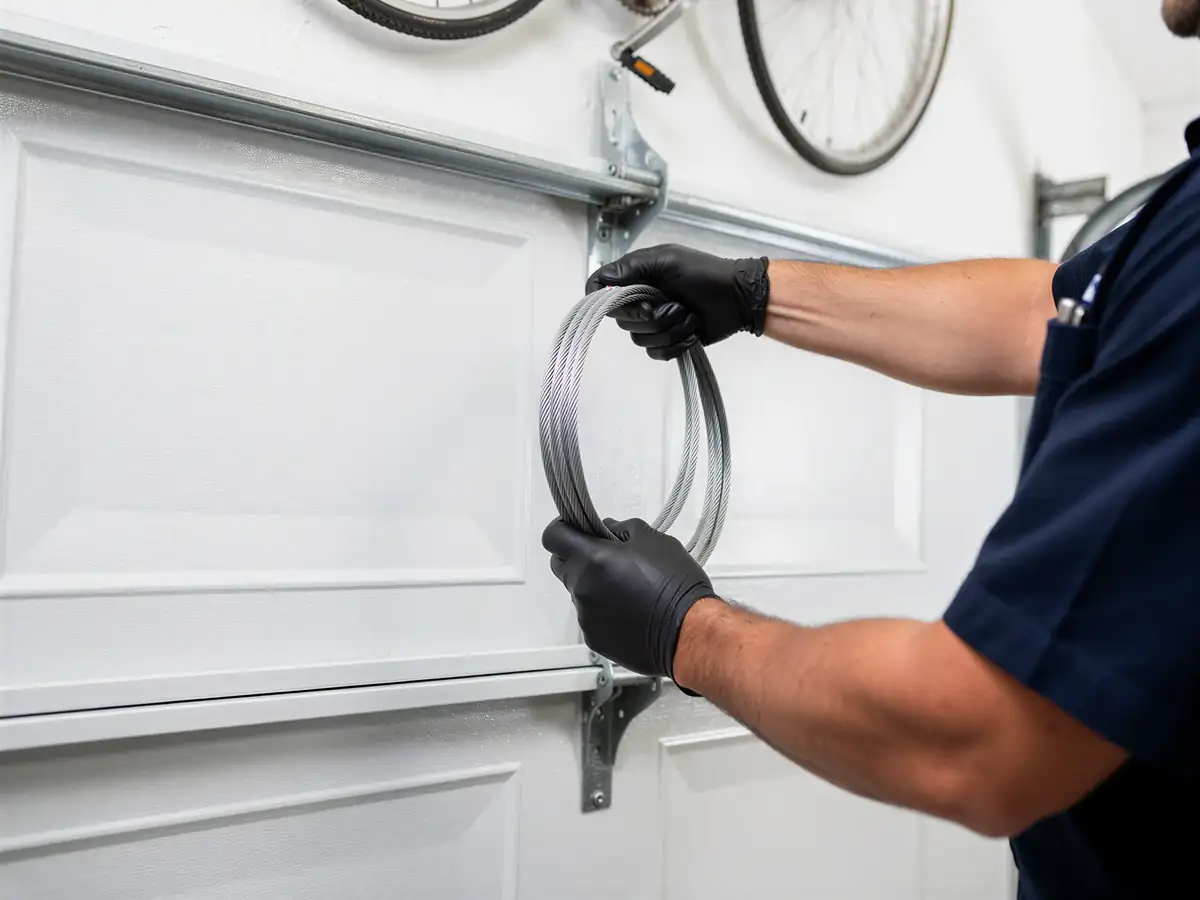
What you shouldn't do yourself is touch the torsion spring. It's wound under enough tension to break a wrist or worse, and it's not a job you learn by watching a video once. Same goes for the cables and the drums at the top of the track. If a cable's frayed or a spring looks stretched or has a visible gap in the coils, that's a call, not a project. The honest version of DIY maintenance here is the small stuff done often, not the dangerous stuff done cheap.
What the Fix Involves
A real tune-up isn't a squirt of oil and an invoice
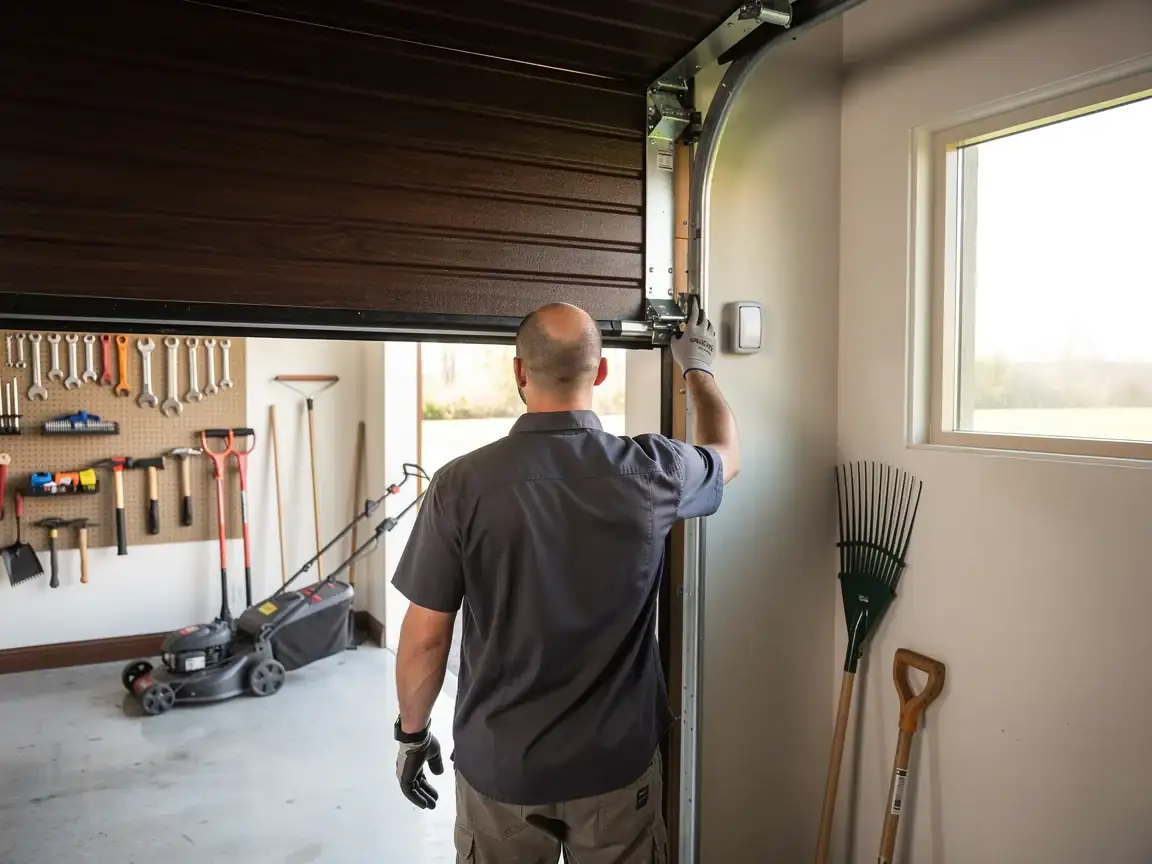
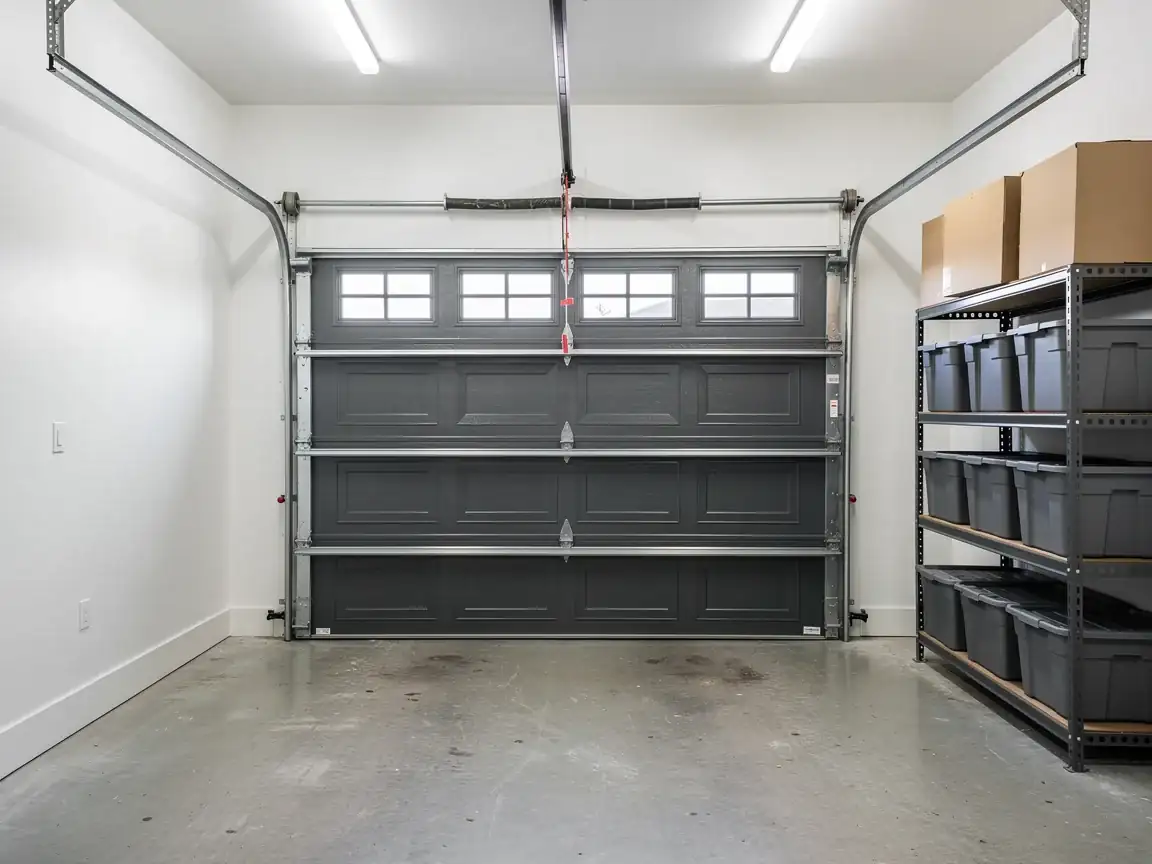
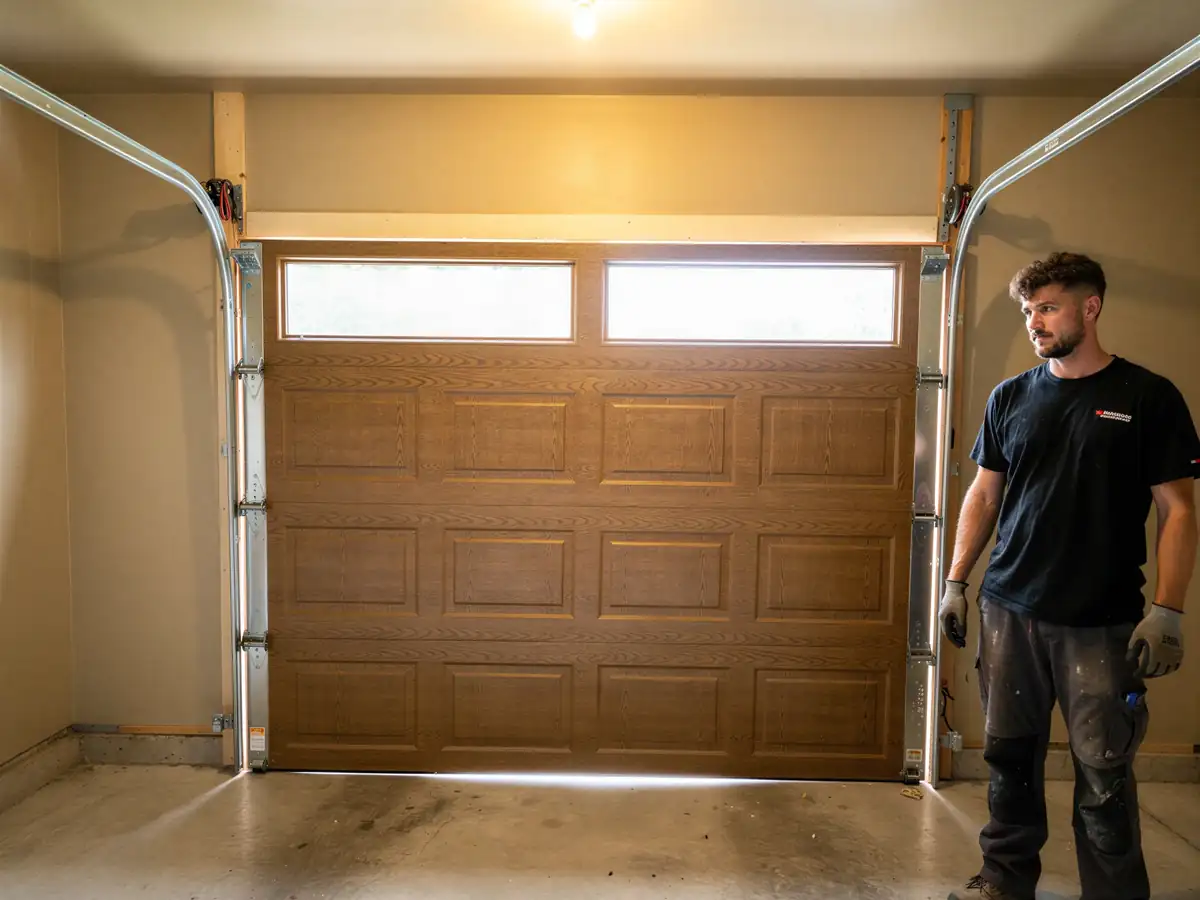
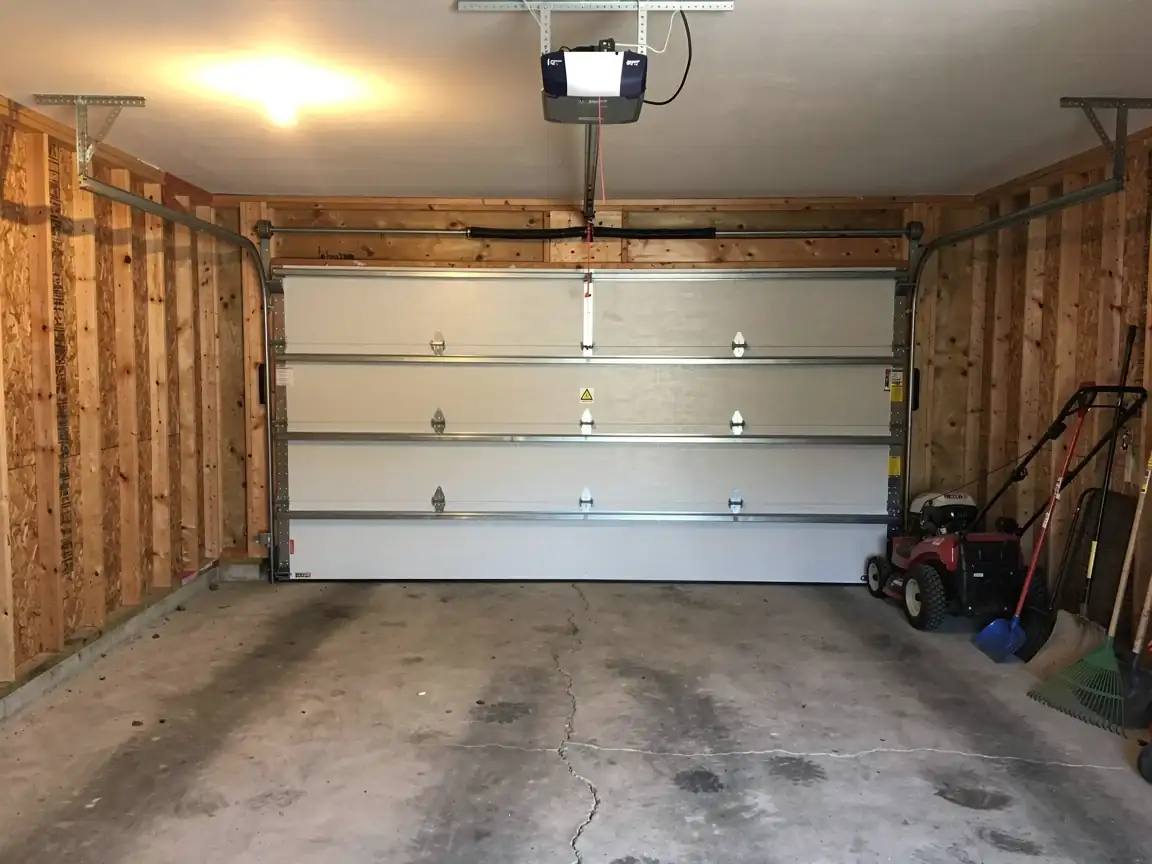
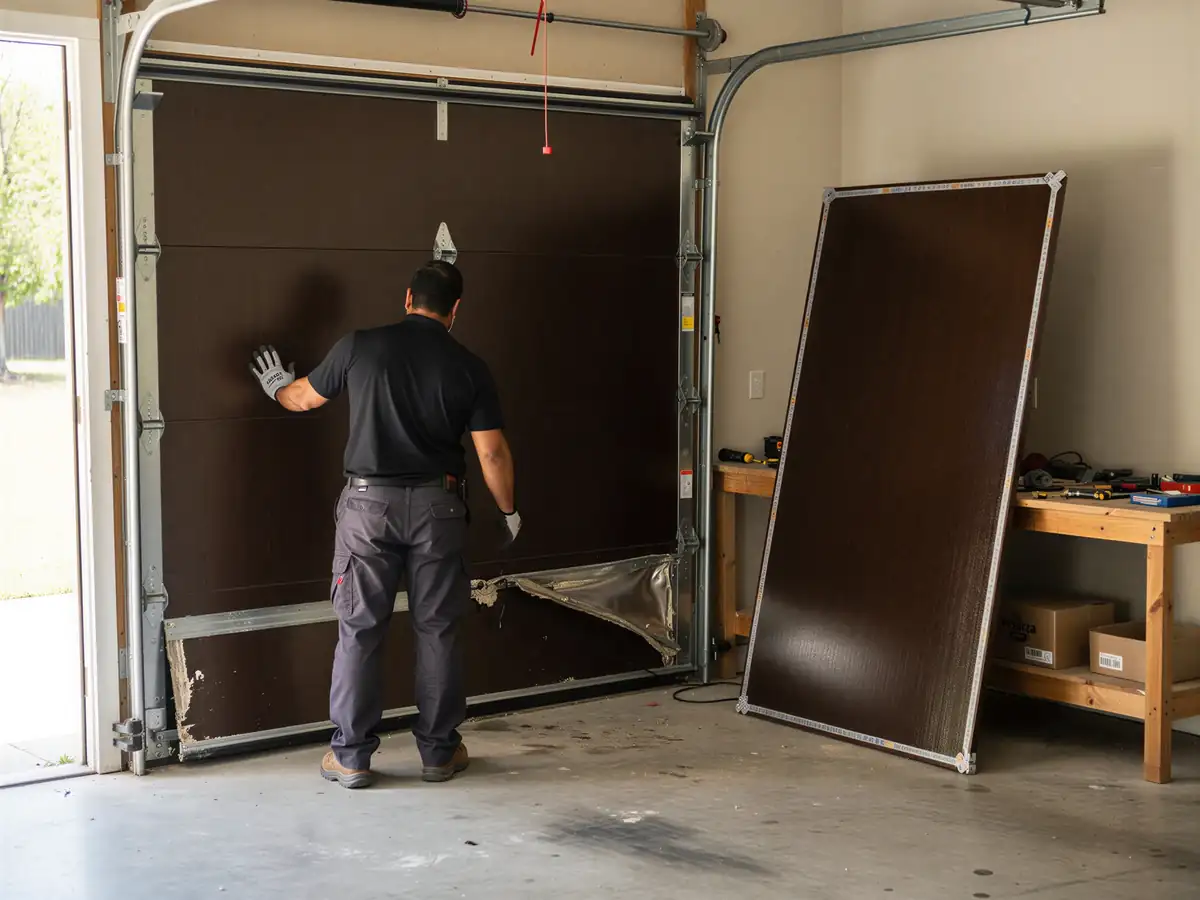
It starts with checking spring tension against the door's weight, since a spring that's even slightly off balance makes the opener do work it wasn't built for. From there it's track alignment on both sides, checking the gap and the bolts at every bracket, because a track that's walked even an eighth of an inch out of plumb will wear the rollers unevenly and eventually bind.
Rollers get pulled and inspected, not just greased
Nylon rollers crack after years of winter flexing, and a cracked roller feels fine right up until it doesn't. The opener gets a force and limit check, travel adjustment, and a look at the drive gear, which is the part that strips first when a door's been fighting a misaligned track for a season. Hardware gets re-torqued, since vibration walks every bolt loose over time. Weatherstripping gets replaced if it's cracked. None of this is glamorous work. It's the difference between a door that lasts and one that needs a spring replaced at 2 a.m. in January.
Why It Happens Here
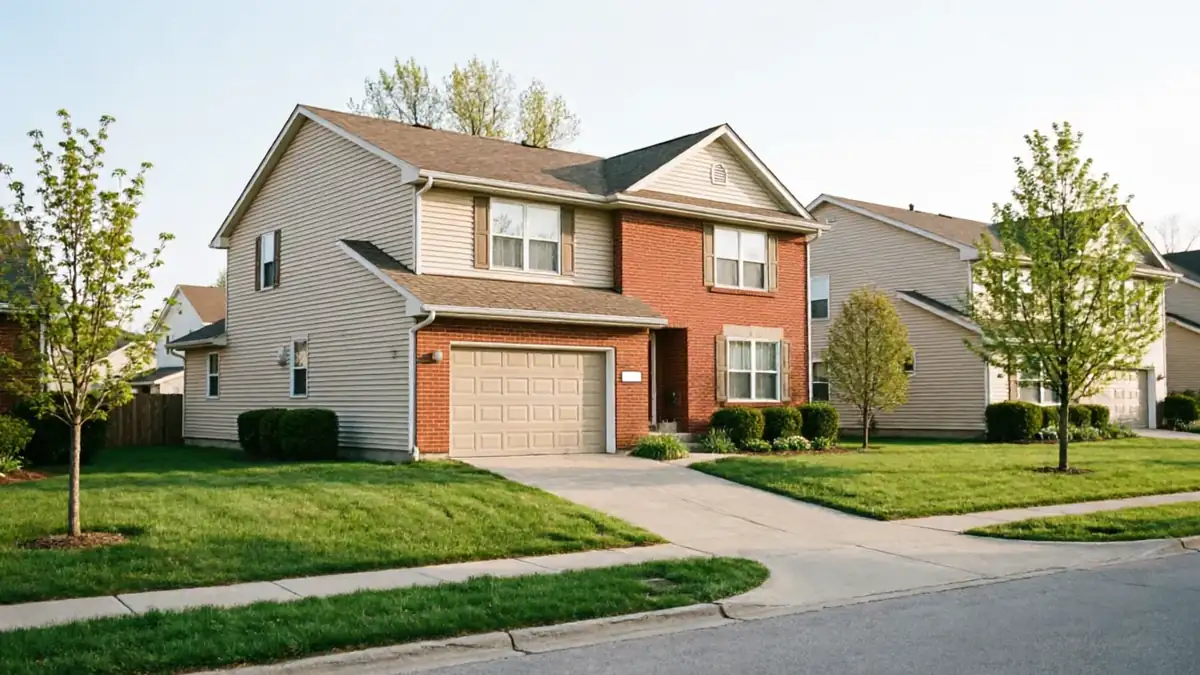
Housing across this service area was mostly built between 1957 and 2007, with the bulk of it going up in the 1980s and 90s. That means a lot of garage doors are running original or first-replacement torsion hardware that's now thirty-plus years into a job rated for maybe ten to fifteen years of cycles. Steel fatigues whether or not anyone notices, and springs on a 1985 build are well past the point where fatigue is theoretical.
The cold makes it worse. This area sits in a severe cold climate band, and that matters for garage doors specifically because lubricant viscosity changes with temperature. Grease that's fine at 70 degrees gets thick at zero, which means the opener has to push harder to move a door that's suddenly stiffer on every roller and hinge. That extra load doesn't show up as a single dramatic failure - it shows up as a slow strain on the drive gear and a spring that was already tired giving out a season or two sooner than it should have. Maintenance on a schedule, not maintenance after something breaks, is what actually offsets that math.
How It Shows Up
The door starts hesitating partway up, or the opener light blinks and the door reverses for no obvious reason - that's usually the force settings compensating for a spring that's lost tension. A grinding or popping sound on the way down often means a roller's cracked and is riding unevenly in the track. If the door feels heavier than it used to when you lift it manually with the opener disconnected, that's a spring question, not an opener question, and it's worth checking before the spring finishes failing on its own.
In winter specifically, watch for a door that moves fine most of the year but starts stalling or reversing only when it's cold. That's the lubricant-viscosity problem from the climate here showing up as an opener issue when the real cause is mechanical drag upstream of the motor. Noise that gets louder over a few weeks, not months, usually means something's already cracked and is getting worse with every cycle. None of these are emergencies the first day you notice them. They are emergencies if you wait through another full winter.