What Most People Get Wrong
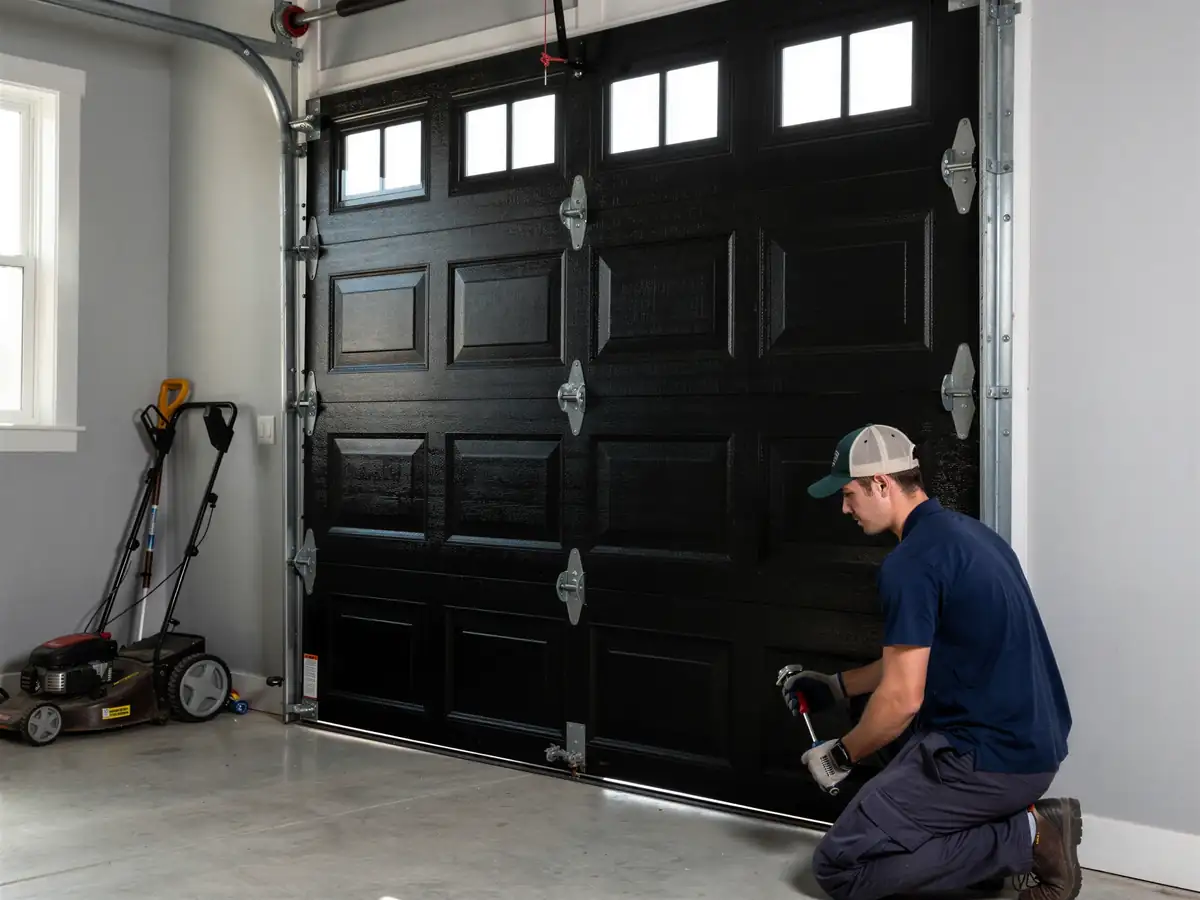
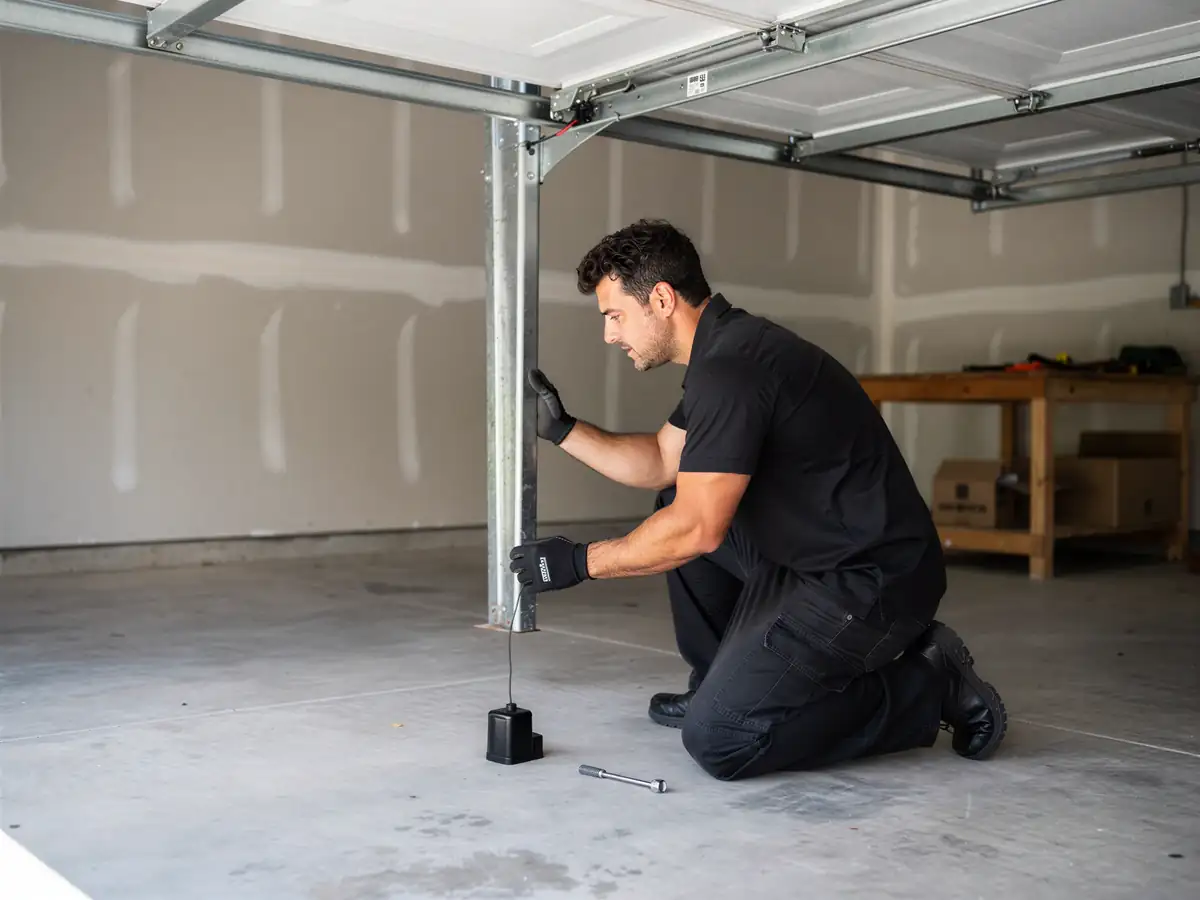
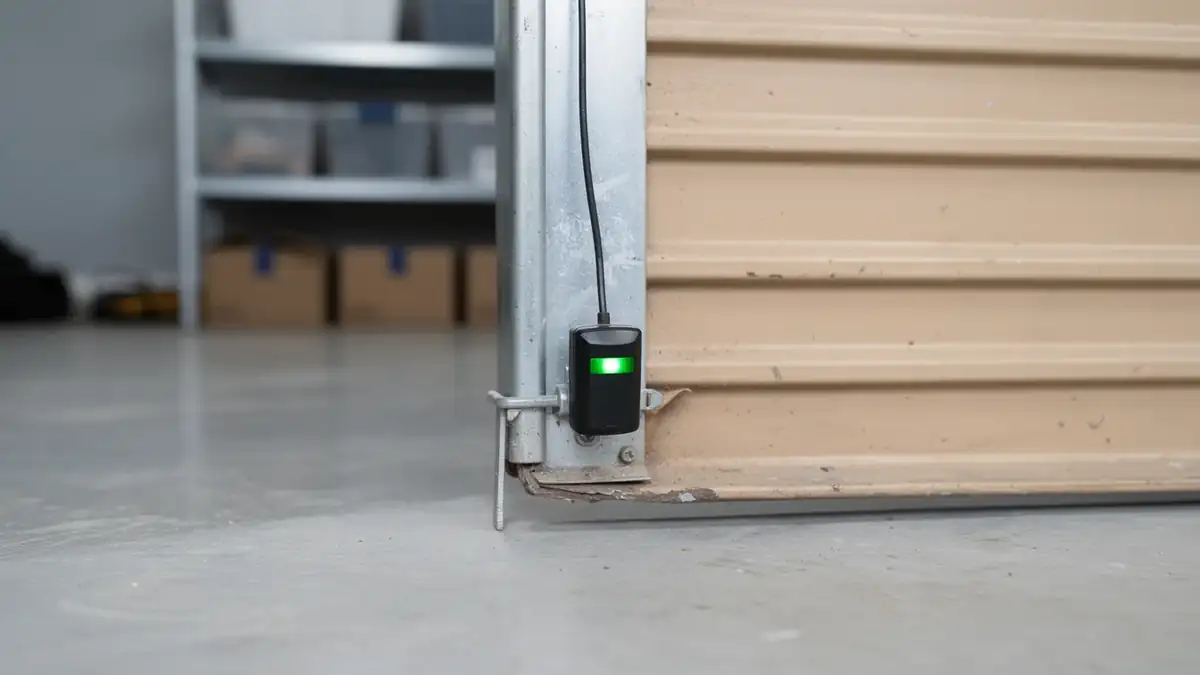
Most homeowners here assume a sensor that stops working just needs the lens wiped off. Sometimes that's it. But in a city where most houses went up between 1957 and 2007, with the bulk of the stock dating to the 1980s and 90s, the more common cause is the bracket itself moving. Those sensors sit on thin metal arms bolted near the floor on either side of the track, and on a house that age, the bracket has usually been drilled into the original wood jamb or a concrete apron that's shifted a few degrees over thirty-plus years. A sensor that reads fine in July can throw a blinking light every time you close the door in January. People troubleshoot the eye when the problem is the mount. Swapping the sensor itself rarely fixes anything if the bracket underneath has worked loose or the slab it's anchored to has heaved. That's a five-minute check most people skip because they go straight for the part instead of the thing holding the part in place.
The Problem
The actual mechanism is simple. Safety sensor brackets are light-gauge metal, meant to hold alignment within a fraction of an inch, and they're usually fastened to whatever was standard when the house was built - door framing from the 80s or 90s in a lot of Brooklyn Park's stock, sometimes older if the place dates closer to the 1957 end of the range. Minnesota winters move concrete slabs and wood framing enough, season after season, that a bracket mounted true in 1984 isn't guaranteed to be true now. Add a bump from a bike, a shovel leaned against it, or just forty years of a garage door's vibration transmitting through the frame, and the sensors tilt out of their beam path by a degree or two - enough to lose the signal without looking visibly crooked. On the newer end of the housing range, built closer to 2007, the brackets are sturdier and the problem shows up less, but it still happens where the slab has settled unevenly.
How Local Conditions Play In
Severe cold matters here in a specific way: metal brackets contract when the temperature drops, and a mounting screw that's slightly backed out in August can let the bracket shift another sixteenth of an inch once it's twenty below. That's often the difference between a sensor that worked fine all fall and one that starts failing the first hard cold snap. It's also why we see more sensor calls in Brooklyn Park's older pockets - houses closer to the 1957-1980 end of the build range - where original brackets were never upgraded and the slab has had more decades to move. We'll level and re-anchor a bracket in most cases; what we won't do is promise a sensor alignment will hold forever on a slab that's still actively settling. If the concrete itself is the problem, re-tightening a bracket is a one-season fix, not a permanent one, and we'll tell you that rather than charge you twice for the same call.