What Most People Get Wrong
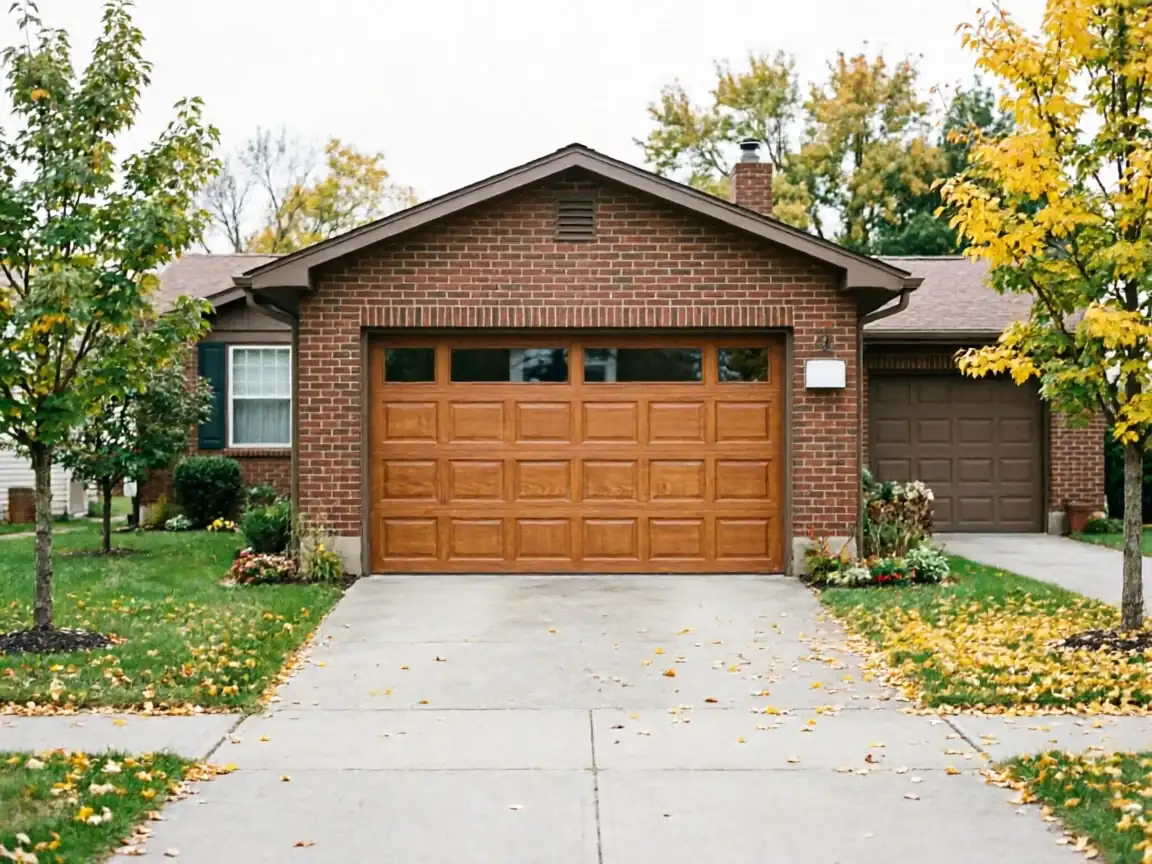
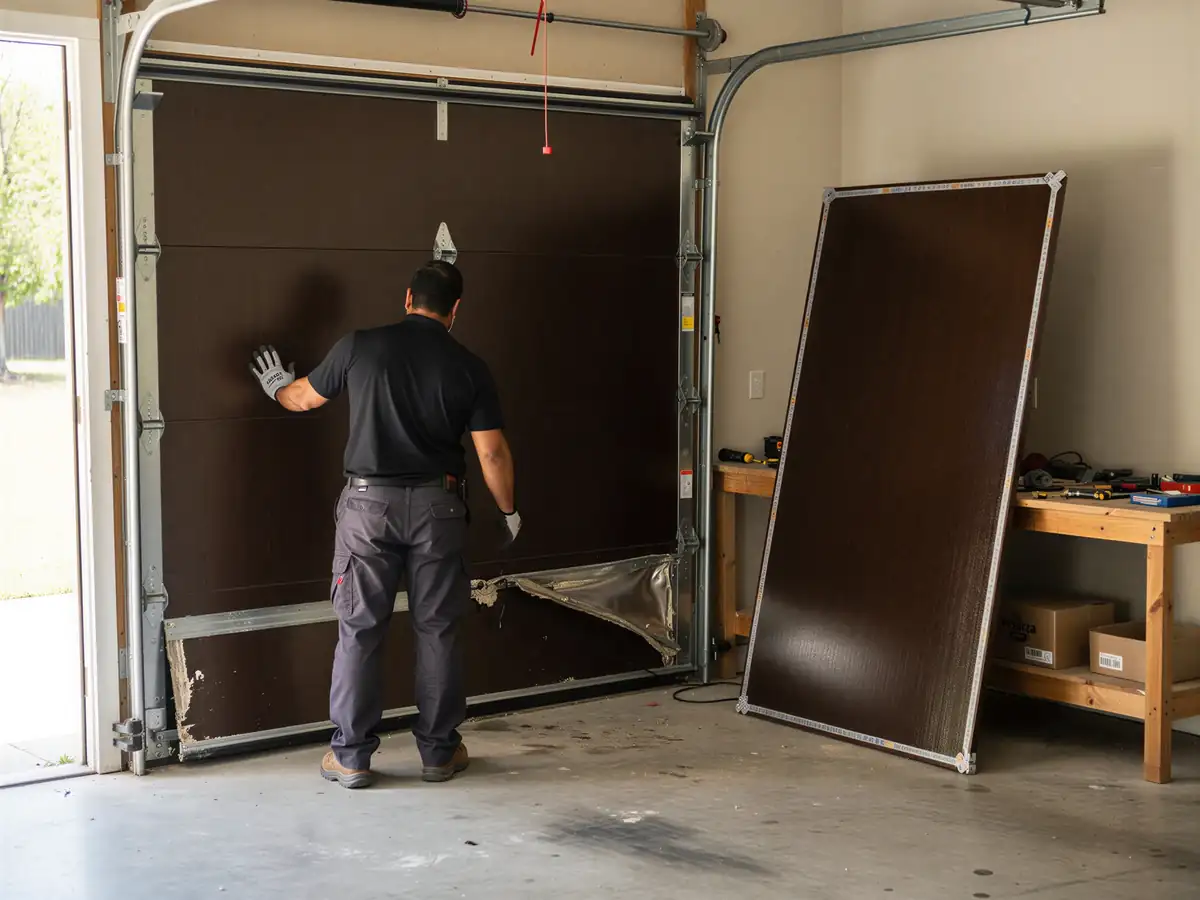
Most homeowners here think a garage door is a garage door - it opens, it closes, it keeps the snow out. What they miss is that the door's job used to stop there. Brooklyn Park's housing stock runs 1957 to 2007, with the median build landing around 1980, and a big share of that falls into the 1980s-90s wave that makes up most of the 58 named areas in this part of the metro. Energy codes that pushed insulated garage doors as a baseline didn't catch up with residential construction here until well into that run. A door installed to match a house built in the late '70s or early '80s was almost never insulated as standard - it was a single layer of steel or wood over an open frame, built to keep weather out, not heat in. People assume the door matches the house's era in performance. It doesn't. The house got better insulation standards long before the door did, and a lot of original or early-replacement doors in this city are still doing a job they were never built for.
The Problem
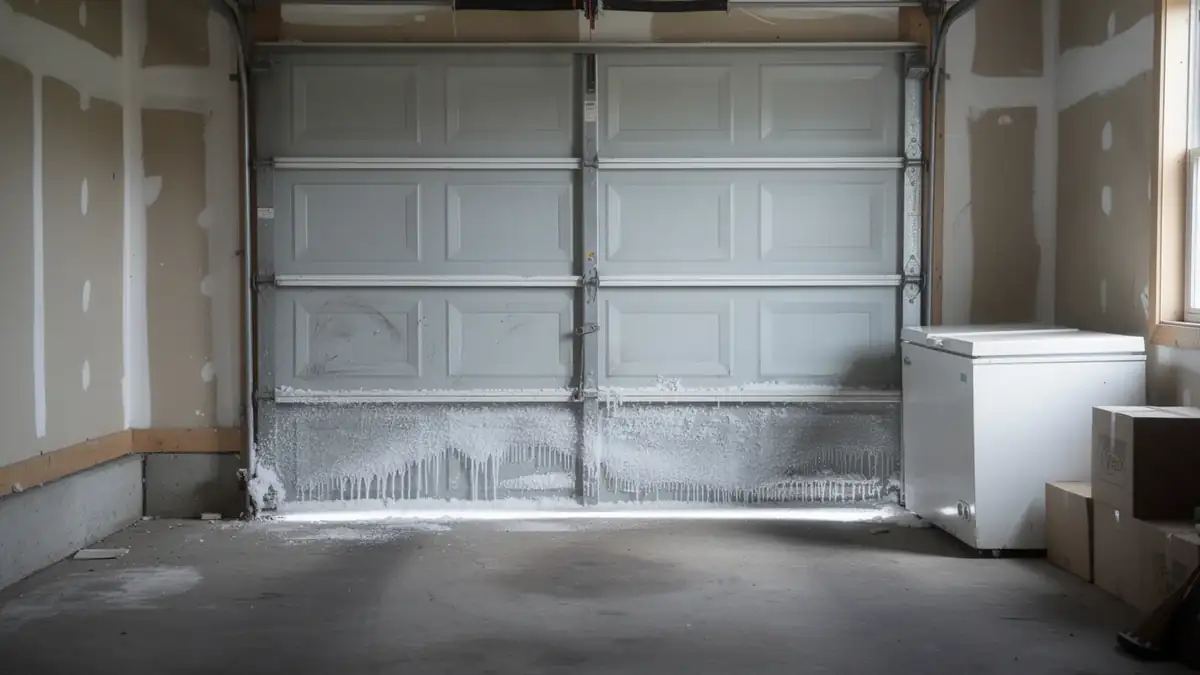
It turns into a problem the moment that garage stops being just a garage - a finished space above it, a mechanical room, a mudroom entry that shares a wall. In a climate band that runs cold and severe for a real chunk of the year, a single-layer steel door from the pre-insulation-standard era is a direct heat path out of the house. You feel it as a cold wall behind the water heater, frost forming on the inside of the panels, or a heating bill that doesn't match a house that's otherwise reasonably sealed. The door that was fine for 40 years as a pure parking structure becomes the weak point the day someone finishes that space or starts storing something that can't take a hard freeze. That's usually when the call comes in - not because the door failed, but because what's behind it changed.
How Local Conditions Play In
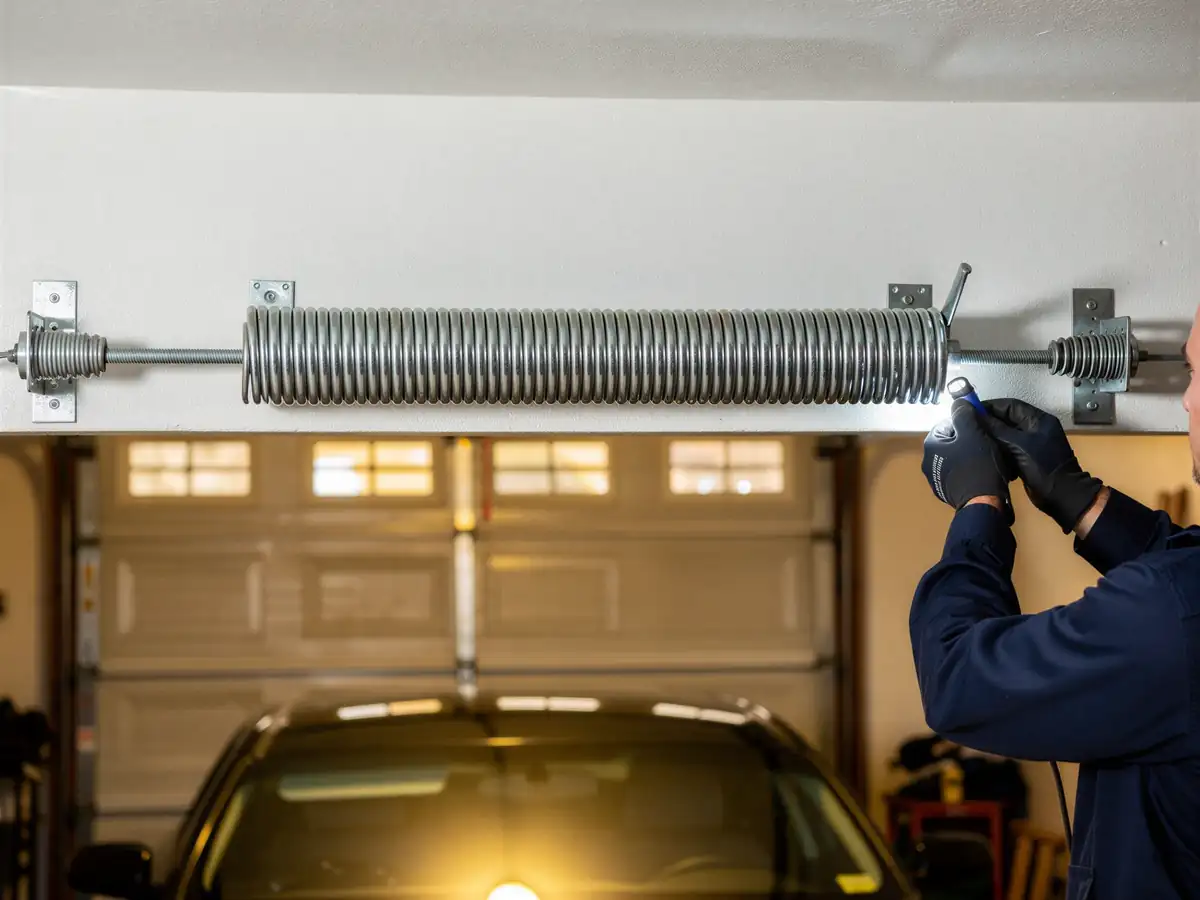
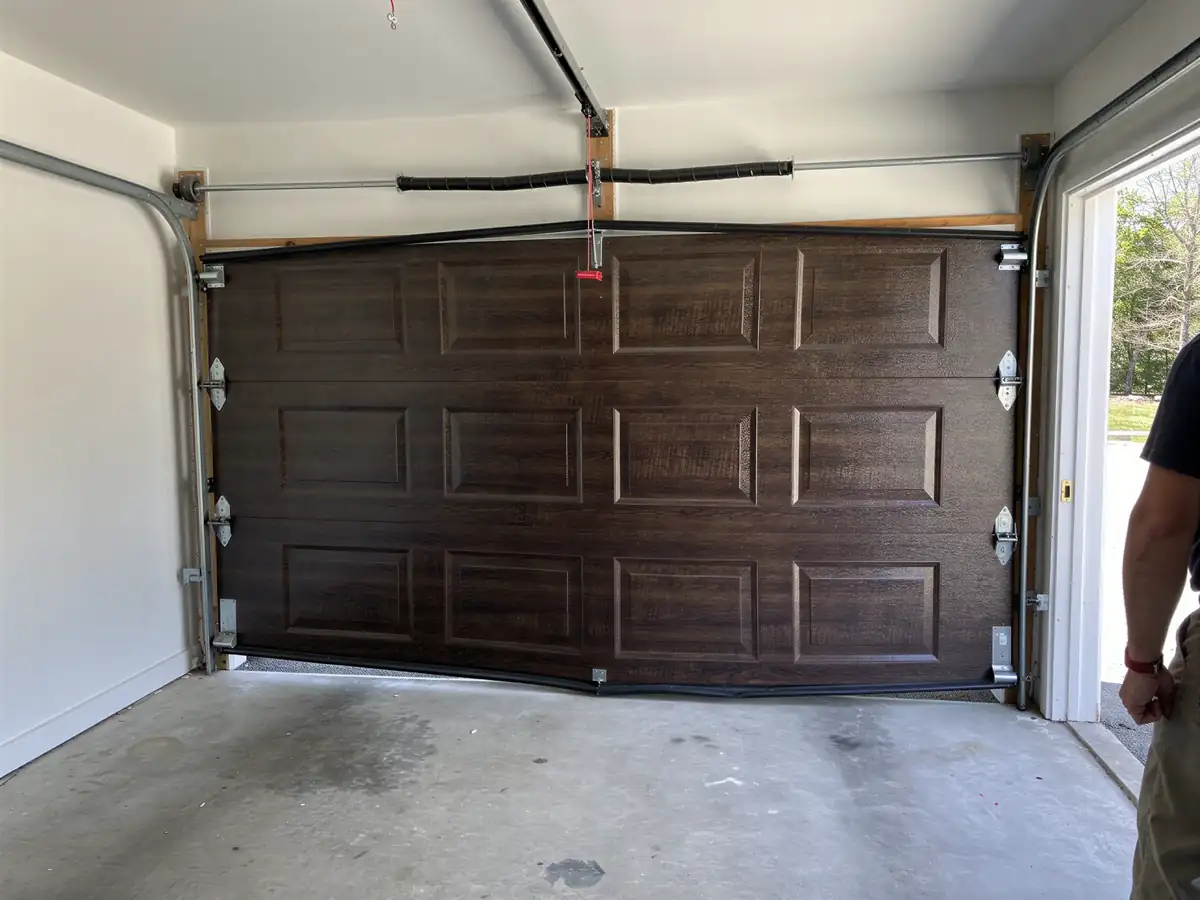
Severe cold does two things to an old, uninsulated door that a mild climate wouldn't. First, it makes the temperature swing between garage and living space sharp enough to matter for comfort and condensation. Second, it stresses the hardware - steel contracts in deep cold, and a door with no insulated core to add rigidity flexes more at the panel seams with every open and close cycle through a Minnesota winter. On a house from the 1980s-90s stock that makes up most of this area, that's decades of cold-season flexing on original hardware. It doesn't mean the door is about to fail tomorrow. It means the wear pattern on an old uninsulated door here looks different than it would somewhere with a mild winter, and that's worth knowing before you decide whether to patch it or replace it.