What Most People Get Wrong
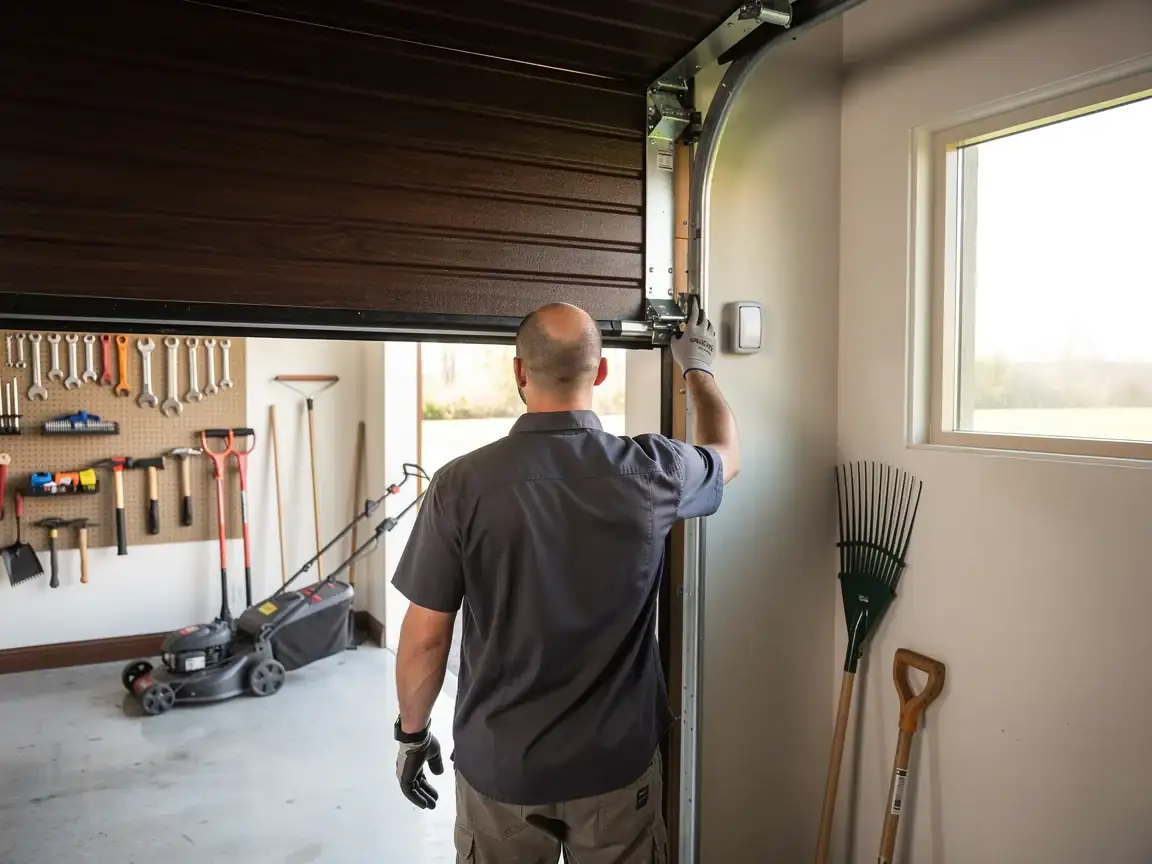
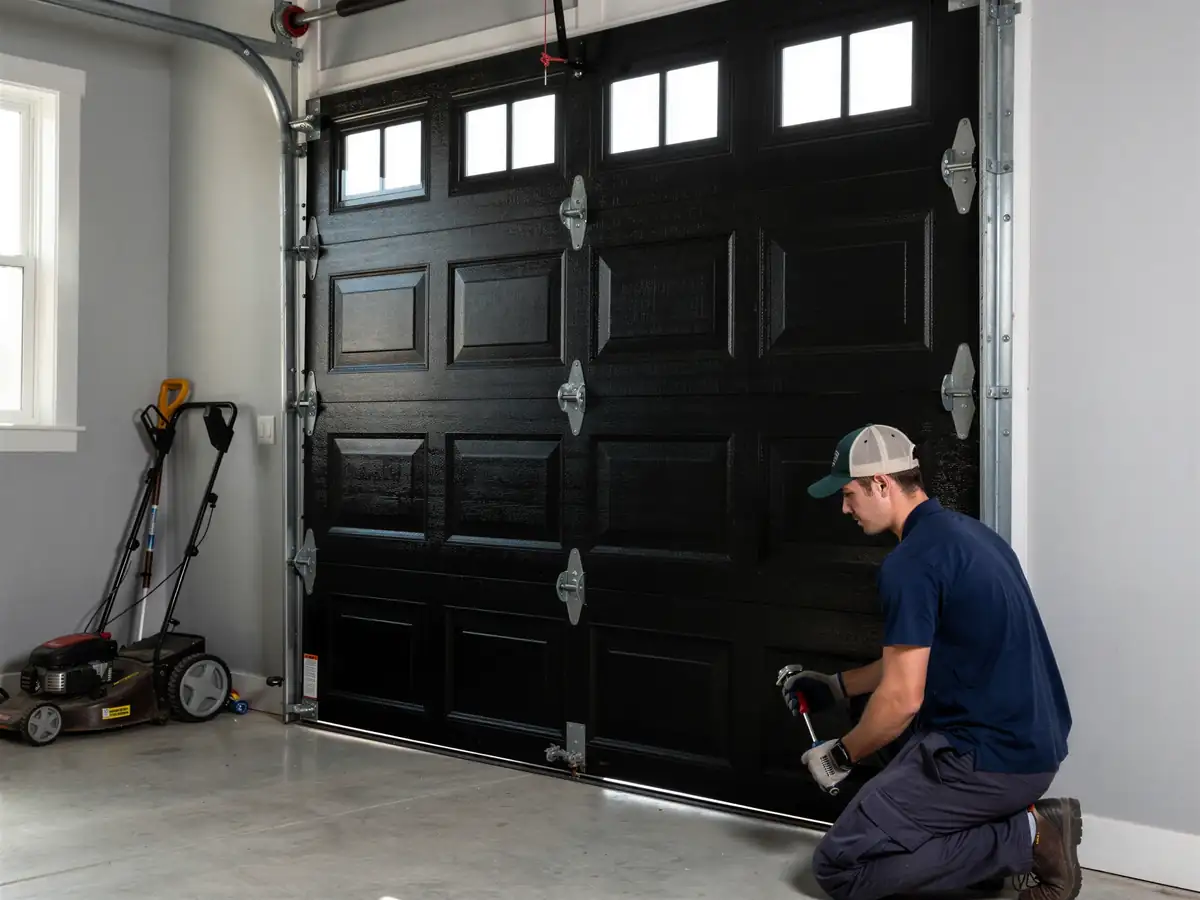
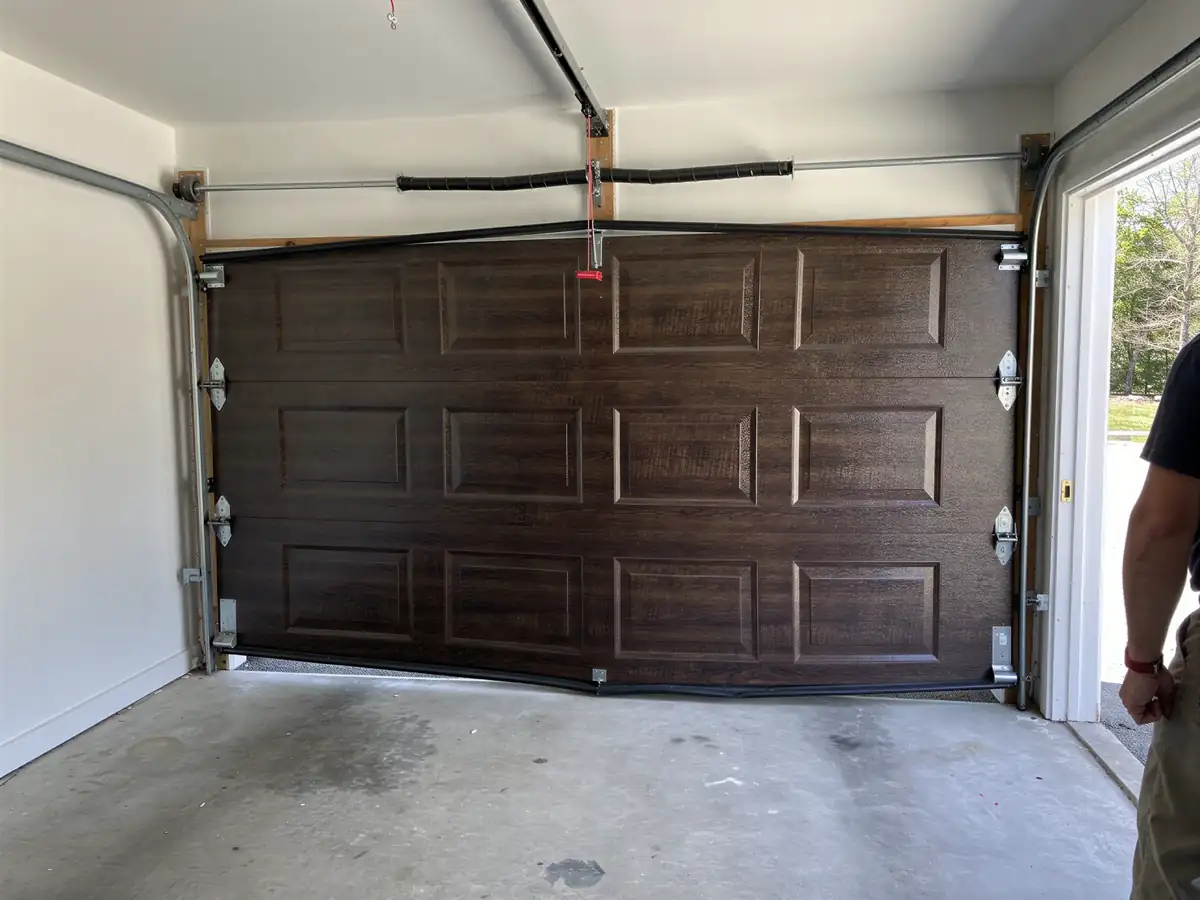
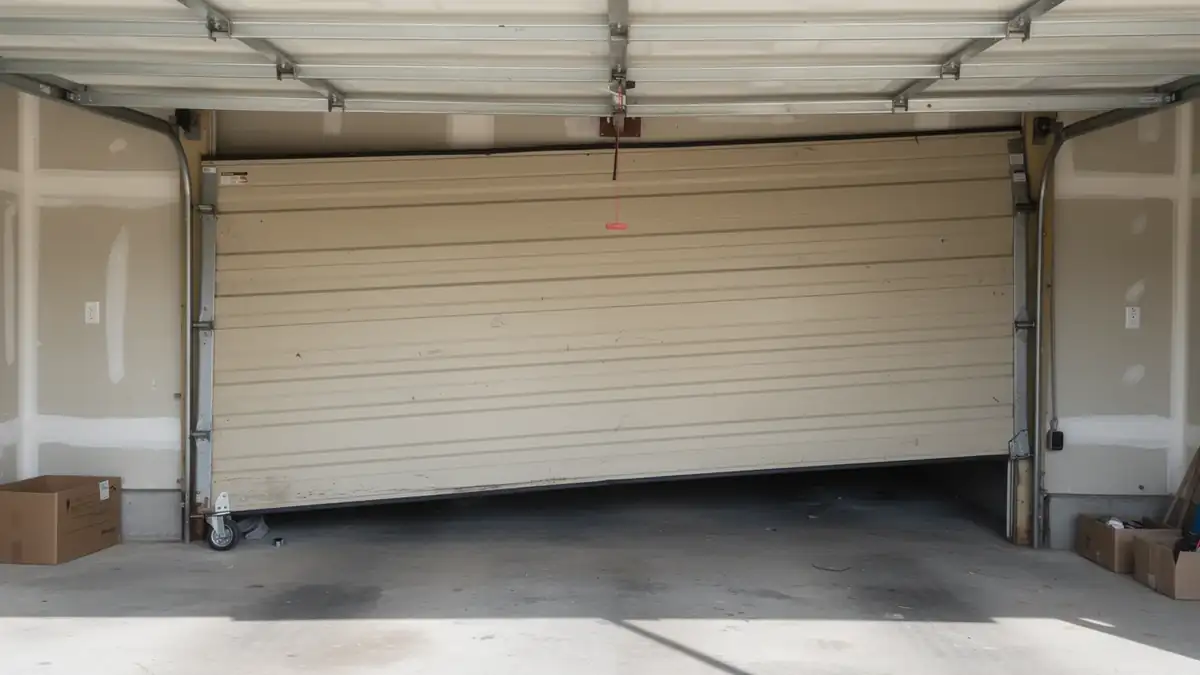
Most homeowners assume a door comes off track because something hit it - a car bumper, a kid's bike, a gust of wind. Sometimes that's true. But in a lot of the calls we get around Brooklyn Park, nothing hit the door at all. The rollers just walked out of the track slowly, over weeks, because a bracket worked loose or the track itself bowed a fraction of an inch.
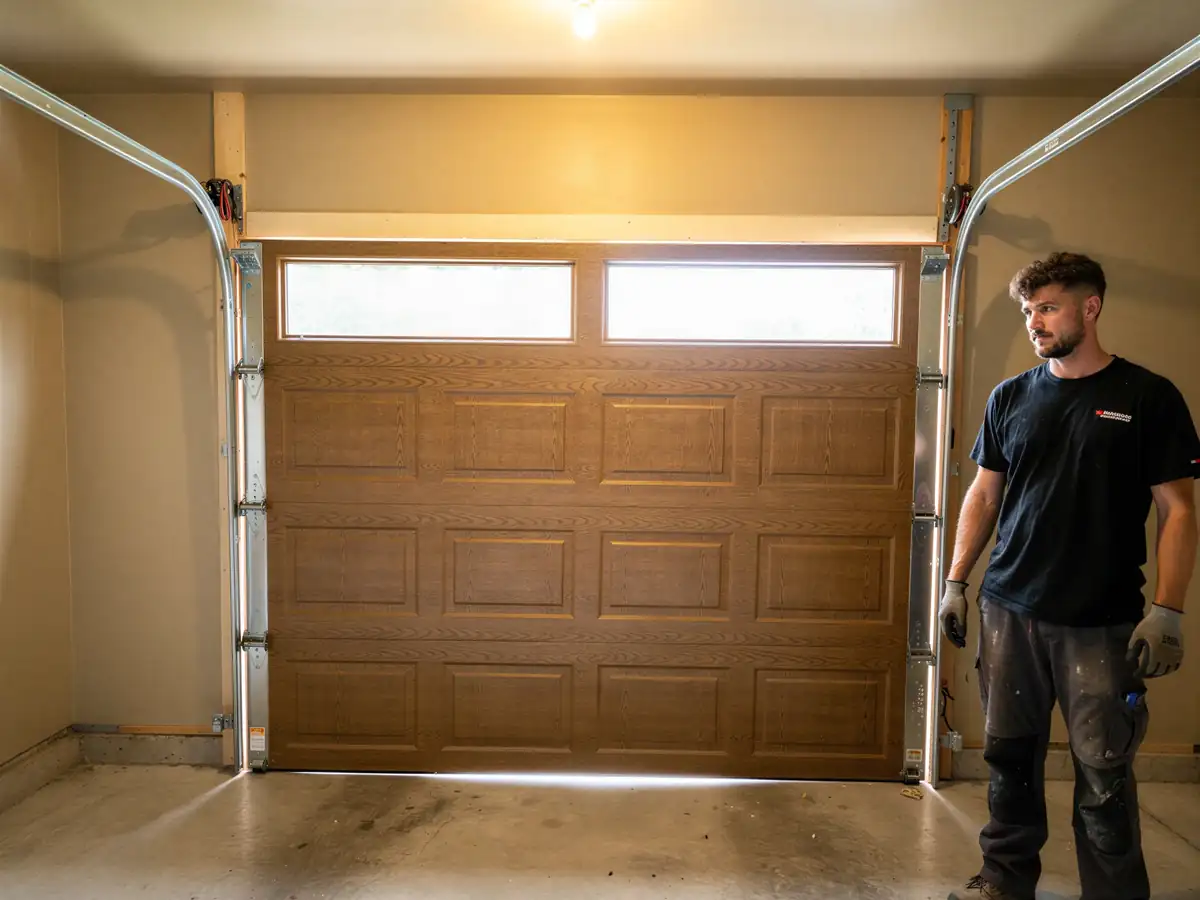
Brooklyn Park's housing stock runs from 1957 through 2007, with a lot of it concentrated in the 1980s and 90s build wave. That matters here because track hardware from that era was bolted to jamb studs that have had thirty to sixty years to shrink, settle, or just loosen their grip on lag screws. The door doesn't need a collision to go sideways. It needs one stud fastener backing out a sixteenth of an inch, and gravity does the rest over a season or two.
People also assume a bent track means a new door. Usually it just means a new track section and a day to realign it, unless the bend is at a weld point.
Leaving It Alone
A door that's slightly off track still opens and closes
Which is exactly why people put off calling. The rollers ride on the edge of the channel instead of centered in it, the door runs a little louder, and most people chalk it up to age.
What actually happens next is the roller edge starts chewing a groove into the track lip
Once that groove is there, the door doesn't track true even if you push the rail back into alignment, because the roller keeps finding its new worn path. At that point you're not fixing an alignment problem anymore, you're replacing track.
In a house from the 1980s or 90s stock that makes up a big share of Brooklyn Park's neighborhoods, this is a common one
Because the original track brackets are also thirty-plus years into their service life. We're honest about this: if the track is gouged and the brackets are original, patching one side without addressing the other usually means a return call within a year.
The Problem
Track misalignment in this area comes down to three causes we see over and over: loose jamb brackets on older hardware, a bent track from an impact that never got straightened, and spring imbalance pulling the door unevenly so one side rides high.
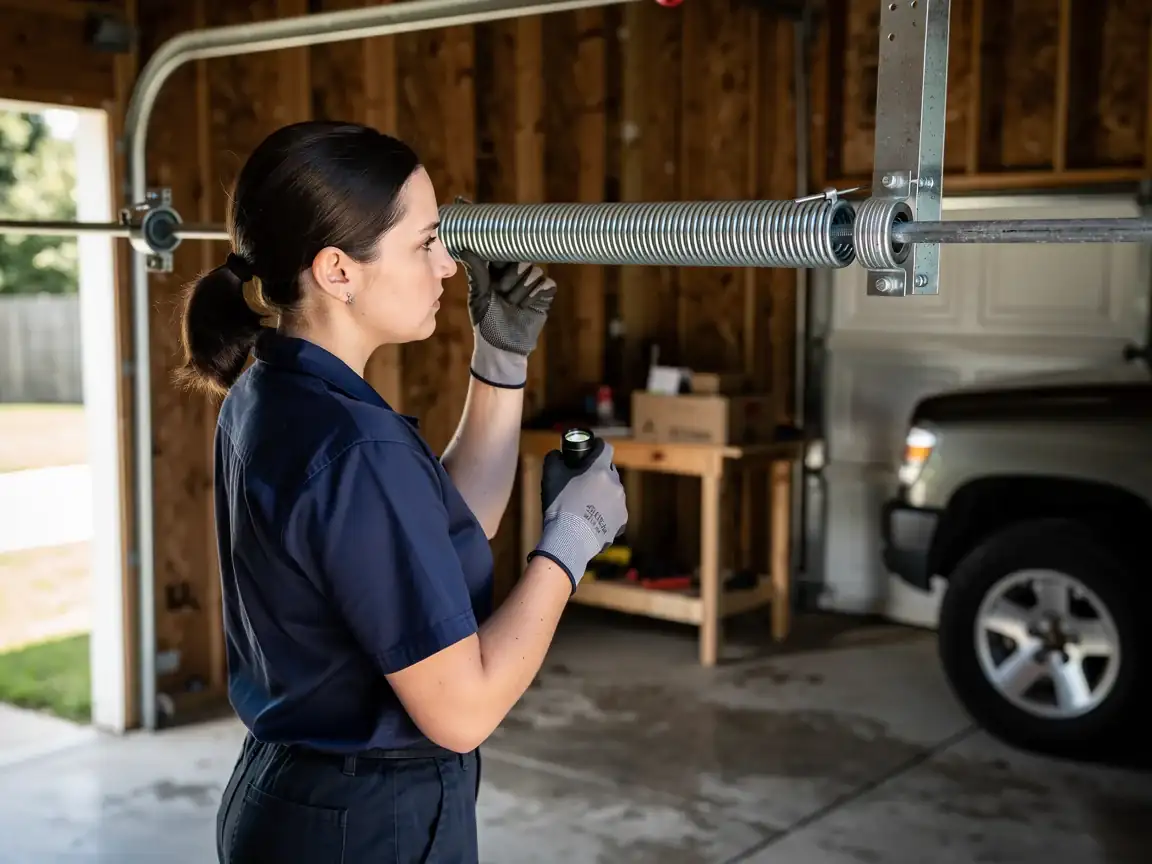
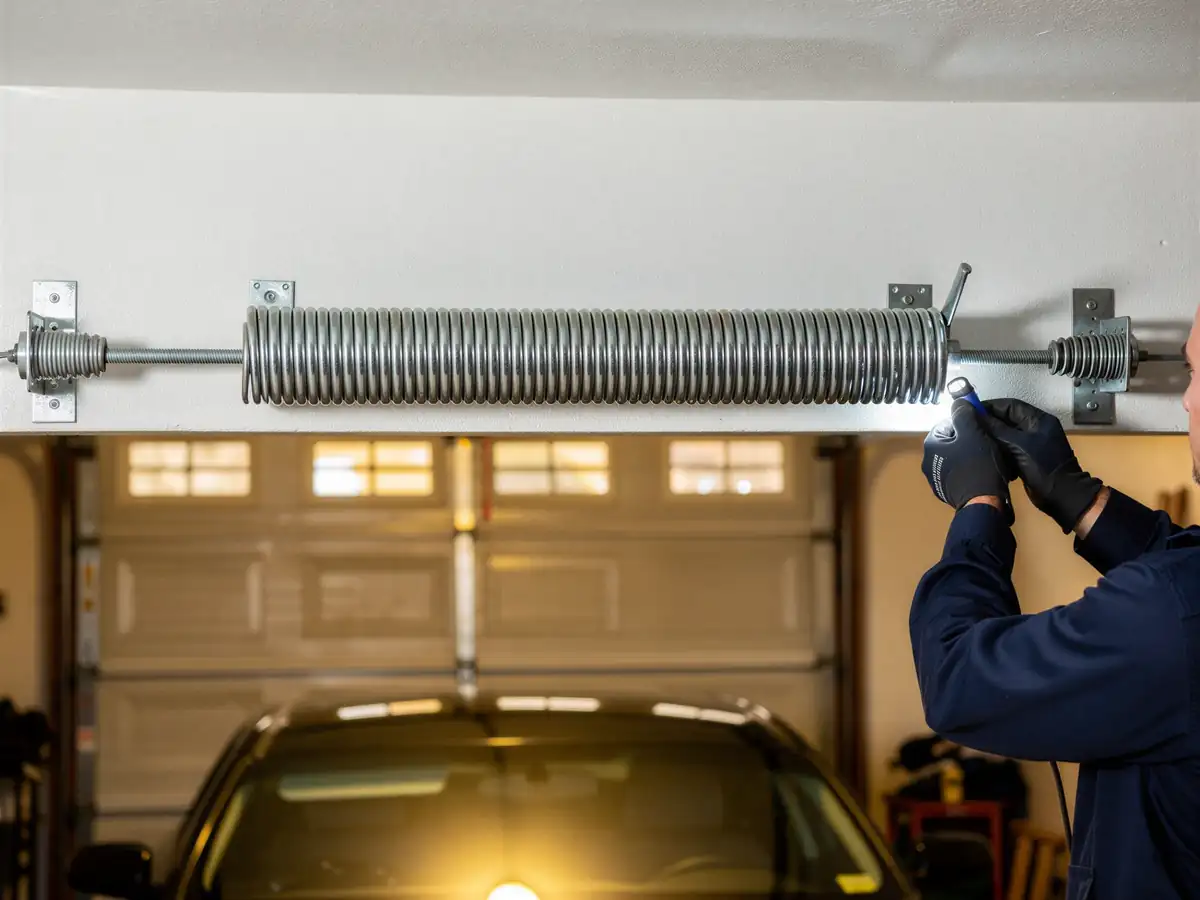
That last one is sneaky. A torsion spring loses tension gradually, and when one side of a two-spring system goes weak faster than the other, the door starts to tilt as it travels. The rollers on the weak side crowd the track edge. Nobody notices until the door catches and jumps the rail entirely.
We'll say plainly what we won't do: we don't recommend forcing a door back onto the track yourself if a cable has come off the drum or a spring is under tension. That's not a DIY alignment job, that's a trip to the ER waiting to happen. Straightening a plastic track bracket is fine to leave to us too - it's a five-minute job with the right clamp, and guessing at it with a hammer usually just moves the problem instead of fixing it.
How Local Conditions Play In
Brooklyn Park sits in a severe cold climate band, and that cold is doing more to garage door tracks than most people realize. Steel track contracts in deep cold, and the contraction is enough to change the clearance between roller and rail by a hair. On a track that's already slightly bowed or loosely bracketed from age, that hair of clearance is the difference between the roller riding true and the roller popping the lip on a cold morning.
Ice buildup at the bottom of the track does the same thing from a different angle - it stops the door from traveling its full, true arc, so the opener keeps pulling and something gives, usually at the weakest bracket. In a neighborhood built mostly in the 1980s and 90s, those brackets are the original ones.
We see more off-track calls in the first hard cold snap of the season than any other time of year, which tells you the hardware was already marginal and the cold just found the weak point.