What Most People Get Wrong
Most homeowners treat every garage door noise the same way: grab the WD-40, spray the hinges, done. That works fine for a squeaky hinge pin. It does nothing for the sounds that actually matter.
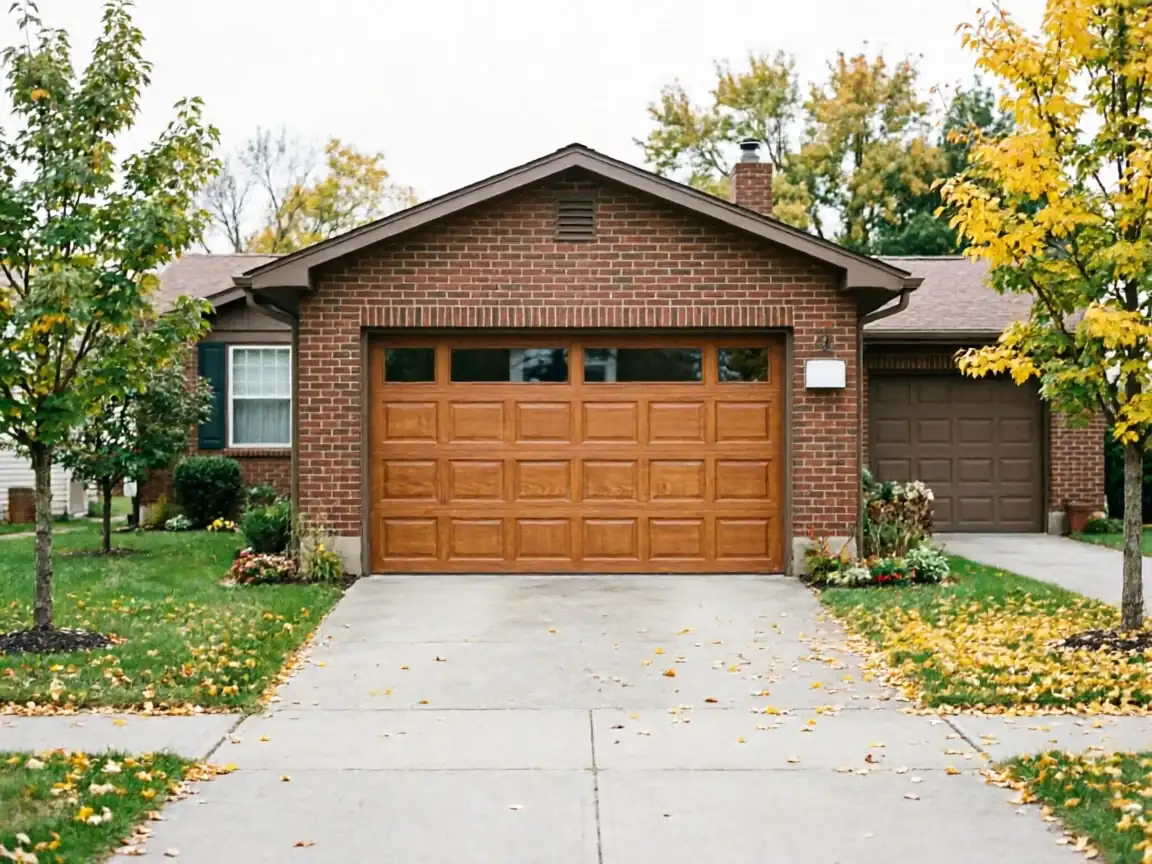
Houses across Brooklyn Park went up mostly between 1957 and 2007, with the median build year sitting around 1980, which means the hardware under these doors isn't one generation - it's at least three. A house from the late 1950s or 60s still running its original torsion spring setup makes a very different sound profile than a door installed during the 1990s building wave that filled out most of this area's neighborhoods. A low rhythmic thump on an older spring means something different than the same thump on a door ten years old.
The mistake is assuming a noise is cosmetic because it's not loud. A quiet, intermittent click from a cable drum is often the early warning stage of a failure that, three weeks later, shows up as a door that won't move at all. People lubricate the noise and move on, instead of asking which part is making it and how old that part actually is relative to when the house was built.
Leaving It Alone
Brooklyn Park sits in a climate band classified as severe cold
And cold is not neutral to a garage door. Steel brackets, torsion springs, and ball bearings all contract in low temperatures, and that contraction changes clearance and tension in ways that show up as sound before they show up as failure.
A noise that's been there all fall and gets worse the first hard cold snap of the year is not a noise to leave alone
In a severe cold climate, the temperature swing is what turns a slightly worn bearing into a seized one, and what turns a spring that's lost a little tension into one that snaps under the extra load cold steel puts on it. People wait because the door still opens. The door opening is not the test. The test is whether the noise is getting worse, and in this climate it usually is.
We'd rather get a call about a noise in November than a call about a door that won't open in January when the spring finally lets go under a full load of cold
Stiff steel.
The Problem
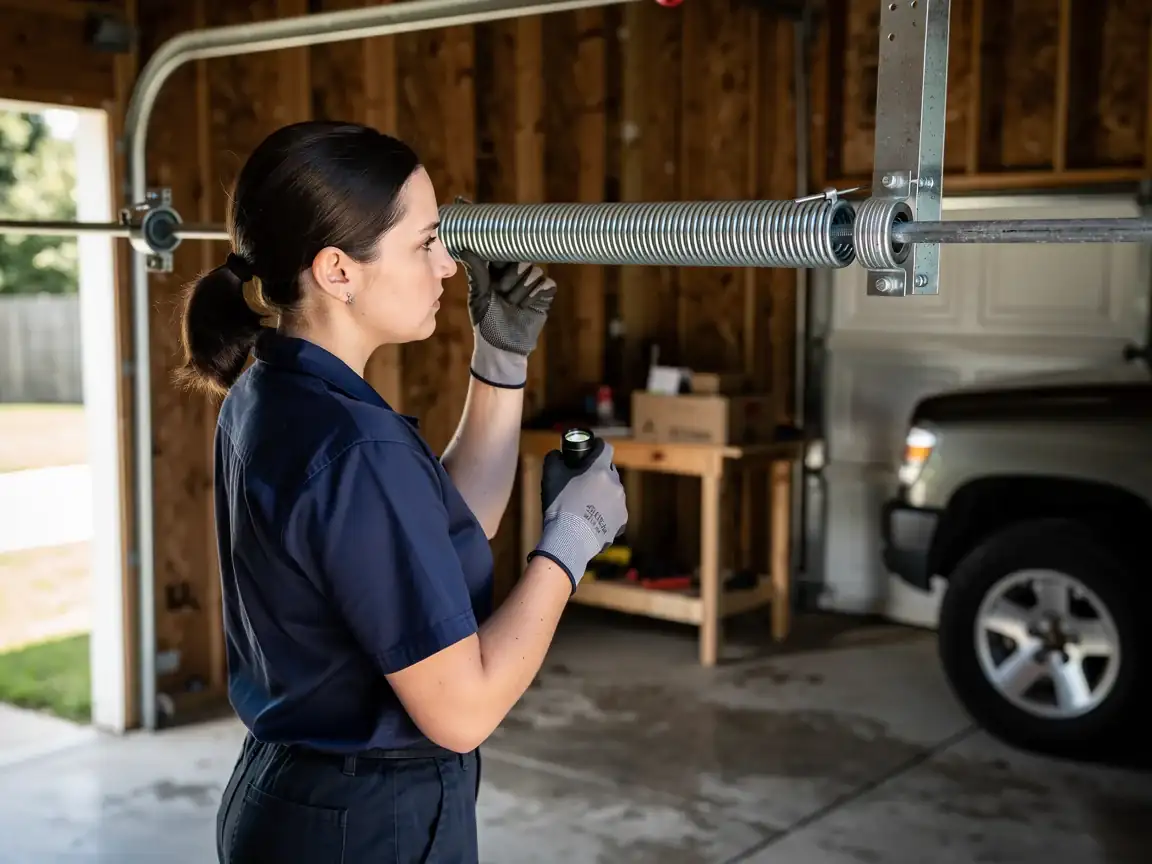
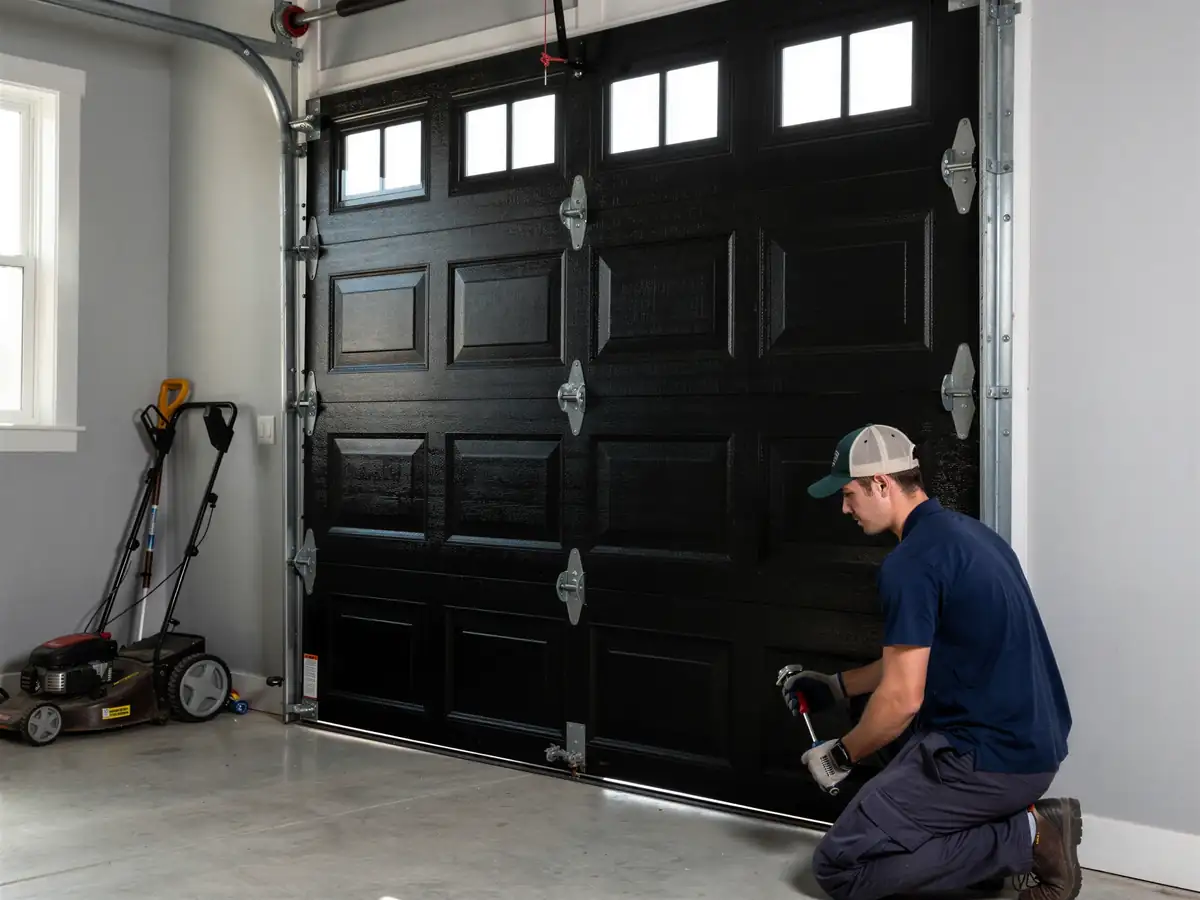
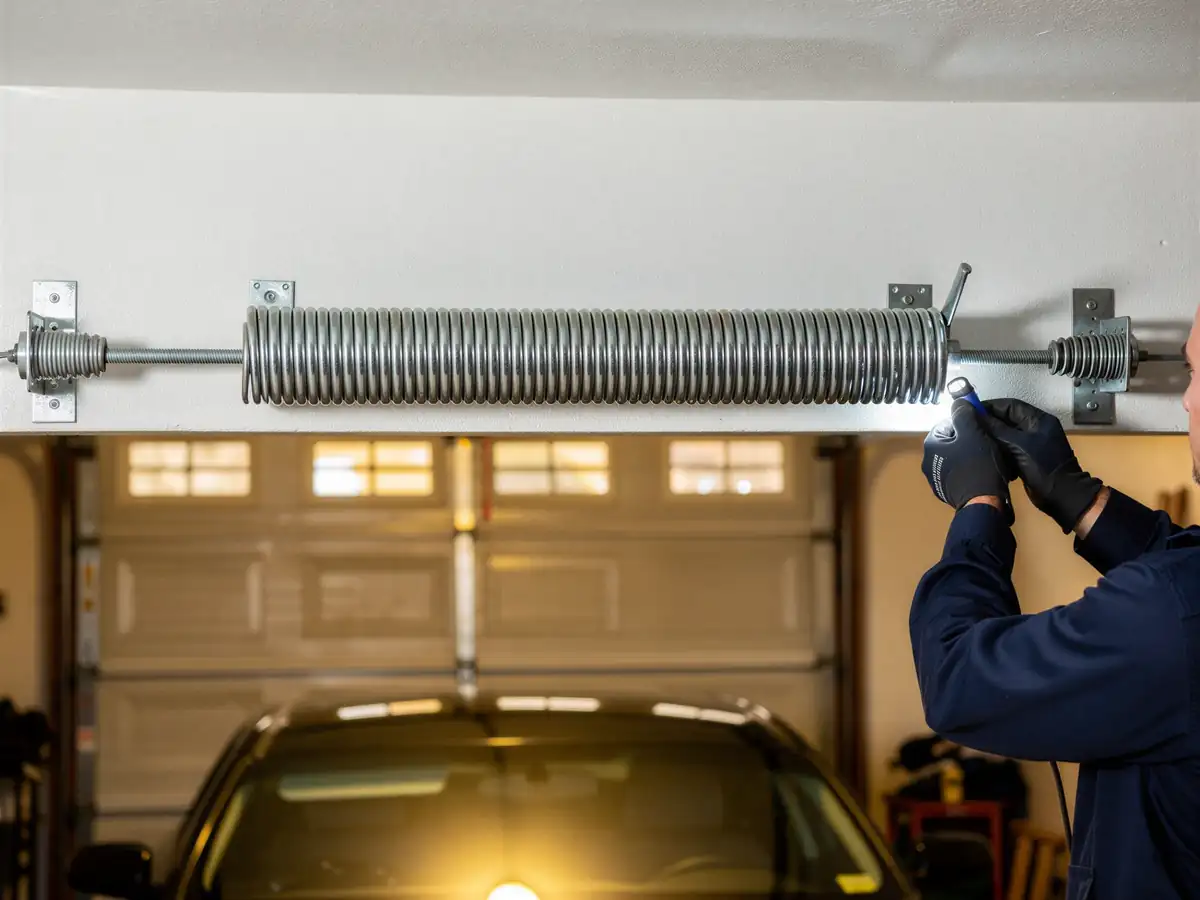
Different noises point to different parts, and in this housing stock the part you're hearing often tracks straight back to when the house was built. A grinding or scraping sound usually means worn rollers - common in homes from the 1980s and 90s wave that makes up most of the stock here, where steel rollers original to the install are now decades past their useful life. A sharp bang or pop, especially right as the door starts moving, is almost always a spring issue, and on houses from the 1957-2007 range, a lot of those original or first-replacement springs are now well past their rated cycle count.
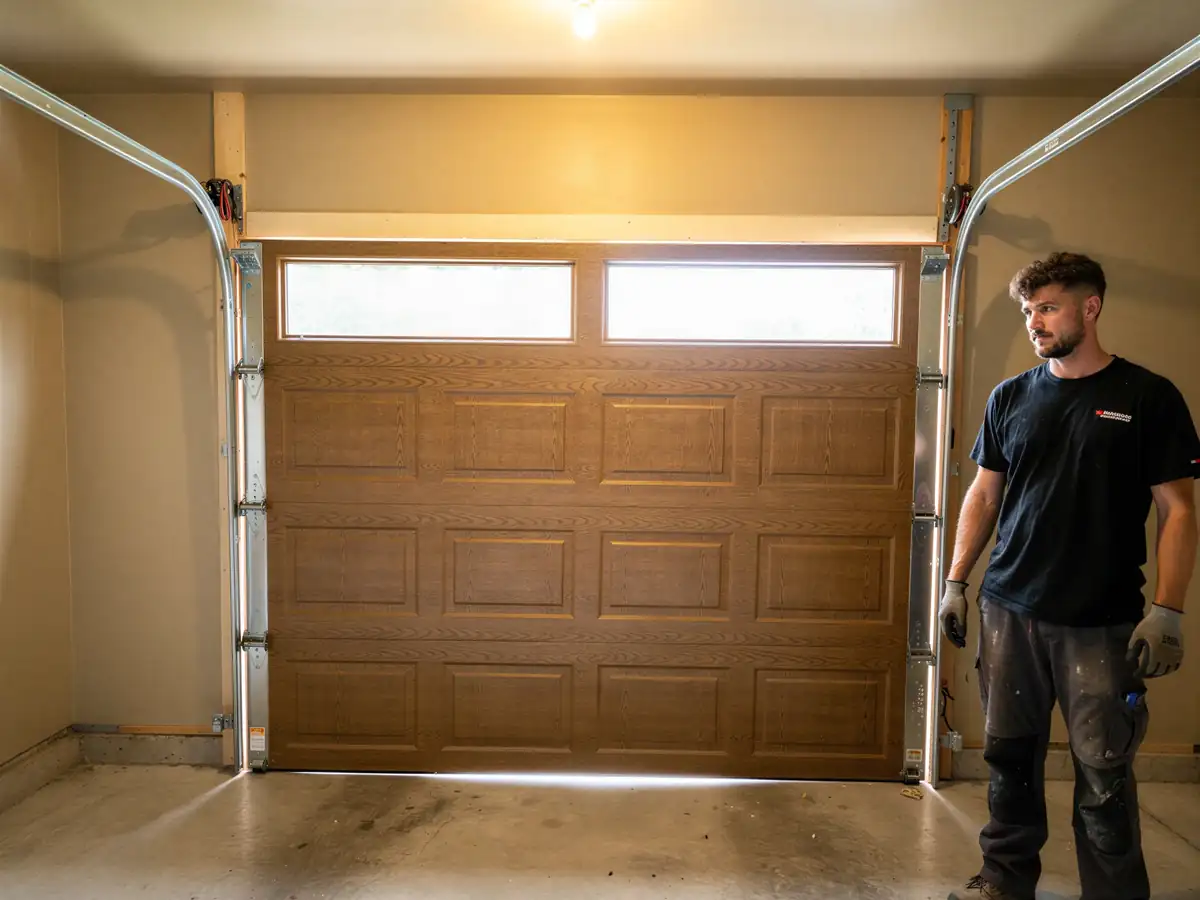
A rattling track usually means loose mounting hardware, which shows up more in older framing that's settled over fifty-plus years than in newer construction. A whining or straining motor sound, particularly on cold mornings, often points to gearbox grease that's thickened enough to make the opener work harder than it should.
Here's the limitation: we can tell you a lot from a description over the phone, but we won't quote spring or cable work sight unseen. Those jobs carry enough risk that we need to hear and see the door before we commit to a price.
How Local Conditions Play In
The severe cold classification for this area isn't just a label - it's the reason certain noises show up on a schedule. Metal doesn't behave the same at 20 degrees as it does at 70, and a door that's been quiet all summer can start popping the first week temperatures drop, simply because the spring's steel has contracted and the tension calculation that held all summer no longer holds.
Across the 58 named areas this service area covers, the stock is mostly 1980s and 90s construction, which means a huge share of doors in this region share the same generation of hardware and are hitting end-of-life on springs and bearings around the same calendar window. That's not a coincidence - it's steel fatigue plus consistent cold cycling, year after year, on parts installed at roughly the same time.
If your door is making noise now, in the cold, on a house built anywhere in that 1957-2007 range, you're not imagining a problem. You're hearing one that this climate and this housing stock are actively working to create.