This Area's Housing
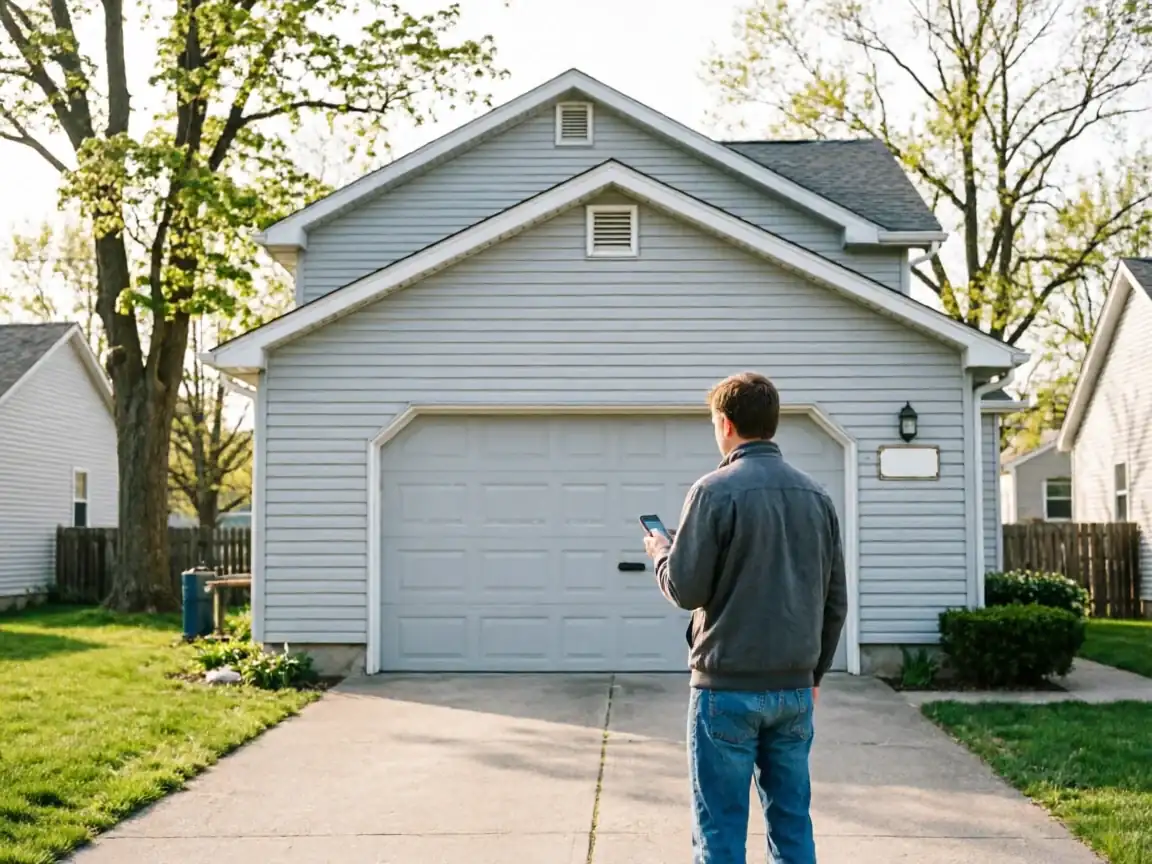
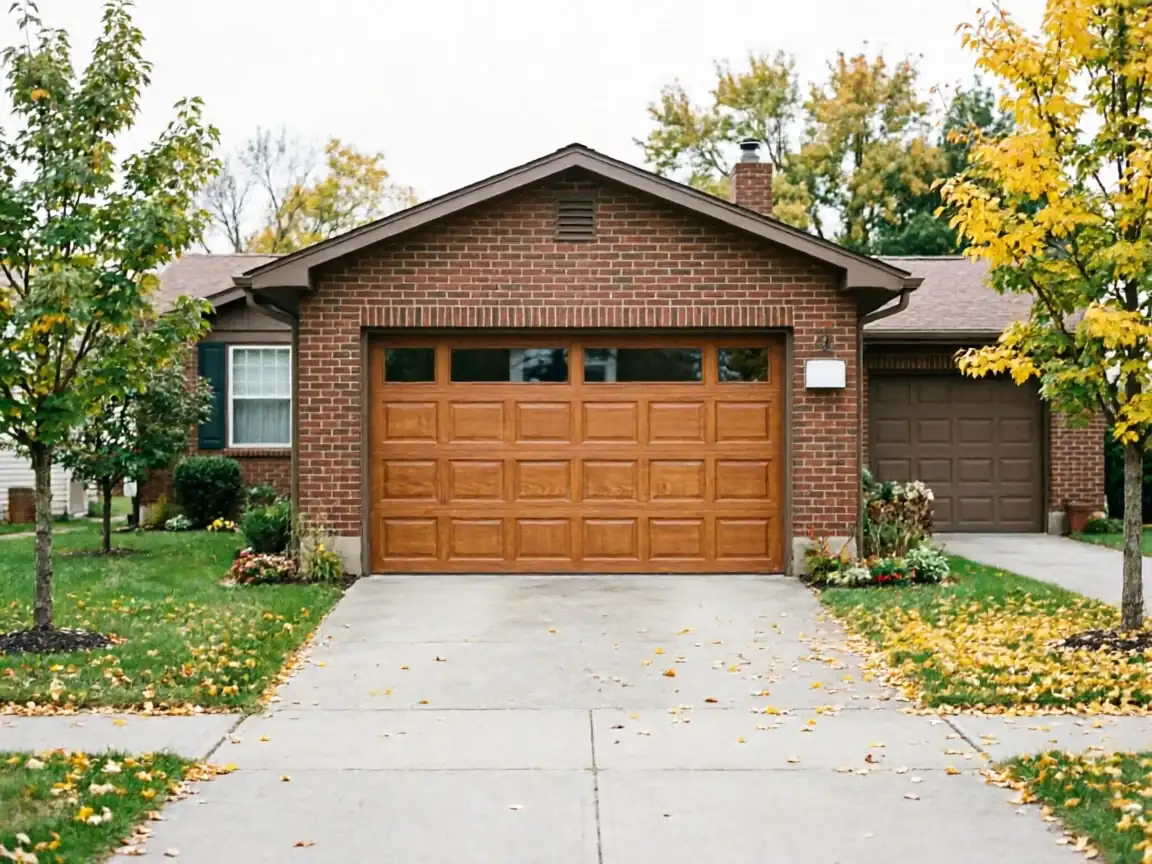
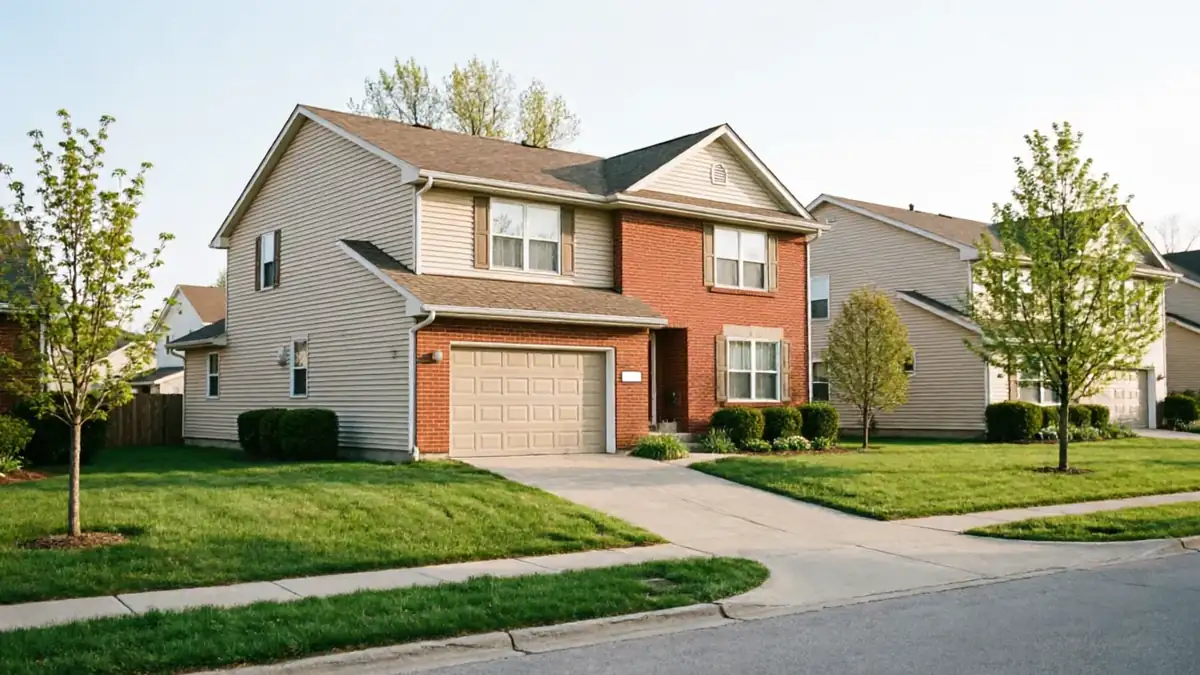
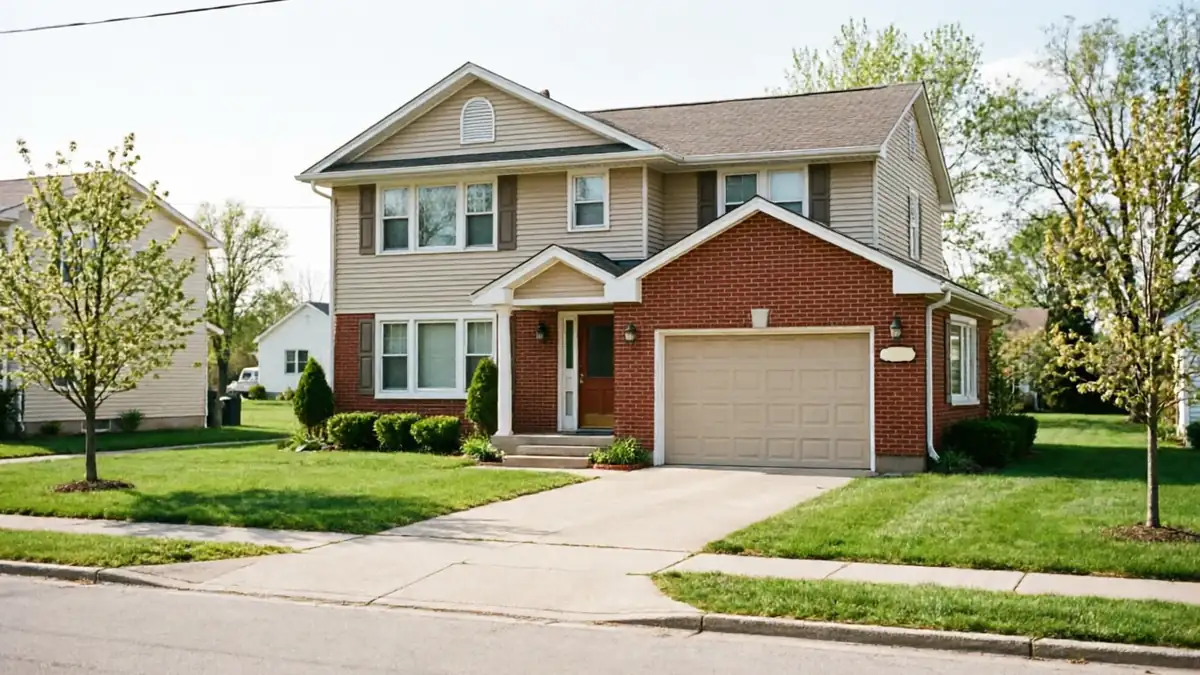
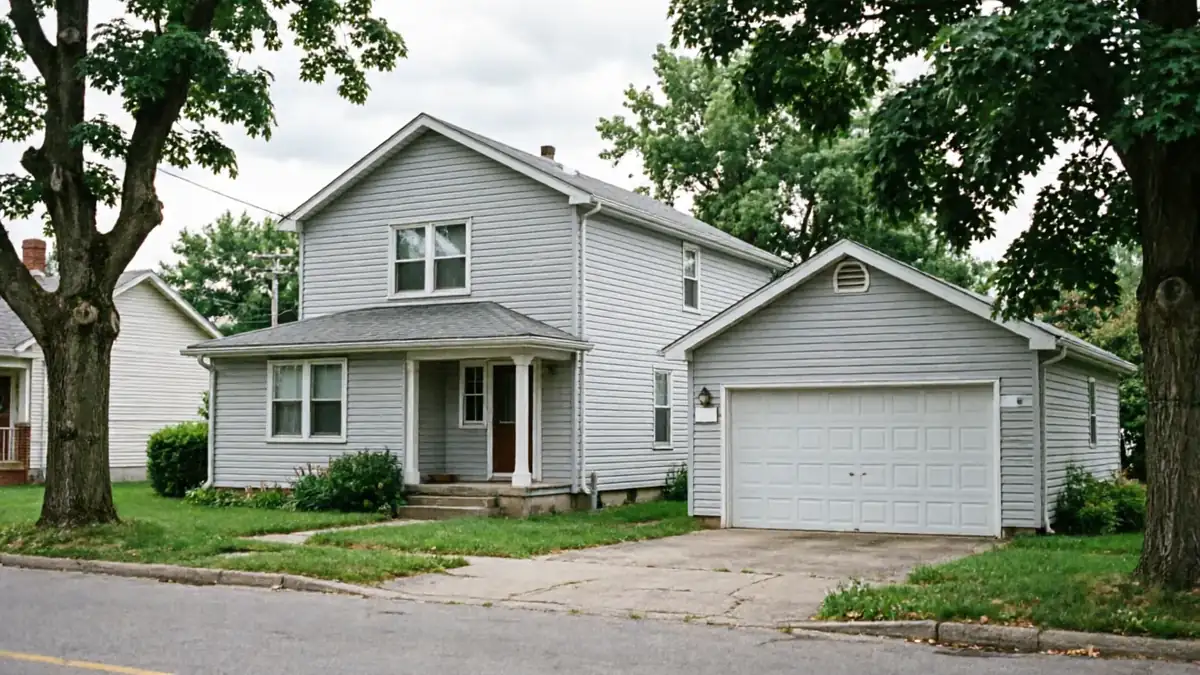
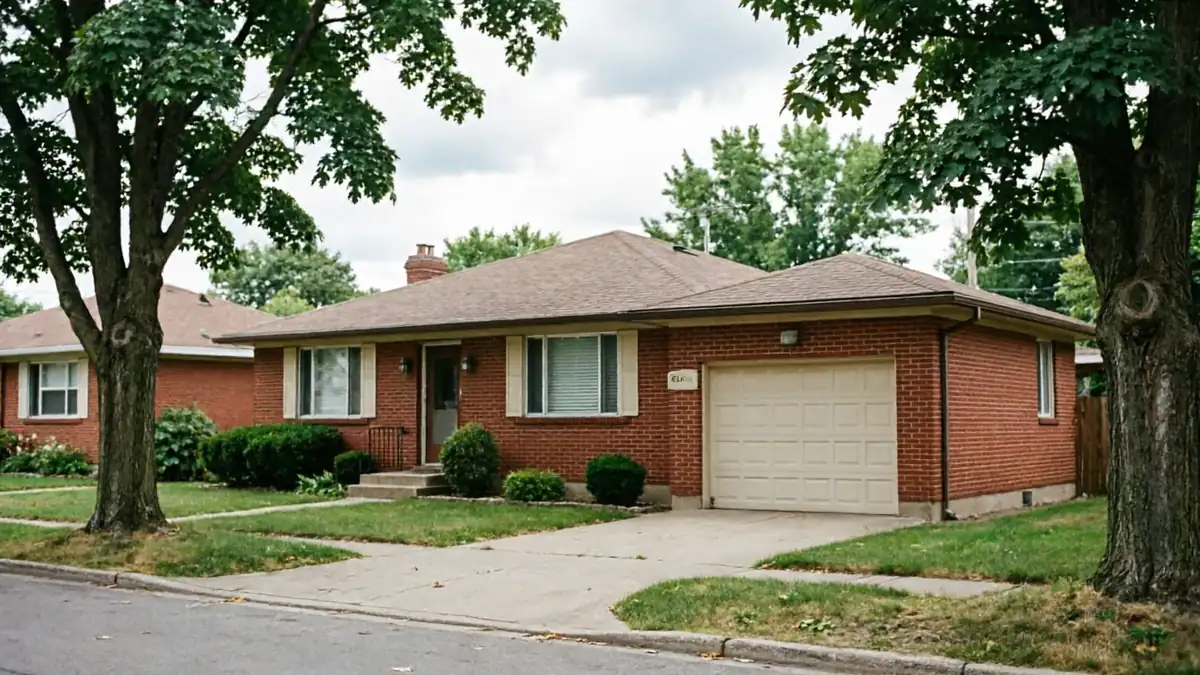
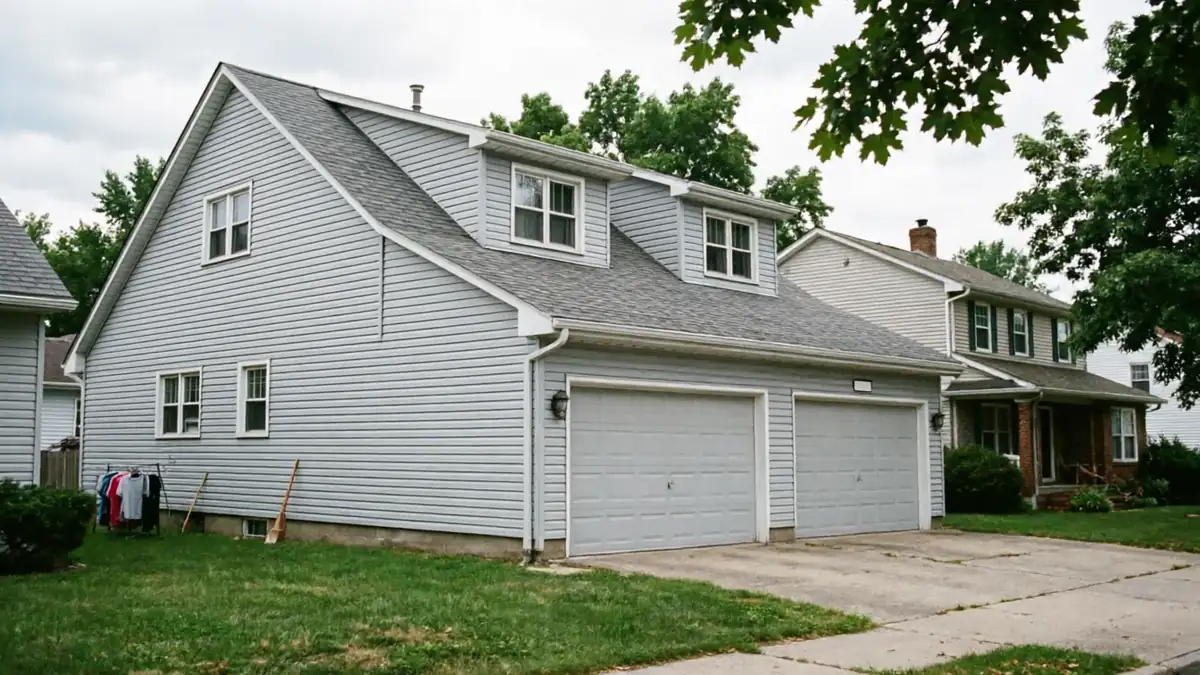
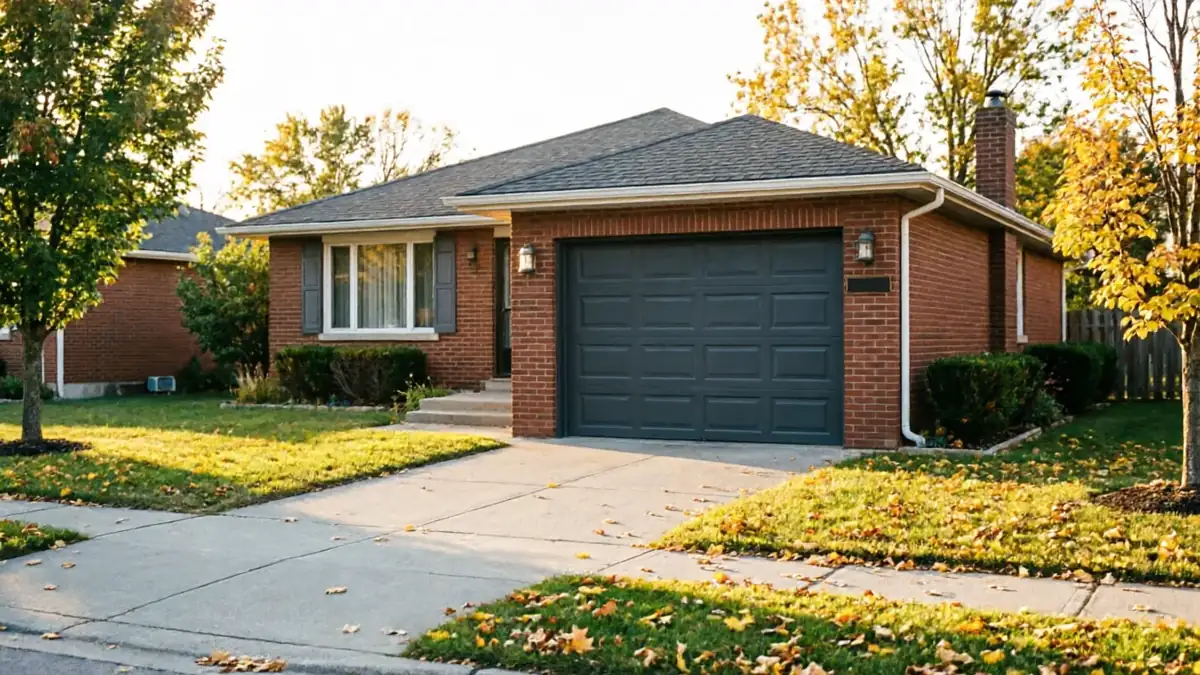
Champlin sits about 5 miles from our shop in Brooklyn Park, and the houses here tell a different story than the rest of our coverage area. The typical home here was built around 1988, a decade of steady growth when a lot of split-levels and two-story colonials went up with attached garages built to the code of that era. Across the full service area we cover, the housing stock runs from 1957 to 2007 with a median around 1980, so Champlin sits a notch newer than that regional midpoint. With 8,699 households in this area, there's a fairly tight cluster of homes that all got their garage doors and openers around the same few years, which matters when parts start wearing out at the same time across a neighborhood.
Median household income here runs about $115,719, a bit above the $110,833 median for the broader area we serve. That doesn't change how a torsion spring fails, but it does shape what people tend to ask for when a door needs real work - more homeowners here go ahead and replace an aging opener instead of patching it one more time.
The Split Between Old and New
Because Champlin's housing clusters tighter around 1988 than the wider service area's 1957-2007 spread
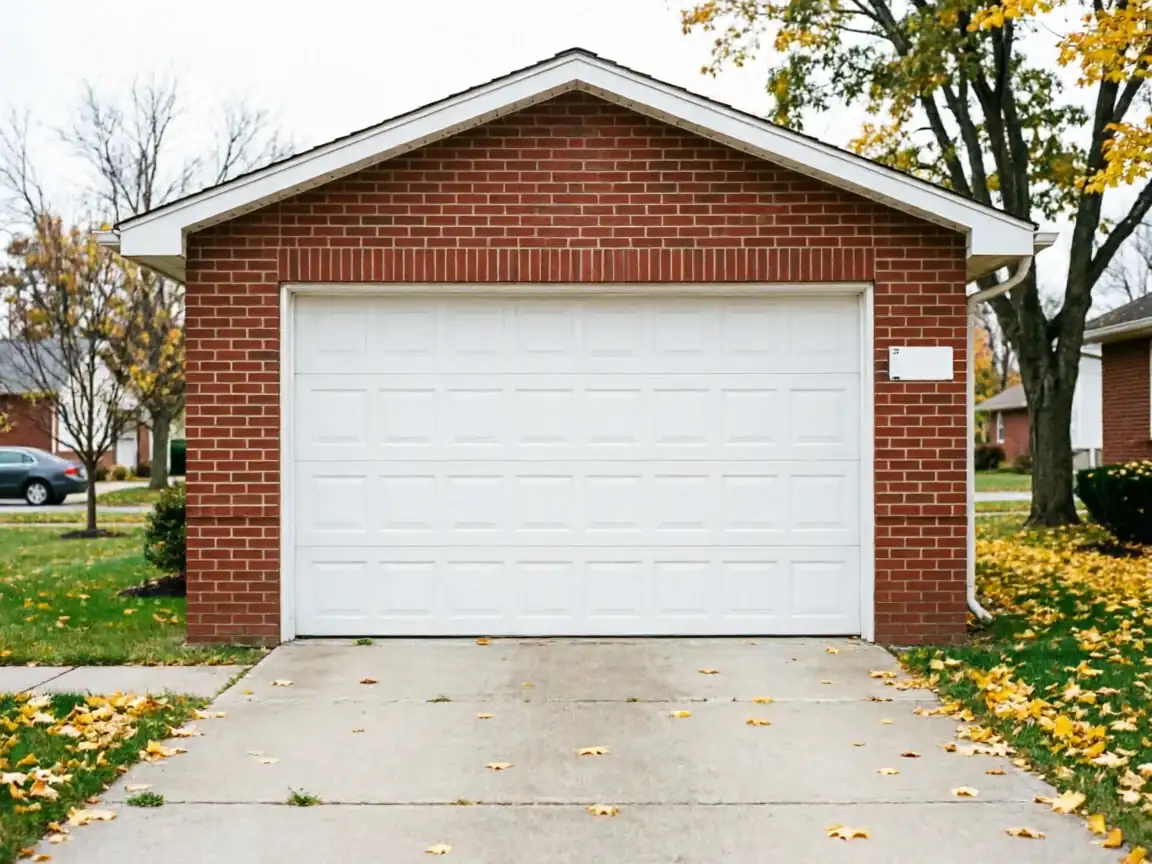
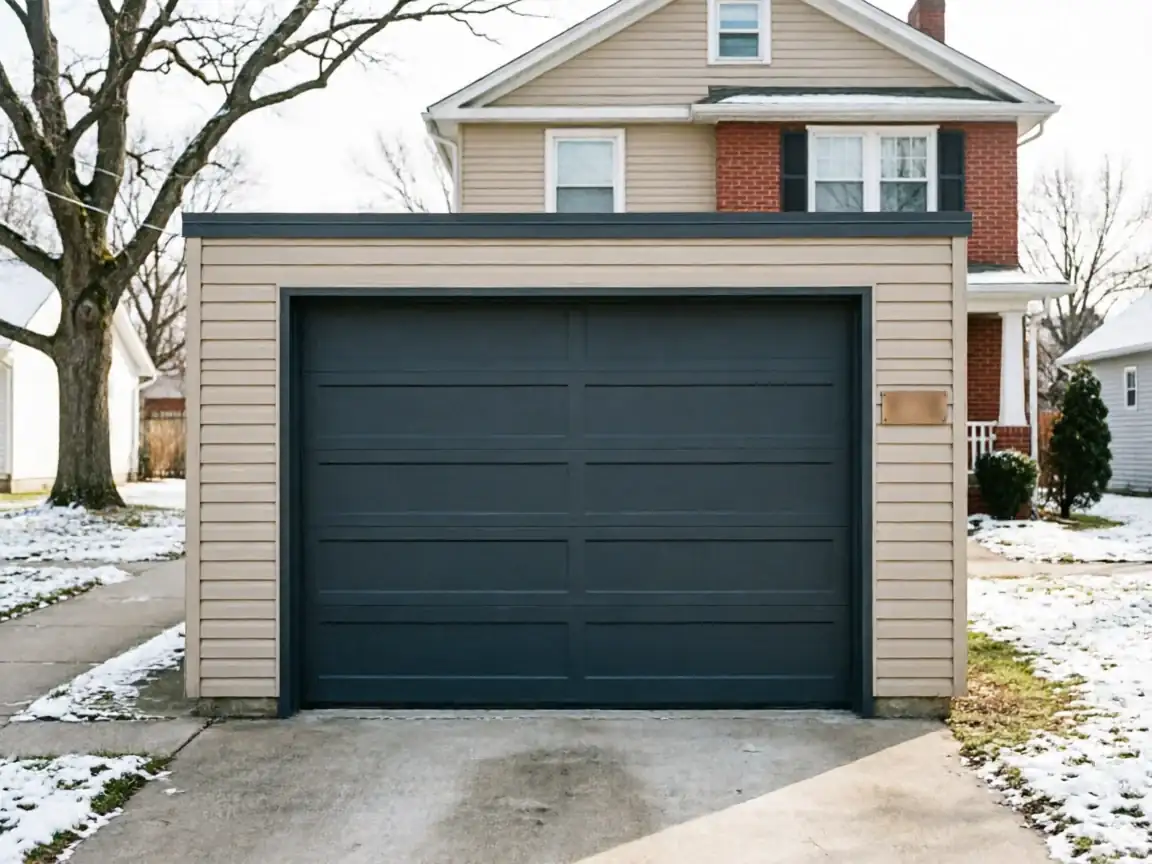
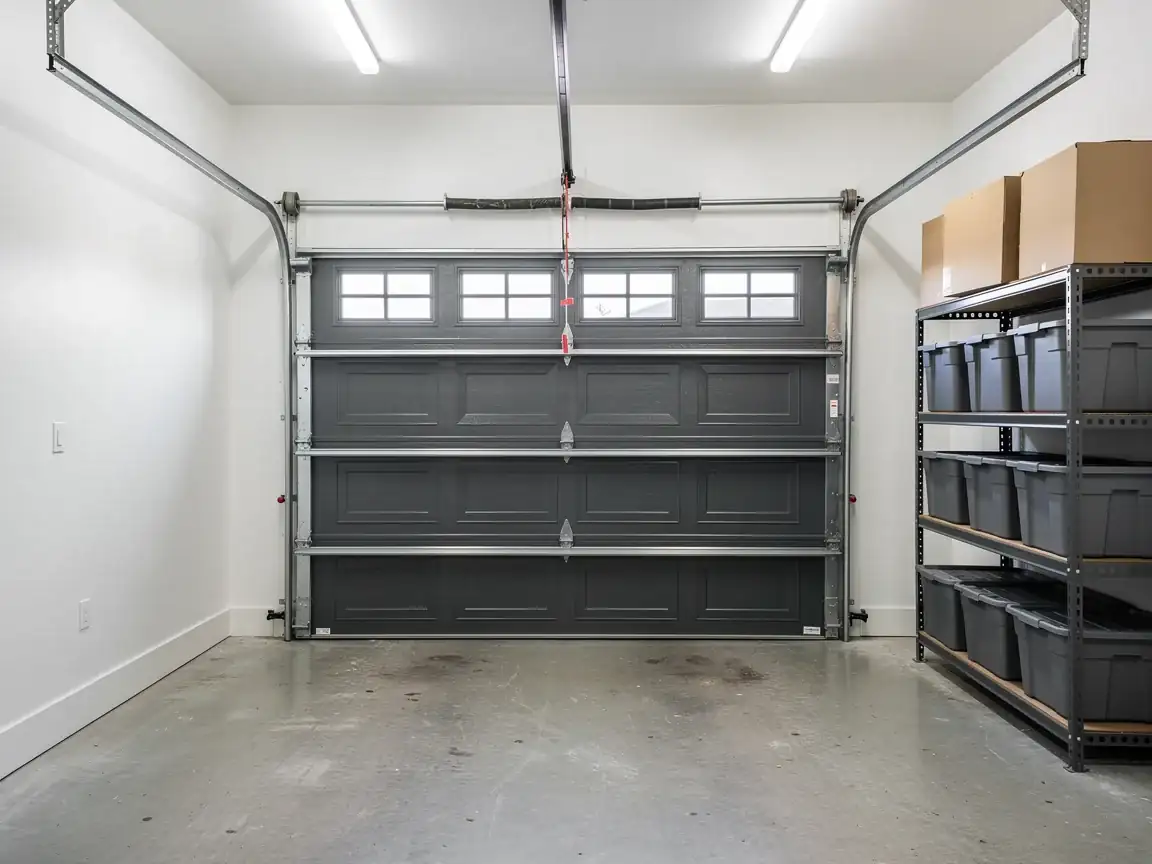
You don't see the same mix of eras here that we run into closer to the older parts of Brooklyn Park or in some of the pre-1960s pockets scattered through the territory. Most garages we work on in Champlin have steel sectional doors from the late '80s or '90s, often still on their original torsion springs if nobody's touched them, paired with chain-drive openers that are well past the age where a belt-drive upgrade starts making sense.
The practical split isn't old versus new construction so much as original hardware versus anything that's already been swapped once
A door from 1988 that's never had a spring replacement is carrying 35-plus years on steel that was only ever rated for so many cycles. That's the line we're watching for on most calls out here - not whether the house is old, but whether the door is still running what it shipped with.
What That Means for Doors
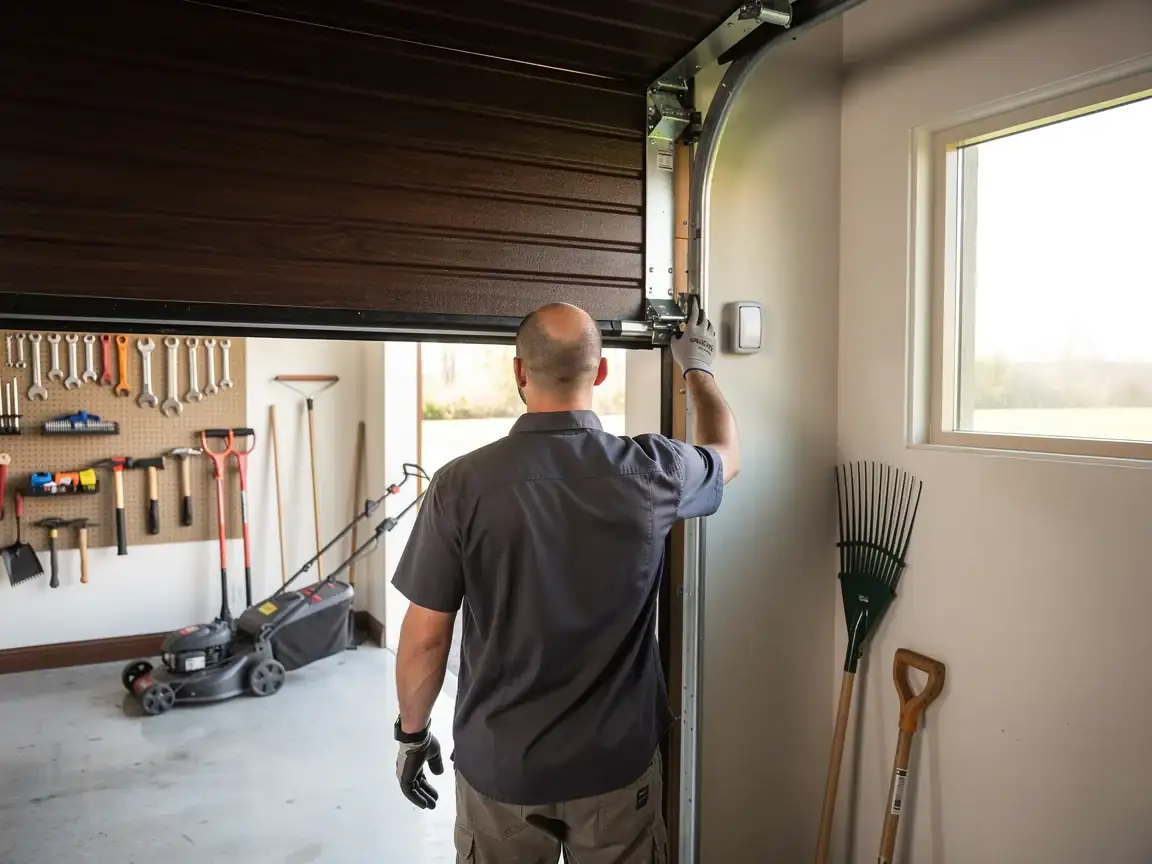
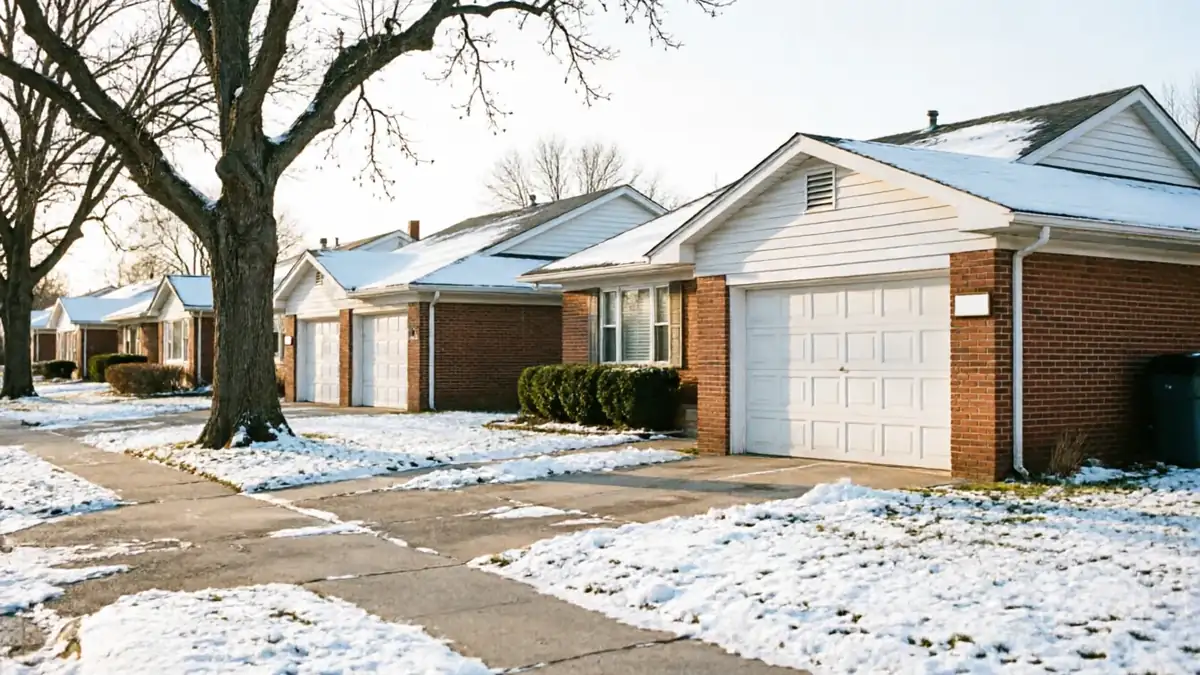
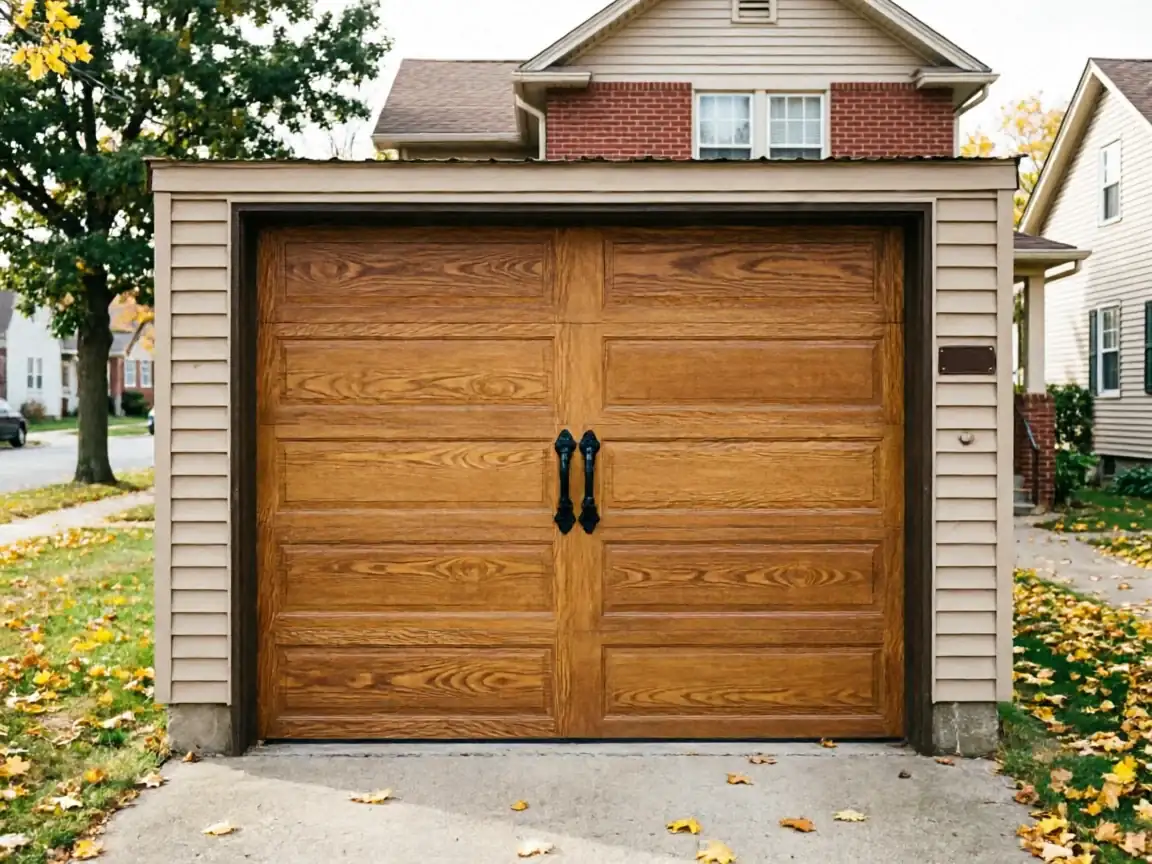
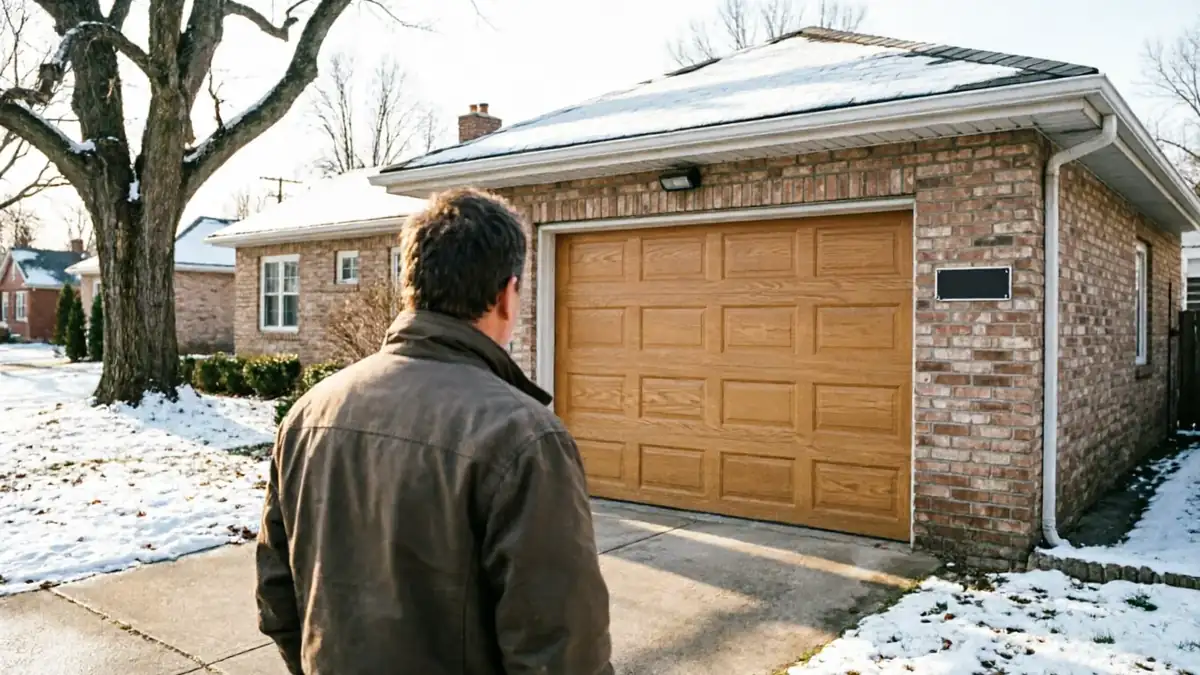
A door built to late-1980s spec in a cold-climate region like this one wasn't made with today's insulation standards in mind. We're in a severe cold climate band, and a lot of the panels from that period are single-layer steel with little to no foam core, which means the garage runs noticeably colder in January than a comparably sized garage with a modern insulated door. That affects more than comfort - cold steel contracts, hardware stiffens, and rollers that were fine in August start binding in February.
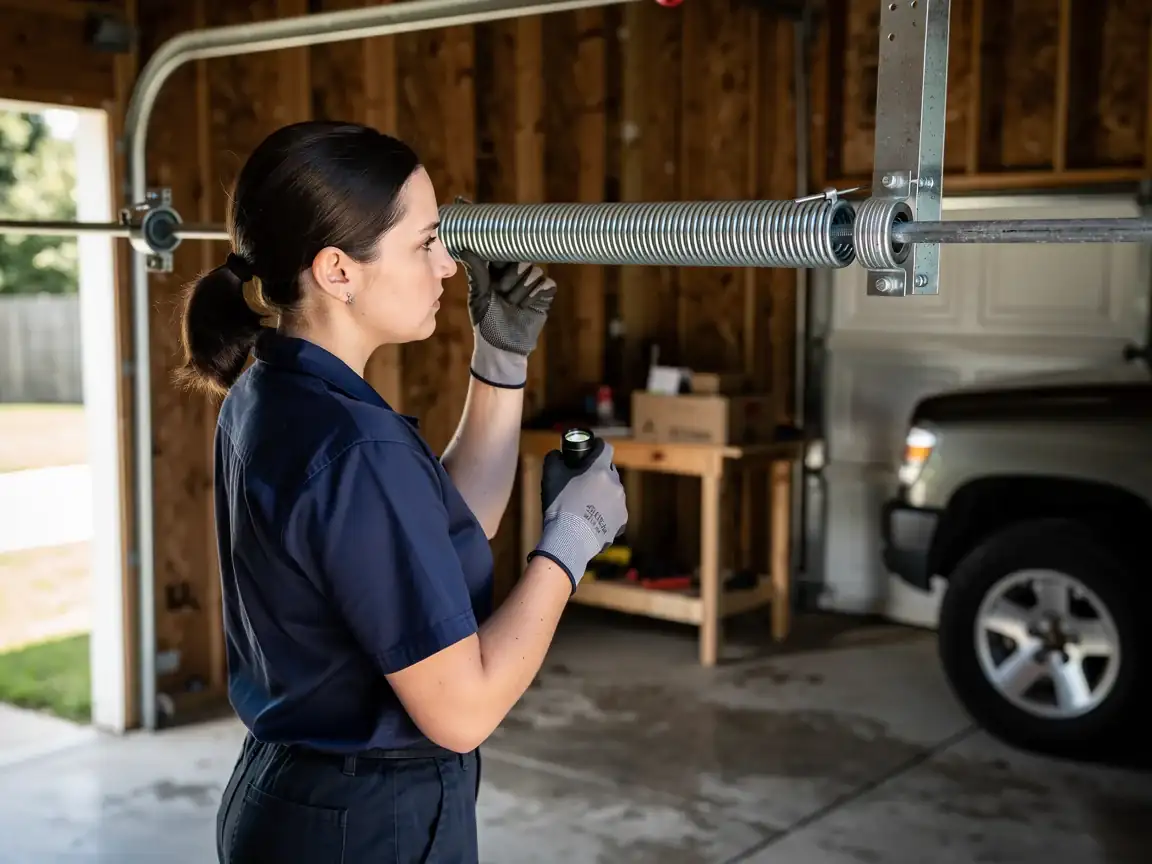
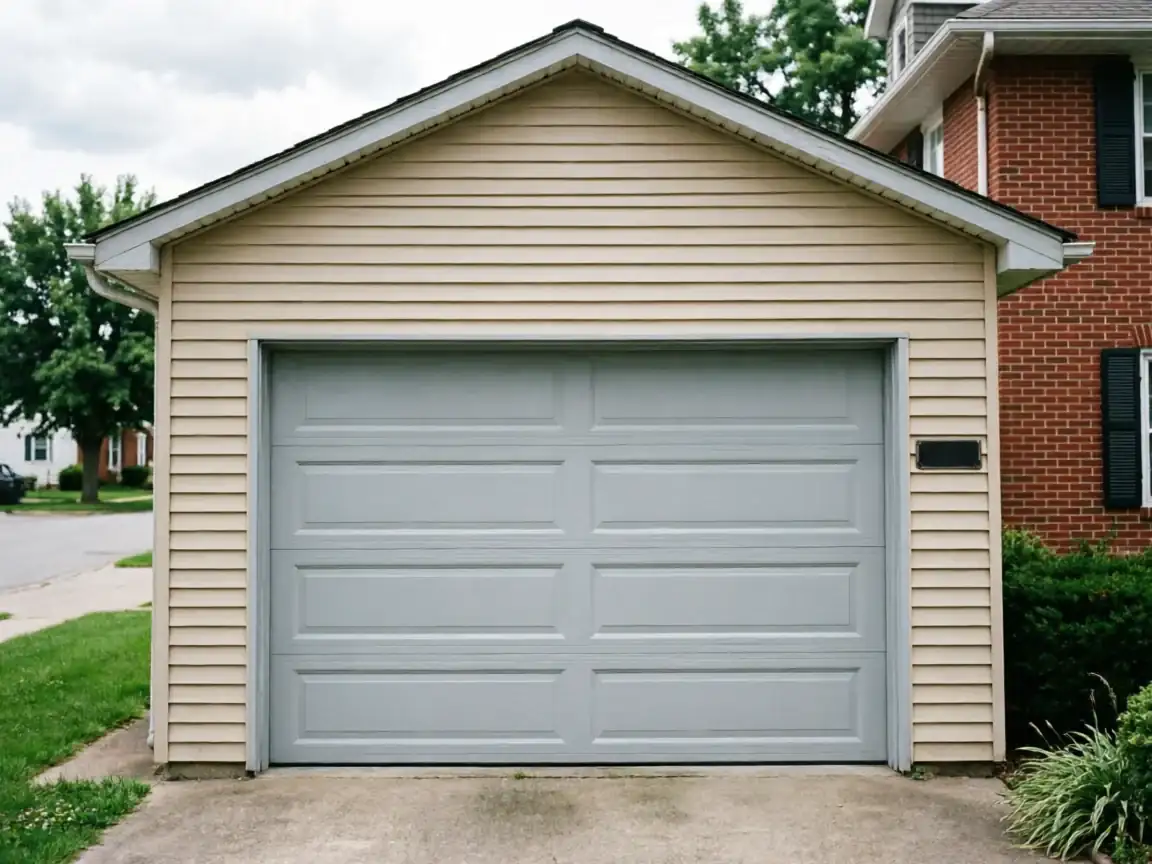
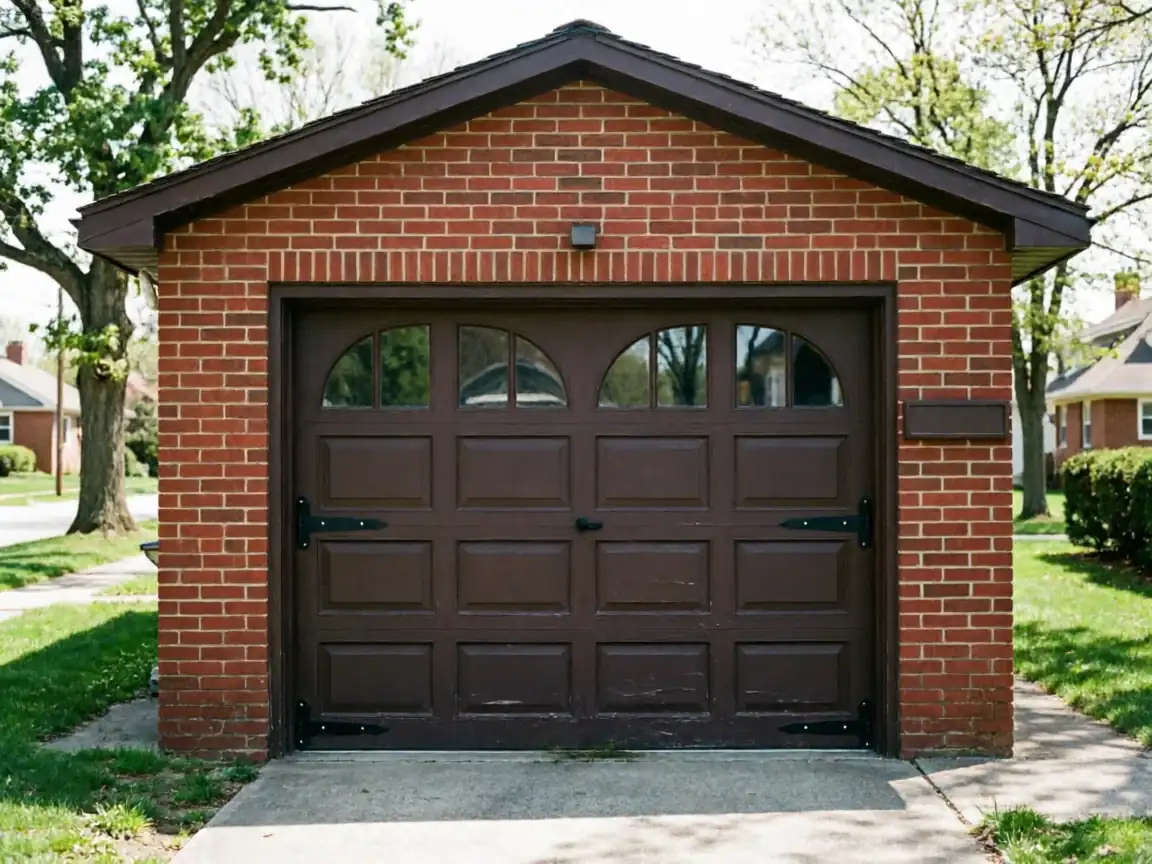
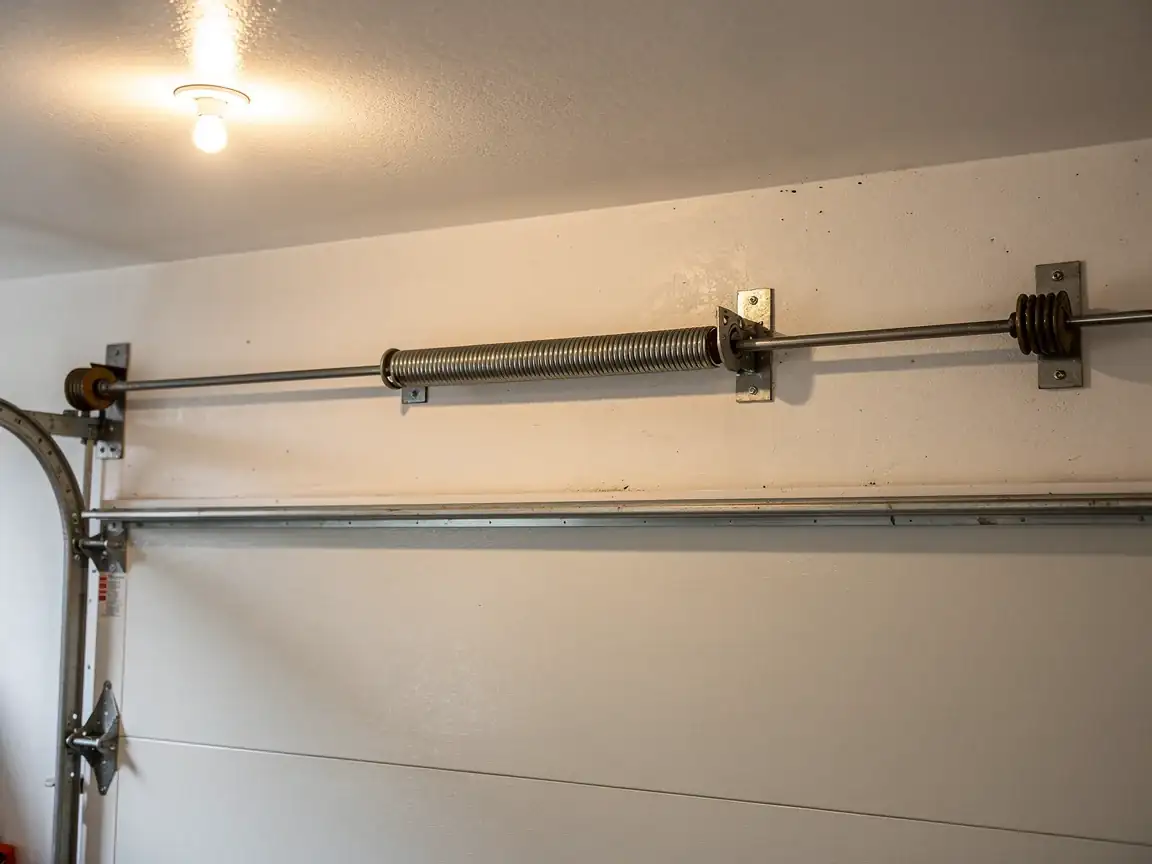
The other thing we see consistently on 1988-era doors: galvanized torsion springs that have never been replaced are now well beyond their rated cycle count, and extension spring setups on older single-car garages are often missing the safety cables that became standard practice later. We don't recommend patching a spring system that old just to save a service call - once one spring on a pair is near failure, the other usually isn't far behind, and replacing both is the honest call. We don't do full structural garage conversions or framing work, so if a door opening itself needs rebuilding rather than a door swap, that's outside what we take on.
How Soon We Can Come Out
We run out of Brooklyn Park, about 5 miles from Champlin, and that's a short enough haul that it doesn't add much to a visit. We don't keep a separate depot or crew stationed in Champlin - every job here starts with a truck leaving our shop - so exact arrival windows depend on the day's schedule rather than a fixed local response time we can promise in writing.
What we can tell you is that 5 miles is close enough that Champlin calls slot in easily alongside the rest of our route on a given day. If you've got a spring that's already snapped or a door stuck halfway up, call and we'll tell you straight where that fits into the day rather than guessing at a number that doesn't hold up.