What Is on the Truck
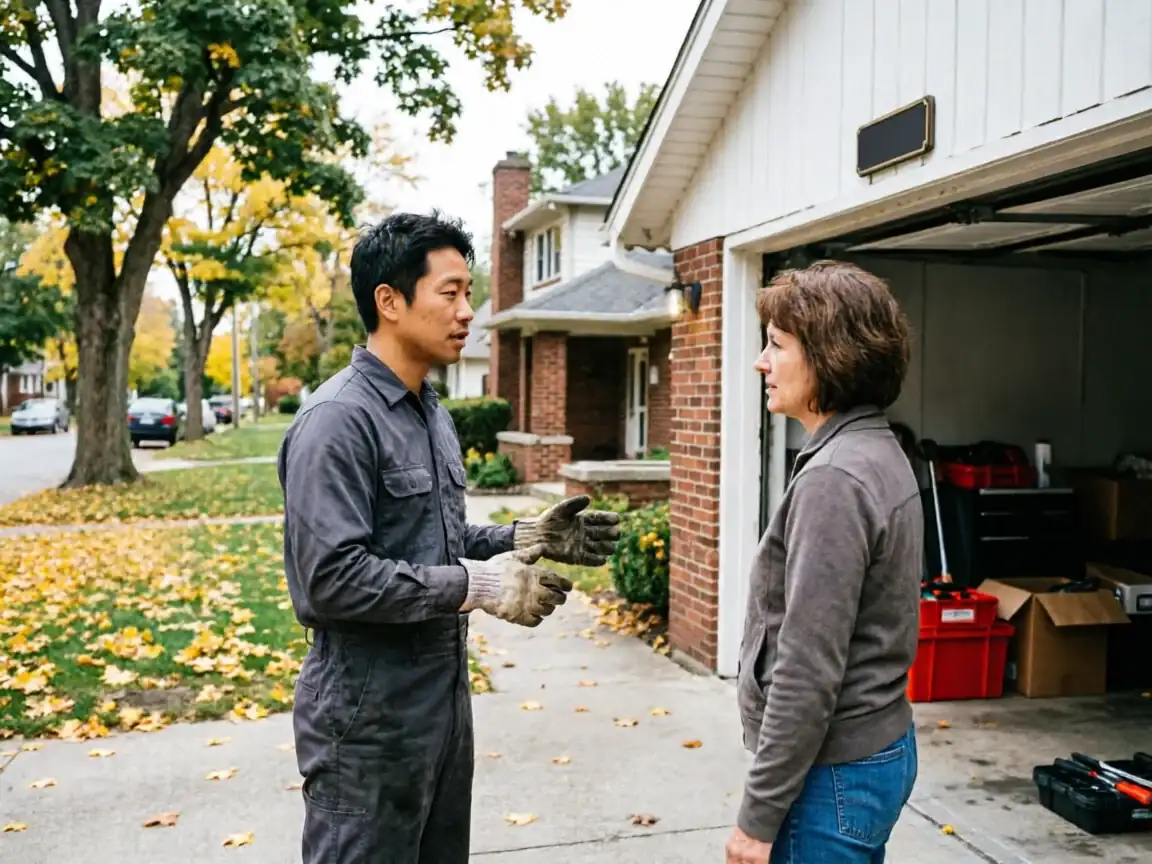
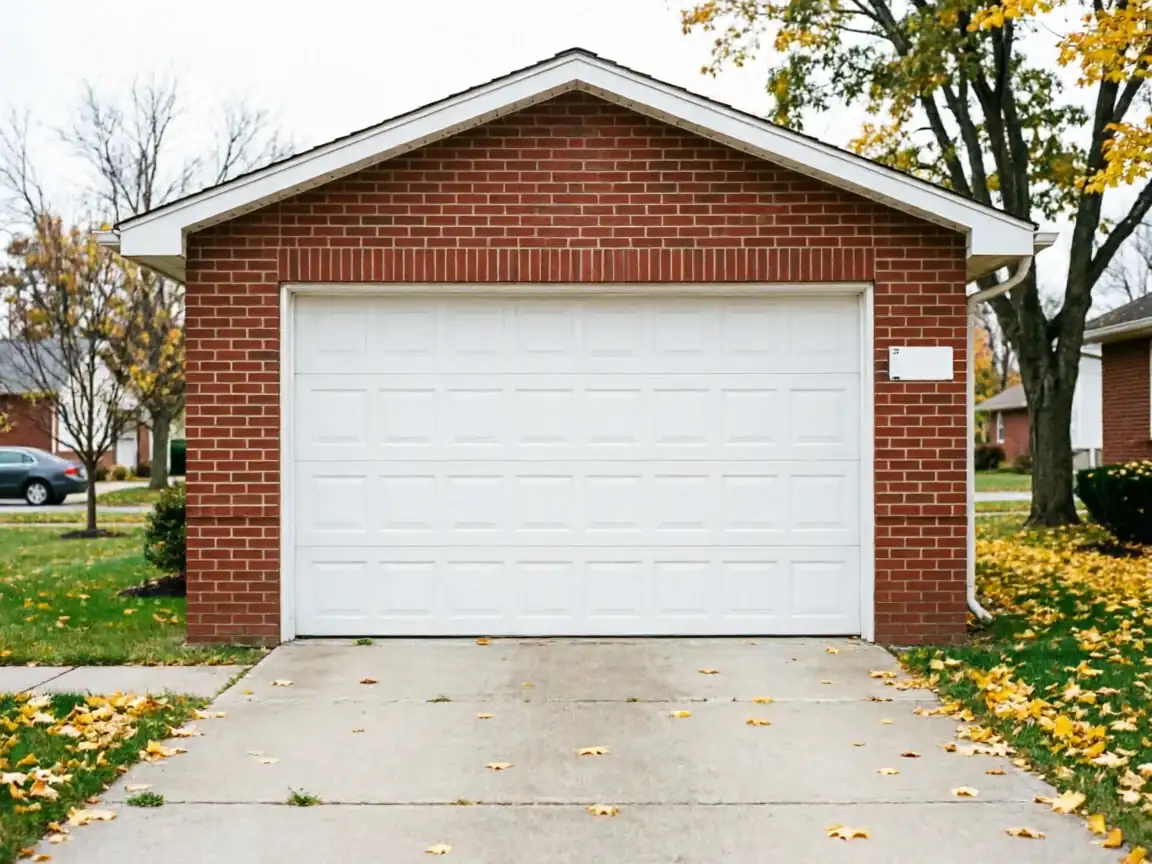
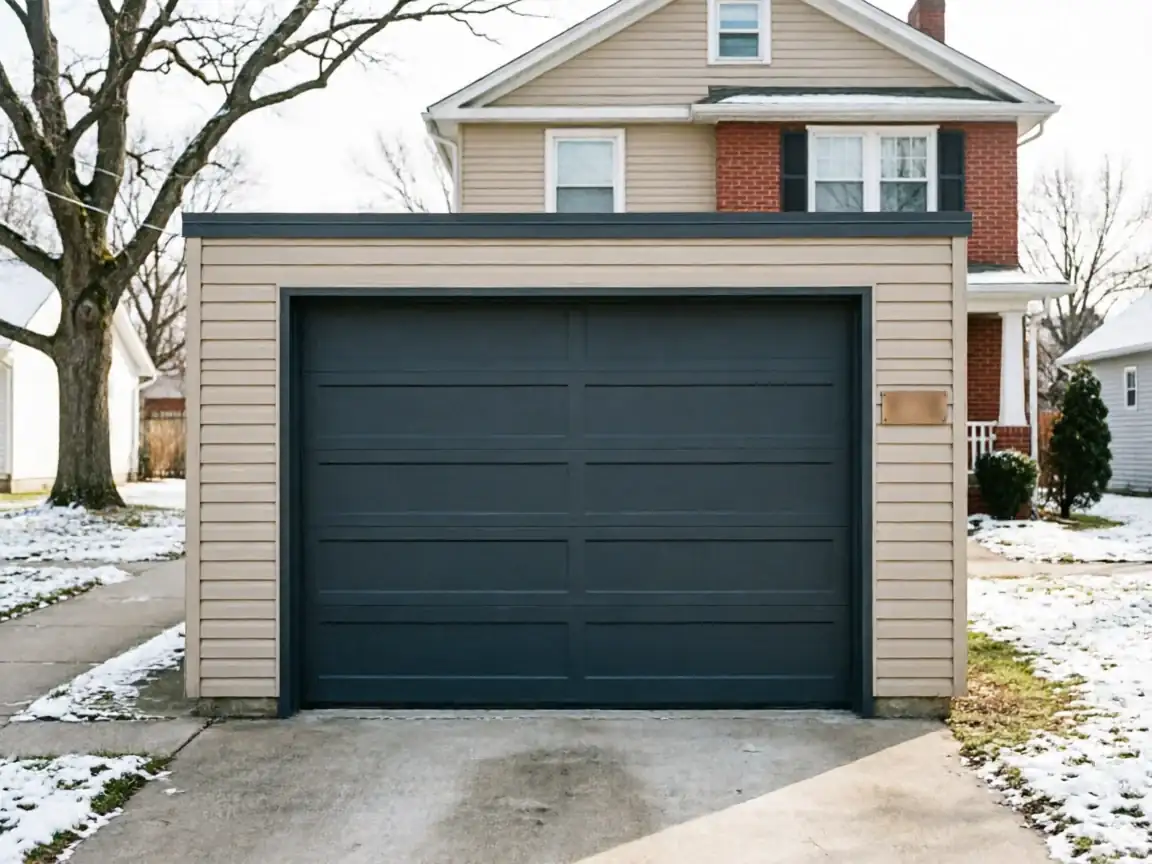
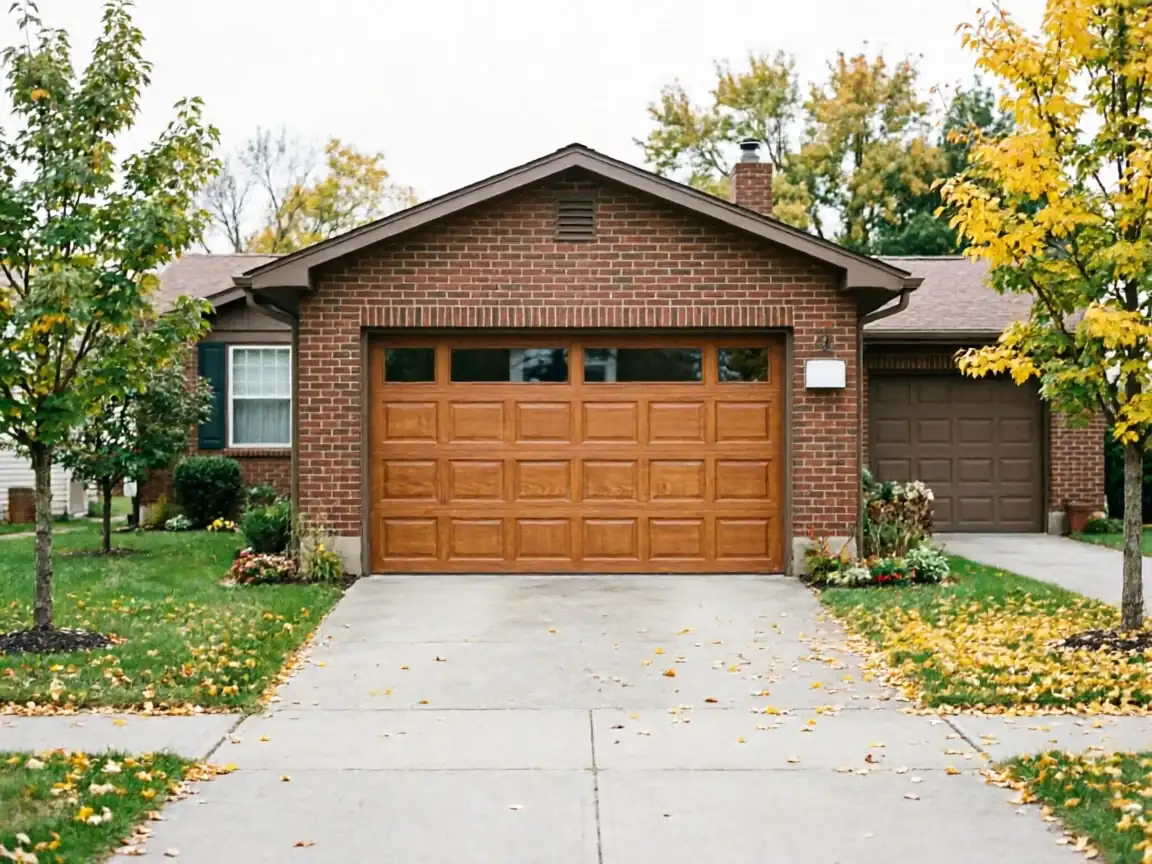
Brooklyn Center sits three miles from our Brooklyn Park base, close enough that a maintenance call here doesn't turn into a half-day trip, and close enough that we can carry the same stock we'd bring to a call two streets over. That matters because the housing here skews older than a lot of what we see elsewhere in the service area - Brooklyn Center's median year built runs around 1962, well ahead of the 1980 median across the wider area. A truck heading to this town carries more original-spec torsion hardware, more drums and cable sized for doors that have been on the same track for sixty years, and more lubricant rated for cold, because this whole region sits in a severe cold climate band that is hard on garage door steel and seals alike. We're not guessing what to bring; the housing age tells us.
The short drive also means less of the visit gets eaten by travel, which is worth mentioning since it's the kind of detail that gets left off most maintenance pages. It doesn't change what the job costs, but it does mean we can usually get here the same week a call comes in.
Doing It Yourself
A homeowner can do real maintenance here without tools
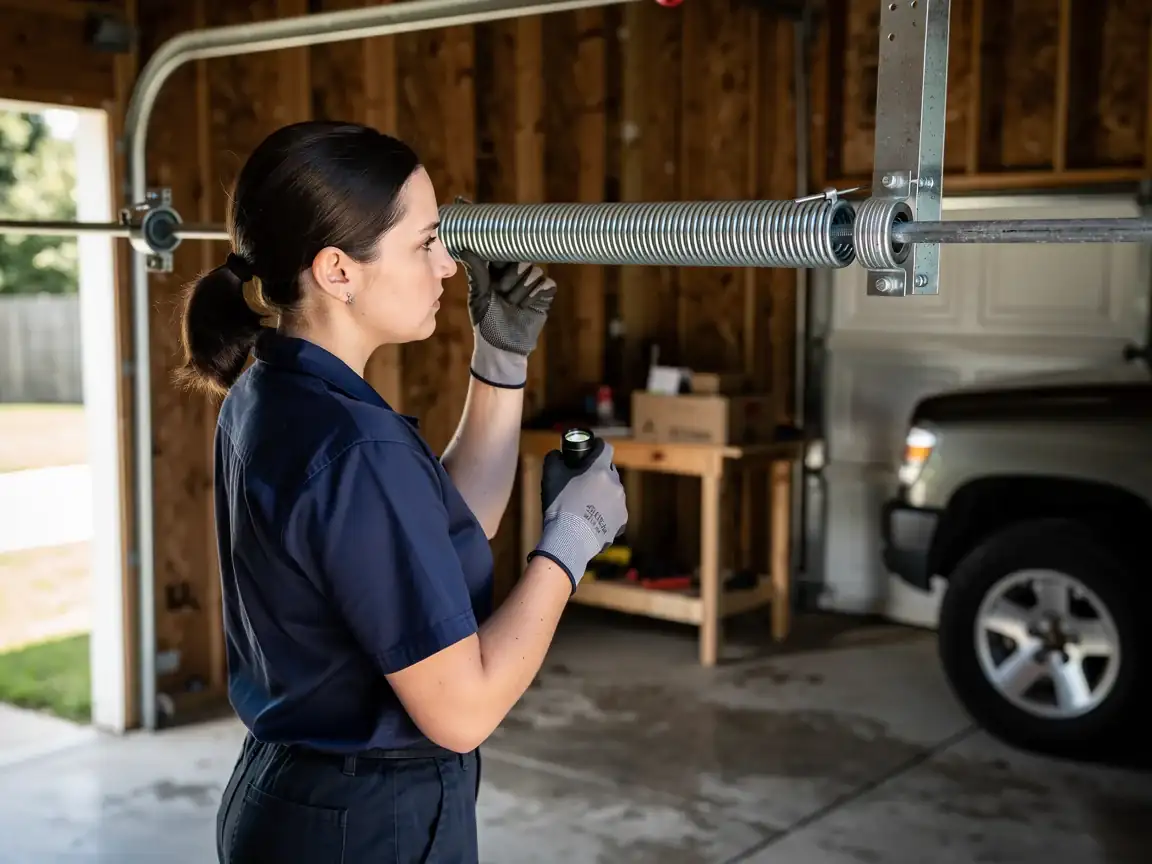
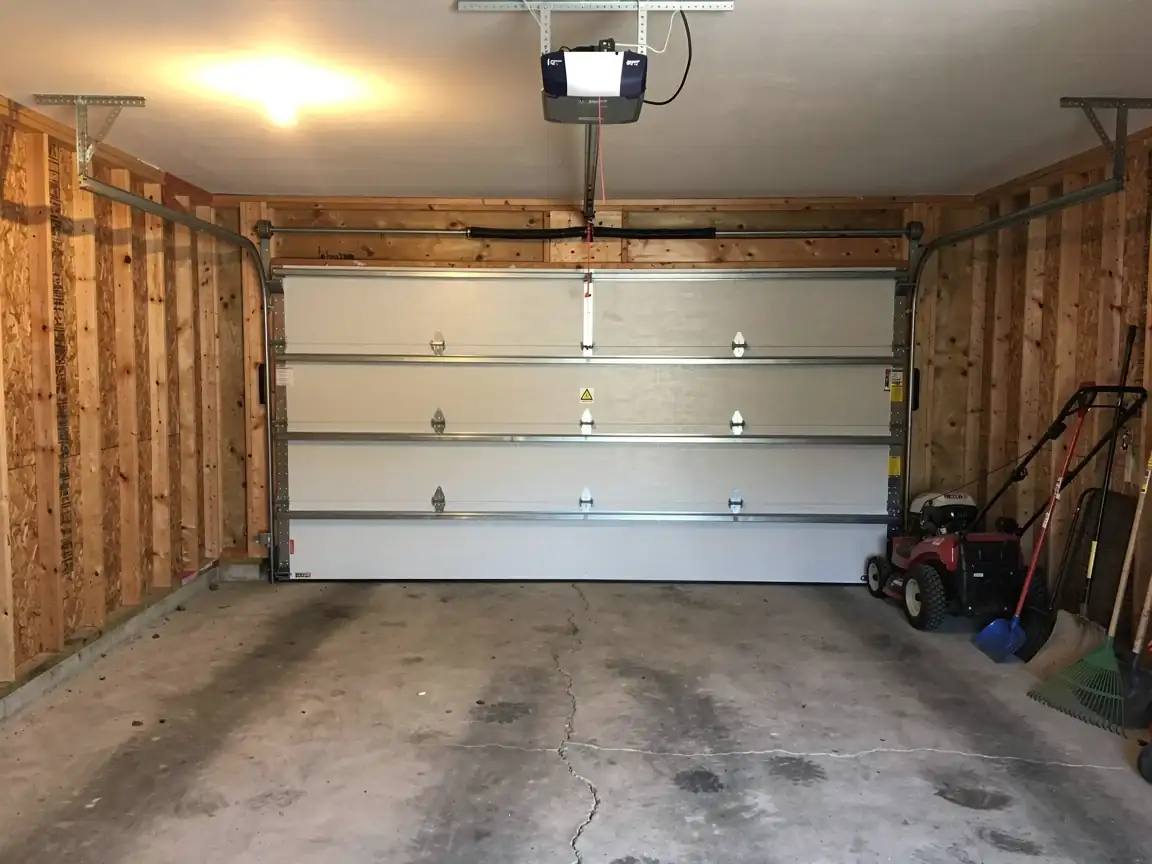
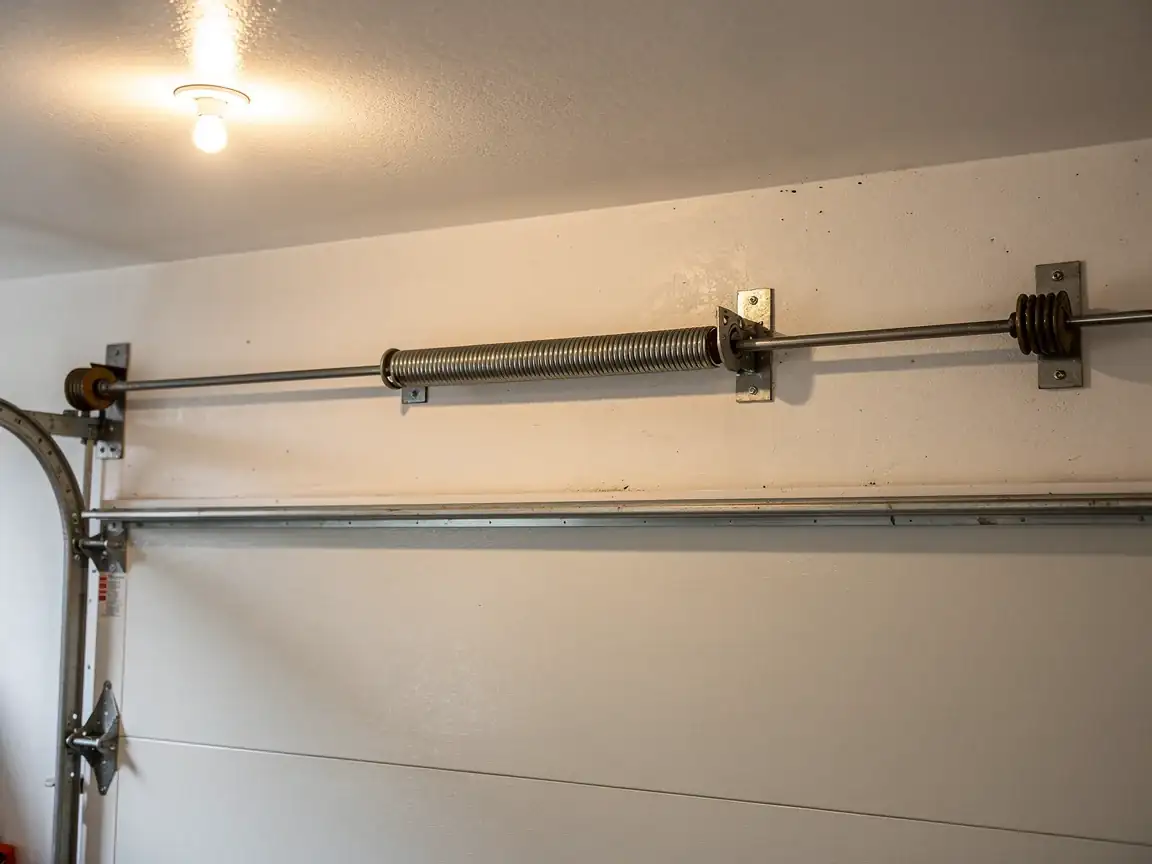
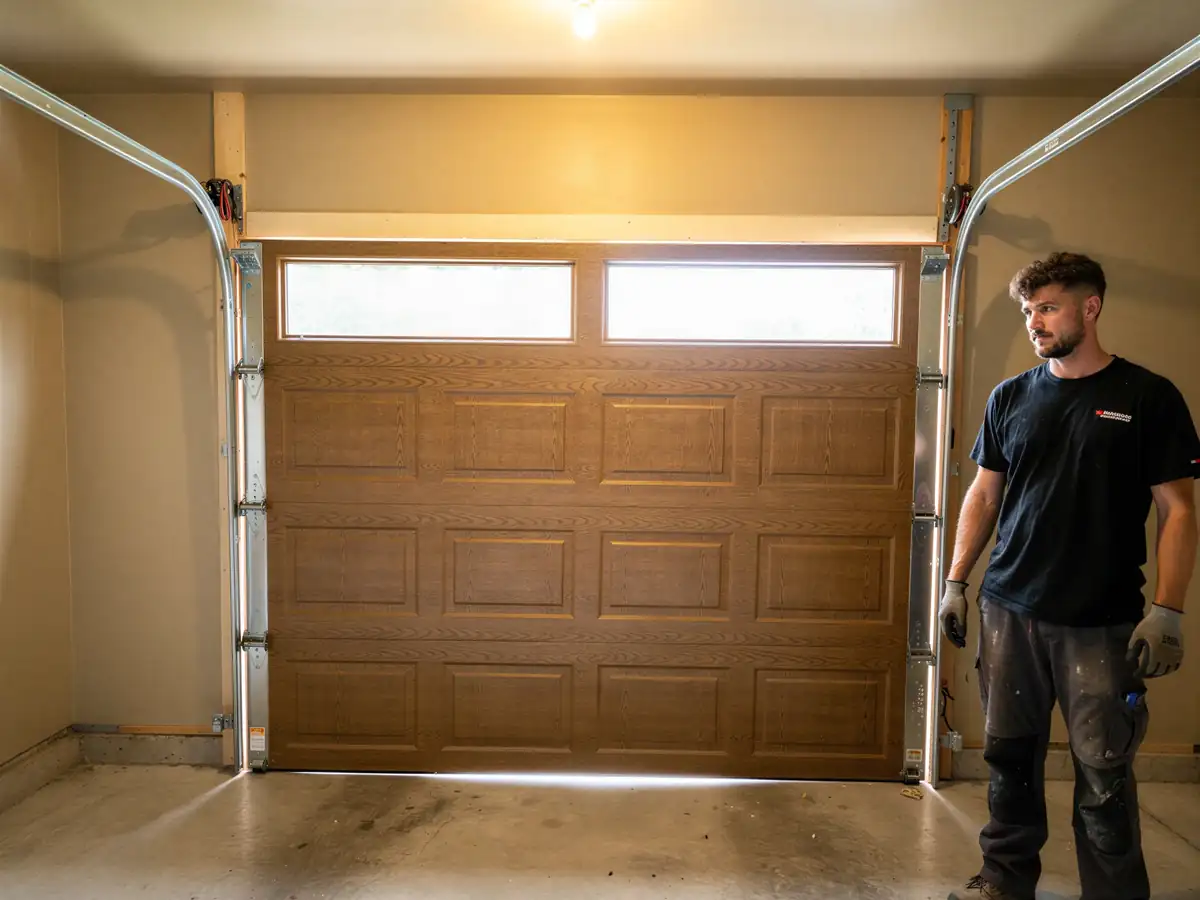
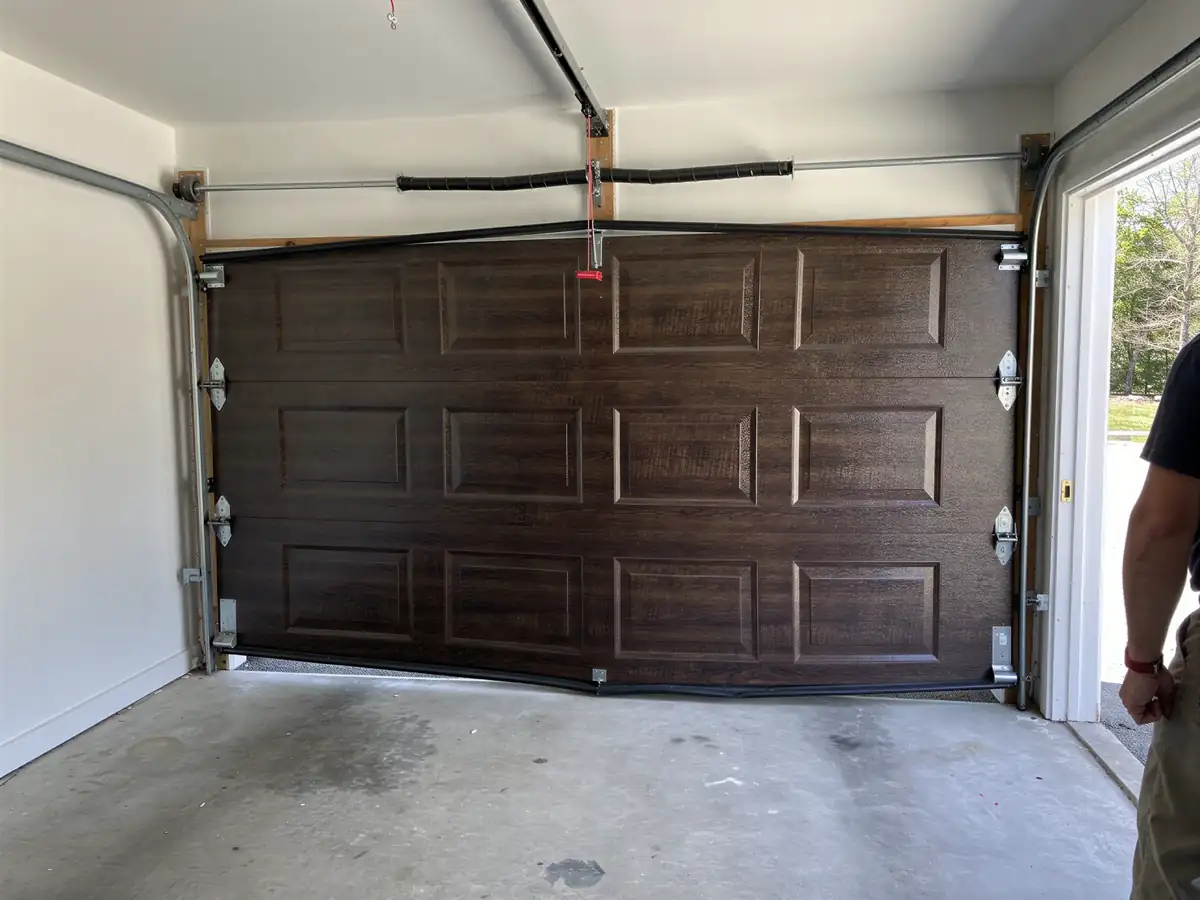
Wipe the tracks, check the weatherstrip at the bottom panel, and watch how the door moves off the floor on the first few inches of travel. On a door from the 1960s era common in this town, that first movement tells you a lot - a shudder or a lean to one side usually means the torsion spring has lost tension unevenly, which is common once a spring's been doing its job for decades under a Minnesota winter's worth of cold-stiffened steel.
What you shouldn't touch yourself is the spring itself
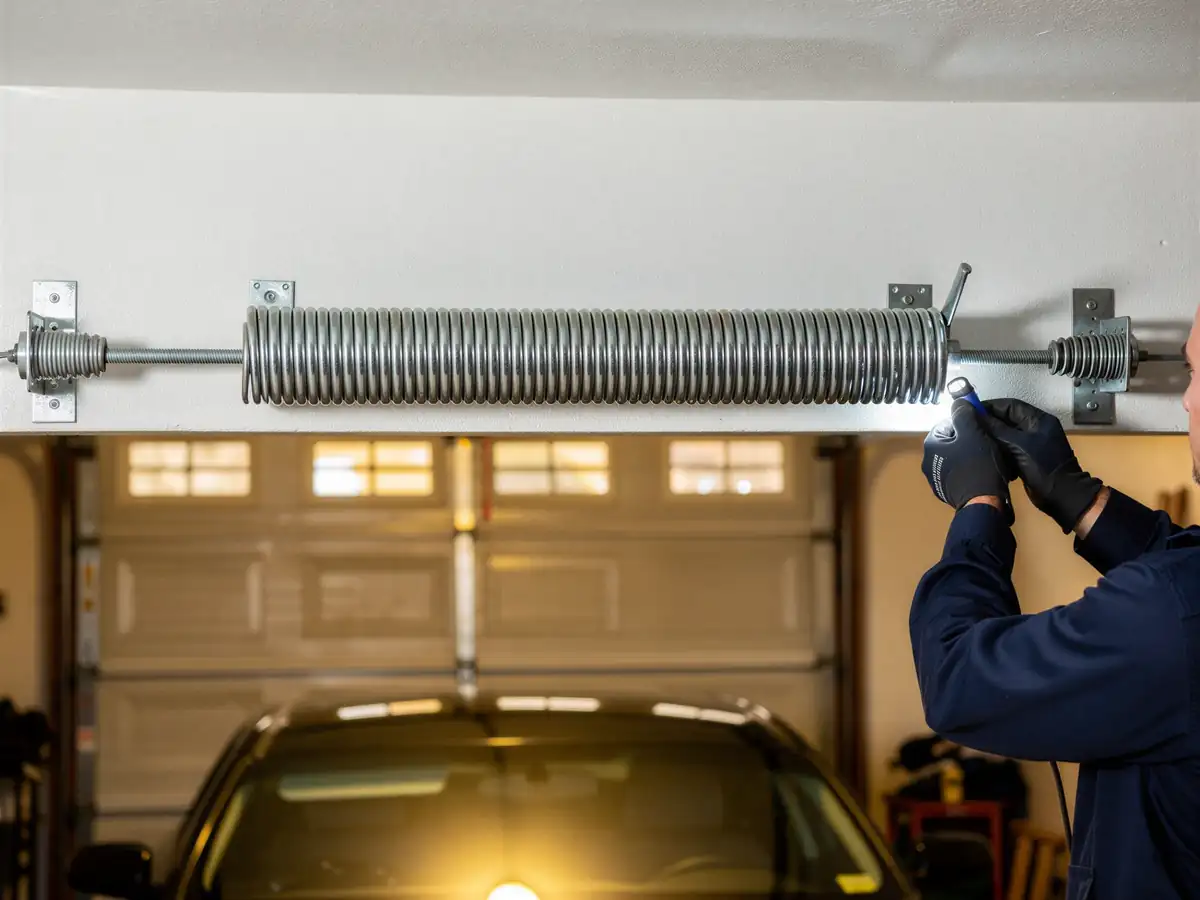
Torsion springs store enough force to break a hand or worse, and on older doors here the mounting hardware is often original too, which means it doesn't always behave the way a newer kit would. Lubricate rollers and hinges with a garage-door-rated silicone spray, not household oil, which attracts grit and gums up in cold weather. Beyond that, leave the spring, the cable drums, and anything bolted to the header to a call.
Where This Job Goes Sideways
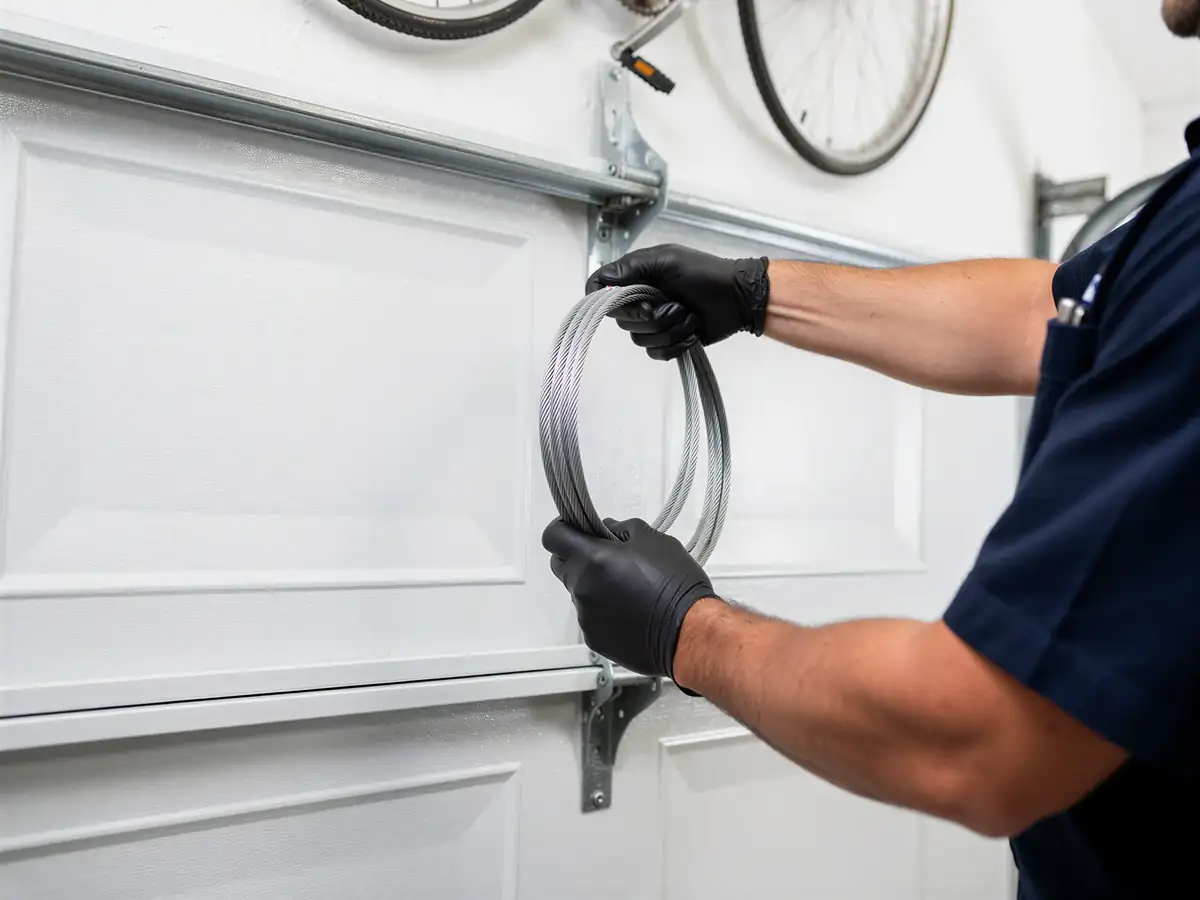
The honest failure point on a maintenance visit in Brooklyn Center isn't the spring or the opener - it's hardware that was never meant to still be in service. A door installed when the house went up in the early 1960s has had track brackets, hinges, and sometimes the drums themselves flexing and wearing for far longer than modern parts are rated for. A tune-up can tighten, lubricate, and adjust, but it can't restore metal that's fatigued. If a bracket is cracked or a cable is fraying at the drum, a maintenance visit turns into a repair conversation on the spot, and that's the right call - we're not going to lubricate a part that's about to fail and tell you it's fine.
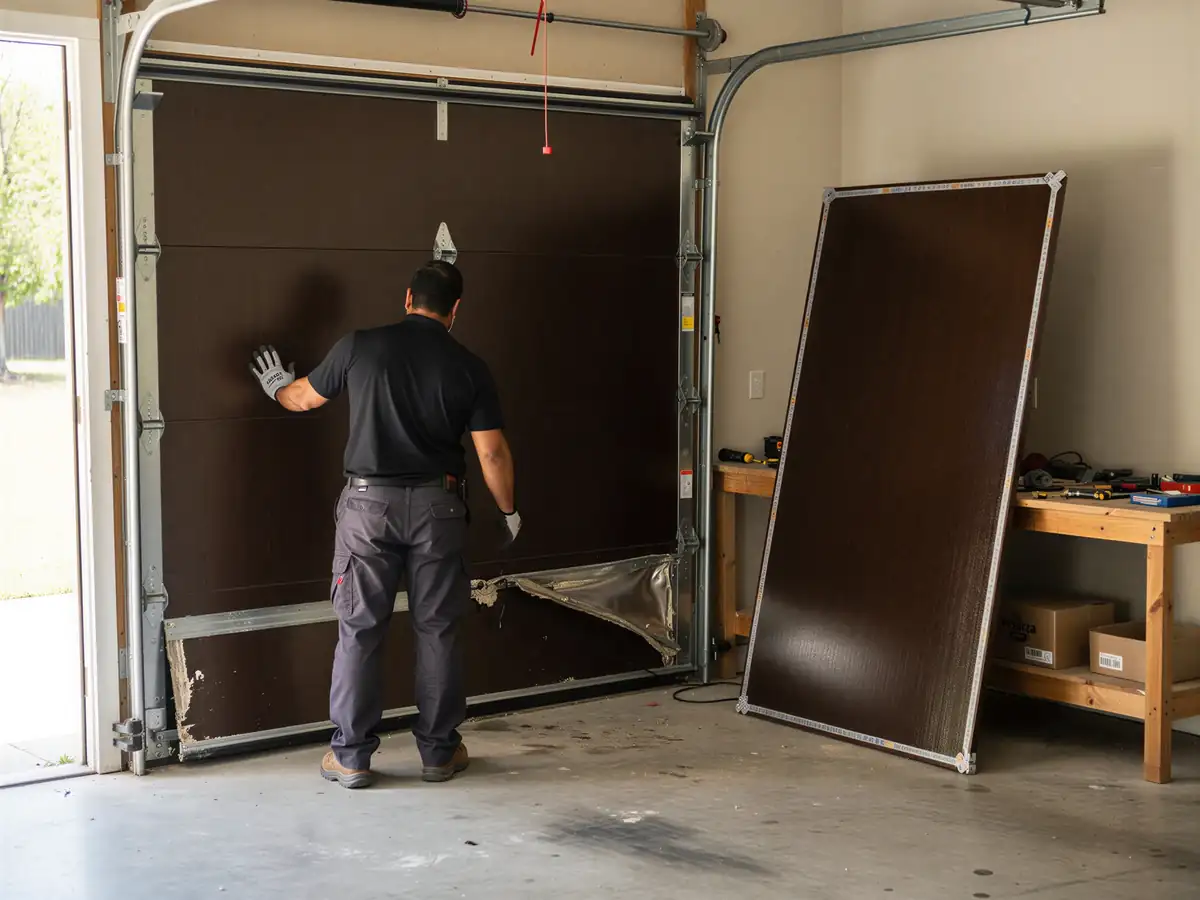
The other place it goes sideways is opener force settings on an older door. If the door's gotten heavier over the years from added insulation or a replaced panel, the opener's force limits may be set for a door that no longer exists, and that's a safety issue as much as a maintenance one.
How Long You Are Without the Door
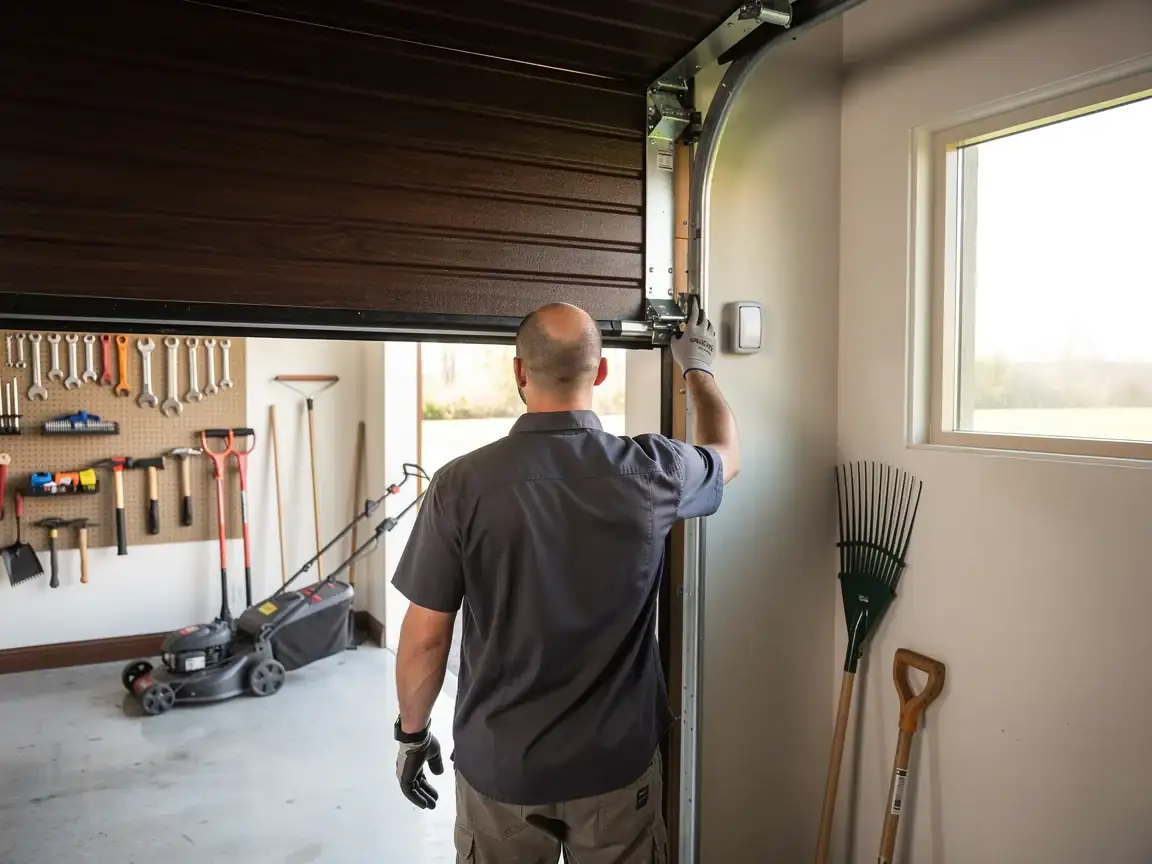
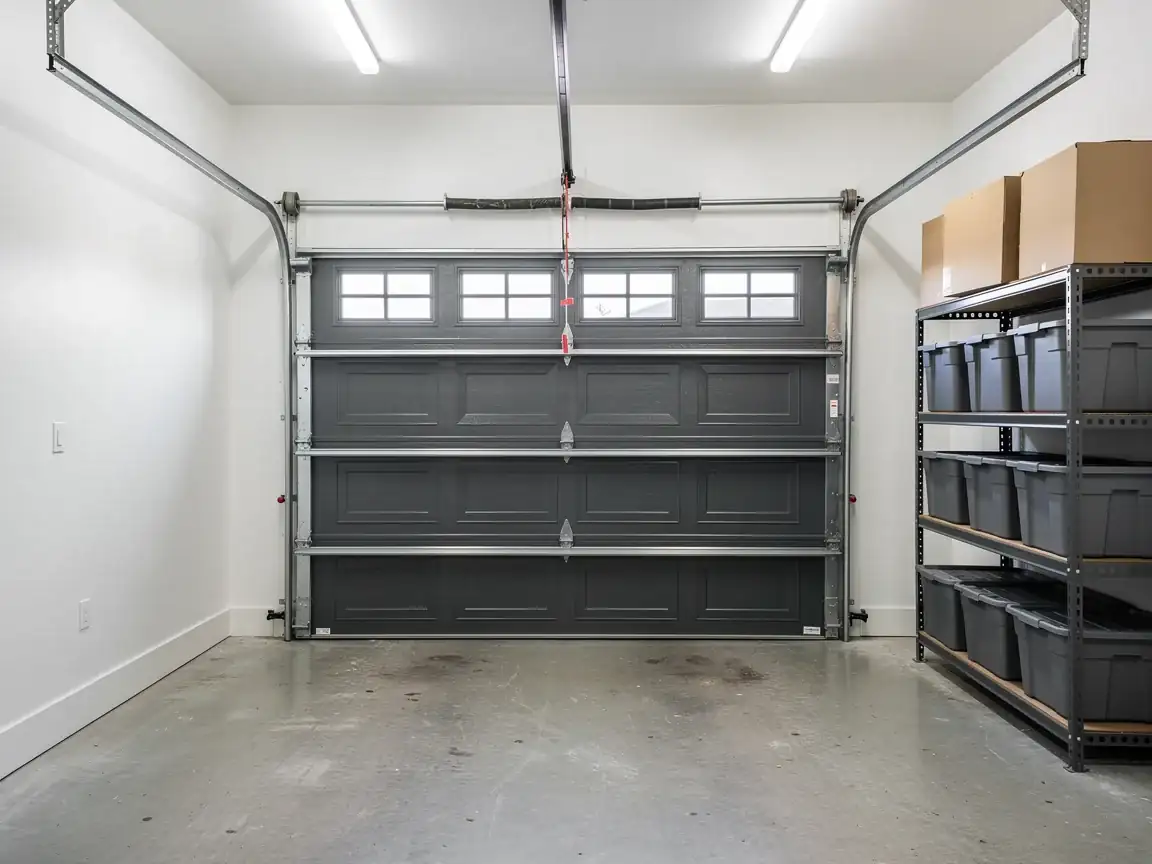
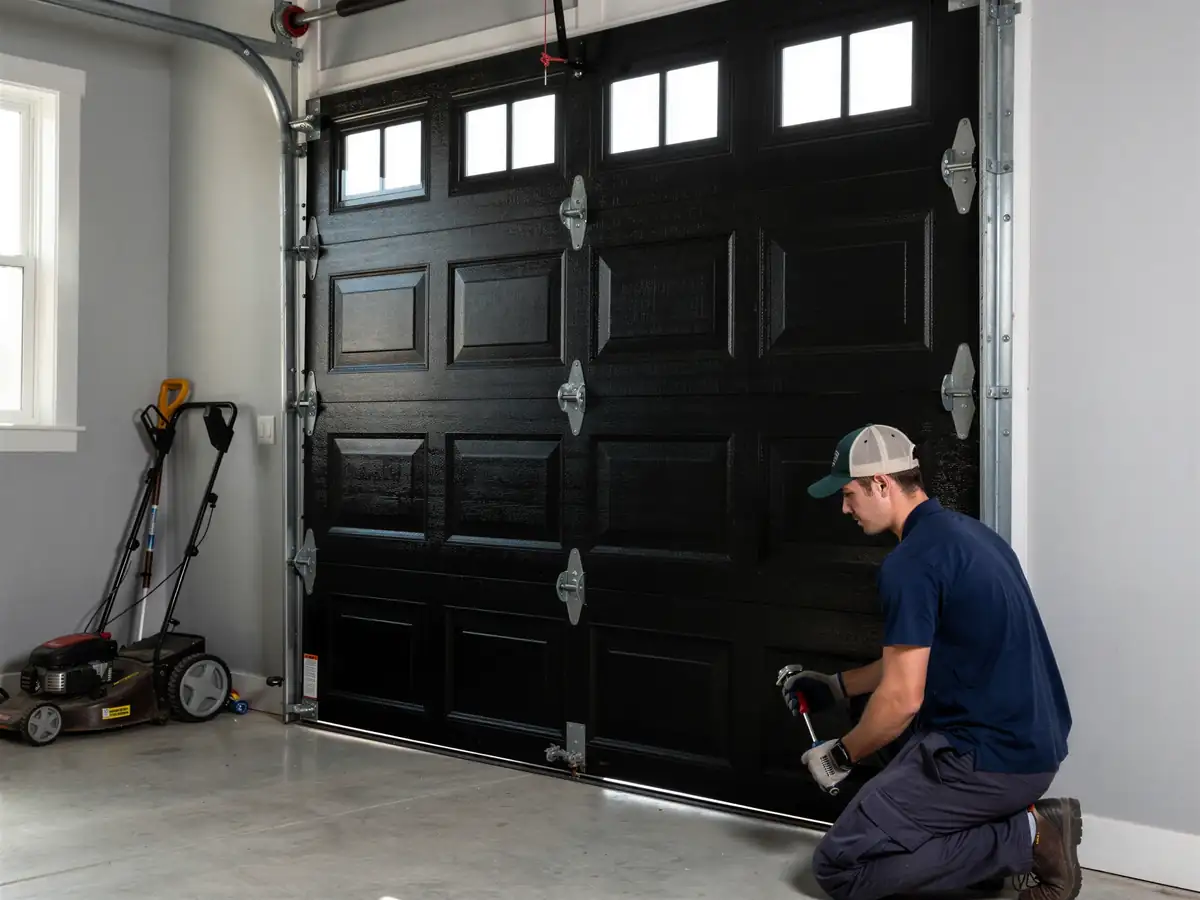
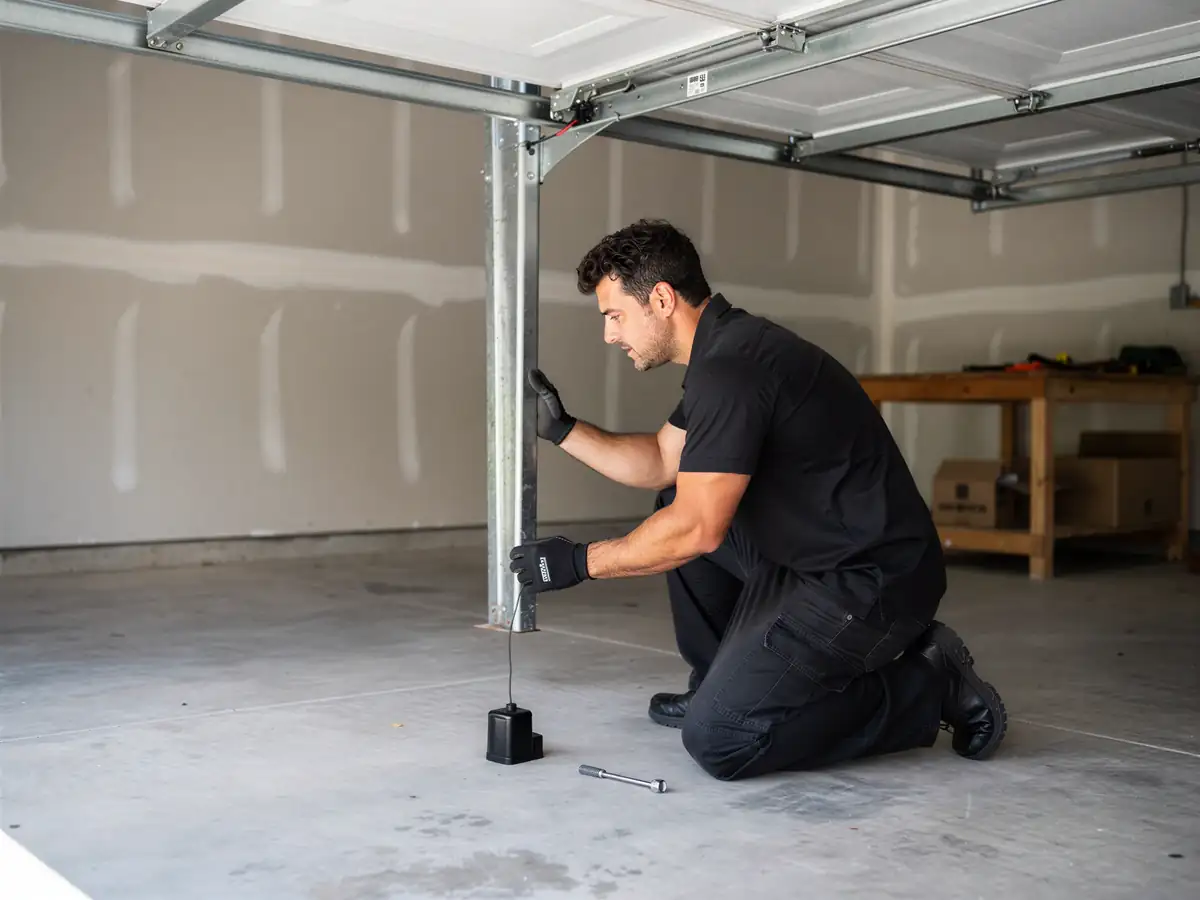
Routine maintenance on a single door - spring tension check, track and roller inspection, opener force and limit settings, hardware tightening - runs about the length of a typical service call and doesn't leave the door out of service overnight. You can expect to use the door again the same visit in most cases. Where that changes is if the inspection turns up something structural, like a track bracket that's pulled loose from aging framing, which is more common on the 1960s-era housing found through this town than on newer builds elsewhere in the area. In that case the door may need to sit until a part is on hand, and we'll tell you that before we leave, not after.