What Is on the Truck
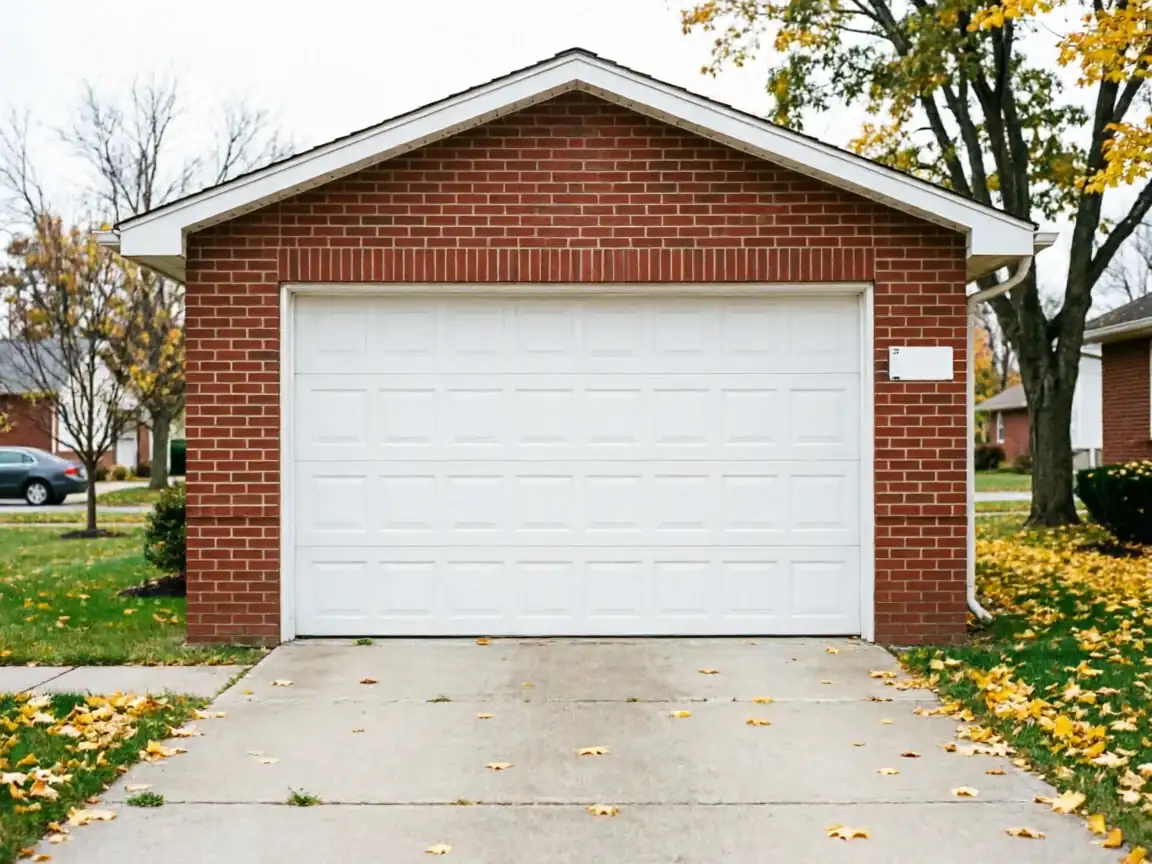
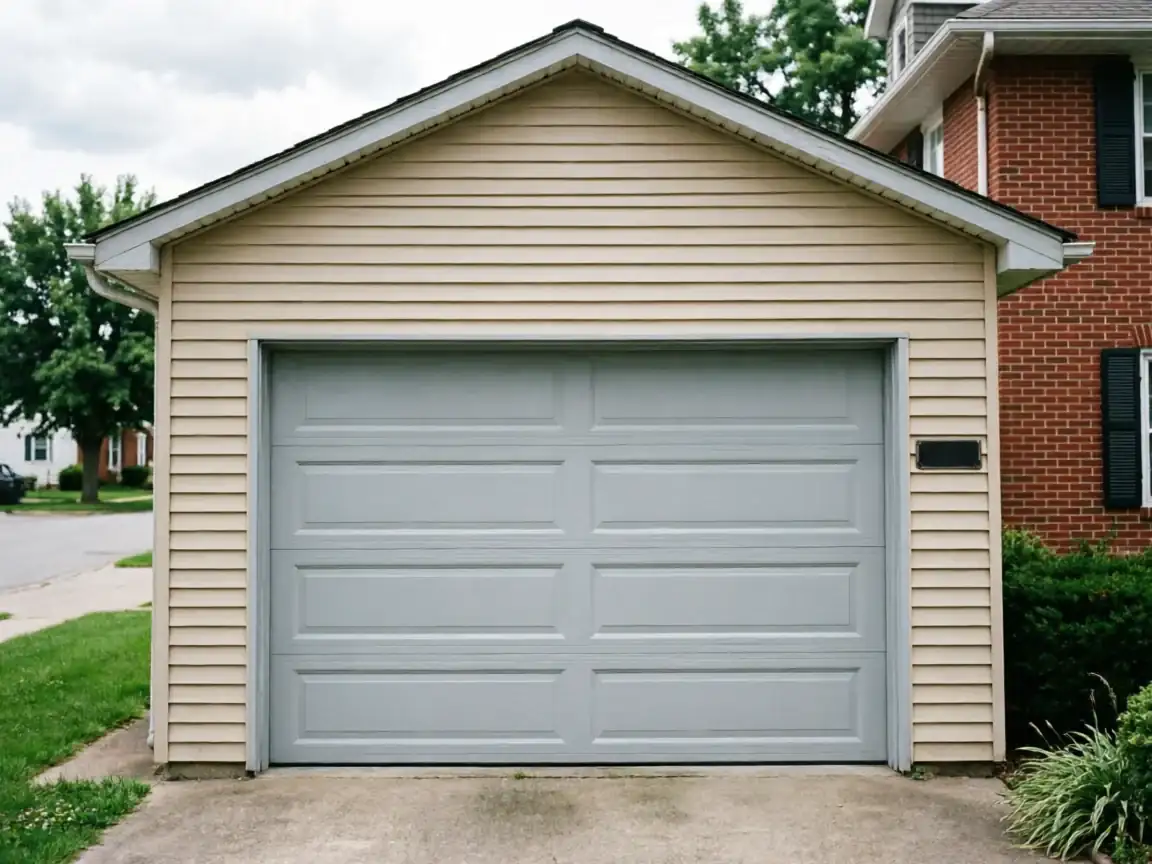
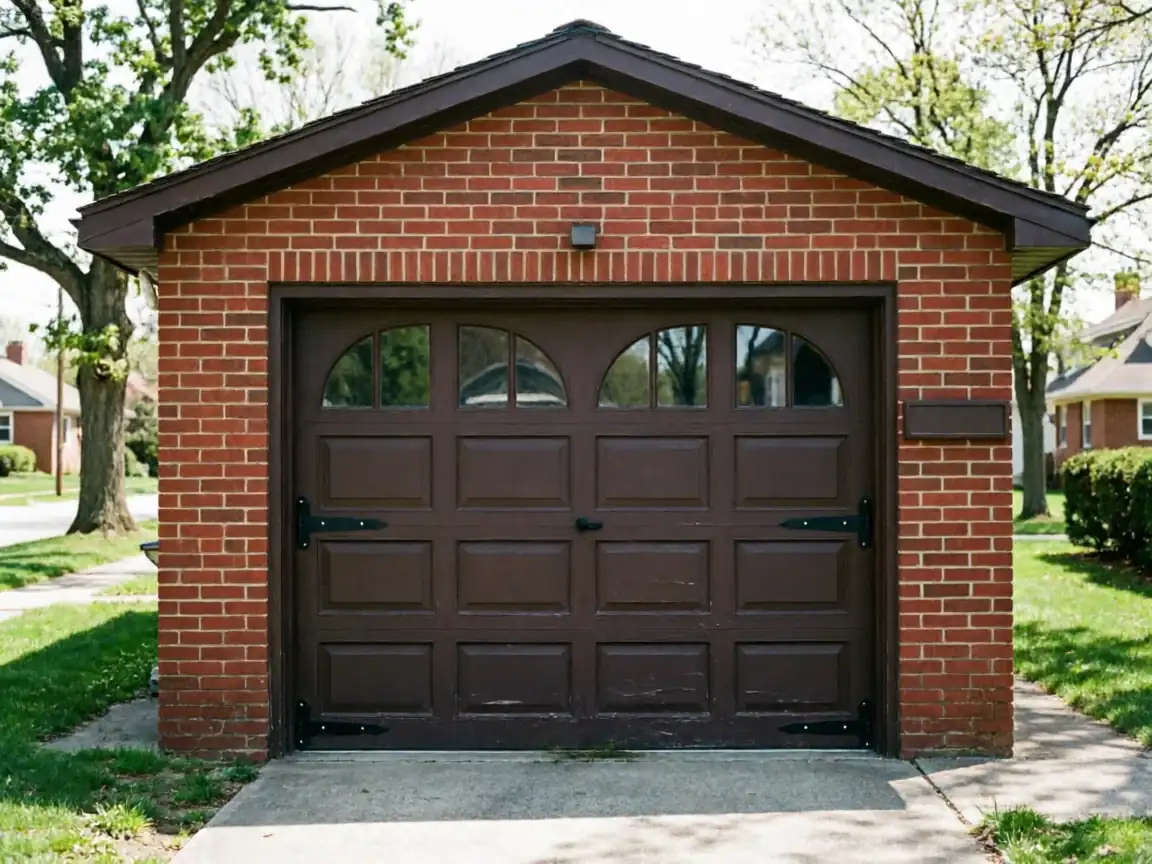
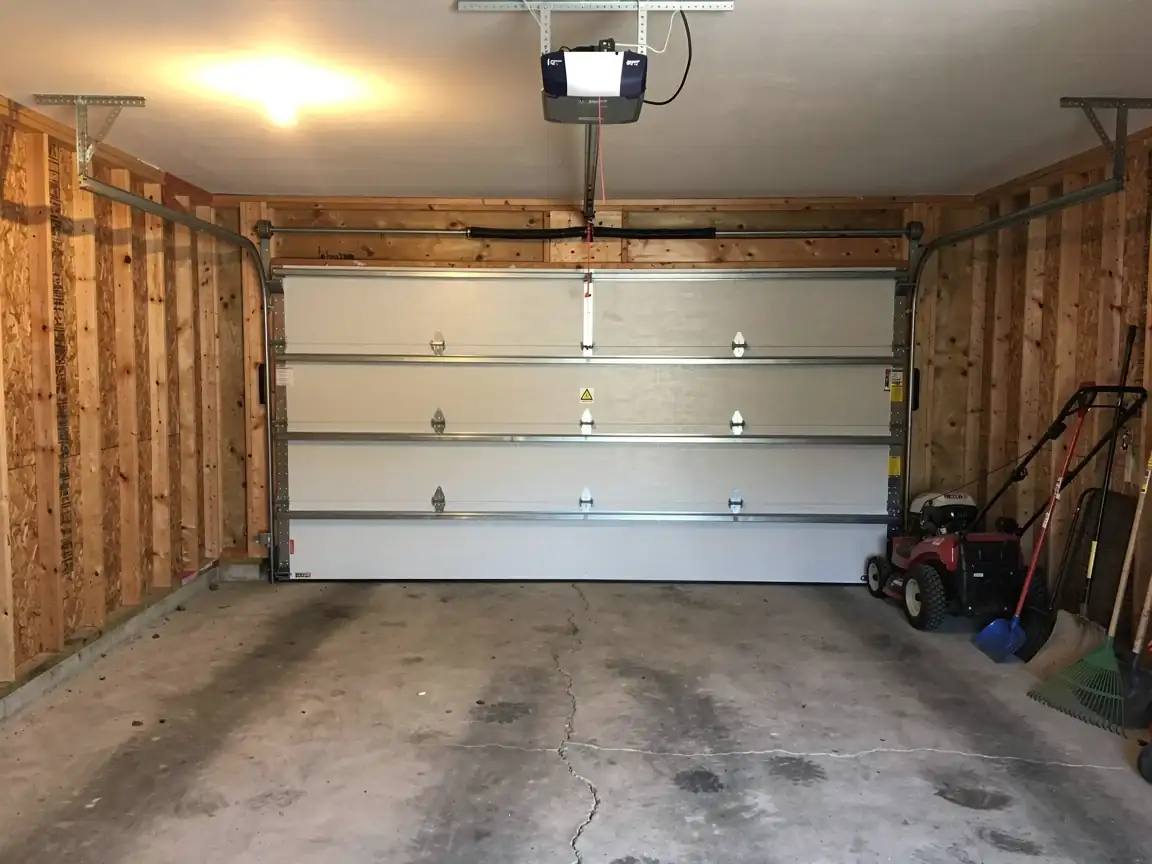
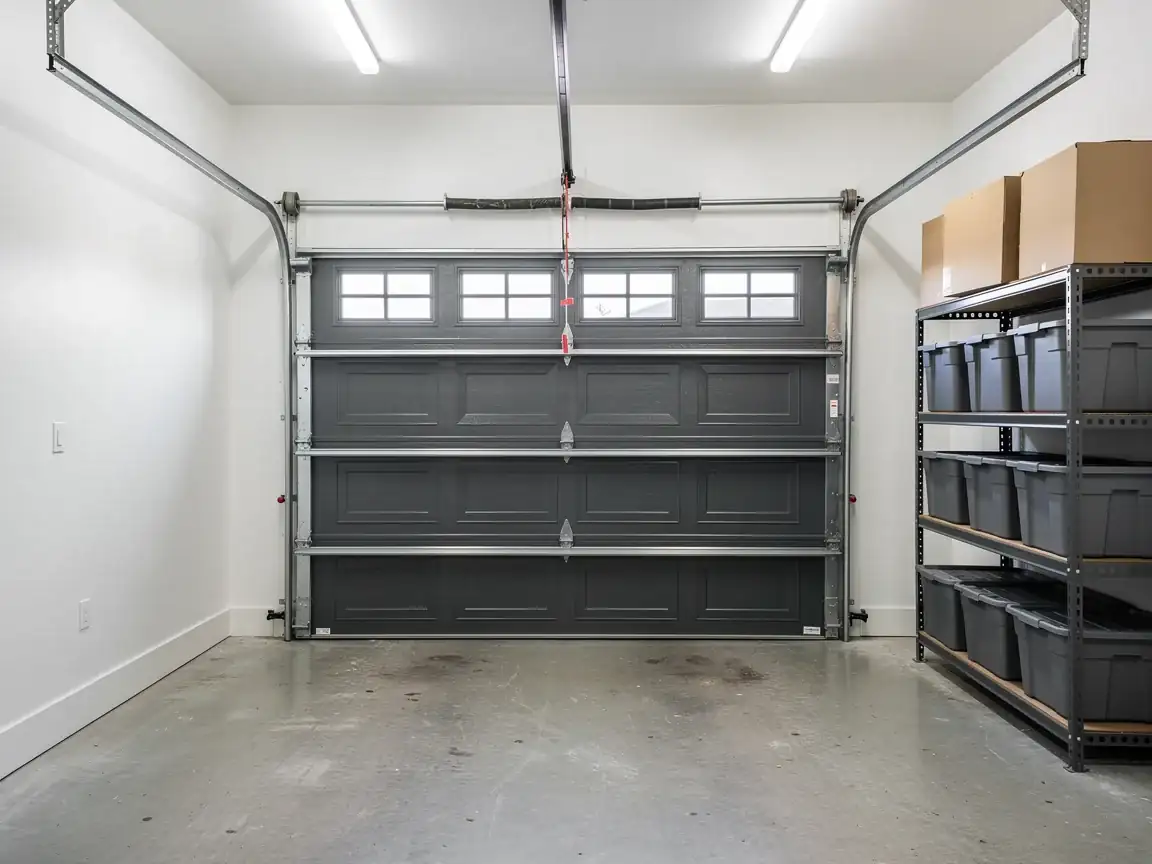
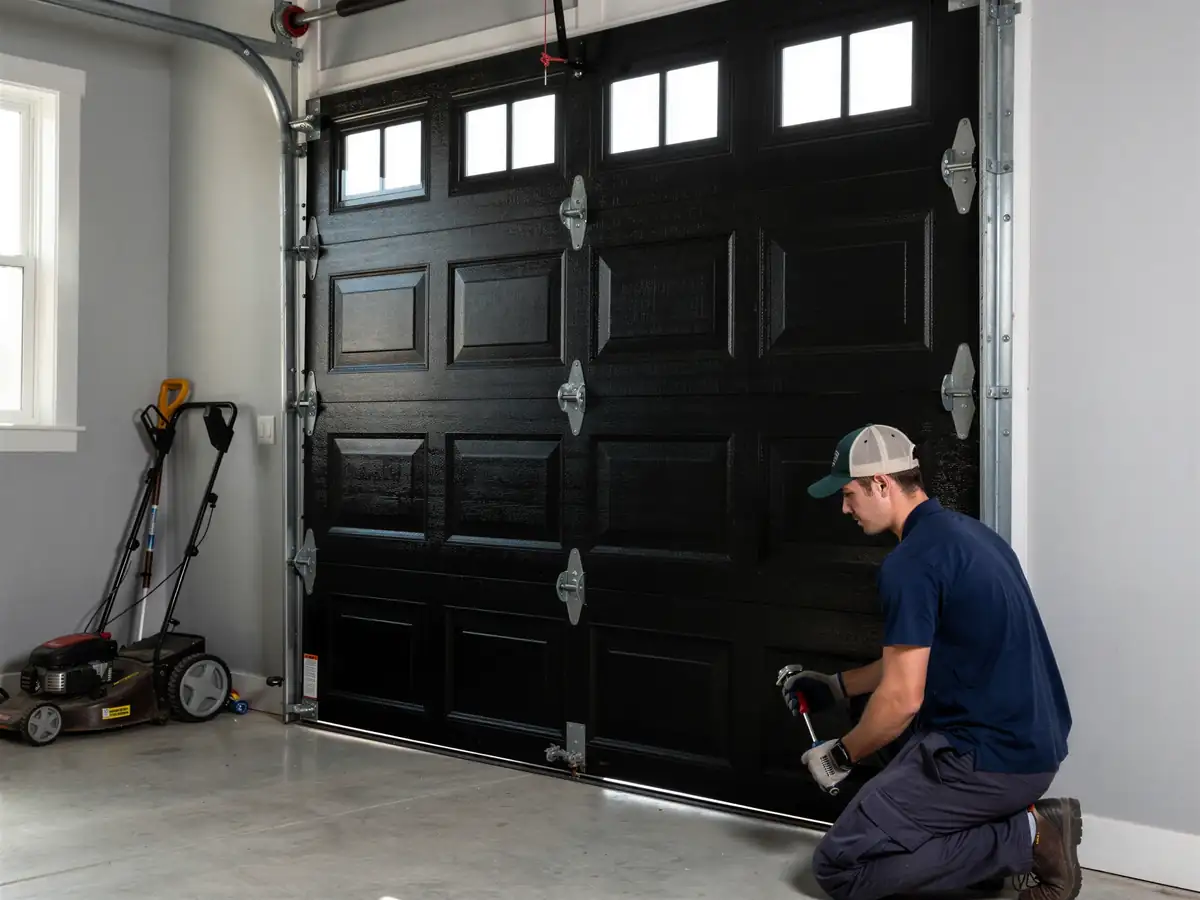
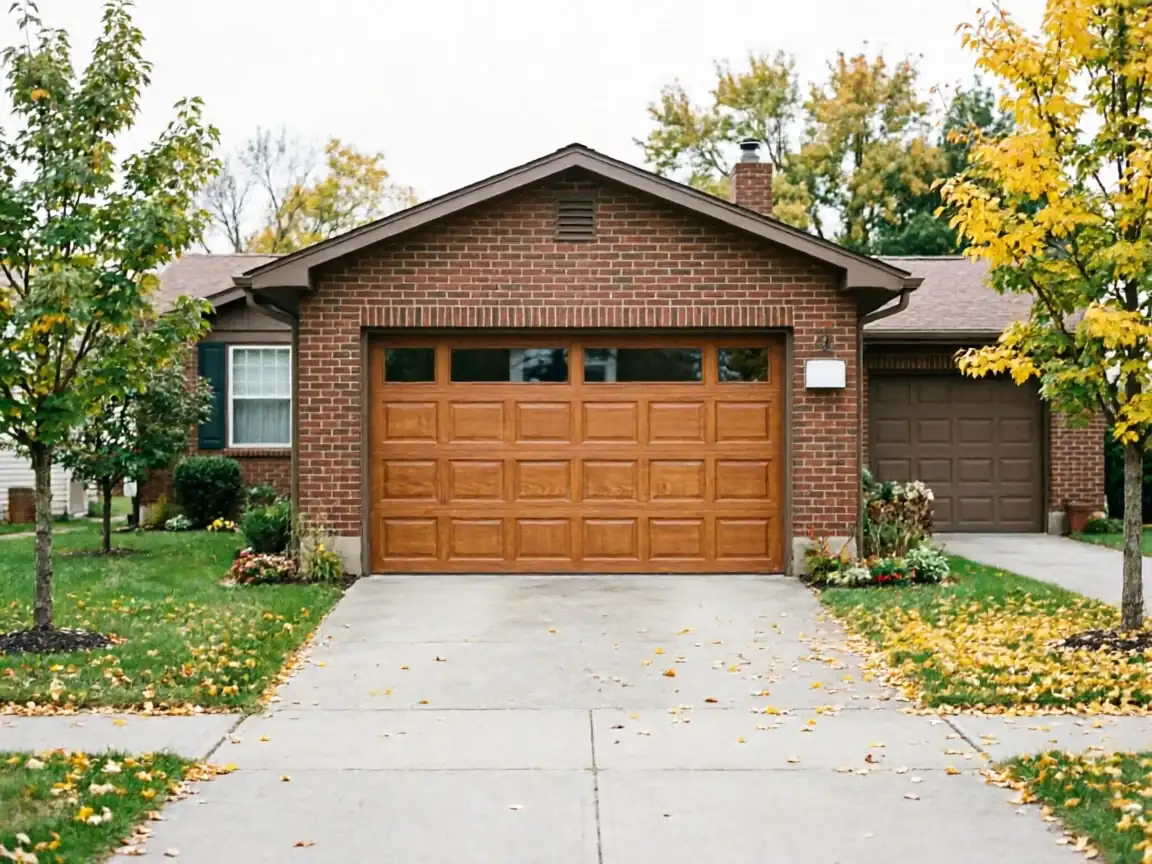
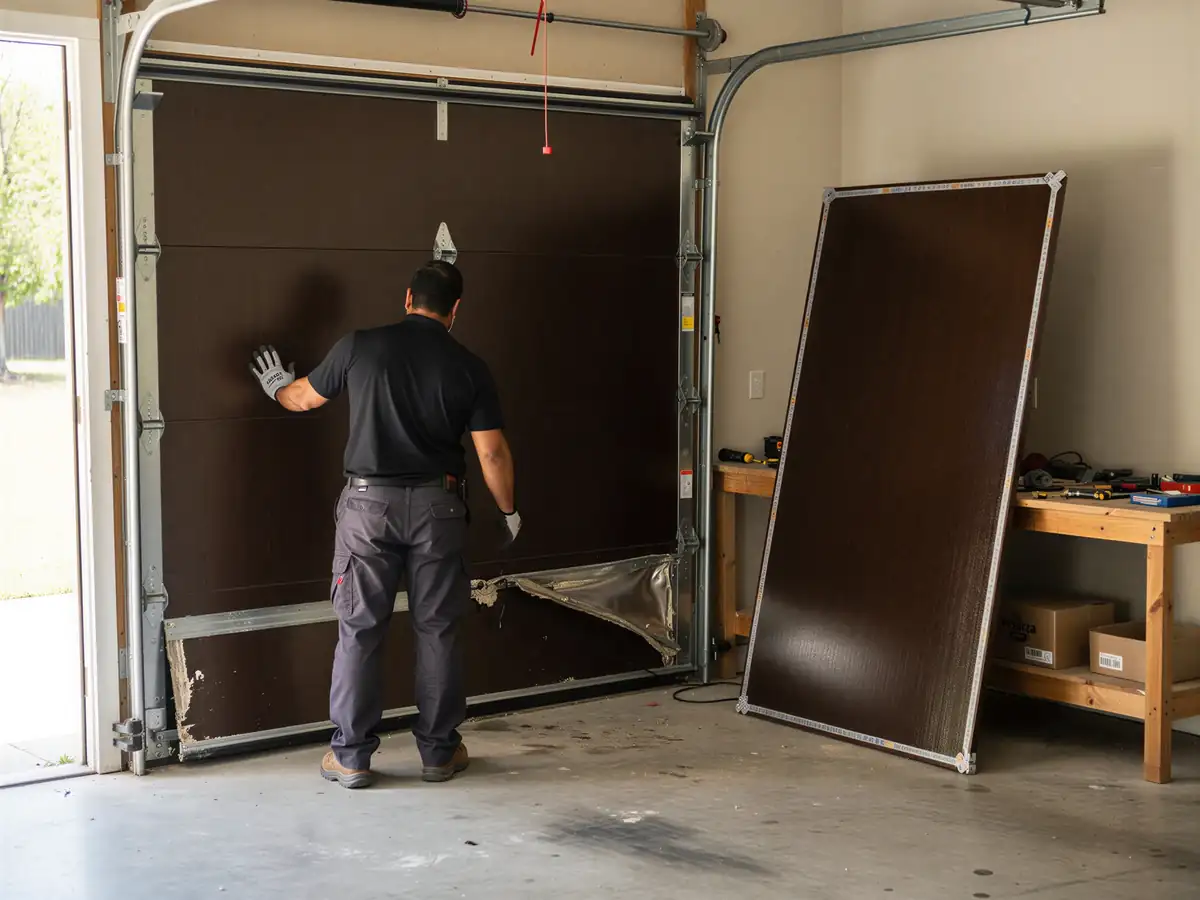
Household income here runs about $72,009, noticeably below the $110,833 median across the rest of the service area we cover from Brooklyn Park - and that gap matters, because panel replacement is almost always the cheaper call than a full new door, and for most of the steel sectional doors on these blocks it's also the right one. Most houses in Brooklyn Center went up around 1962, years before steel sectional panels came in the sizes and insulation ratings sold today, so the truck carries a run of panel widths and rib profiles built to match older 7-foot and 8-foot sectional doors rather than the wider two-car openings common in newer construction elsewhere in the service area. We stock both insulated and non-insulated steel panels, because this region sits in a cold-severe climate band and an insulated panel on an otherwise uninsulated 1960s door usually causes more trouble than it solves. We also bring matching hinges and rollers sized to the older track gauge, since panel brackets on doors this age rarely match current hardware without an adapter.
Where This Job Goes Sideways
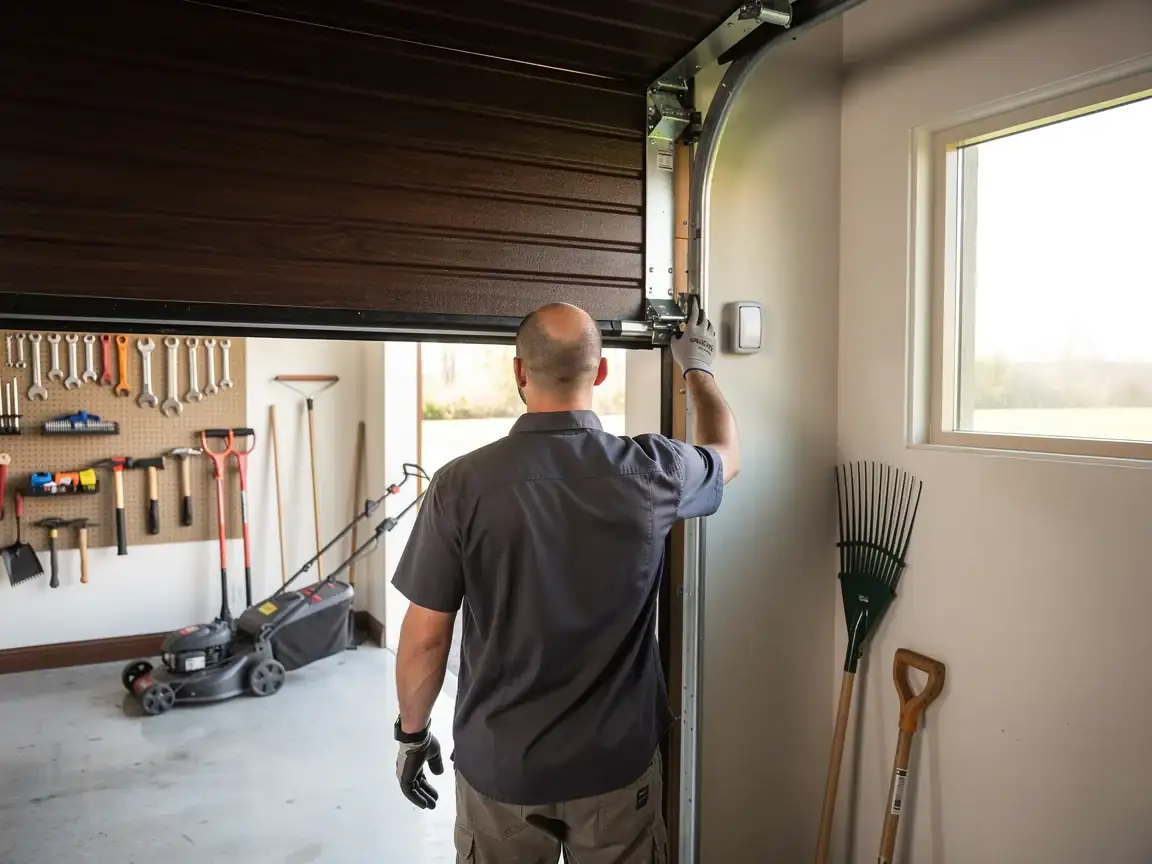
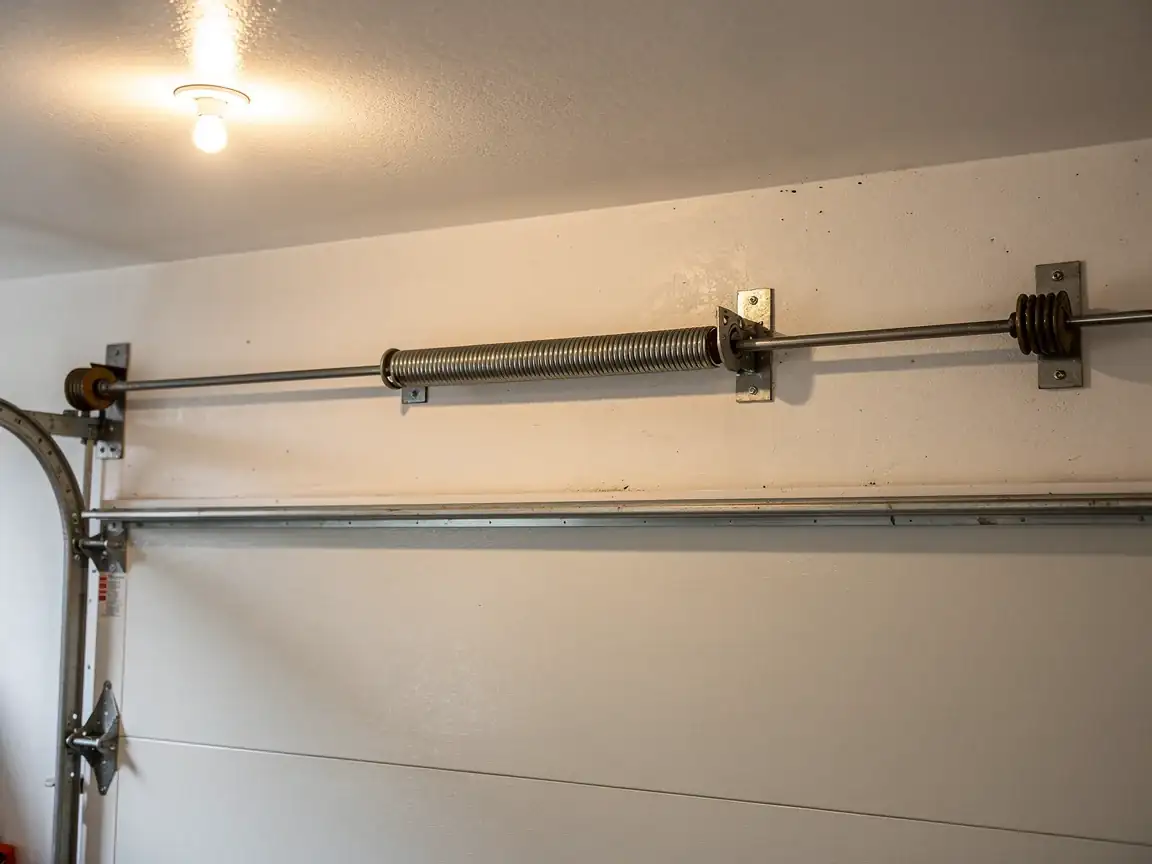
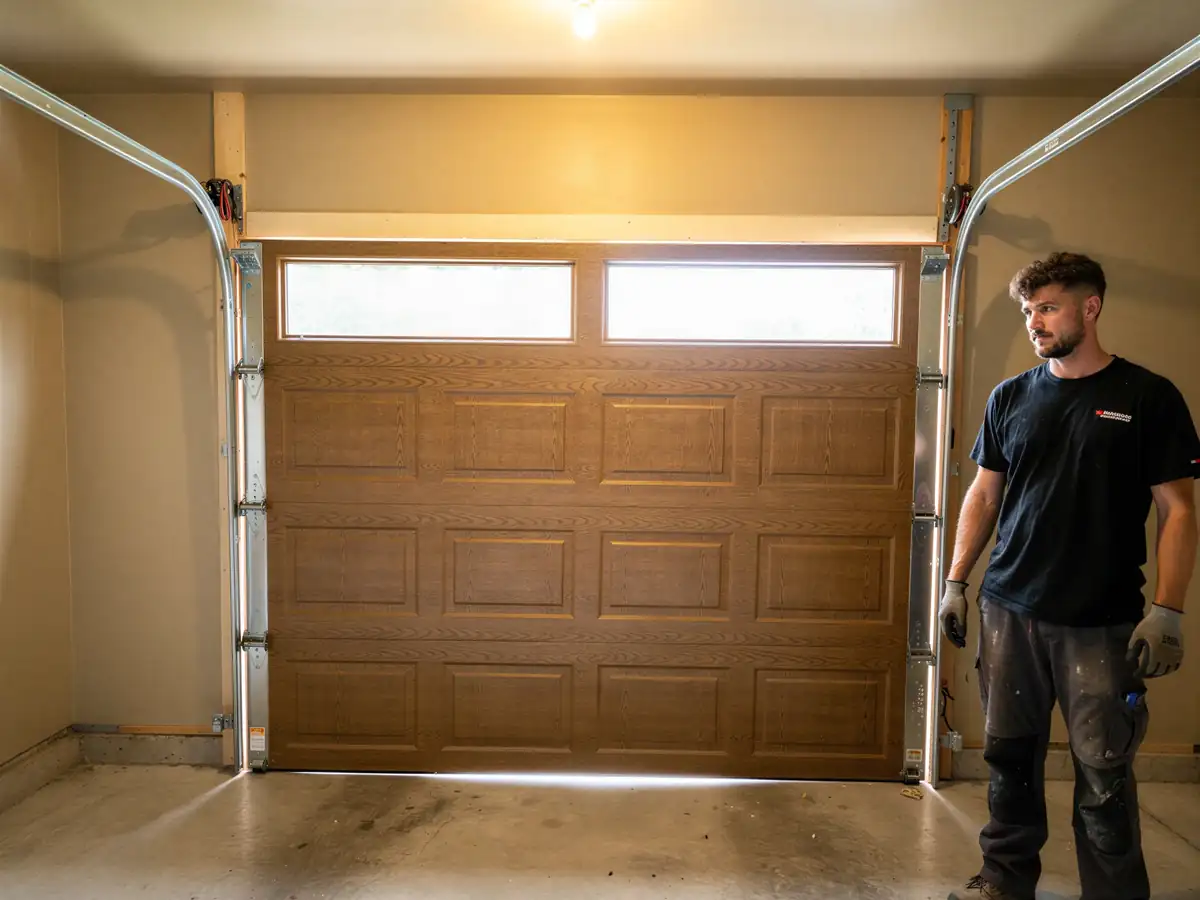
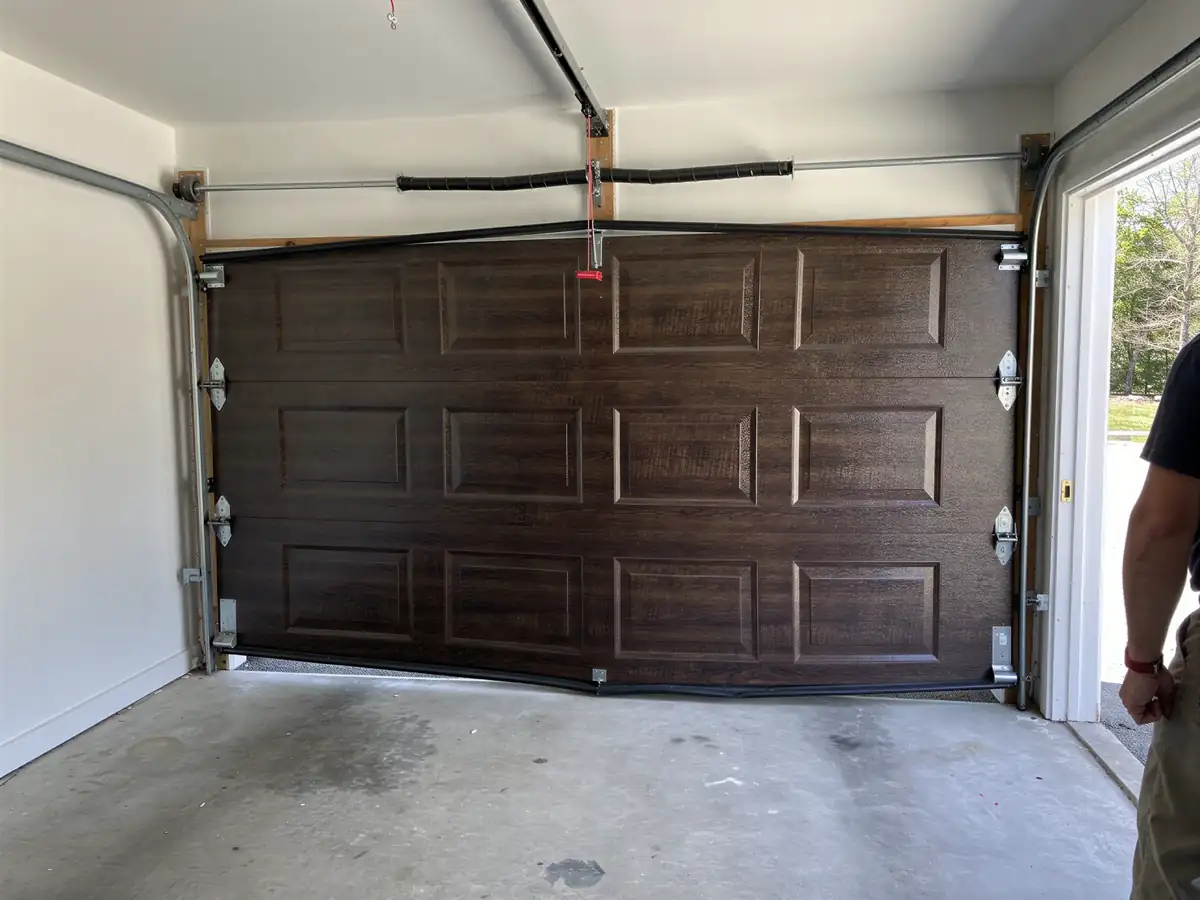
The panel itself is rarely the problem; what's underneath it usually is. On doors from the early 1960s, the hinges and end stiles have often flexed or rusted at the fastener holes, and bolting a flat new panel to a warped stile just transfers the bend to the new piece. Track alignment is the second trap - if the vertical track has shifted even a little over sixty years, a replacement panel can bind on the rollers even though the panel itself is correct. The third issue is specific to the cold-severe climate here: mixing an insulated replacement panel into an otherwise non-insulated door creates a temperature difference across the door face, and that difference shows up as condensation and frost on the inside panel through the winter months. None of these are reasons to avoid the repair - they're reasons the job sometimes takes longer than a four-bolt swap, and why we check stile condition and track plumb before ordering the panel, not after.
How Long You Are Without the Door
We run this job out of Brooklyn Park, about 3 miles from Brooklyn Center, so there's no separate branch or crew stationed in town - just a short drive to get the truck there. For most single-panel jobs, the door stays operable through the repair; sections come off and go back on one at a time, and the opener doesn't need to come off the rail unless the top panel is the one being replaced. If the stiles or track need correction first, as can happen on a door this age, that adds time to the visit but doesn't typically turn into a multi-day job - the door usually isn't down overnight. We're not going to promise a response window here, since we're quoting from across town rather than a local depot, but the repair work itself is usually a same-visit job once the parts are on the truck.