What Is on the Truck
Champlin's median household income runs $115,719, a notch above the $110,833 figure for the wider service area we cover out of Brooklyn Park. That gap matters more than it sounds like it should, because it's close to the line where a full door-and-opener replacement starts making more sense than a third repair visit on an aging unit. We don't push replacement on every call - if a spring swap or a roller job gets you another decade out of a door that's otherwise sound, that's what goes on the invoice. But when a homeowner here is weighing a $300 repair against a new door, the income numbers in this town put more people on the replace side of that math than you'd see in a lower-income suburb nearby. What's on the truck reflects that: torsion springs in the sizes common to 1980s and 90s builders' doors, standard-width rollers and cables, and the openers that actually fail on houses of this era rather than a catalog of everything ever installed.
What the Fix Involves
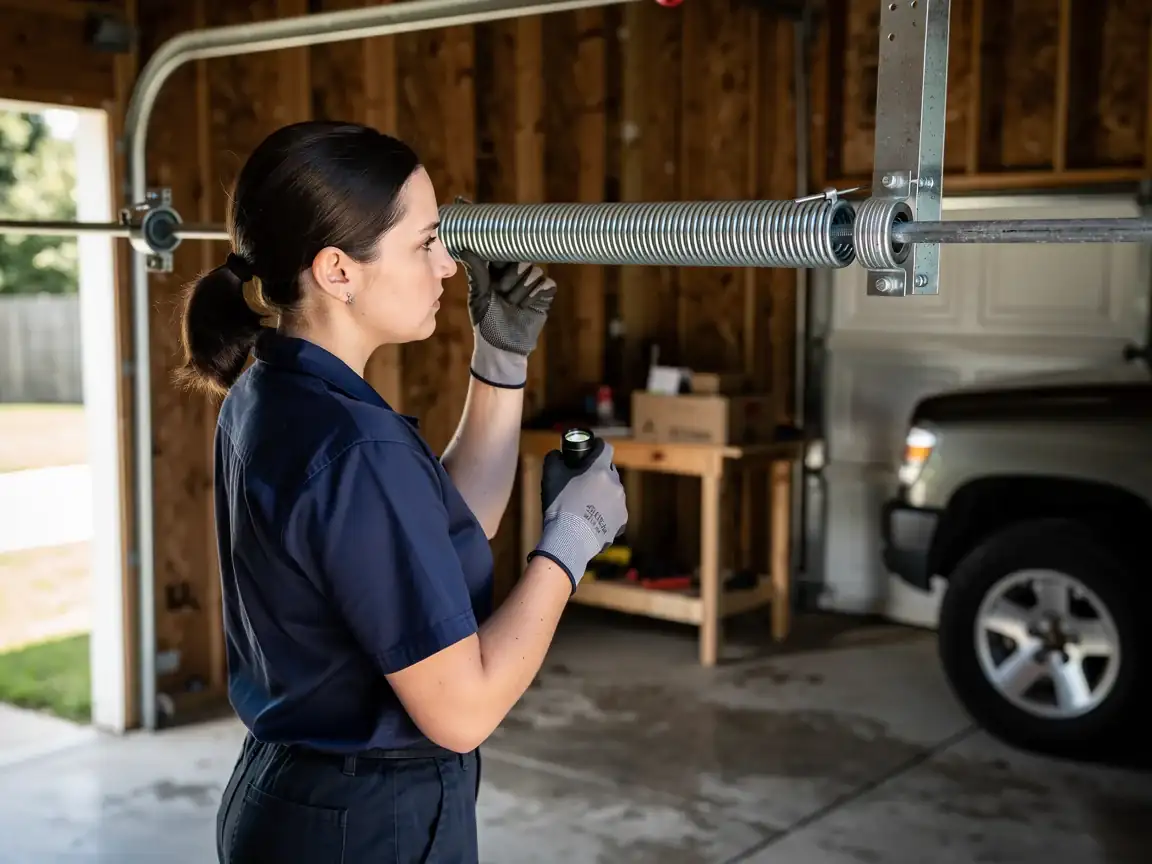
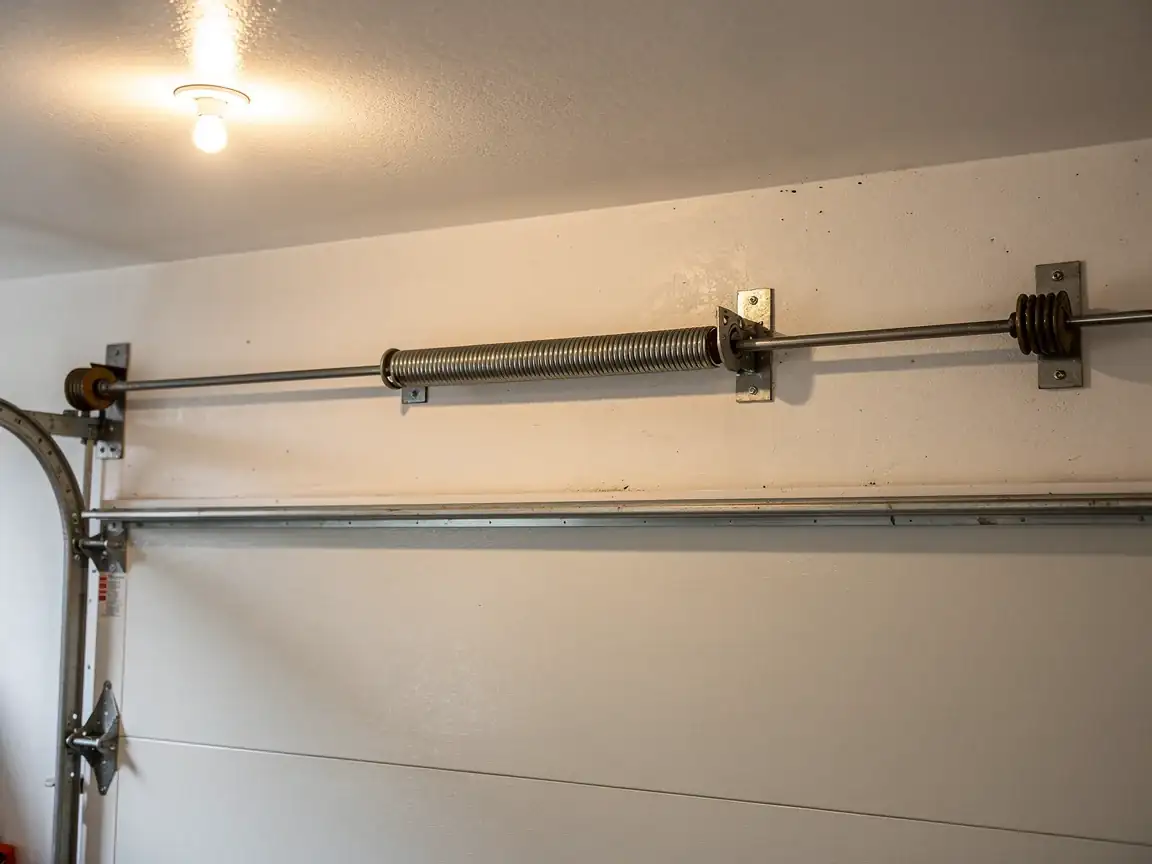
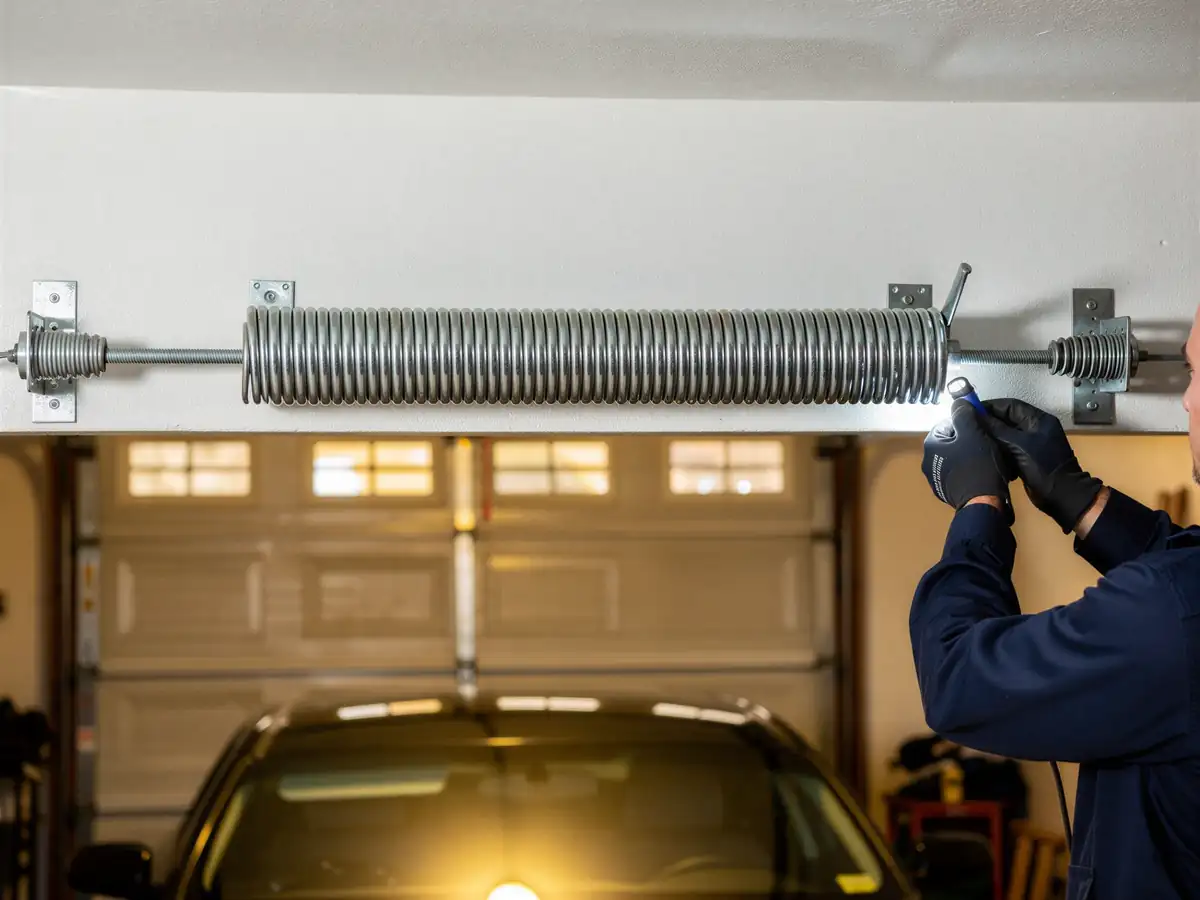
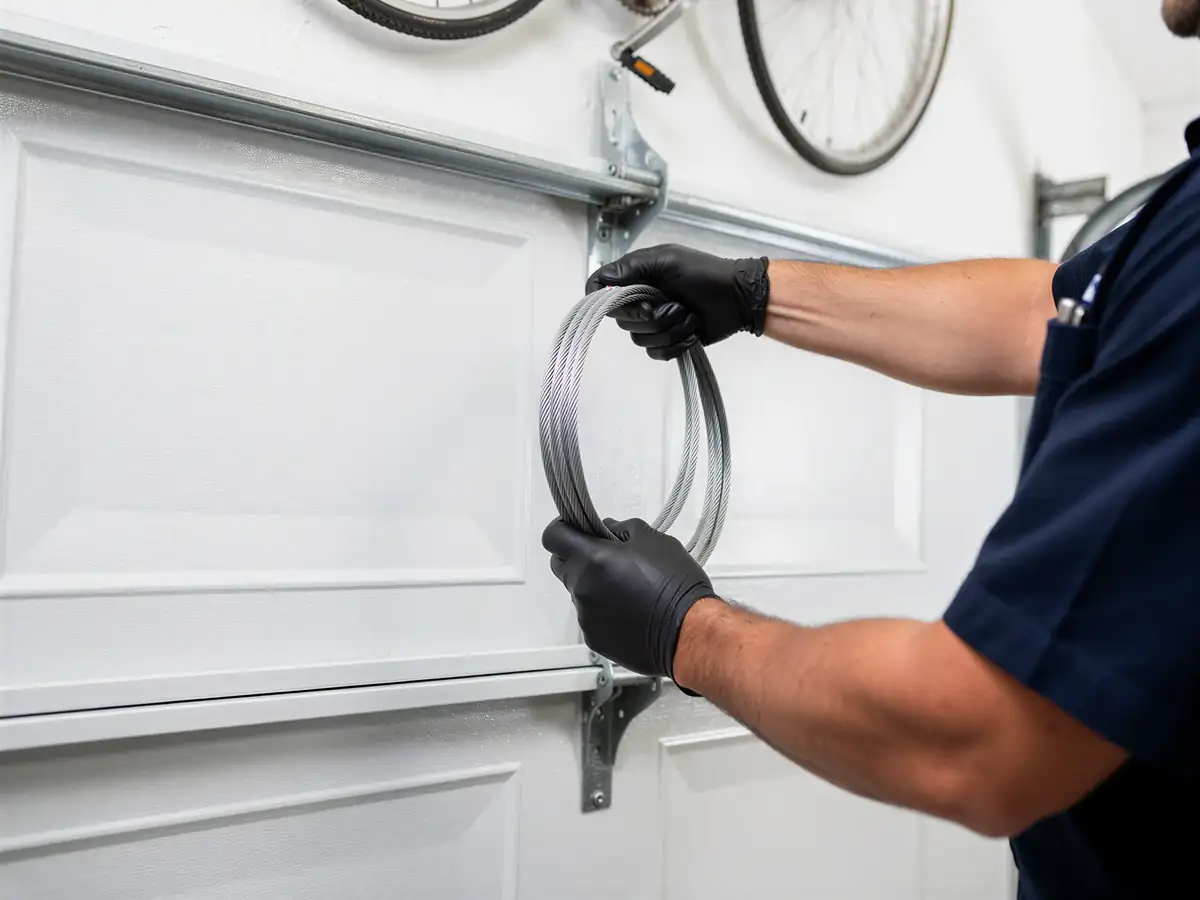
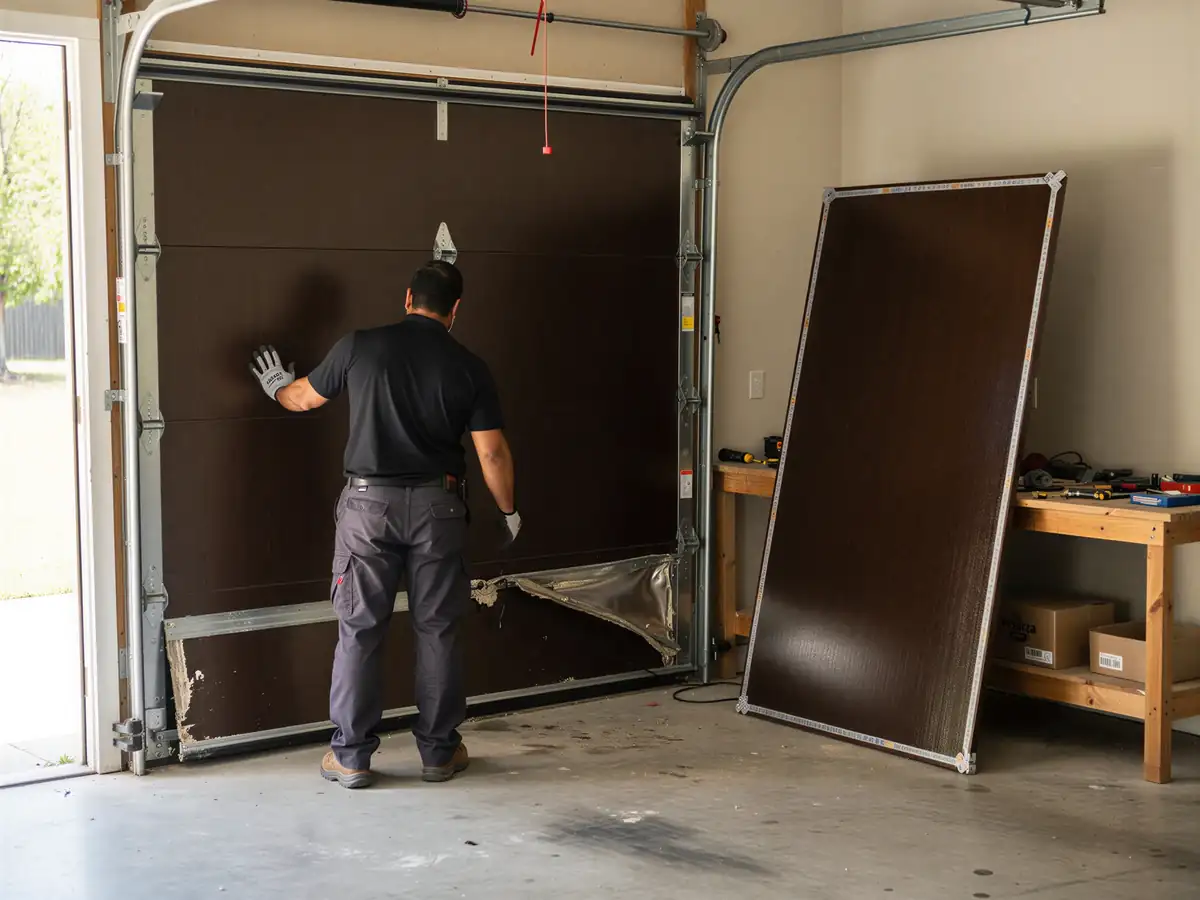
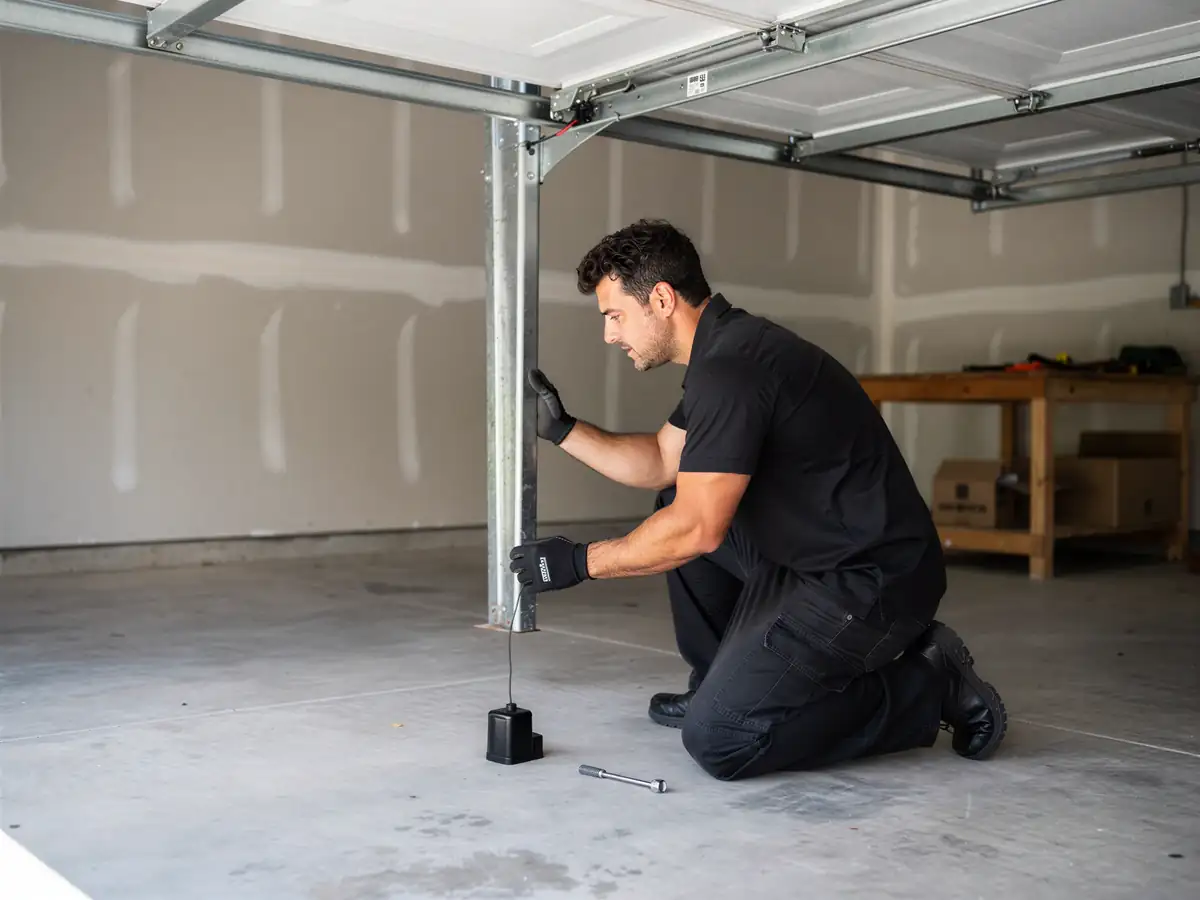
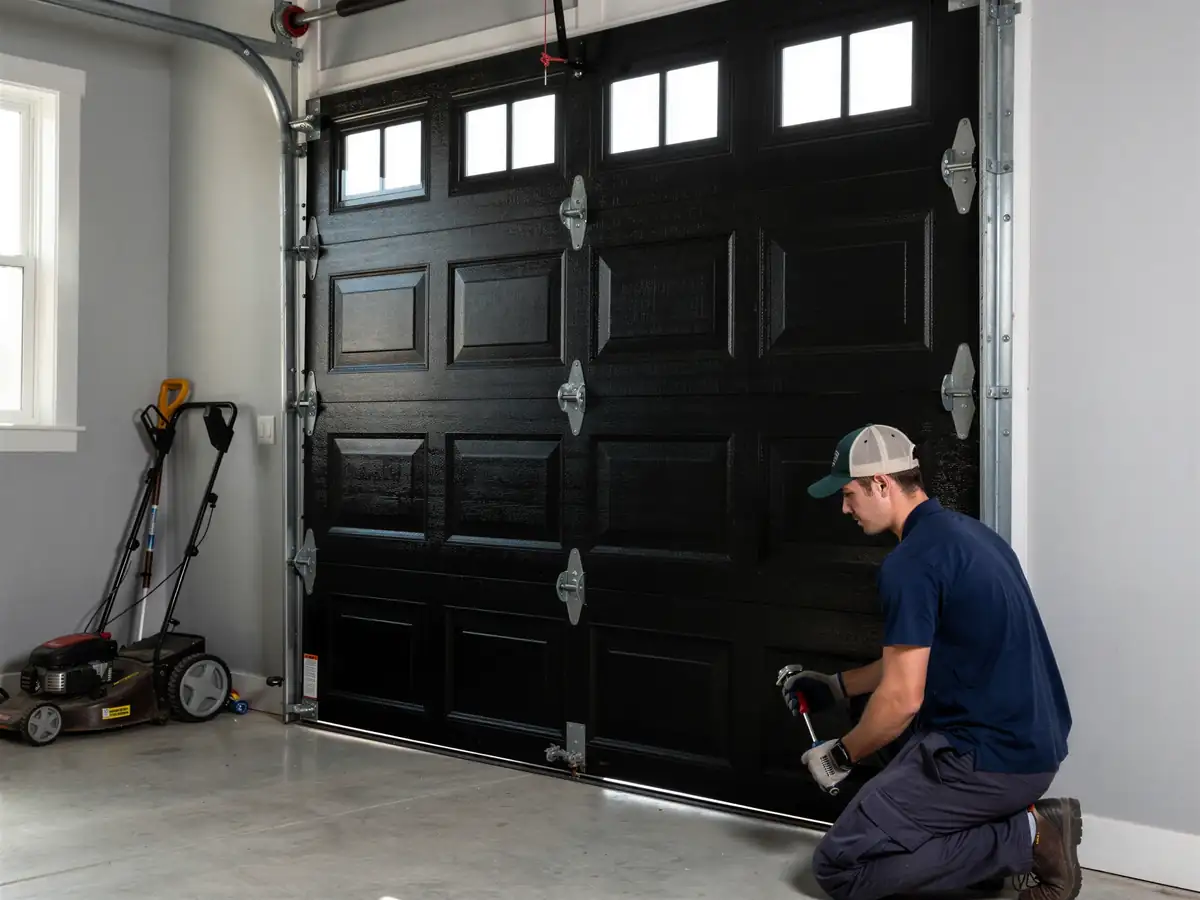
On a torsion spring job for a door from this era, the work is straightforward: wind down the old spring, measure the door weight and cycle count it's rated for, and match a replacement sized correctly rather than grabbing whatever's closest on the shelf. Undersized springs are a common shortcut that shows up as a repeat call eighteen months later. If the opener is original to a late-80s build, parts for the specific chain-drive unit can be hard to source - that's the honest limitation here. We'll tell you up front if a part is special-order rather than quote a same-day fix we can't deliver. For cable and roller replacement, the job is faster, usually under an hour, and doesn't require touching the opener at all. We also check the bottom bracket and hinges while we're in there, since on a 35-year-old door those wear at roughly the same rate as the springs and get missed if nobody looks.
Where This Job Goes Sideways
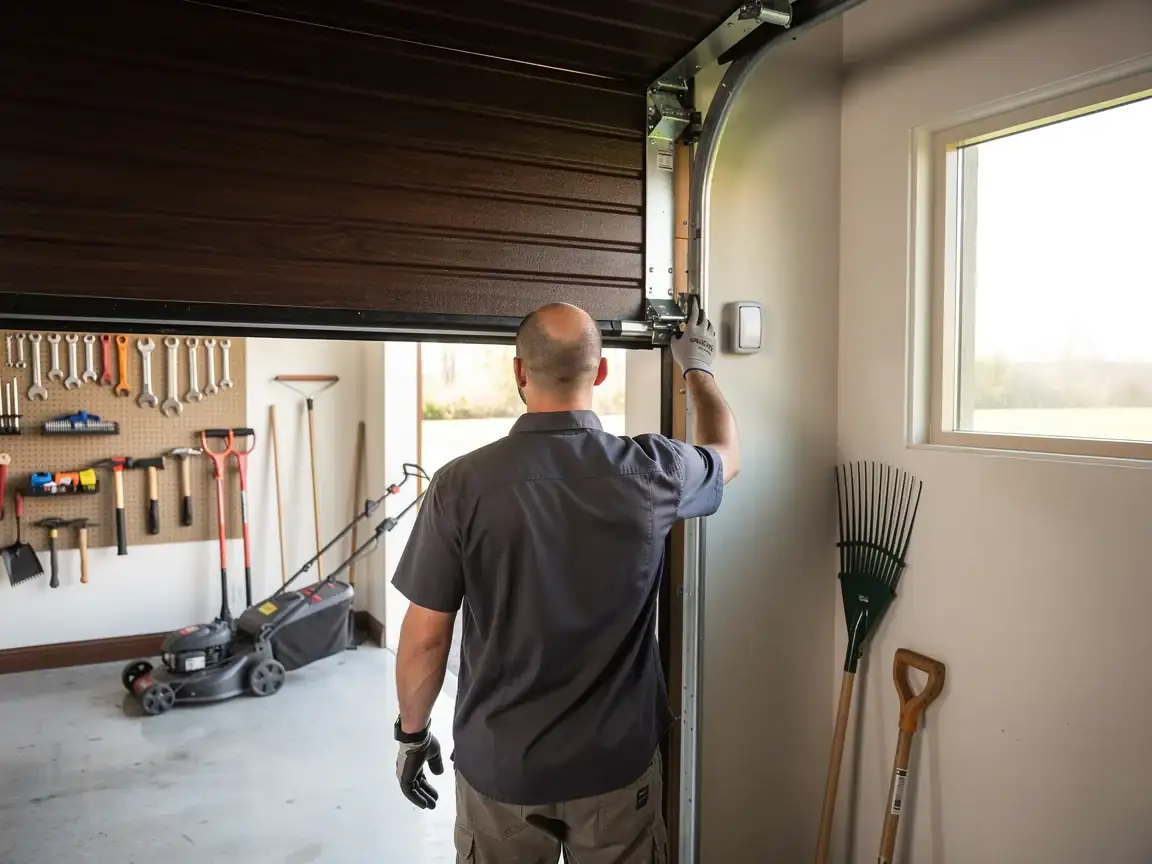
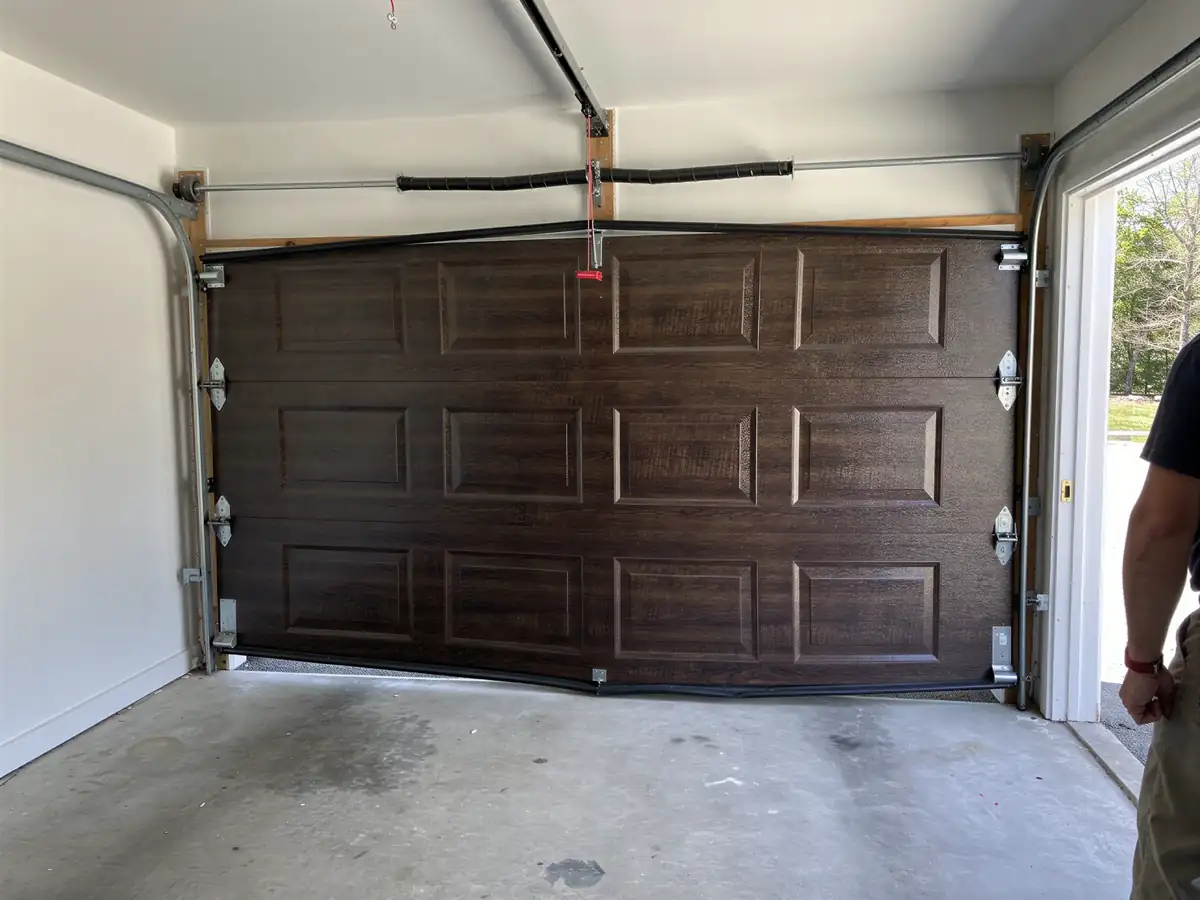
The trouble spot isn't the spring or the cable - it's the opener's logic board on houses where the door itself has been replaced at some point but the opener hasn't. You end up with a newer door, heavier or lighter than the original, running on an opener tuned for a different weight, and that mismatch shows up as premature gear wear or a door that reverses for no clear reason. Diagnosing that takes longer than a straight spring swap, and it's the kind of job where guessing costs more than it saves. The other place this goes sideways is when a homeowner wants a repair on a door that's structurally failing - rust at the bottom panel, warped track rails - and no spring or cable job fixes that. We'll say so rather than patch something that's going to need replacing within the year anyway. We travel the 5 miles from Brooklyn Park for all of this; there's no local branch in Champlin, just the truck coming out.