What Is on the Truck
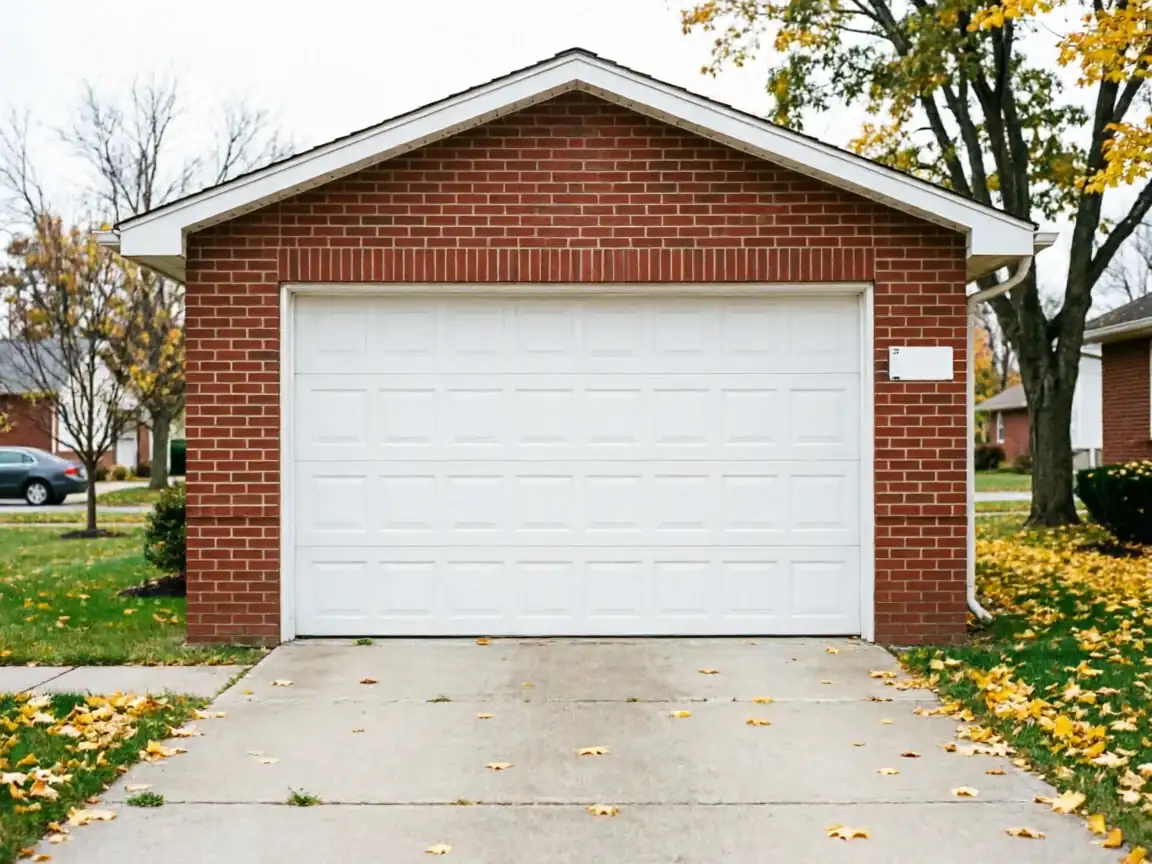
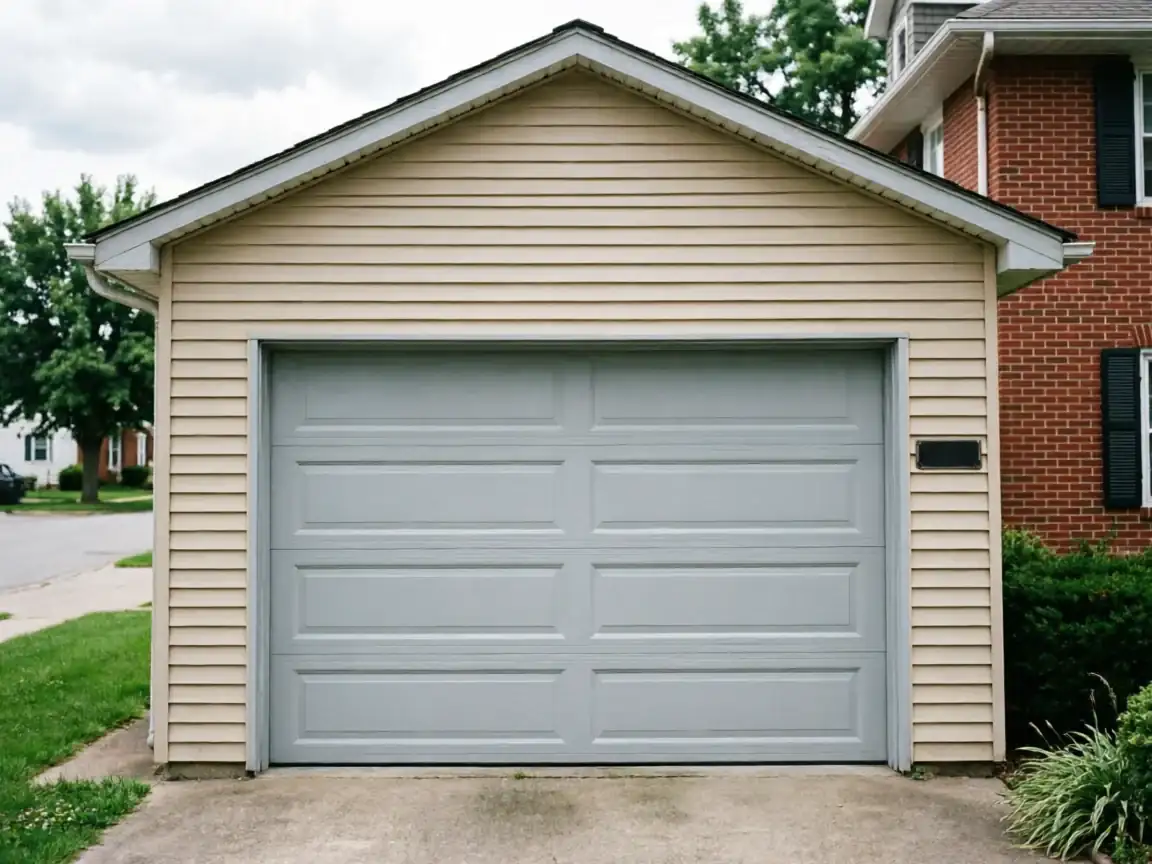
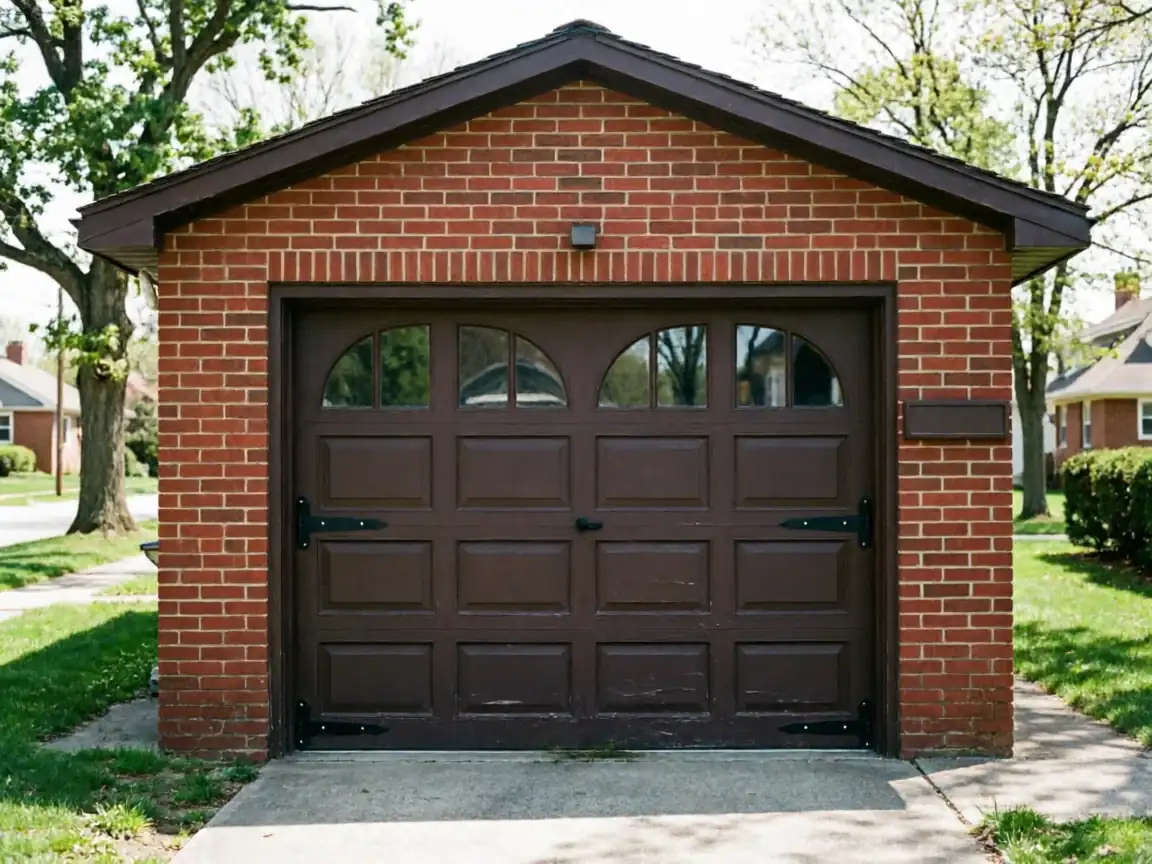
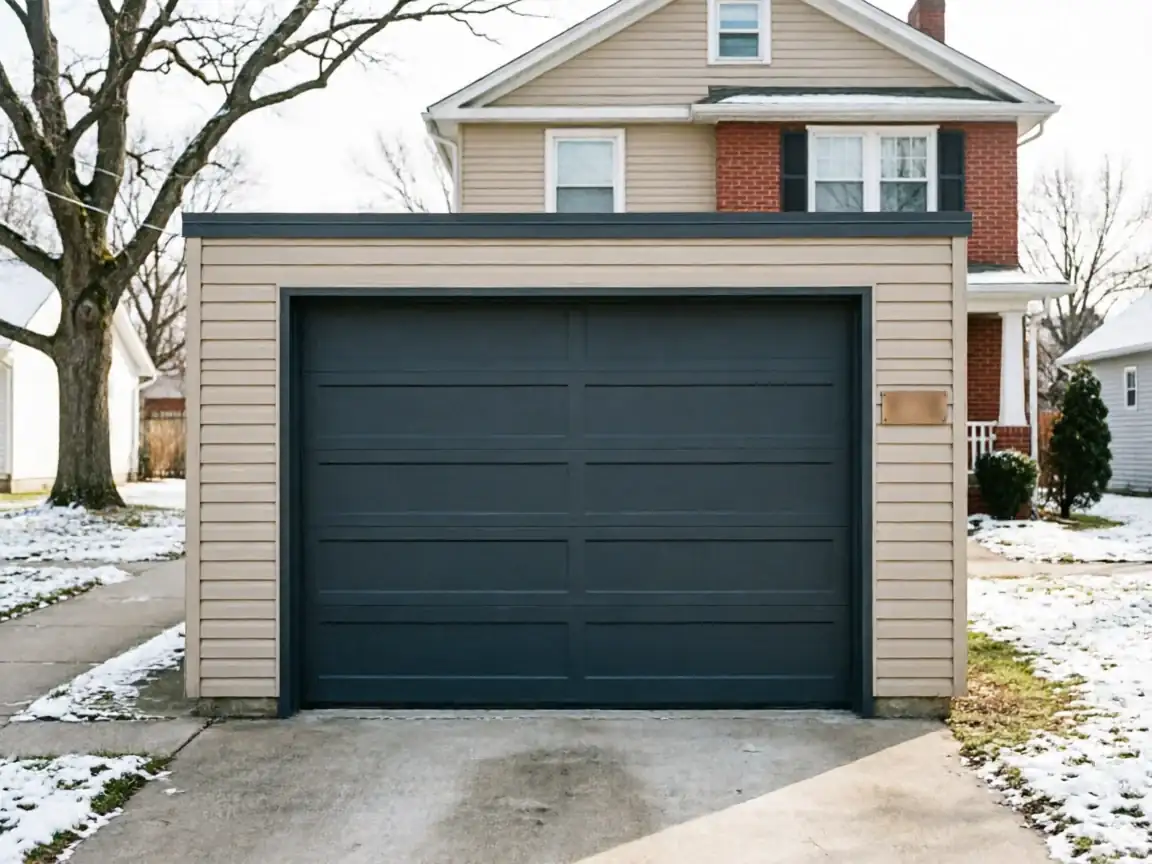
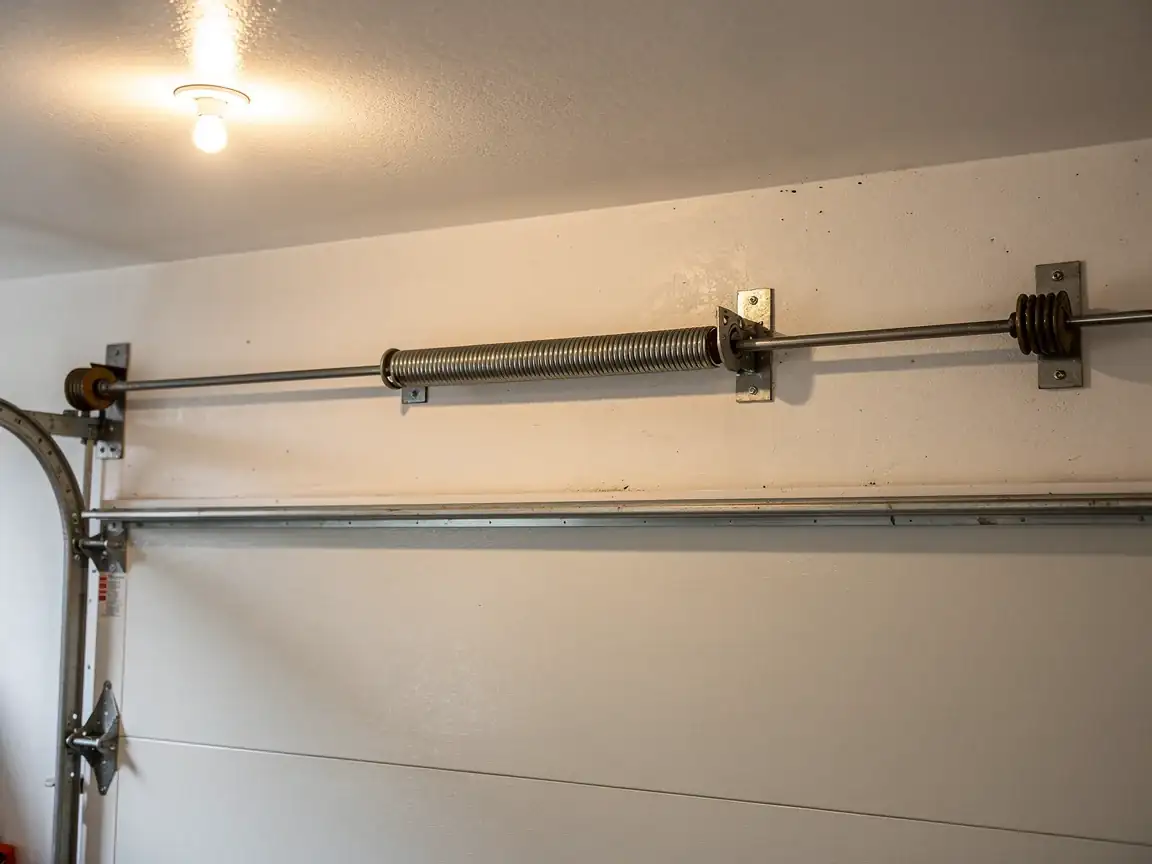
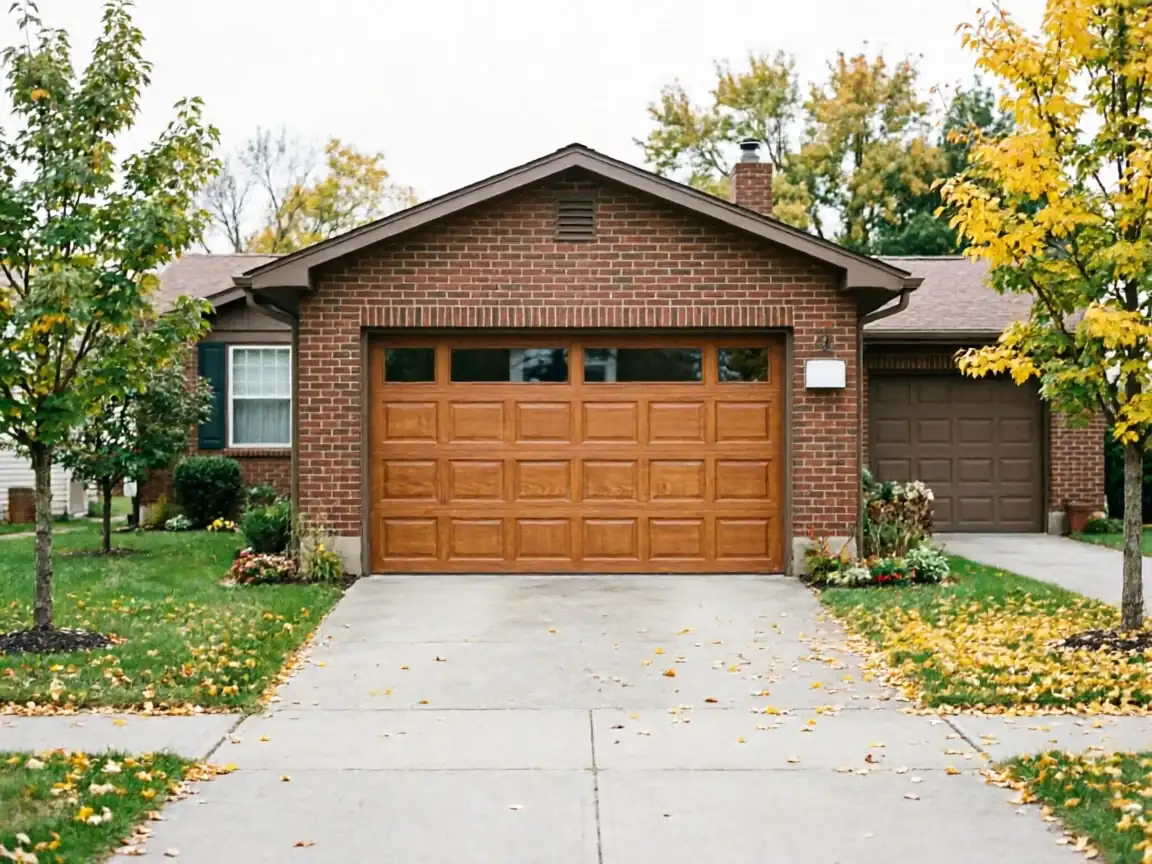
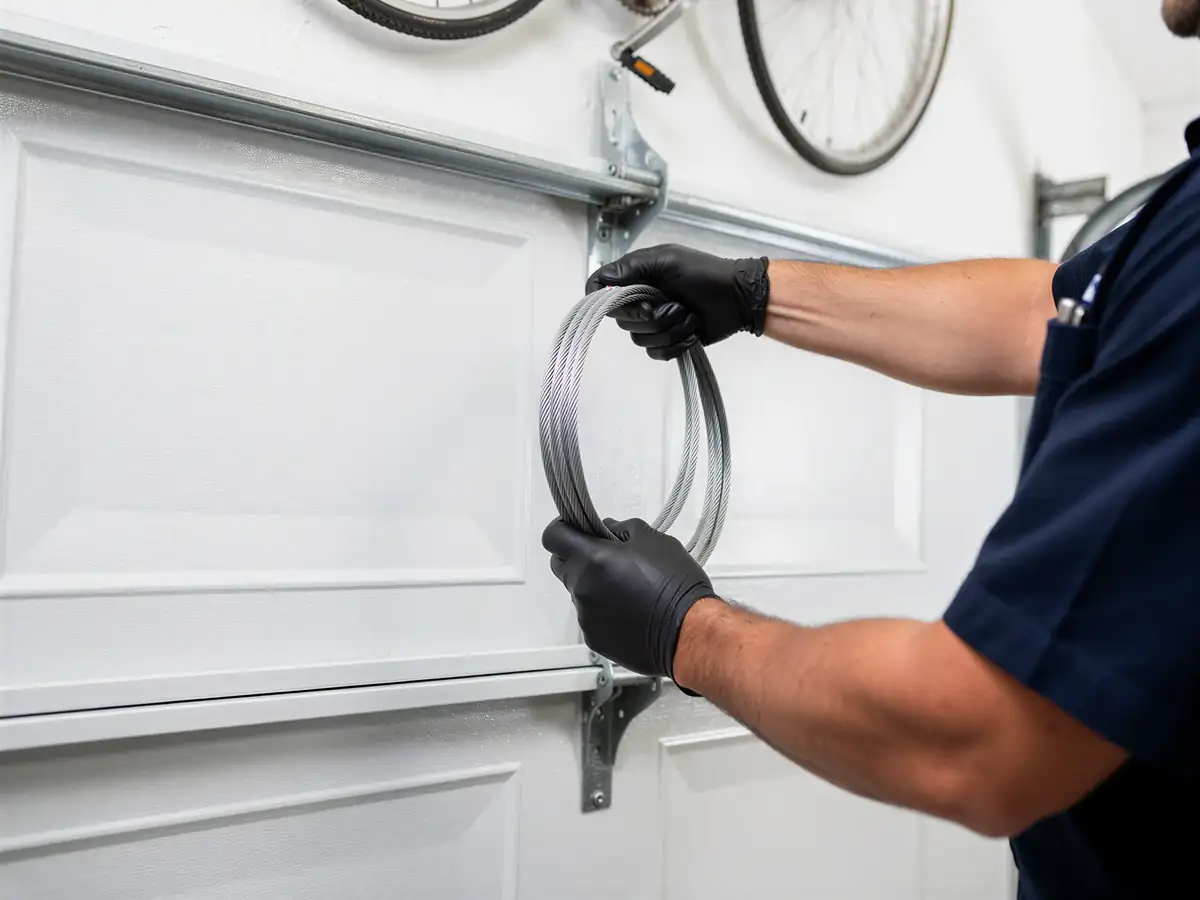
Champlin sits five miles from Brooklyn Park, which is a short run but not a non-event when it comes to panel work. A sectional door job means the truck needs to carry options, not just one replacement panel, because you don't know the exact profile until you're standing in front of the door. Champlin's housing stock centers on a median build year of 1988, a decade newer than the broader service area's 1980 median, so the panel profiles we expect to pull off the truck here lean toward late-80s and 90s steel sectional styles rather than the older single-layer doors you'd find on a block built in the 1960s. That means more stock for 96-inch and 7-foot door widths, factory-insulated panel sections, and hardware sized for torsion systems rather than the extension springs common on older builds. We still bring spares outside that window, because no neighborhood is uniform, but the drive from Brooklyn Park gets planned around what's actually on most Champlin garages, not a generic kit.
What the Fix Involves
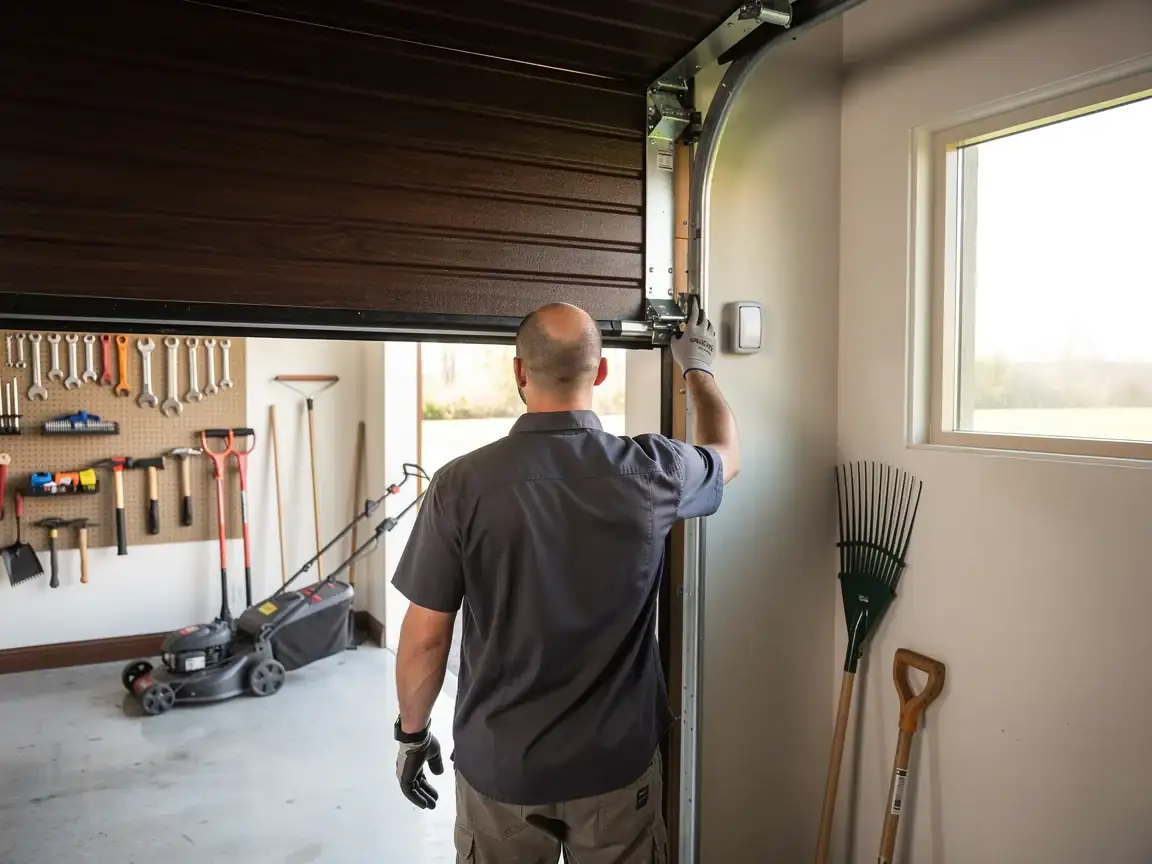
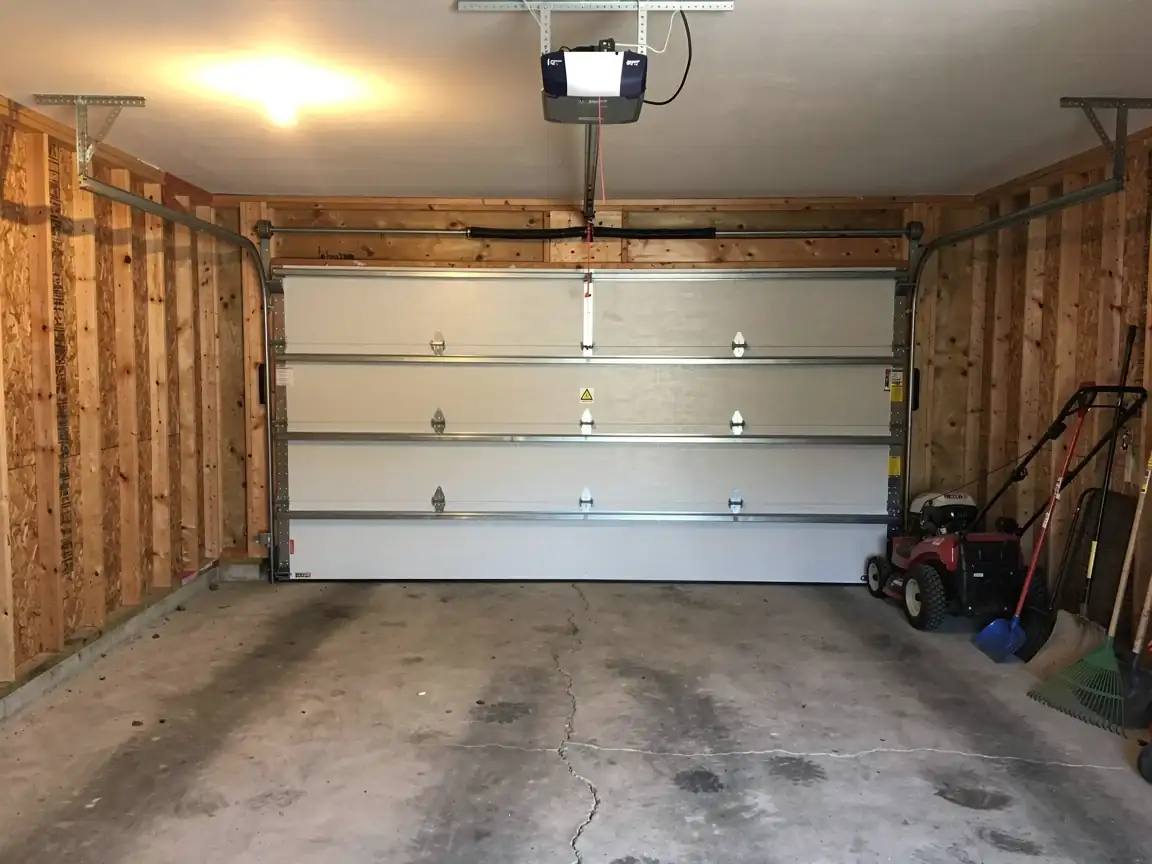
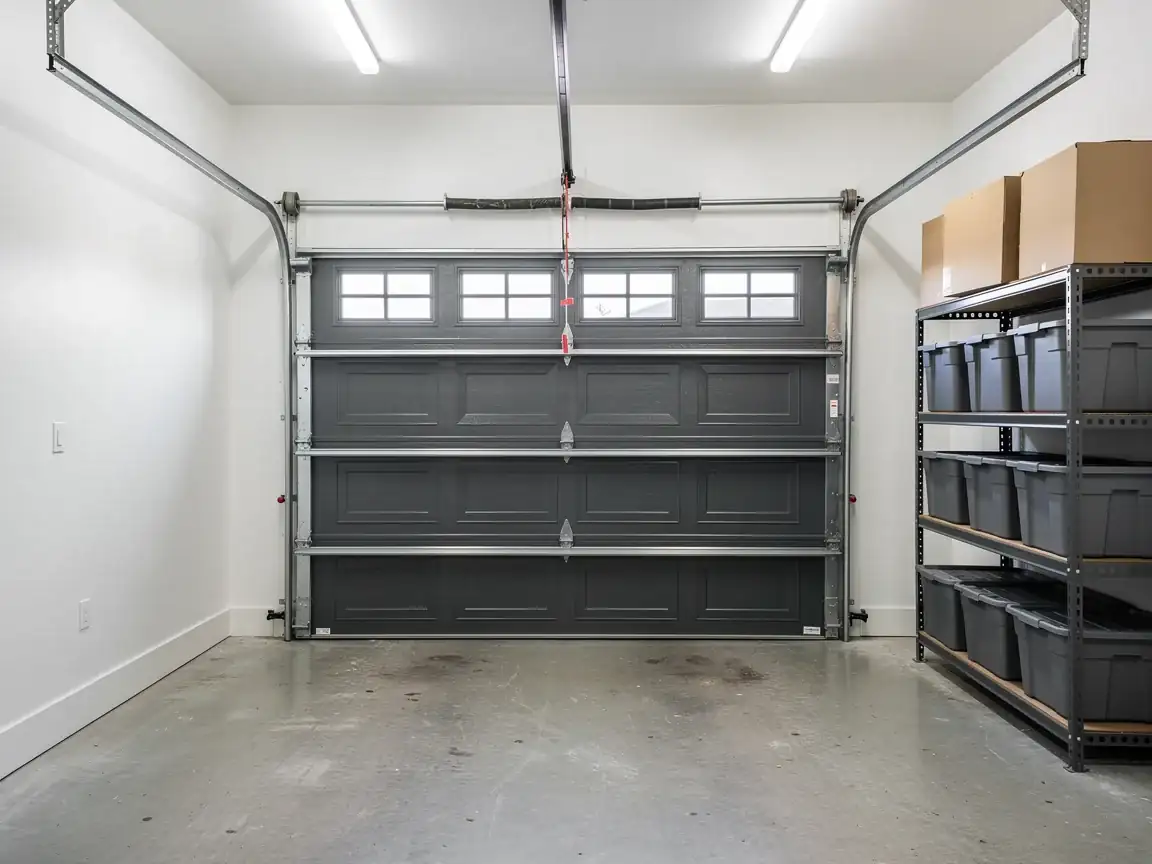
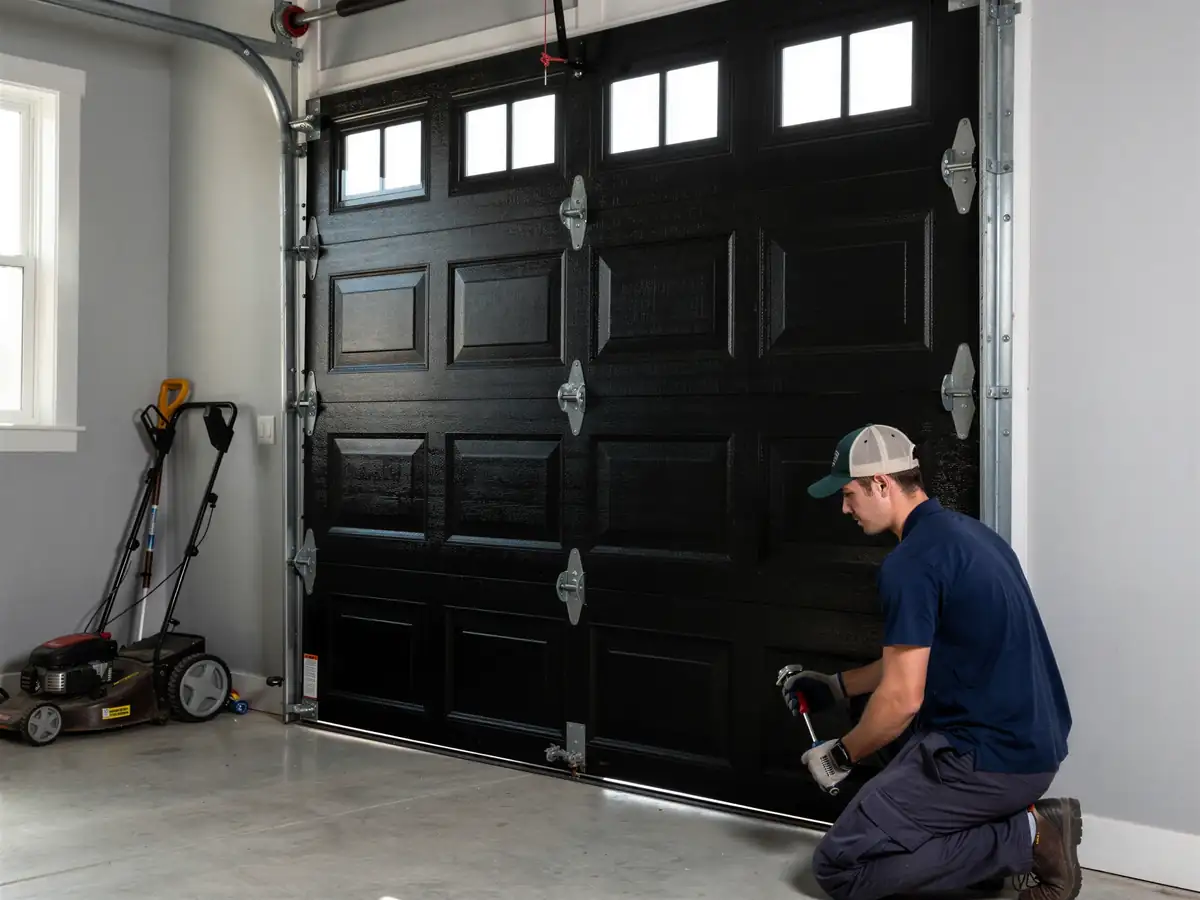
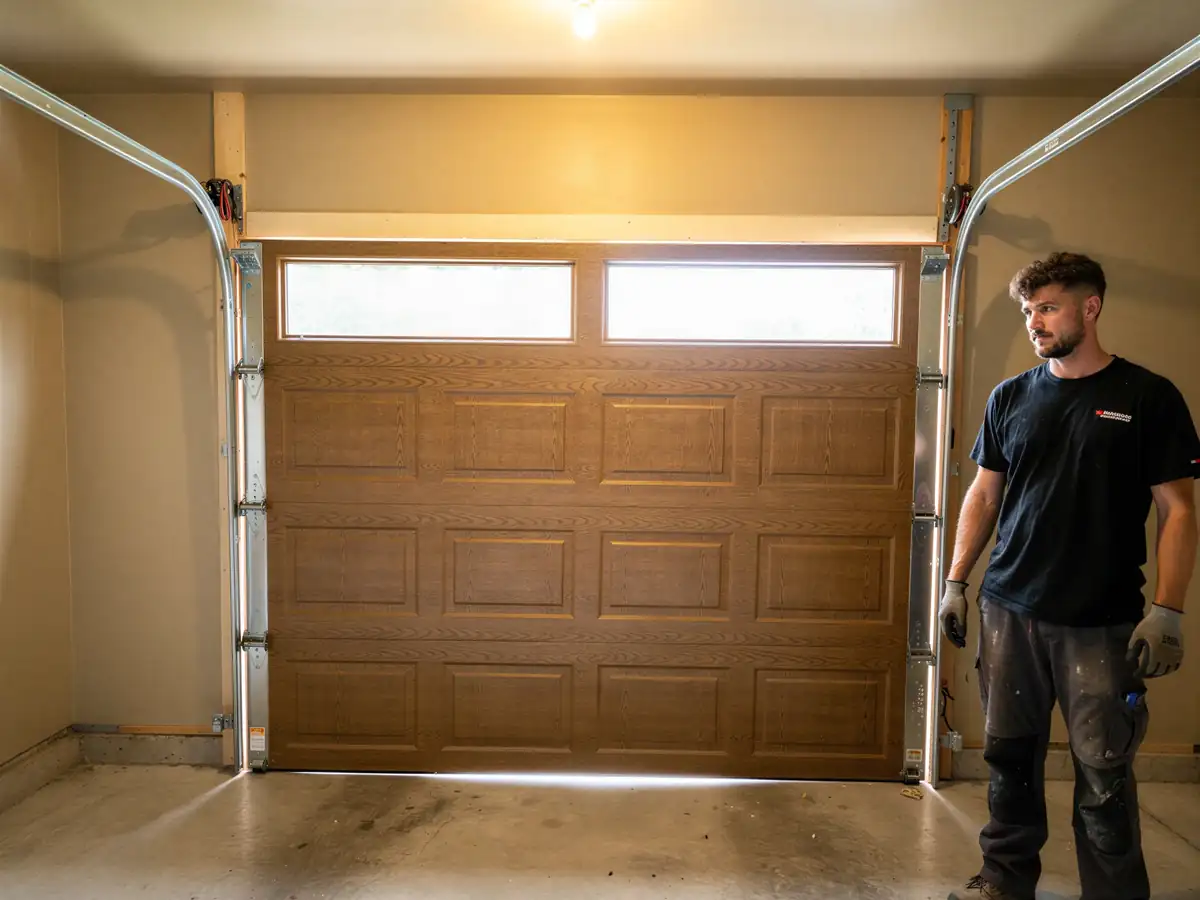
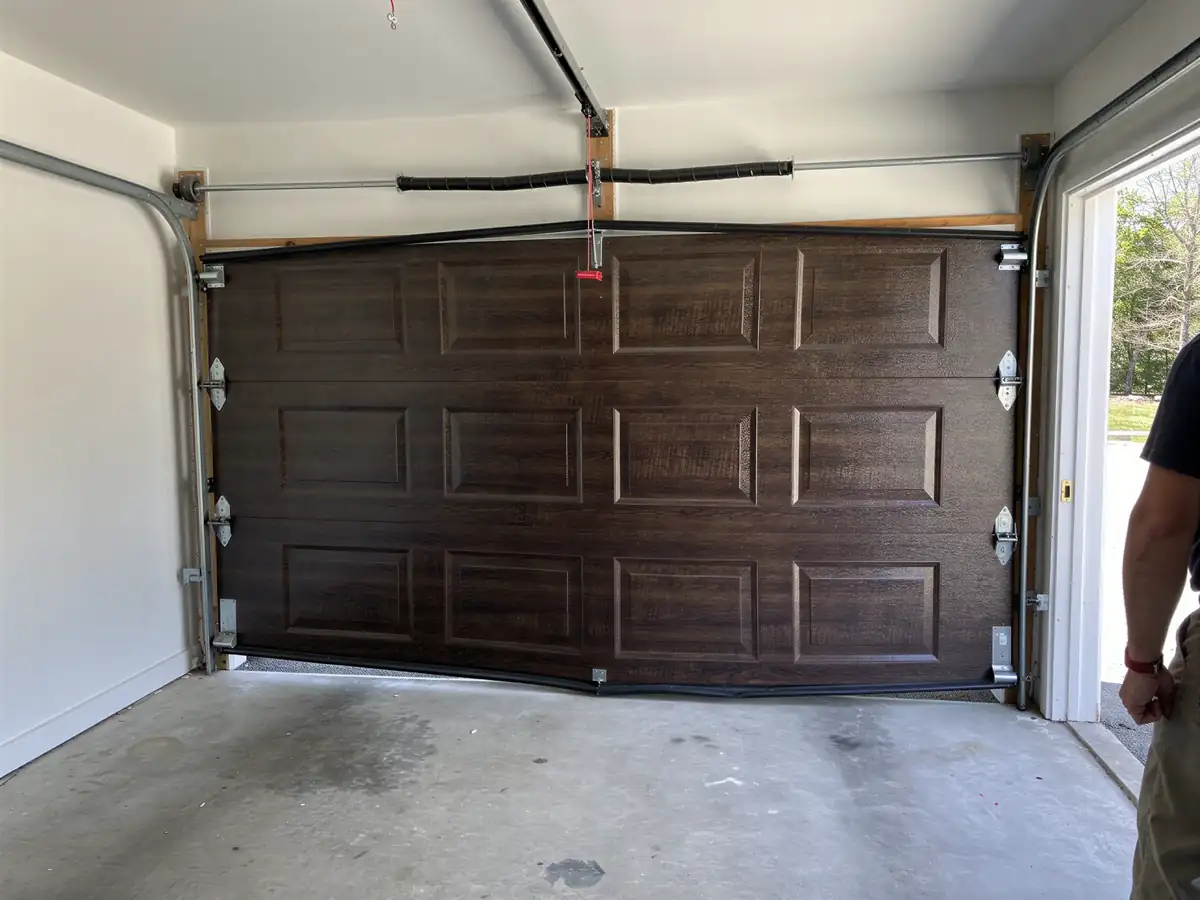
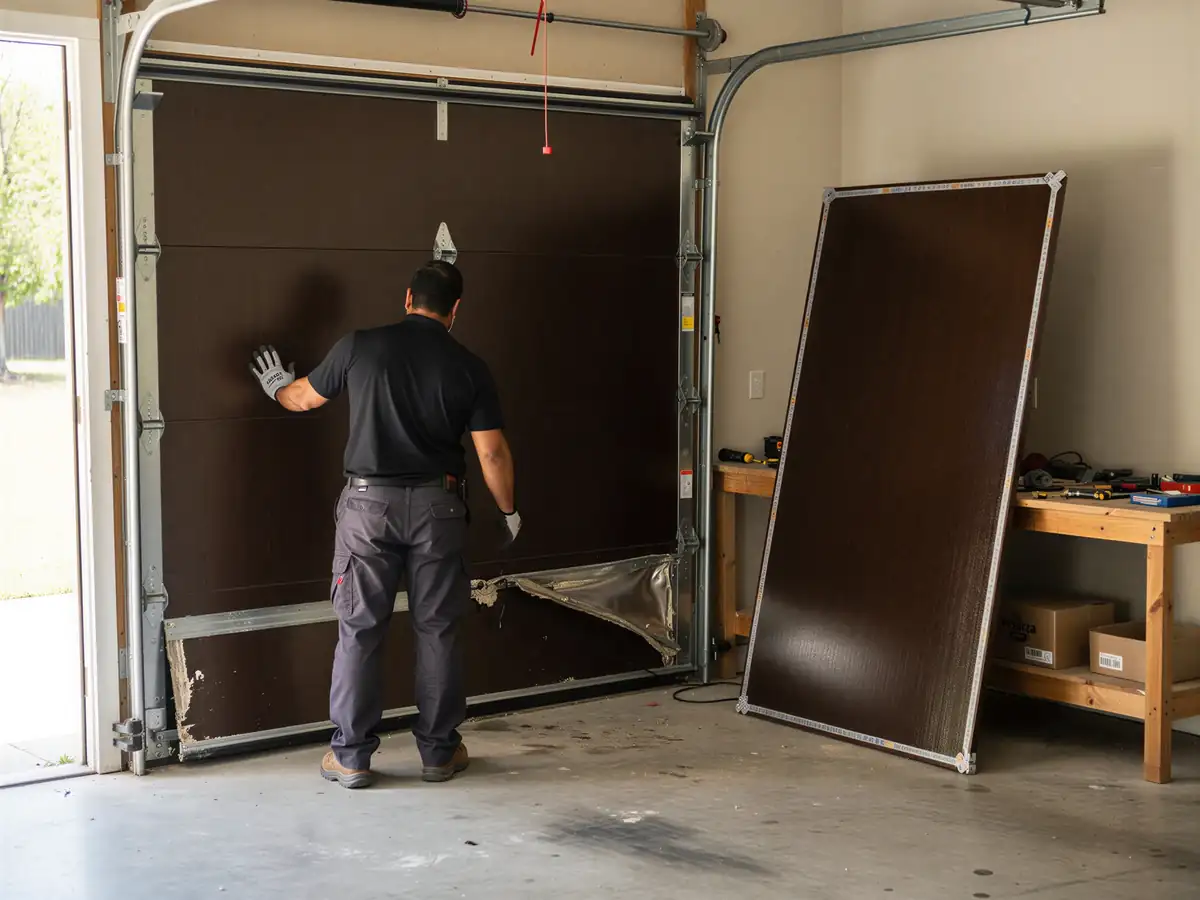
Panel replacement on a sectional door isn't a full-door job unless the track or the opposite panels are also damaged. We pull the damaged section, disconnect it from the hinges and rollers, and set the match panel in using the same hardware wherever the old hinges and rollers are still sound. On Champlin's 1980s and 90s doors, that's usually possible, since the steel gauge and track width from that era are still common sizes. Where the whole door is a single color and finish, we try to match the panel profile and paint as closely as the manufacturer allows, but an exact factory match on a 30-year-old door isn't always available. That's the honest limit here: if the original panel profile is discontinued, we replace with the closest current equivalent, and the color or embossing pattern can be visibly different until the whole door is repainted or replaced. We'll tell you that before the work starts, not after.
Where This Job Goes Sideways
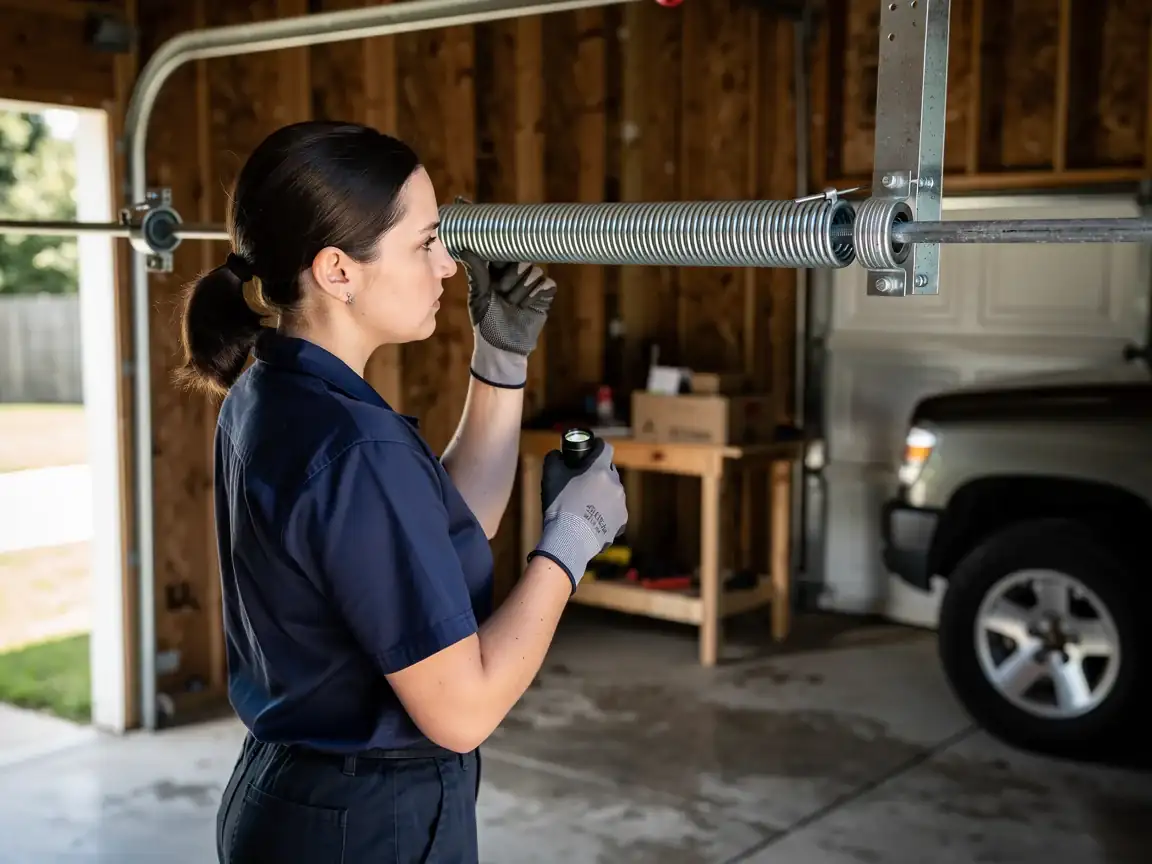
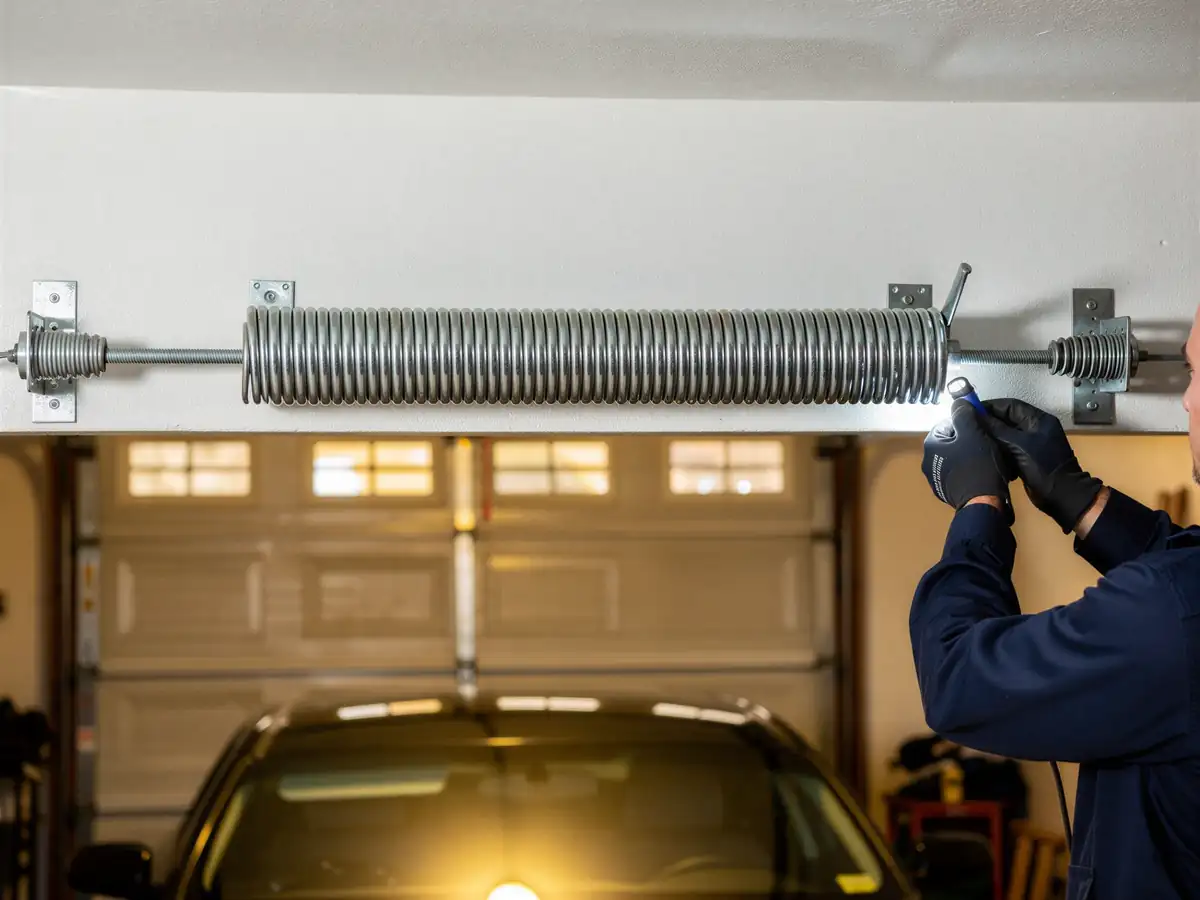
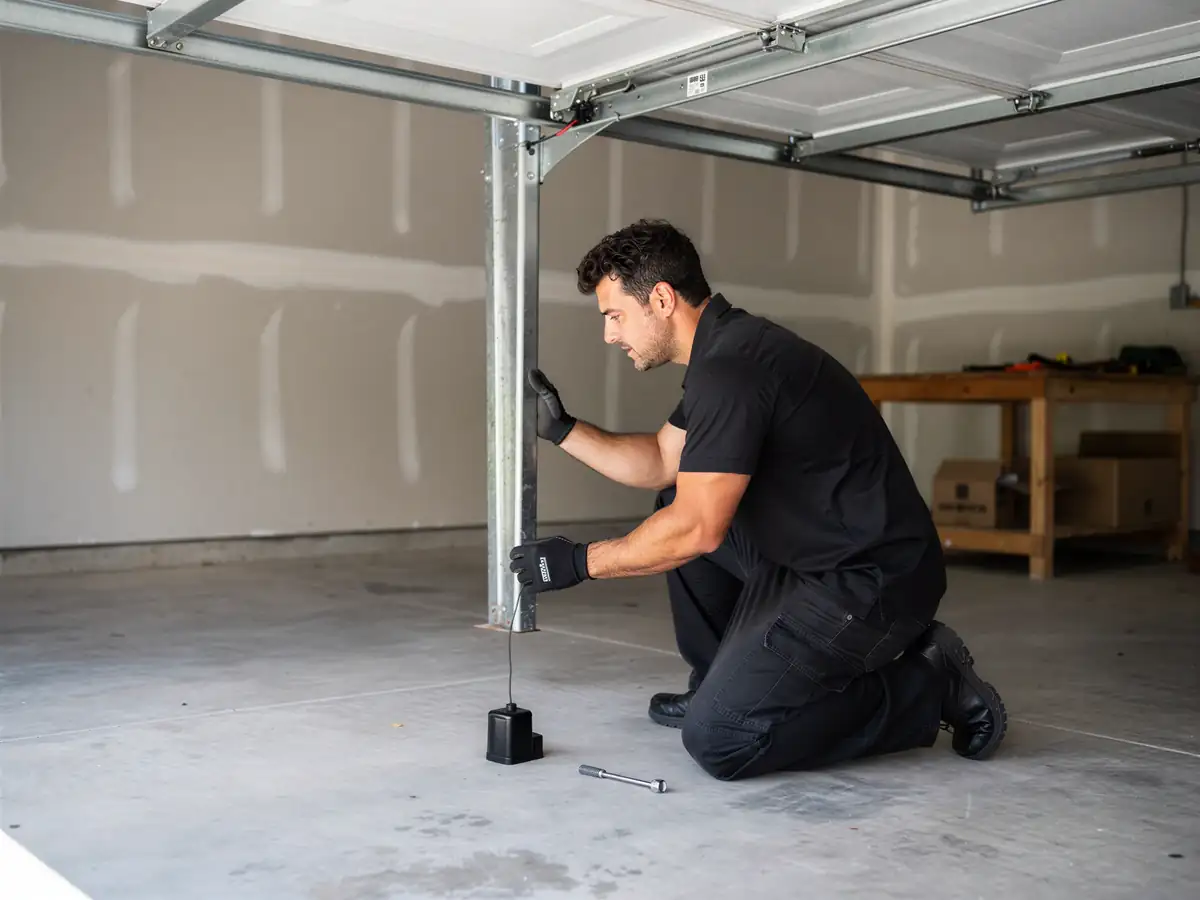
The trouble spot on these Champlin doors is usually the track alignment once a panel's been bowed for a while. A panel that's been flexing in and out of true for a year or two can pull the rollers slightly off the track rail, and if you just swap the panel without checking that, the new section binds within a few weeks. We check roller travel and track plumb as part of the job, not as an upsell. The other place this goes sideways is springs: a double-car door built in the late 1980s is heavy enough that if the torsion spring is original, it's past its rated cycle count, and pairing a new, heavier insulated panel with a tired spring is how you end up back out here for a spring failure a month later. We'll flag that at the same visit rather than let it become a second trip.