What Is on the Truck
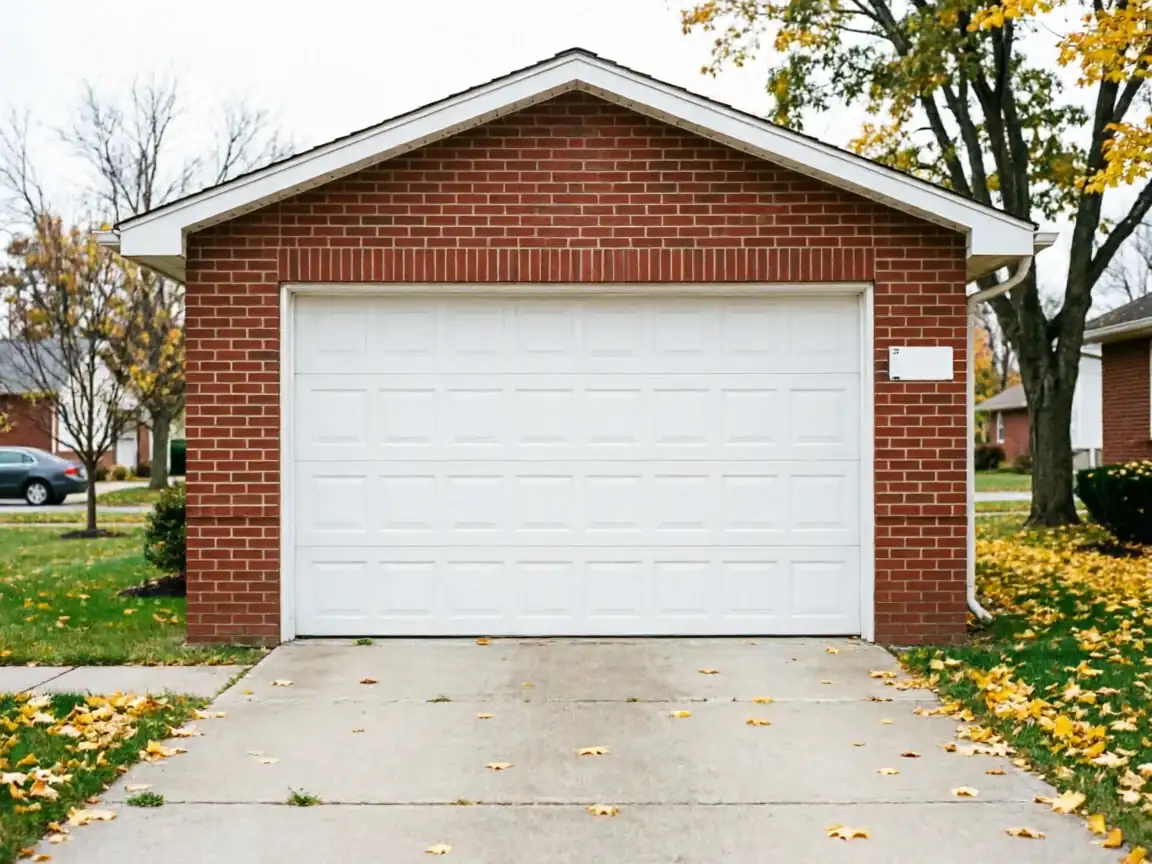
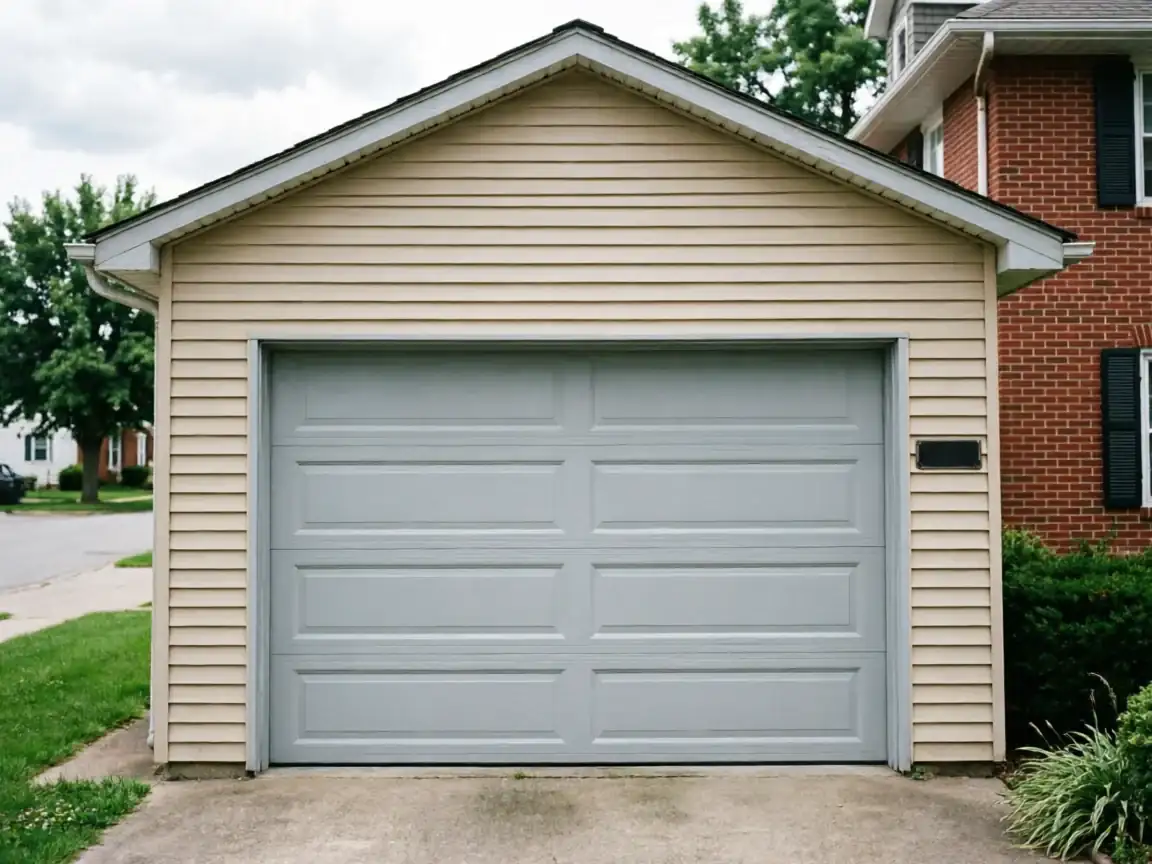
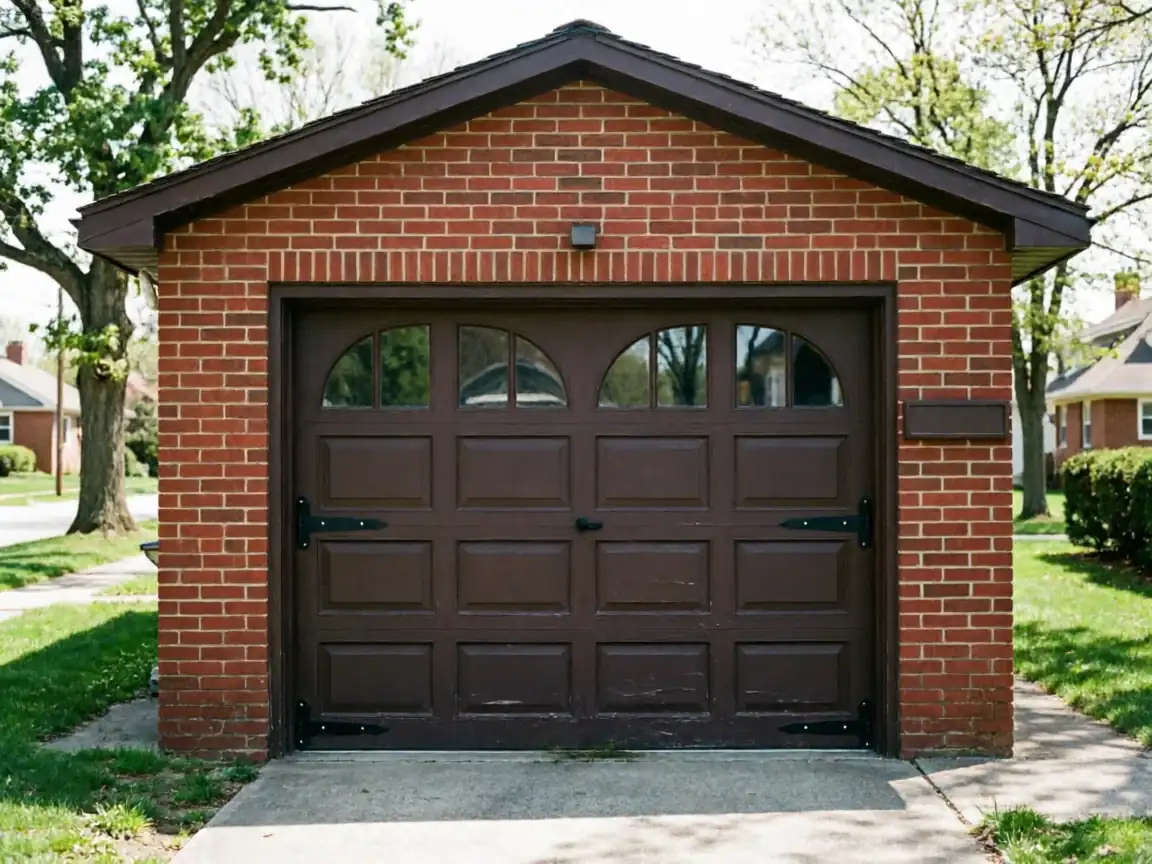
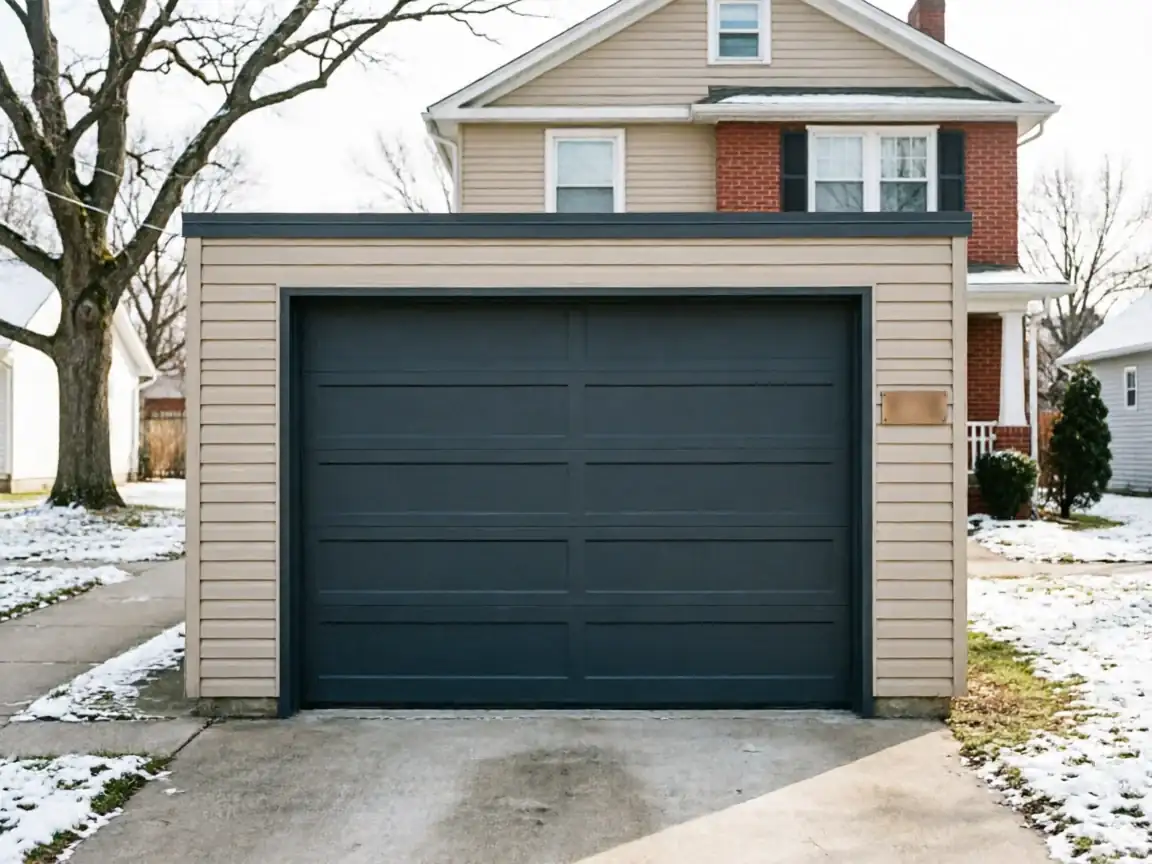
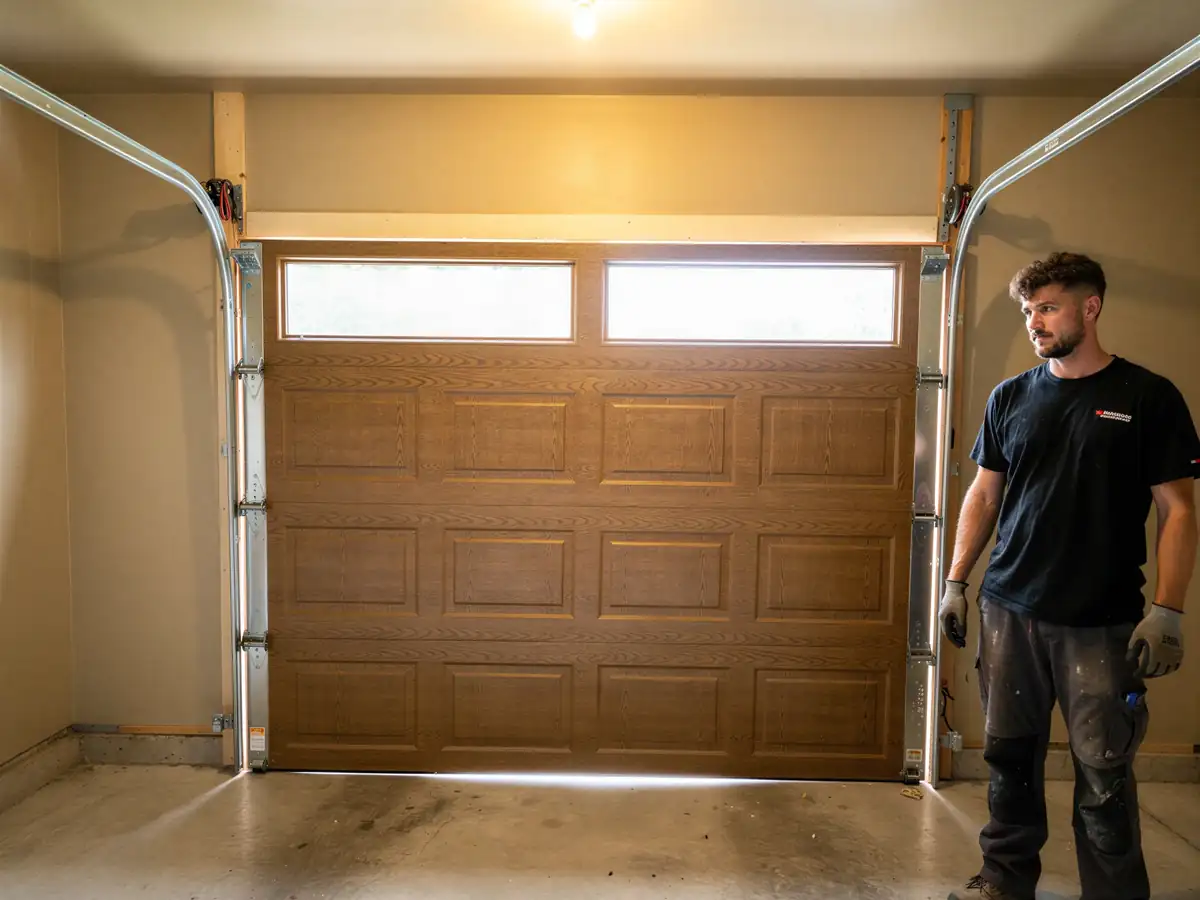
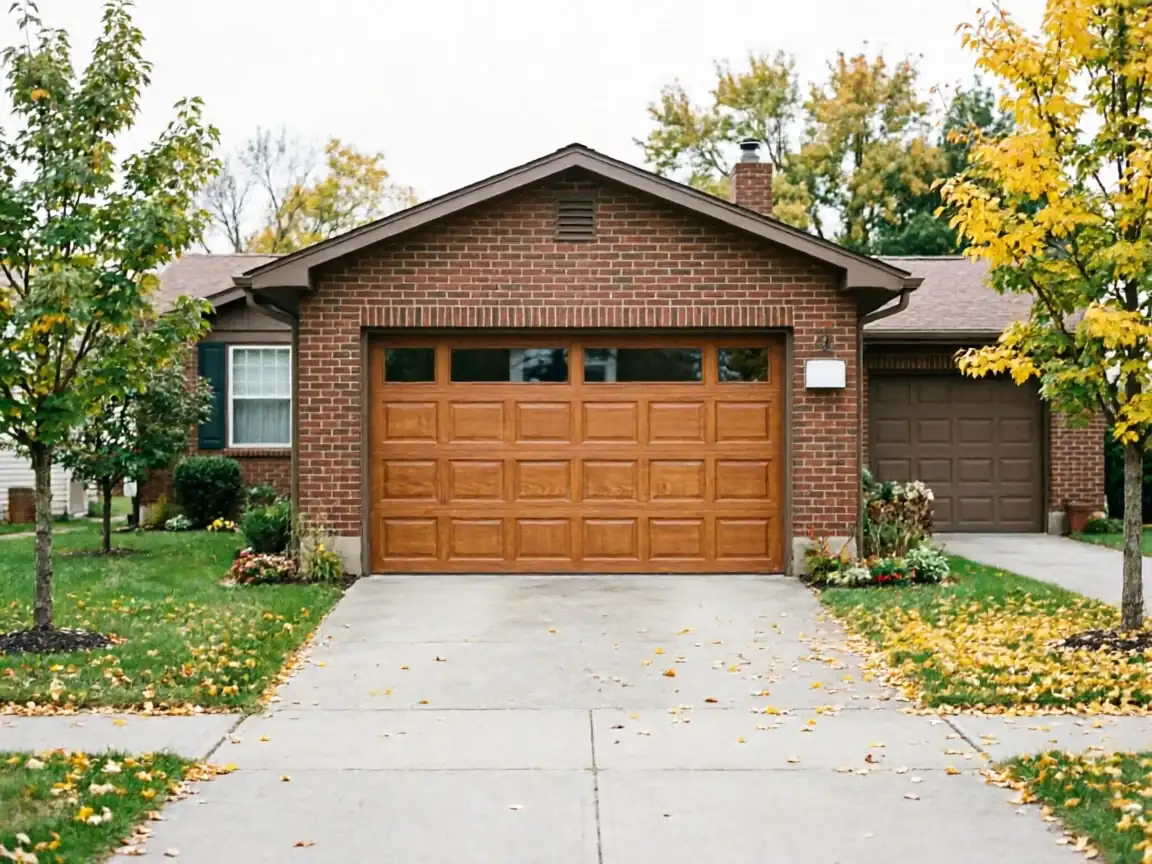
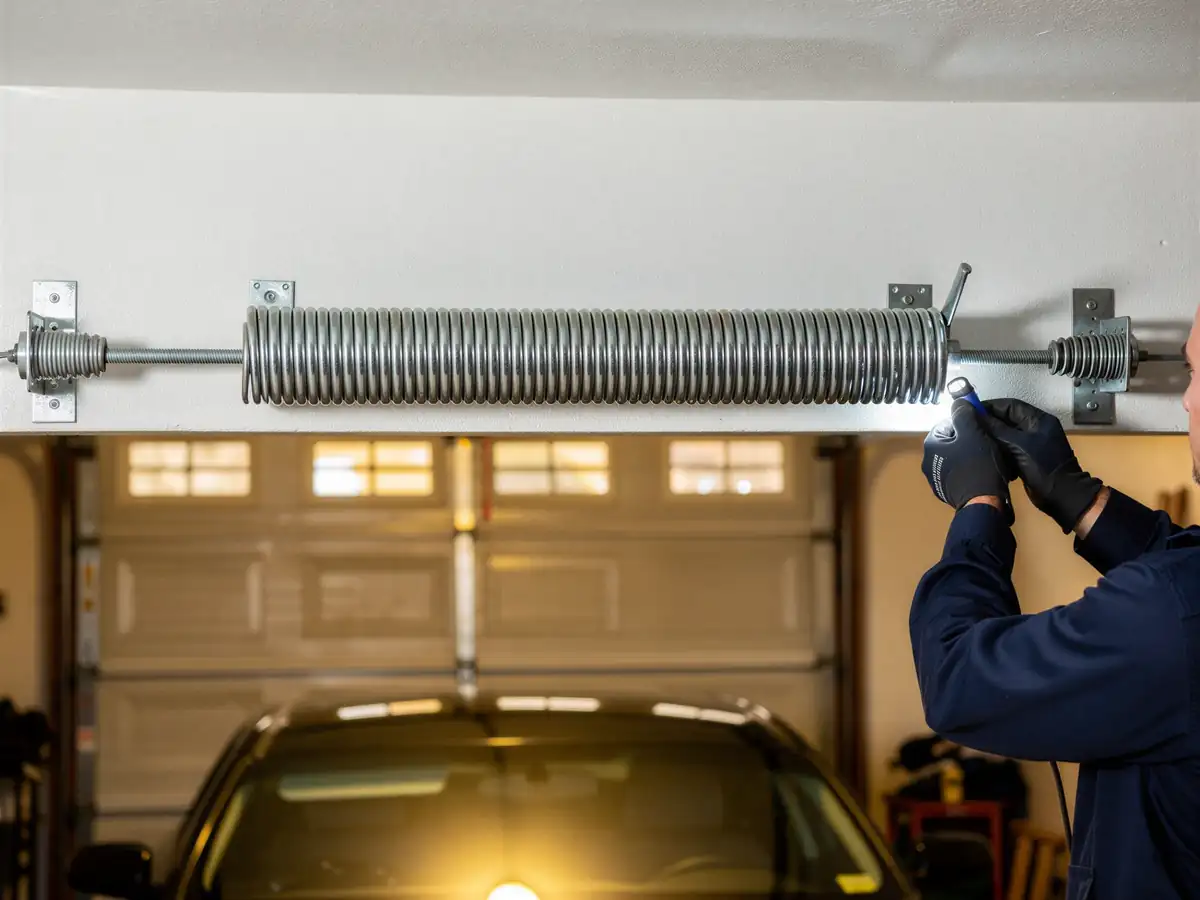
Champlin has about 8,699 households, which is a fraction of the roughly 296,766 across the whole service area we cover out of Brooklyn Park. That's not a big enough town to justify its own stocked location, so we run the truck from Brooklyn Park, five miles south, and we load it based on what actually breaks in houses like Champlin's. Most of this town's housing went up in the 1980s and 90s, inside the broader 1957-2007 range we see across the service area, with the service area's median landing around 1980. Champlin runs a bit newer than that overall median, closer to 1988. That means we carry torsion springs sized for the standard 7-foot and 8-foot sections that builders used through that stretch, plus the extension spring kits that still show up on older end-of-section doors from the earlier part of that build window. We don't carry every spring wind and length ever made. If a door turns out to be an oddball import or a custom width, that part may need a day or two to source rather than coming off the truck same-visit.
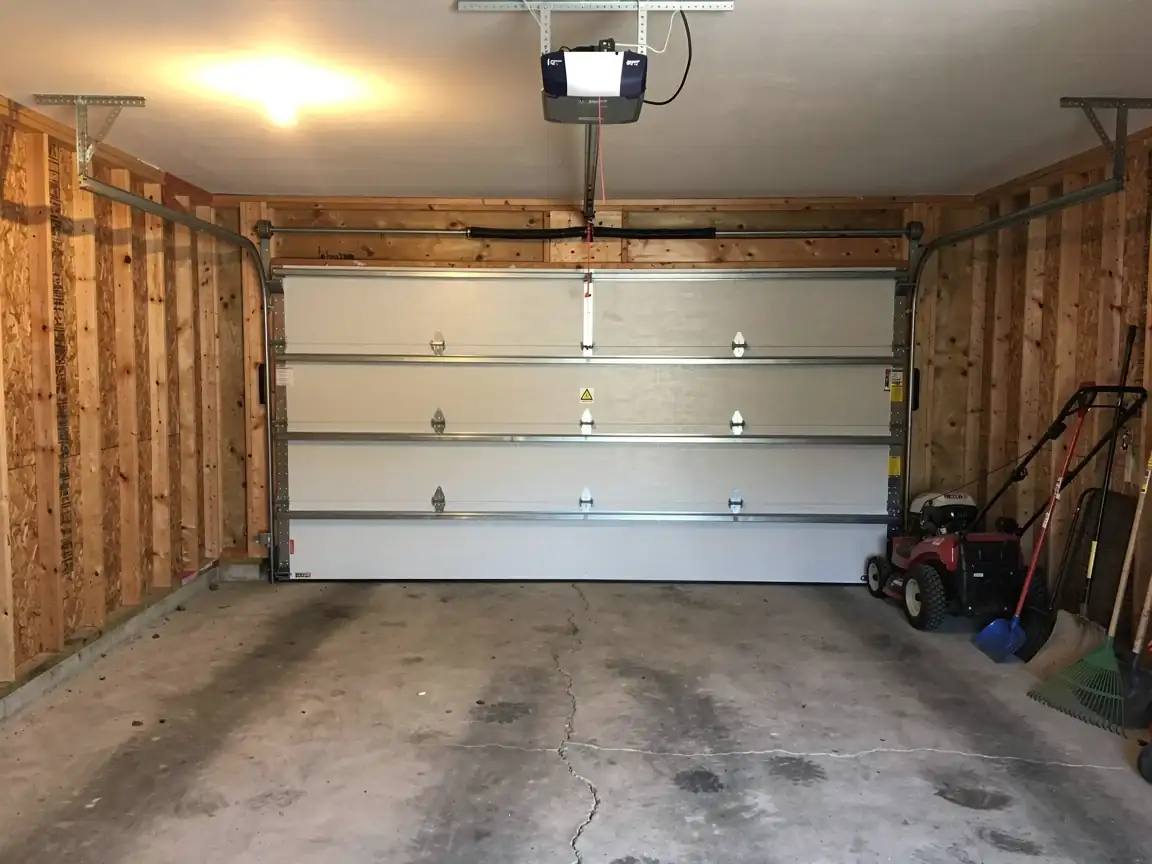
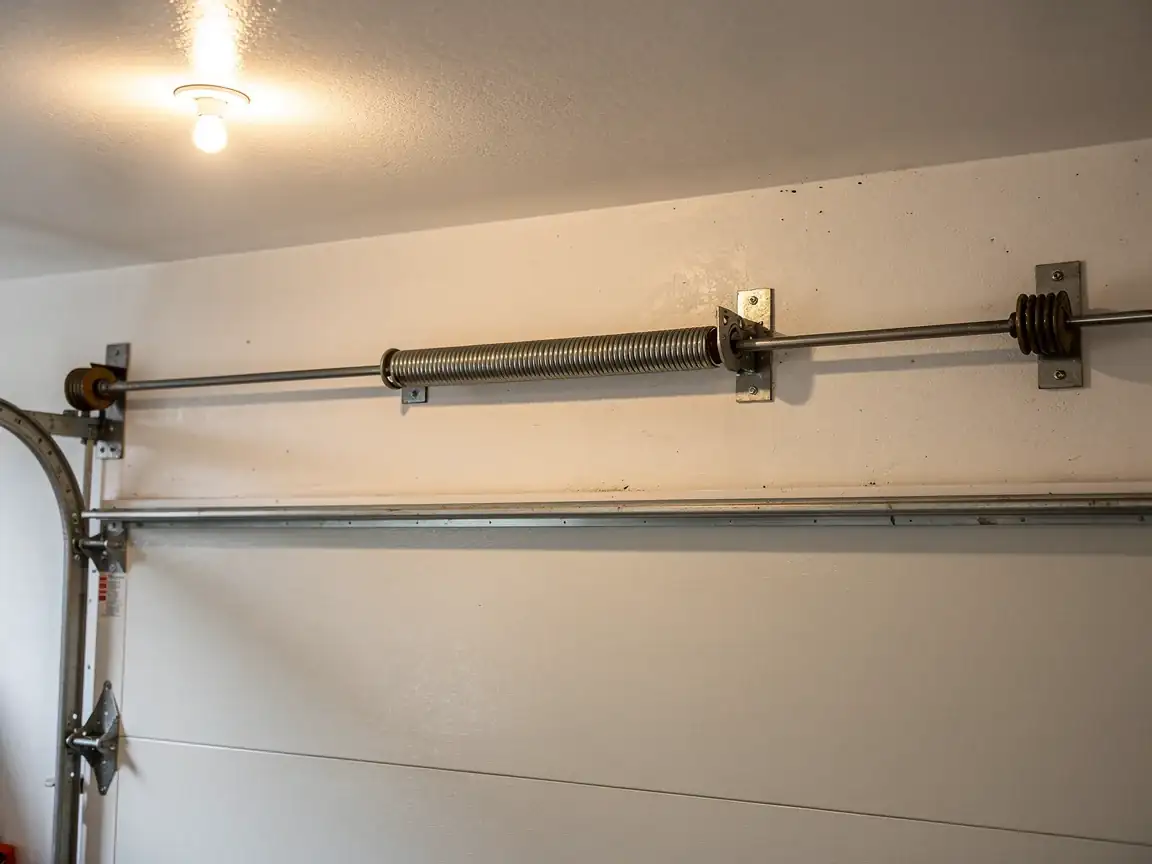
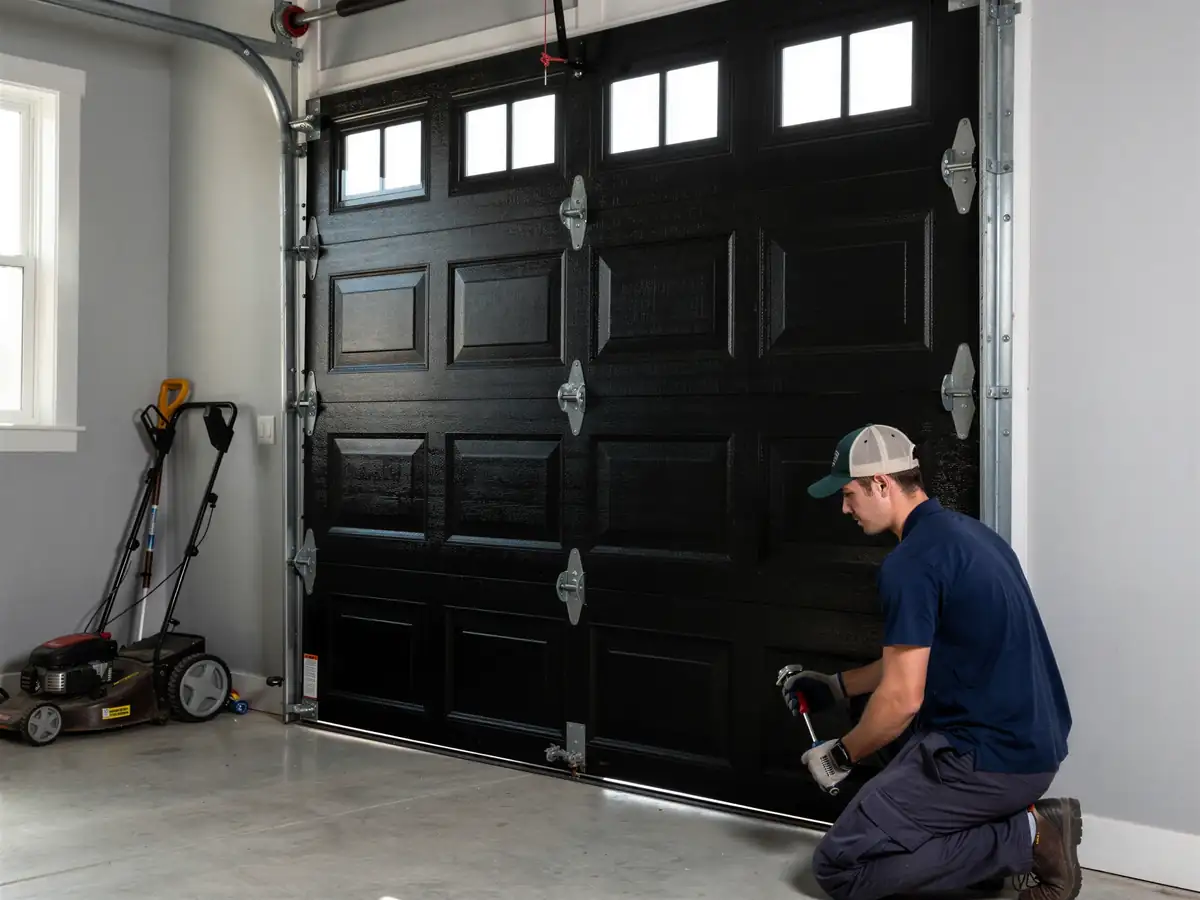
What the Fix Involves
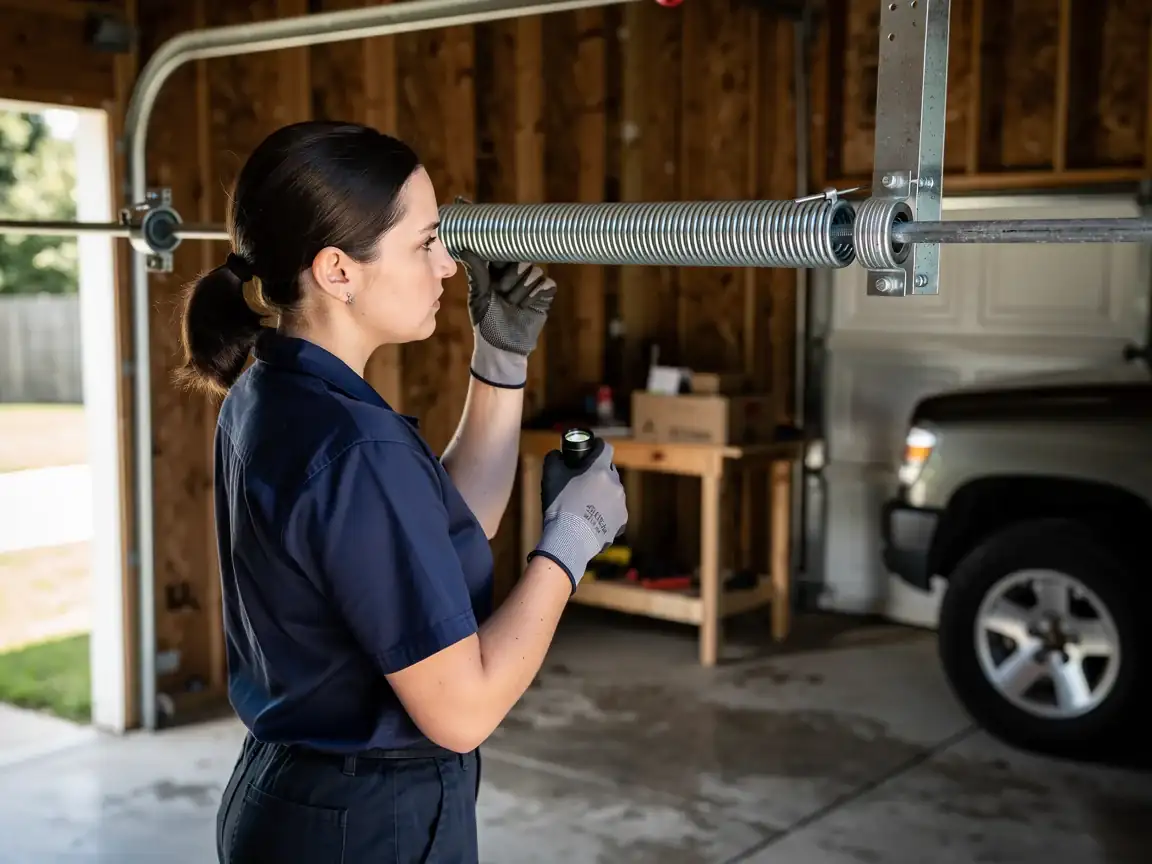
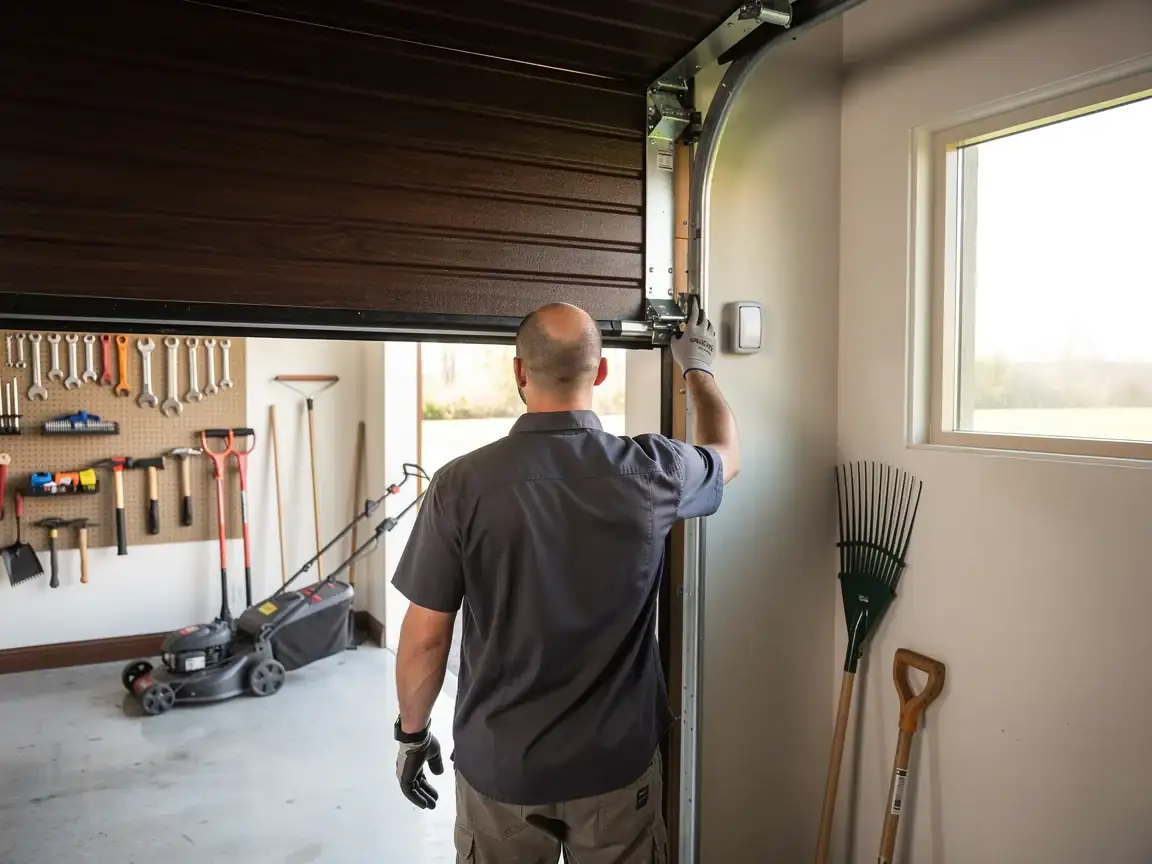
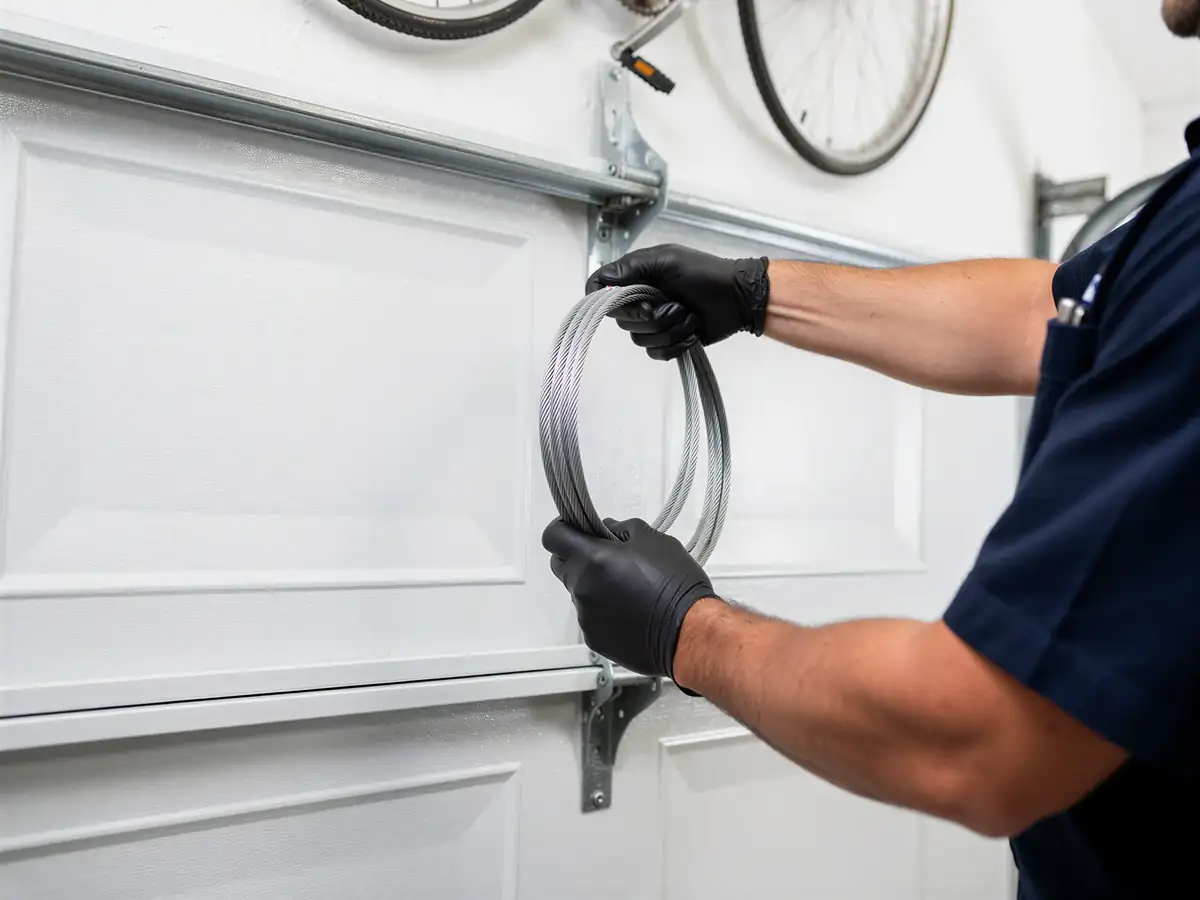
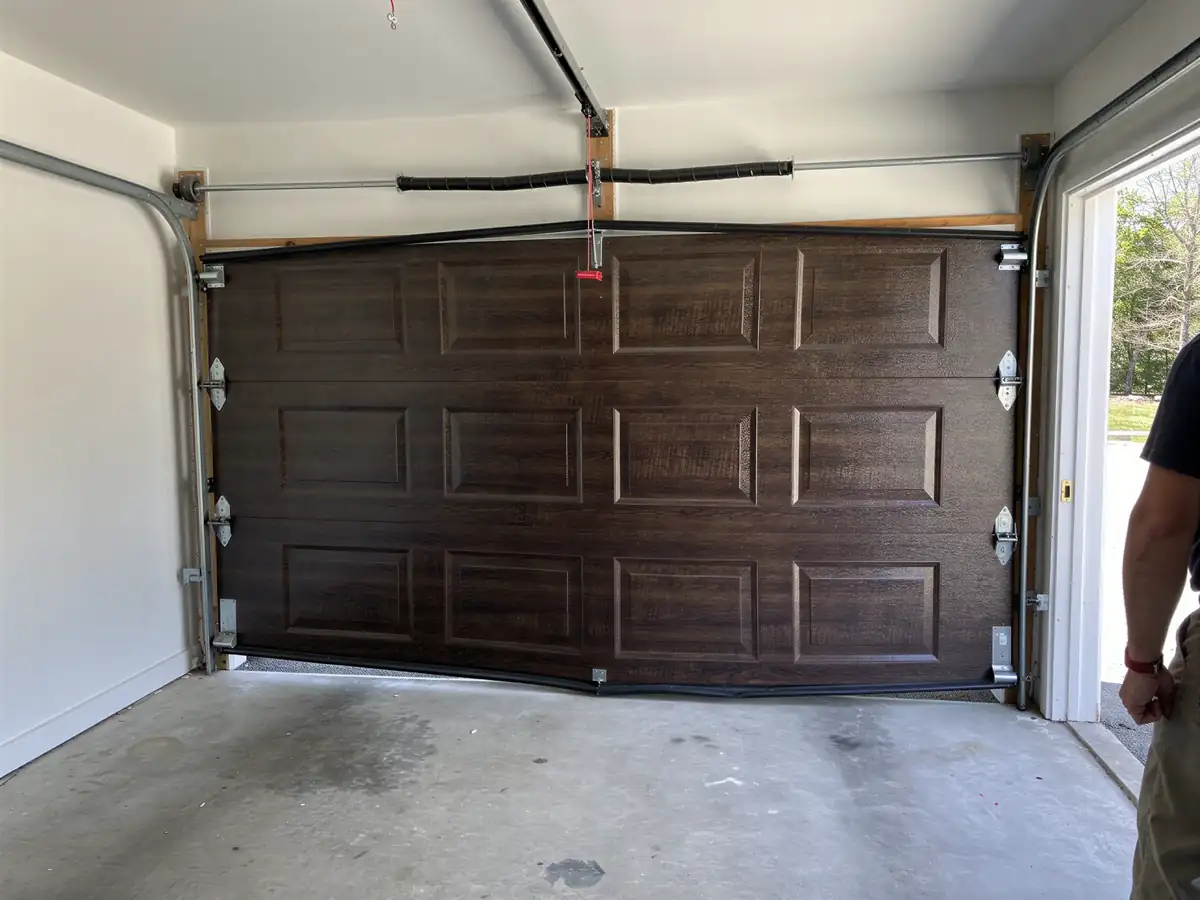
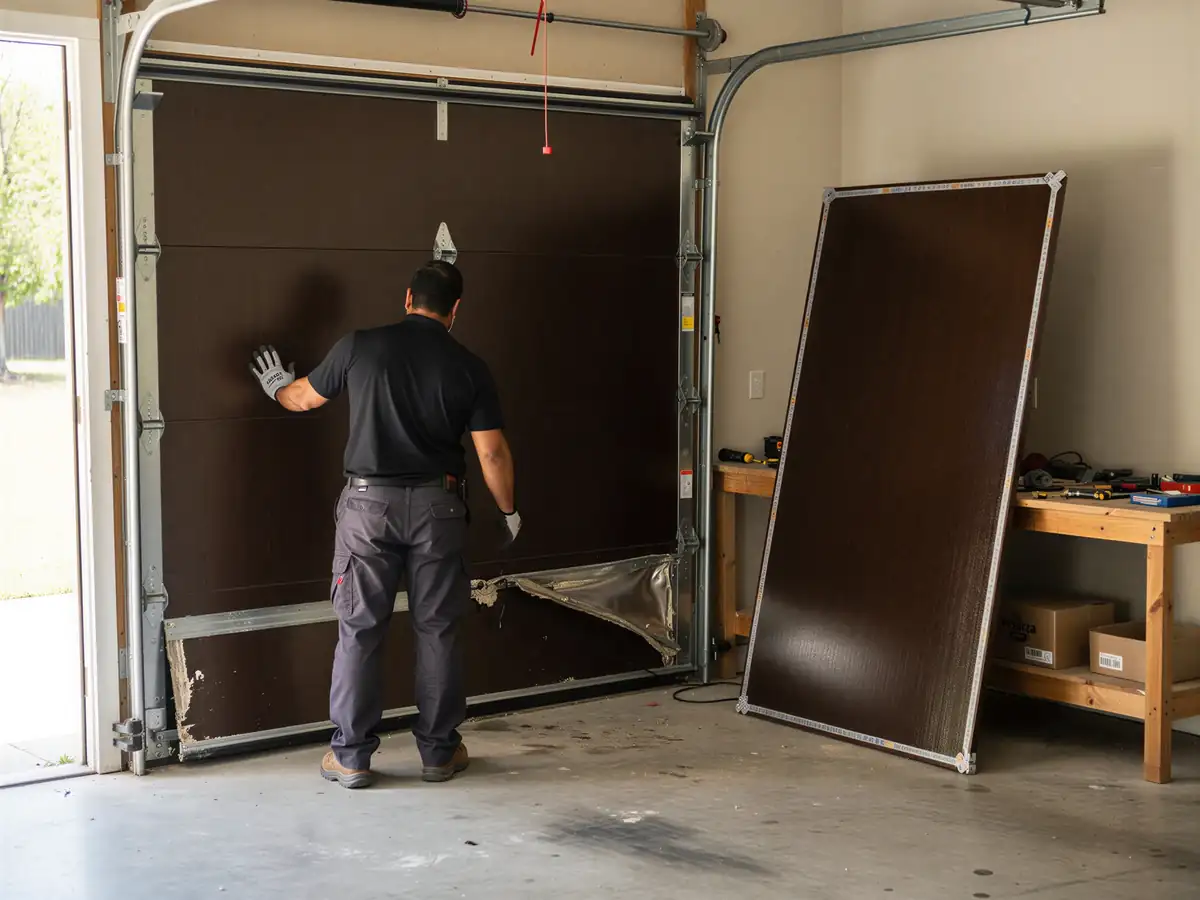
On a standard torsion setup we unwind the old spring, measure the door's cable drum and track to confirm wind direction and wire size, and set a replacement rated for the door's actual weight rather than just matching what was there. On the extension-spring doors still found on some of the earlier builds in town, the fix is different: springs, safety cables, and pulleys get checked together, since extension setups fail less cleanly than torsion ones. Either way we test the door's balance afterward, not just whether it opens and closes. A door that's out of balance will eat a new spring just as fast as it ate the old one. We don't replace a spring and ignore a track that's bent or rollers that are seized; those failures put uneven strain back on new hardware within months, so if we see that on the inspection we'll flag it before closing out the job.
Where This Job Goes Sideways
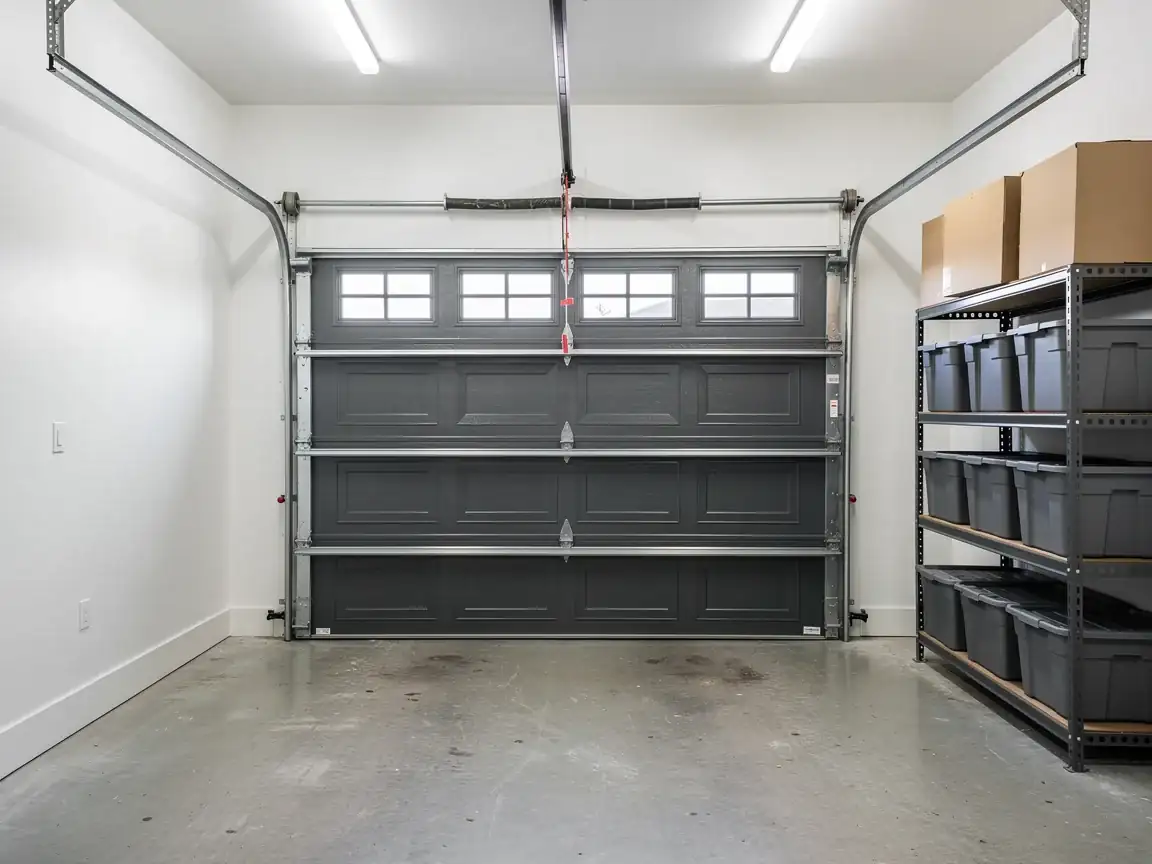
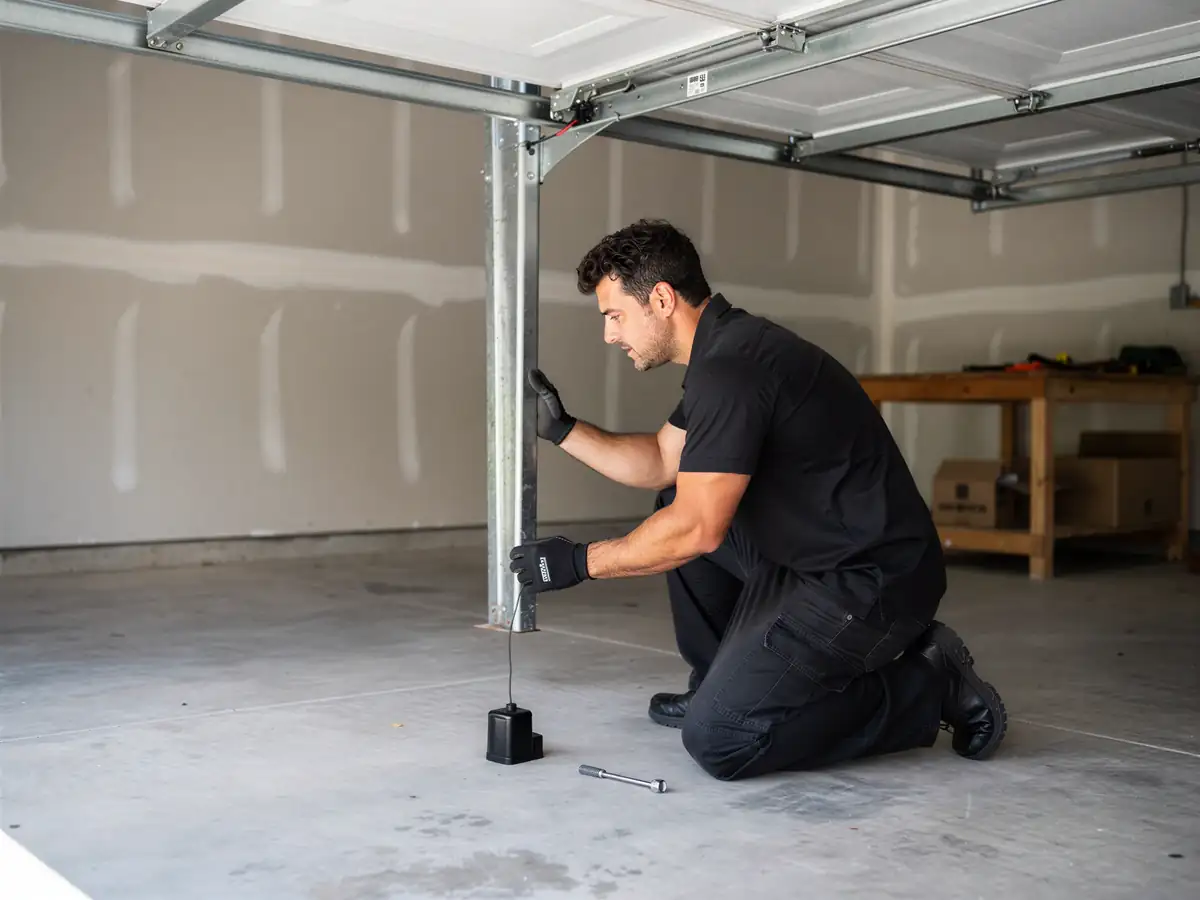
The common surprise on a 1988-era Champlin door is the opener. A lot of these houses still run original or first-replacement openers from that build era, and those units weren't built with today's safety reversal sensors. Swapping a spring doesn't fix that, and we'll tell you if the opener is the bigger problem. The other place this goes sideways is a double door running on a single center-mounted torsion spring that was undersized when the house was built, something more common in the earlier end of the 1957-2007 range than the later. That door will keep breaking springs on a short cycle no matter how many times you replace just the coil, and at that point the honest fix is upgrading to a correctly rated spring, not repeating the same repair.