How It Shows Up
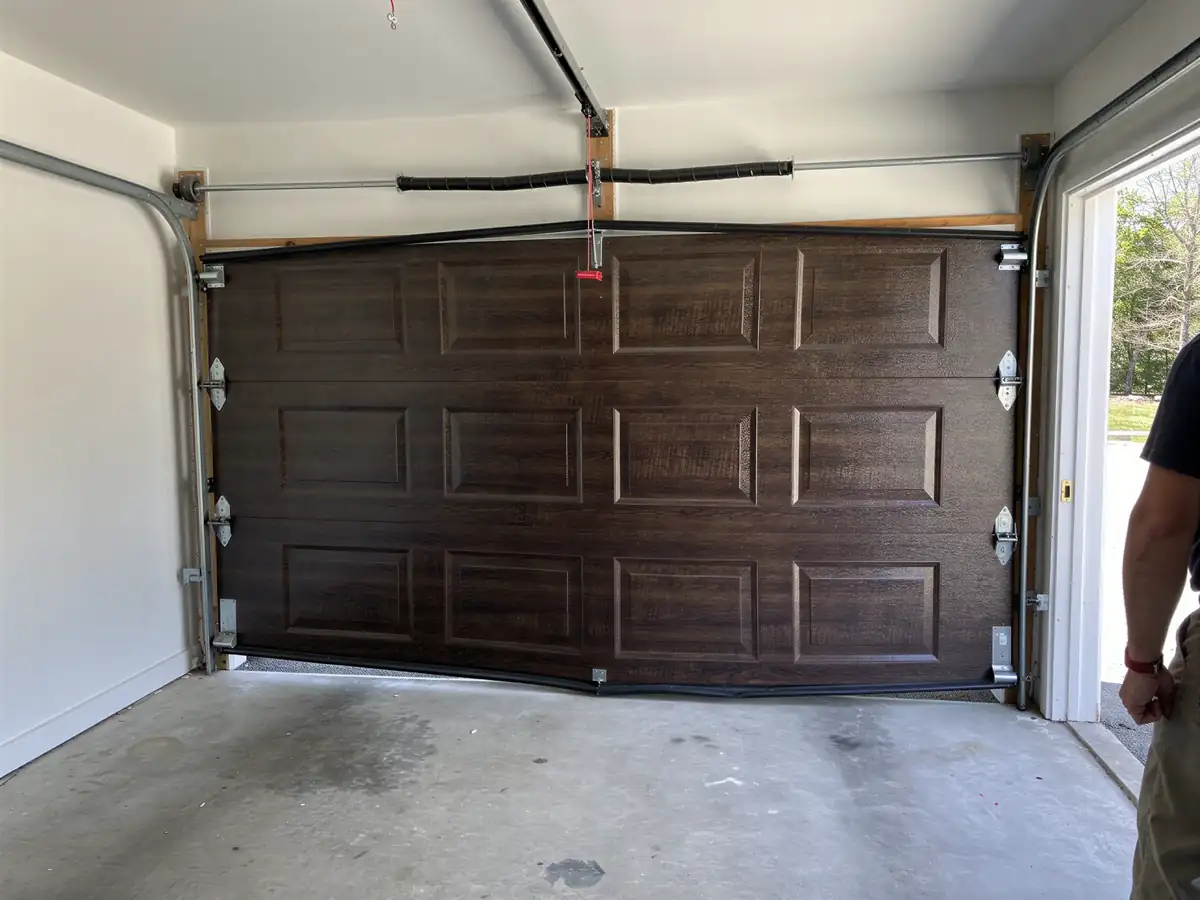
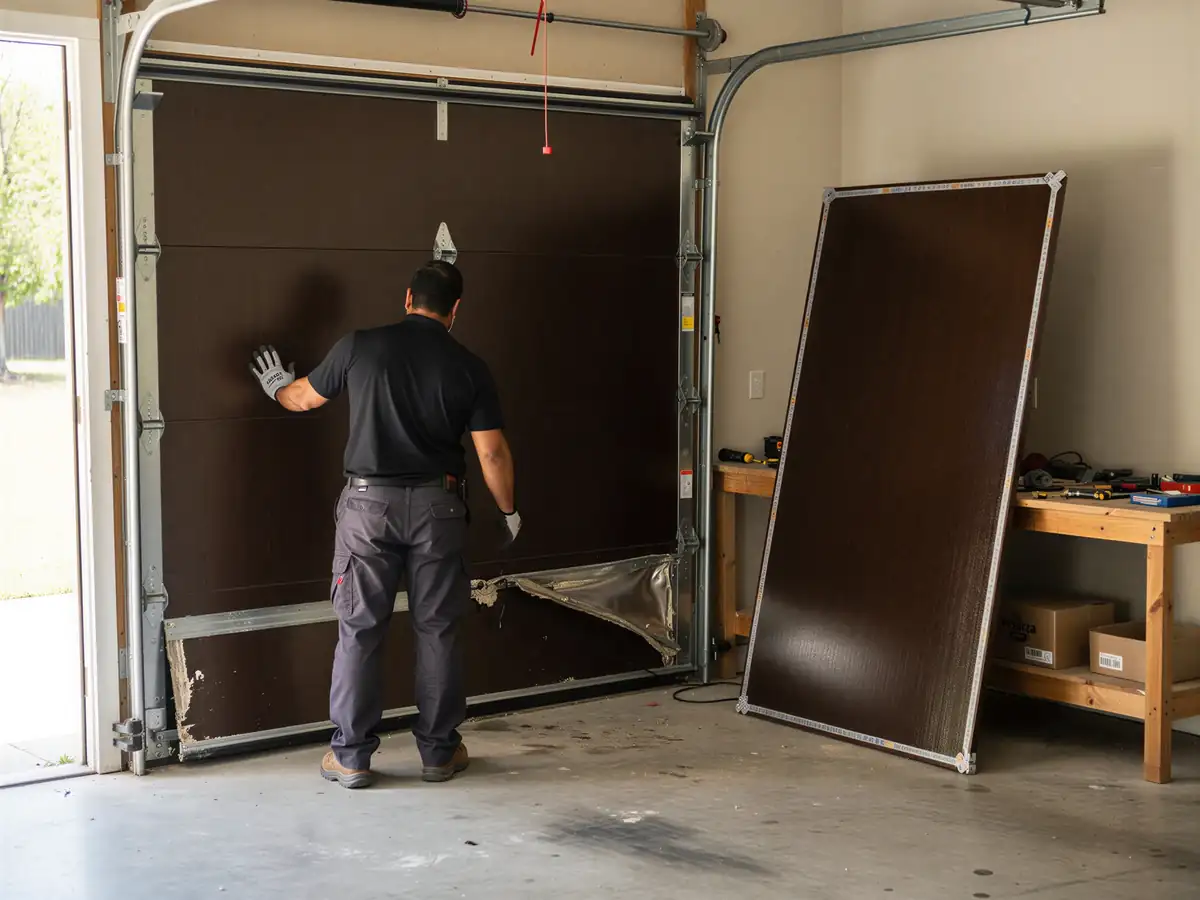
The call we get most from this part of Crystal isn't a door that won't open - it's one that opens crooked, drags on one side, or slams the last six inches because the torsion spring let go. On a lot of these houses the opener is doing work the spring used to do, and motors burn out faster when they're fighting a door that's out of balance.
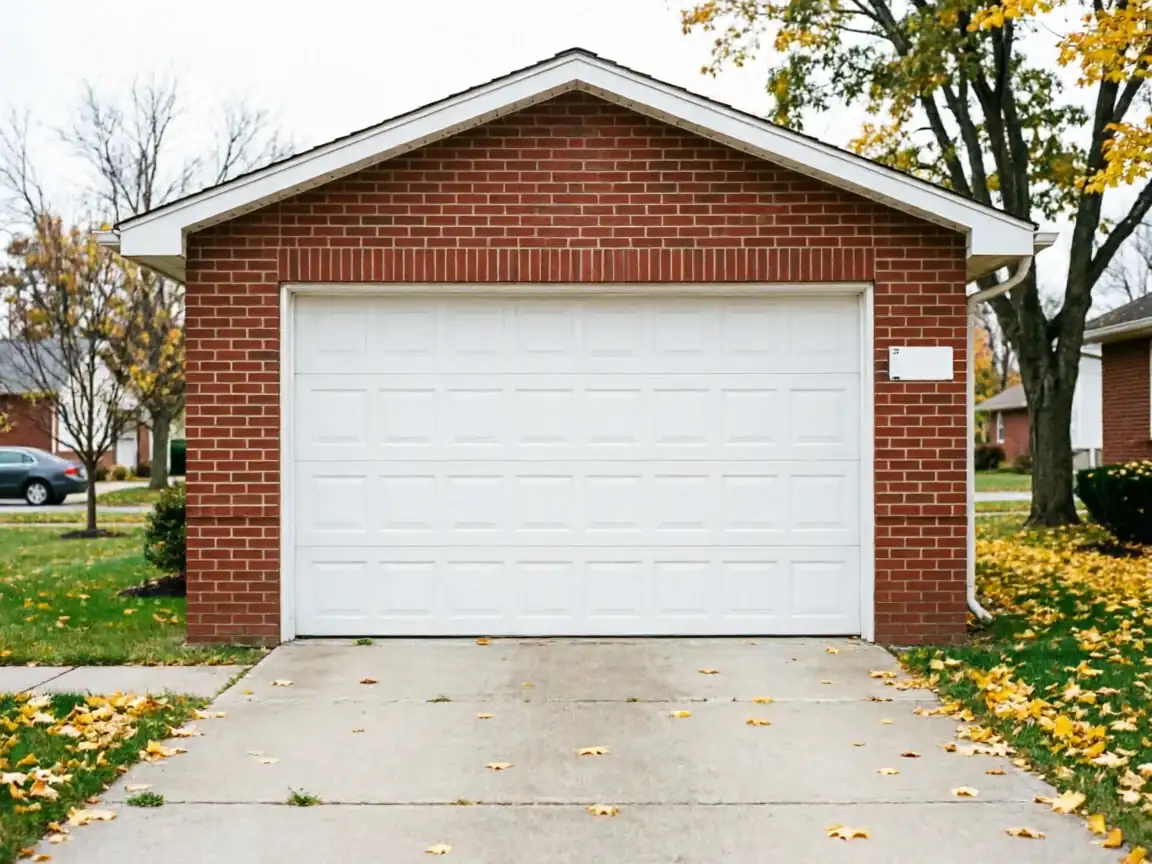
Crystal's housing stock is old enough that the fault pattern is predictable. The median year built here is 1959, a full two decades ahead of the 1980 median for the wider service area we cover from Brooklyn Park. That means a larger share of doors in Crystal are still running on the jamb-mounted track and single torsion spring that came standard in the late 1950s - hardware nobody manufactures new parts for anymore. When a spring on one of these doors goes, it's often a non-standard size, and matching it right matters more than it would on a 1990s door built to a catalog spec.
Doing It Yourself
There's a short list of things worth checking before you pick up the phone
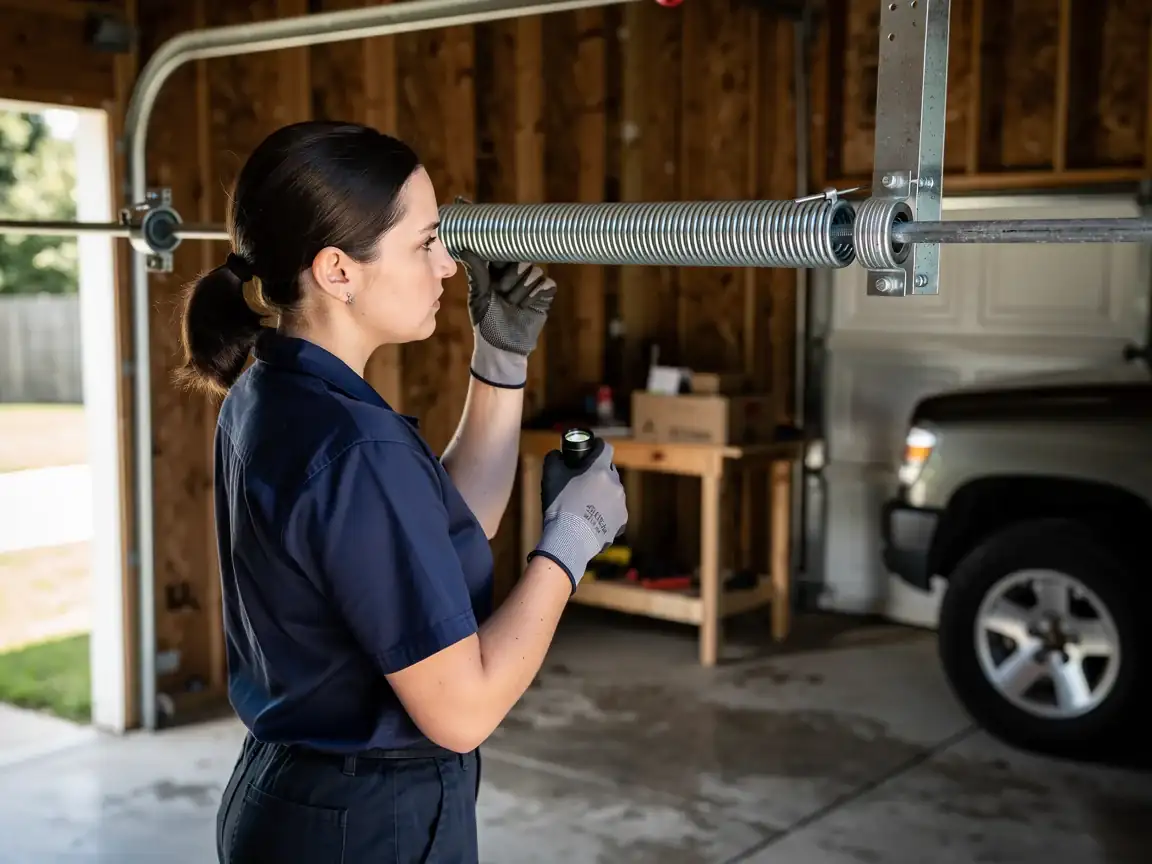
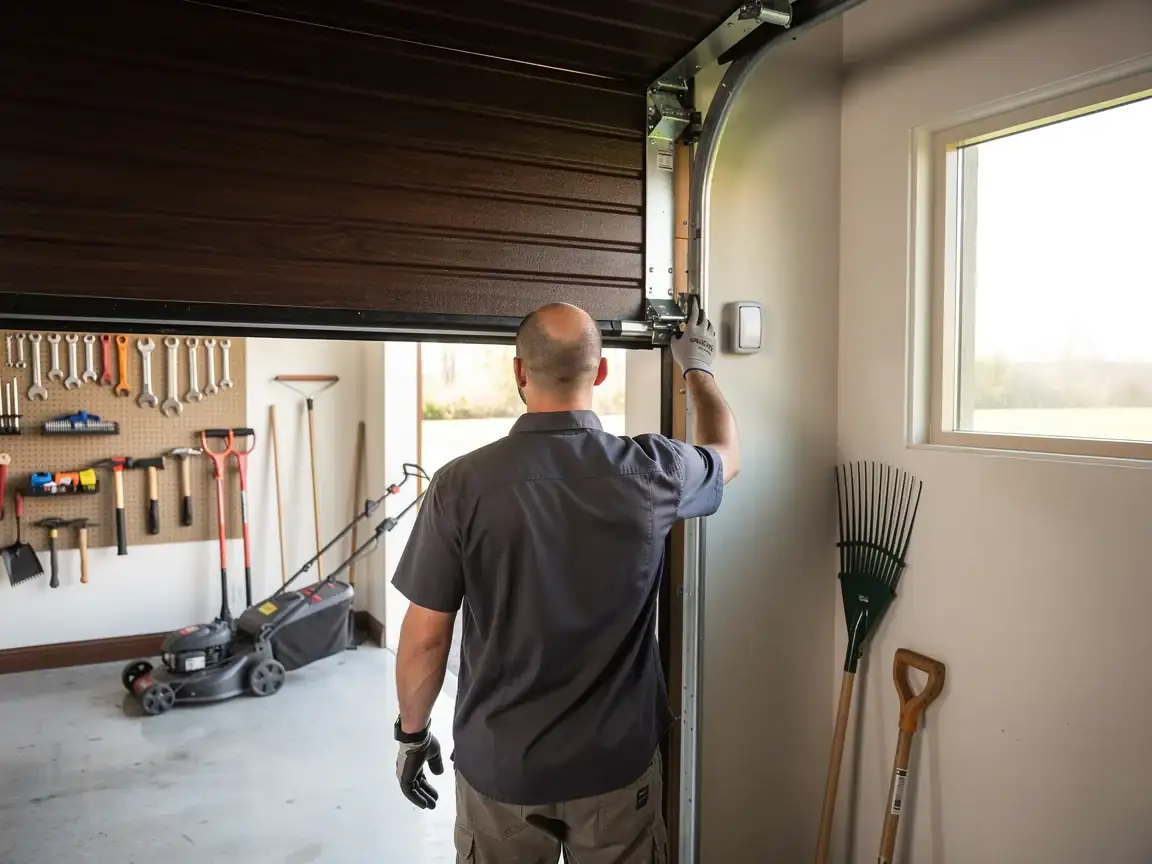
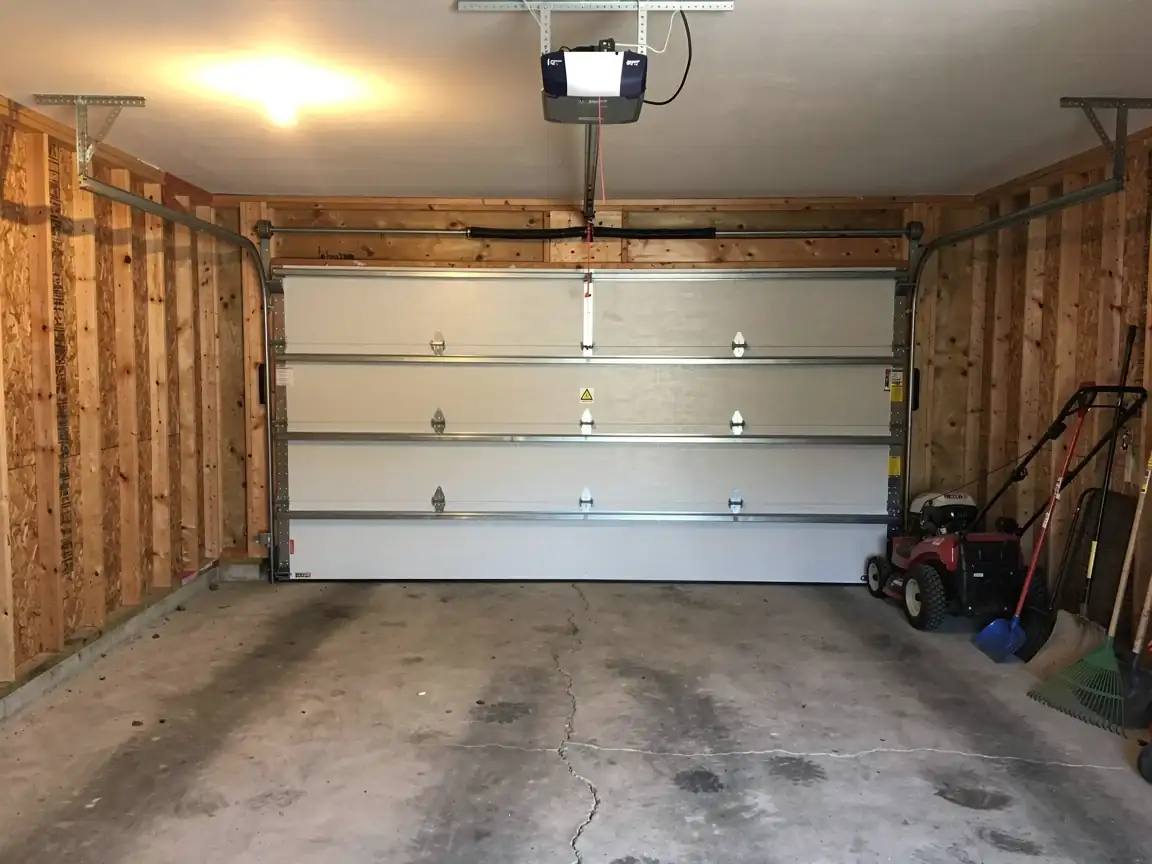
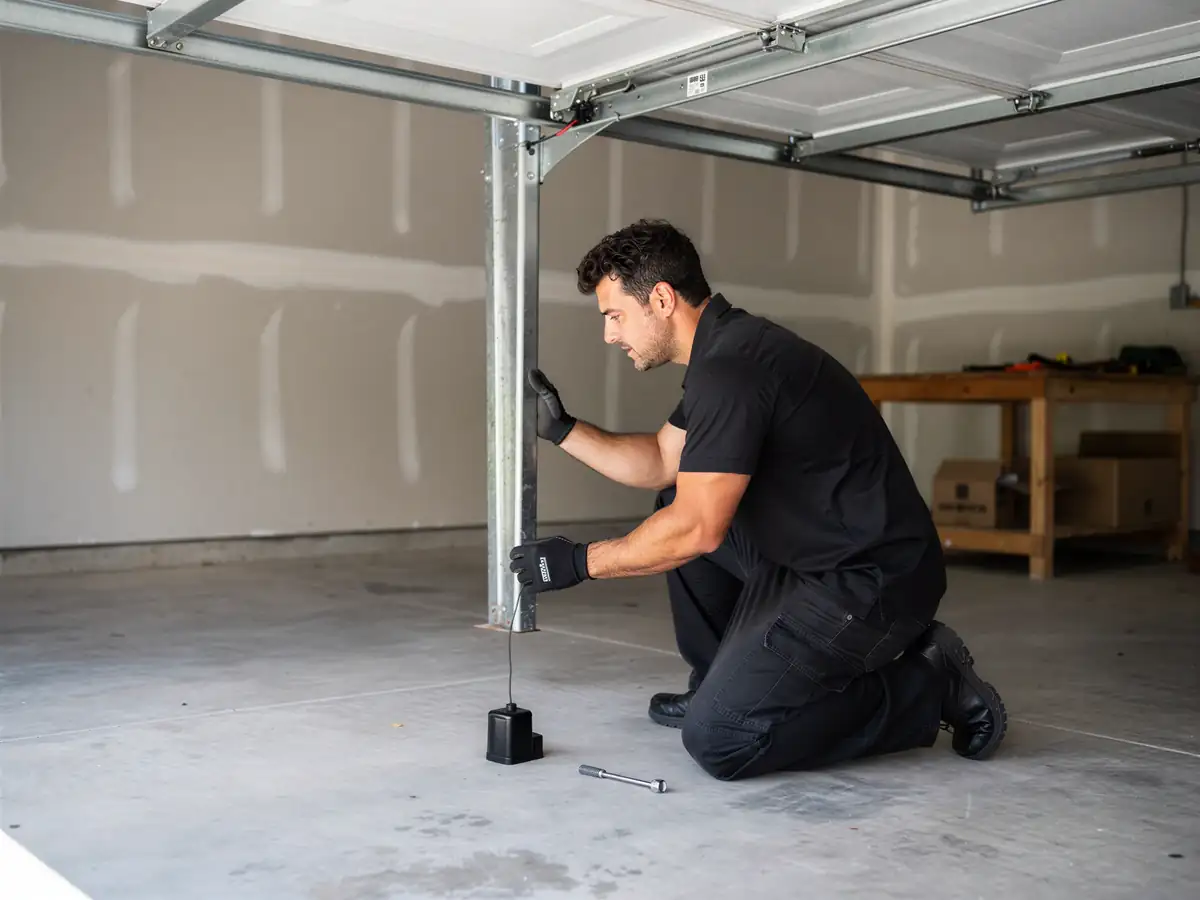
Pull the release handle and lift the door by hand - if it doesn't stay roughly level at waist height on its own, the spring is already weak and finishing the lift with the opener is just speeding up the failure. Look at the tracks for rust pitting or a bend where the door catches; on houses this old, track replacement is common even when the spring is fine. Wipe grease off hinges and rollers and listen for a grinding sound, which usually means a roller bearing is gone, not the whole assembly.
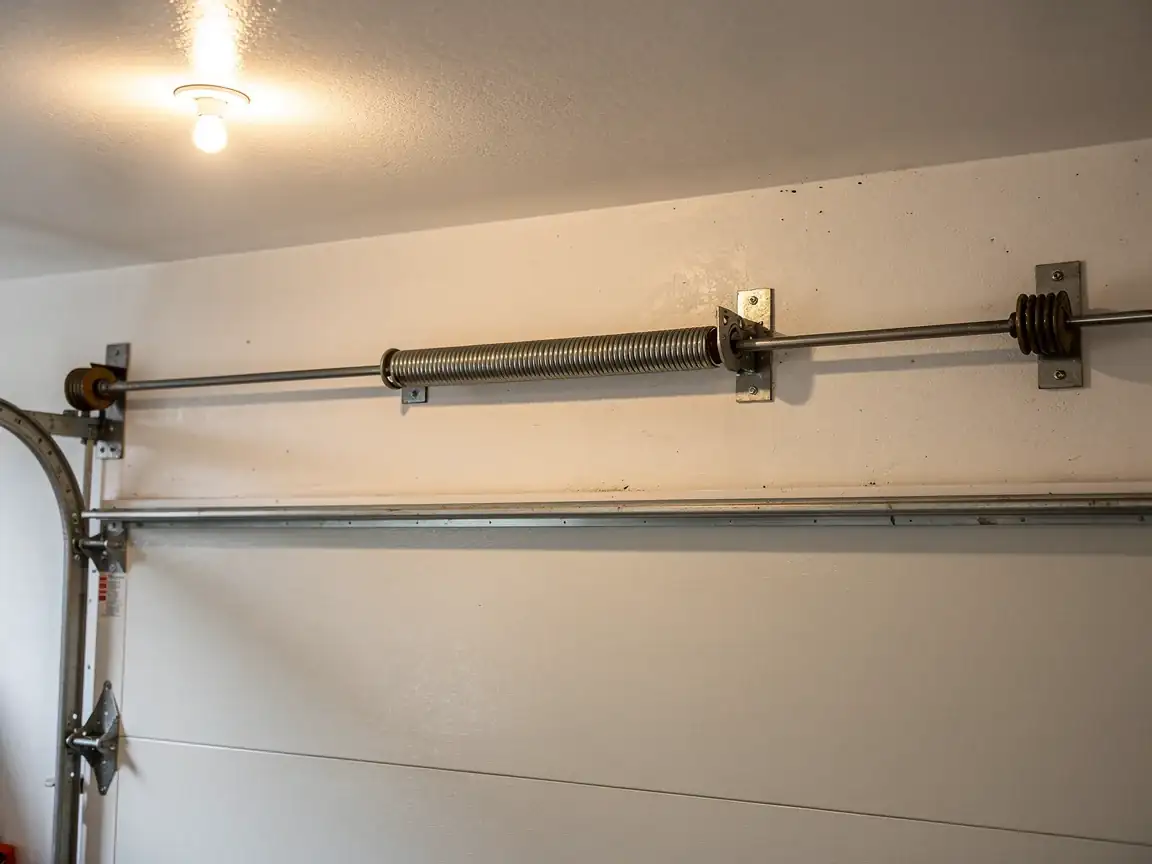
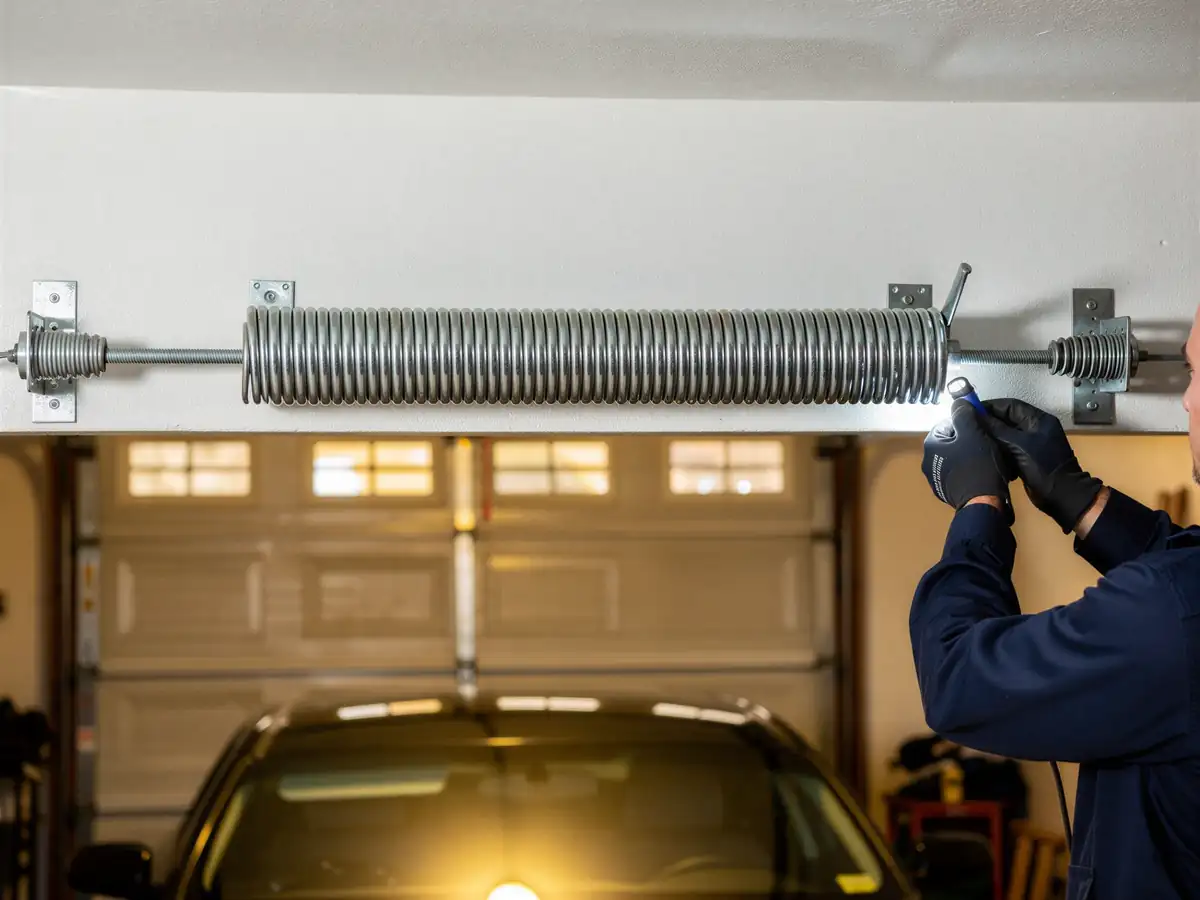
What you shouldn't do is touch the torsion spring itself
It's wound under enough tension to break a bone or worse, and on a door this old the winding cones may be undersized or already fatigued in ways you can't see from outside. We'll say it plainly: a stuck or crooked door on a house built in 1959 is not a weekend project with a socket wrench. Checking balance and listening for noise is reasonable. Unwinding or rewinding a spring is not, and we'd rather you call us before you try.
Why It Happens Here
Crystal sits in the same severe-cold climate band as the rest of the territory we serve out of Brooklyn Park, which means steel doors here see the same freeze-thaw cycling every winter. On a newer door with a galvanized torsion spring rated for current loads, that cycling is just wear and tear. On a door built around 1959, the spring was sized for a lighter, often uninsulated panel - and fifty-plus winters of expansion and contraction on steel that old adds up faster than it does on 1980s or 1990s stock.
There's an income piece to this too. Crystal's median household income is $86,752, well under the $110,833 median across the wider service area. That gap shows up in the calls we get: more owners here ask us to fix what's broken rather than replace the whole door, and more of those repairs are on original hardware that's been patched more than once already. With 9,307 households in a city this size, that's a lot of 1959-era doors still carrying their first spring.
Getting It Booked In
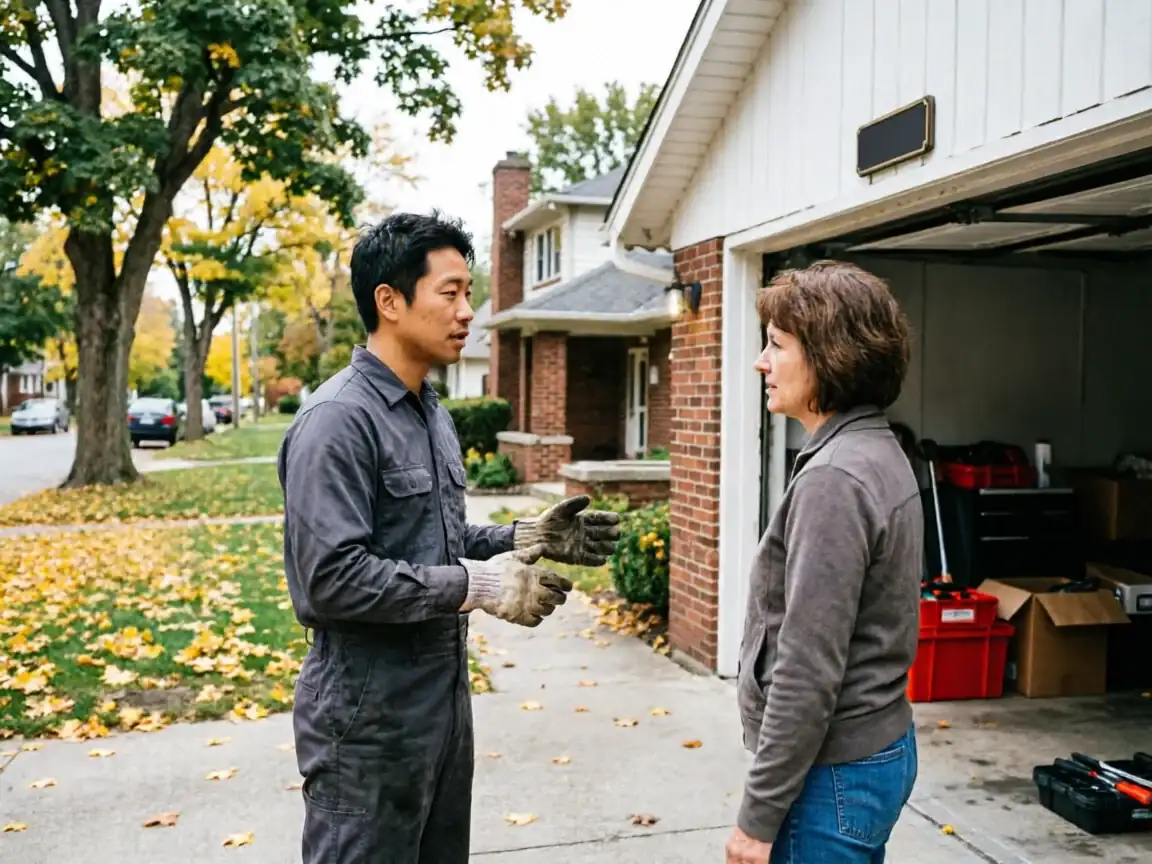
We run this job out of Brooklyn Park, 5 miles from Crystal, so there's no separate branch or crew based in town - just a truck that comes over when you call. Tell us the age of the house if you know it and what the door is doing (won't open, opens crooked, makes noise) and we can usually tell you over the phone whether it's a spring, a track, or an opener problem before anyone shows up.
For general service work in Crystal - tune-ups, opener swaps, routine maintenance - see our Crystal garage door service page. If you're looking at the broader list of repair work we handle out of our home base, that's covered on the Brooklyn Park repair page. This page is specifically about what breaks on Crystal's older doors and what it takes to get them running again.
How Long You Are Without the Door
Most of what breaks on a 1959-era door
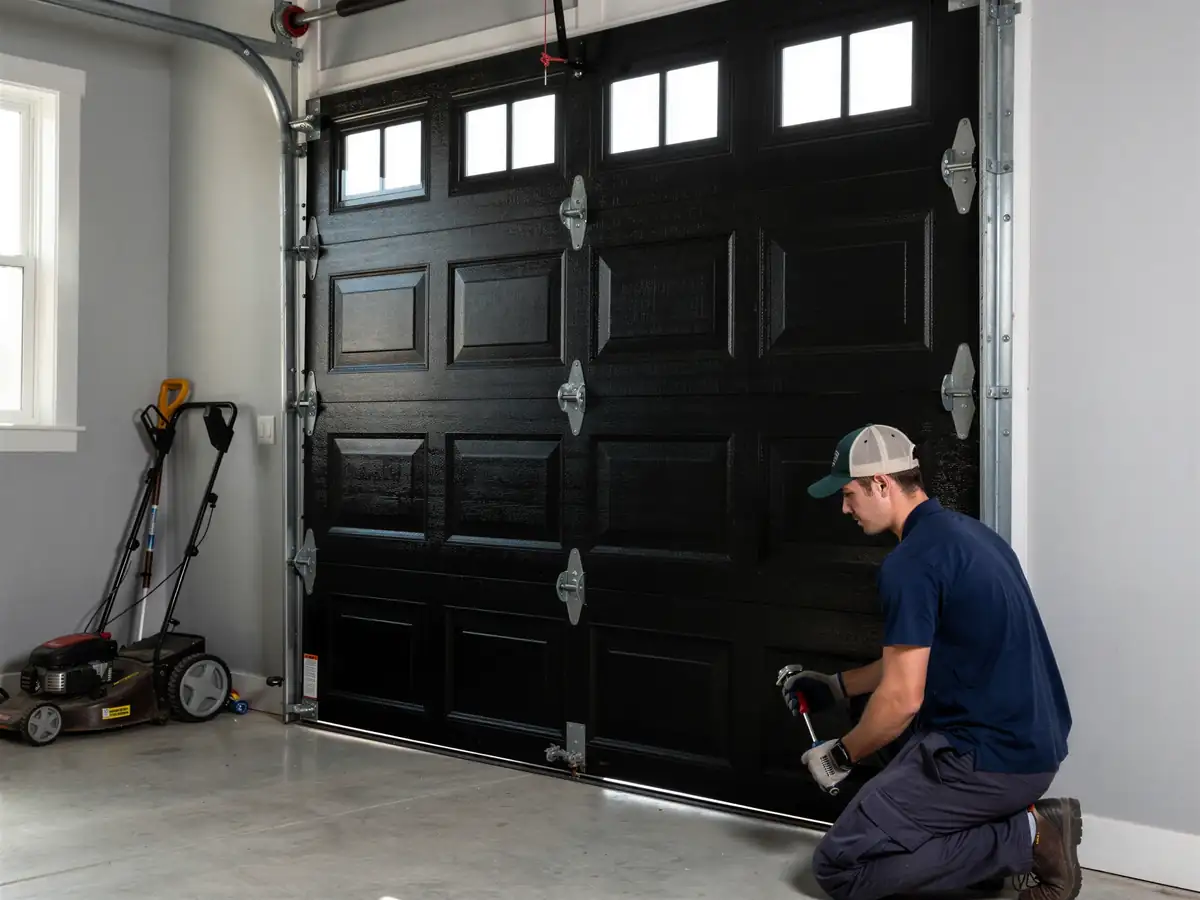
A broken torsion spring, a bent track, a worn roller - we carry stock for and can turn around in one visit. Where it gets slower is non-standard hardware: if the spring size or the track width on an original door doesn't match what's common today, we may need to order it, and that can mean a few extra days with the door propped or manually operated rather than fixed on the spot.
We'll be straight with you about this up front rather than promise a same-day fix we can't back up
If your door is one of the originals still running since 1959 and the part isn't a shelf item, we'd rather tell you that before the truck leaves than after. In a lot of cases, once we're looking at that kind of wear on hardware this old, replacing the spring and track together makes more sense than patching one piece and having the other fail six months later.