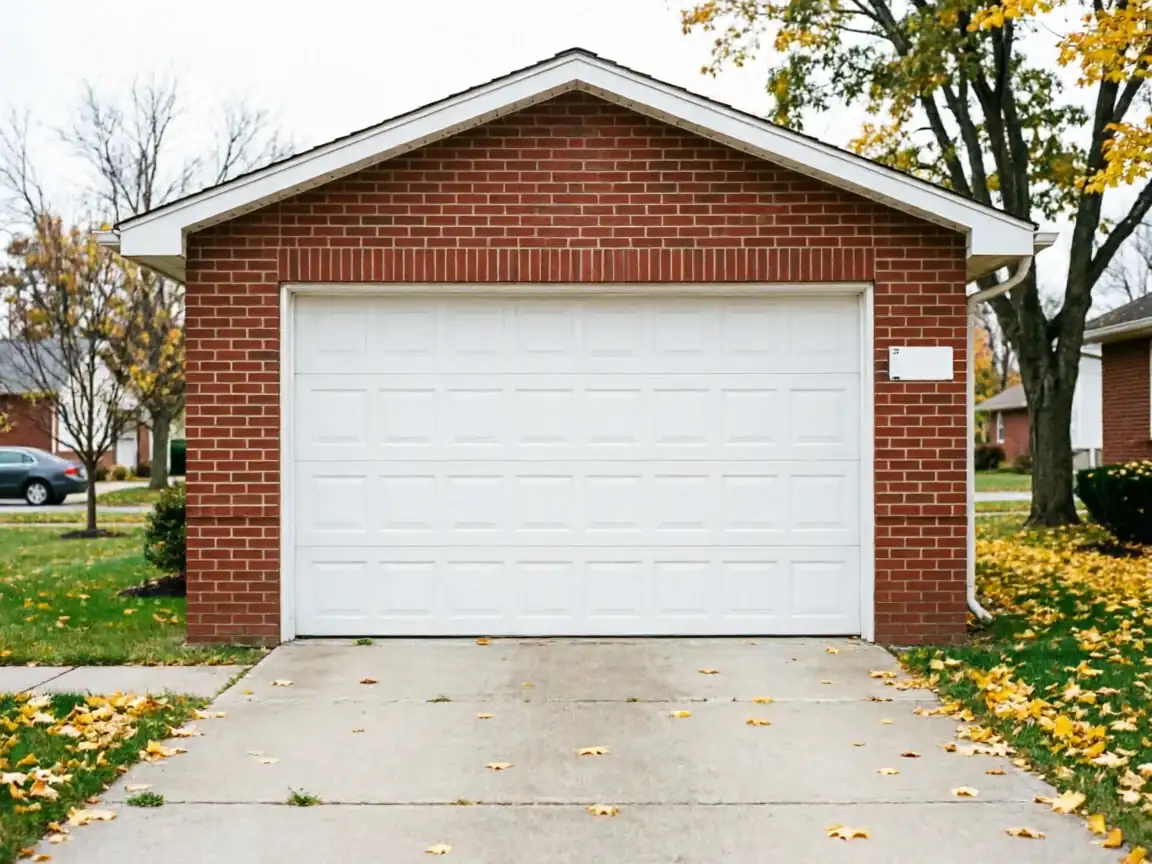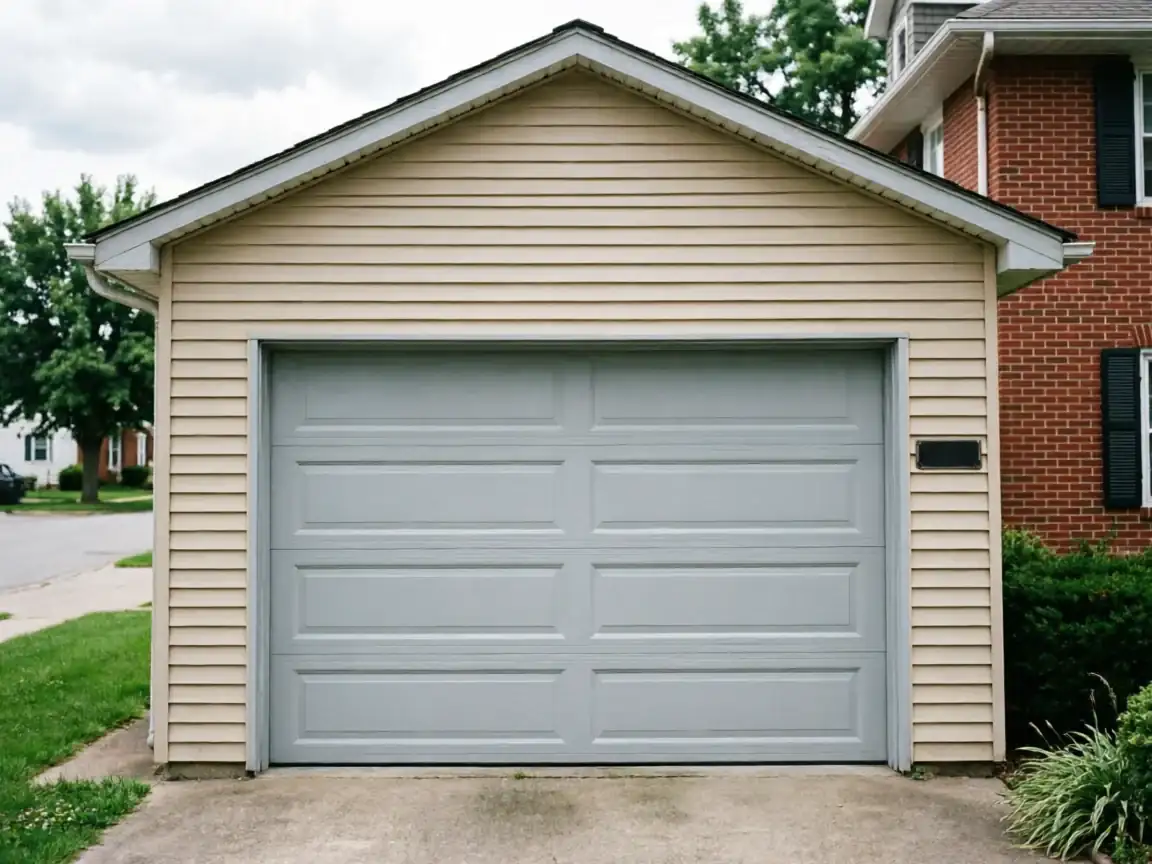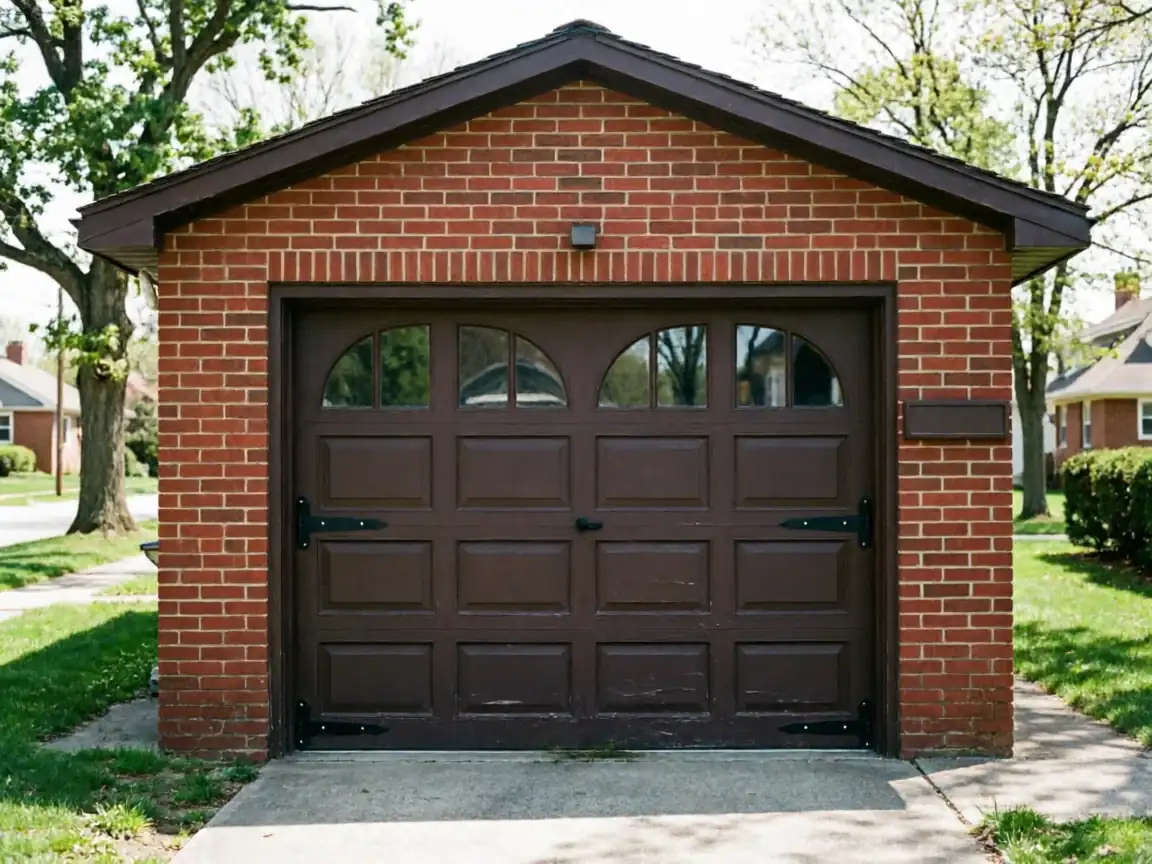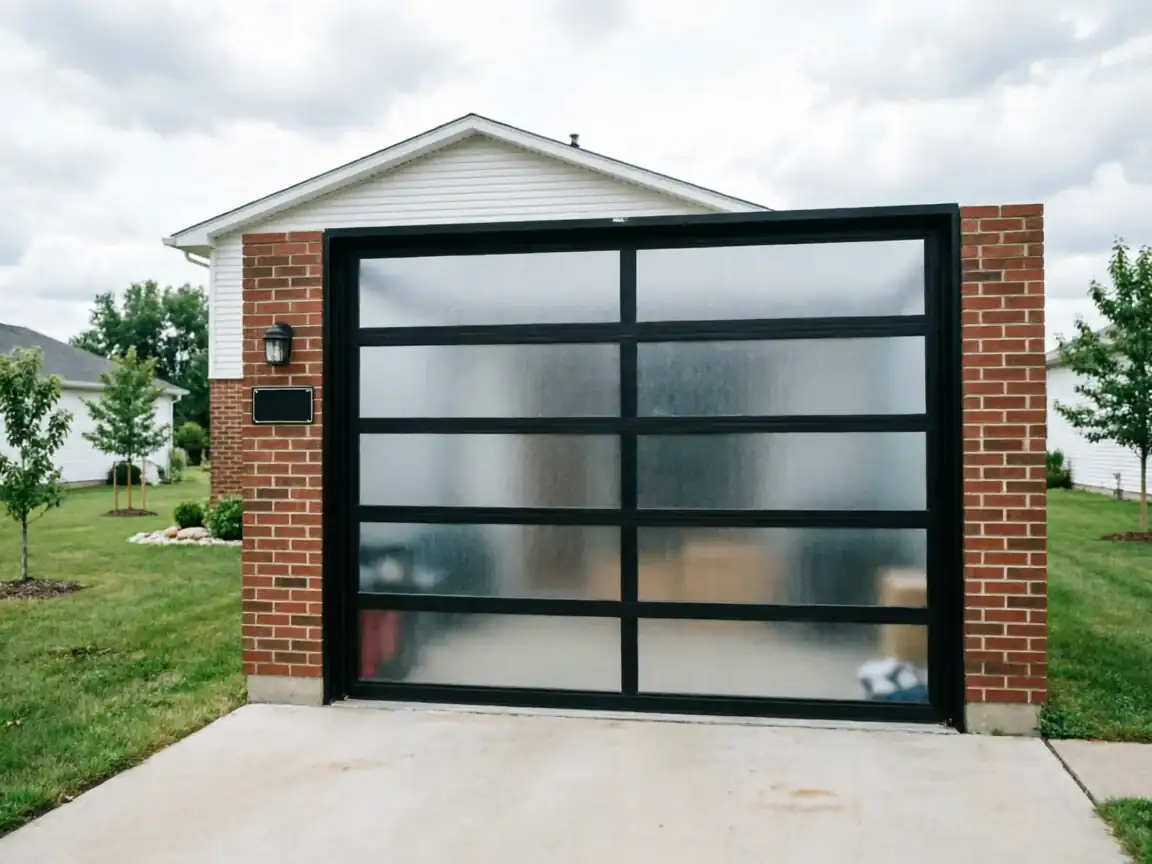
How It Shows Up
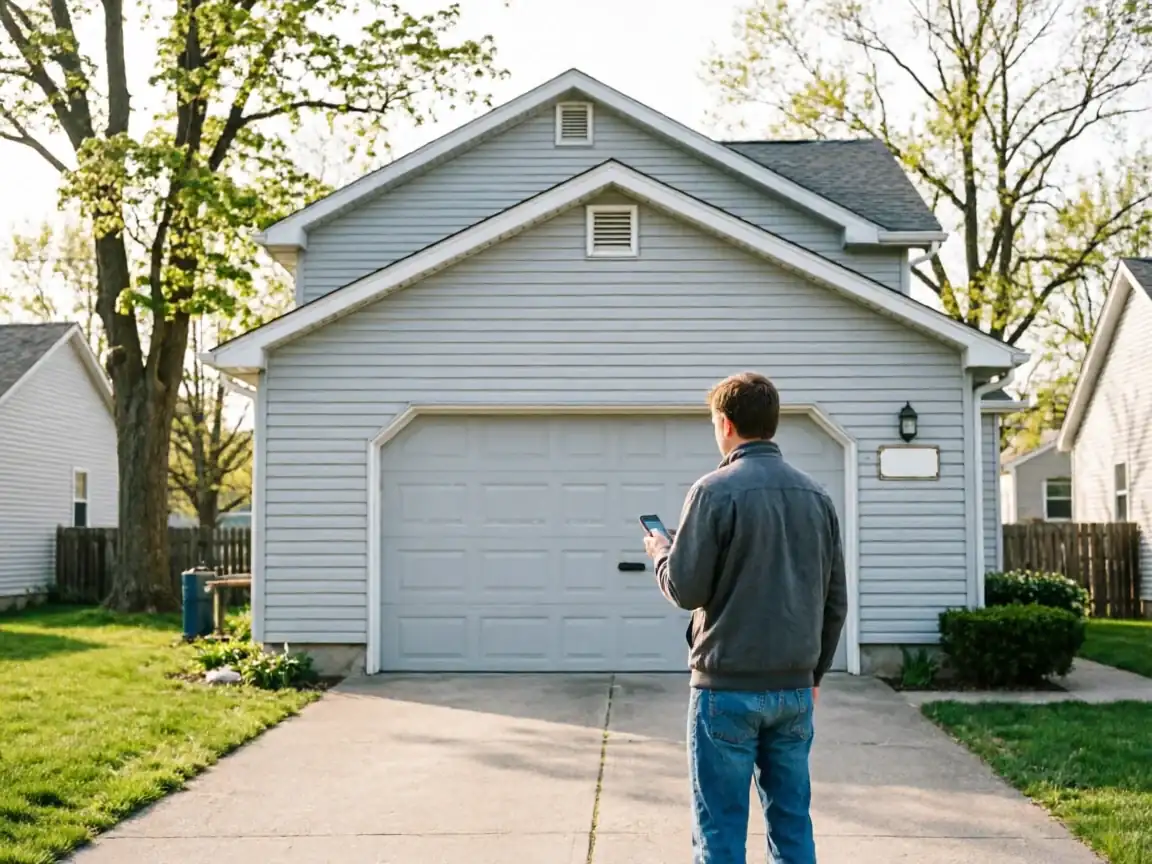
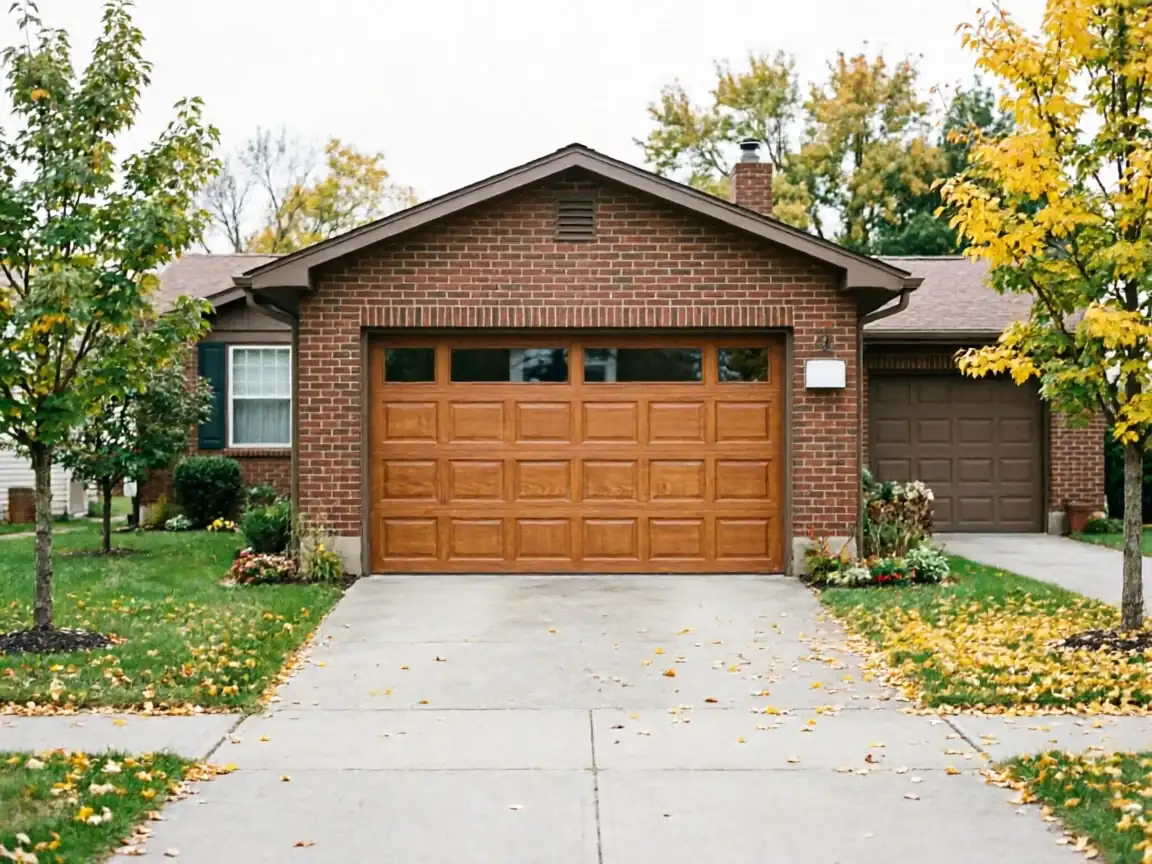
Crystal is a small place as these suburbs go, about 9,307 households packed into a tight grid, and that size matters for what kind of off-track calls come out of it. In a town this compact, most of the housing went up around the same stretch of years, so the same failure shows up on block after block instead of being scattered across six different eras of construction like you'd see in a bigger, newer suburb.
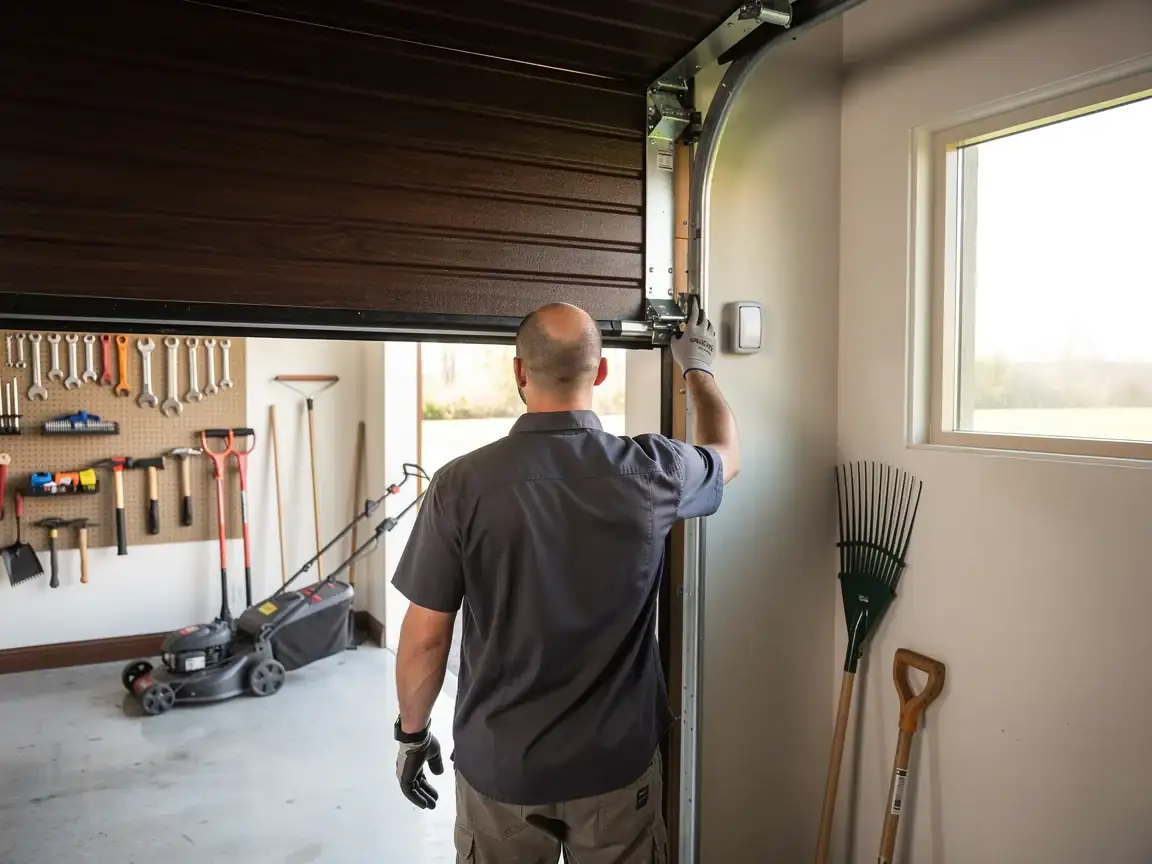
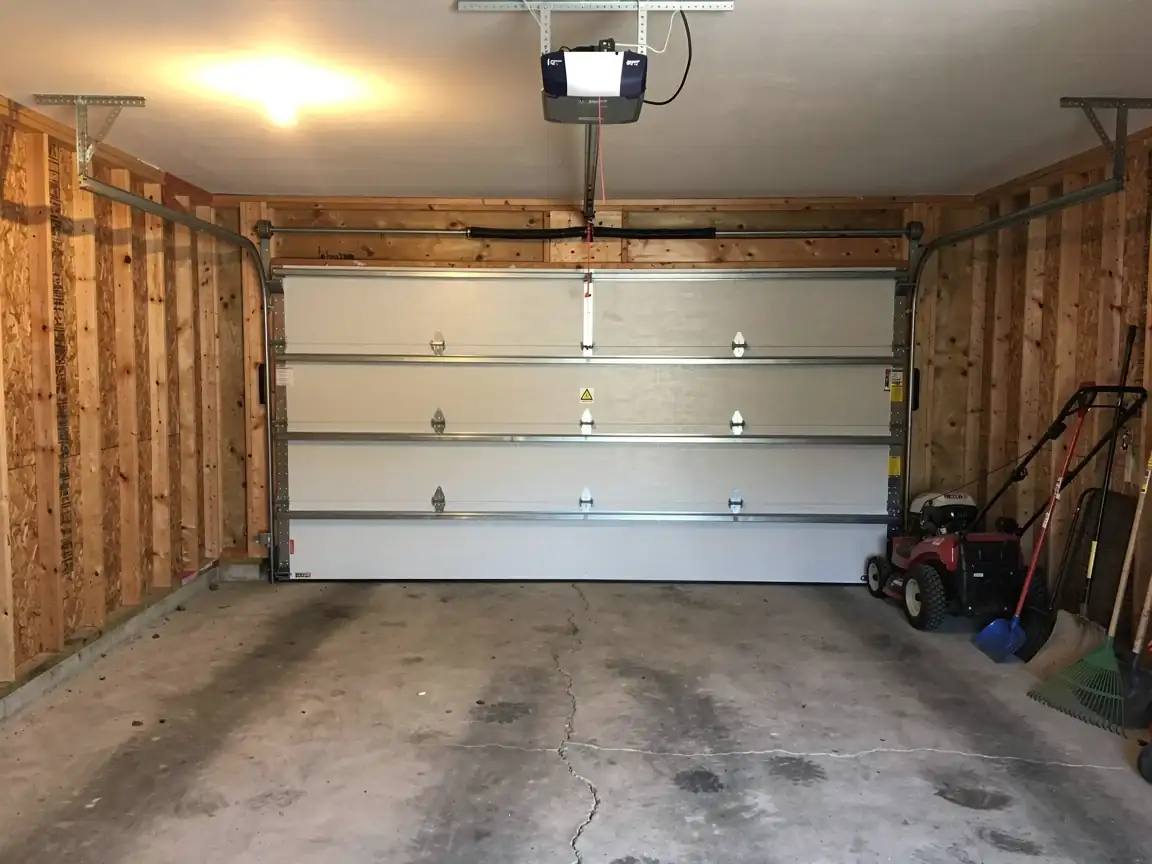
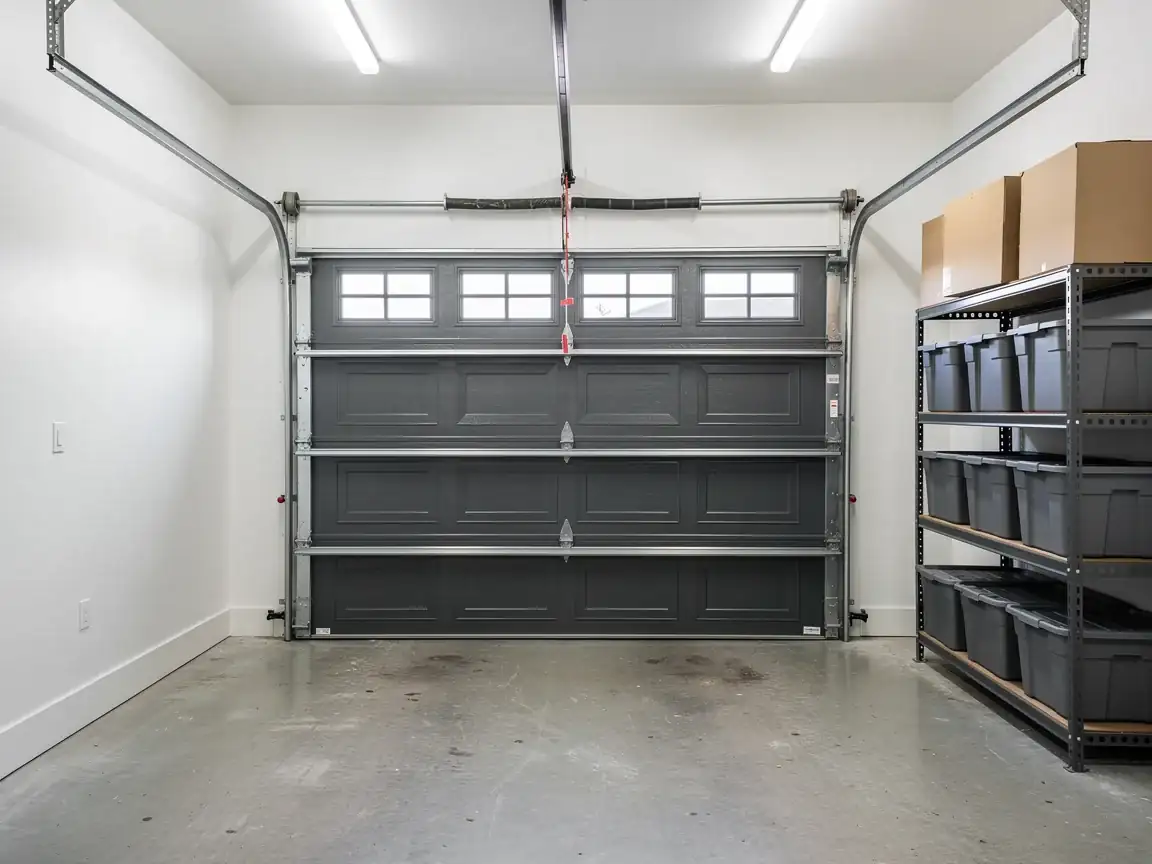
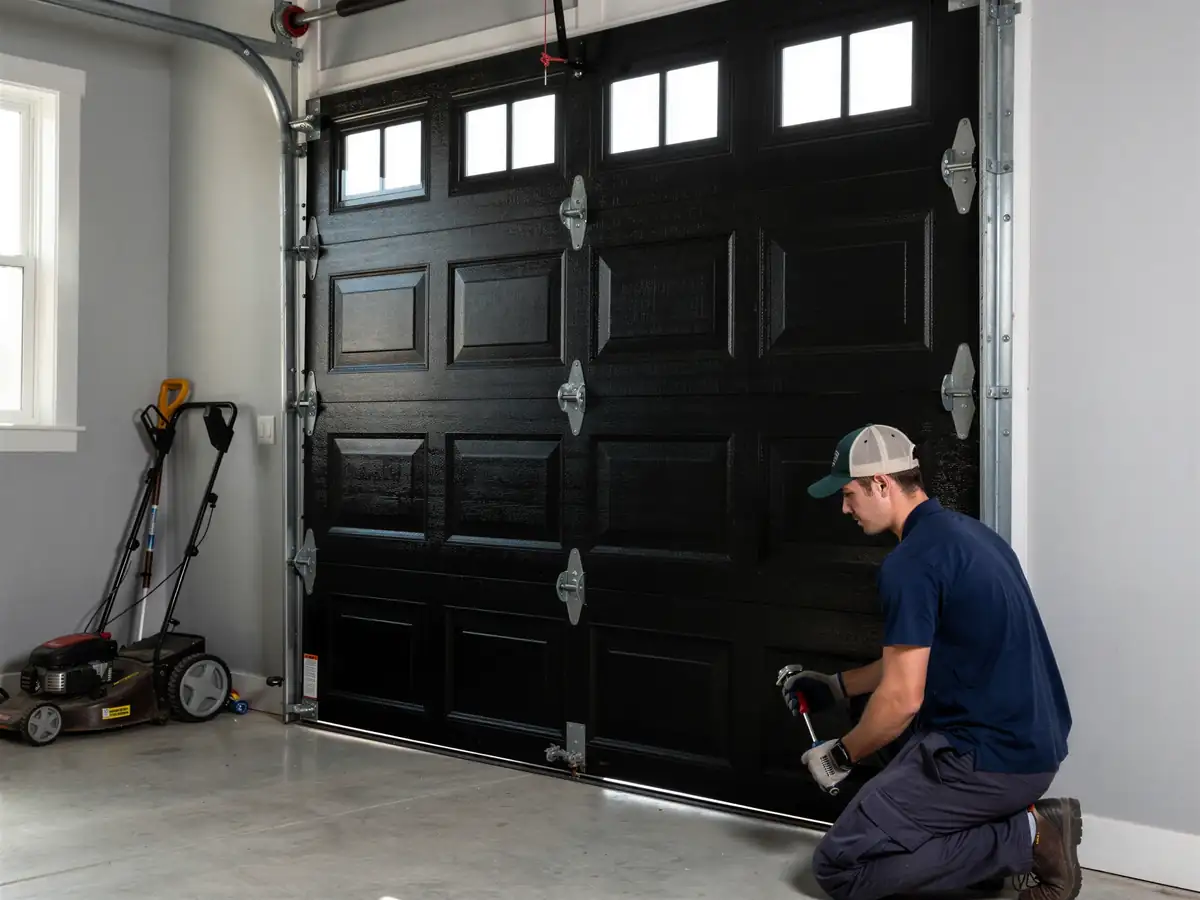
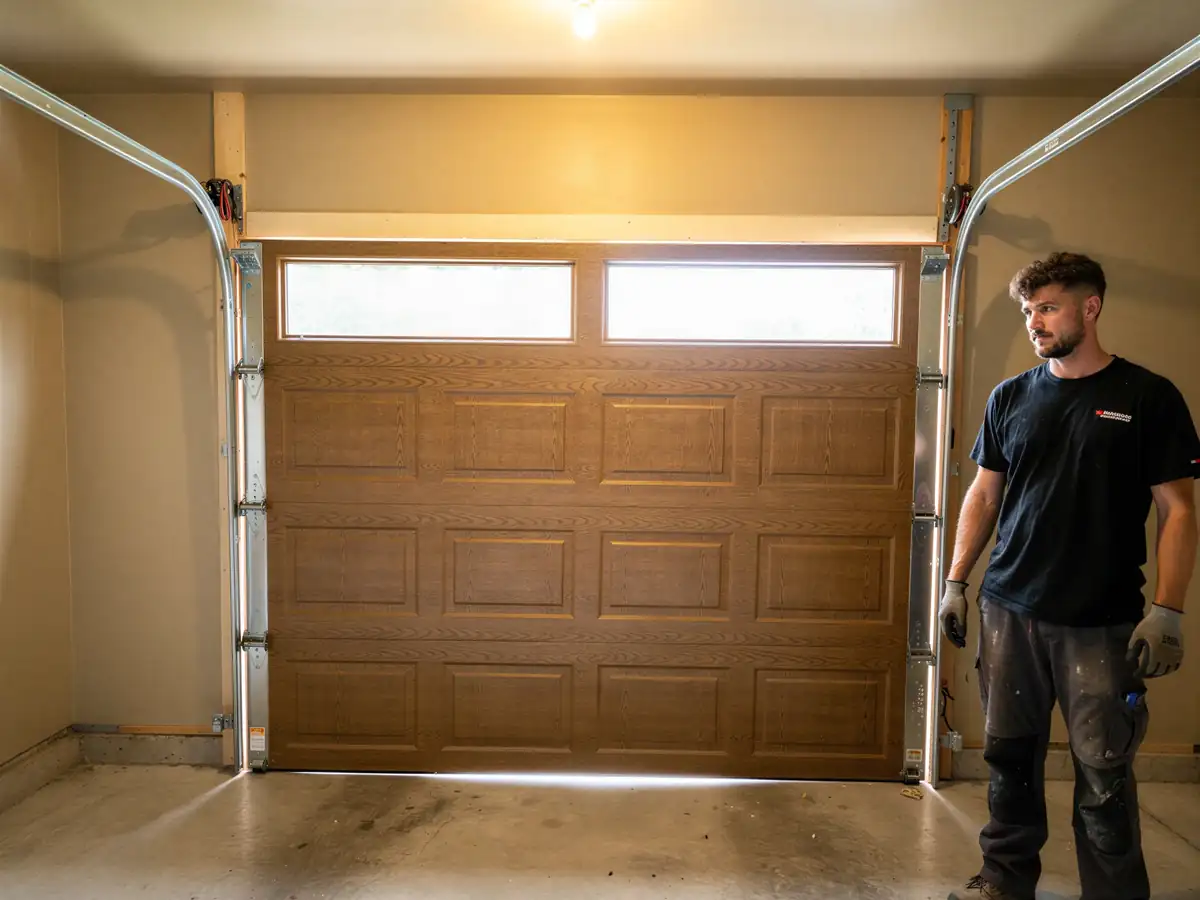
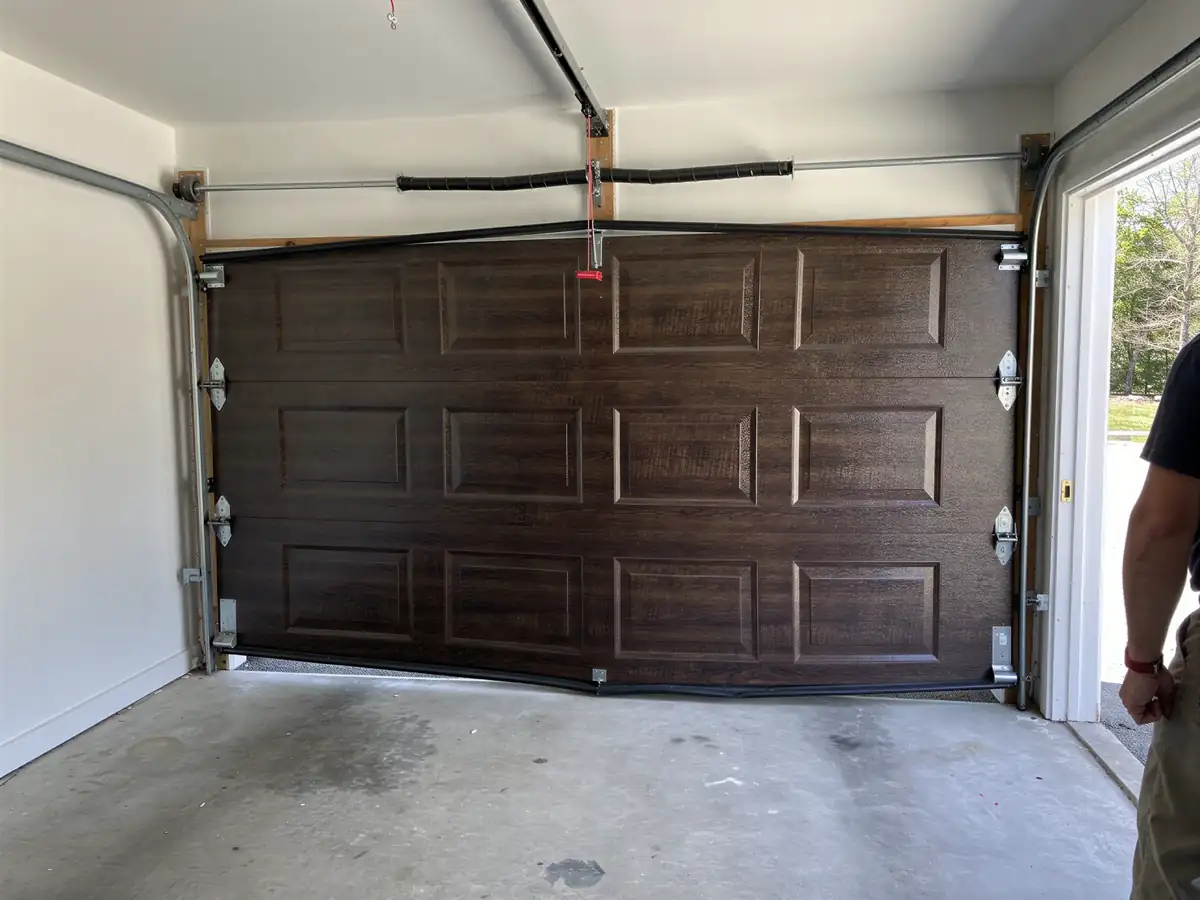
Here that means a door that's jumped one roller off the track, usually on the bottom corner where the bracket has worked loose over the decades. You'll see the door hang crooked, stop a few inches off the floor, or bind hard partway up with a grinding sound instead of a smooth roll. Sometimes only one side comes off and the door racks sideways in the opening. None of that is a job to force with a pry bar - the track bends easy and once it's bent, you're replacing track, not just rehanging a roller.
Doing It Yourself
If the door is still mostly in the opening and nothing is bent
You can sometimes walk it back onto the track by hand with the opener disconnected - pull the release cord, brace the door, and guide the roller back into the channel. That's the limit of what's safe to try yourself.
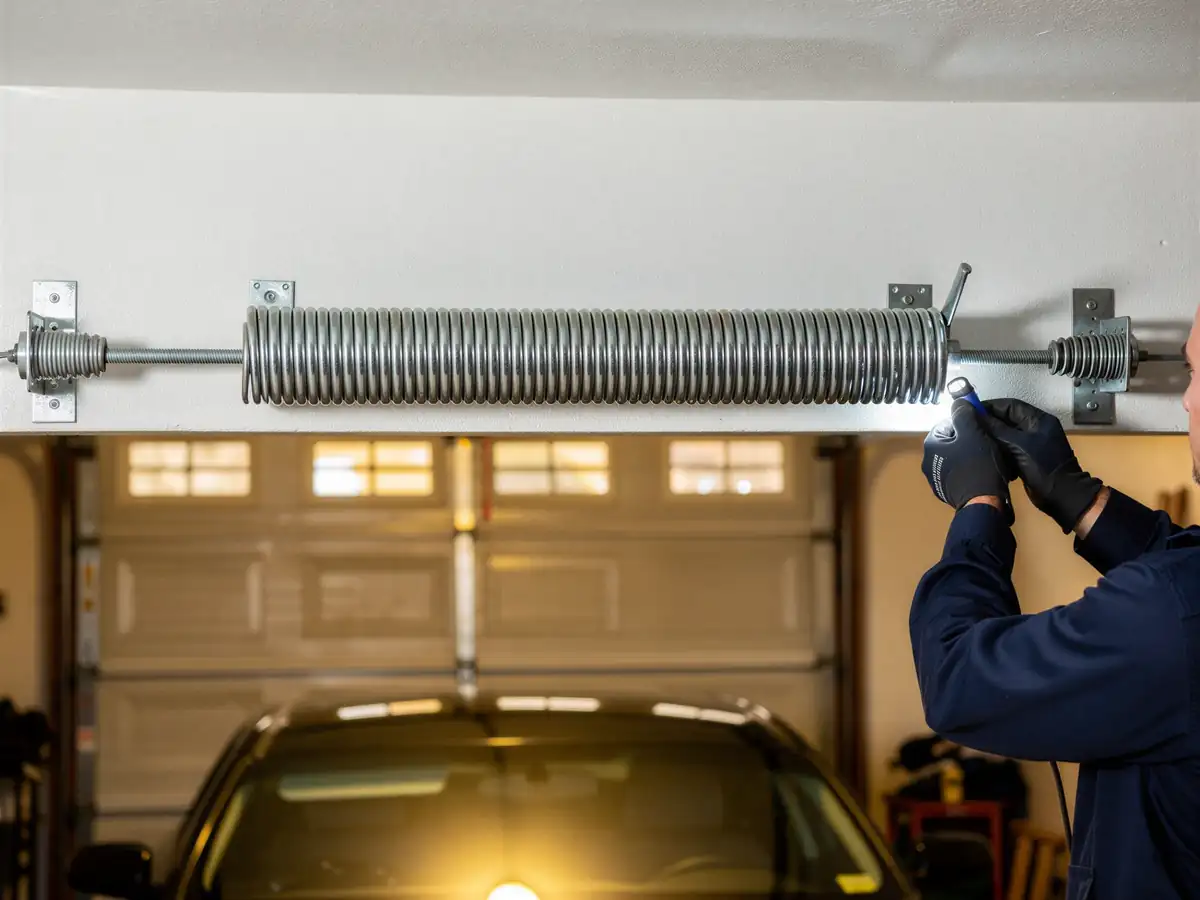
What you should not do is touch anything near the spring while the door is off-track
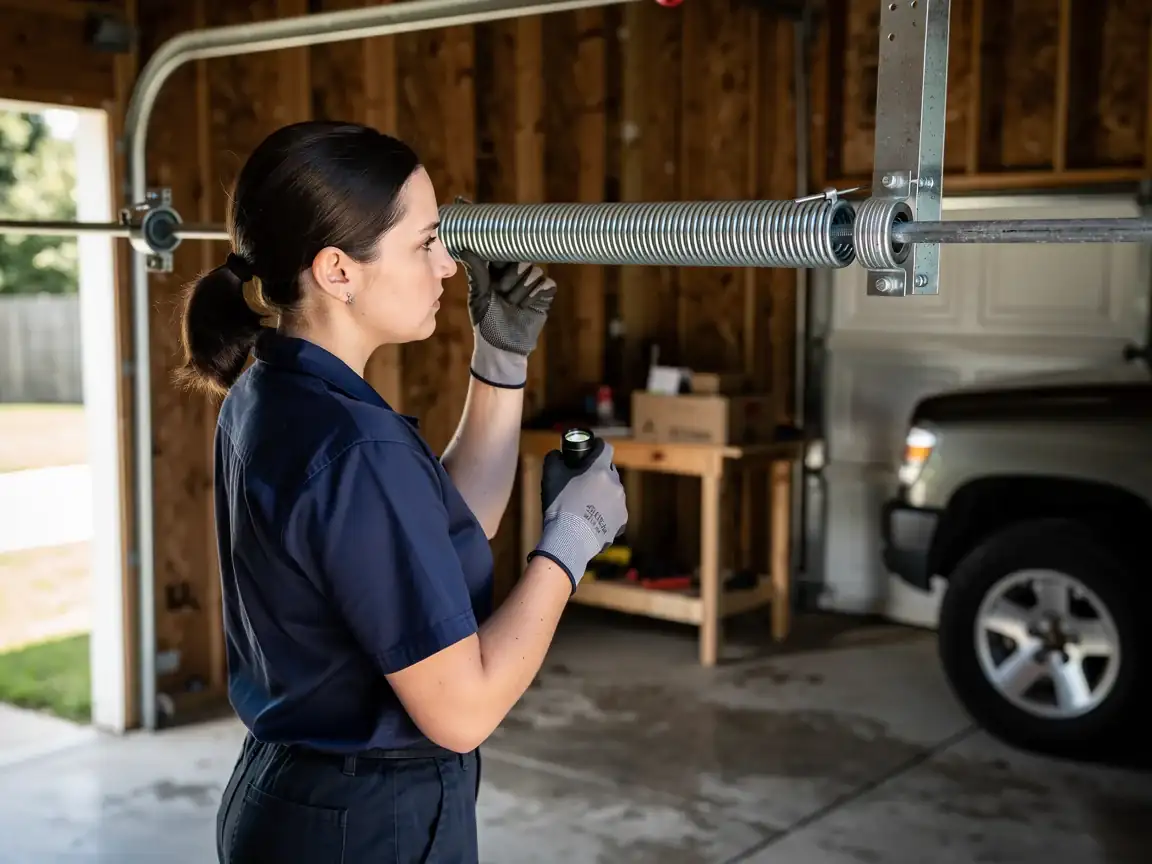
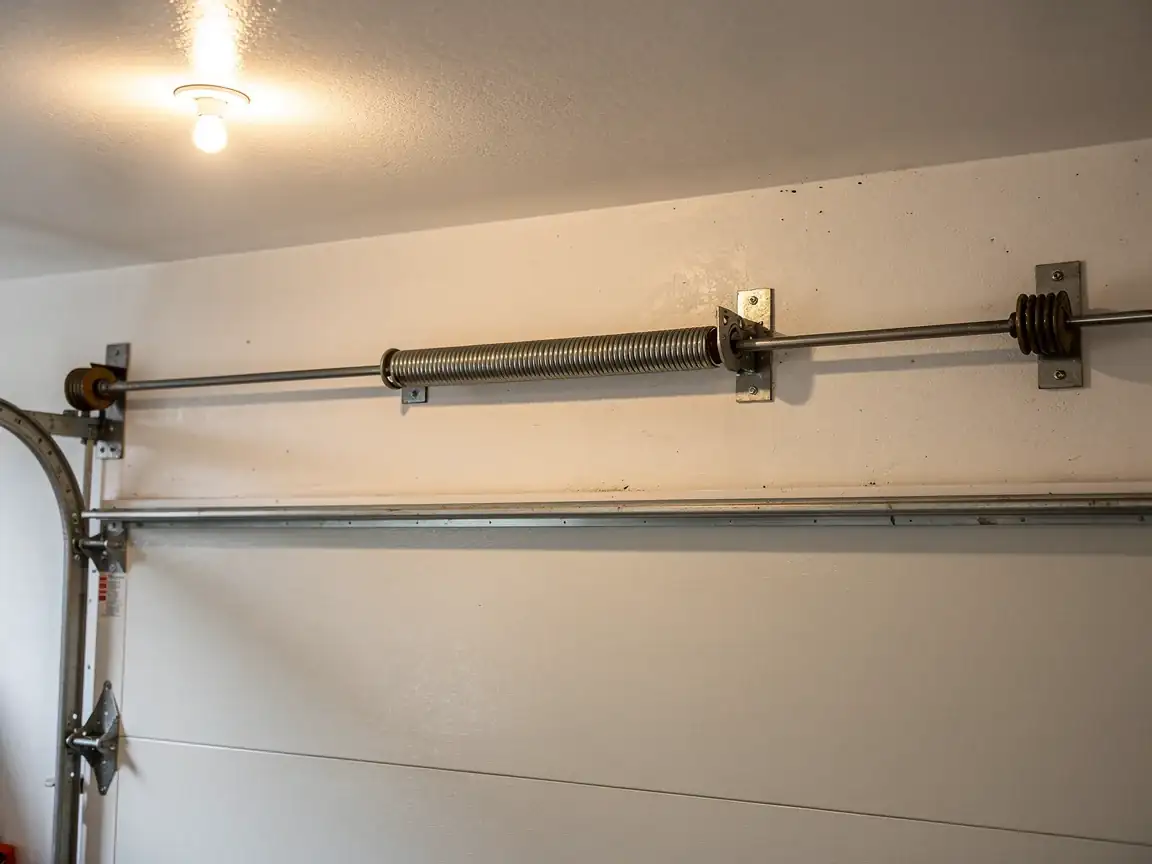
On a lot of Crystal's older one- and two-car doors, the torsion spring and the bent track share the same bracket, and a spring under tension on a door that's already out of alignment is how people get hurt. If the door won't move freely, if a cable looks loose or frayed, or if the track is visibly bowed, stop and call it in rather than working it loose further.
Why It Happens Here
Across the wider service area the housing stock runs from 1957 up through 2007, with the typical build landing around 1980. Crystal sits well on the older end of that range, with a median year built around 1959. That difference is the whole story for off-track calls here: doors and hardware installed in the late 1950s and early 60s used lighter steel track and brackets that were fine for the lighter doors of that era, but decades of expansion and contraction from Minnesota's cold winters work the mounting screws loose faster than they do on a track installed in 1990.
The cold itself plays a part too - this is a severe cold climate zone, and a track that's a sixteenth of an inch out of plumb in July can bind hard enough in January to pop a roller clean off. Combine 1959-era brackets with that seasonal swing and you get the pattern we see on these calls: a door that's worked fine for years and then comes off track the first real cold snap of the season.
Getting It Booked In
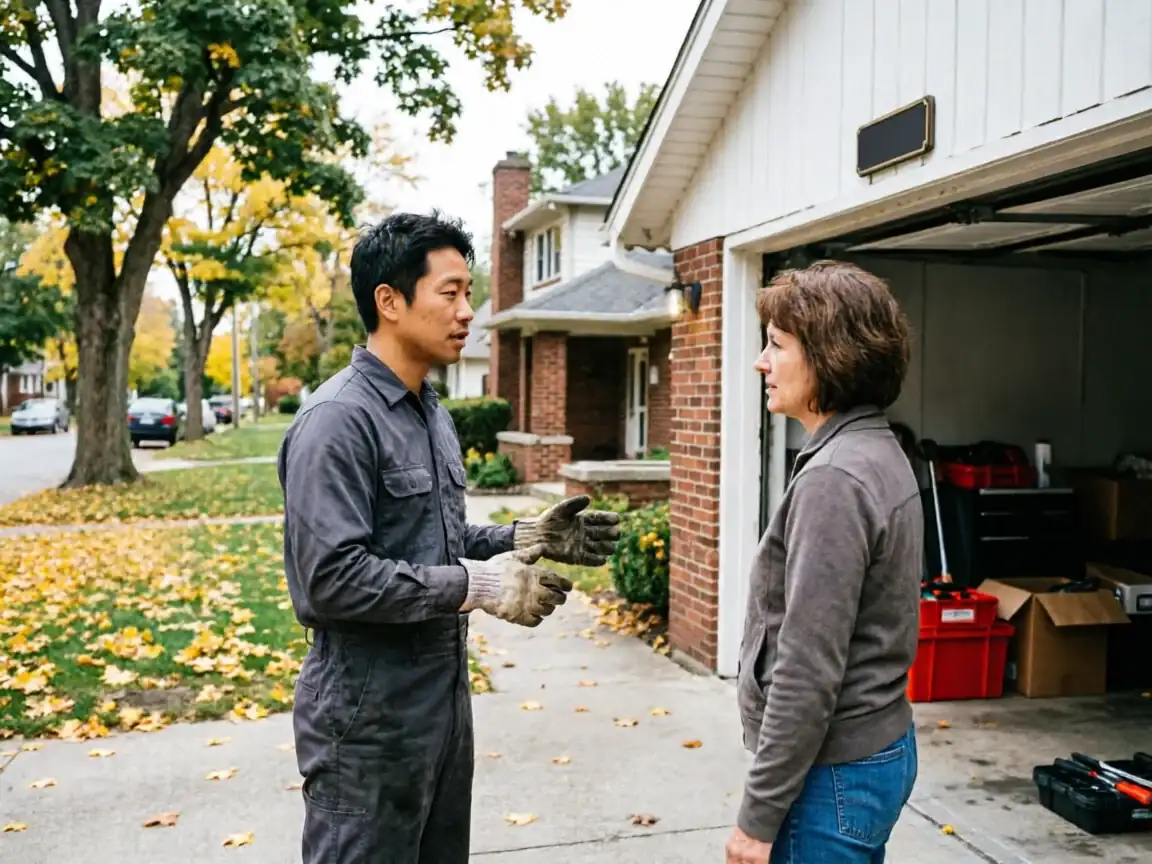
Brooklyn Park Garage Door Pros covers Crystal from the Brooklyn Park base, about 5 miles out, so a call here goes on the same route as the rest of the area rather than needing a separate crew or a different schedule. When you call, tell them whether the door is still roughly in the opening or whether it's come down crooked and jammed - that changes whether the truck brings extra track stock or just hardware.
One honest limit: if the track itself is bent rather than just the roller popped out, that's not a same-visit bend-it-back fix. Bent track gets replaced, and on an older house that can mean sourcing a width or gauge that doesn't match what's on newer trucks' standard stock, which can add a day if a part has to be ordered in.
How Long You Are Without the Door
A simple off-track where the roller just jumped the channel and the bracket is still sound is usually a same-visit fix
The door gets walked back on, the bracket gets re-set, and you're opening and closing normally within the hour. That's the common case on a 1959-built house where the track has just worked loose over time rather than failed outright.
If the track is bent
Or if the bracket itself has pulled out of the jamb (more common on these older, shallower stud walls), you're looking at a repair that needs a replacement part on hand. The honest answer is it depends on what's actually wrong once a tech is standing in front of it, which is also why phone diagnoses on off-track doors aren't reliable - the difference between an hour and a day is usually invisible until someone's hands are on the track.