How It Shows Up
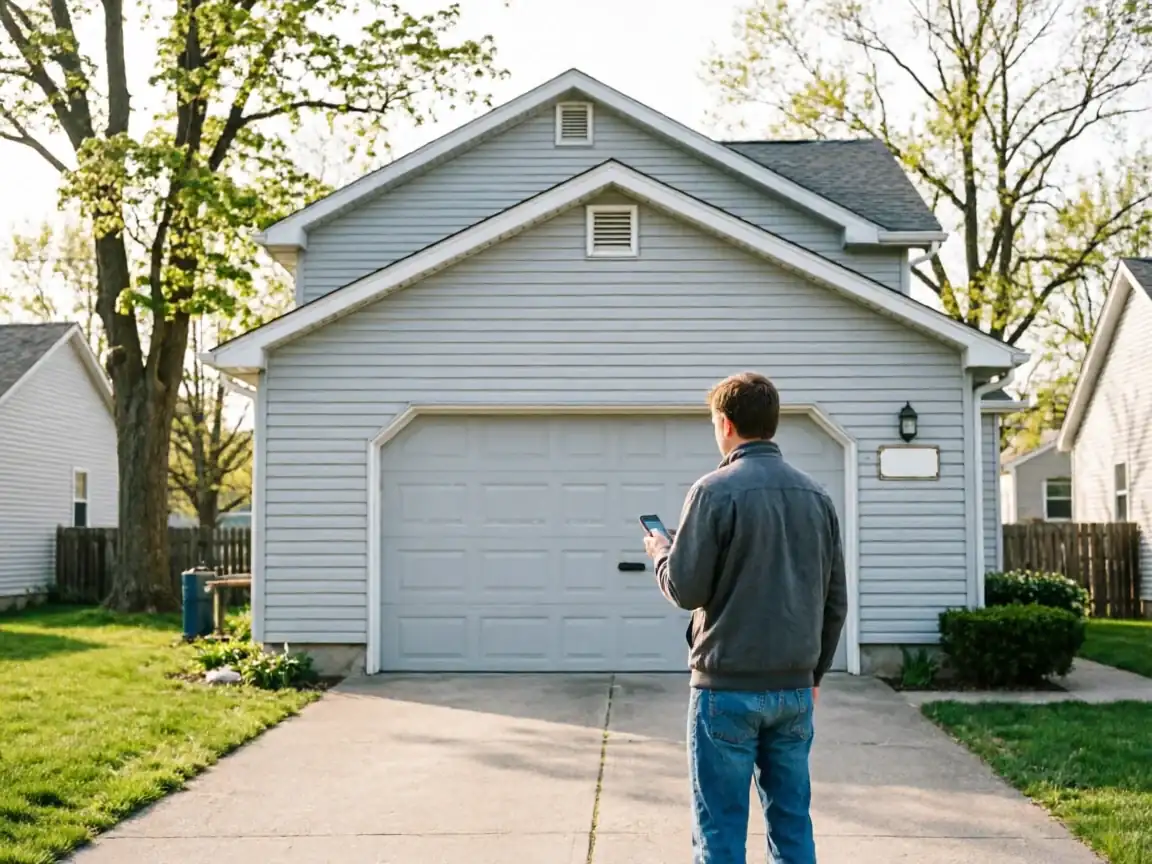
The drive from Brooklyn Park to Crystal is short, about 5 miles, which matters more than it sounds like it should. A five-mile hop means we can get a truck to a maintenance call without burning half the appointment window on the road, and it means we can stack two or three Crystal jobs back to back on the same afternoon instead of treating each one as a one-off trip.
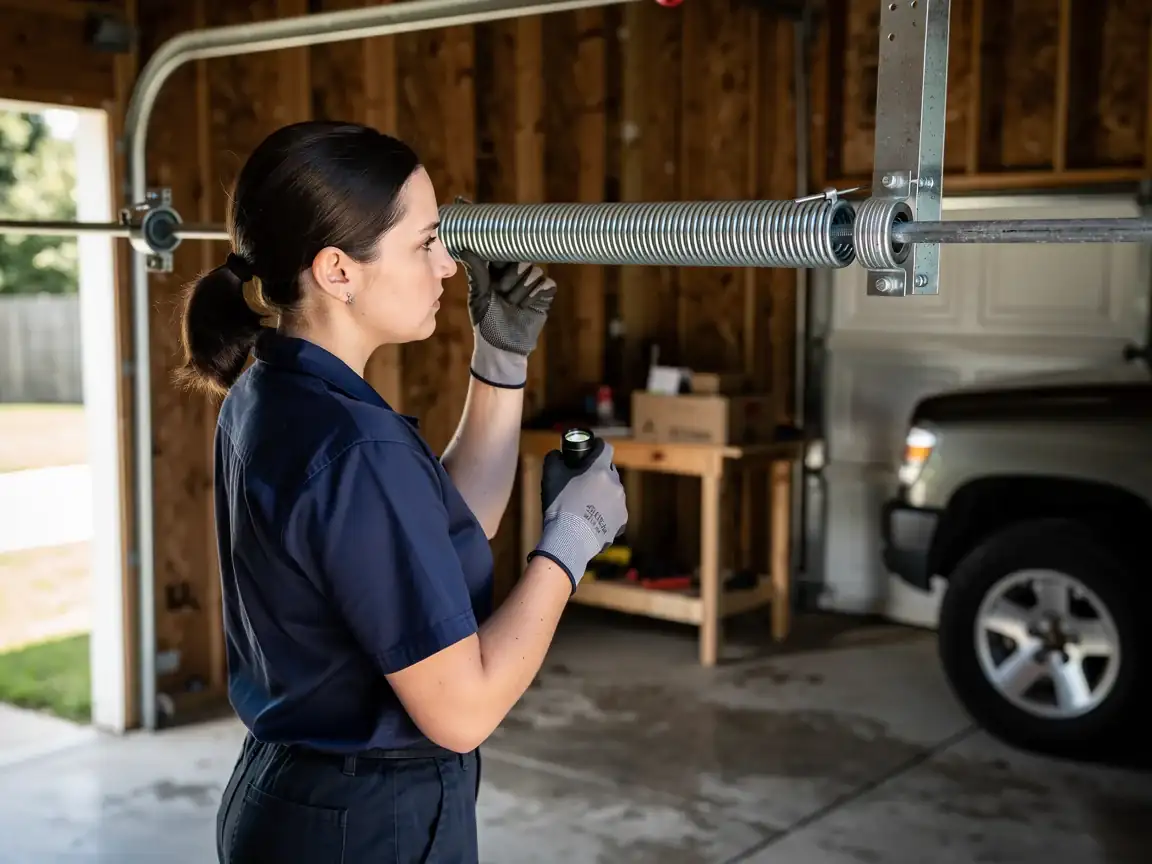
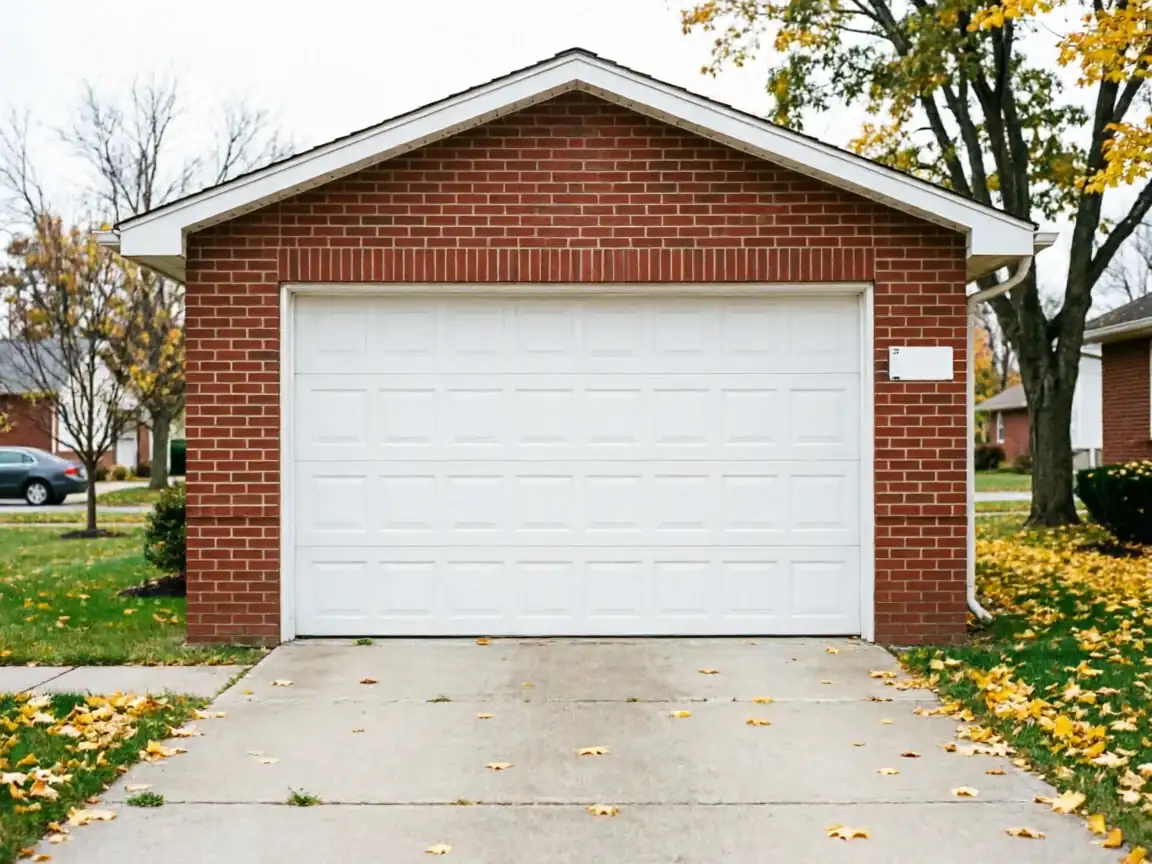
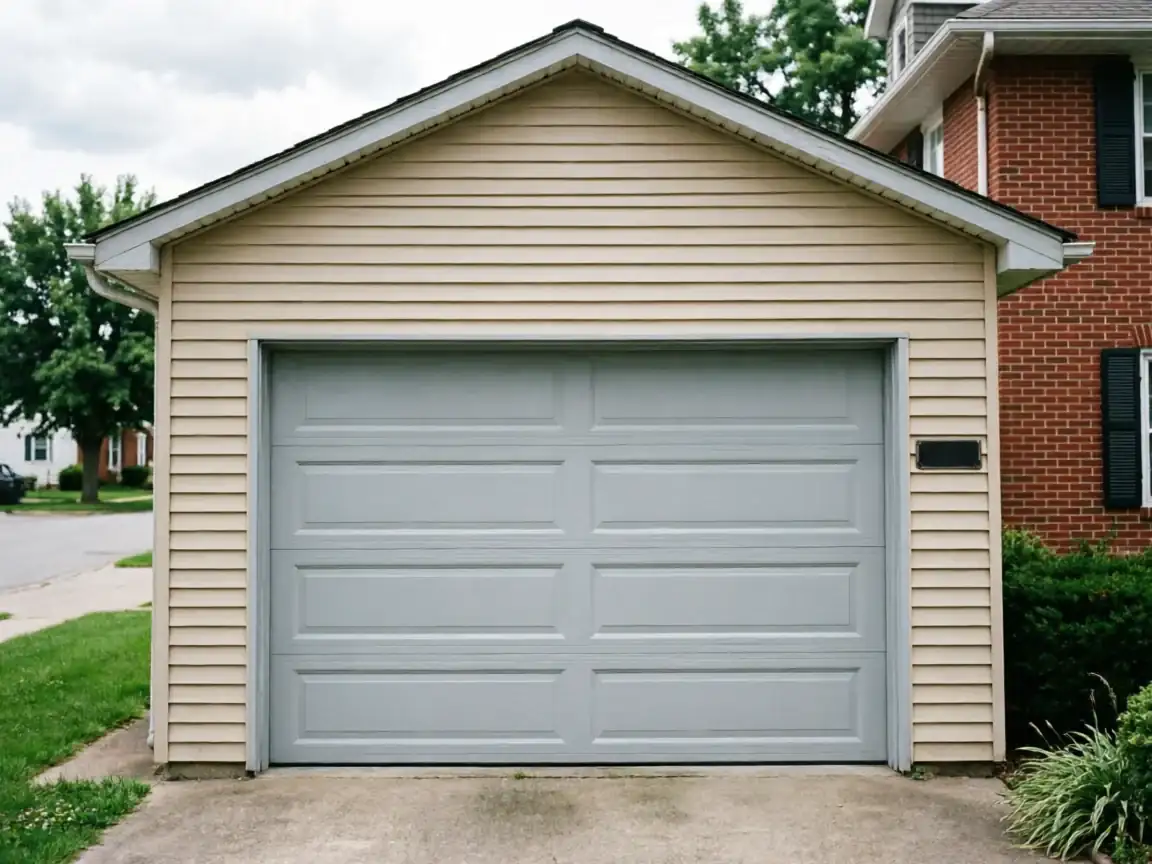
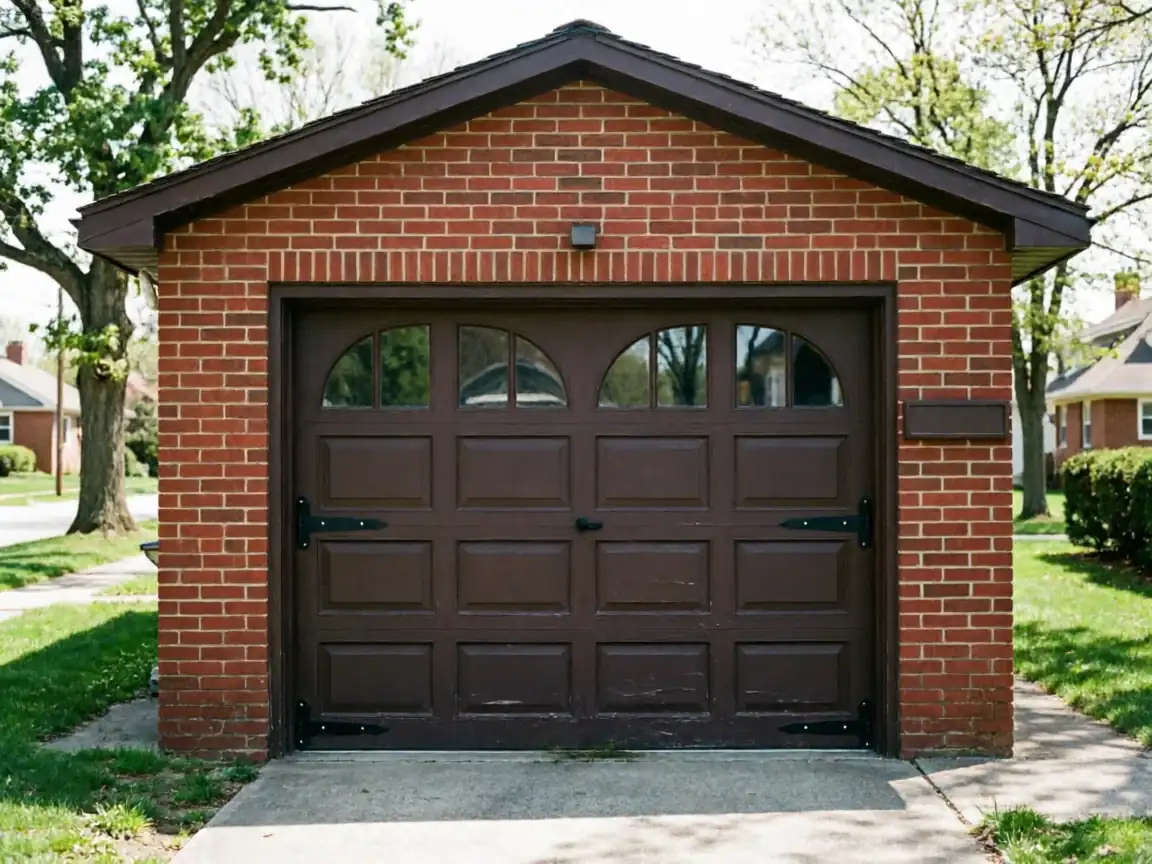
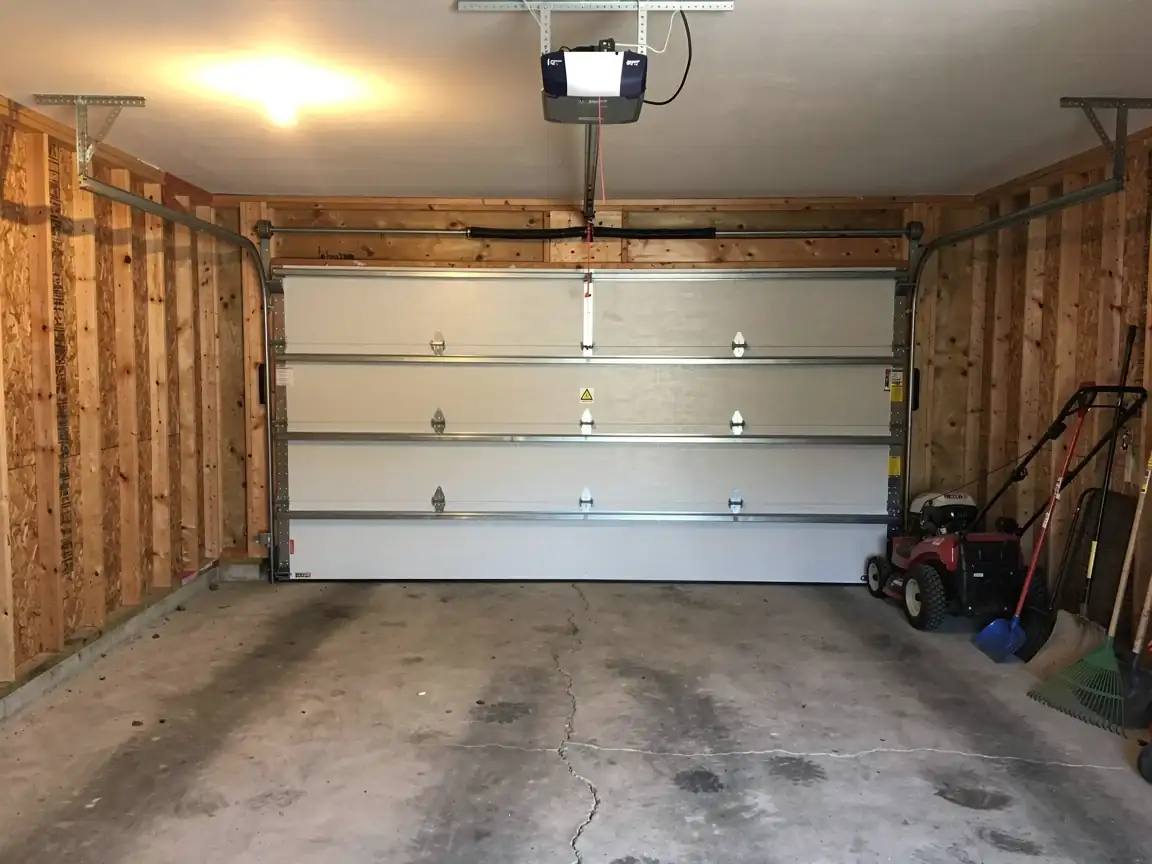
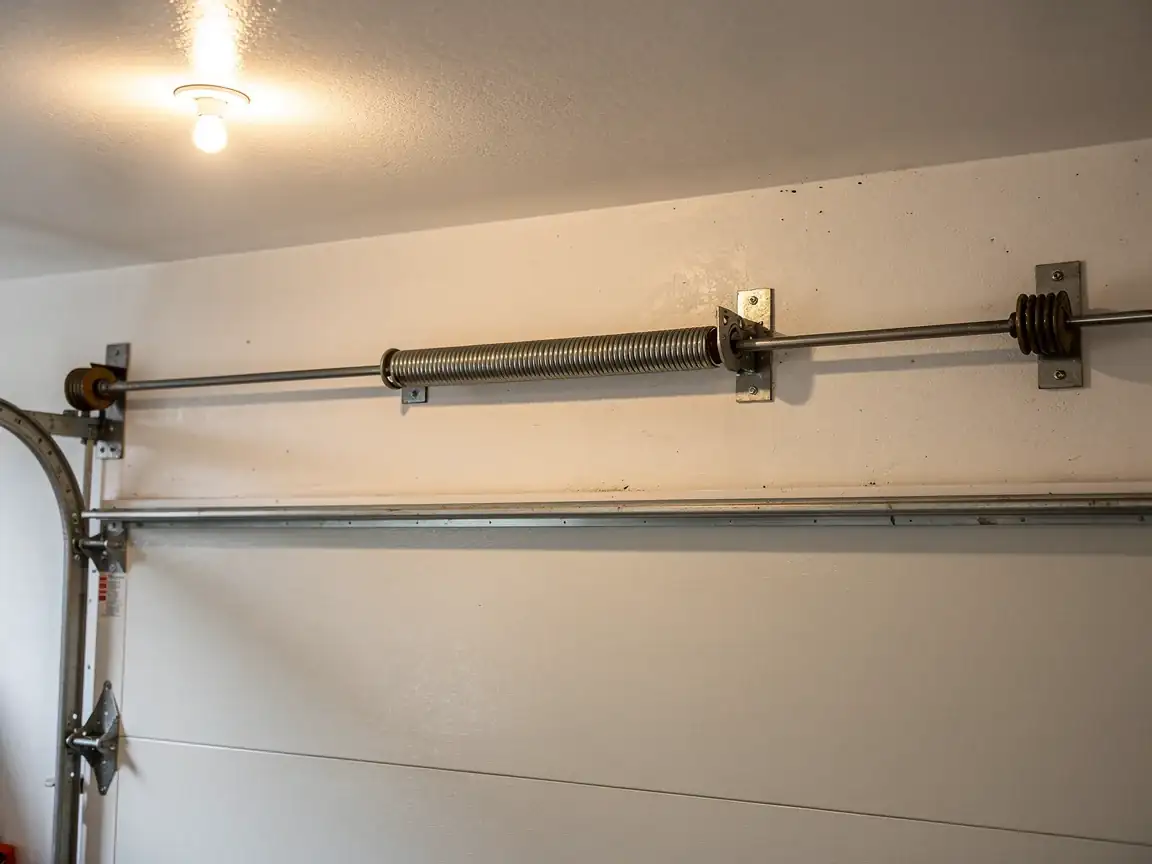
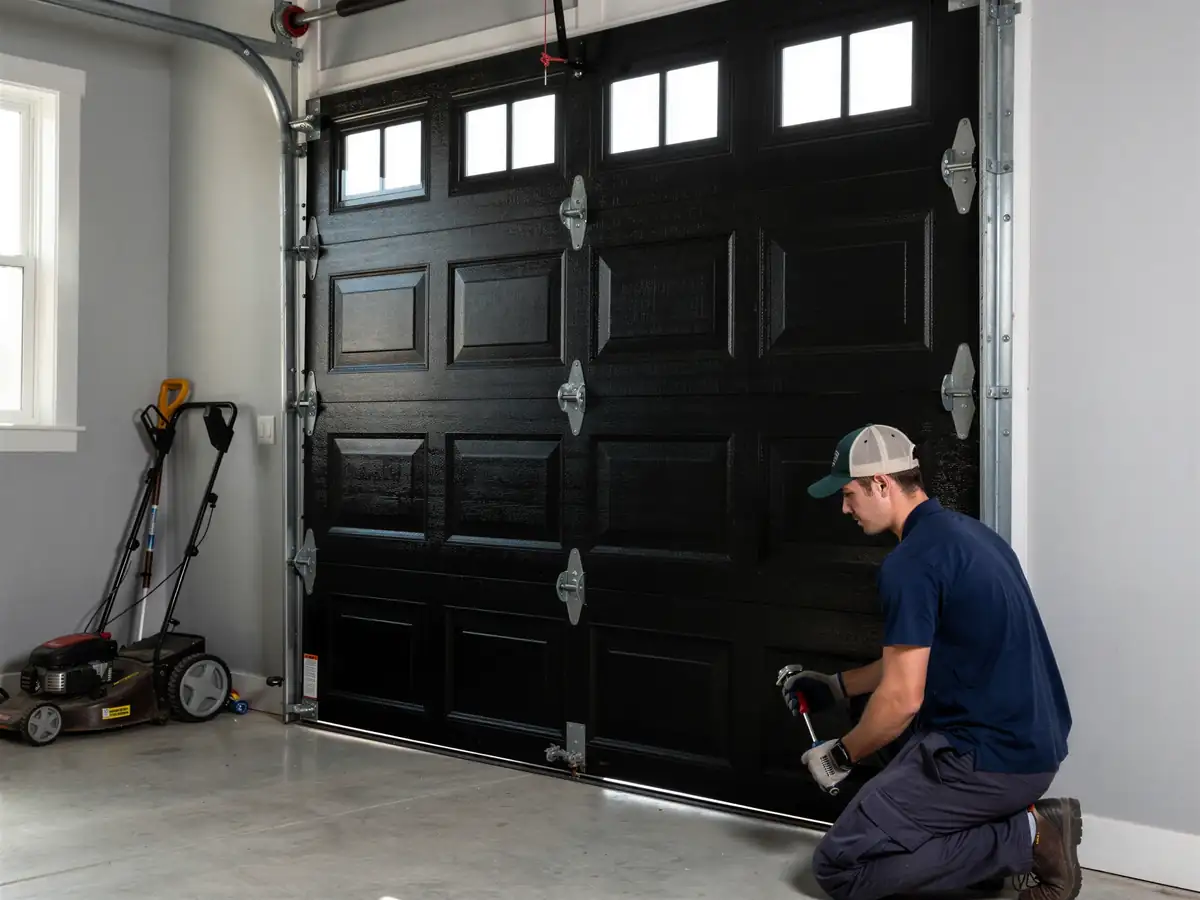
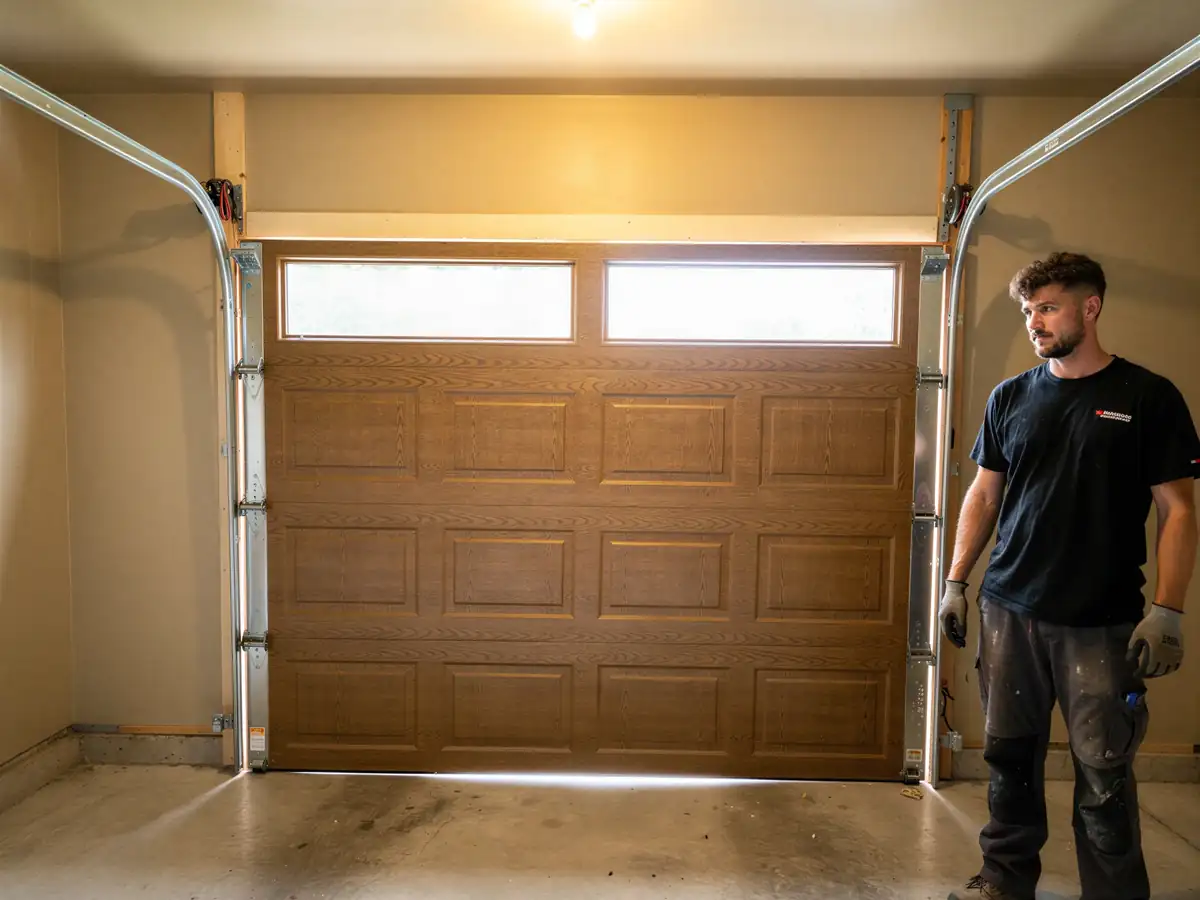
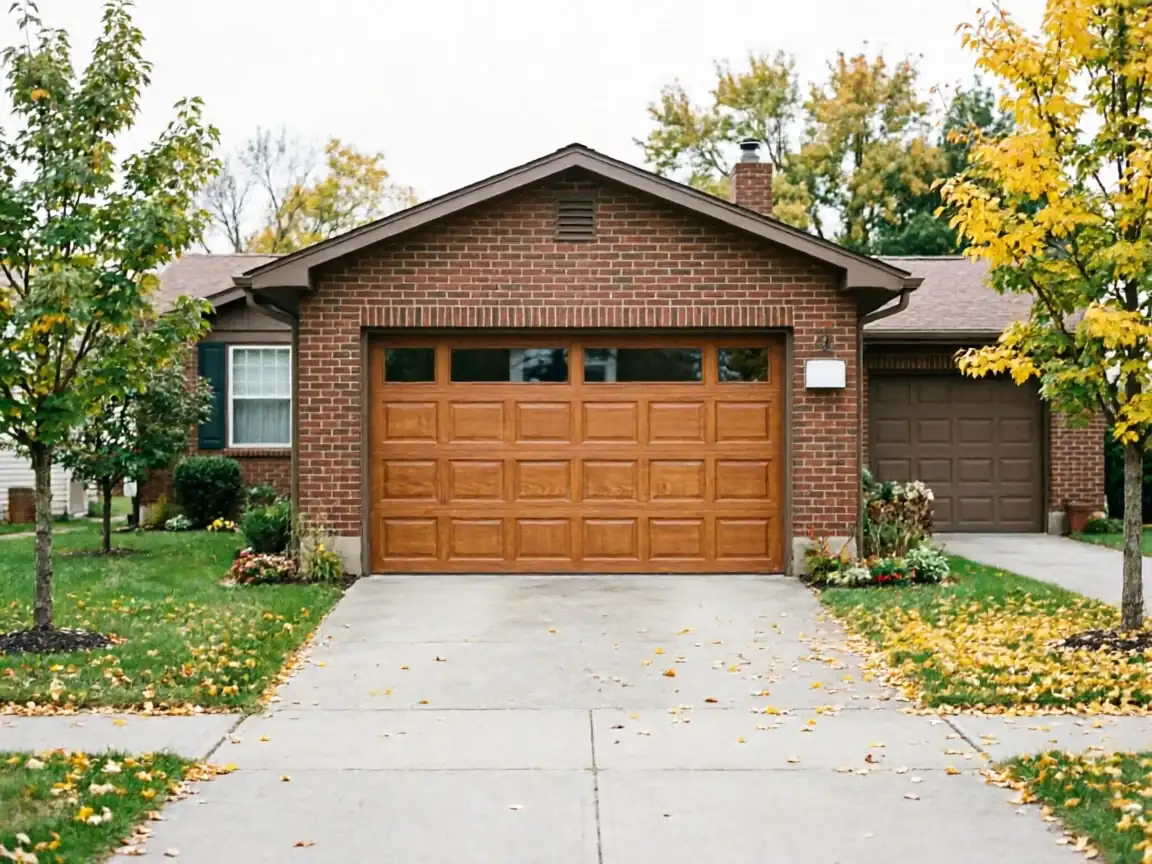
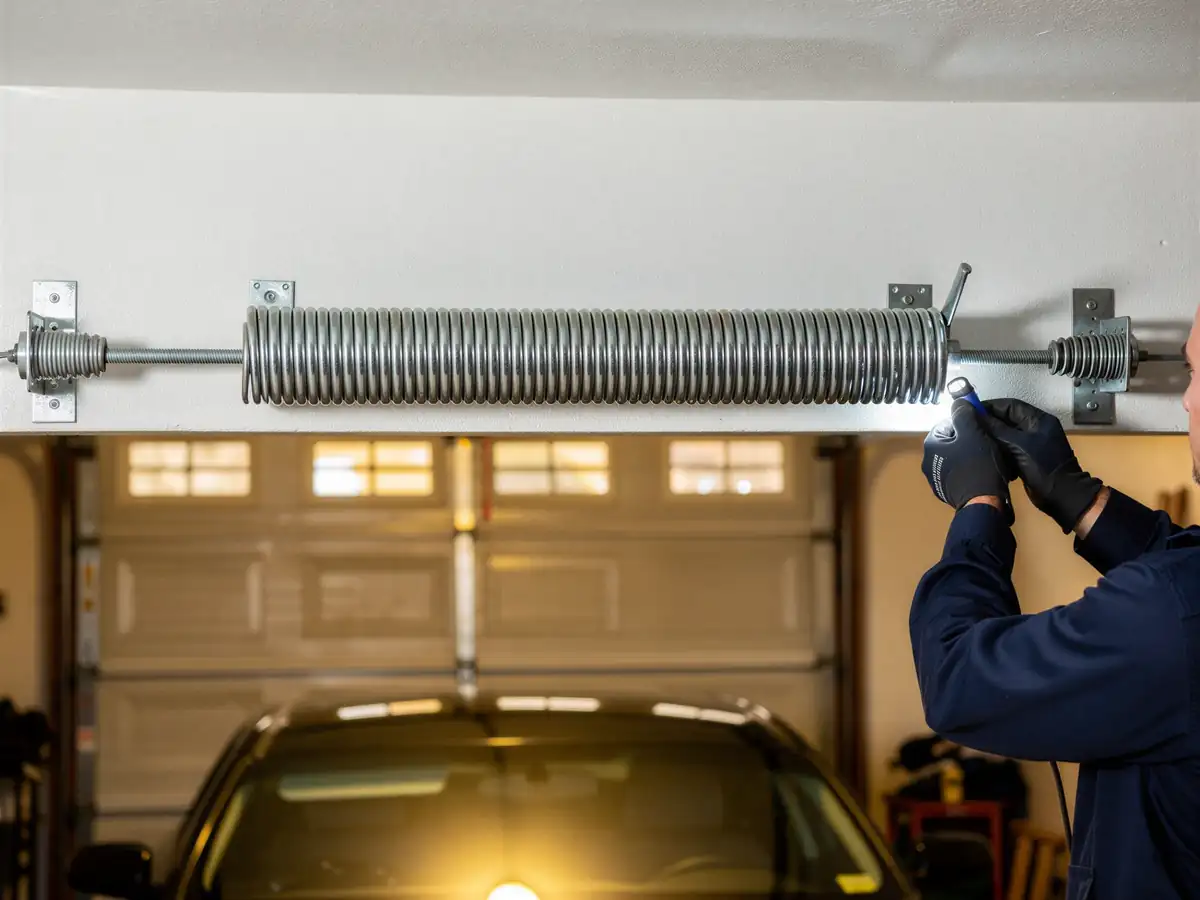
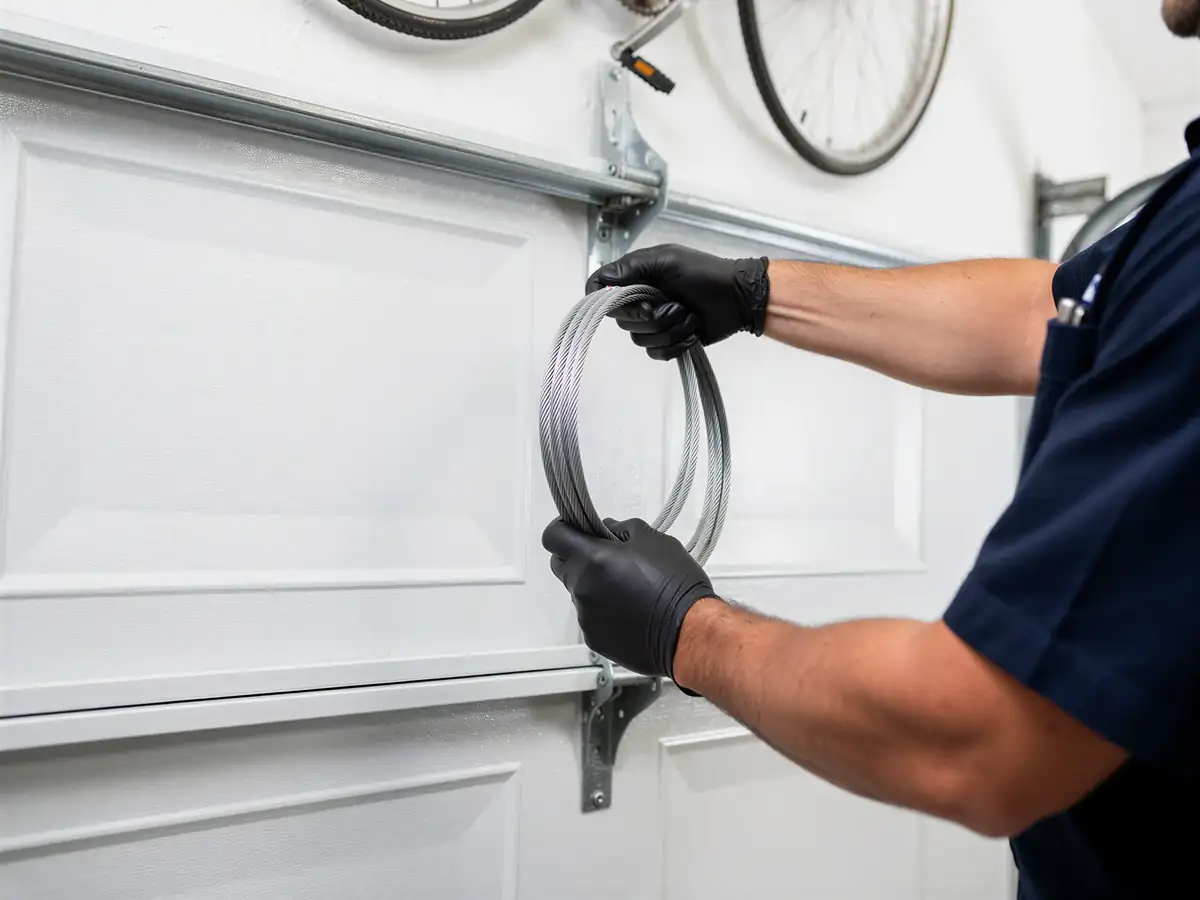
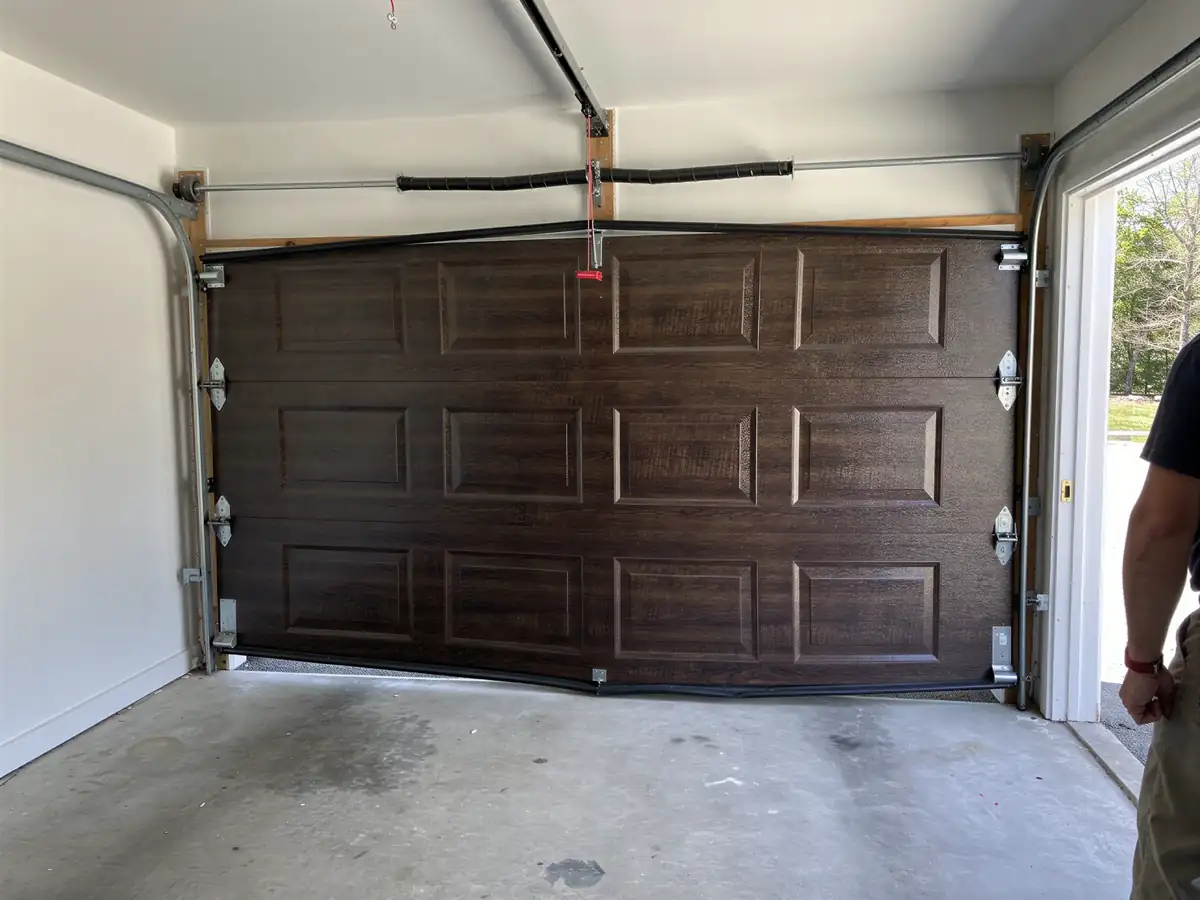
What we find once we're there is shaped by when the houses went up. A lot of Crystal's stock dates to around 1959, which puts it at the early end of the broader 1957-2007 range we see across the service area. On a door that old, maintenance usually isn't about a shiny new opener acting up - it's about a torsion spring that's been doing its job since before anyone reading this owned the house, extension springs with frayed cable sheathing, or hinges and rollers that were never swapped out after the original install. The symptoms show up as a door that groans going up, hesitates partway, or slams the last foot on the way down instead of settling.
We also see openers that have had their gears quietly stripping for a year or two before anyone notices the door is louder than it used to be.
Doing It Yourself
There's real maintenance a homeowner can do between visits
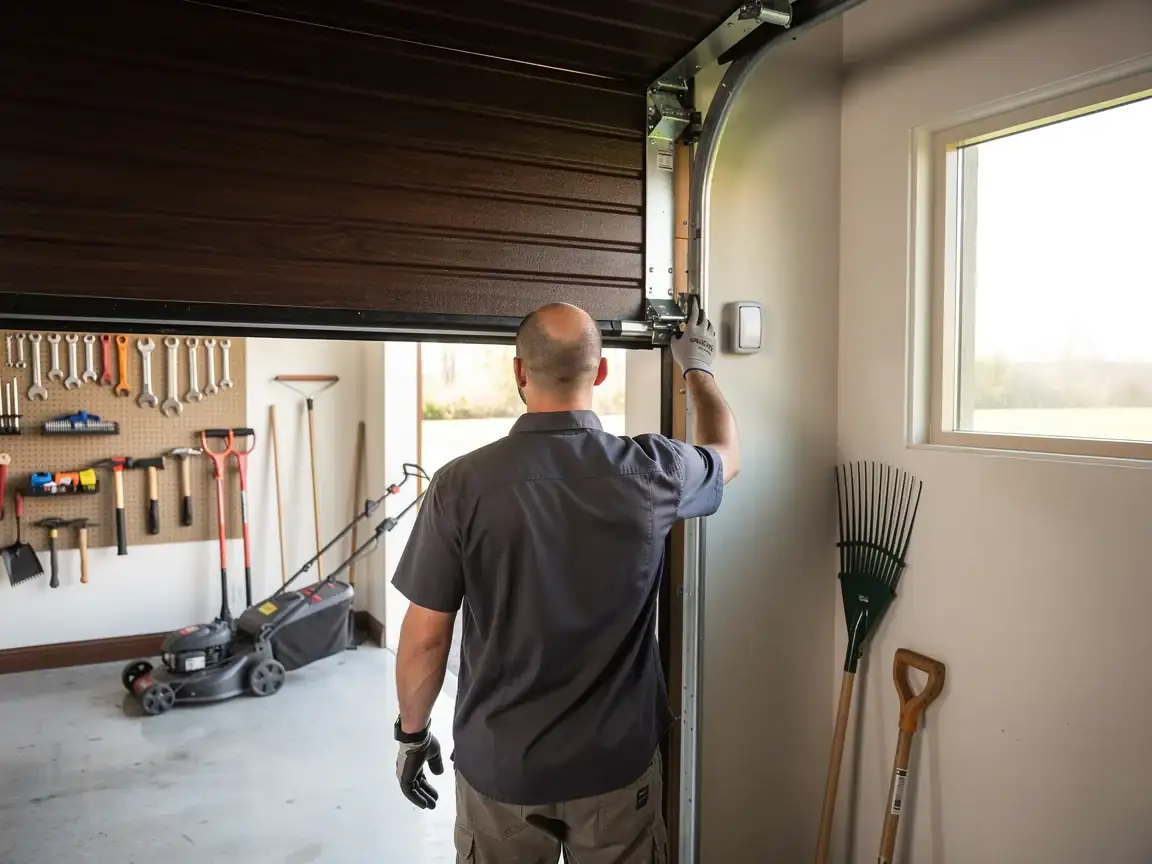
And none of it requires taking the spring system apart. Once a month, run the door and watch the tracks - look for a roller that's riding off-center or a bracket with a loose bolt. Wipe grime off the tracks with a rag rather than spraying it with anything, and put a few drops of garage-door-rated lubricant on the rollers and hinges, not on the track itself.
The balance test is the one most people skip and shouldn't
Disconnect the opener, lift the door halfway by hand, and let go. A door in good balance stays roughly where you left it. One that drops or shoots up means the springs are carrying the wrong amount of tension for the door's weight, and that's not a DIY fix - a torsion spring under load can do real damage if it lets go while you're working on it.
Honest limitation: we can't tell you over the phone whether what you're hearing is a $20 roller swap or a spring on its way out
Sound alone doesn't diagnose it, and on a door built when Eisenhower was president, guessing wrong costs more than the visit would.
Why It Happens Here
Minnesota winters are the backdrop for everything on this list - this is a cold-severe climate zone, and steel contracts, lubricant thickens, and weatherstripping that was fine in August goes brittle by January. On a newer door that's an inconvenience. On original 1959-era hardware it's often the push that finally cracks a spring that was already fatigued.
Crystal's own numbers add a second layer. The city runs about 9,307 households, and the median household income here sits around $86,752 - noticeably below the roughly $110,833 median across the wider service area. That gap doesn't change how a spring fails, but it tends to change when owners call. A lot of homeowners here ride a noisy door longer than they'd like before booking a tune-up, which means by the time we're out, the fix is often bigger than a simple adjustment would have been a year earlier.
Across the broader area the housing stock trends toward the 1980s and 90s. Crystal sits older than that average, which is exactly why a maintenance visit here tends to turn up different wear than one in a neighborhood built twenty years later.
Getting It Booked In
We run out of Brooklyn Park, not out of a branch in Crystal, so booking here means working the 5-mile trip into the day's route rather than treating it as a separate stop. In practice that's a short drive - Crystal is one of the closer towns we reach, closer than Fridley or Champlin - so it rarely forces an awkward gap in the schedule.
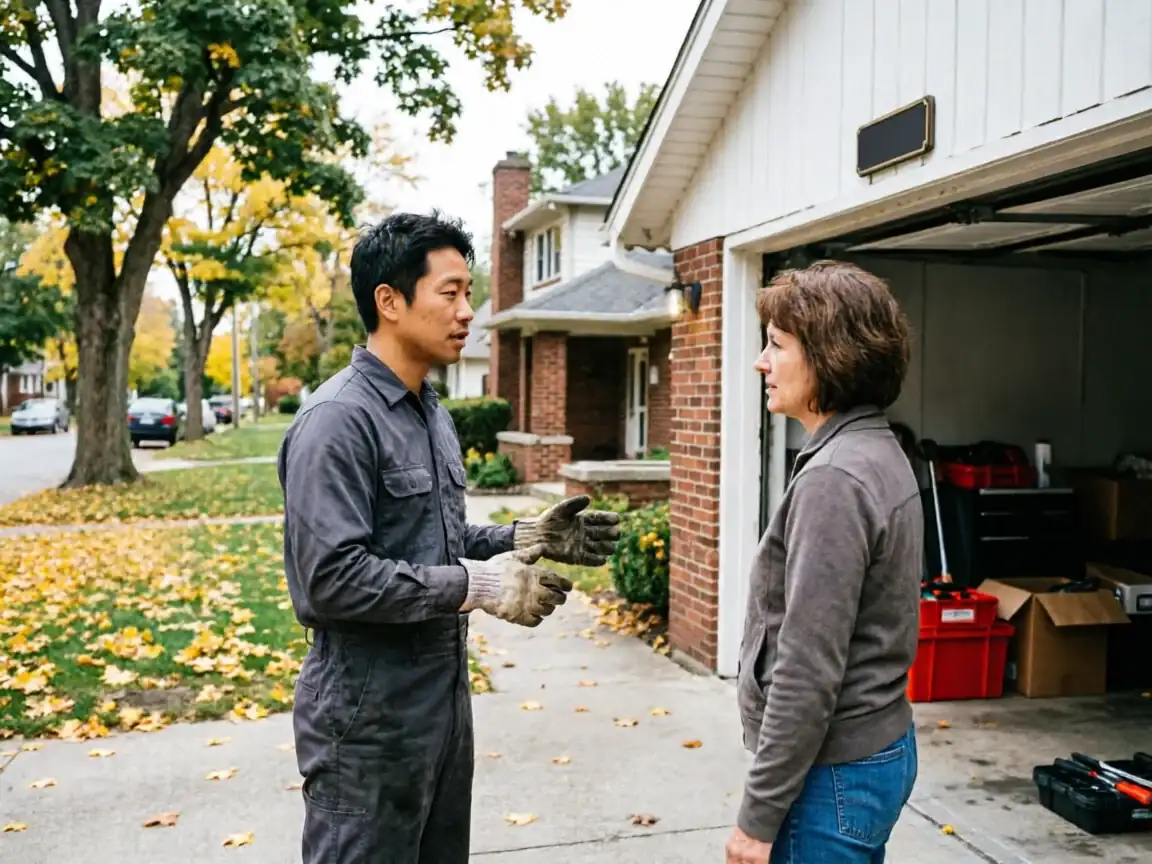
When you call, tell us the door's age if you know it, or just the decade the house was built. On a street full of late-1950s homes, that one detail changes what we bring on the truck - the right spring wind, the right roller size, the right drill bits for hardware that's been painted over a few times.
We don't keep a standing crew stationed in Crystal, so we can't promise a same-day slot the way a business with a local depot might. What we can do is fold your job into a route that's already heading your direction, which keeps the trip efficient for both of us.
How Long You Are Without the Door
The honest answer is
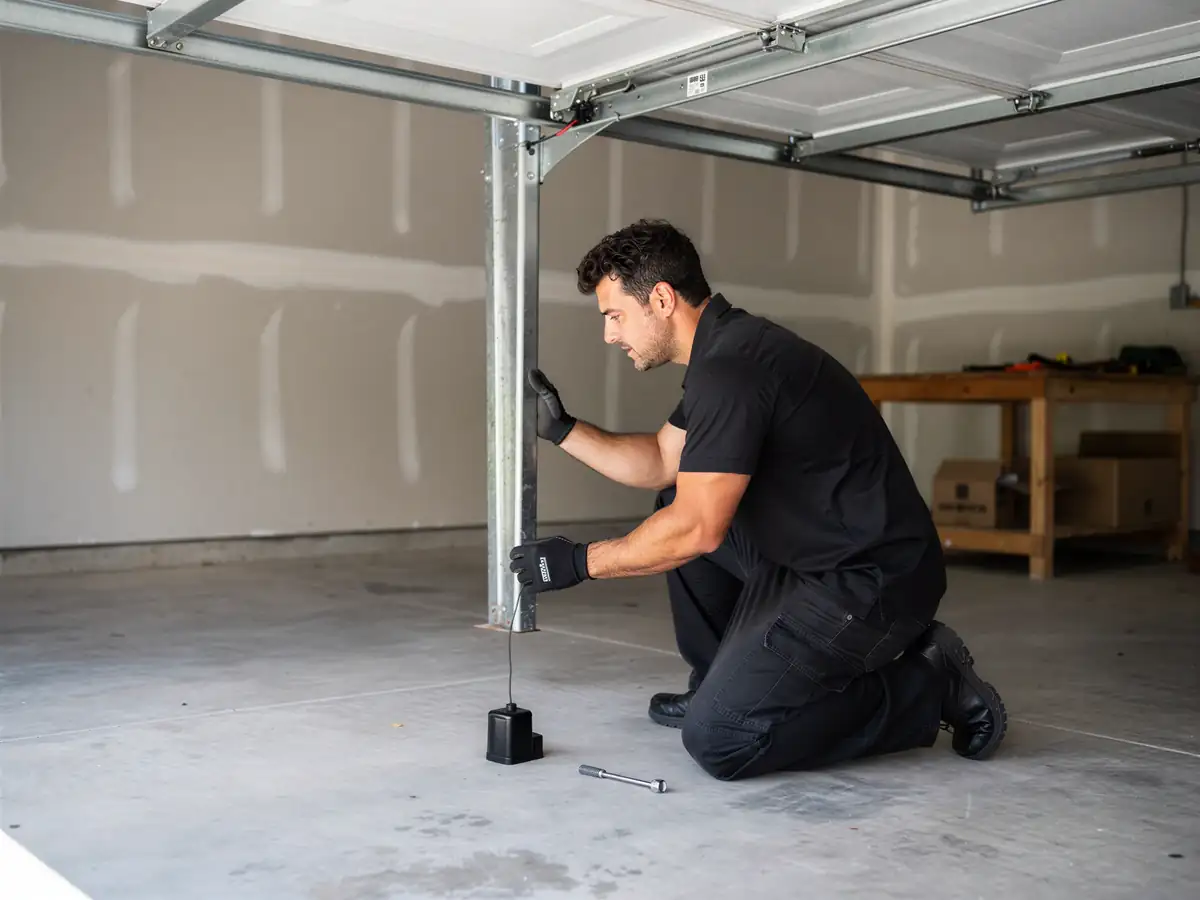
It depends on what the tune-up finds, not on how far we drove to get there. A straight maintenance visit - lube, balance check, hardware tightening, opener inspection - takes under an hour and the door's usable the whole time except for the few minutes we're testing it disconnected.
Where it stretches out is when the visit turns up something the door can't run safely with
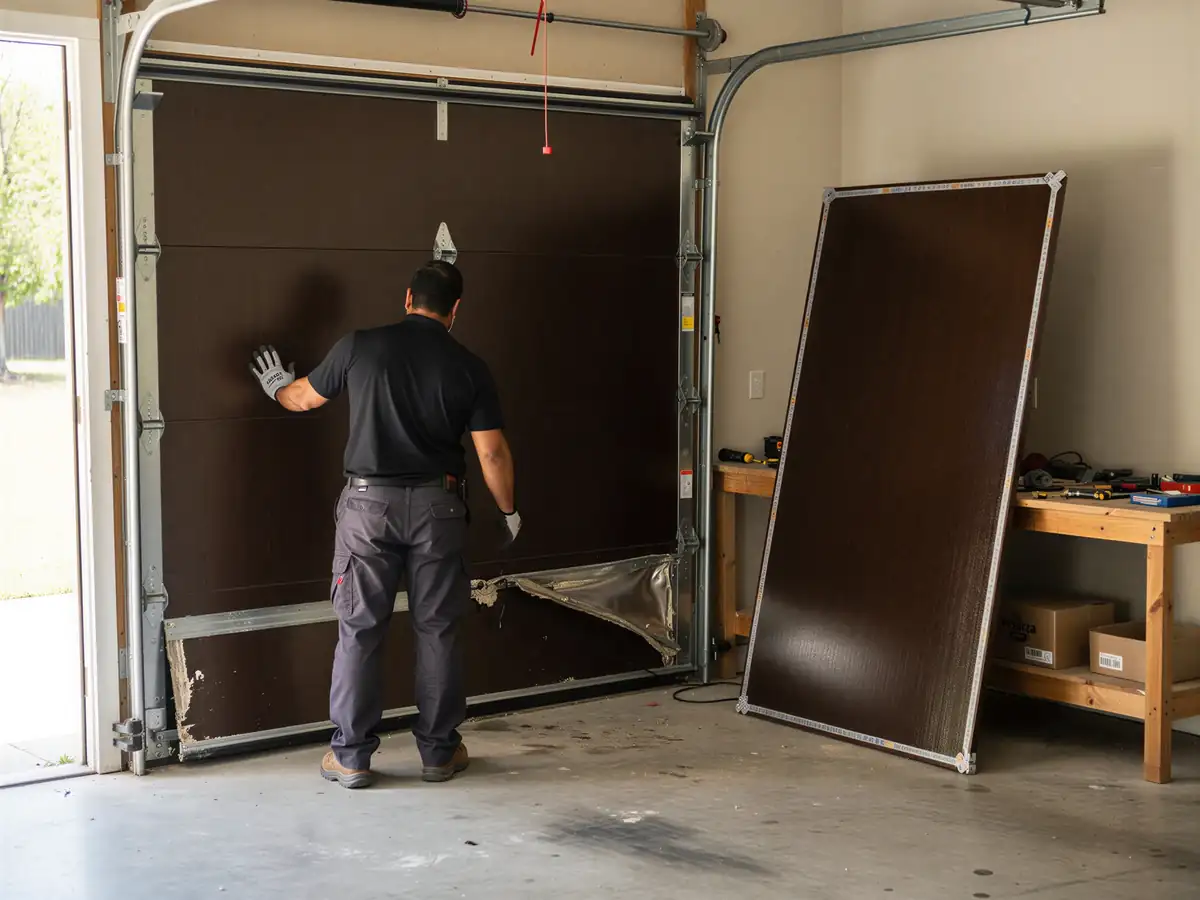
Like a spring that's visibly fatigued or cable fraying near the drum. On a house built around 1959, that's not a rare finding. If a part needs ordering, the door may sit out of service until it arrives, and we're not going to promise a turnaround time we don't control.
We won't pad that timeline to sound reassuring, and we won't quote you a number we can't back
What we will do is tell you straight whether what we found is a same-visit fix or a return trip, and why.