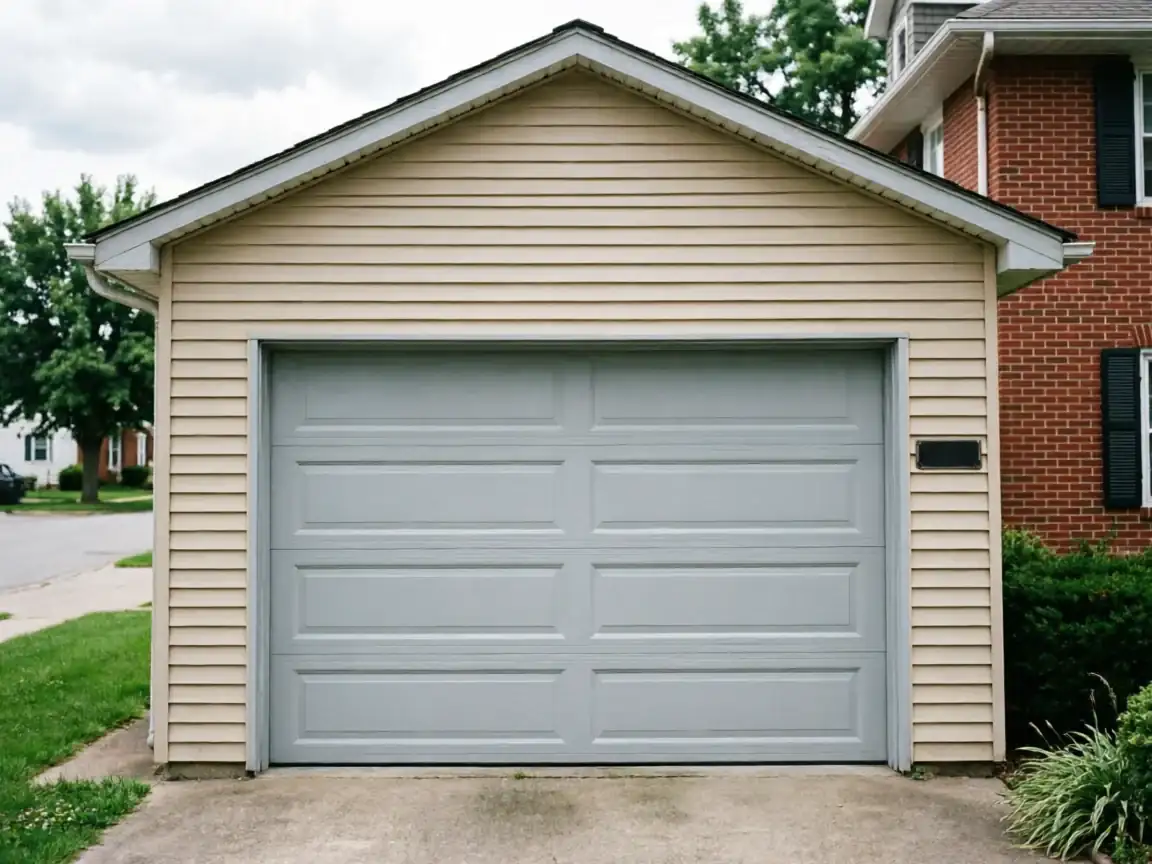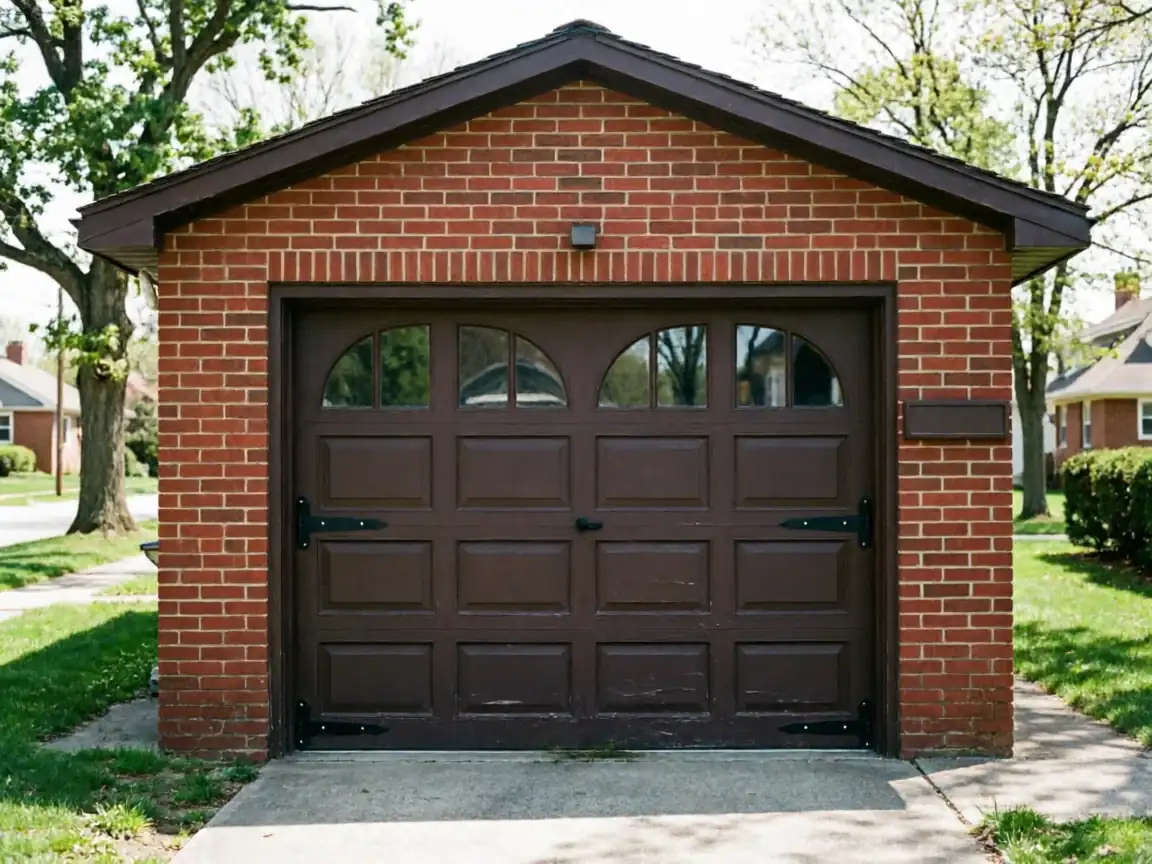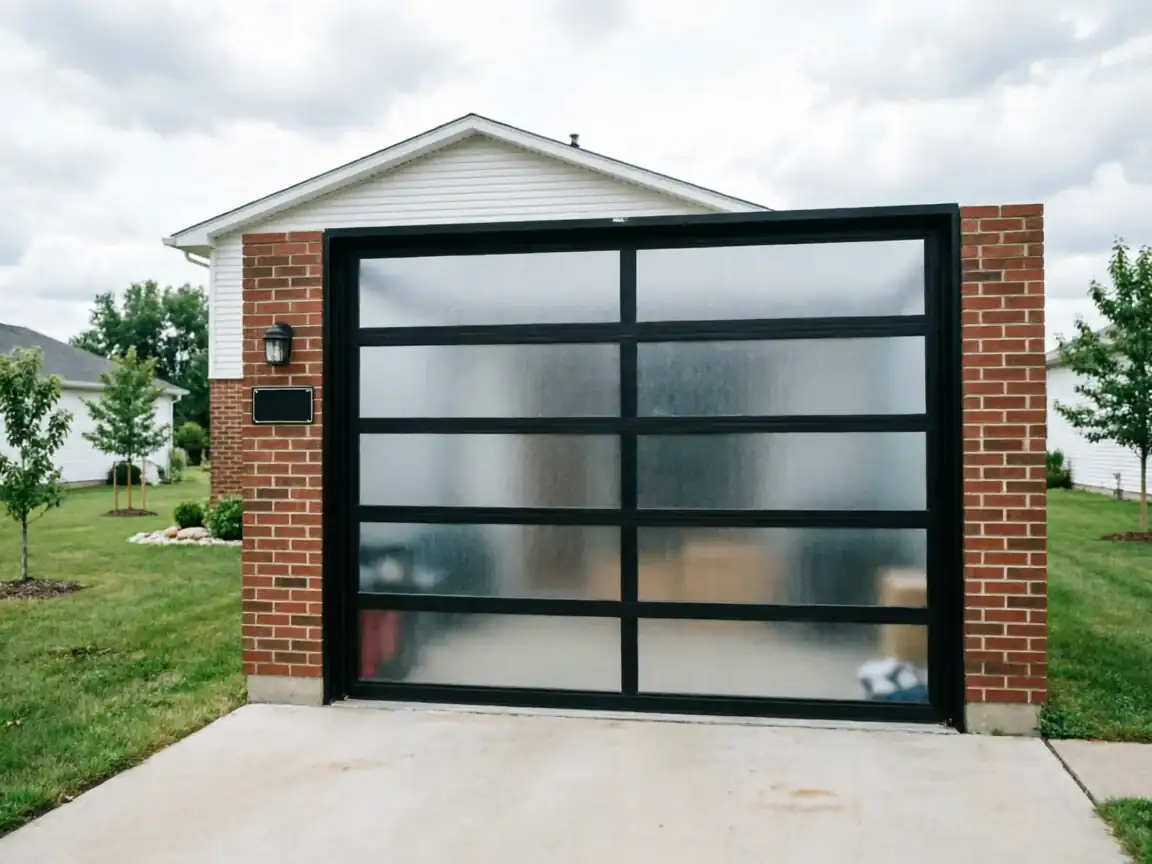
How Long You Are Without the Door
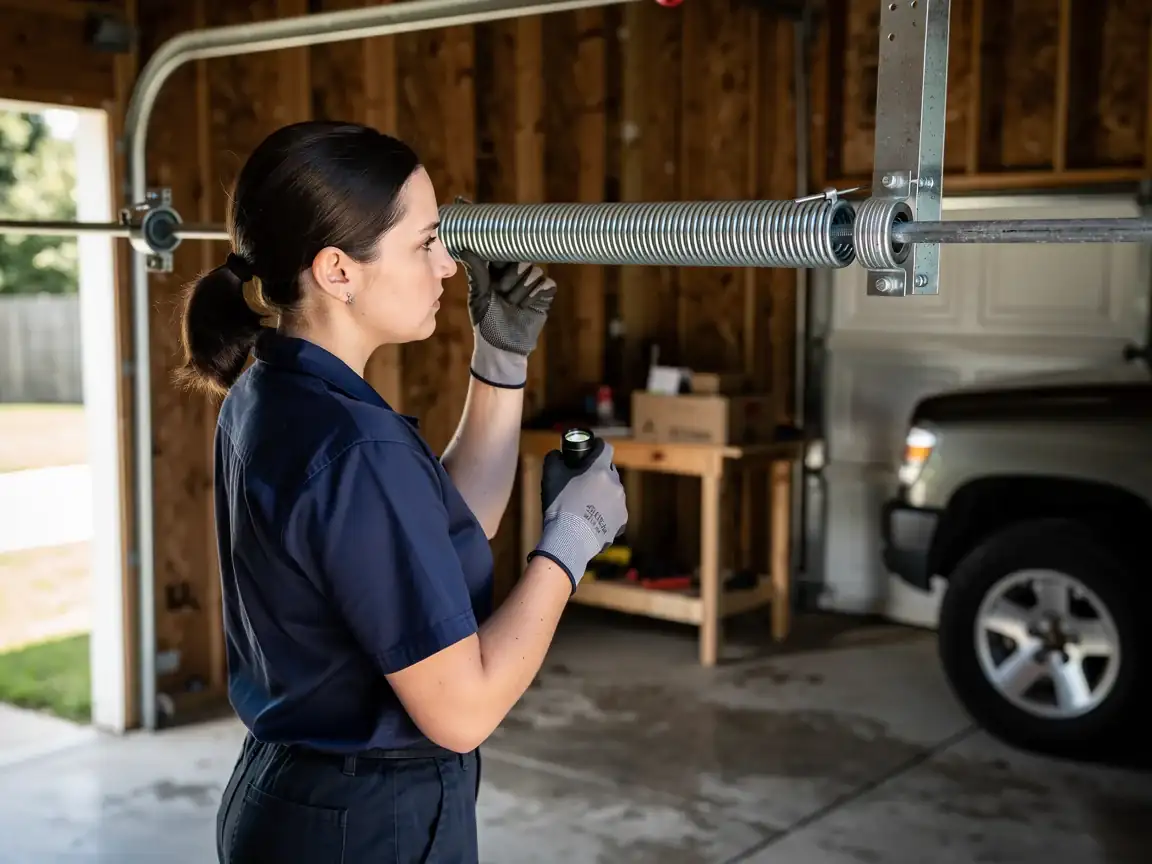
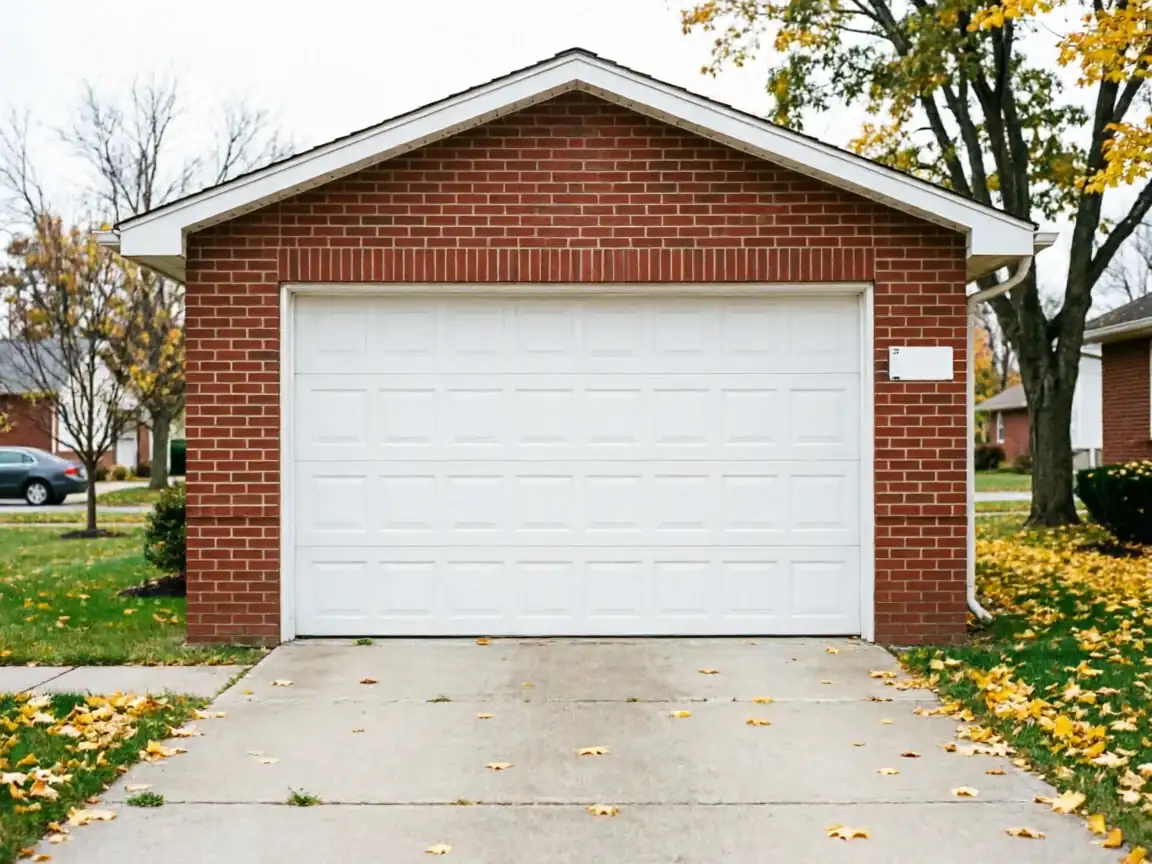
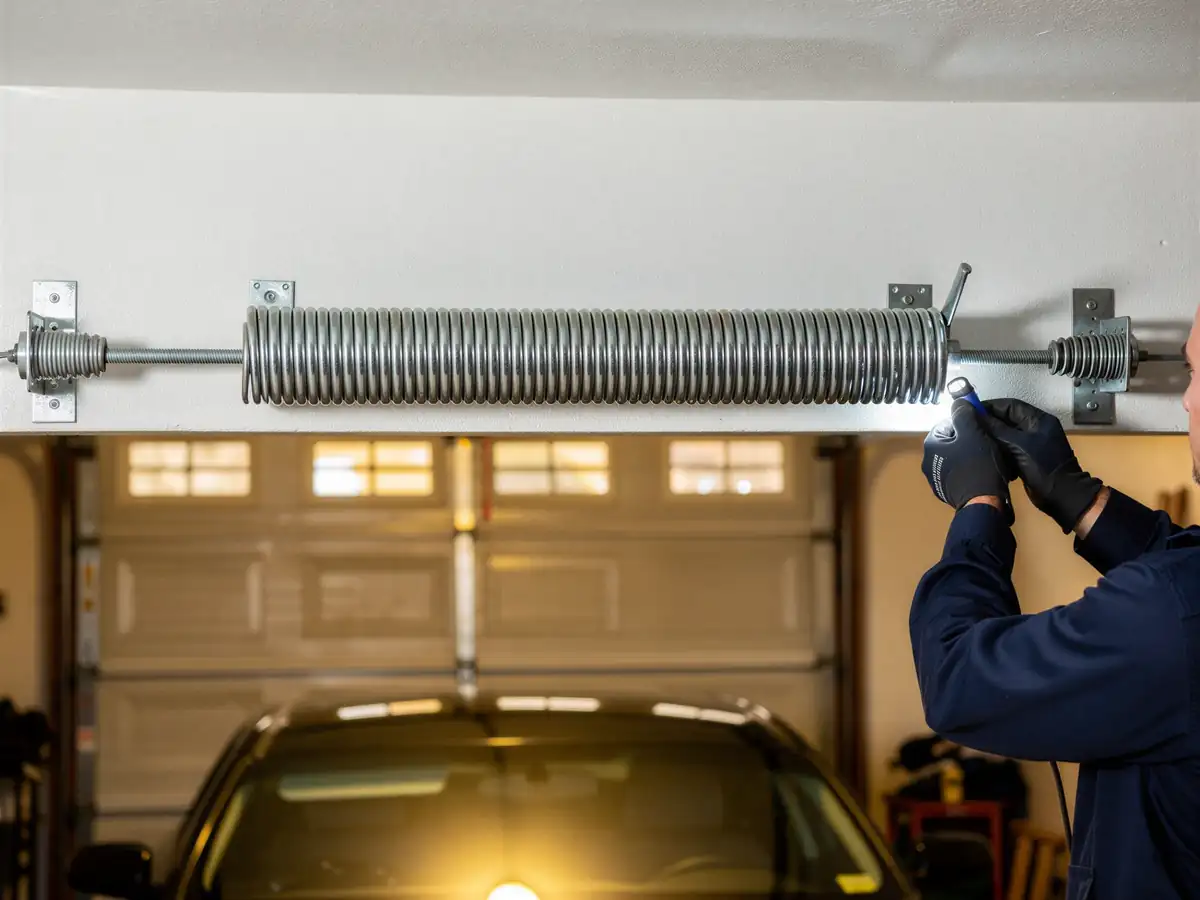
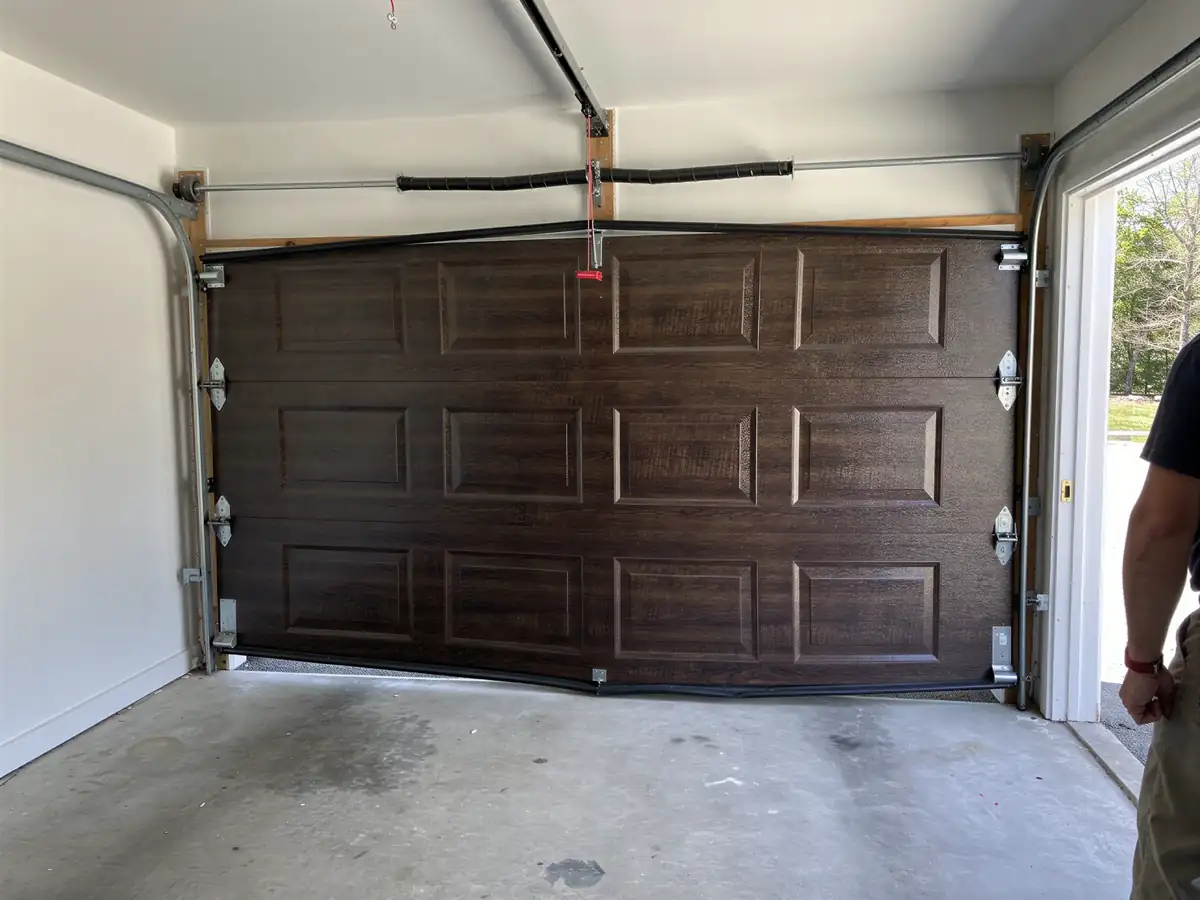
Osseo sits at a different point on the calendar than most of the area we cover. Across the 58 named communities we service, the typical house was built around 1980, but Osseo's median build year is 1965 - fifteen years older. That gap matters when a door won't open. Houses from the mid-60s were often fitted with hardware that's been replaced once or twice already by the time we get the call, which means we're frequently dealing with a mix of original framing and newer retrofit parts that don't quite match. Diagnosing that combination takes longer on-site than a straight swap-out on a 1990s door. We travel to Osseo from Brooklyn Park, about 2 miles away, so the drive itself isn't the bottleneck - it's figuring out which generation of parts is actually failing once the truck is in the driveway. A stuck torsion spring on an older drum setup isn't a five-minute fix the way it might be on a newer extension-spring system. We'd rather spend the extra time getting the diagnosis right than leave with the door working for a week and failing again.
Getting It Booked In
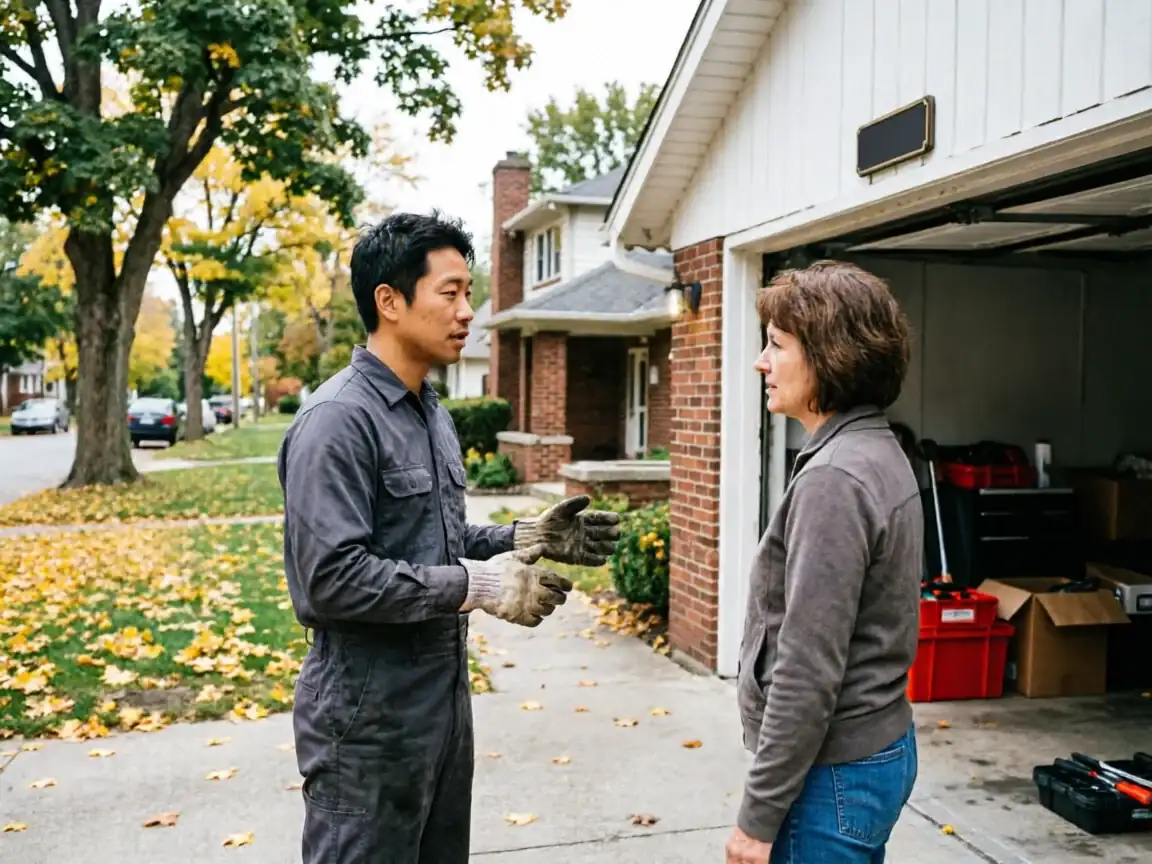
Booking a job in Osseo works the same way it does anywhere else we cover from Brooklyn Park - you call, we ask what the door is doing (won't open, won't close, makes noise, opener dead), and we figure out roughly what's needed before the truck leaves. We don't keep a branch or staging point in Osseo itself; every job here is dispatched from Brooklyn Park, 2 miles out, which is close enough that it doesn't change how we schedule. What does change the conversation is the age of the house. If you know roughly when your home was built - and in Osseo that's often mid-1960s - mention it when you call. It helps us guess at hardware generation before we're standing in front of it, which means fewer surprise trips back to the truck for a part we didn't expect to need.
What Is on the Truck
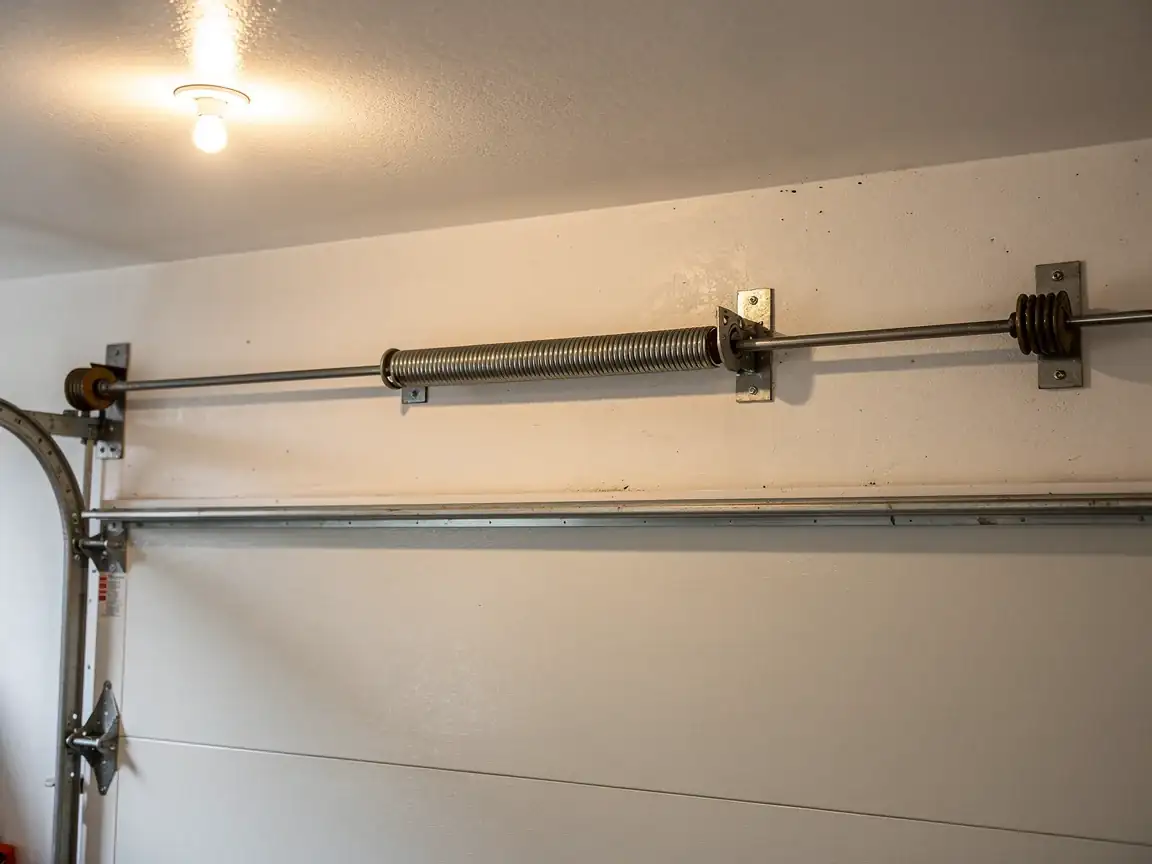
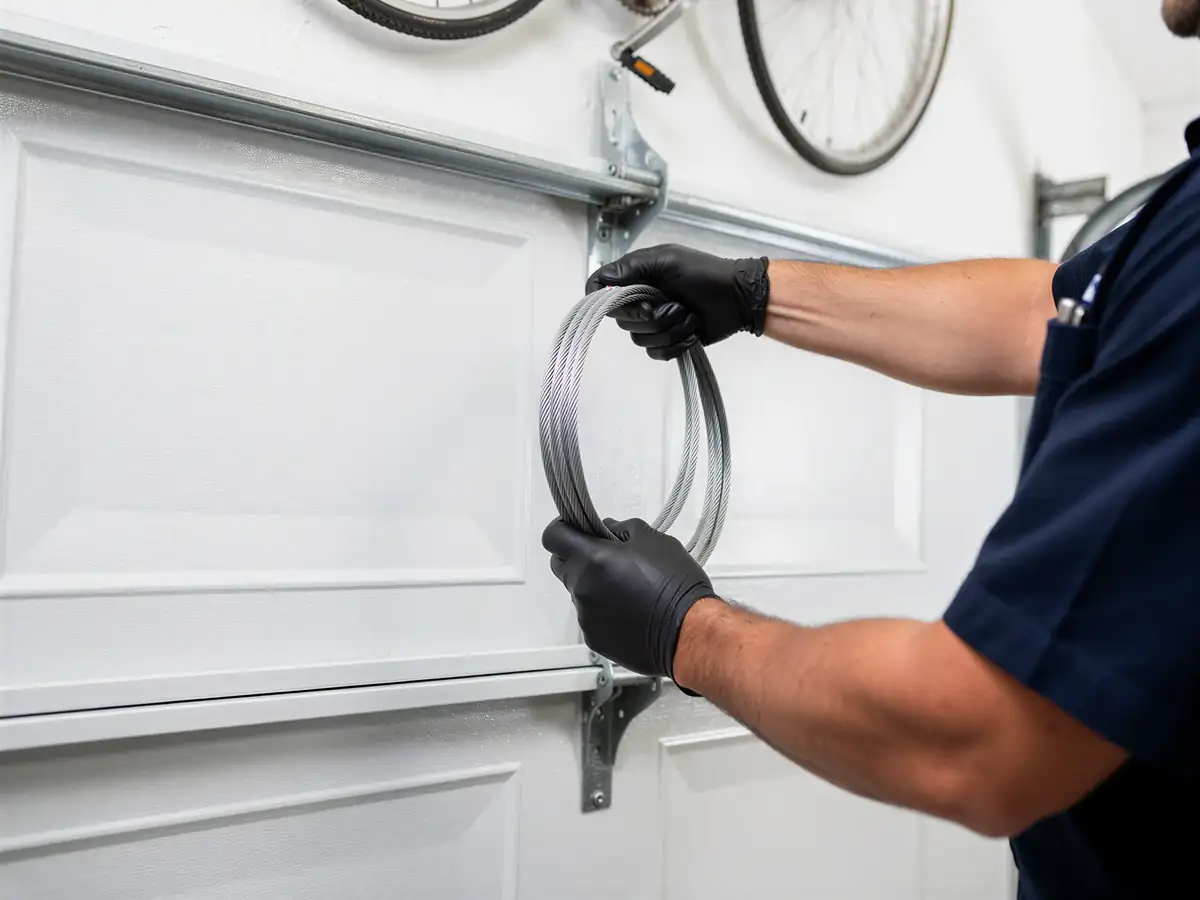
We stock for a range of eras because the area we serve spans houses from the late 1950s through the mid-2000s, and Osseo leans toward the older end of that range at a median of 1965. That means carrying torsion springs sized for older low-headroom tracks, not just the standard setups common in newer construction. Rollers, cables, and hinges for older steel doors move differently than the hardware on a door installed in the 1990s, so we carry both generations rather than assuming one fits all. Openers are the one area where we're limited by what's common versus what's rare - if a house still has a genuinely obsolete opener model with no parts line left, we'll say so rather than hunt for a part that doesn't exist anymore. In that case, replacement is the honest answer, not a repair quote that won't hold.
What the Fix Involves
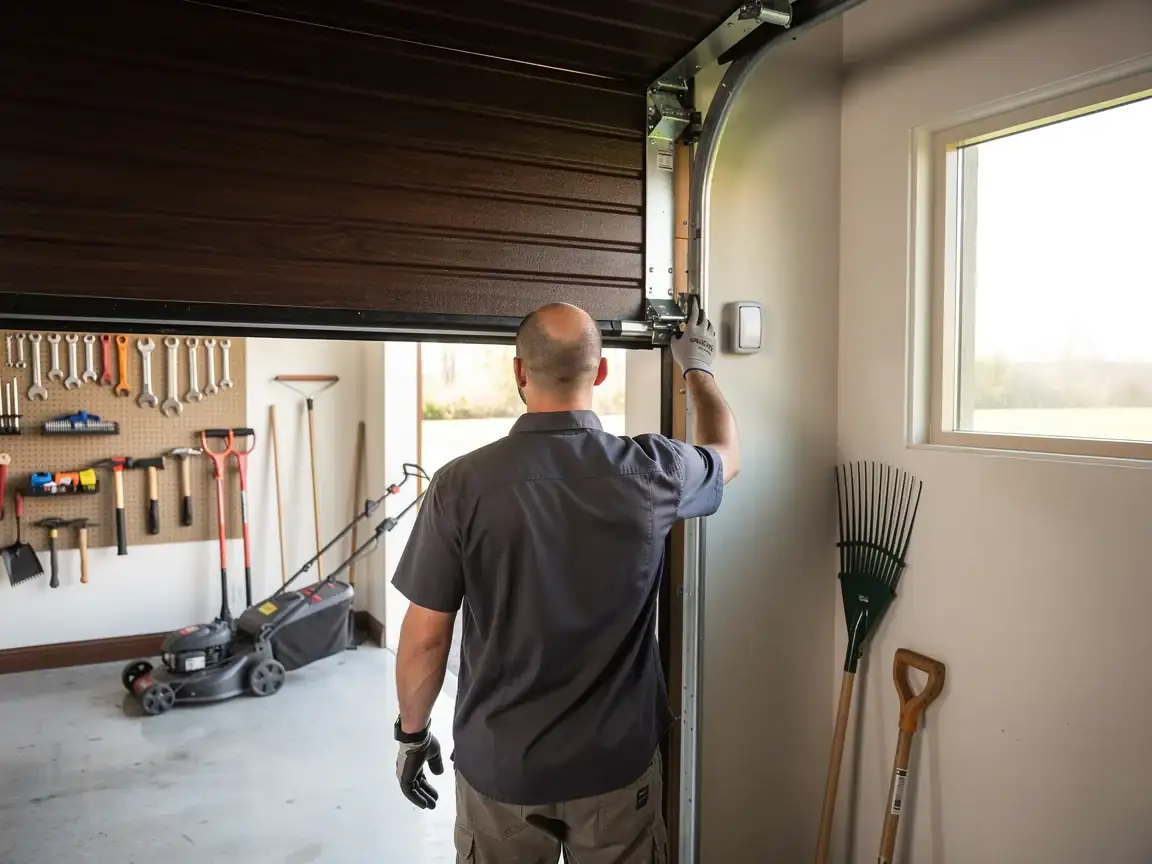
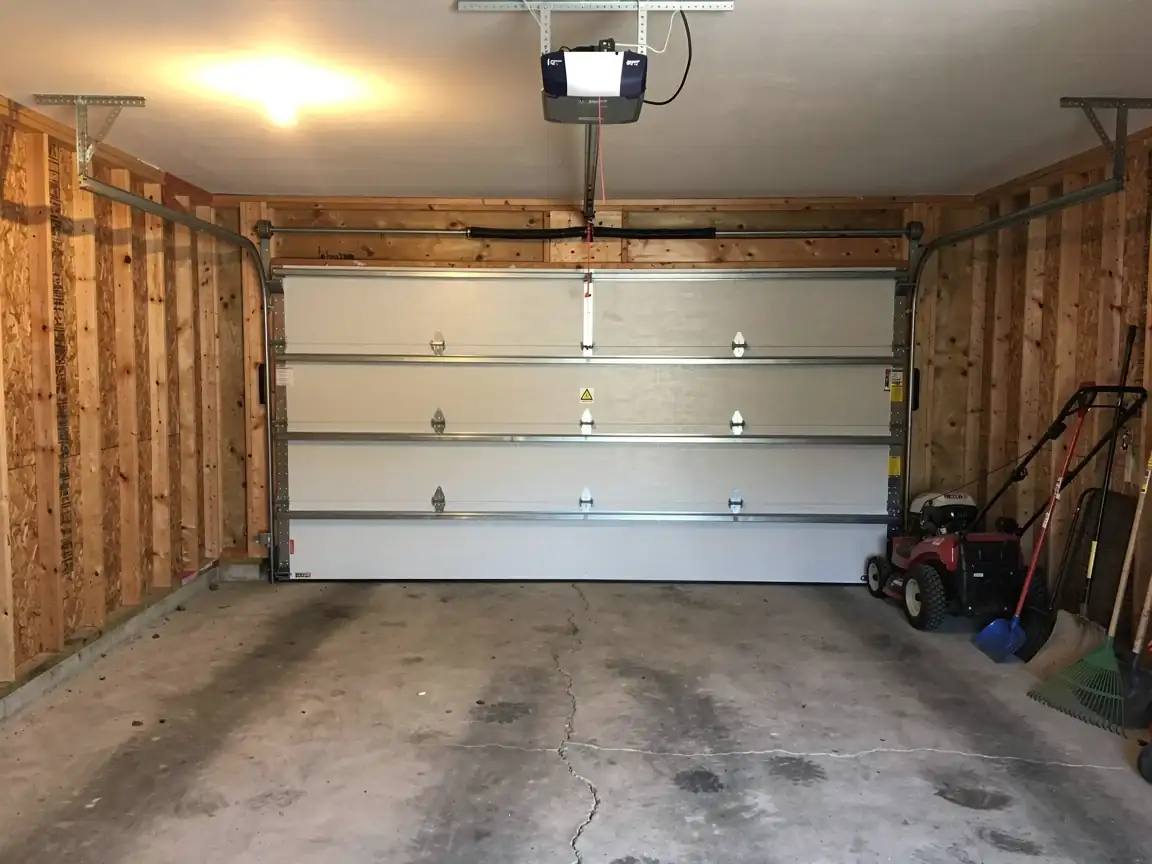
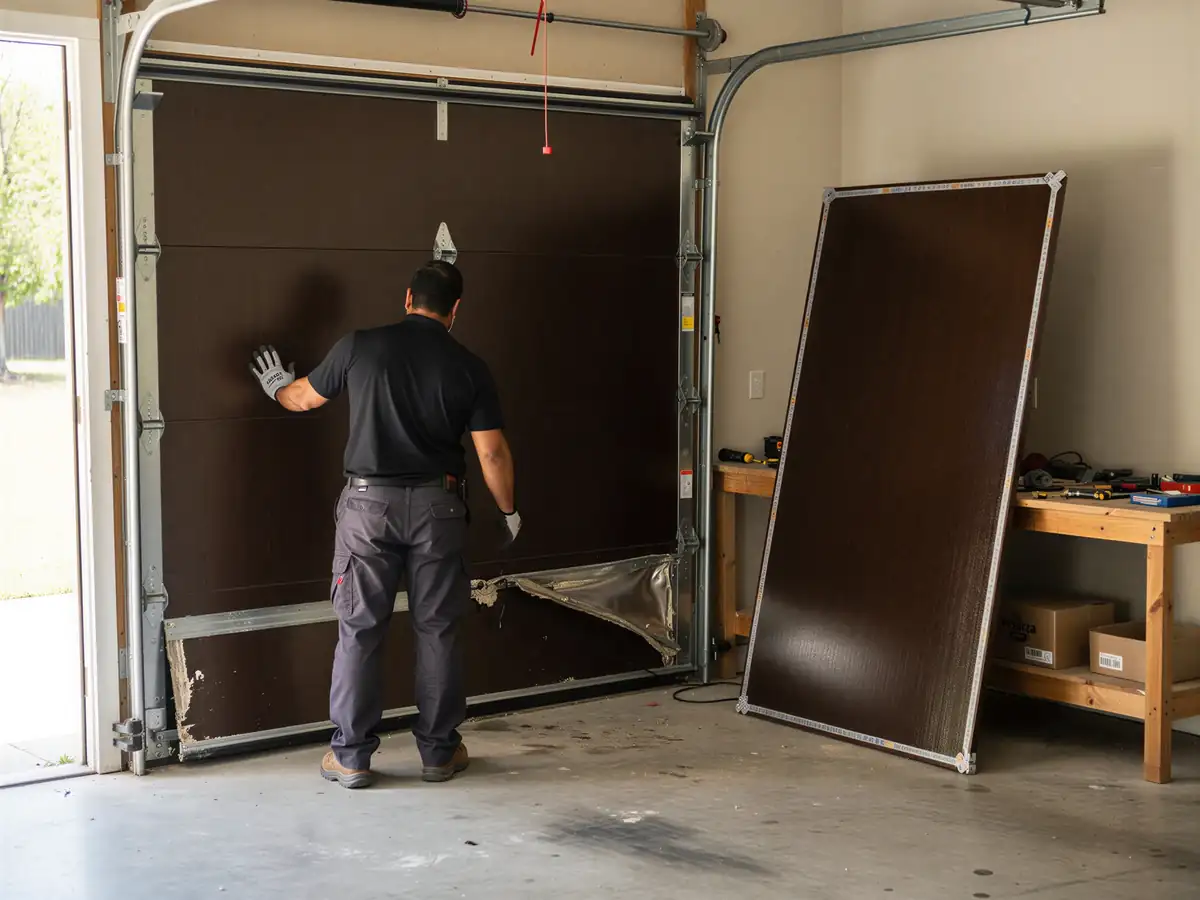
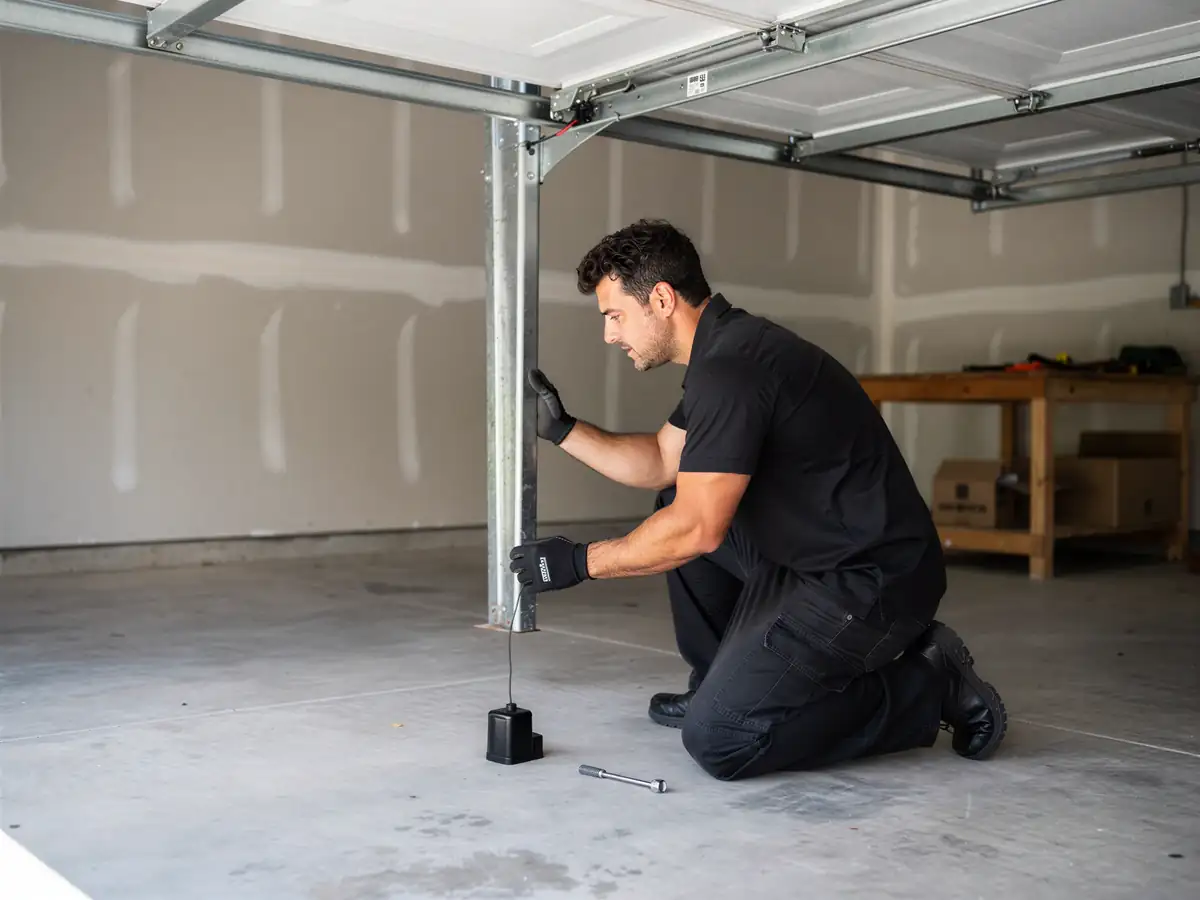
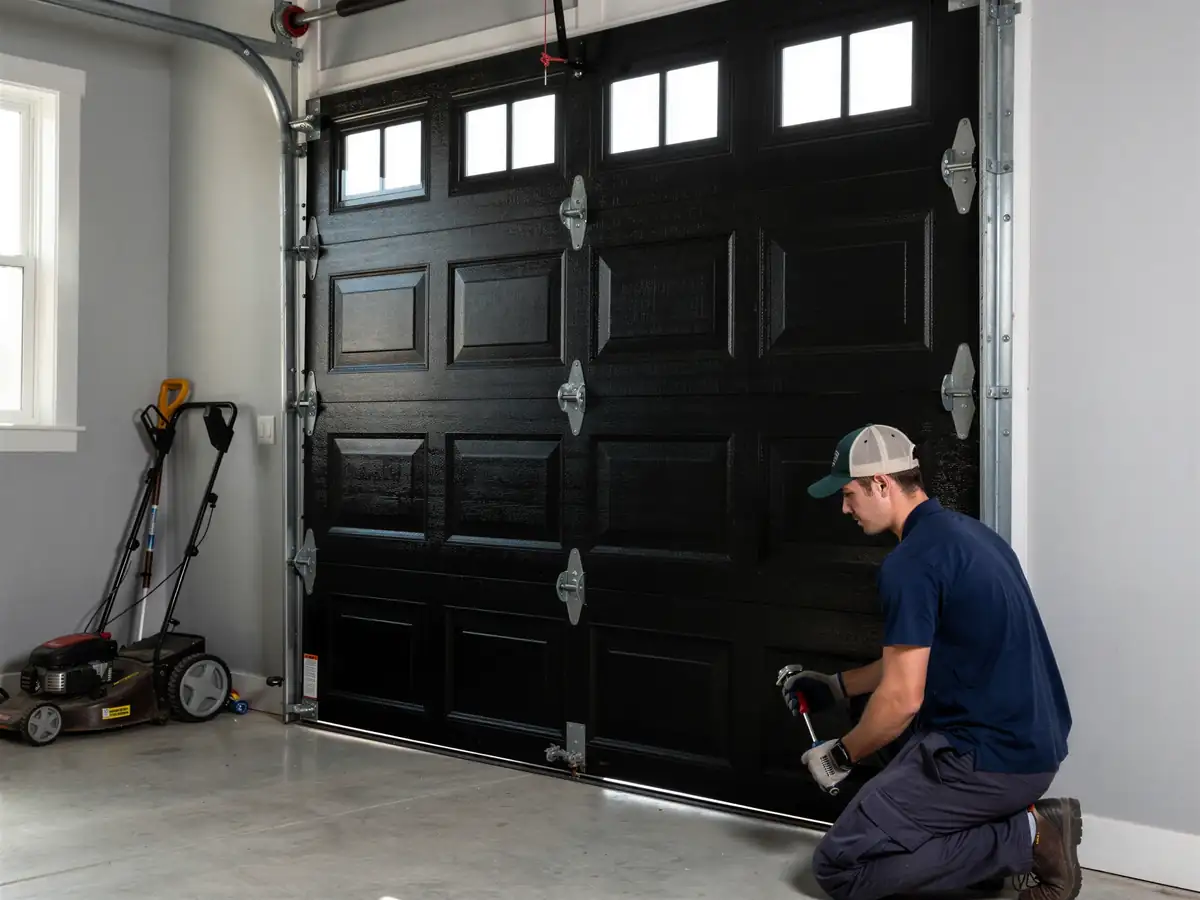
A repair call in Osseo usually starts with us confirming the door's age against what we see - torsion vs. extension spring setup, the condition of the track, whether the opener is original or already a replacement. On a house built around 1965, we're often finding a door that's been through at least one prior repair, so the fix involves working around whatever was done before, not just installing new parts on a blank slate. We test the full cycle after any spring, cable, or opener work - not just that the door closes, but that it reverses correctly on an obstruction and holds position halfway. In a cold-severe climate, we also check that the springs and opener are rated to hold up through winter temperature swings, since a part rated for a milder zone will wear out faster here regardless of how new it looks.