How Long You Are Without the Door
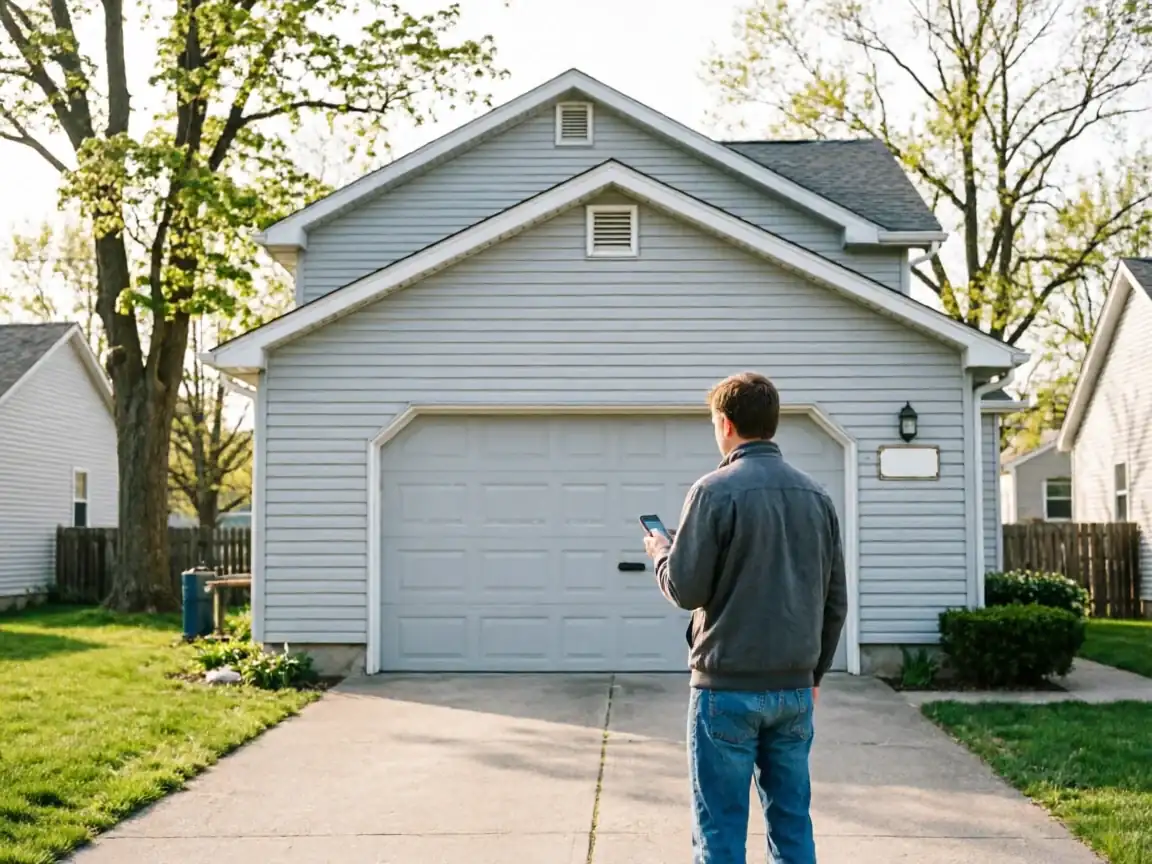
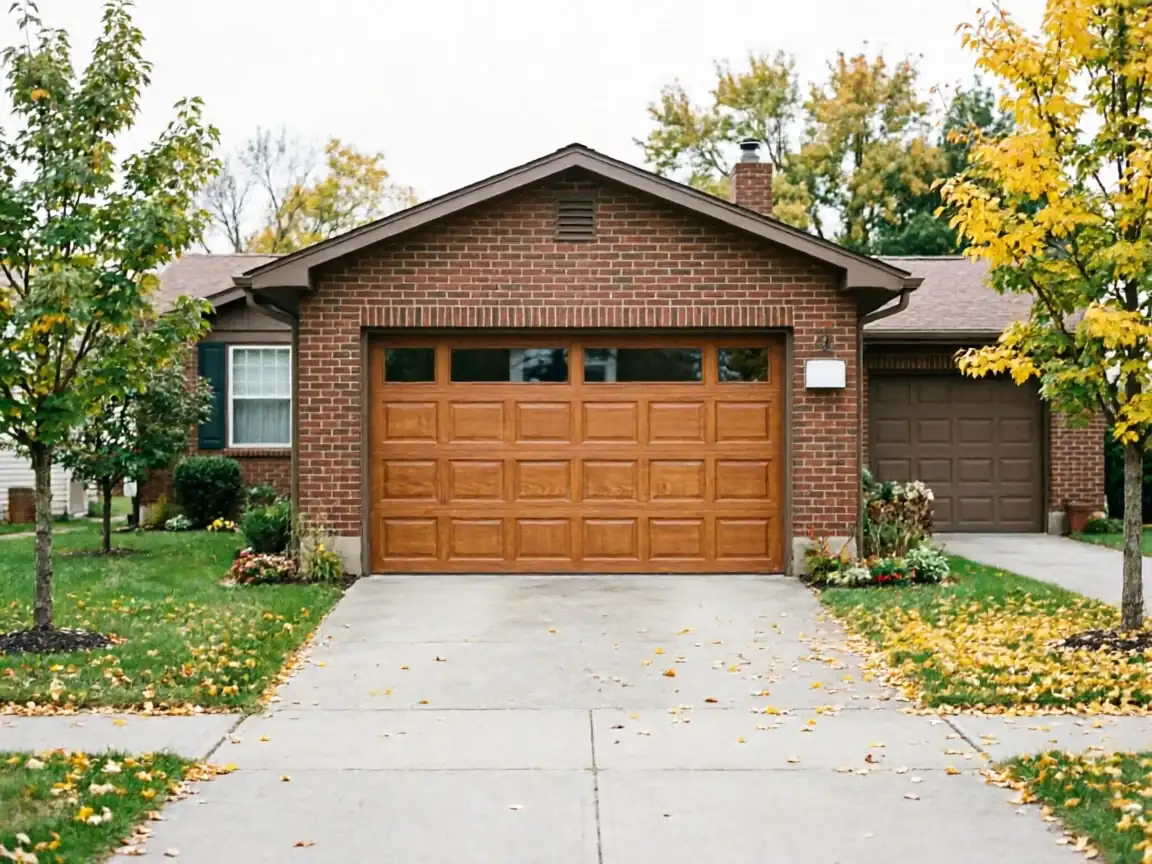
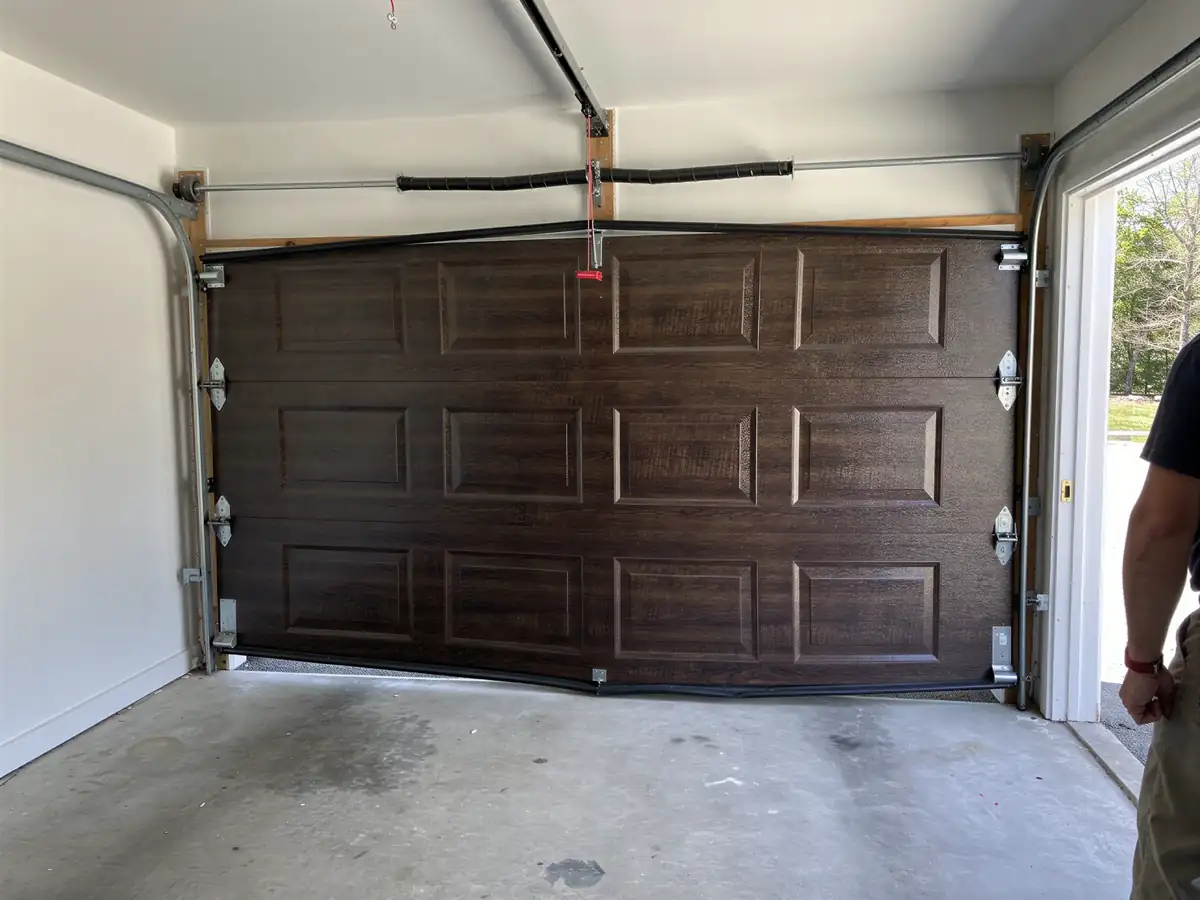
Osseo is a small place, about 1,152 households total, which means the panel jobs we get called for here don't repeat the same three or four door models over and over the way they do in a bigger subdivision. Houses went up mostly around 1965, well ahead of the 1980 median for the wider service area we cover out of Brooklyn Park. That gap matters for timing. A dented or rusted-through panel on a door that old sometimes matches a run that's still made, and sometimes it doesn't, and we won't know which until we're standing in front of it with a tape measure. If the panel is a common width we can usually turn the job around fast. If it's an odd size or a steel gauge nobody stocks anymore, the honest answer is you're waiting on an order, and we'll tell you that up front instead of guessing.
Getting It Booked In
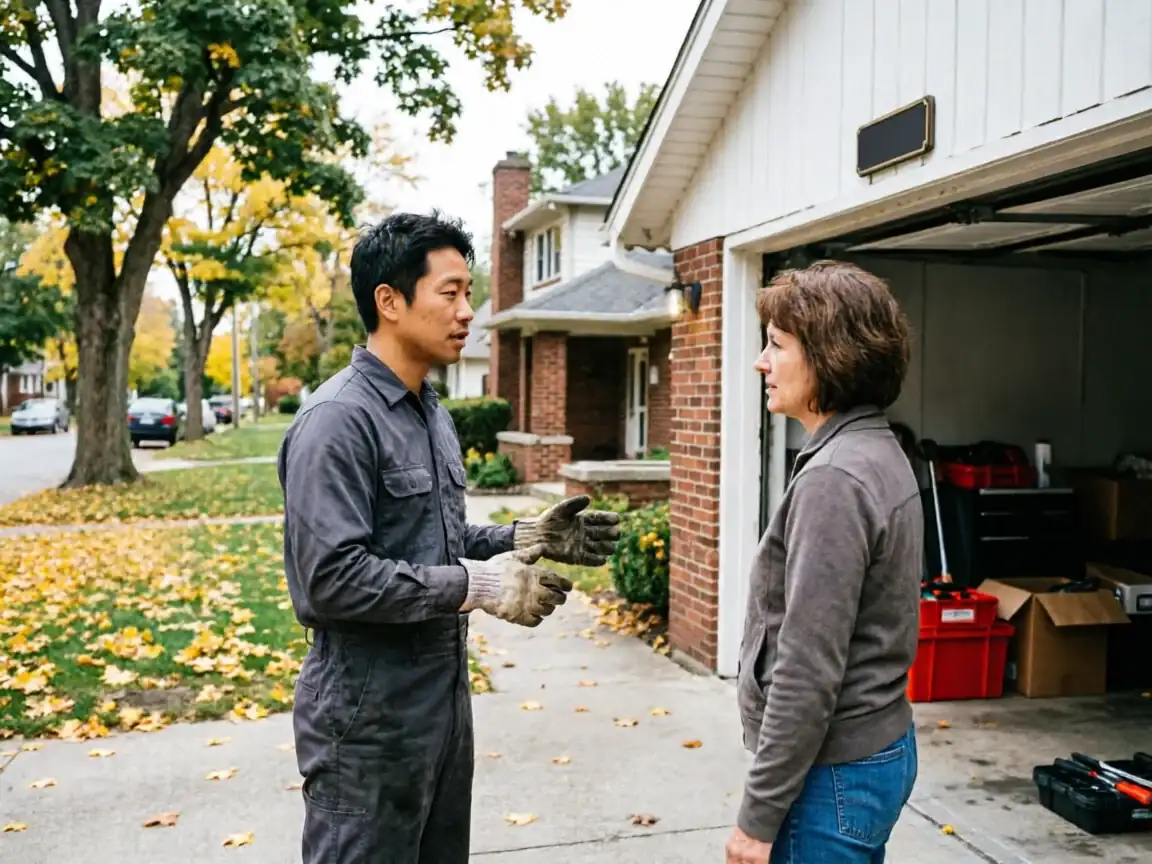
We run out of Brooklyn Park, about two miles from Osseo, and we're upfront that there's no branch or crew stationed in town - the truck comes from Brooklyn Park every time. That's a short drive, not a promise about how fast we can get there on a given day, and we won't quote a response window we can't back up. What we can do is ask the right questions on the phone: door height, panel section, whether the track is bent along with the panel, whether the opener still runs. Getting that right before the truck leaves saves a second trip, which matters more here than in a bigger town simply because there's less slack in most people's schedules for a second missed morning.
What Is on the Truck
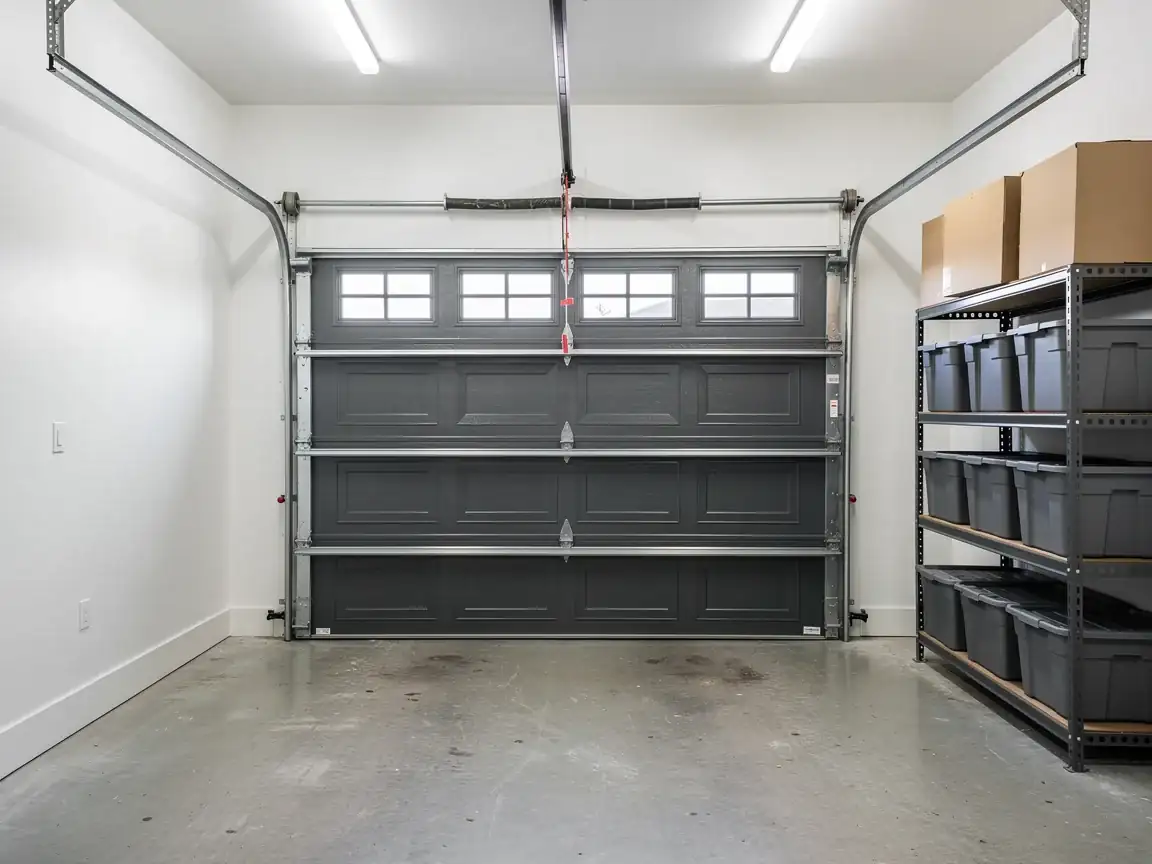
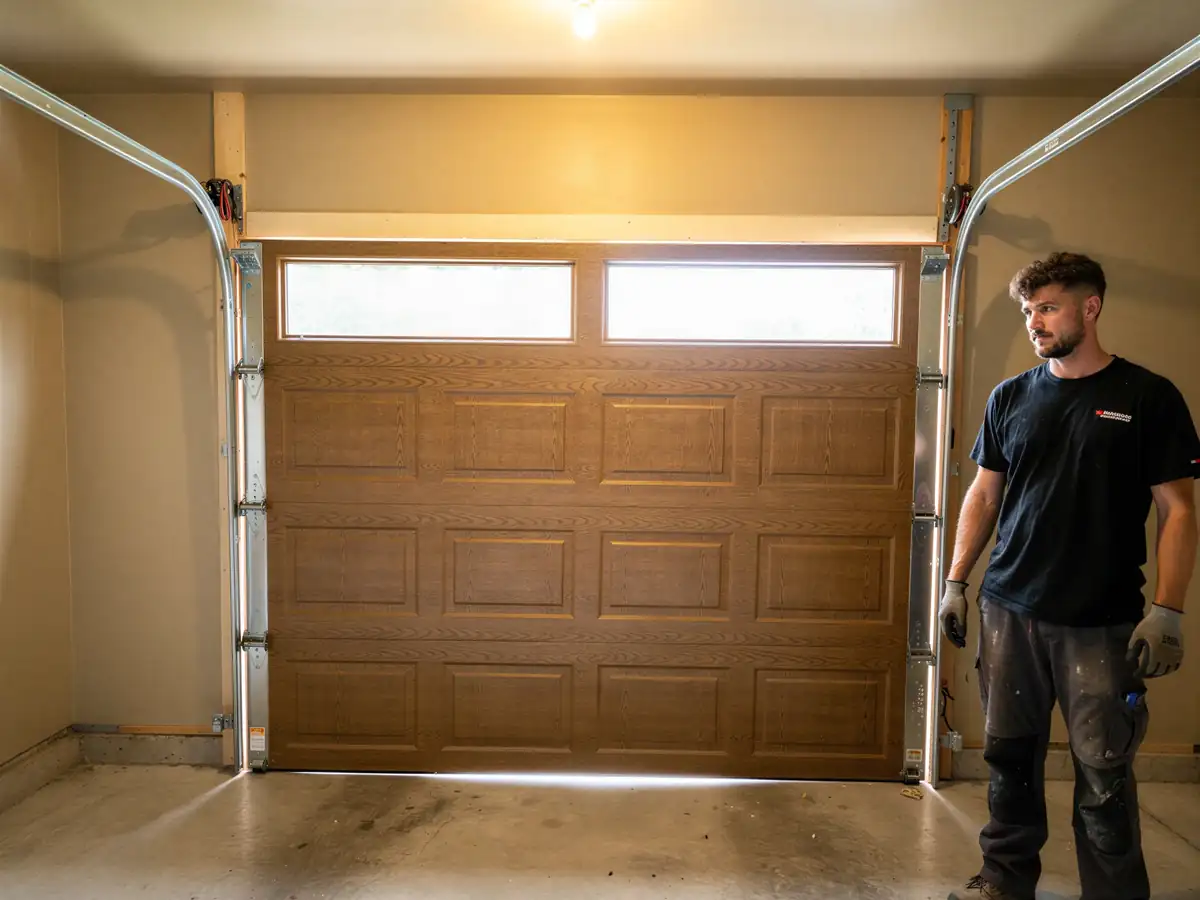
We carry a working range of steel panel sections, insulated and non-insulated, along with the fasteners, hinges, and end stiles that go with a panel swap. What we can't carry is every panel ever made for every door installed since the 1960s, and Osseo's housing stock skews older than most of the rest of the area we serve, with a median build year around 1965 against roughly 1980 for the service area as a whole. If the damaged section comes from a door built or installed decades back, there's a real chance the exact panel is out of production, and we'd be matching color and rib pattern rather than finding an identical replacement. We'll show you the options on site rather than promise a perfect match sight unseen.
What the Fix Involves
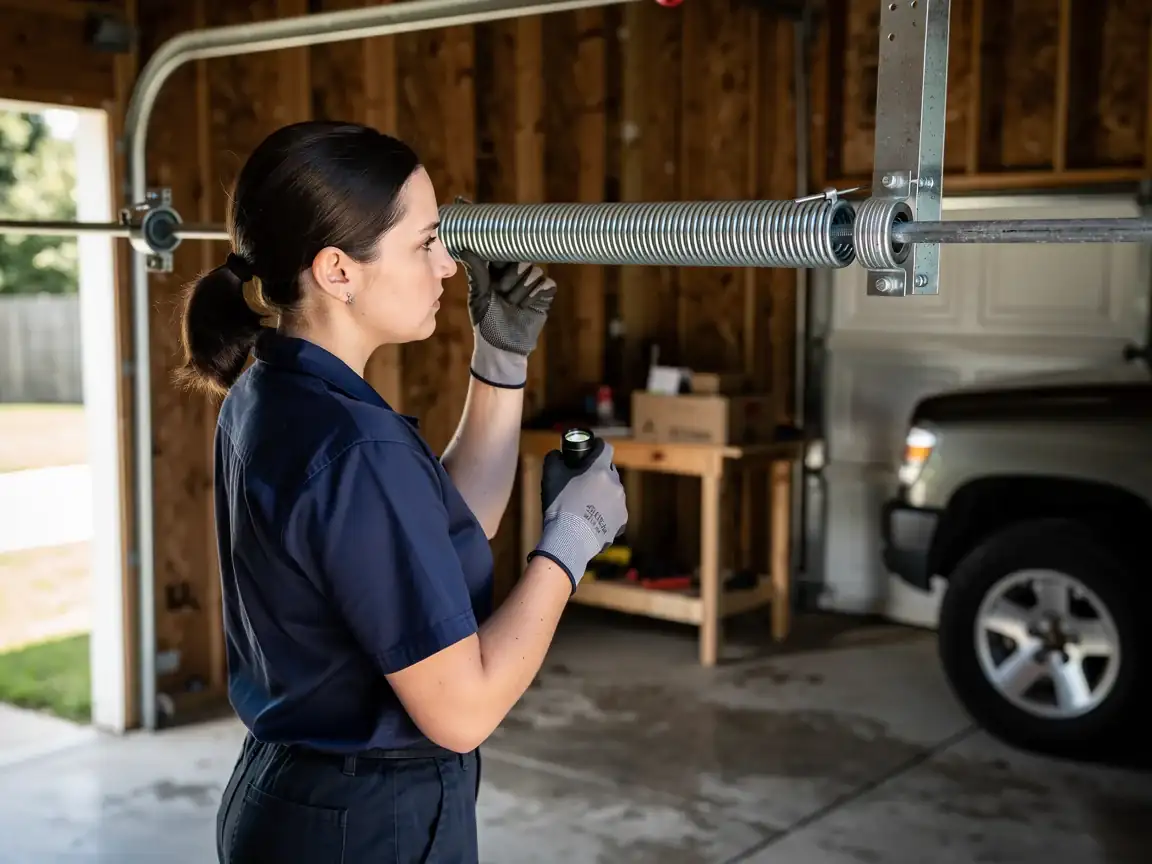
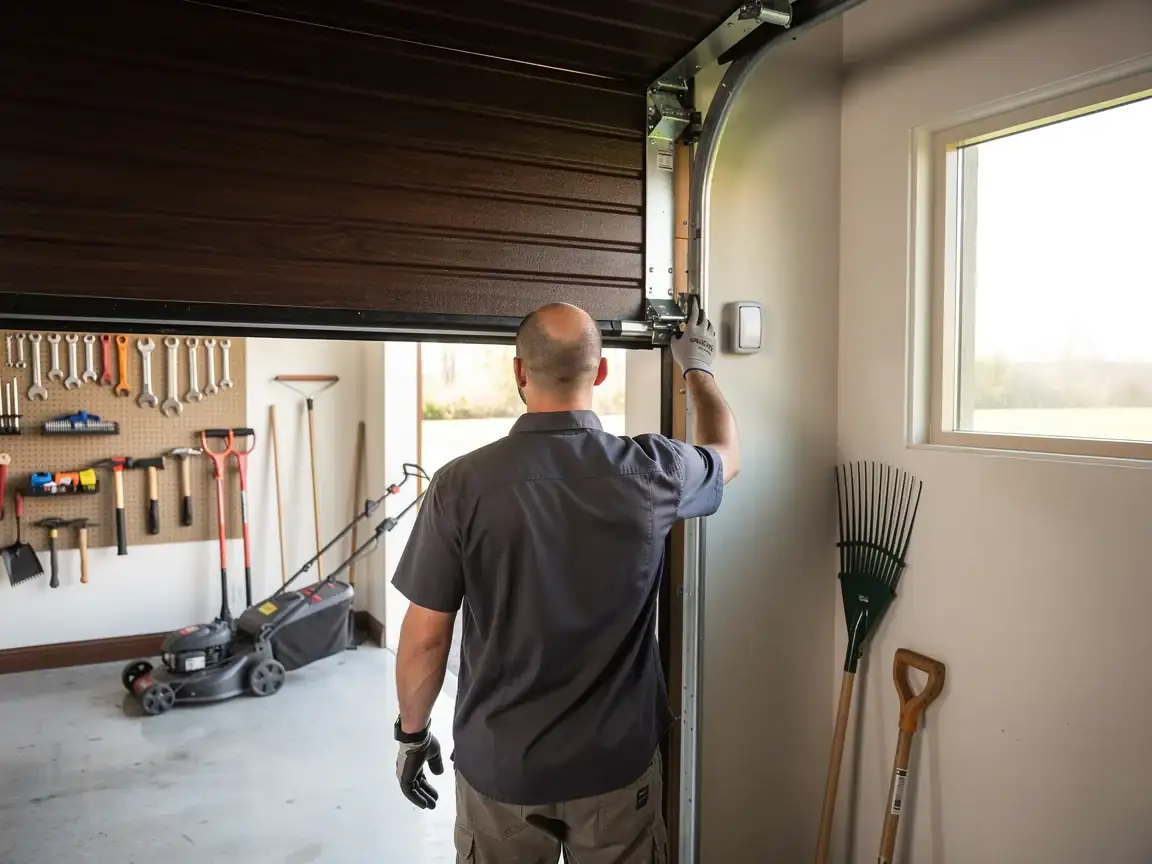
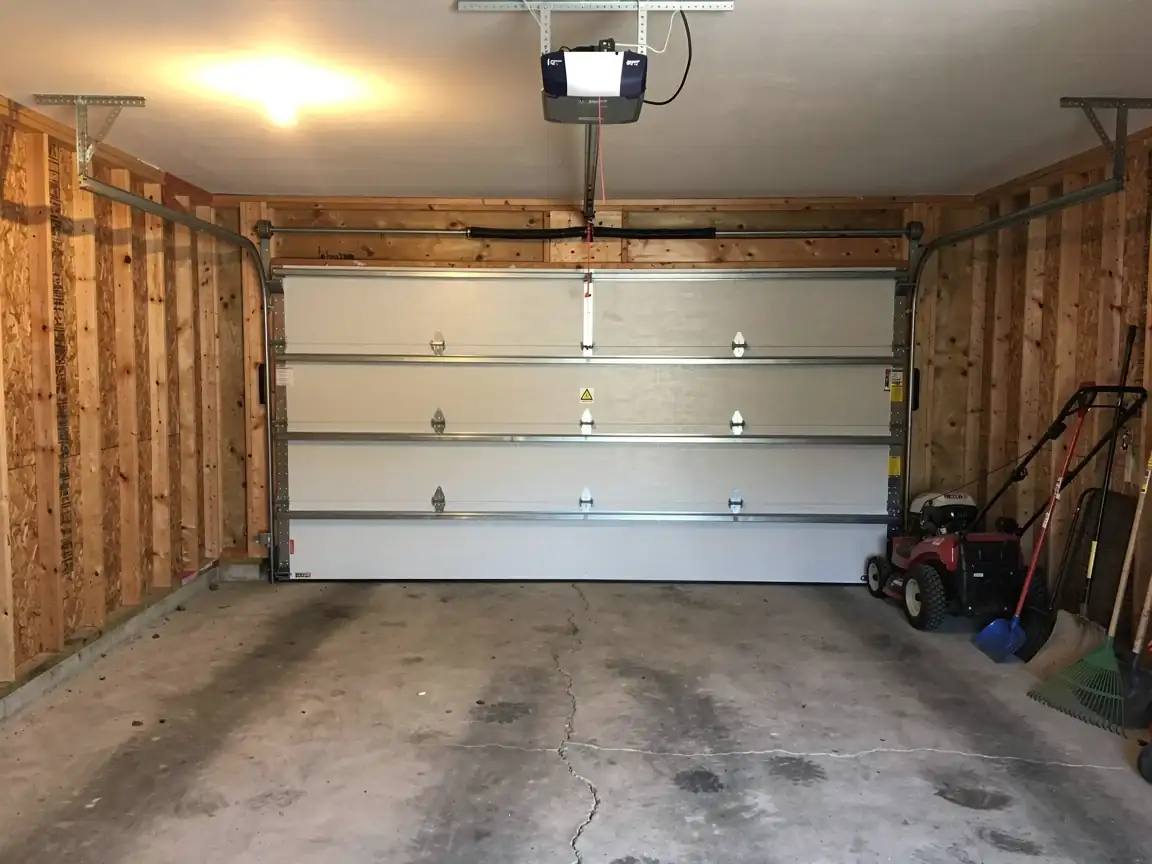
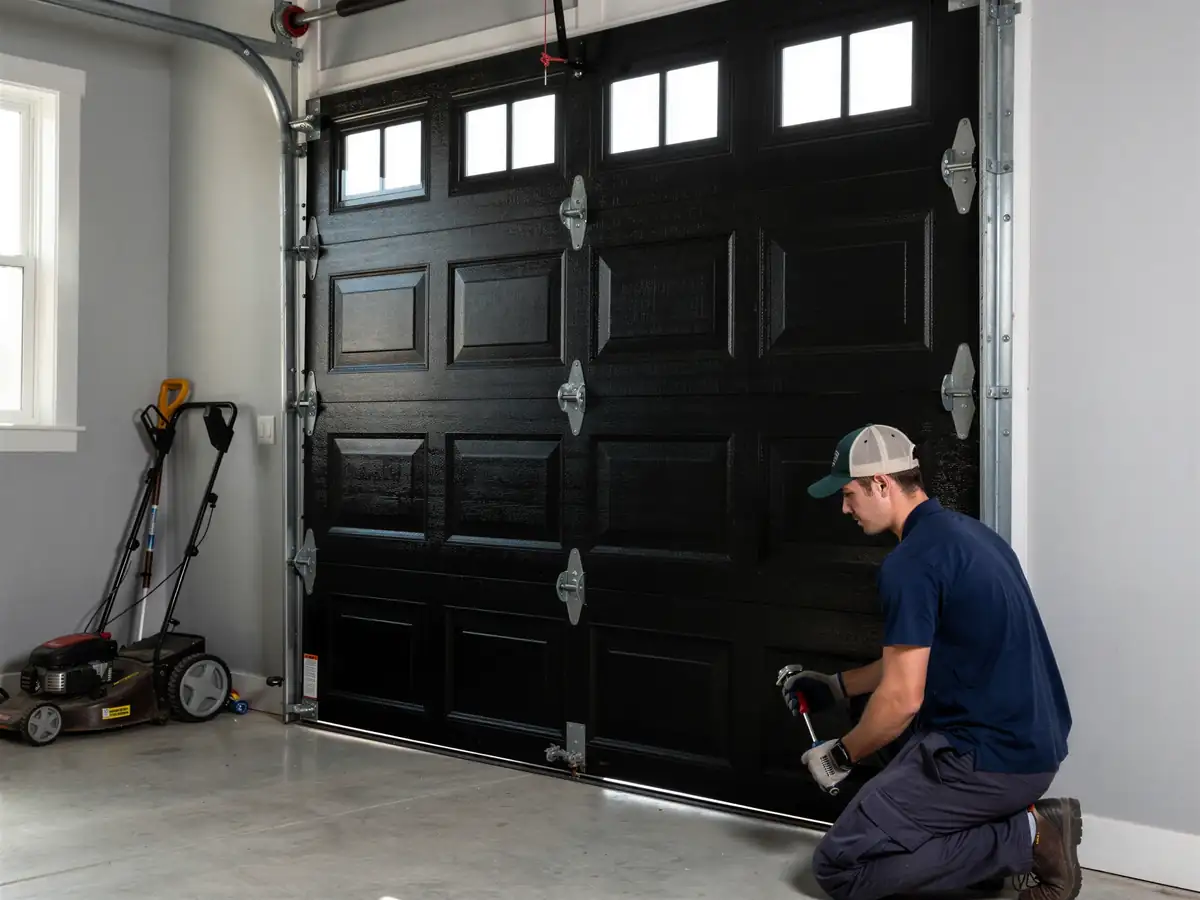
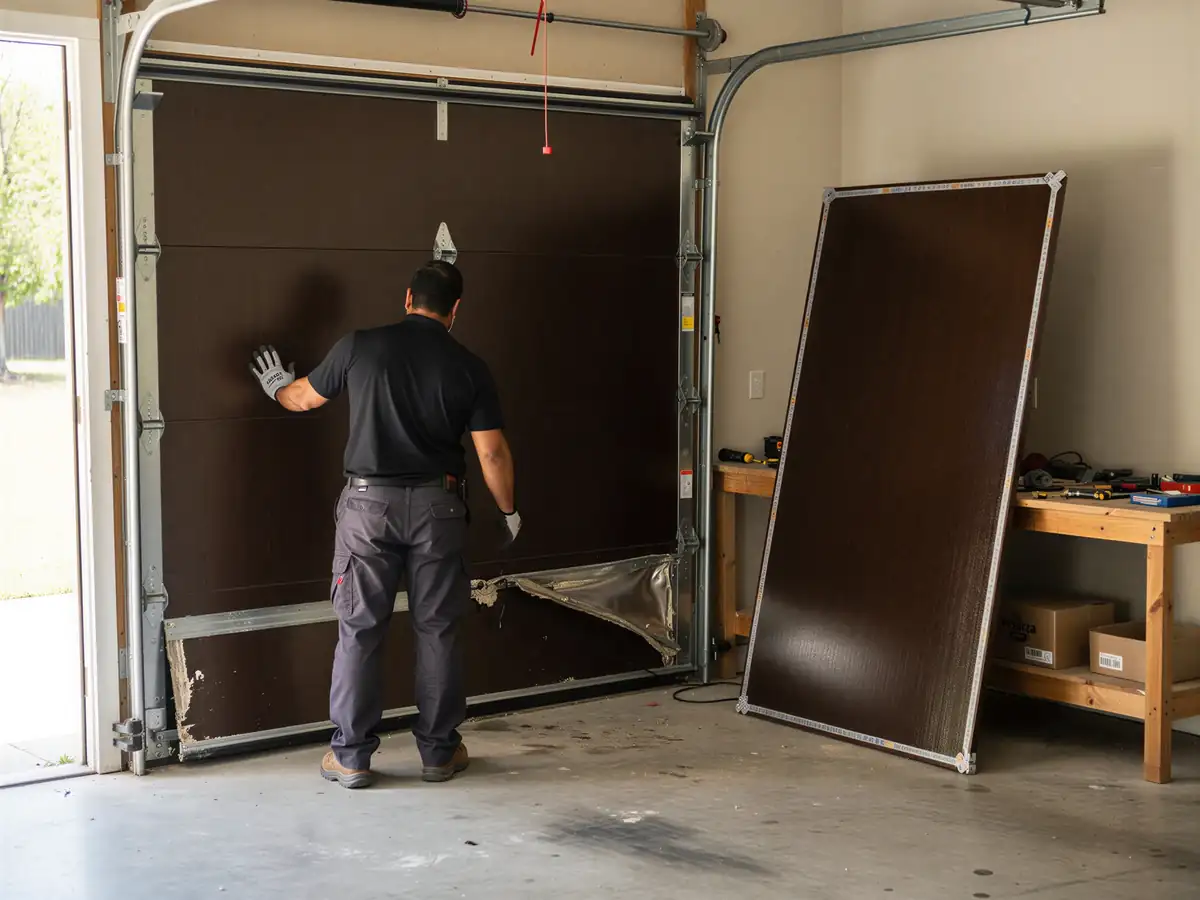
Panel replacement starts with pulling the damaged section without disturbing the rest of the door - unbolting the end hinges, sliding the panel free of the track rollers, and checking the sections above and below for stress cracks the impact may have caused but didn't show on the surface. We match insulation where the door has it; a severe cold climate region like this one is hard on foam-core panels that have already gone a few decades, and a mismatched insulated-to-non-insulated swap shows up fast on a winter heating bill. Once the new section is in, we reset the hinges, check the roller alignment in the track, and run the door through a full cycle to make sure it's not binding anywhere the old panel used to flex. We'll also flag if a second panel nearby is close to failing, since replacing two at once usually costs less than two separate trips.