What the Fix Involves
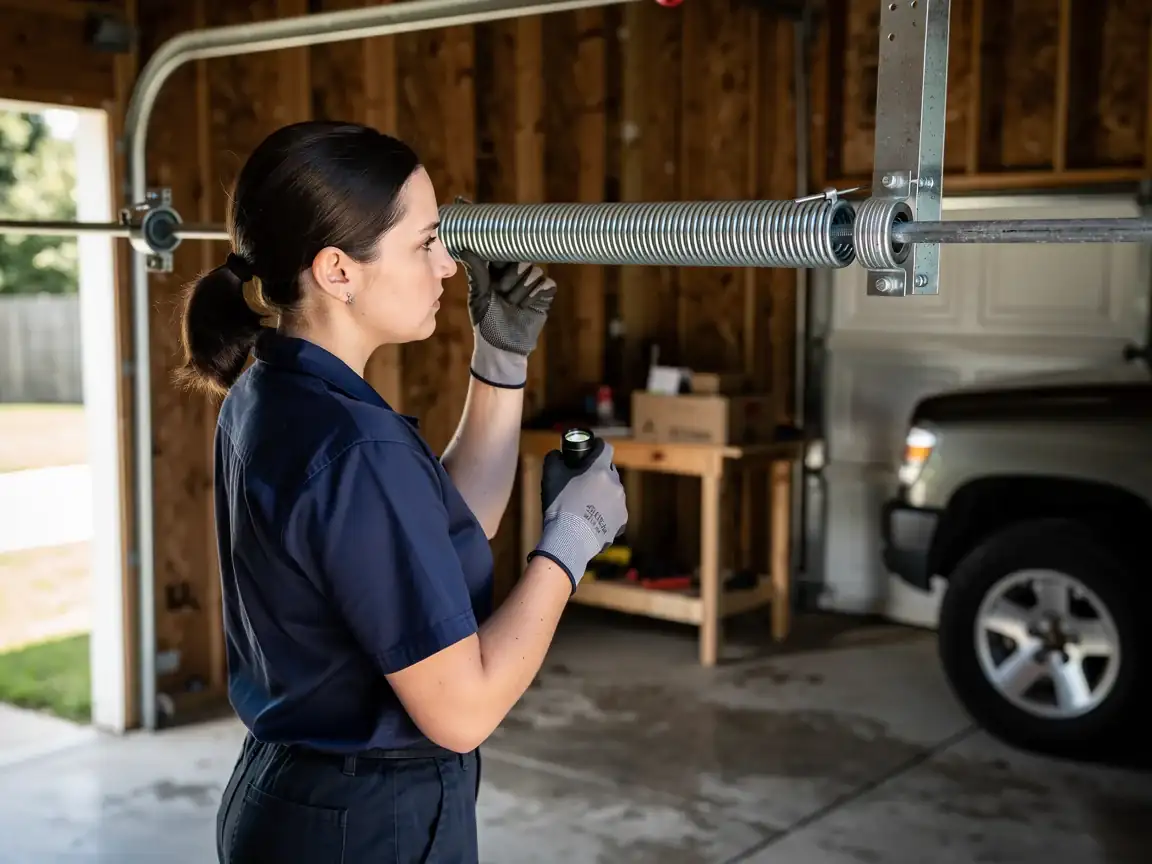
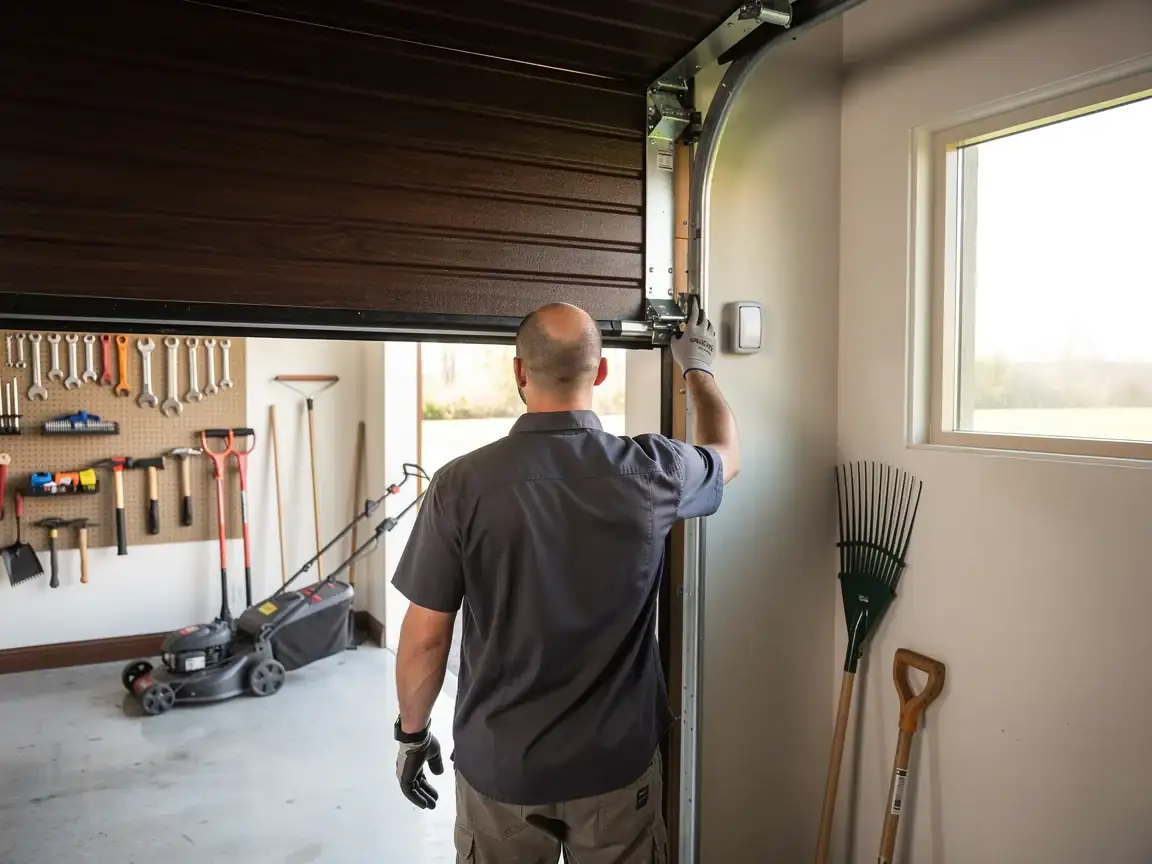
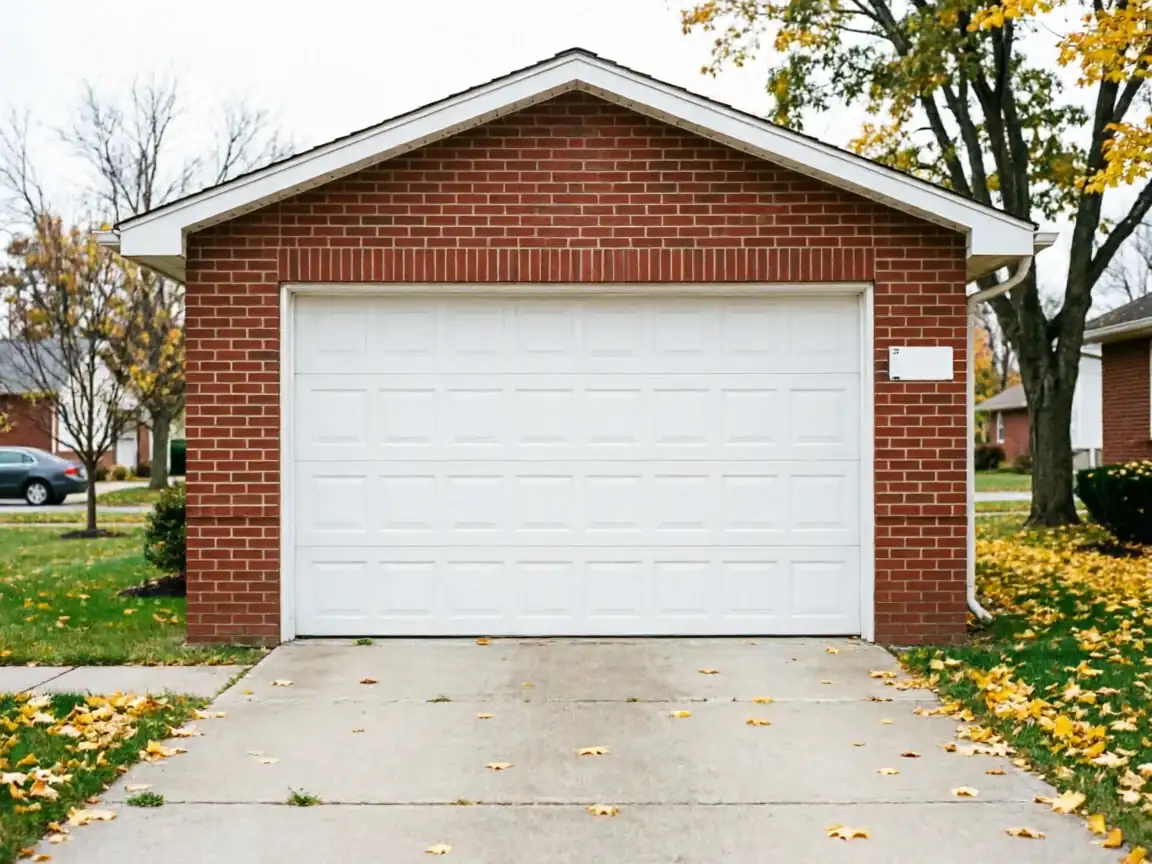
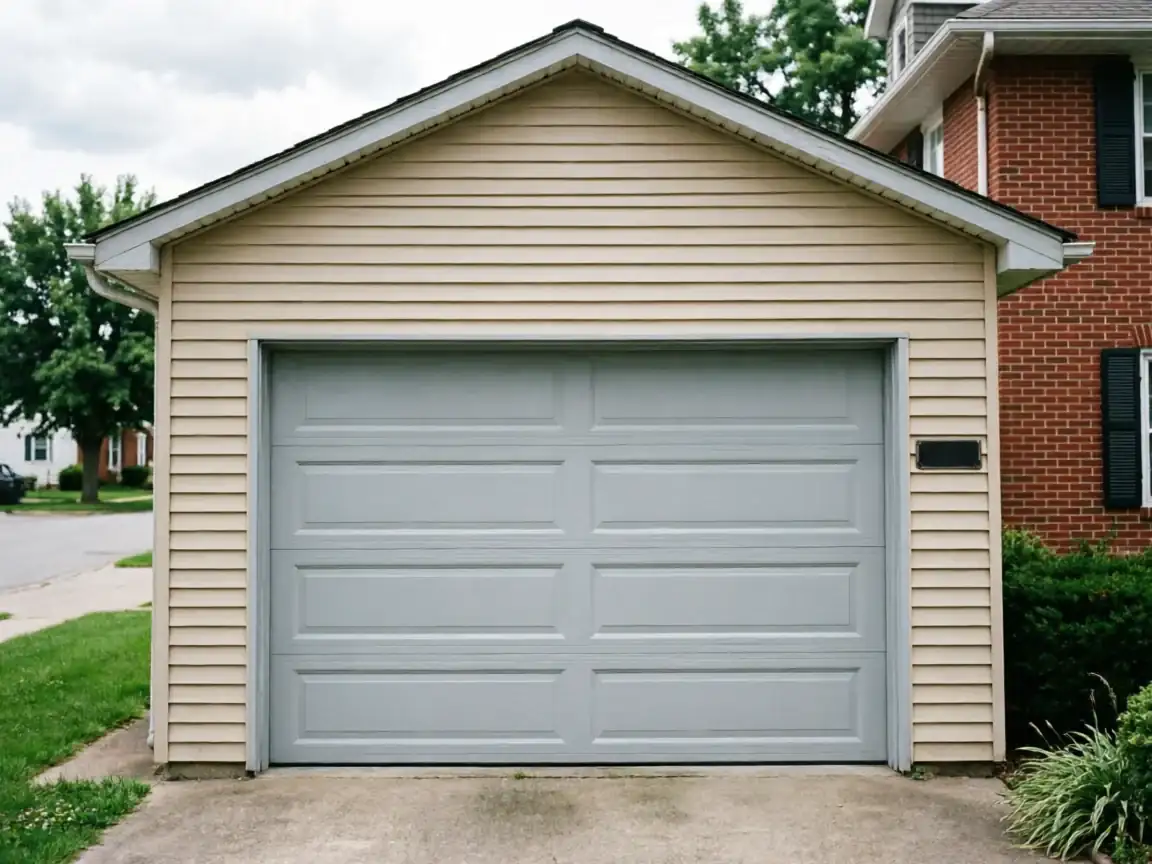
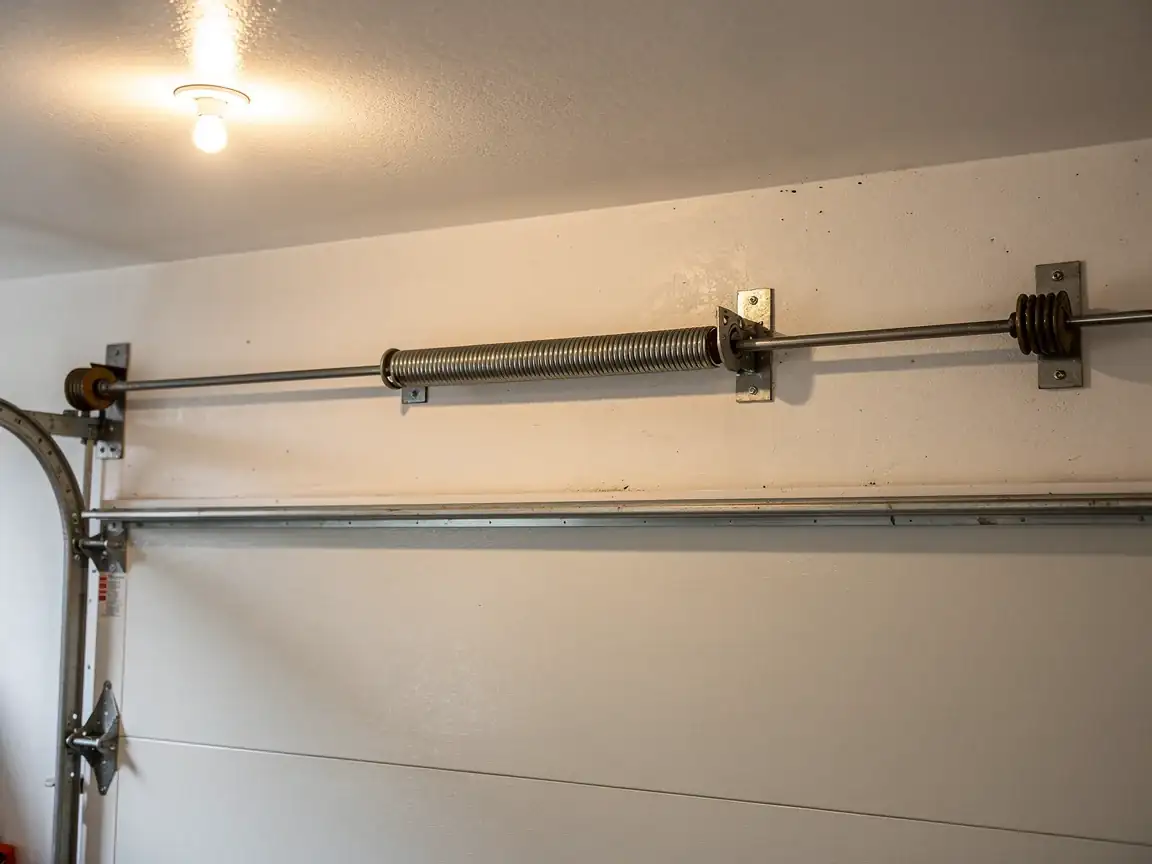
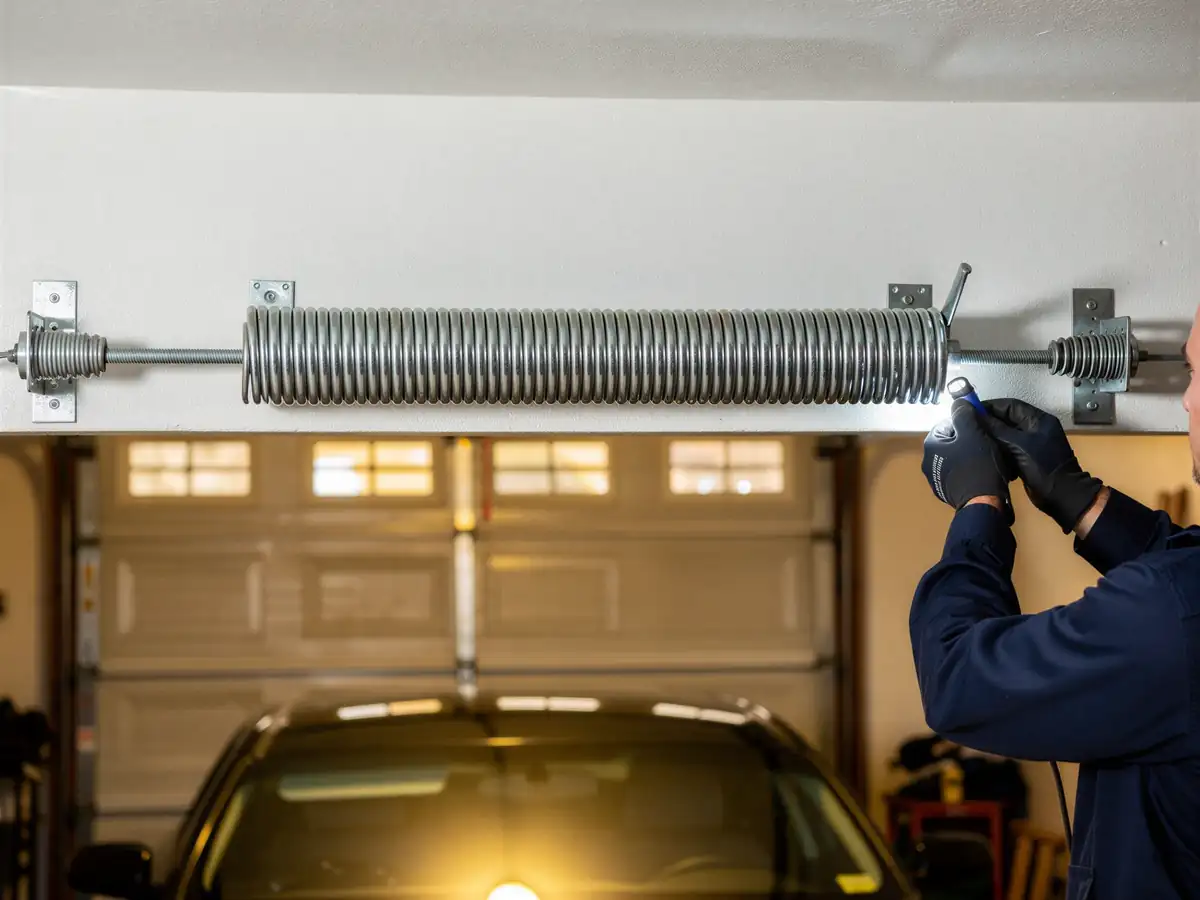
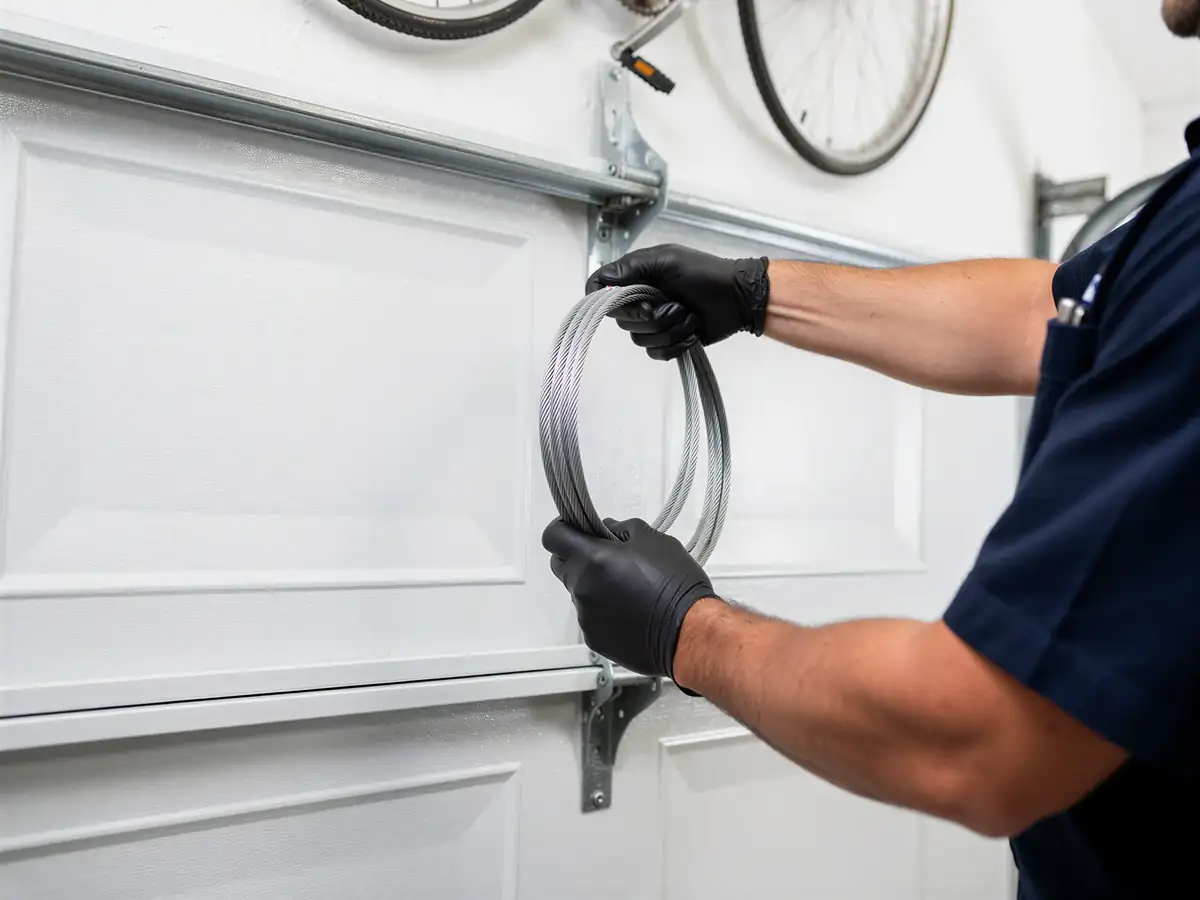
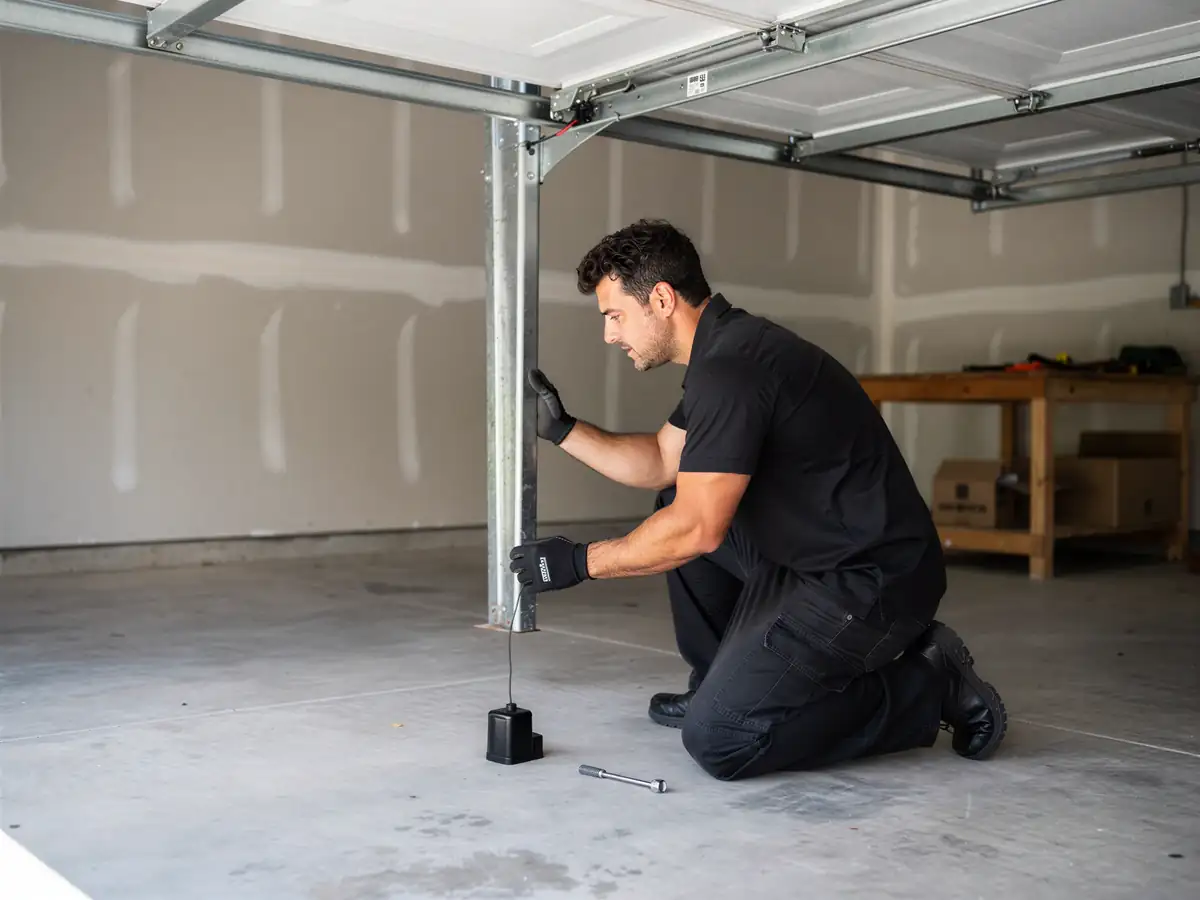
Robbinsdale is a small town as these things go - about 6,444 households, which means the garage door work here doesn't run the same volume as bigger neighbors, but it does run a specific kind. The median home in Robbinsdale went up around 1957, well ahead of the 1980 median across the rest of the service area we cover from Brooklyn Park. That gap matters. A door and opener installed or replaced on a 1957 house has usually been through at least one full hardware generation already, sometimes two. We're not pulling a modern extension spring off a shelf and calling it done - we're looking at torsion setups that may have been retrofitted onto original framing, brackets that were sized for a lighter door than what's on the house now, and tracks that have been re-hung more than once. The fix itself - spring swap, cable replacement, roller and hinge work, opener repair - is the same menu of jobs we do everywhere. What changes in Robbinsdale is the diagnosis step before we touch anything: checking whether the header is still square, whether the track spacing matches the door that's actually hanging there, and whether past patch jobs left anything loose behind a panel.
Doing It Yourself
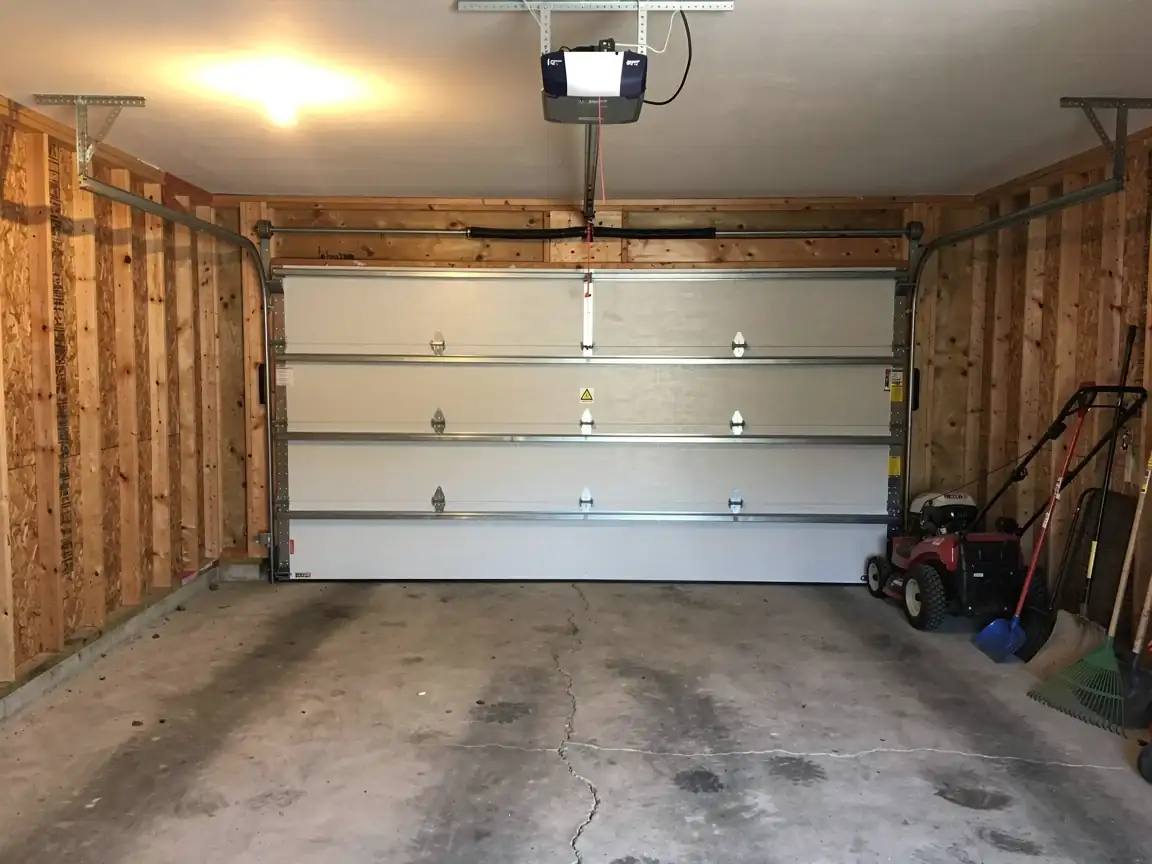
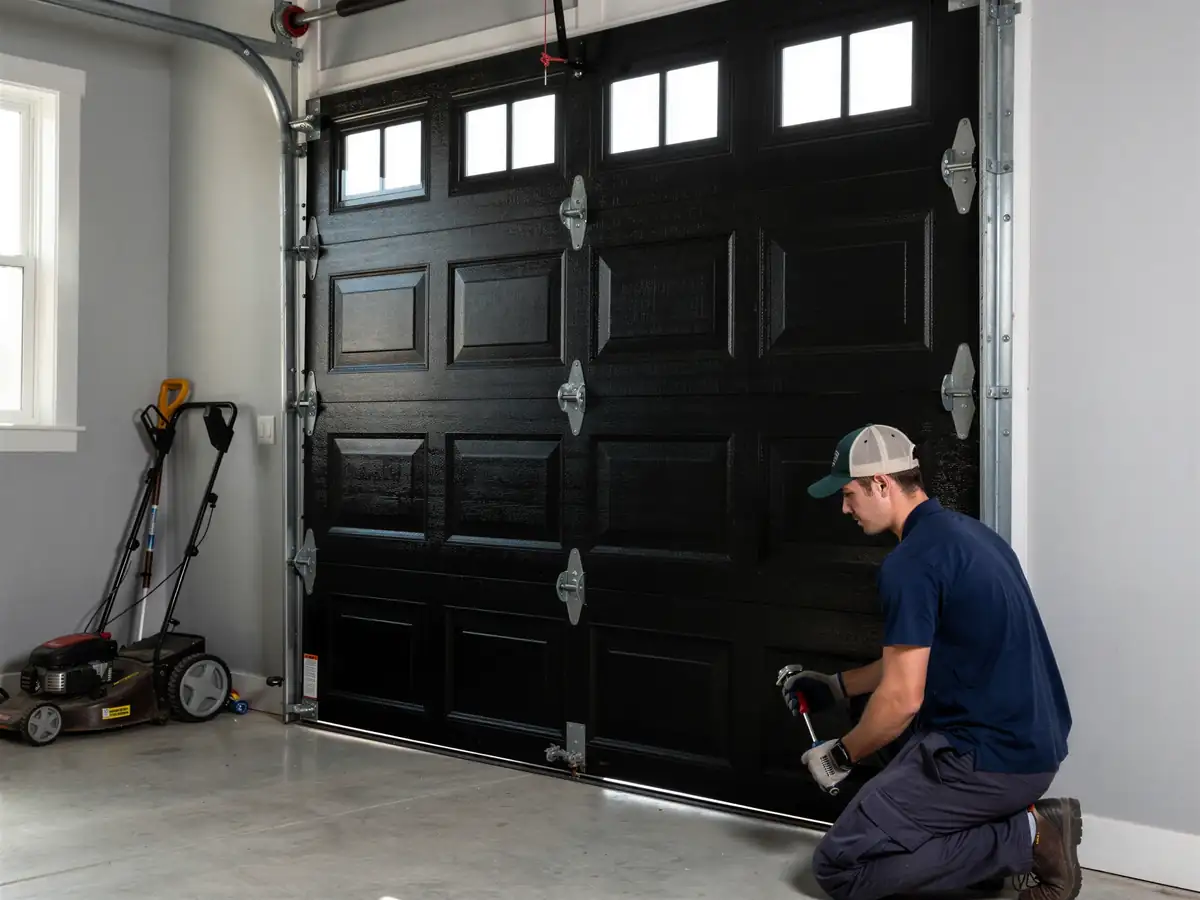
If you're handy and the fix is a roller, a loose hinge, or weatherstripping, go ahead - that's reasonable work for an owner with basic tools. Where we'd stop you: torsion springs. They're under real tension, and on an older Robbinsdale door the bracket or shaft underneath may not match what a modern spring kit expects. We've seen enough retrofitted hardware on houses from this era to say it's not a safe place to guess. If the opener itself is the problem - not running, running but not lifting, running loud - that's also worth a call rather than a teardown, since on a door this old the opener and the track geometry are often compensating for each other in ways that aren't obvious until you've opened the housing.
Where This Job Goes Sideways
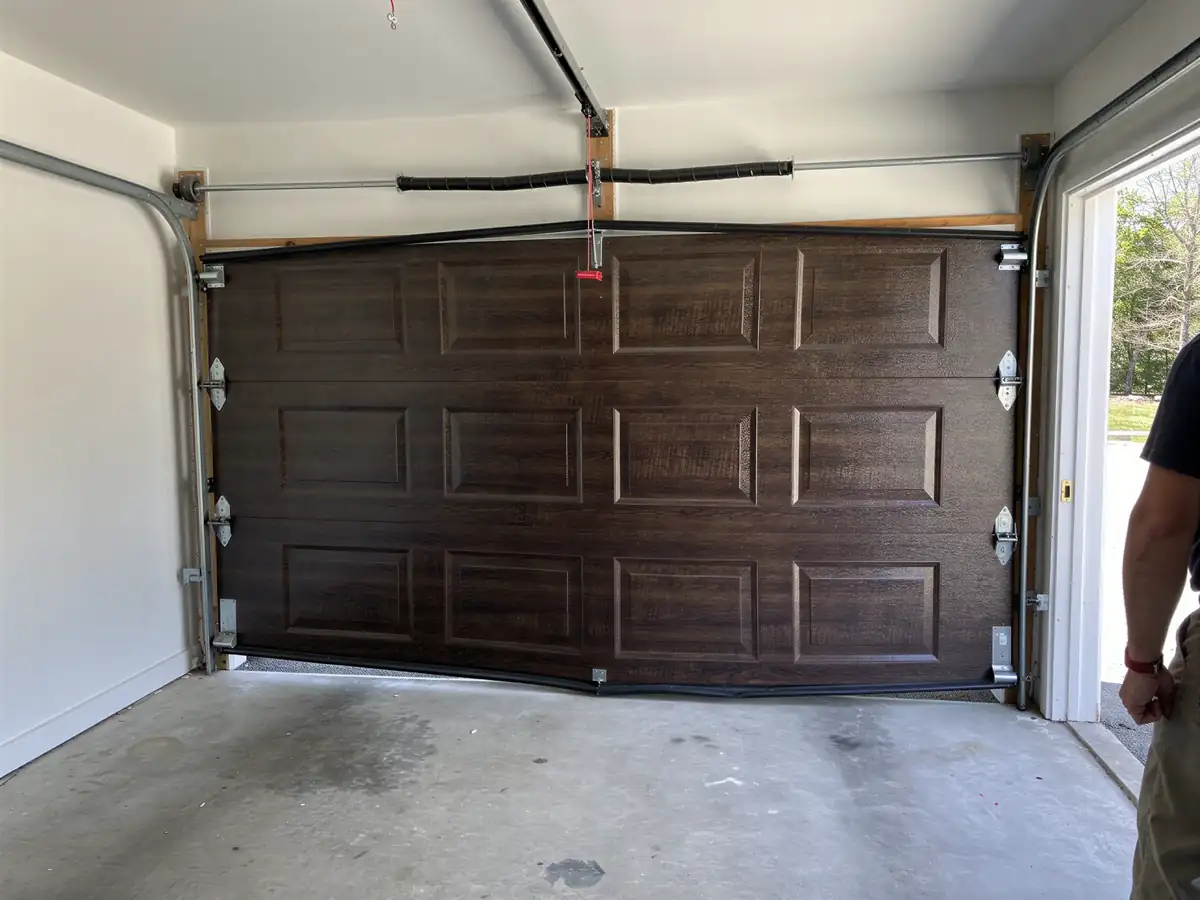
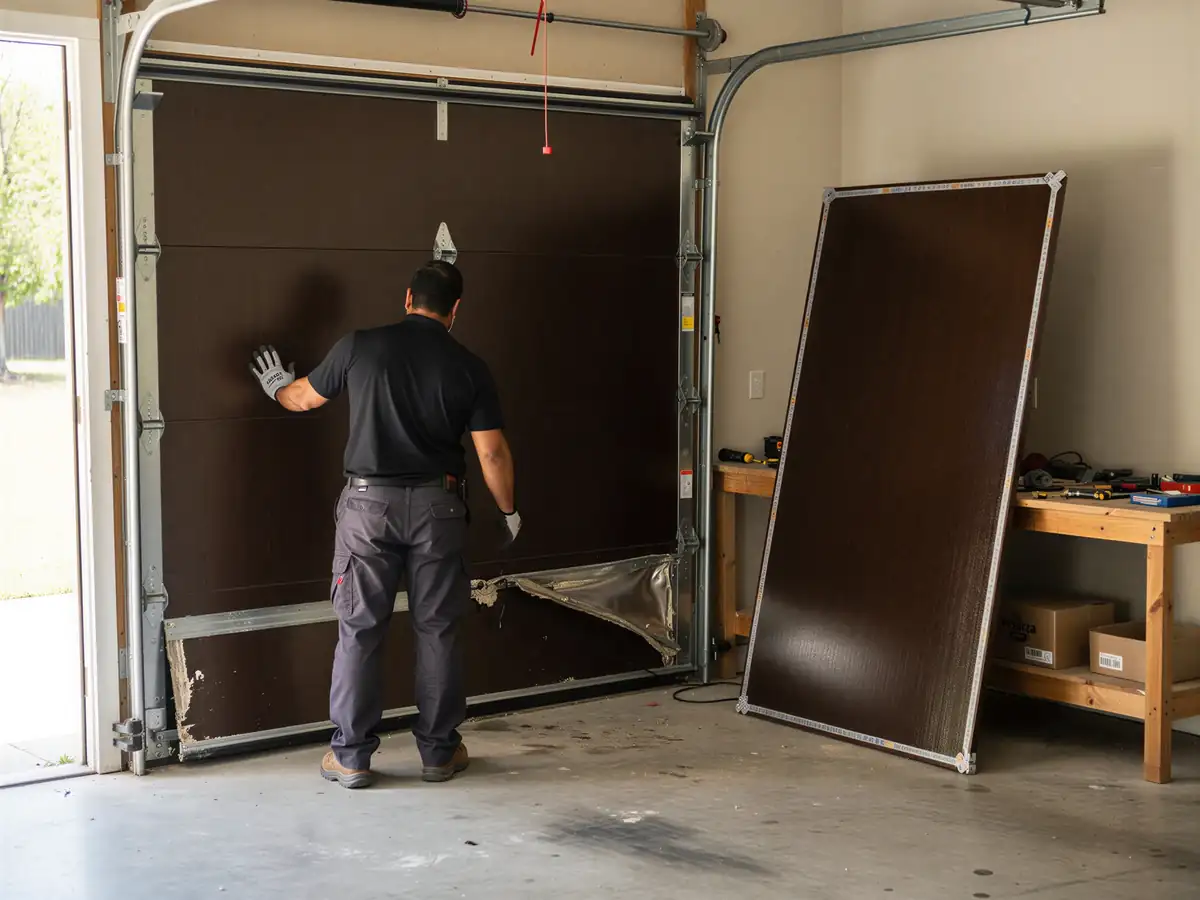
The failure we see most in a town built mostly around 1957 is a door that's been quietly fighting its own hardware for years. Someone replaces a spring without checking the drum, or swaps a cable without checking the track alignment, and the door runs - just not right. It wears unevenly, then one day a roller jumps the track or a cable frays at a point nobody was watching. The honest limitation here: if a door has had three or four patch repairs stacked on top of each other over a few decades, sometimes the repair that makes sense is not another patch. We'll tell you straight if replacing the door and opener as a unit is the better call rather than chasing the next failure point on hardware that's outlived its intended life.