What the Fix Involves
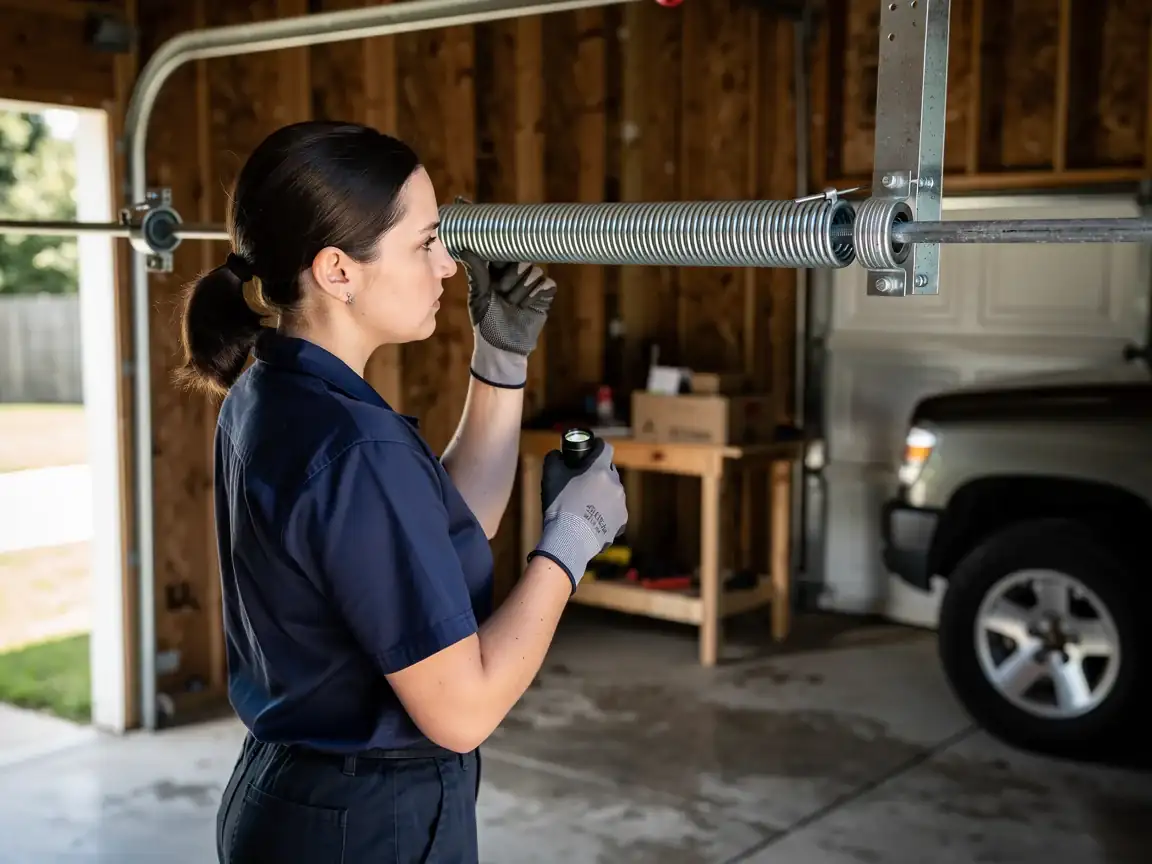
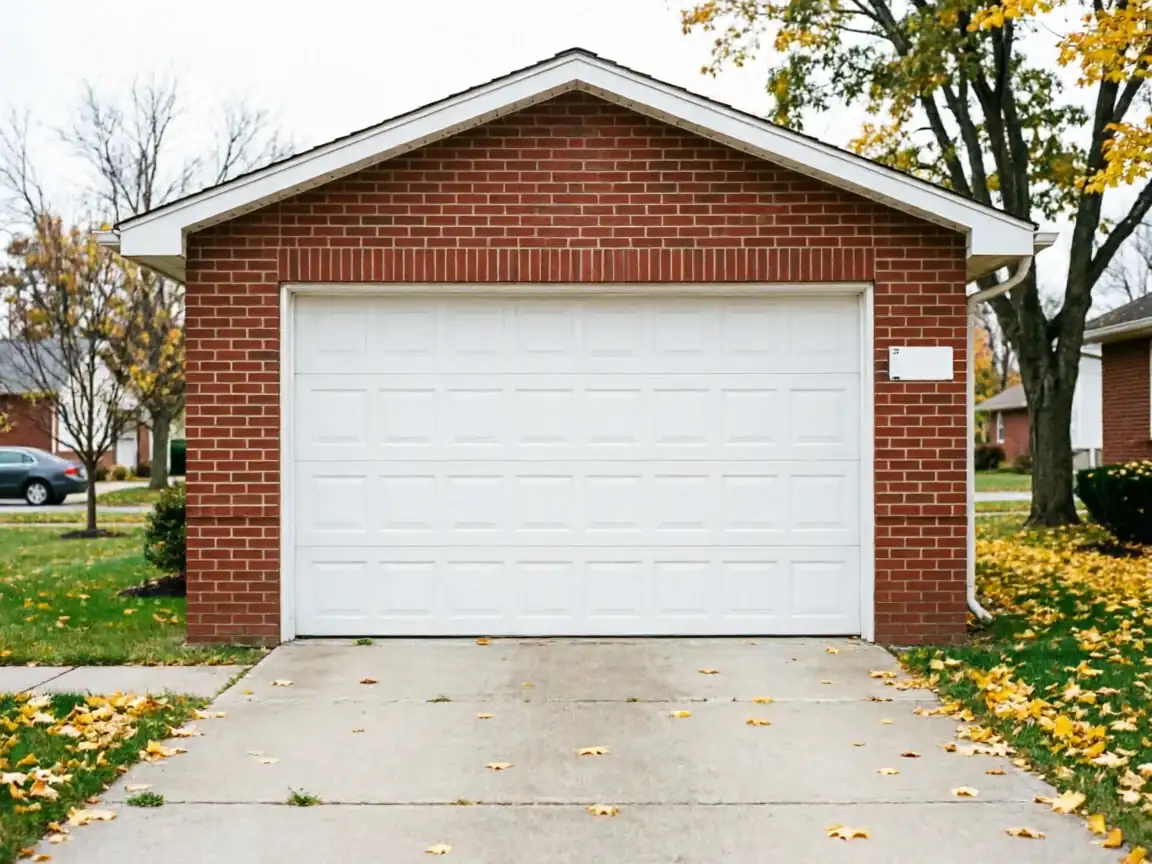
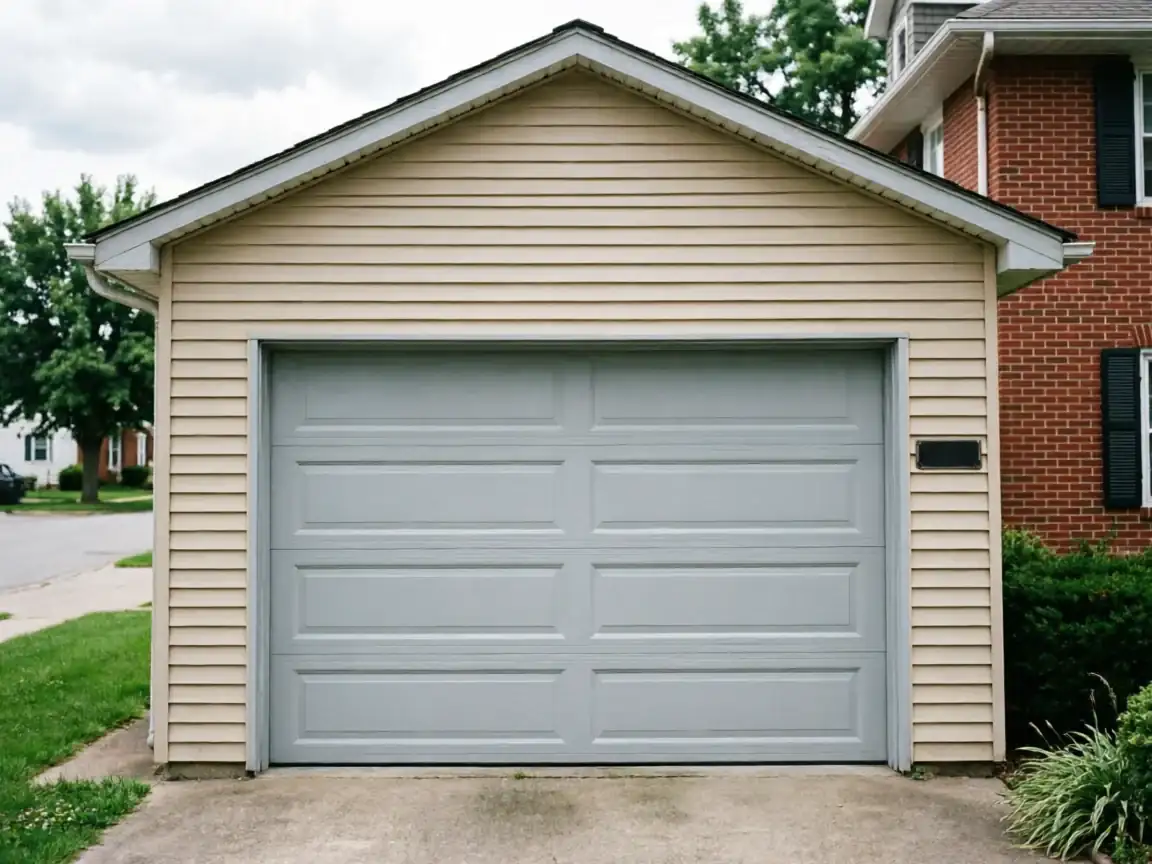
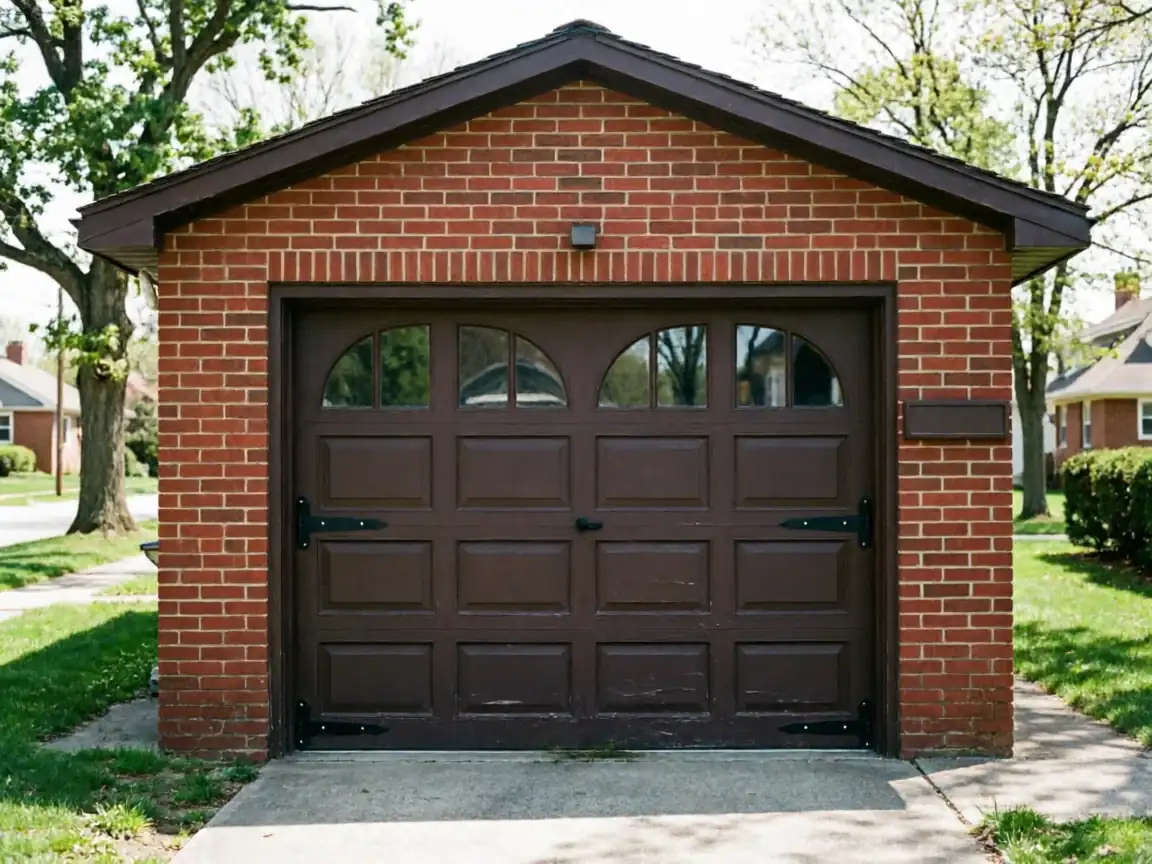
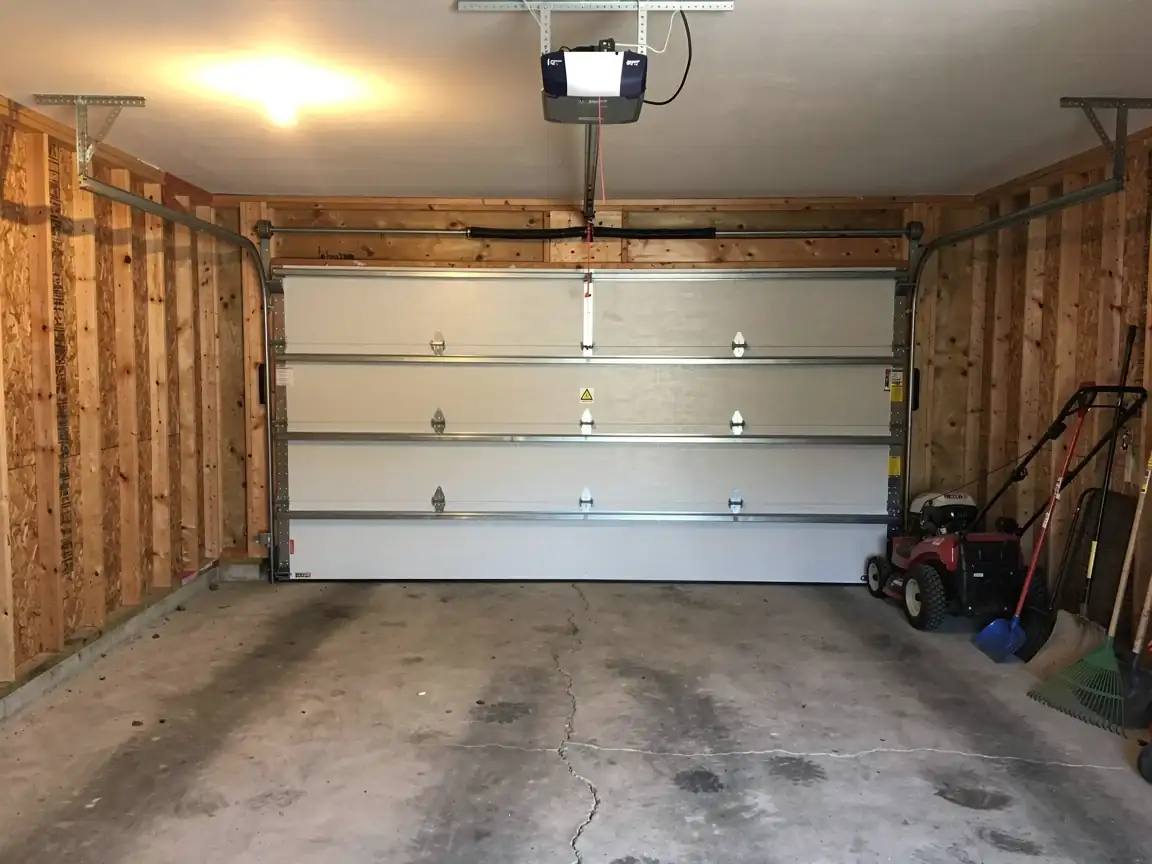
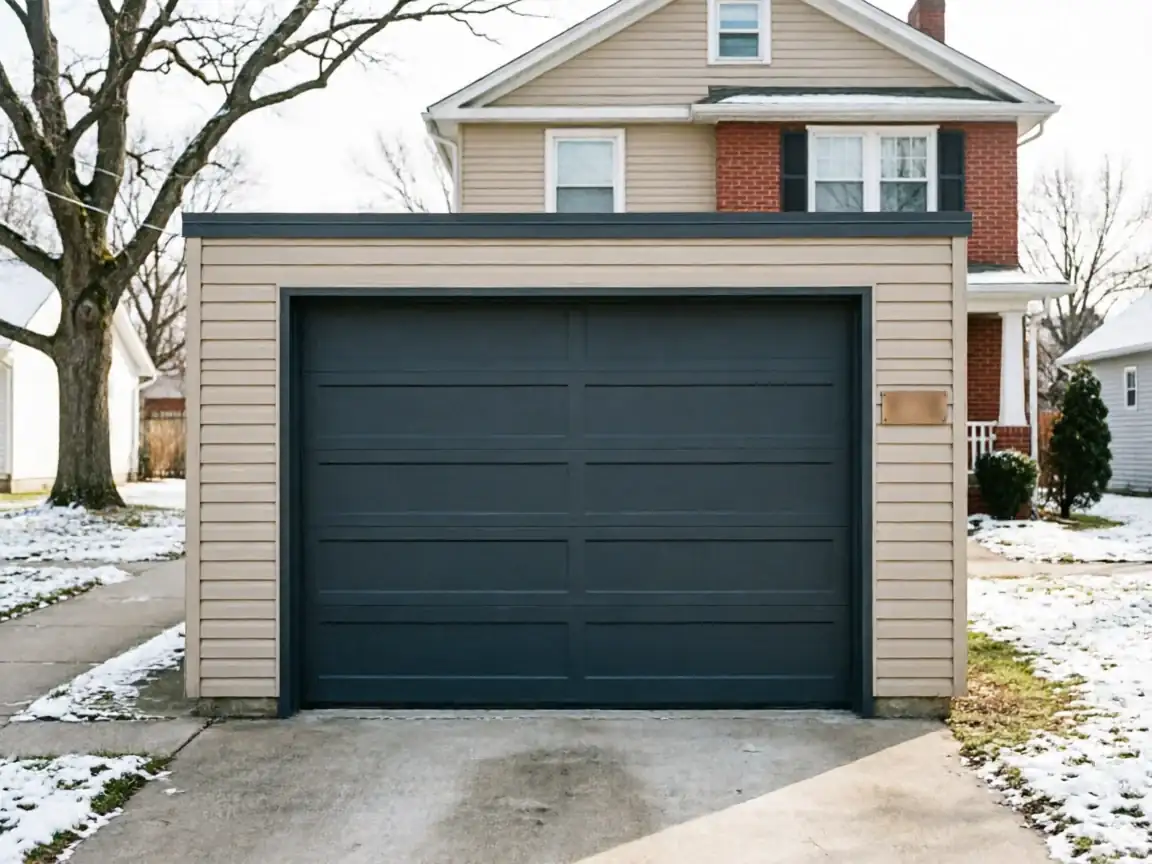
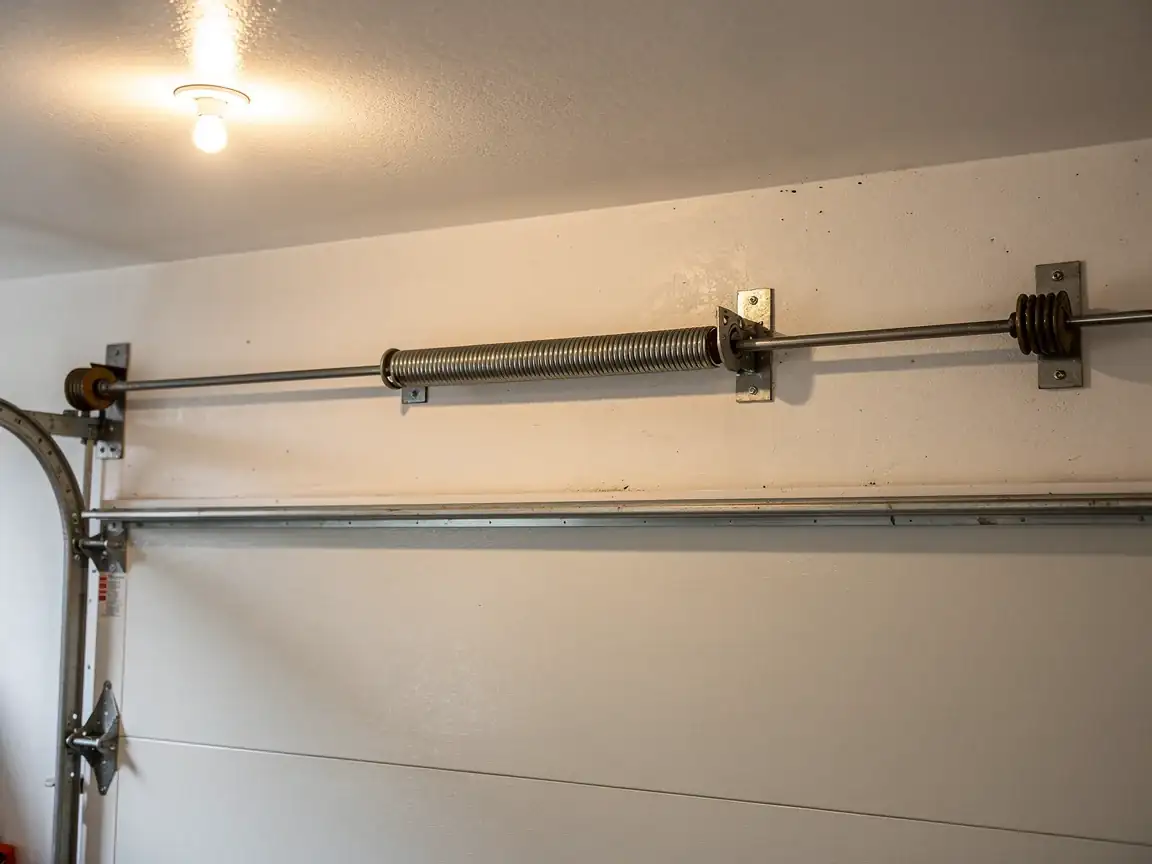
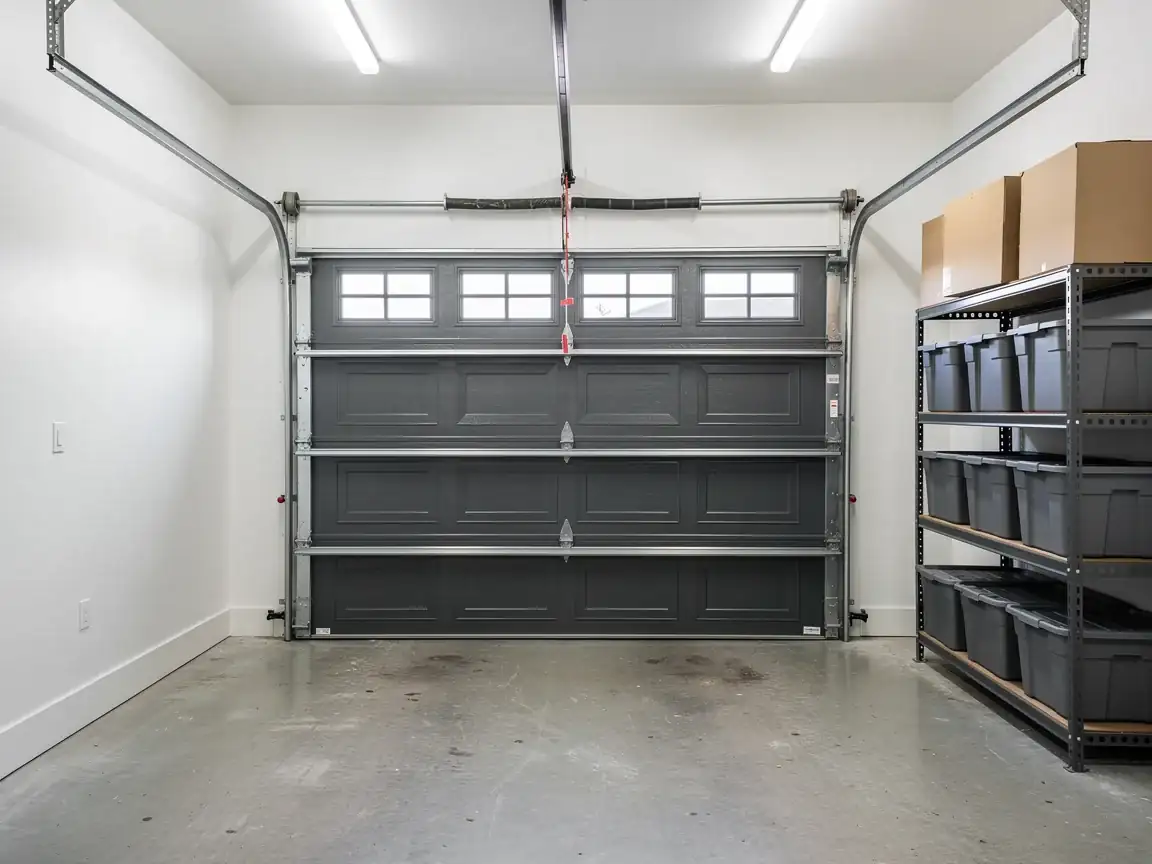
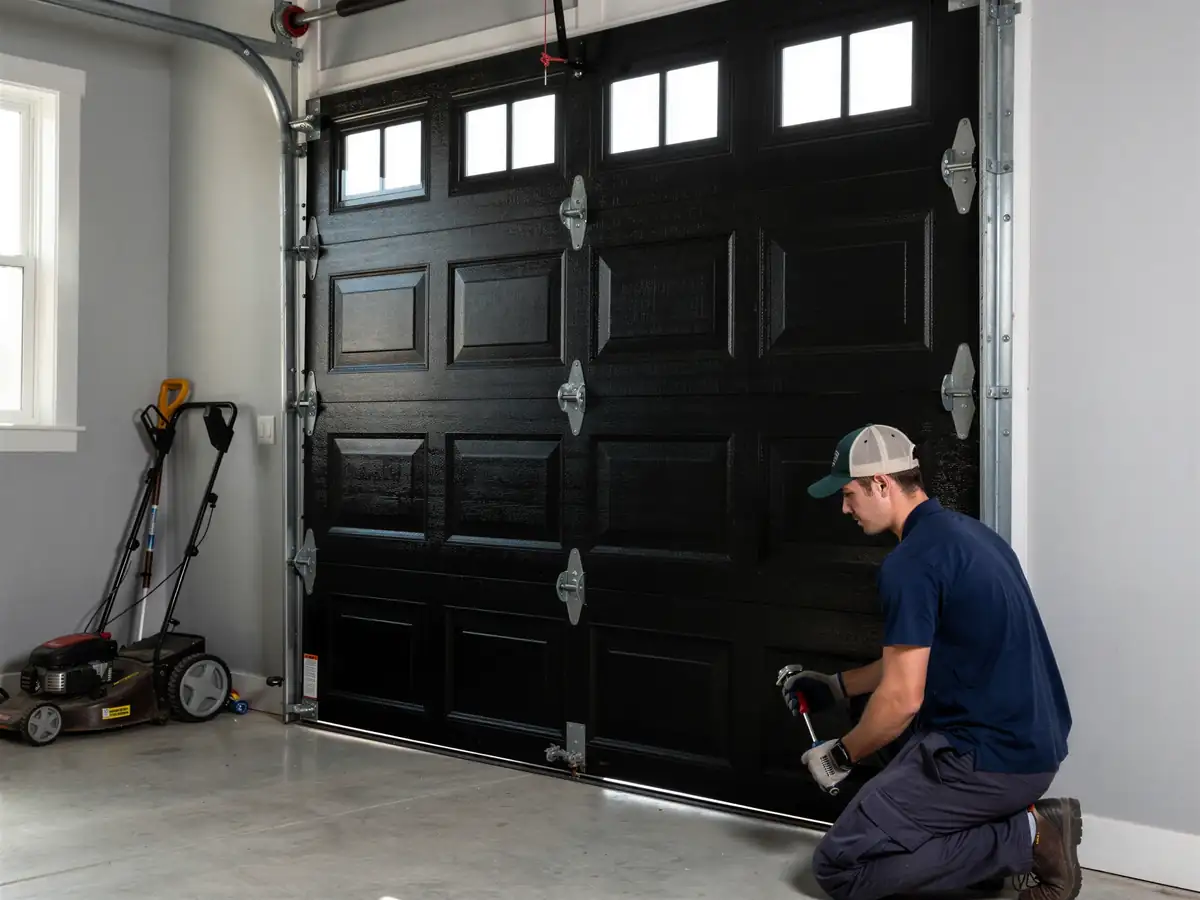
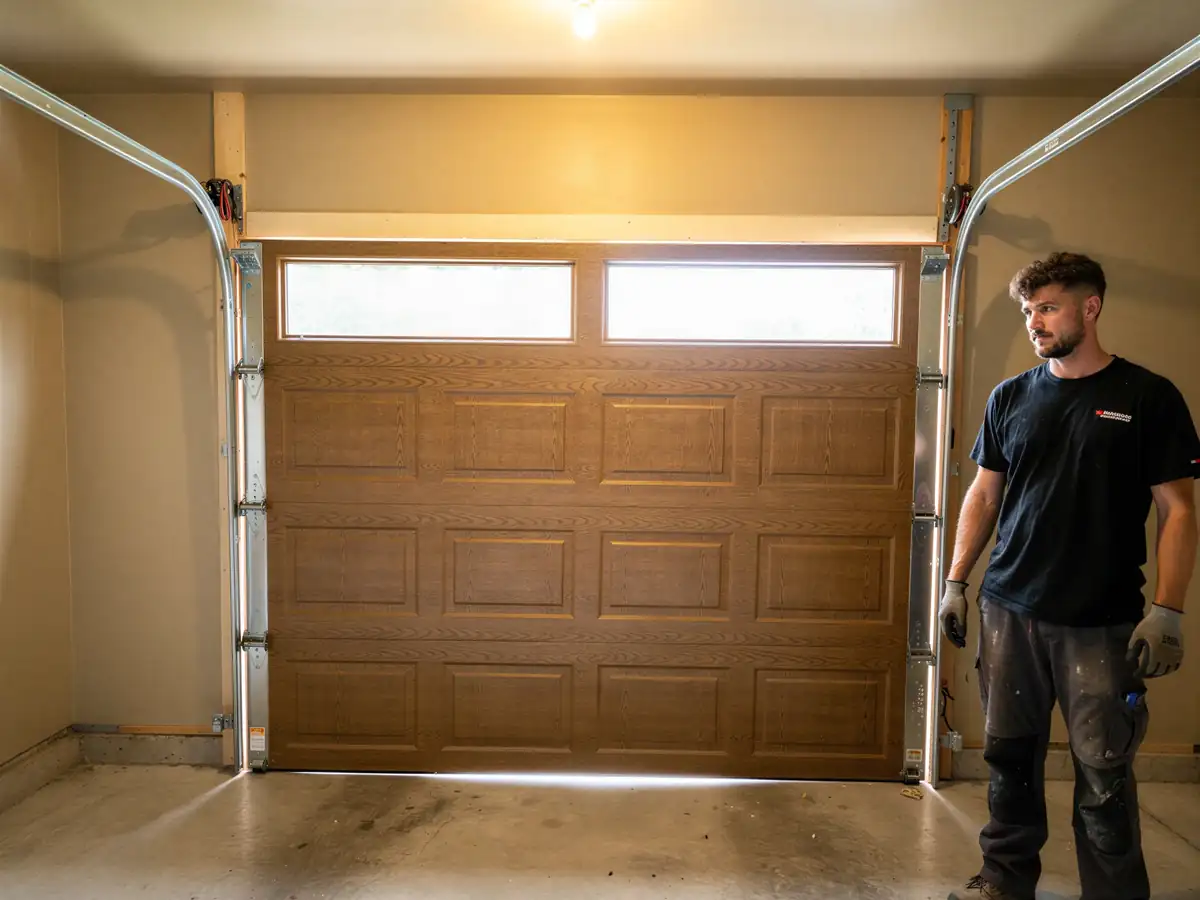
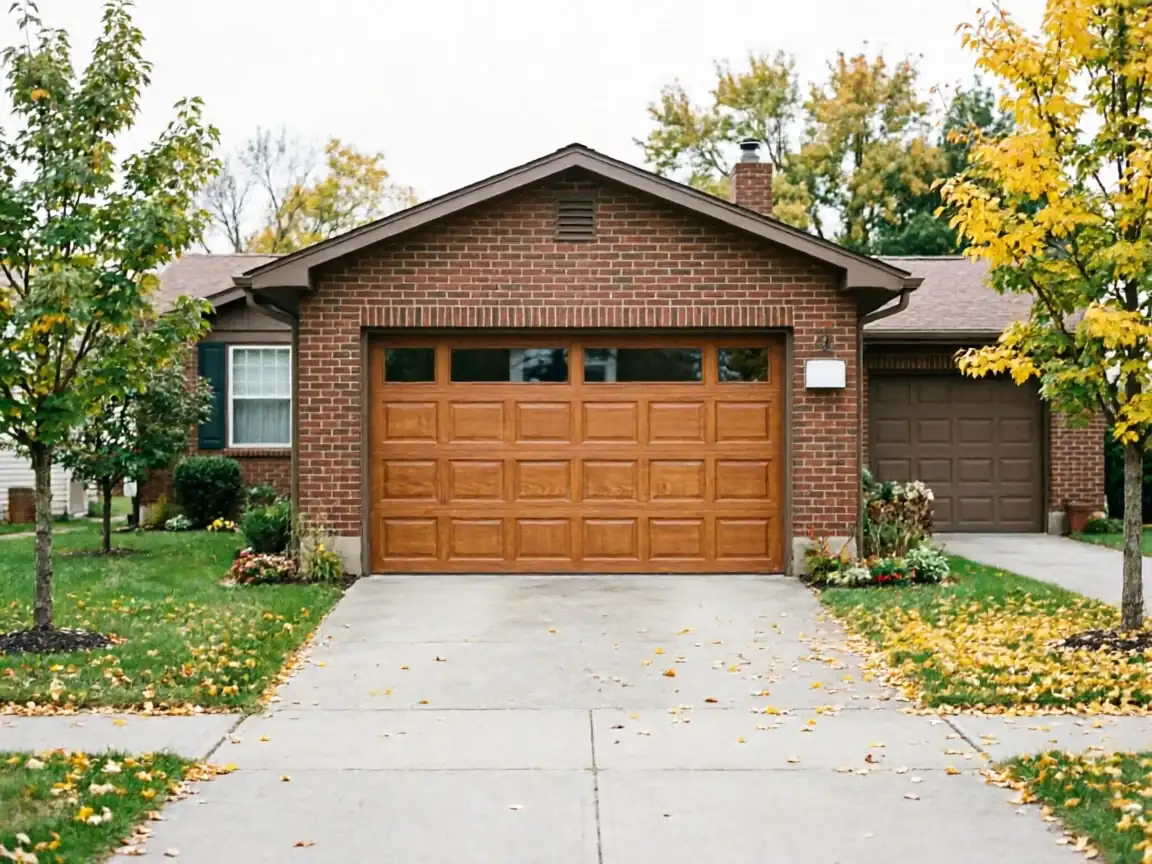
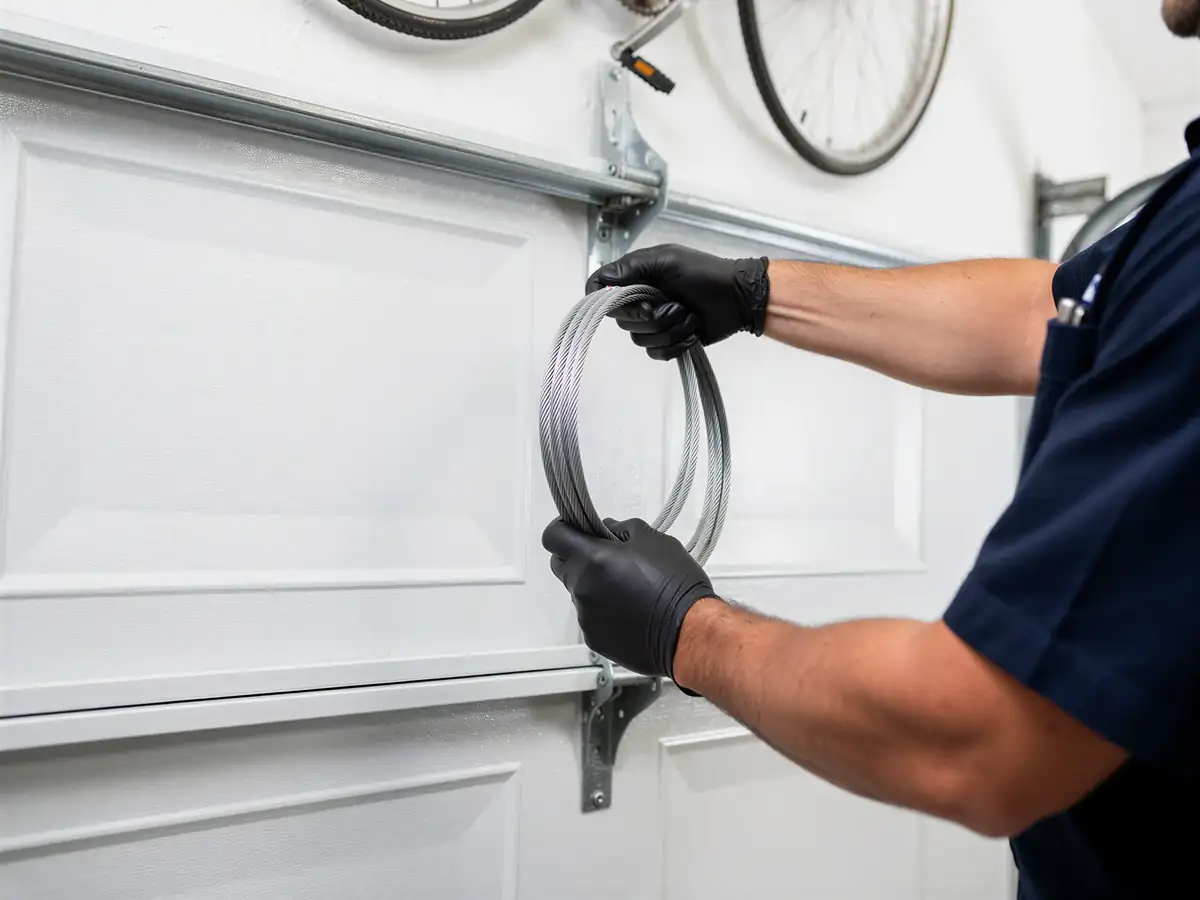
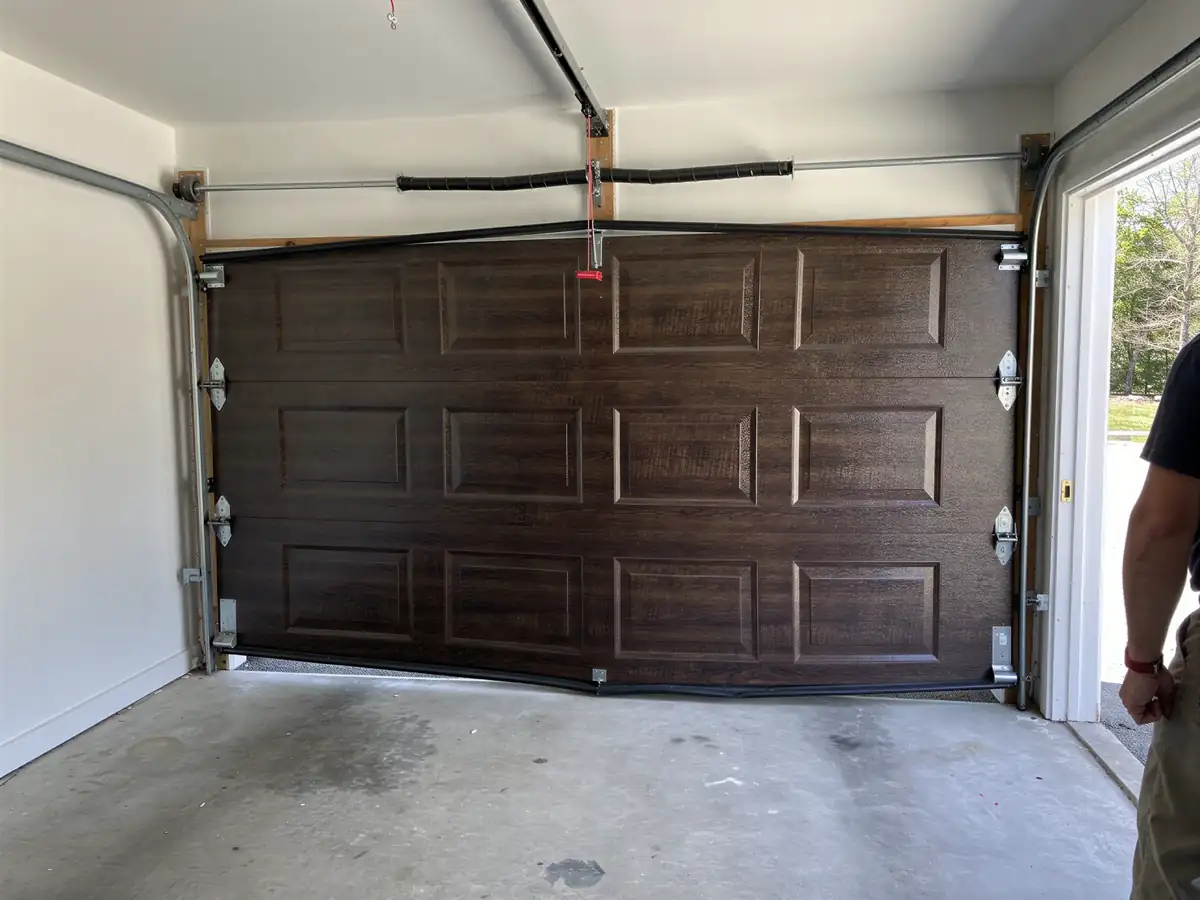
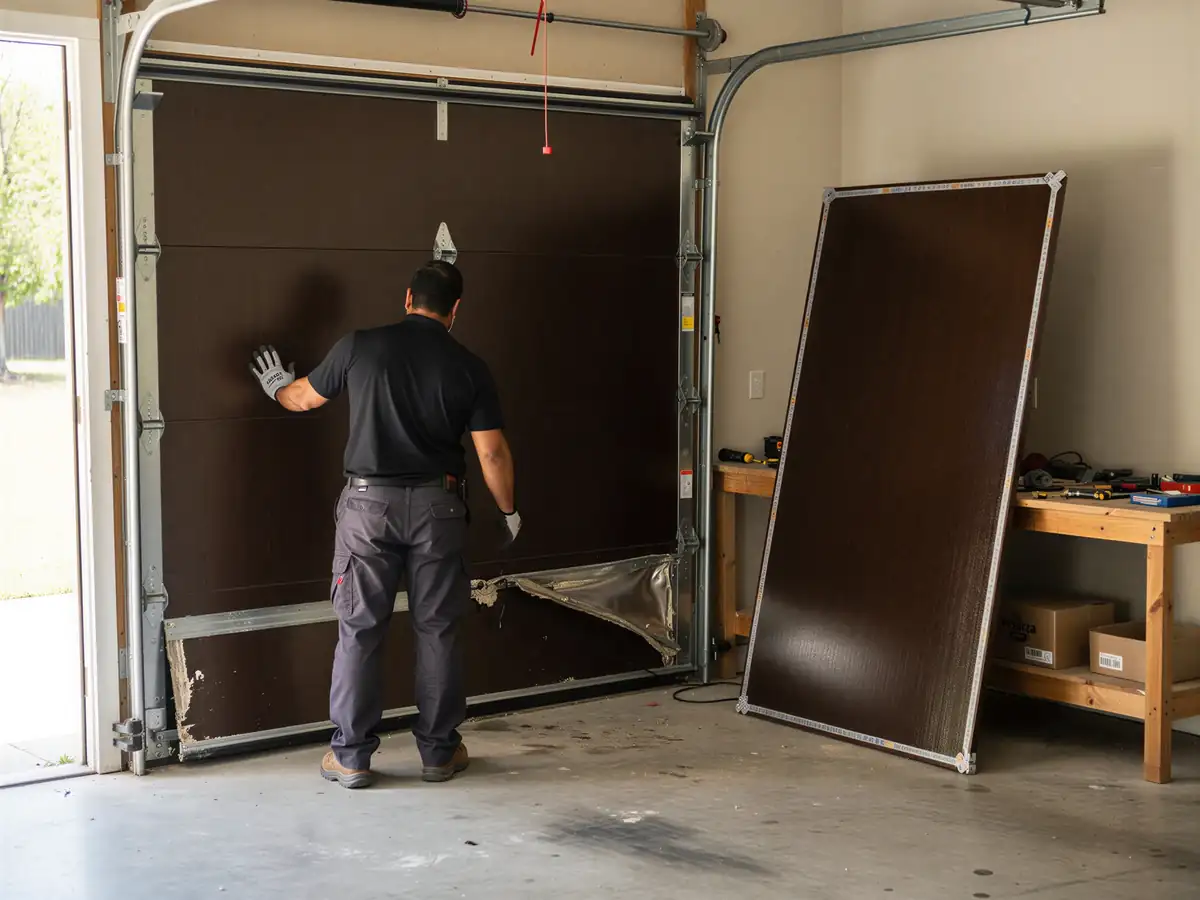
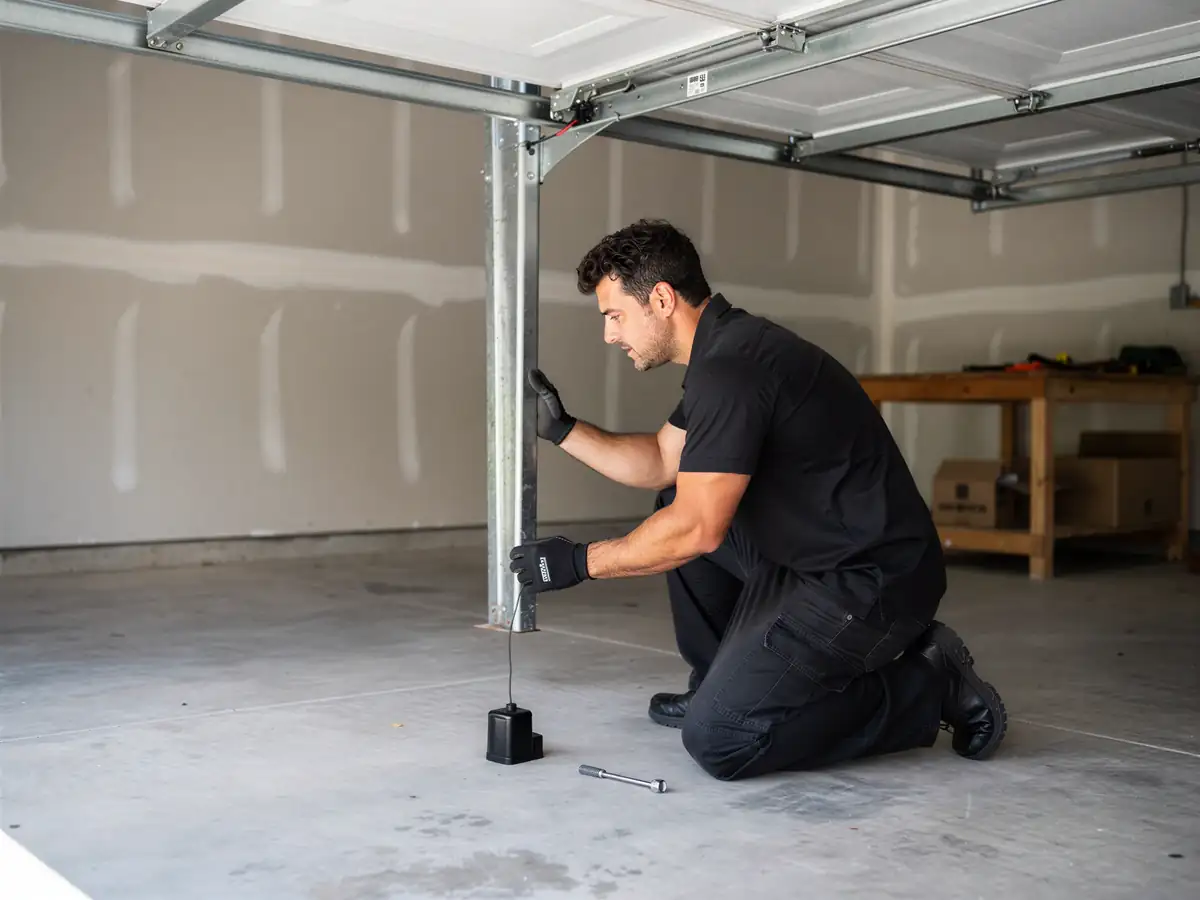
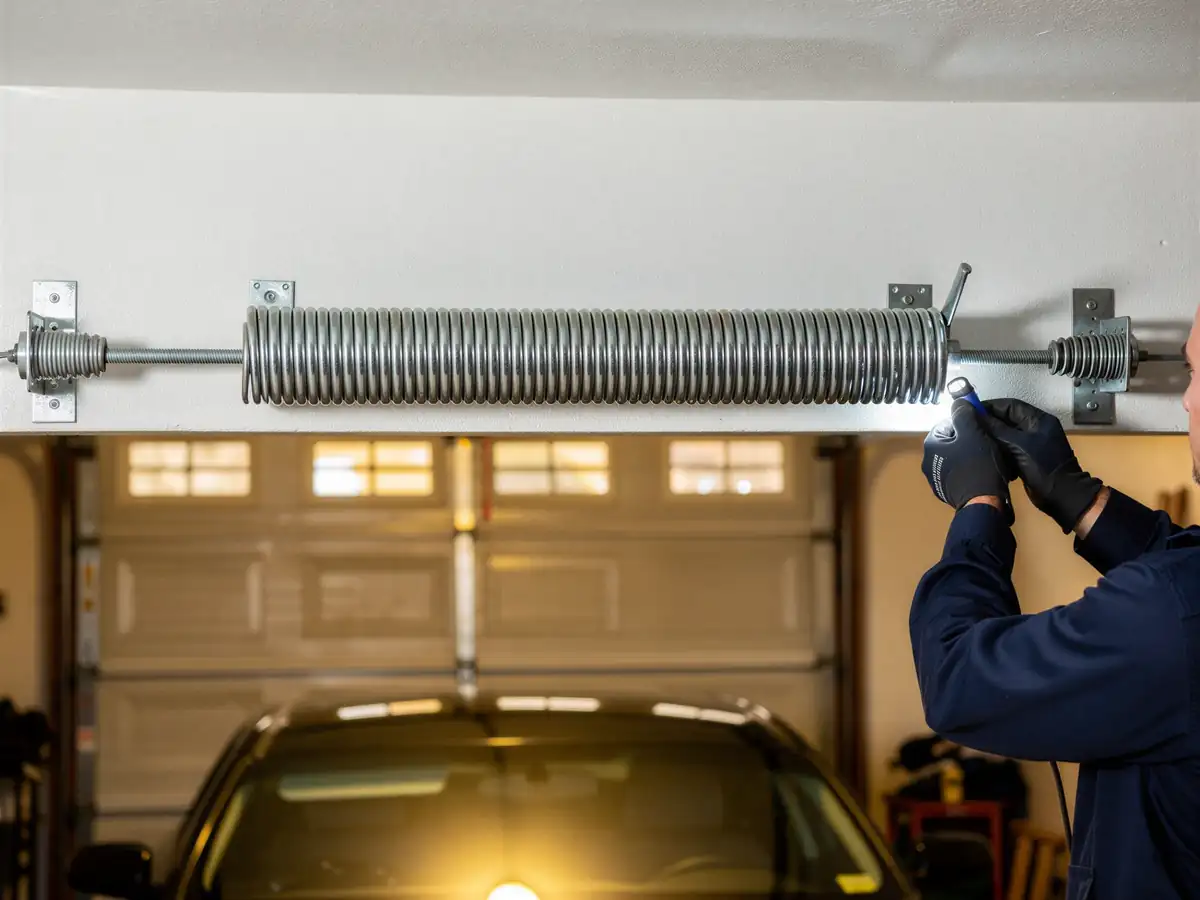
Robbinsdale sits six miles from our Brooklyn Park shop, which is close enough that the truck rolling out here still carries the full range of torsion spring sizes rather than a guess. That matters because the drive isn't the long part of the job - sizing the spring correctly is, especially on a door from this stretch of the metro. Housing in this part of the service area centers on 1957, a good two decades ahead of the 1980 median across the wider 58-area footprint we cover. A door built around then usually runs a single torsion spring on an exposed shaft, sometimes with a center bearing plate that's been painted over a few times since. The fix itself is straightforward once we're standing in front of it: unwind the old spring, measure the wire gauge and wind count off the broken coil, and set a matched replacement under the right tension for the door's weight. On a double door with worn cables, we replace those in the same visit rather than send the new spring back out under old wire. We don't improvise spring rate from a chart alone - we measure what's actually on your door.
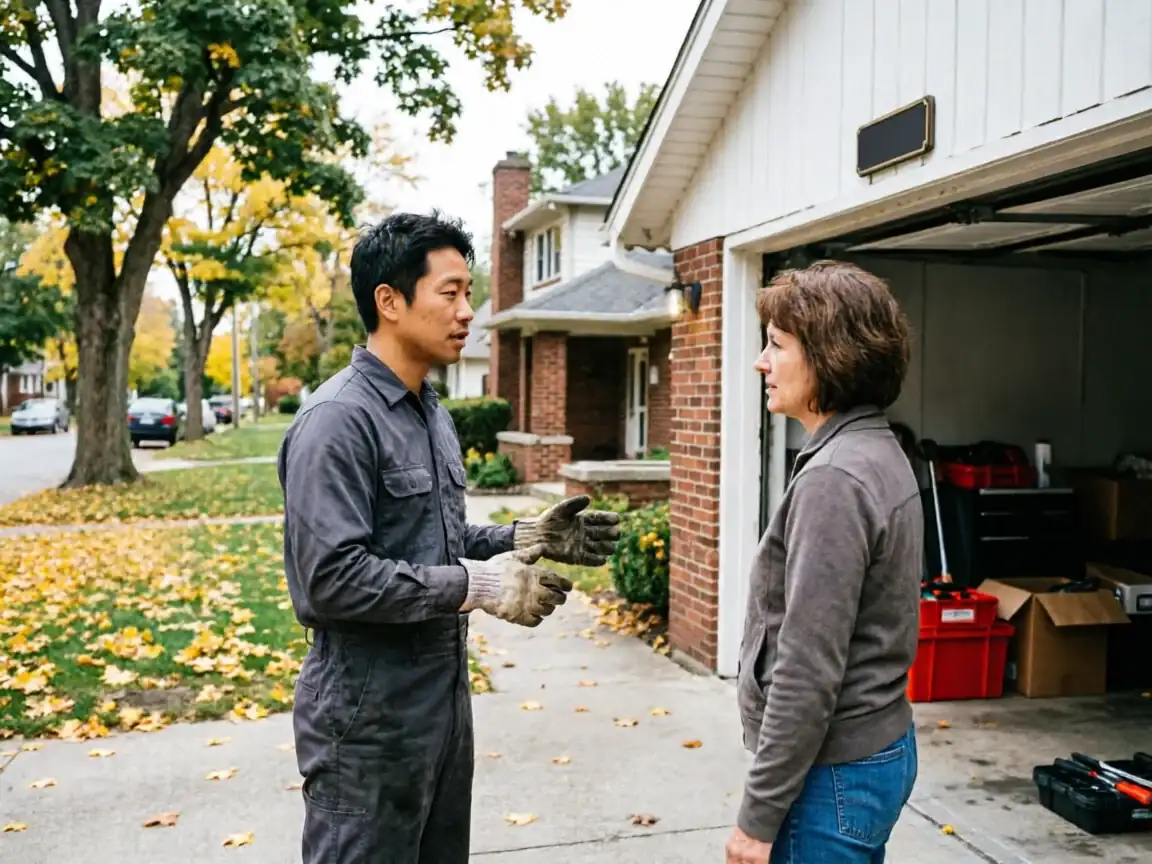
What we won't do is quote a spring job sight unseen over the phone for a door this old, because sight-unseen is how you end up with the wrong wind direction.
Doing It Yourself
A torsion spring under tension can take a finger or worse, and that risk doesn't scale down because the door is old. It goes up. On a house from 1957, the anchor bracket and center bearing have had seven decades to rust, and a wrench slipping on a stuck set screw is a different problem than it is on newer hardware. Minnesota's winters sit in the severe cold band, and steel that's fatigued from decades of cycling can snap clean on the first hard freeze rather than giving any warning first. If you're set on doing it yourself, at minimum use winding bars rated for the job, not screwdrivers, and know the wind direction before you start - left and right wind springs are not interchangeable and getting it backward can bend the shaft. We'll be honest that a lot of these calls come in after a first DIY attempt stalled out halfway, with the door half-open and the spring half-wound. That's a harder job to finish safely than the original break would have been.
Where This Job Goes Sideways
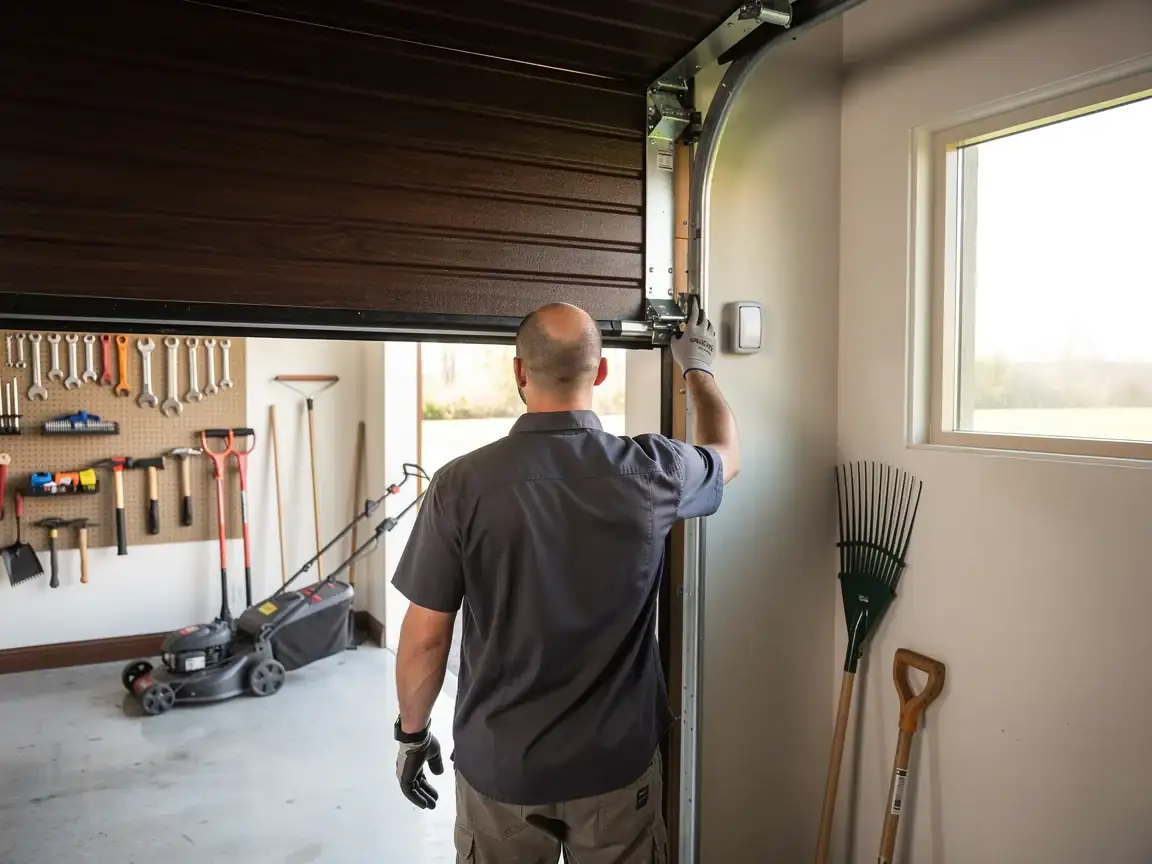
The trouble spot on this stretch of houses isn't usually the spring itself - it's what's bolted around it. A door original to a 1957 build often has a center bearing plate and cable drums that were never upgraded when the spring was last replaced, if it ever was. Swap in a new spring without checking those parts and you've got a mismatch: new coil, old bearing, and a shaft that still wobbles. We also see non-standard door widths on some of these early-era buildings that don't match the common sizes found on houses built later in that 1957-2007 range, which means a spring pulled off a shelf without measuring can be close enough to work for a week and then fail again. The other place this goes wrong is cable condition. If a cable frays while the spring is still under old tension, replacing just the spring and leaving the worn cable in place is how you end up back out here within the season. We check both every time, not because it pads the job, but because it's the actual point of failure half the time.