What the Fix Involves
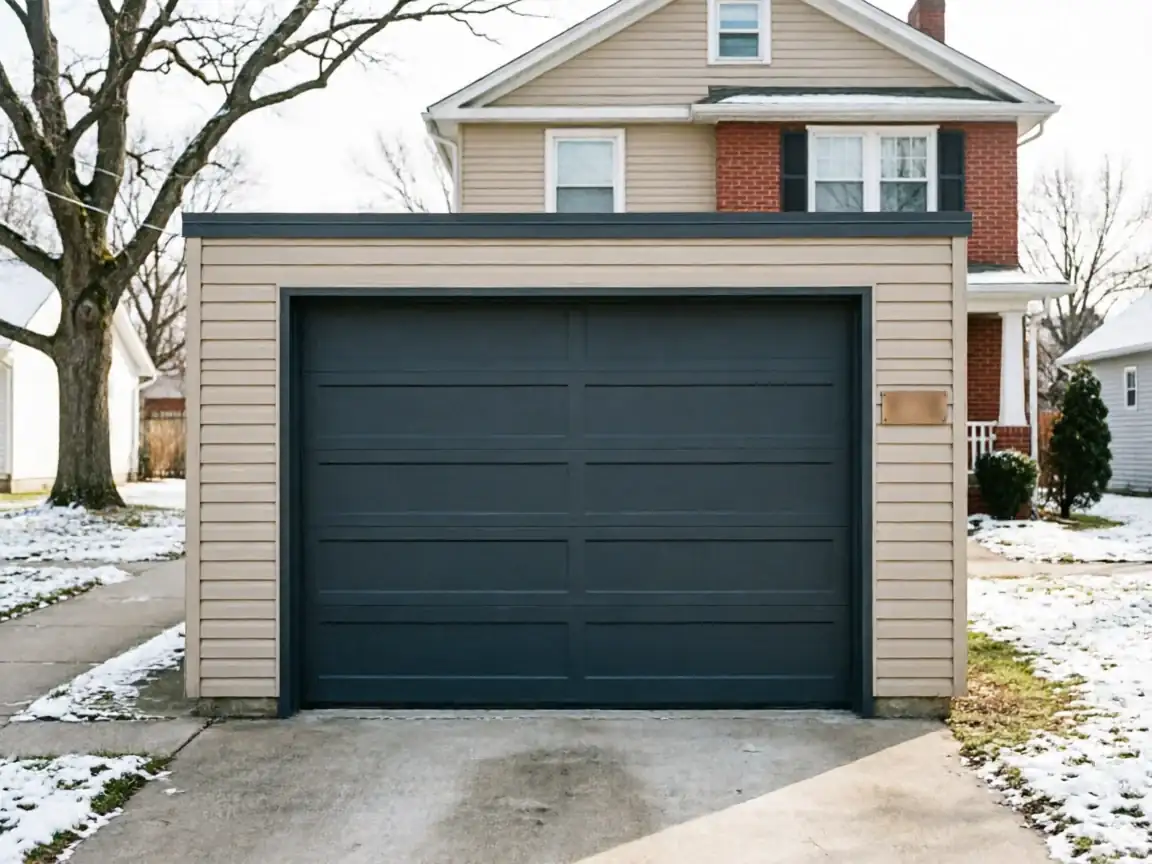
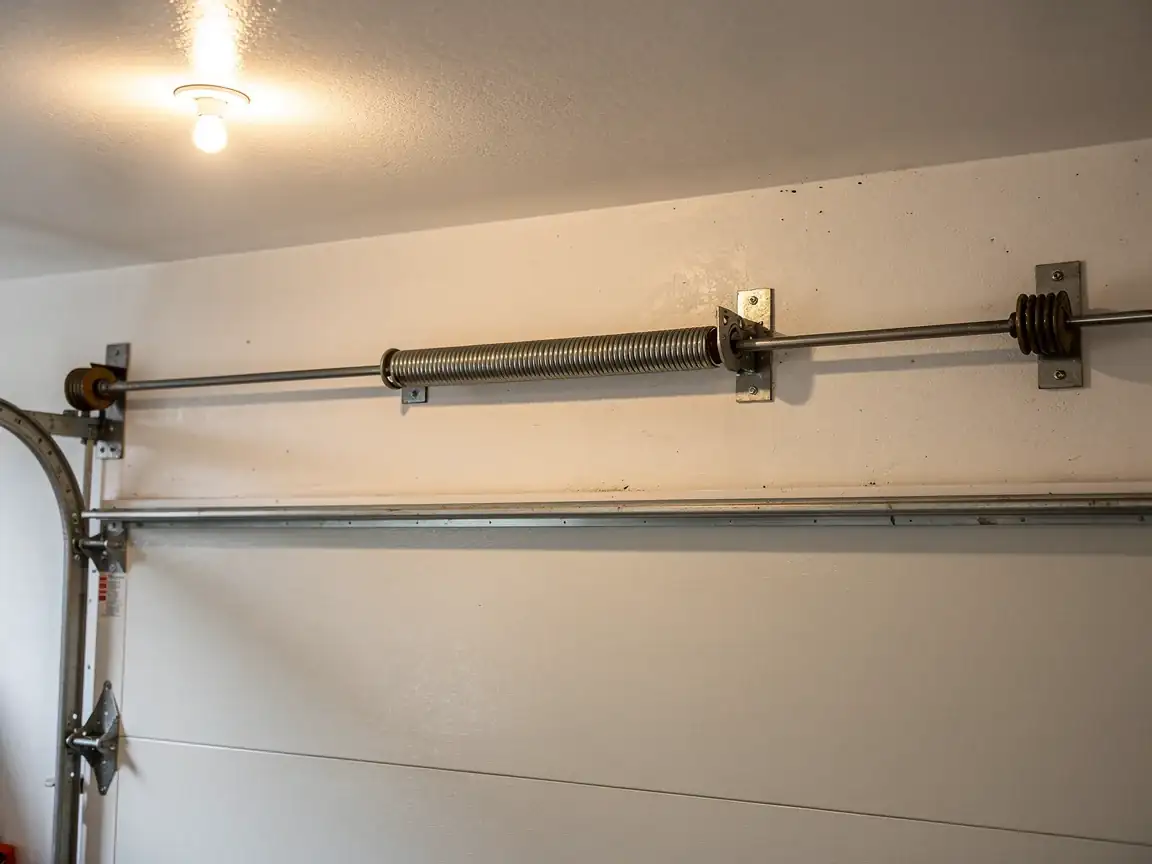
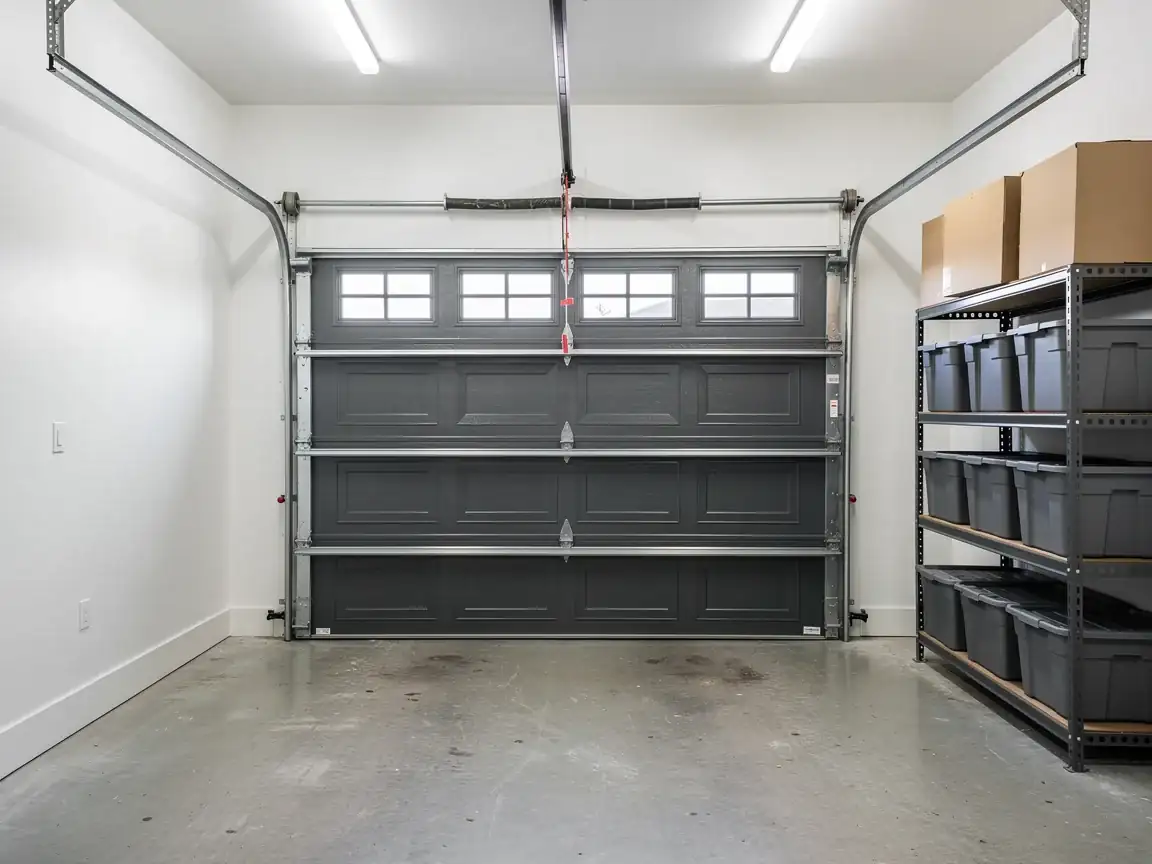
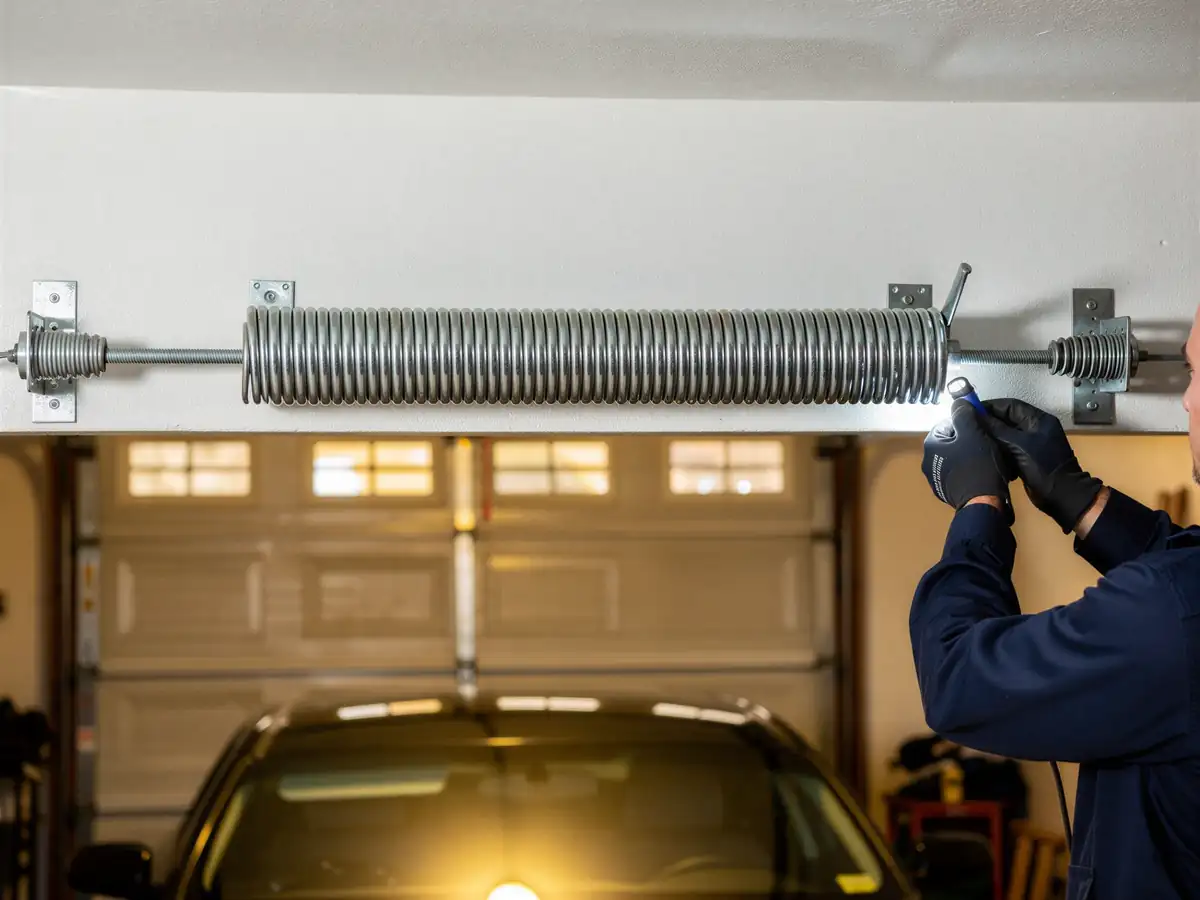
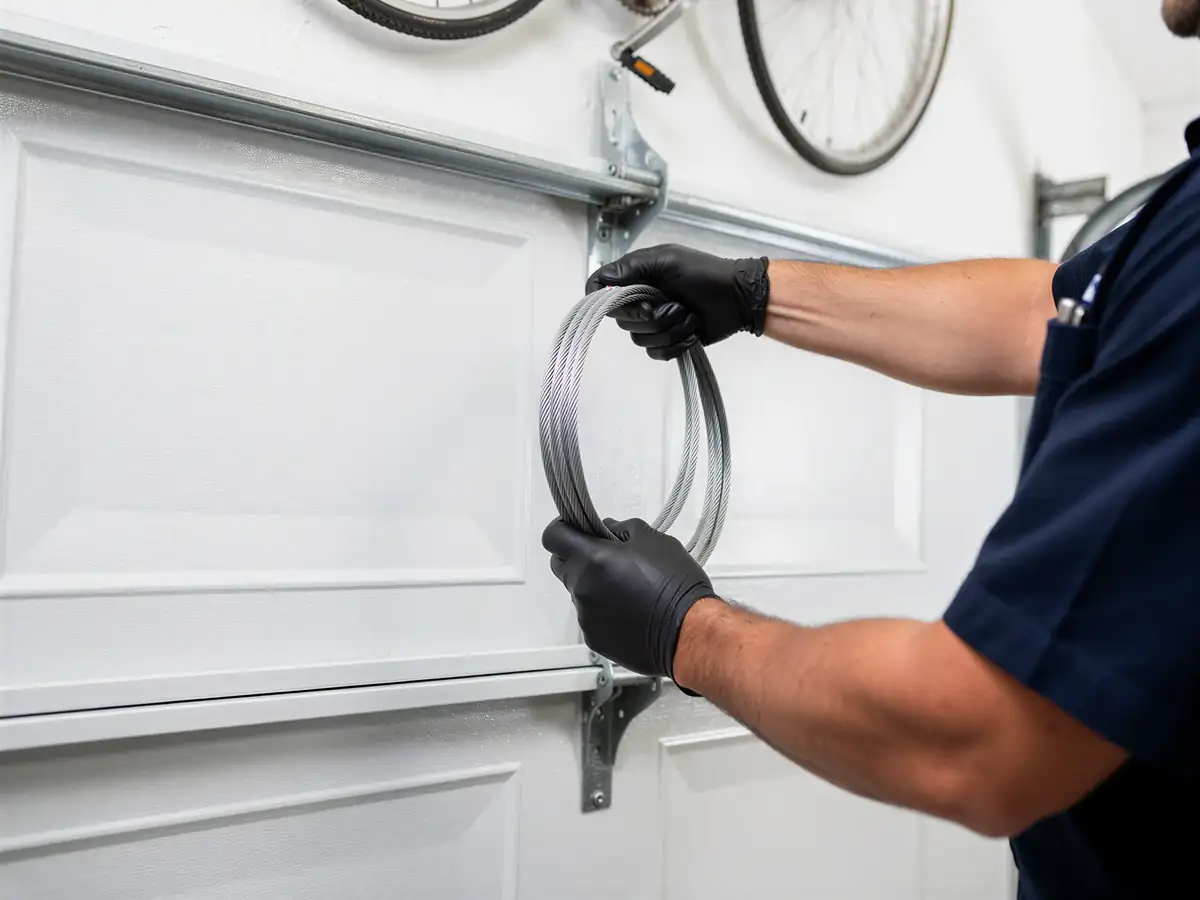
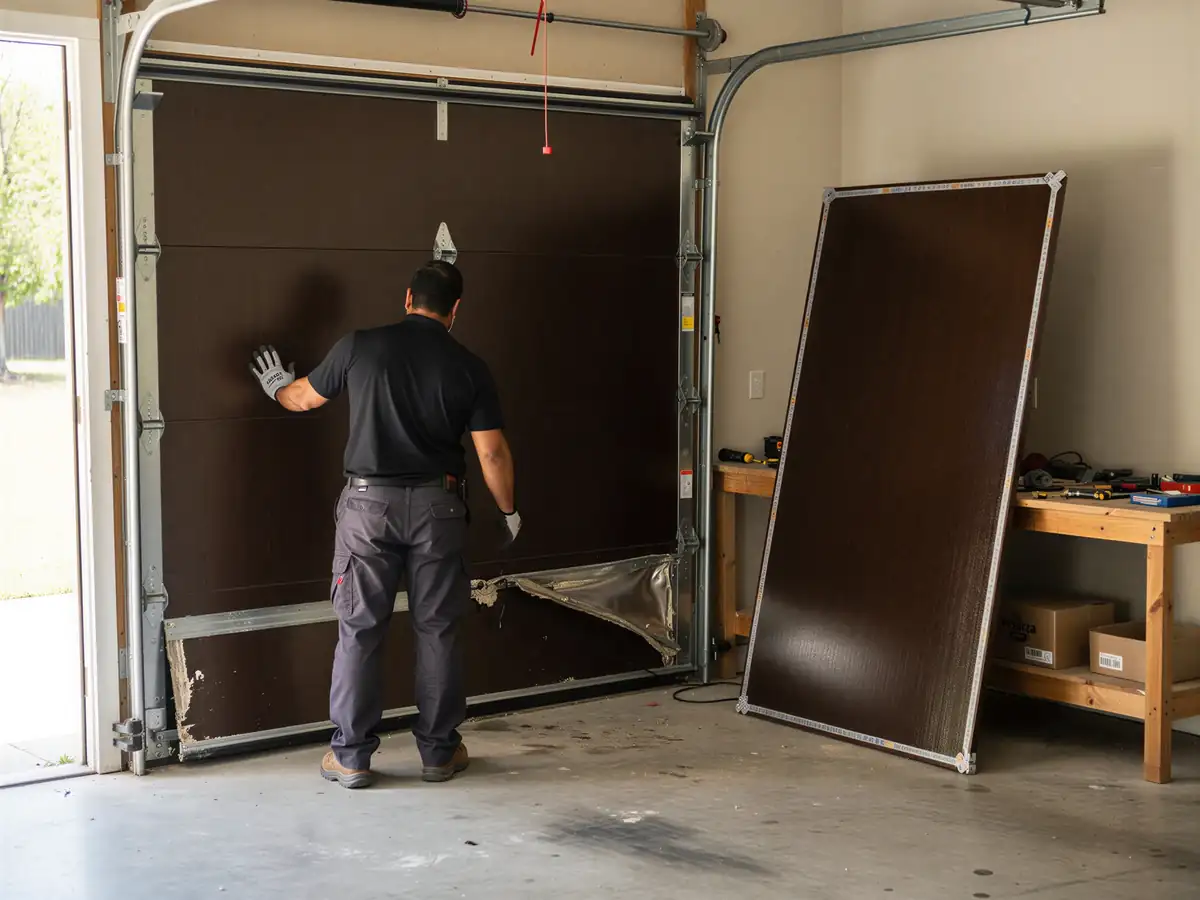
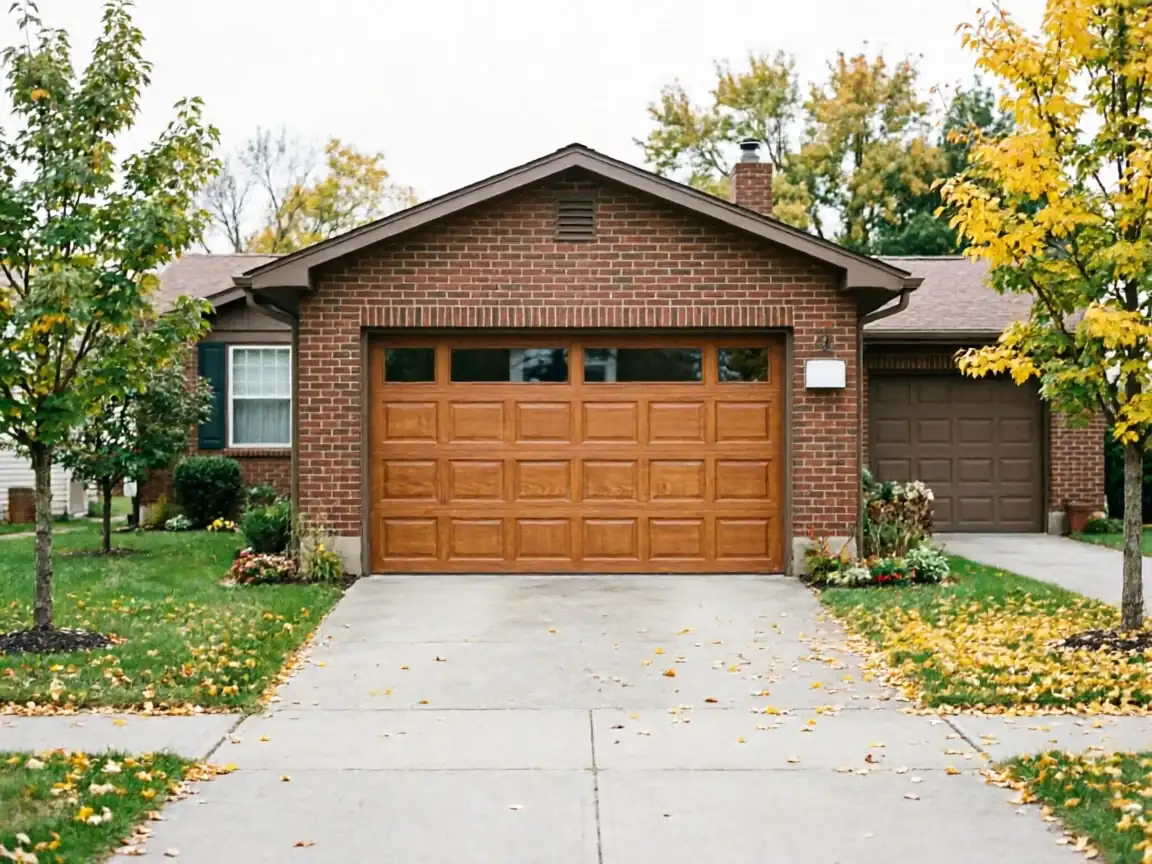
The median home in Robbinsdale went up in 1957. That's 23 years ahead of the 1980 median across the rest of the service area we cover from Brooklyn Park, and it matters because a door that old is rarely running on parts anyone still stocks. We're talking original torsion or extension springs, steel sectional panels with rollers that have been painted over twice, and openers that have already been swapped once or twice by a previous owner. When we get a call here, the first question isn't "what's broken" - it's "what generation of hardware are we even looking at." A worn roller track on a house this age doesn't bend back into shape the way a newer track does; the steel's fatigued, not just dented. Same goes for a cable that's frayed at the drum - on a 1957 door, it's usually paired with a spring that was never rated for the weight of a replacement insulated panel, if someone upgraded the door without upgrading the spring. That mismatch is one of the more common calls we get from this part of the service area, and it's a repair job, not a part swap.
Doing It Yourself
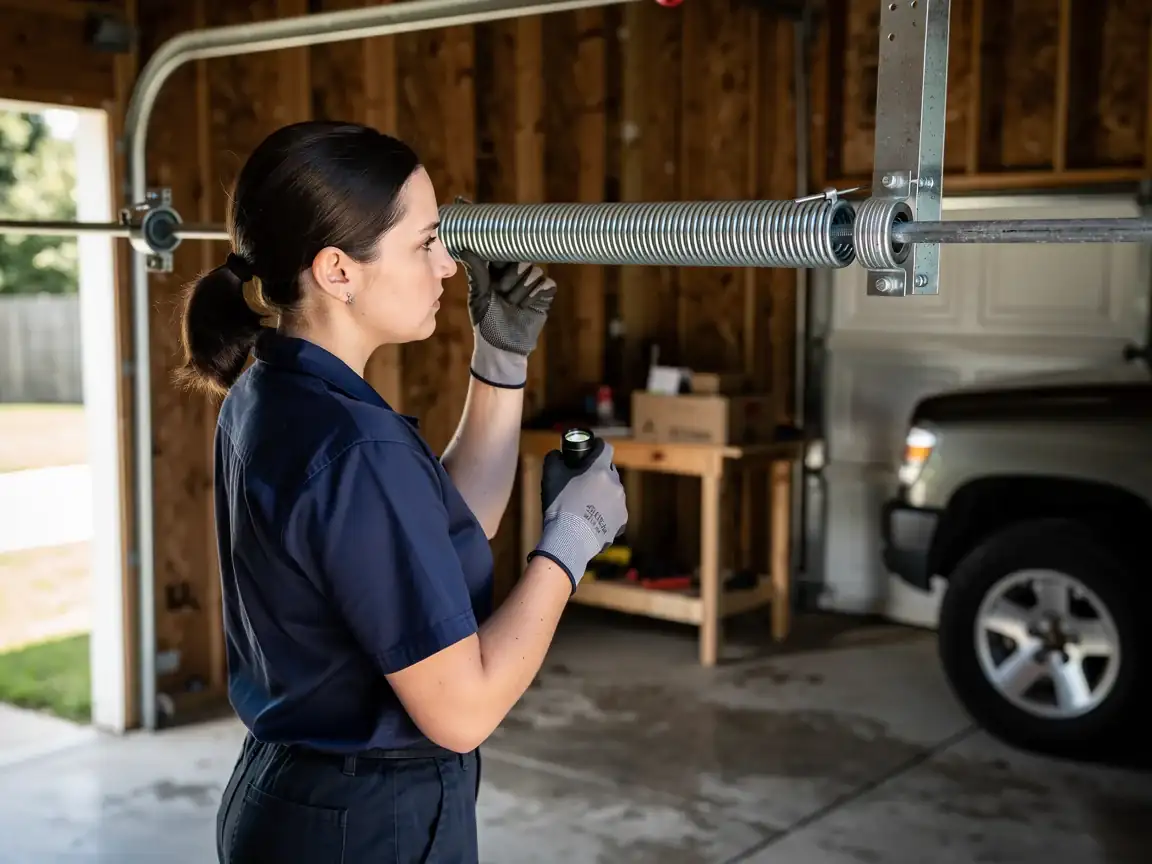
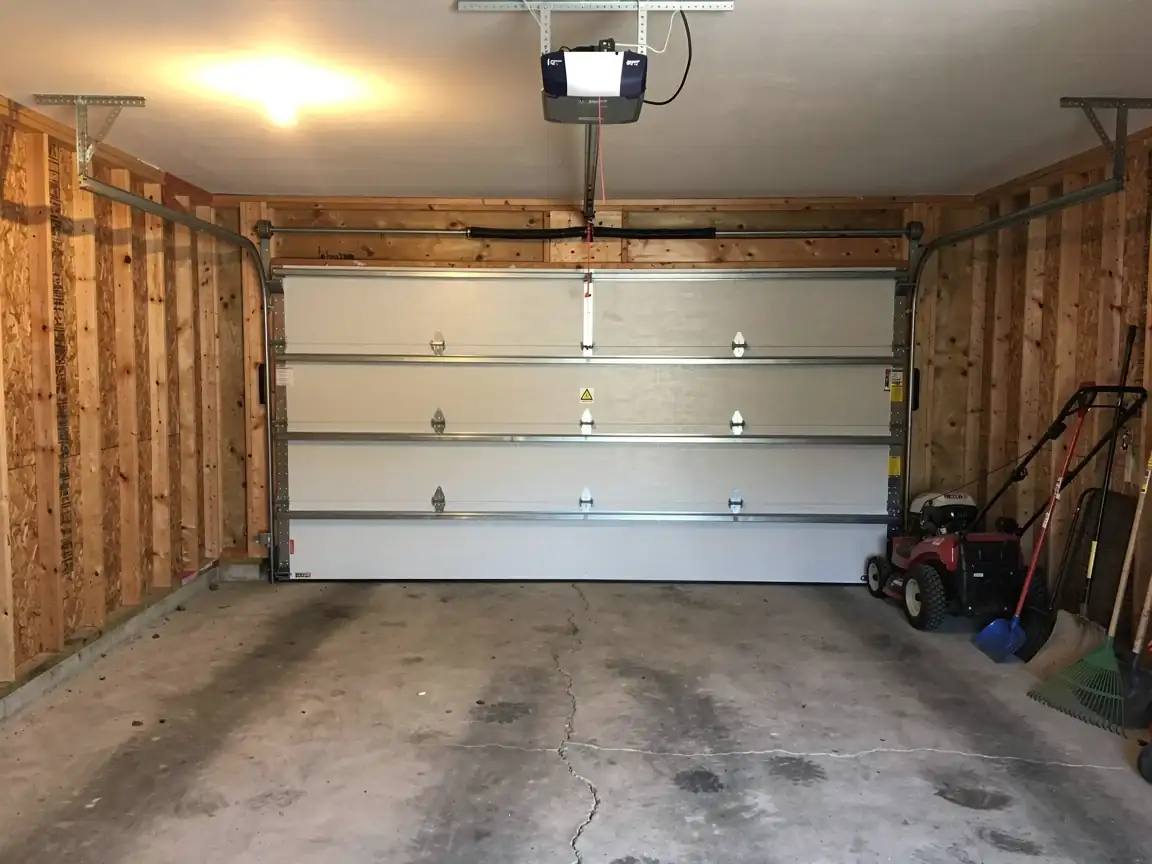
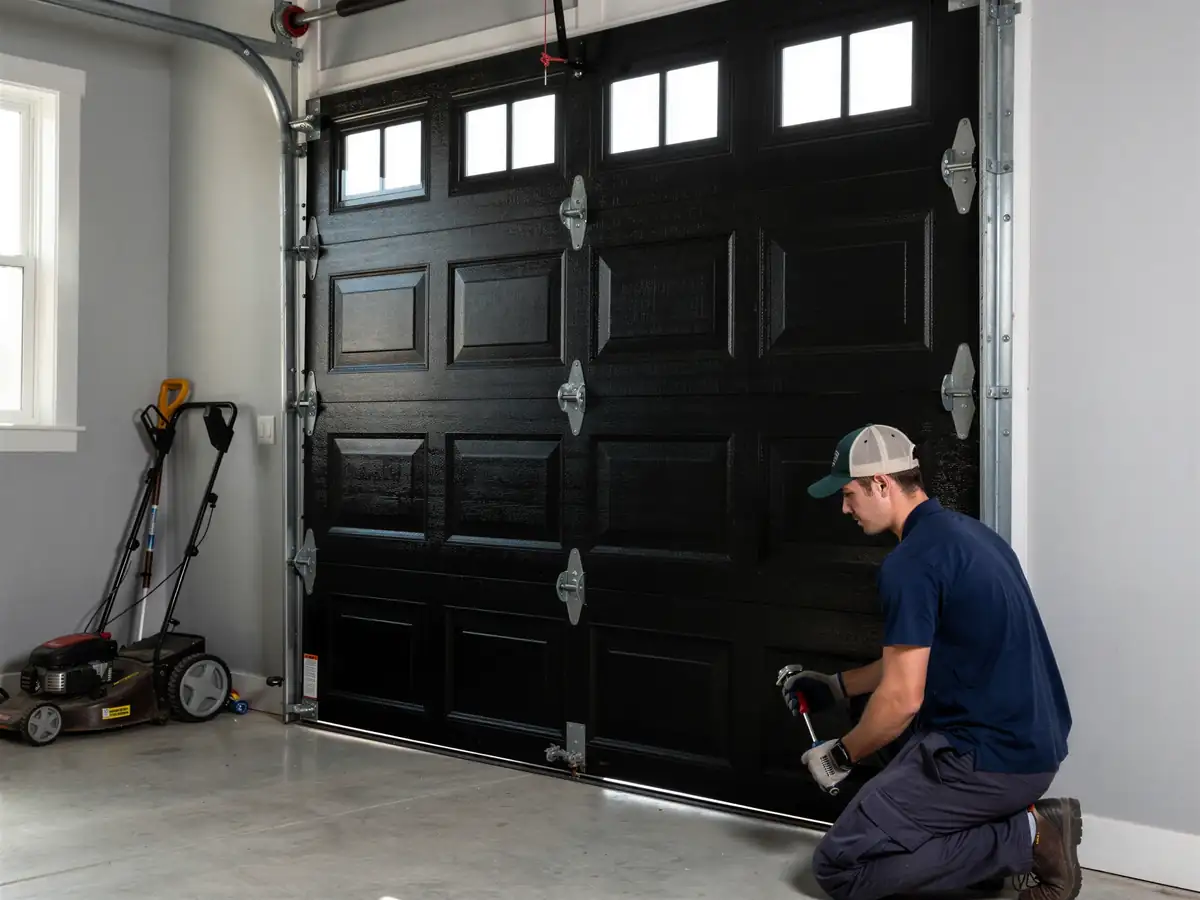
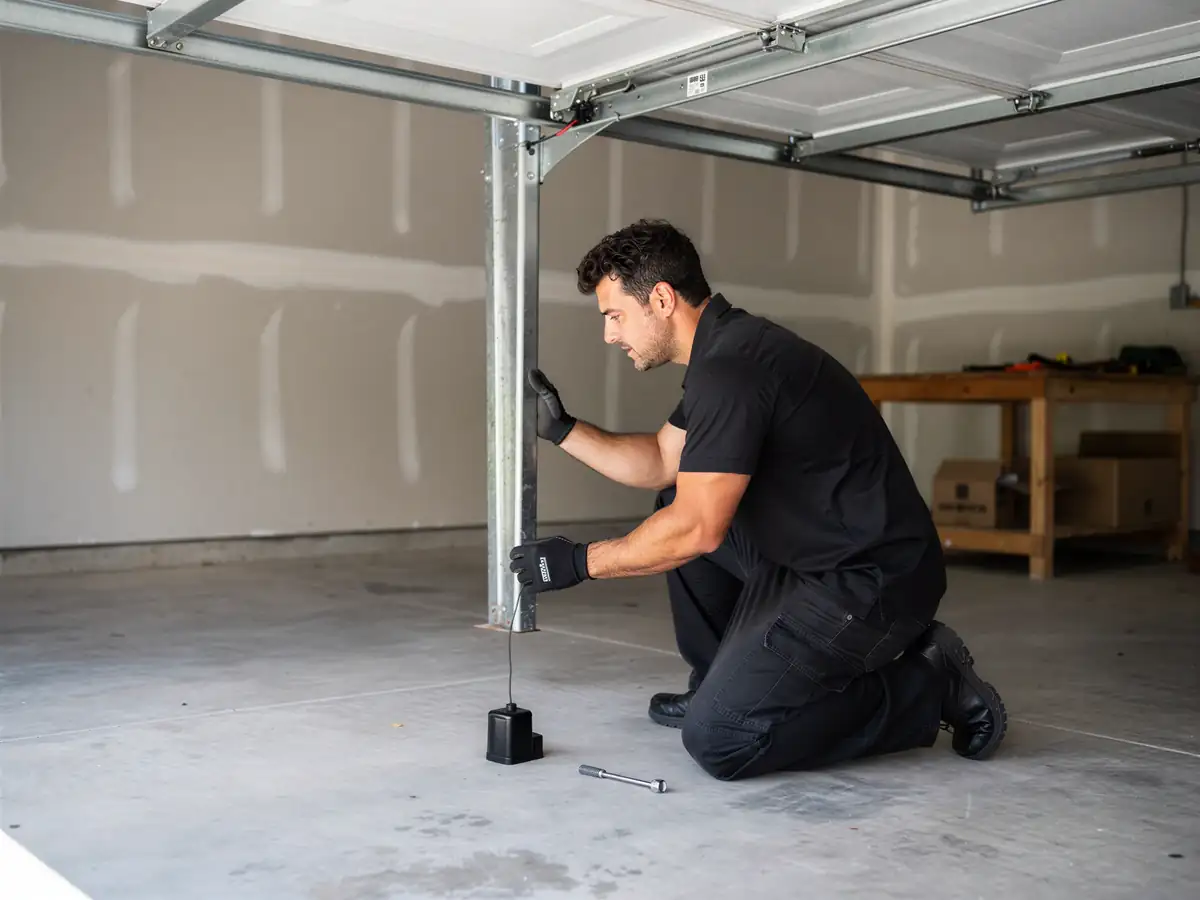
A door built around 1957 often carries hardware that doesn't match what's sold off the shelf today - spring wind direction, drum size, and track gauge have all changed since then. That's the honest limitation here: a parts-store extension spring kit bought for a "standard" door frequently doesn't fit a door this old correctly, and an incorrectly matched spring is a safety problem, not just an inconvenience. Lubricating hinges, tightening loose roller brackets, and checking that the photo-eye sensors aren't knocked out of alignment are all fine to do yourself and won't void anything. Spring tension, cable replacement, and anything involving the torsion bar over the door is where we'd tell you to stop and call - the stored energy in a wound spring on an old door is no different from a new one, and it's the single most common way people get hurt trying to save a service call.
Where This Job Goes Sideways
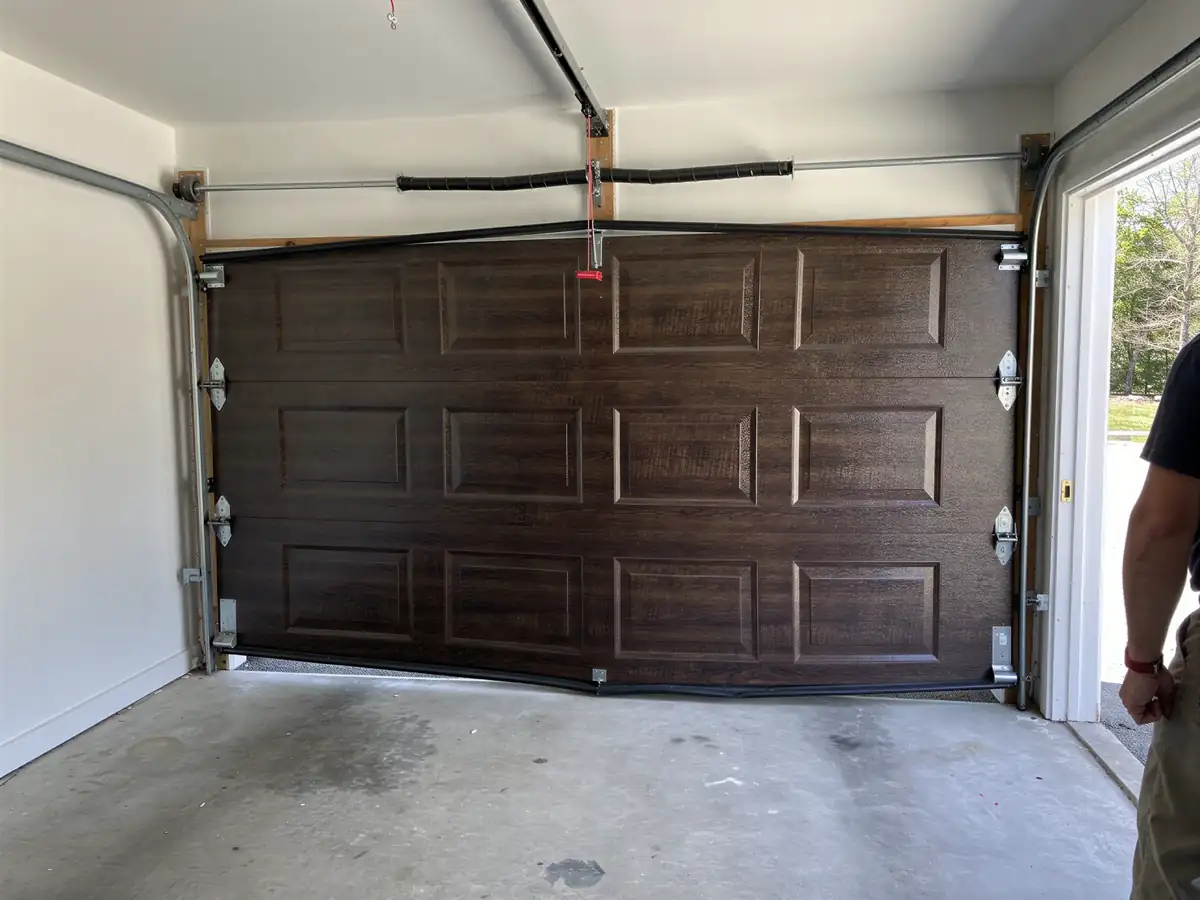
The usual failure point on a house this age is someone replacing just the part that broke without checking what it's connected to. A new cable on a worn drum still slips. A new roller on a bent track still binds. We see this most on doors where a previous repair patched one symptom and left the underlying wear in the track or the spring untouched, and the door comes back to us a year or two later with a bigger problem than the first one. The other place it goes sideways is sizing - if the original 1957 opening was ever widened or the door swapped for a newer insulated model, the spring and opener from the old setup sometimes got reused instead of matched to the new door's weight. That mismatch shows up as an opener straining, not a spring snapping, and it's easy to misdiagnose as a bad motor when it's really a bad spring rating.