What the Fix Involves
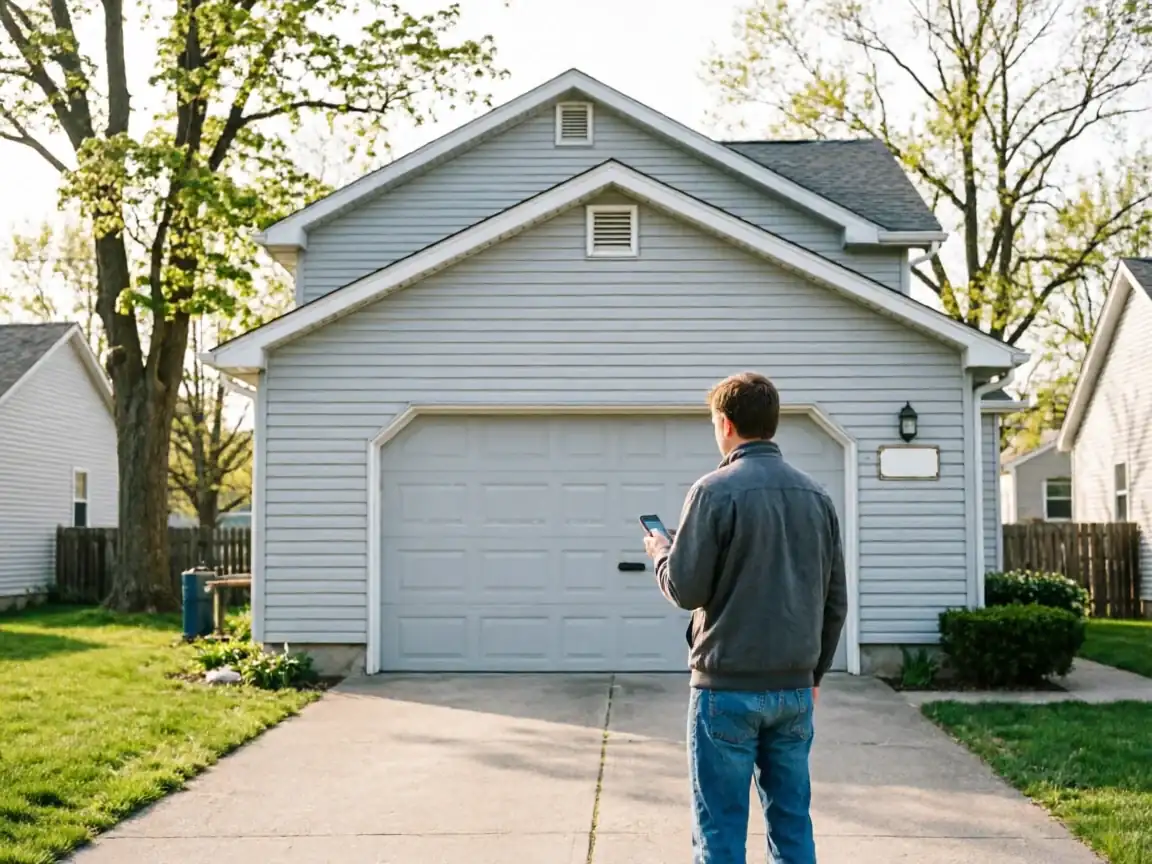
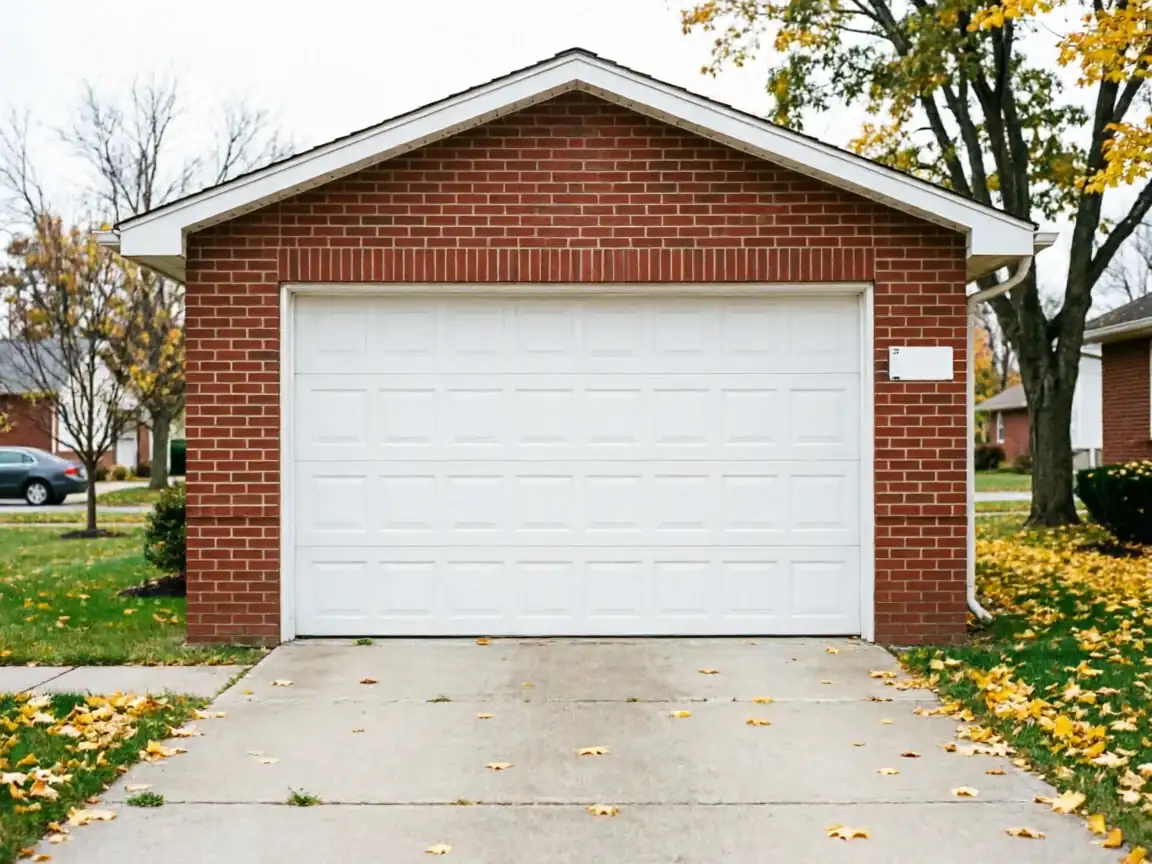
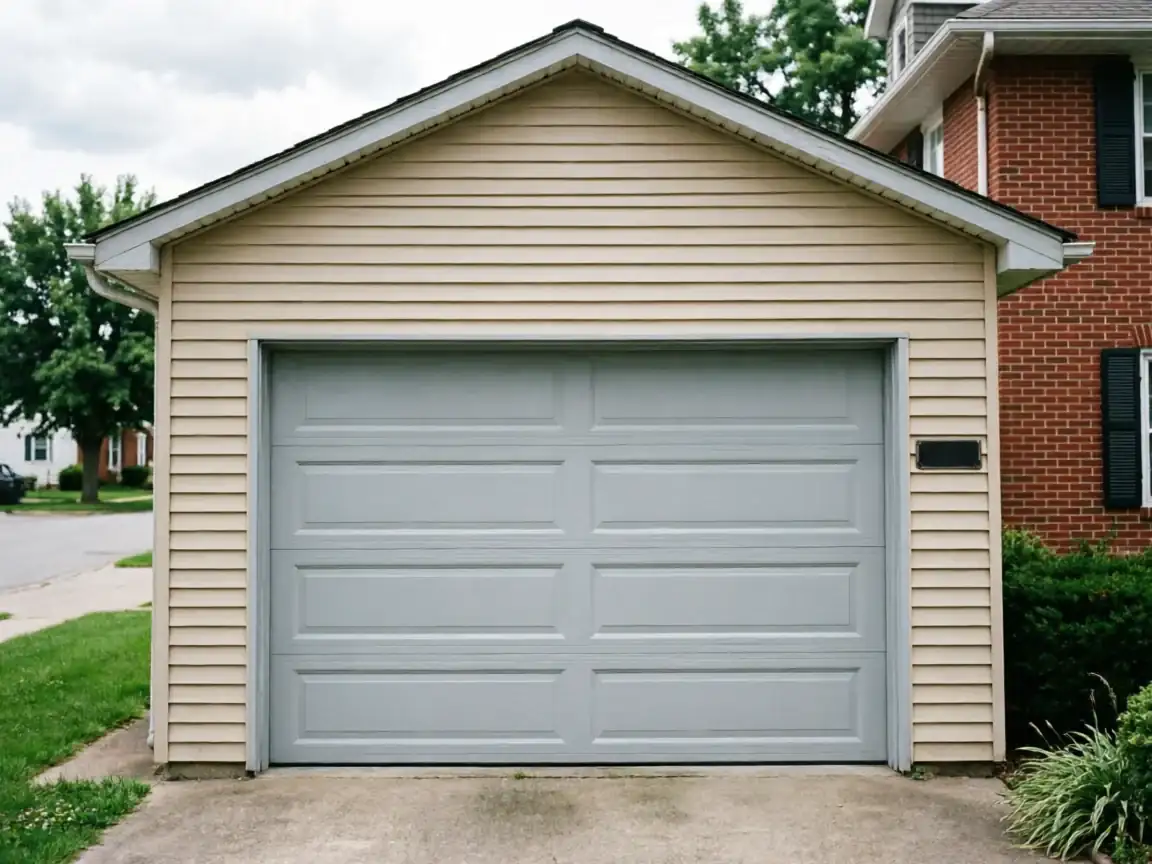
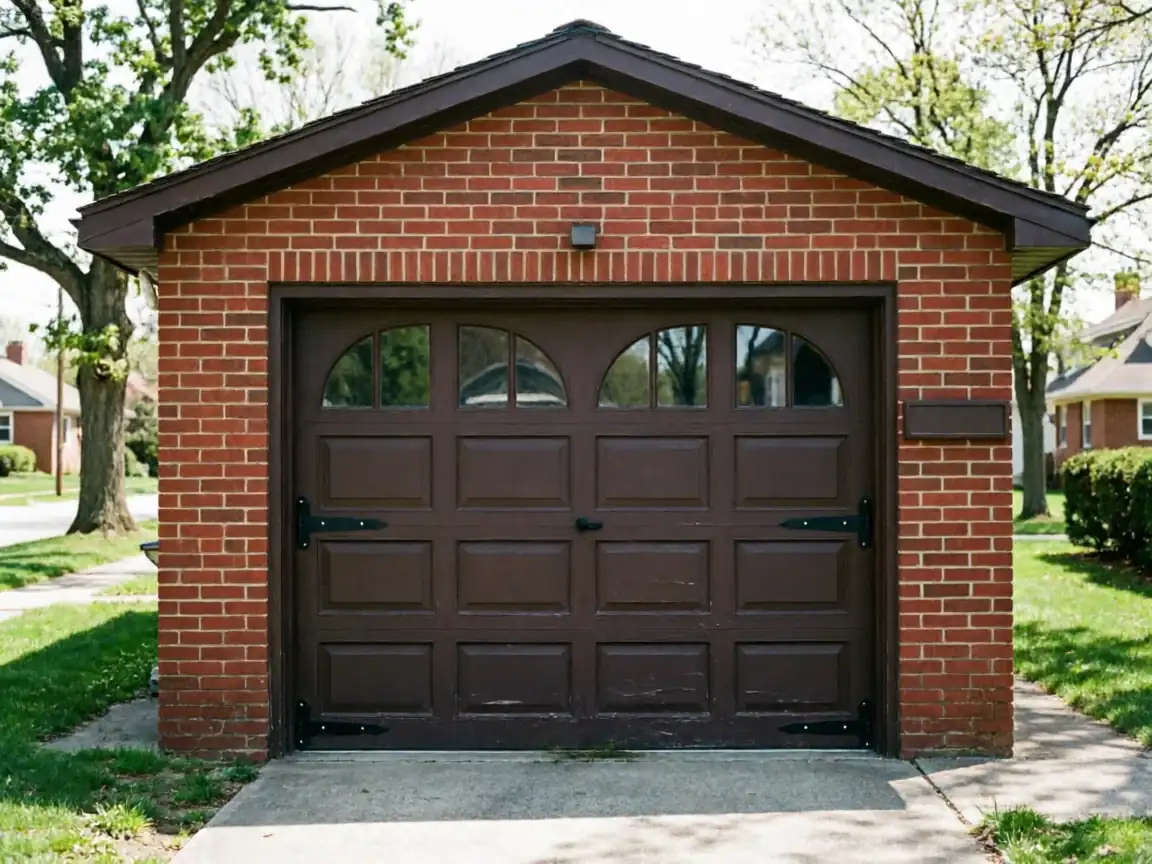
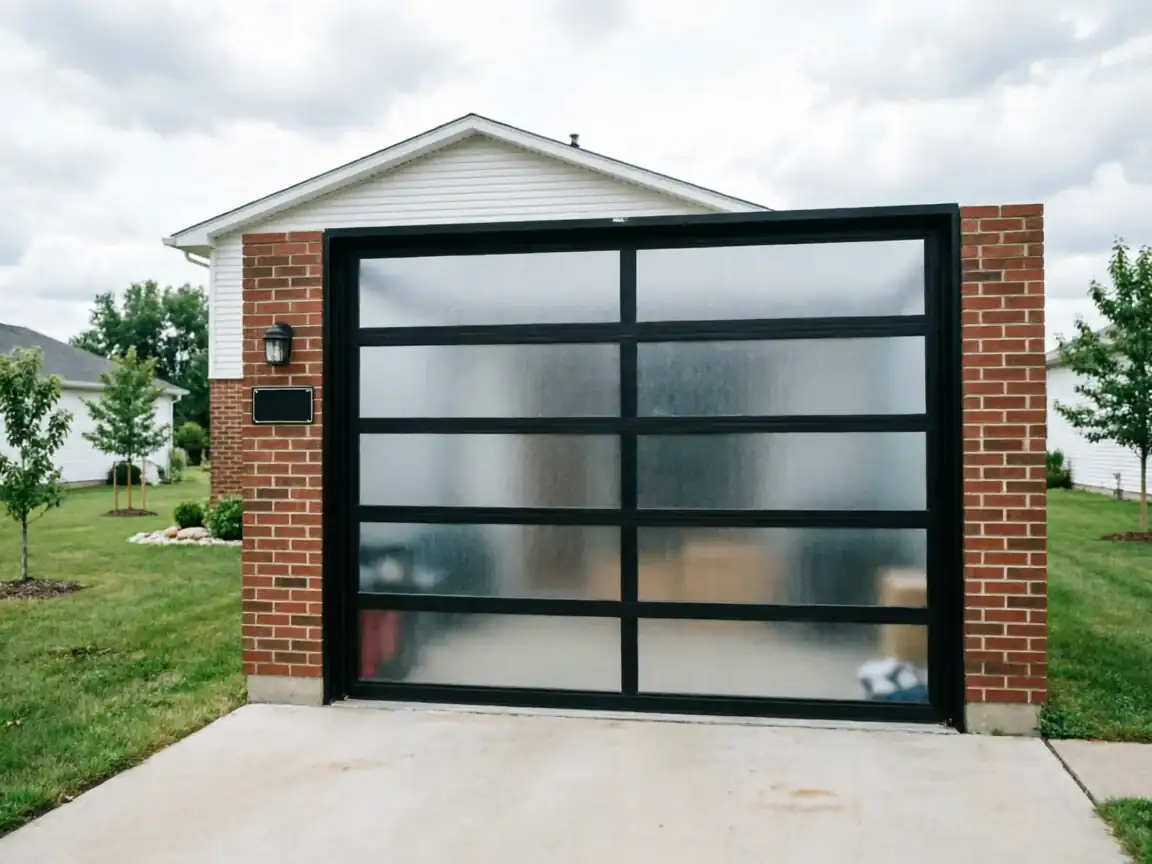
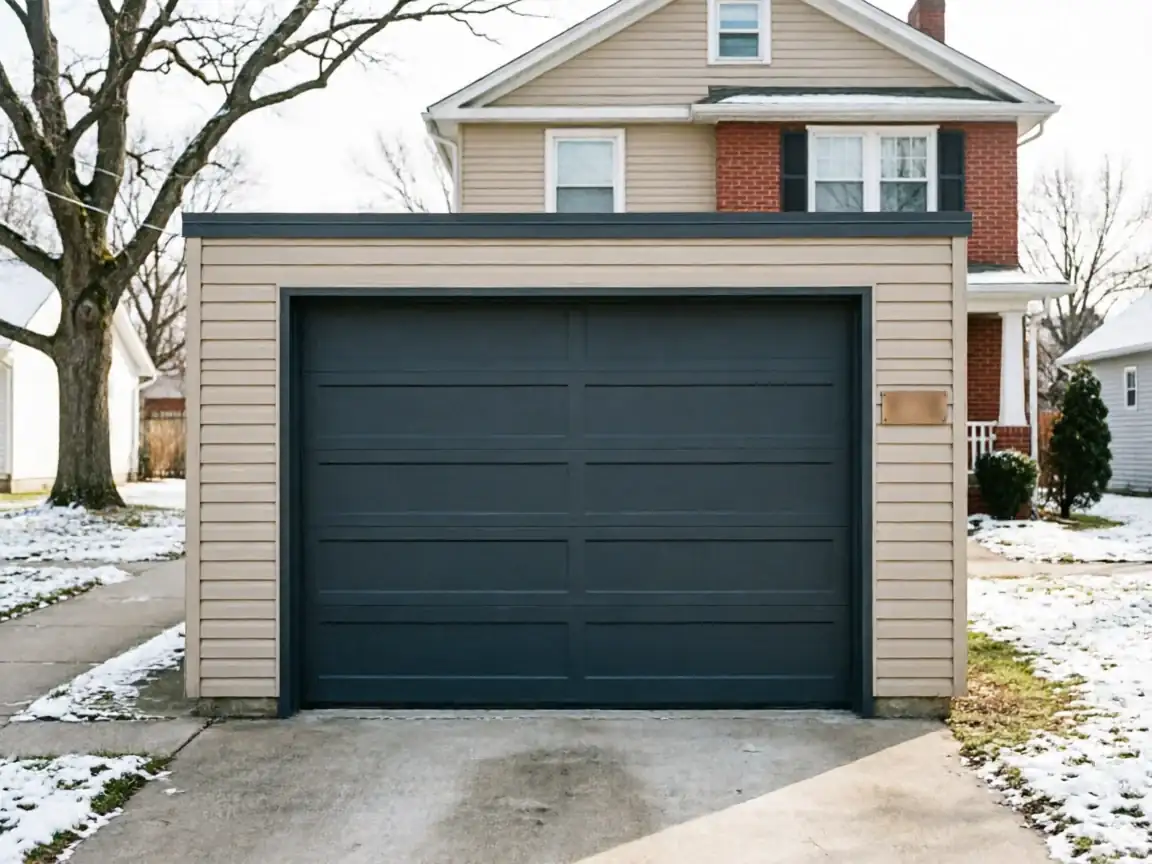
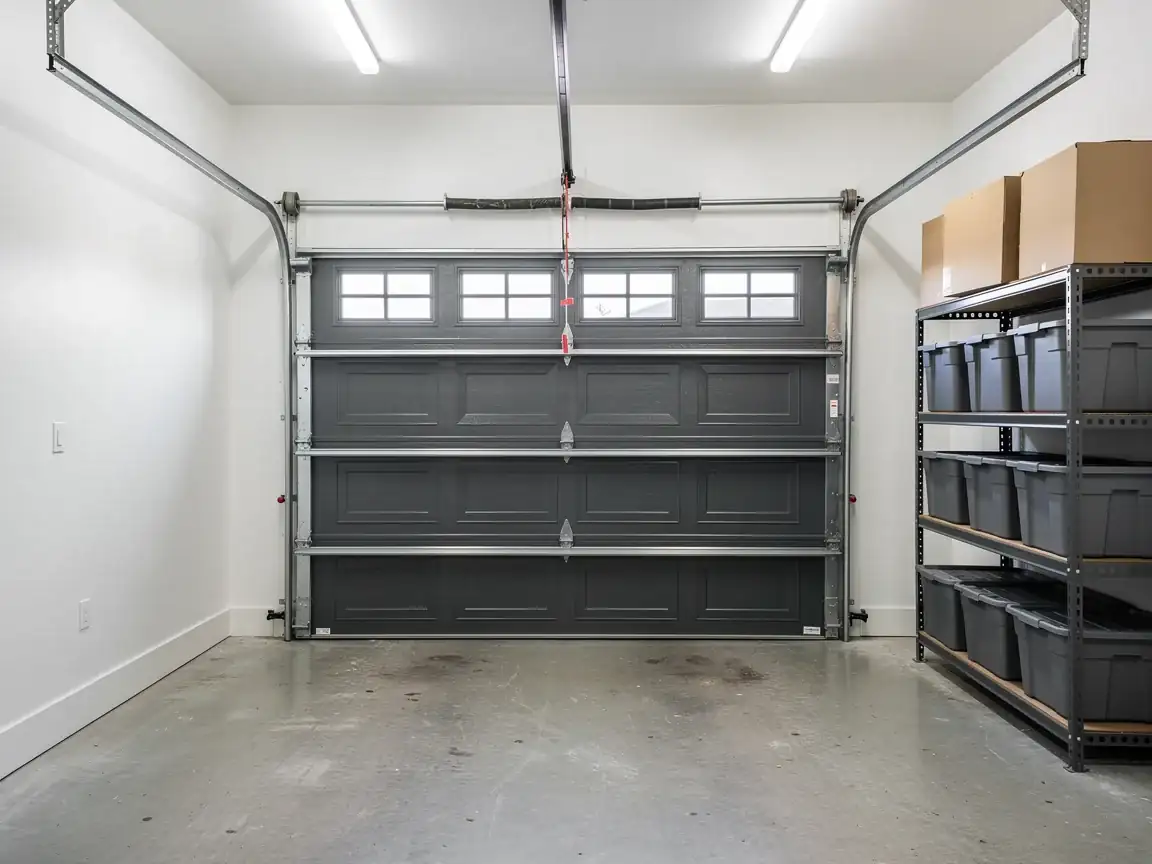
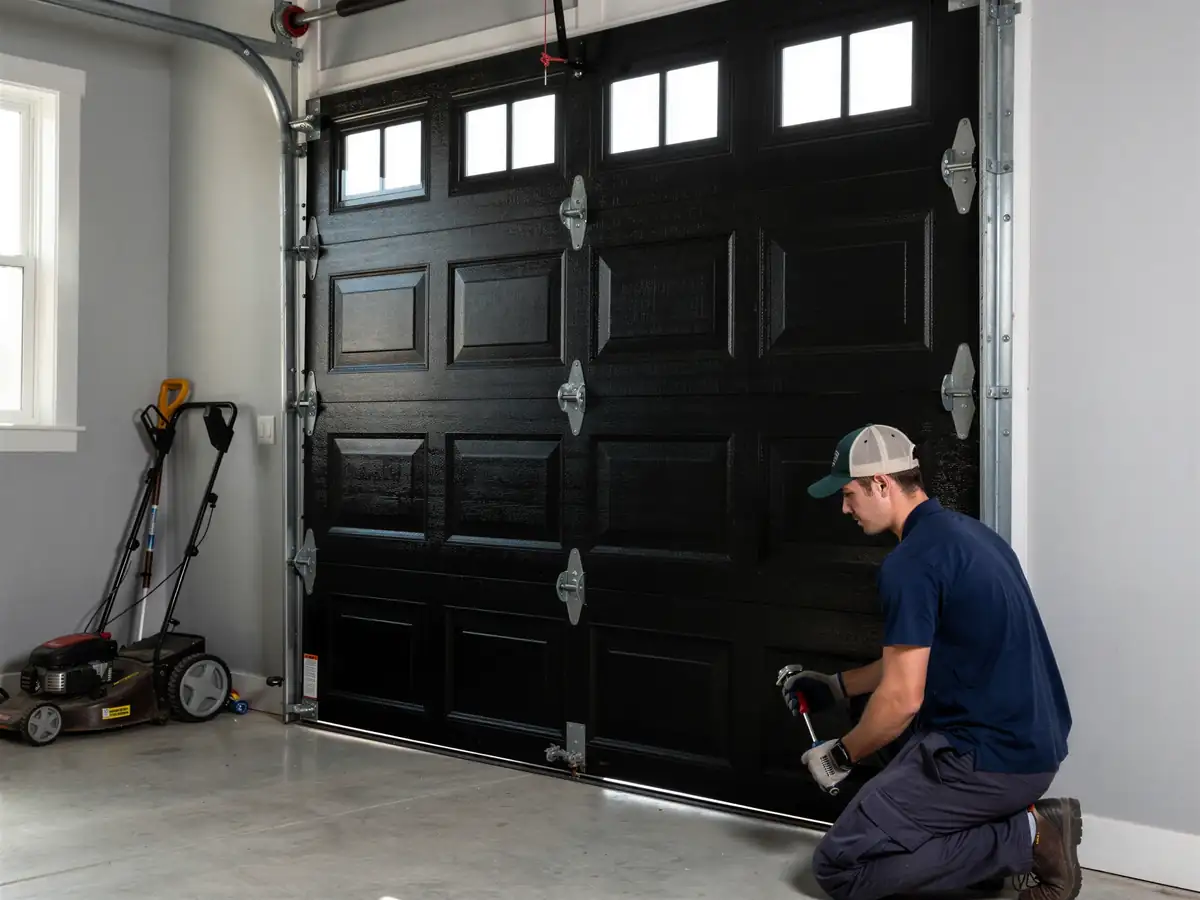
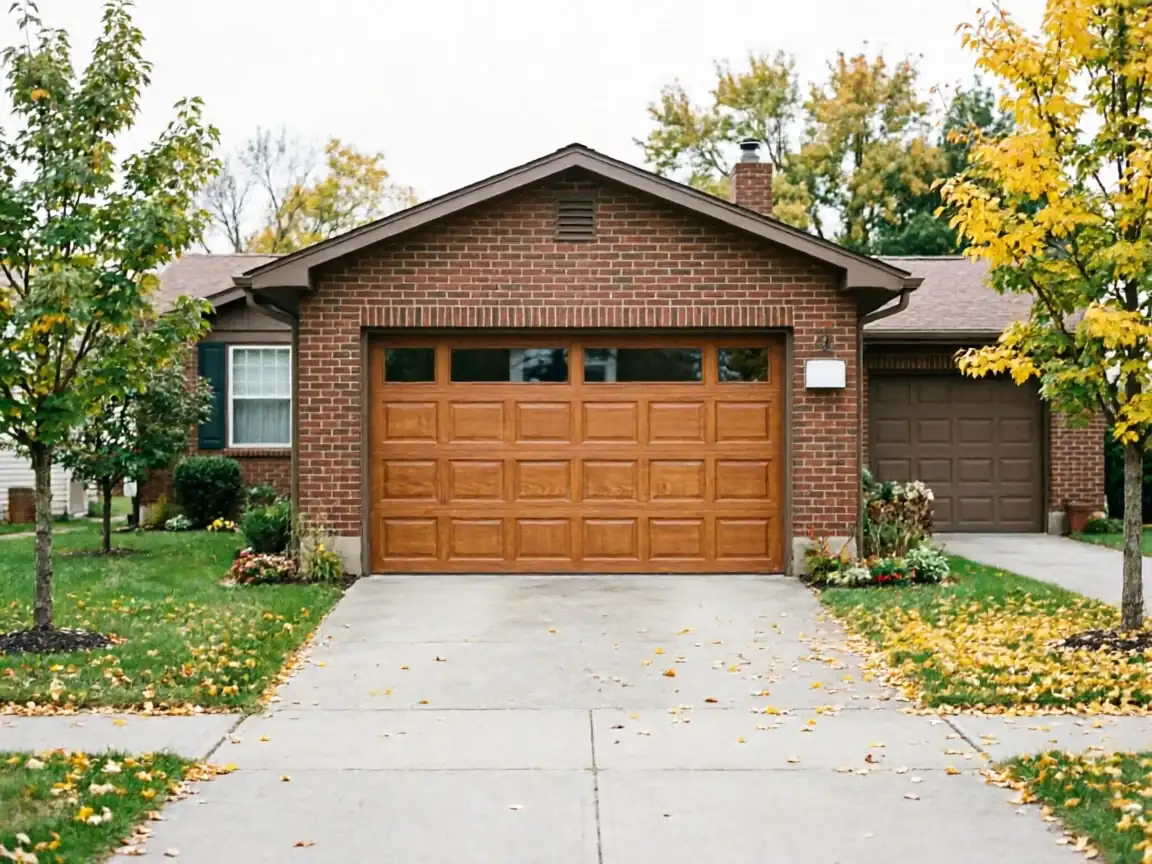
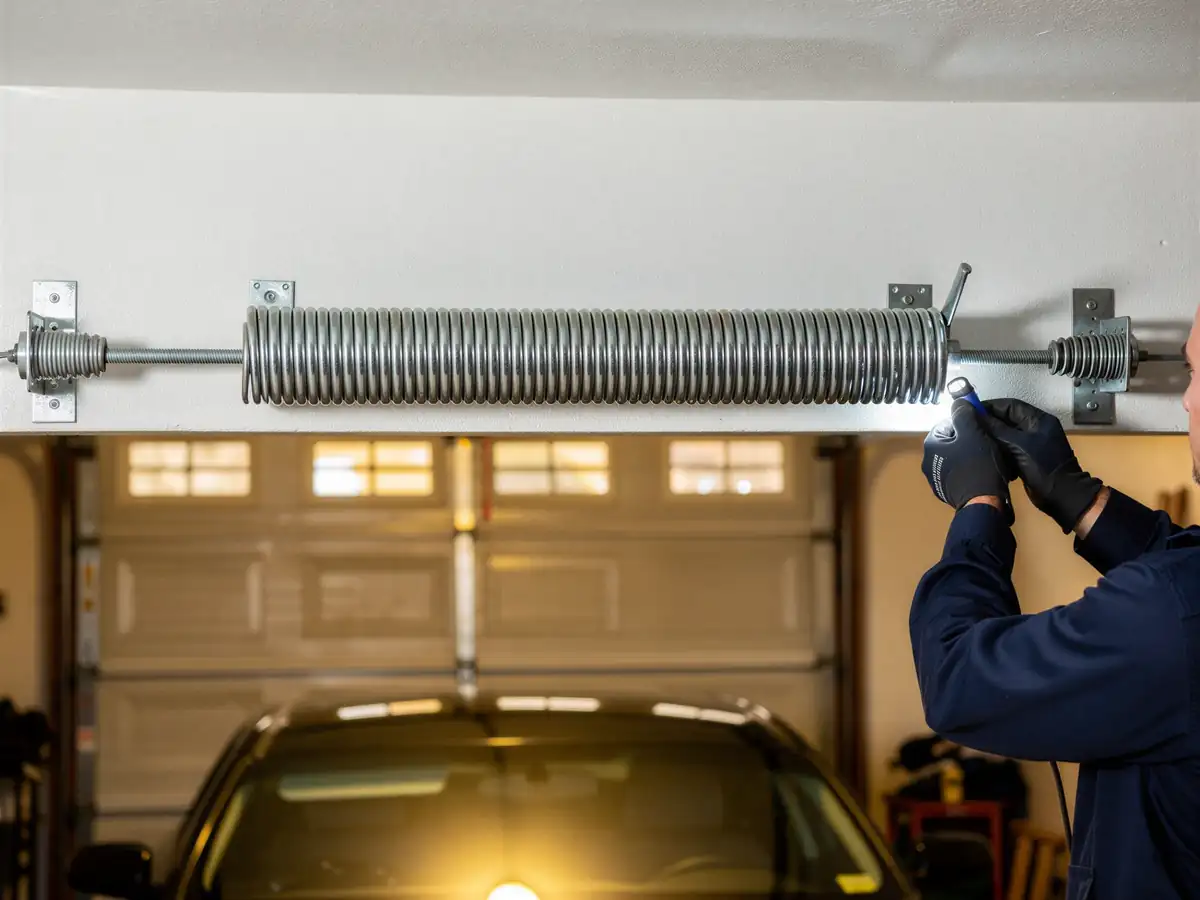
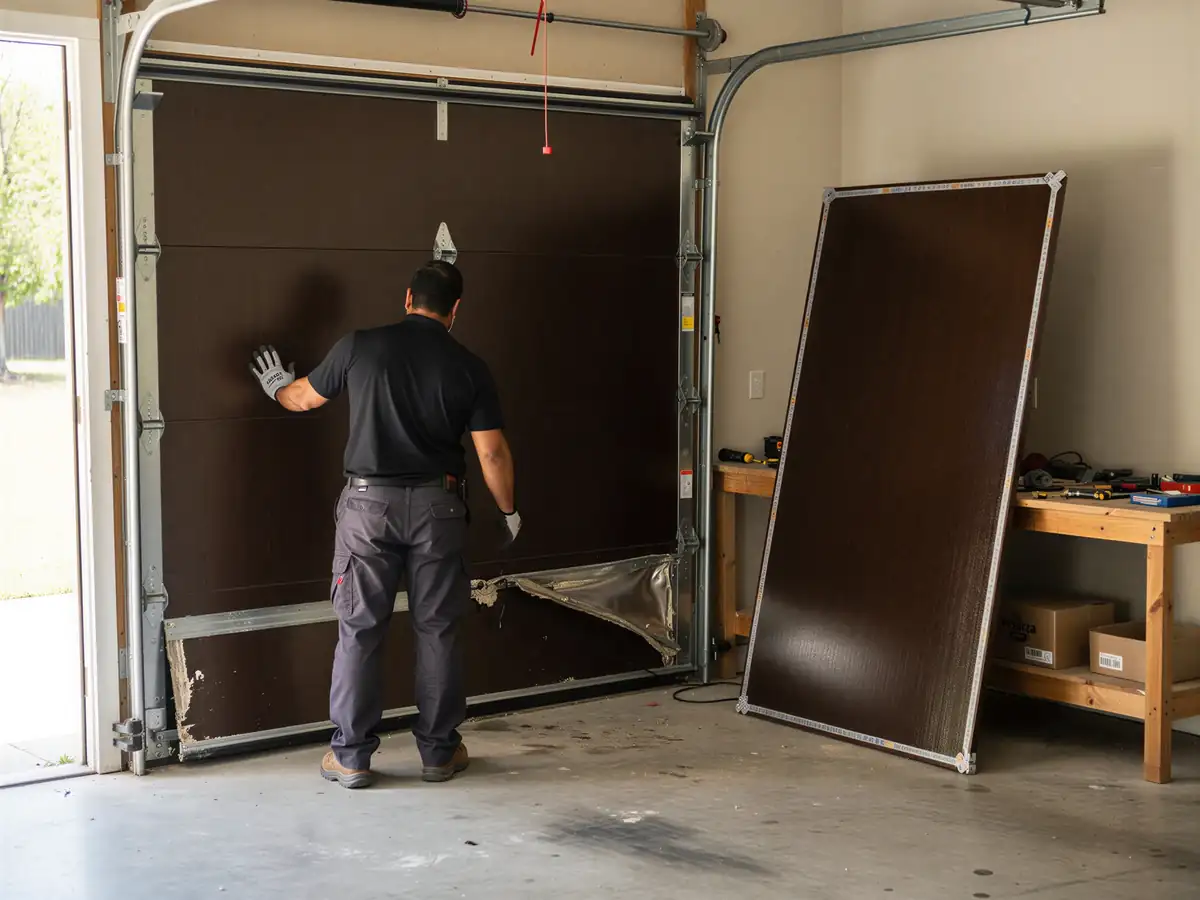
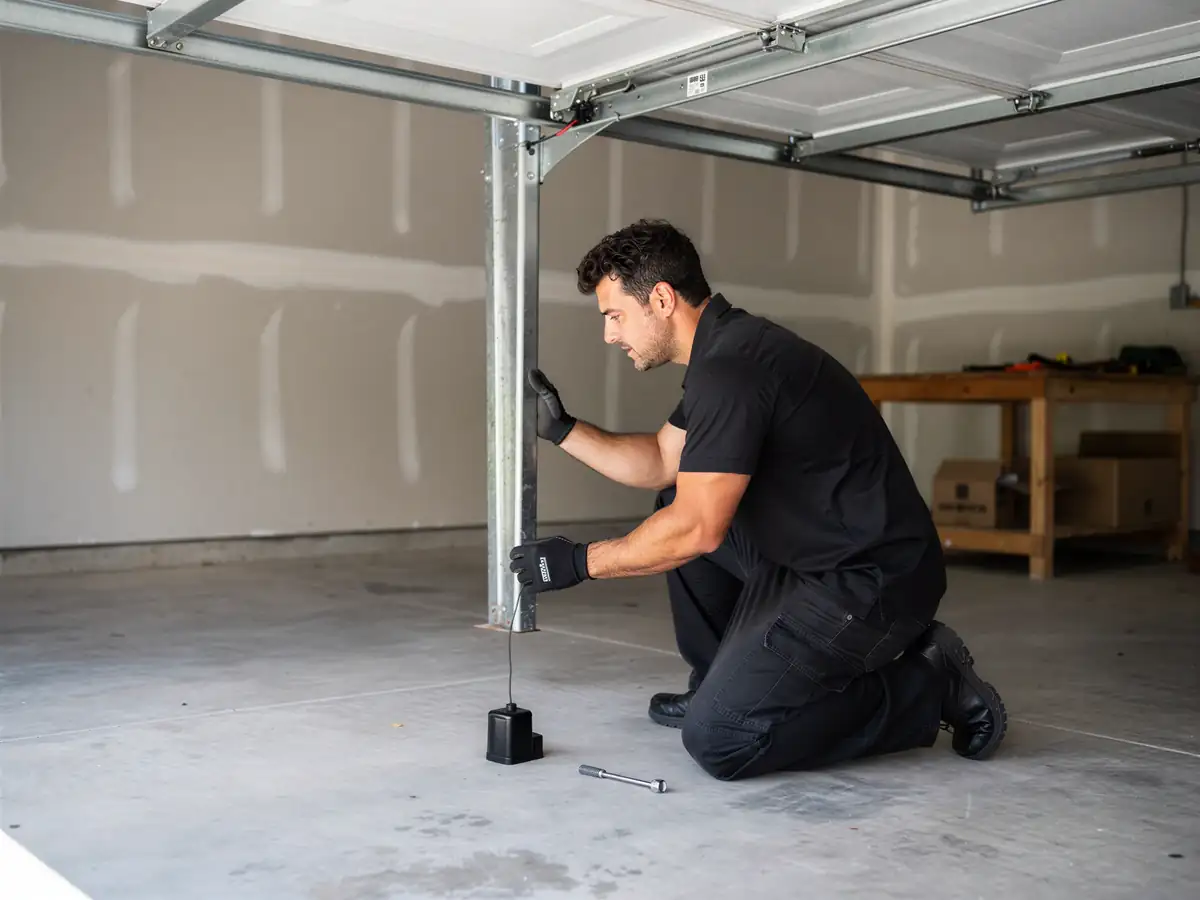
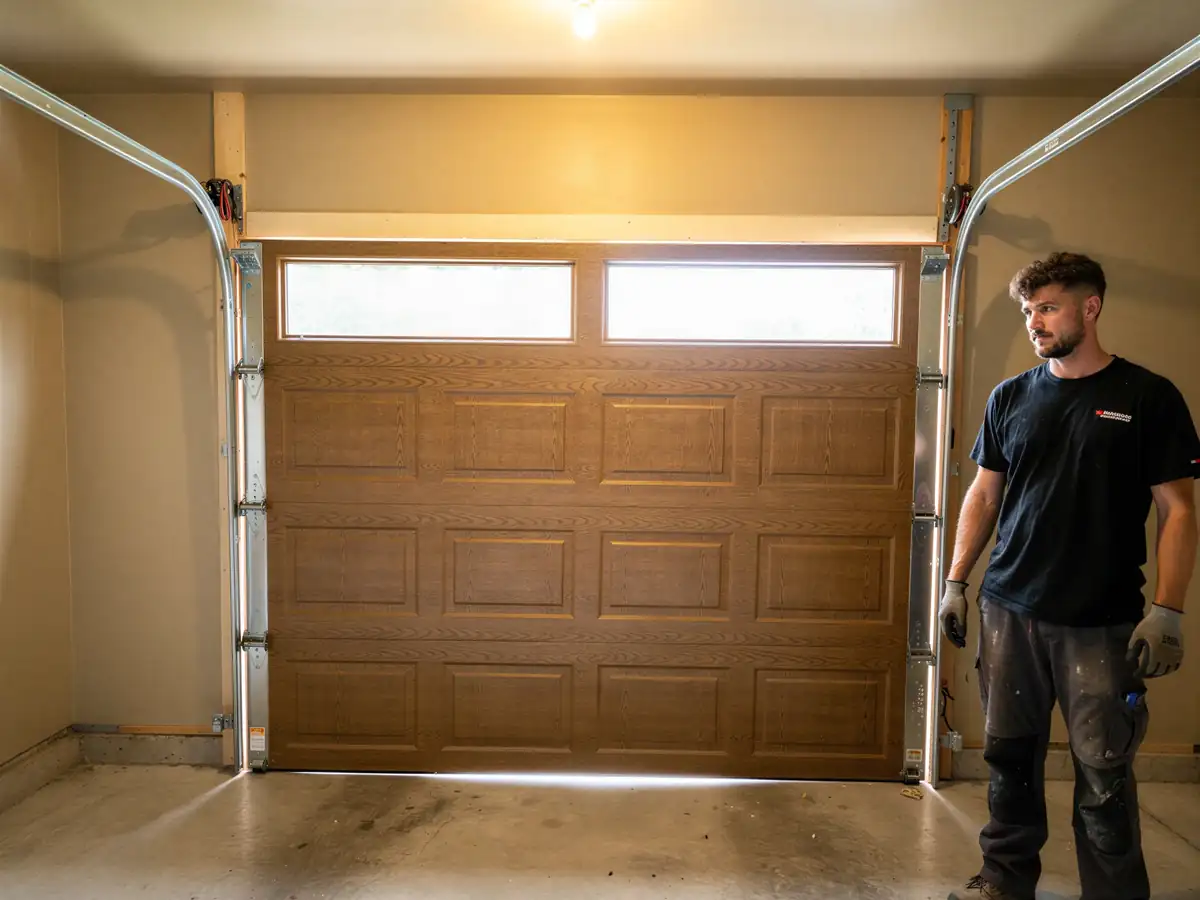
Robbinsdale's median year built sits at 1957, well ahead of the 1980 median we see across the rest of the service area we cover out of Brooklyn Park. That gap matters the second you start measuring an opening. A house built in the late 1950s was usually framed for a single narrower bay or a shorter double, with headroom that doesn't match what a standard 7-foot door and today's torsion hardware expect. Installing new here is rarely a drop-in swap. We're measuring the rough opening, checking headroom for the torsion shaft and drums, and sometimes reframing the jamb before a new door ever goes up. On the roughly 6,444 households in Robbinsdale, a good number still carry the original opening dimensions even where the door itself has been replaced once or twice since. We bring the door, track, and opener out from Brooklyn Park, about 6 miles away, and we size the install to what's actually there instead of what a spec sheet assumes.
Doing It Yourself
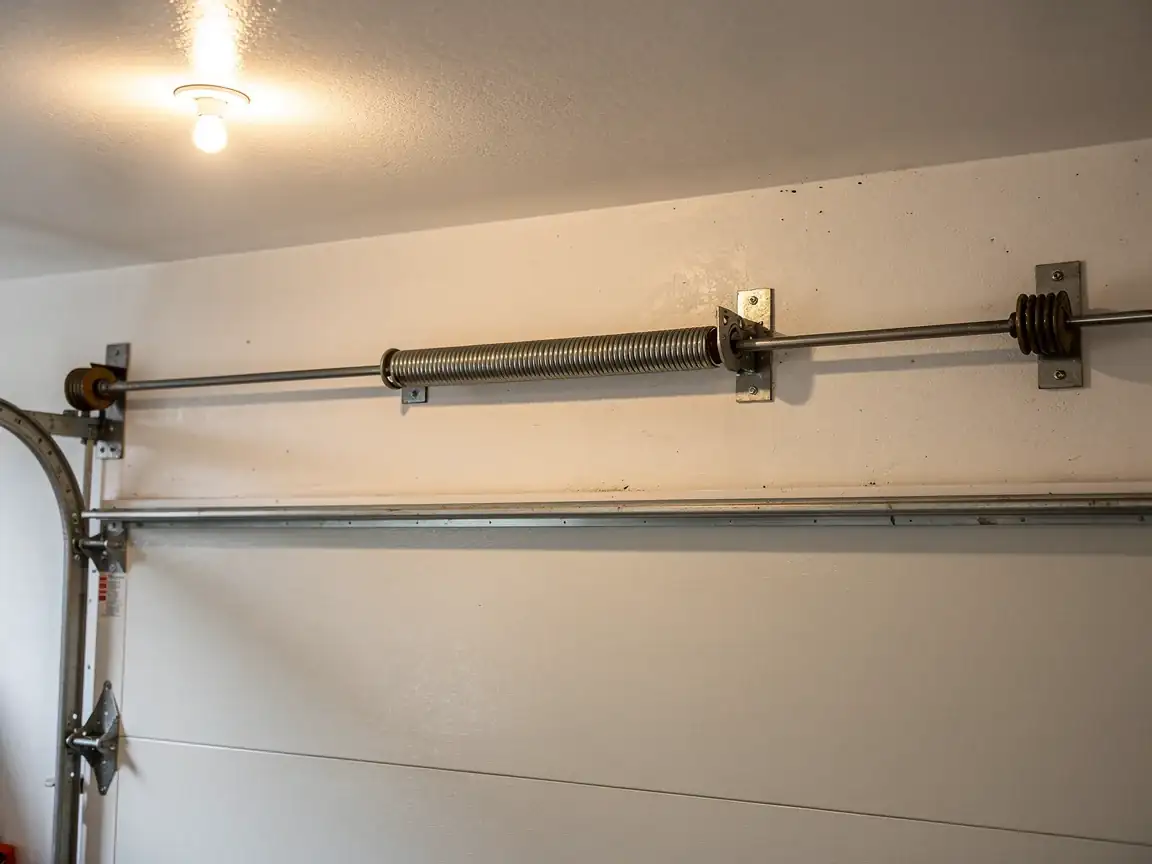
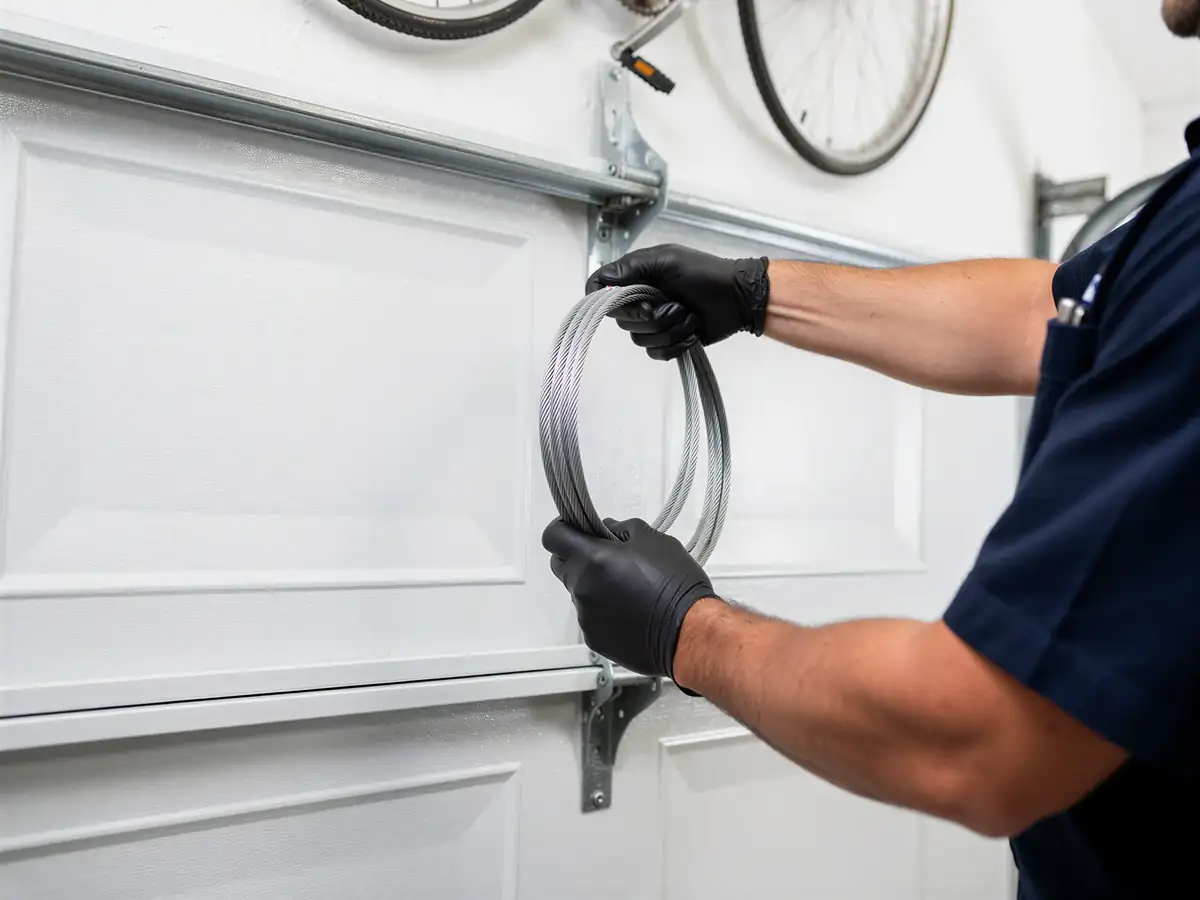
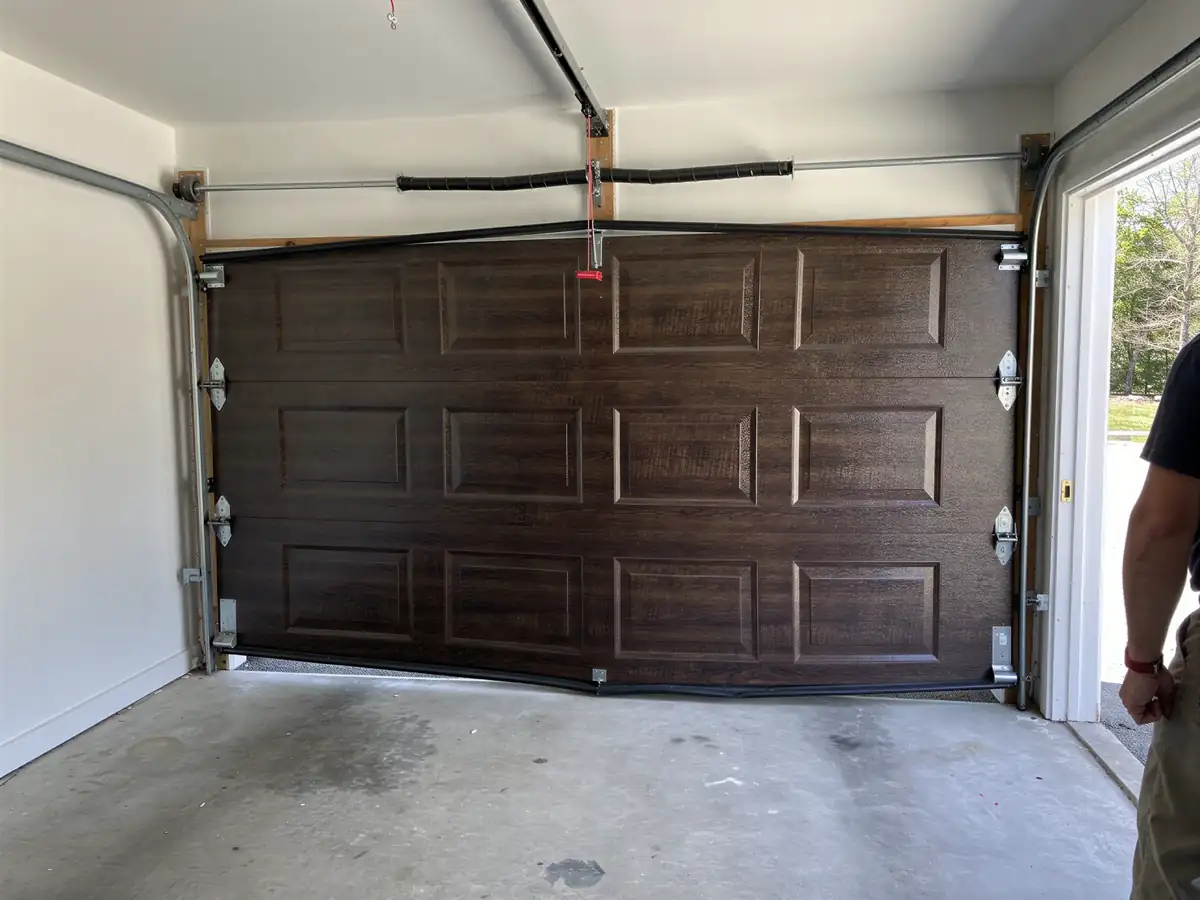
A new door on a house this age is not a weekend DIY swap in most cases. Original 1950s openings weren't engineered for a 7-foot panelized door with a standard torsion spring setup, so you're often dealing with header height or track clearance the kit instructions never anticipated. This region also sits in a cold-severe climate band, which means the door and its weatherstripping need to seal tight against a winter that doesn't forgive a gap. Get the spring tension wrong on an oversized door in a tight opening and you're looking at a cable snap, not a scratched panel. If your house is one of the newer builds mixed into Robbinsdale's stock, a standard replacement is more forgiving - but you won't know which situation you're in until the old door's off the track.
Where This Job Goes Sideways
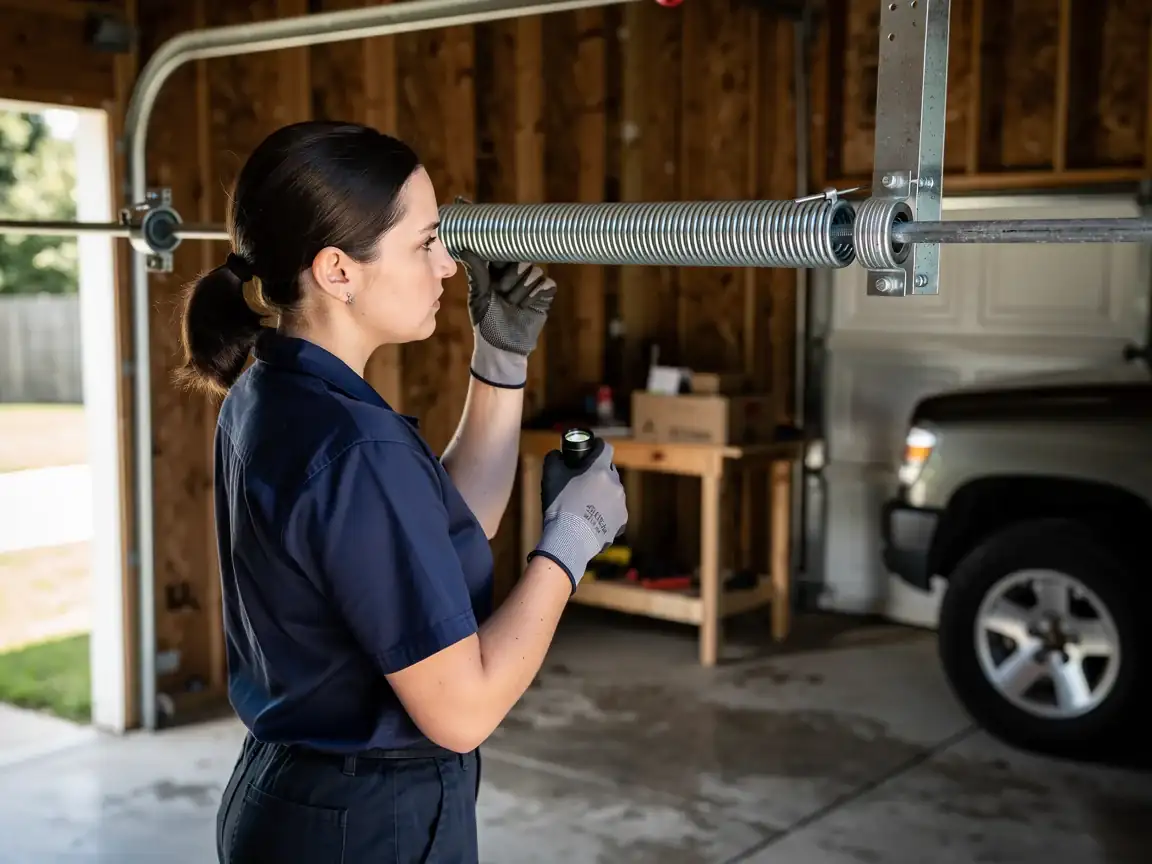
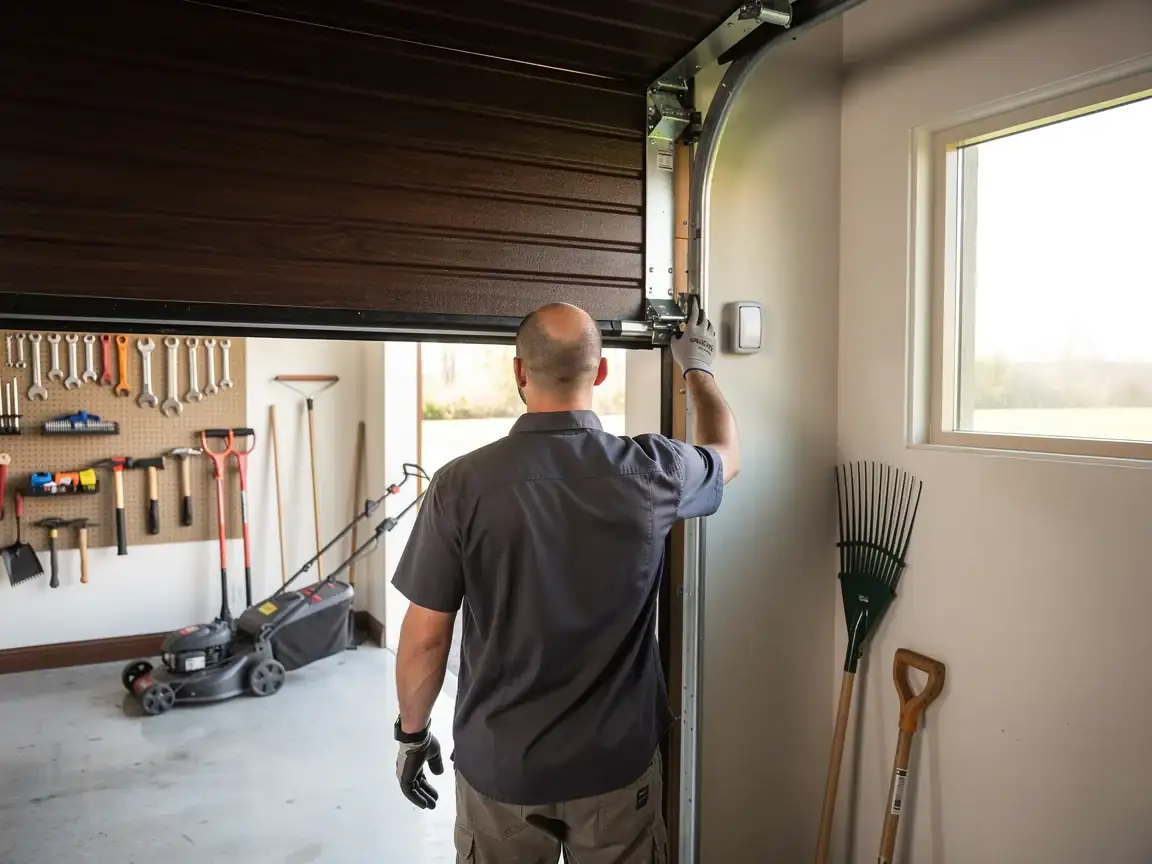
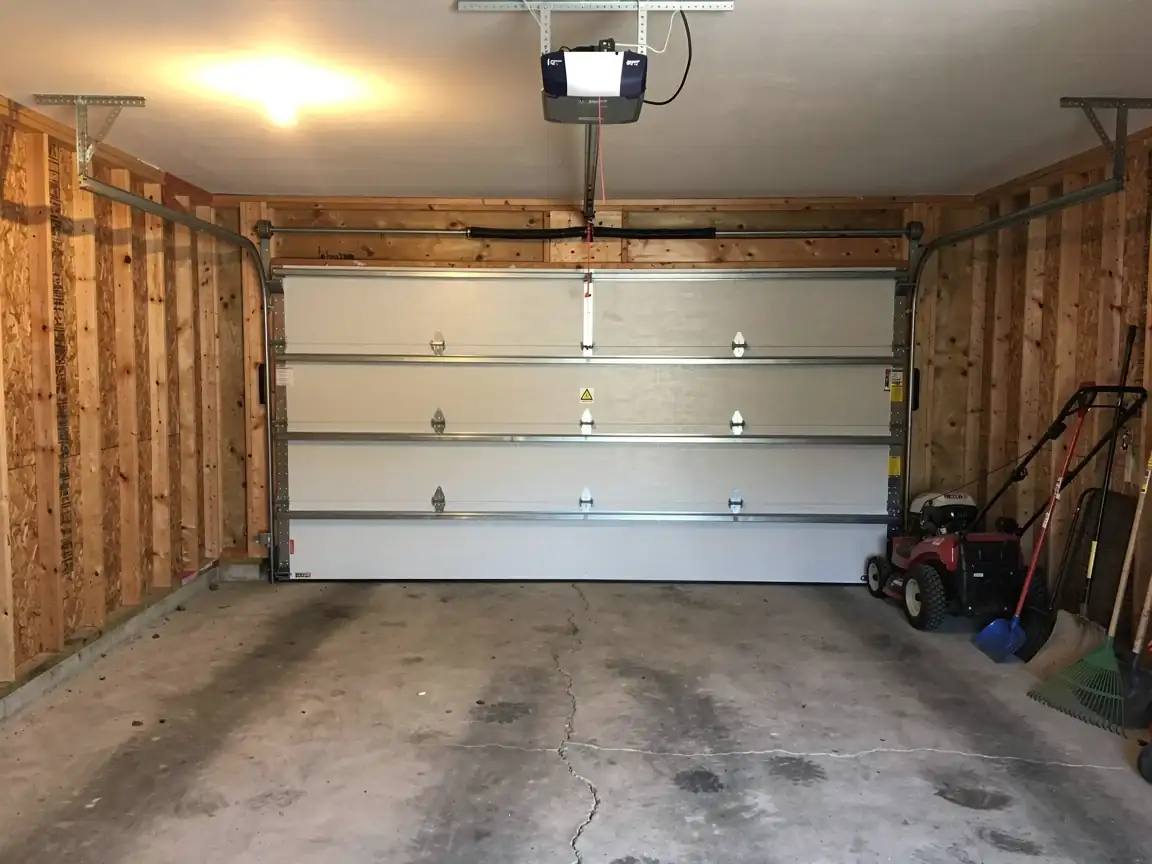
The failure point on older Robbinsdale homes is almost always headroom. A door that looks like a standard 7-footer on the showroom floor can be an inch or two taller than what the original 1957 framing allows for the torsion shaft and drums to clear the header. We've seen installs stall mid-job because nobody checked that clearance before the old door came down. The other spot it goes wrong is the jamb itself - six decades of settling on an older frame means square is not a given, and a door installed against an out-of-square jamb will bind on one side within months. Measuring twice before ordering the door is the difference between a clean install and a callback.